
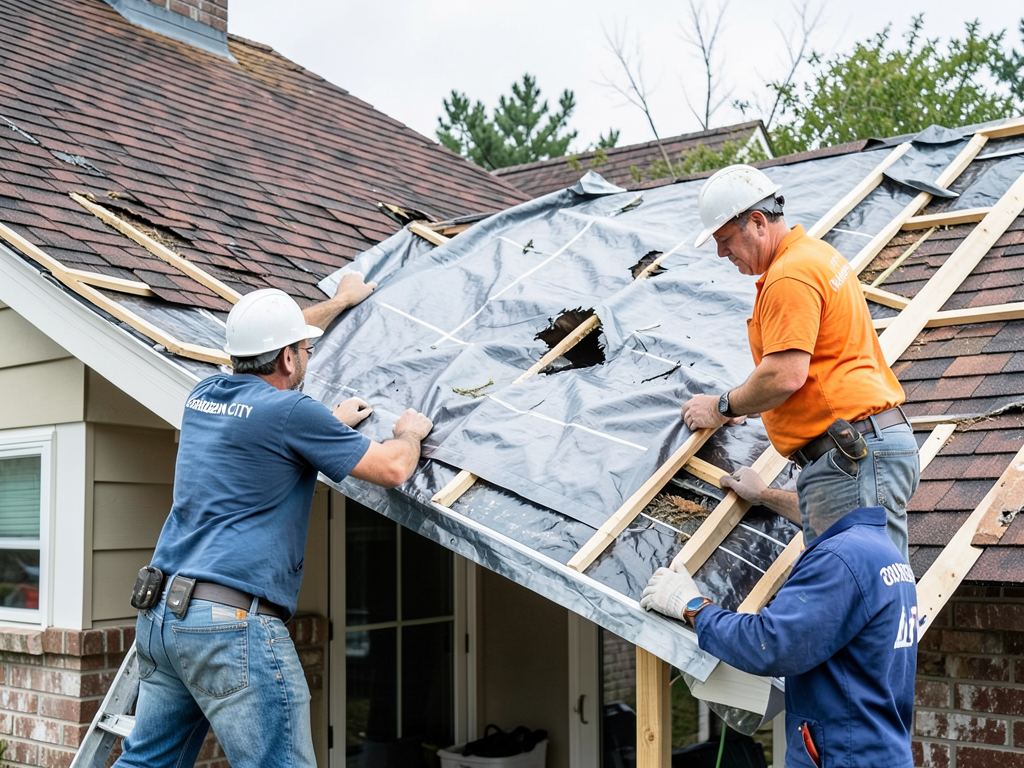
How to Properly Tarp a Damaged Roof to Prevent More Water Damage in Garden City
When a storm tears through Garden City the damage can be immediate and devastating. A fallen tree limb or high winds can rip shingles off your roof leaving your home exposed to Michigan’s heavy rain and snow. The first 24 hours are critical. Water intrusion can destroy insulation ceilings and personal belongings while creating the perfect environment for toxic mold growth. This guide explains exactly what to do when your roof springs a leak and when to call for professional emergency tarping services at (313) 604-2233. Michigan Department of Licensing and Regulatory Affairs.
Why Garden City Homes Face Unique Roofing Challenges
Garden City sits in Wayne County where the climate creates specific roofing vulnerabilities. The area experiences freeze-thaw cycles that cause ice dams to form along roof edges forcing water under shingles. Michigan’s building code requires ice and water shield installation in these vulnerable zones but many older homes in the 48135 zip code lack this protection. The heavy clay soil common in southeastern Michigan also affects roof drainage. When gutters clog with debris water backs up and finds the path of least resistance often through existing roof vulnerabilities. Michigan Department of Health and Human Services.
Diagram showing how ice dams form on Michigan roofs and force water under shingles during winter freeze-thaw cycles.
Emergency Roof Tarping Step-by-Step Process
Professional emergency tarping follows a specific protocol to ensure maximum protection. The process begins with a thorough damage assessment from the ground and then from the roof surface if conditions are safe. Technicians identify active leaks damaged decking and compromised flashing points. They then select the appropriate tarp size allowing for six to eight inches of overlap on all sides beyond the damaged area.. Read more about Why You Should Get a Professional Inspection After Hail Hits Southgate.
- Damage Assessment
Inspect the roof to locate all breaches and determine the extent of structural damage. Look for sagging decking which indicates water saturation.
- Surface Preparation
Clear debris leaves and loose materials from the damaged area. This ensures the tarp lies flat and creates a proper seal.. Read more about The Best Roofing Materials for Withstanding High Winds in Harrison Township.
- Tarp Installation
Position the tarp with sufficient overlap. Use 2×4 lumber strips to secure the tarp edges with screws rather than nails which can create new leak points.
- Weather Sealing
Apply waterproof tape at all seams and edges. Pay special attention to roof penetrations like vents and chimneys.
- Documentation
Photograph the damage and tarping work for insurance purposes. Note the date materials used and weather conditions.
Safety Considerations for DIY Tarping Attempts
Attempting to tarp a roof yourself carries serious risks especially on the steep pitches common in Garden City’s older neighborhoods. Michigan Occupational Safety and Health Administration (MIOSHA) regulations require fall protection for any work at heights over six feet. A wet roof covered in leaves becomes extremely slippery. The weight of tools and materials can throw off your balance on a sloped surface.. Read more about Converting Your Flat Garage Roof to a Sloped One to Stop Standing Water.
Beyond the fall hazard you risk causing additional damage. Walking on wet decking can cause it to collapse. Improper tarp installation can create water dams that redirect water to undamaged areas. Using the wrong fasteners can puncture the tarp creating new leak points. The temporary cost savings rarely justify the potential for injury or making the damage worse.
Insurance Claim Documentation for Michigan Homeowners
Wayne County insurance adjusters look for specific documentation when processing storm damage claims. The Michigan Department of Insurance and Financial Services requires proof of sudden damage versus gradual deterioration. Take clear photos of the damaged area before any temporary repairs. Document the date and time of the storm using local weather service reports.
Keep receipts for emergency services including tarping. Many policies cover reasonable temporary repairs to prevent further damage. The documentation should show the tarp extends beyond the visible damage by at least two feet on all sides. This demonstrates you took proper steps to mitigate additional losses which insurance companies expect under Michigan law.
Common Storm Damage Patterns in Garden City
Garden City experiences several predictable storm damage patterns based on its location and housing stock. The area’s many ranch-style homes built in the 1950s and 1960s often have aging three-tab shingles that become brittle and tear easily in high winds. The flat sections of these roofs are particularly vulnerable to ponding water which finds weaknesses in the roofing material. Why Flat Roofs in Corktown Require Specialized Drainage Solutions.
During severe thunderstorms straight-line winds coming from Lake Erie can exceed 60 mph creating uplift forces that separate shingles from their adhesive strips. The resulting gaps allow wind-driven rain to penetrate the underlayment. In winter months ice accumulation on tree branches creates impact hazards. A branch weighing several hundred pounds falling from 30 feet can easily puncture roofing materials even when they appear intact. Metal Roofing for Ferndale Homes (Is it Actually Worth the Investment?).
Temporary vs Permanent Repair Timeline
Emergency tarping provides protection for 30 to 90 days depending on weather conditions. Michigan’s Building Code allows this temporary measure while you arrange for permanent repairs. The tarp creates a critical barrier but it is not a substitute for proper roofing. UV exposure wind and temperature fluctuations will eventually degrade the tarp material. Spray Foam Roofing.
The permanent repair process typically takes longer than homeowners expect. Insurance adjusters need to inspect the damage before approving claims. Materials may need to be ordered especially for matching existing roofing on historic homes in Garden City’s older neighborhoods. Weather delays are common in Michigan where spring storms can delay exterior work for weeks. Getting Your Historic Roof Restored in Indian Village the Right Way.
Photo showing proper tarp installation with 2×4 battens secured every 12 inches along the tarp edges to prevent wind uplift.
Preventing Secondary Water Damage
Water that enters through a roof opening continues to travel through your home’s structure. It can travel along rafters and through wall cavities before emerging in unexpected places. This hidden moisture creates the perfect environment for mold growth which Michigan’s Department of Health and Human Services identifies as a serious indoor air quality concern.
Within 24 to 48 hours of water intrusion mold spores can begin to colonize. The musty odor often appears before visible growth. Black mold particularly Stachybotrys chartarum thrives in the cellulose found in drywall and insulation. Professional drying equipment can prevent this secondary damage but only if deployed quickly. The cost of mold remediation often exceeds the original roof repair by three to five times.
Local Building Code Requirements for Emergency Repairs
Wayne County follows the Michigan Residential Code for emergency repairs. The code allows homeowners to make temporary repairs to prevent further damage without a permit. However these repairs must meet specific standards. Tarps must be secured to prevent them from becoming windborne debris which creates hazards for neighbors and passing vehicles. What Royal Oak Homeowners Should Know Before Choosing a Roofing Contractor.
The code requires that any temporary repair not create new hazards. This means avoiding exposed nails or sharp edges that could injure someone. For homes in Garden City’s historic districts near Ford Road the preservation guidelines require that temporary measures not damage original materials. This often means using non-penetrating clamps rather than screws to secure protective coverings.
Cost Factors for Emergency Tarping Services
Emergency tarping costs in Garden City typically range from $300 to $800 depending on several factors. The size of the damaged area directly affects material costs since tarps come in standard sizes. Roof pitch impacts labor since steeper roofs require additional safety equipment and take longer to secure properly.
Accessibility also affects pricing. Homes with limited driveway access or those surrounded by delicate landscaping may require special equipment to reach the roof. The time of day matters too. After-hours emergency calls between 10 PM and 6 AM often include a premium for having crews respond during overnight hours when most roofing companies are closed.
Warning Signs Your Roof Needs Immediate Attention
Not all roof damage is immediately visible from the ground. Water stains on ceilings often appear hours or days after the initial breach. By then the damage has already begun. Look for these warning signs that indicate you need emergency tarping services right away.
- Water dripping from ceiling fixtures or light fixtures
- Bubbling or peeling paint on interior walls
- Damp spots on drywall that feel soft to the touch
- Curling or missing shingles in multiple areas
- Debris in your yard that came from your roof
- Visible sagging in your roof deck from inside the attic
These signs indicate active water intrusion that will worsen with the next rainfall. The longer you wait the more extensive and expensive the repairs become.
Choosing a Reliable Emergency Roofing Contractor
When selecting an emergency roofing contractor in Garden City verify their credentials before allowing any work. Michigan requires roofing contractors to carry specific insurance including workers’ compensation and liability coverage. Ask for their state license number and verify it through the Michigan Department of Licensing and Regulatory Affairs.
Local experience matters for emergency work. Contractors familiar with Garden City’s housing stock know which neighborhoods have the oldest roofs and which areas flood first during heavy rains. They understand local permit requirements and have relationships with area suppliers who can provide materials quickly even during widespread storm events.
Photo sequence showing before during and after emergency tarping on a Garden City home with wind-damaged shingles.
Frequently Asked Questions
How long can I leave a tarp on my roof?
Most tarps provide adequate protection for 30 to 90 days depending on weather conditions. Michigan’s Building Code considers this a temporary repair while you arrange permanent fixes. Extended exposure to UV rays and wind will degrade the material over time.
Will my insurance cover emergency tarping?
Most homeowners insurance policies in Michigan cover reasonable temporary repairs to prevent further damage. You must document the damage and keep receipts. The insurance company may require an adjuster to inspect the site before approving permanent repairs.
Can I tarp my own roof safely?
While possible the risks often outweigh the benefits. MIOSHA regulations require fall protection for work over six feet high. Wet roofs are extremely slippery and improper installation can cause more damage. Professional services include insurance coverage and proper safety equipment.
What should I do if water is actively leaking?
Move valuables away from the leak and place buckets to catch water. If safe to do so cover furniture with plastic sheeting. Call for emergency services immediately at (313) 604-2233. Document the damage with photos before any temporary repairs begin.
How quickly can someone respond to an emergency call?
During normal weather conditions most emergency calls in Garden City receive a response within two to four hours. During widespread storm events response times may extend to 12 hours as multiple properties require assistance. Priority goes to active leaks causing interior damage.
You may also find this helpful. How to Tell if Your Roof Leak is Actually a Plumbing or HVAC Issue.
Water damage waits for no one. When your Garden City home needs emergency roof tarping call (313) 604-2233 right now. Our crews are standing by 24 hours a day seven days a week to protect your home from Michigan’s unpredictable weather. Don’t let a small leak turn into a major disaster. Pick up the phone and call (313) 604-2233 before the next storm hits.
{
“@context”: “https://schema.org”,
“@type”: “BlogPosting”,
“headline”: “How to Properly Tarp a Damaged Roof to Prevent More Water Damage in Garden City”,
“description”: “Protect your Garden City home from storm damage with emergency roof tarping. Learn when to call (313) 604-2233 for 24/7 service and how to prevent costly water damage.”,
“wordCount”: 1866,
“datePublished”: “2026-04-14T10:59:00.000Z”,
“dateModified”: “2026-04-14T10:59:00.000Z”,
“inLanguage”: “en-US”,
“mainEntityOfPage”: {
“@type”: “WebPage”,
“@id”: “https://peakroofingdetroit.com”
},
“publisher”: {
“@type”: “LocalBusiness”,
“name”: “Peak Roofing Detroit”,
“url”: “https://peakroofingdetroit.com”
},
“author”: {
“@type”: “Organization”,
“name”: “Peak Roofing Detroit”,
“url”: “https://peakroofingdetroit.com”
},
“image”: {
“@type”: “ImageObject”,
“url”: “https://peakroofingdetroit.com/wp-content/uploads/2026/03/how-to-properly-tarp-a-damaged-roof-to-prevent-mor-1.png”
}
}
{
“@context”: “https://schema.org”,
“@type”: “RoofingContractor”,
“name”: “Peak Roofing Detroit”,
“url”: “https://peakroofingdetroit.com”,
“address”: {
“@type”: “PostalAddress”,
“addressLocality”: “Detroit”
},
“areaServed”: {
“@type”: “City”,
“name”: “Detroit”
}
}
{
“@context”: “https://schema.org”,
“@type”: “FAQPage”,
“mainEntity”: [
{
“@type”: “Question”,
“name”: “How long can I leave a tarp on my roof?”,
“acceptedAnswer”: {
“@type”: “Answer”,
“text”: “Most tarps provide adequate protection for 30 to 90 days depending on weather conditions. Michigan’s Building Code considers this a temporary repair while you arrange permanent fixes. Extended exposure to UV rays and wind will degrade the material over time.”
}
},
{
“@type”: “Question”,
“name”: “Will my insurance cover emergency tarping?”,
“acceptedAnswer”: {
“@type”: “Answer”,
“text”: “Most homeowners insurance policies in Michigan cover reasonable temporary repairs to prevent further damage. You must document the damage and keep receipts. The insurance company may require an adjuster to inspect the site before approving permanent repairs.”
}
},
{
“@type”: “Question”,
“name”: “Can I tarp my own roof safely?”,
“acceptedAnswer”: {
“@type”: “Answer”,
“text”: “While possible the risks often outweigh the benefits. MIOSHA regulations require fall protection for work over six feet high. Wet roofs are extremely slippery and improper installation can cause more damage. Professional services include insurance coverage and proper safety equipment.”
}
},
{
“@type”: “Question”,
“name”: “What should I do if water is actively leaking?”,
“acceptedAnswer”: {
“@type”: “Answer”,
“text”: “Move valuables away from the leak and place buckets to catch water. If safe to do so cover furniture with plastic sheeting. Call for emergency services immediately at (313) 604-2233. Document the damage with photos before any temporary repairs begin.”
}
},
{
“@type”: “Question”,
“name”: “How quickly can someone respond to an emergency call?”,
“acceptedAnswer”: {
“@type”: “Answer”,
“text”: “During normal weather conditions most emergency calls in Garden City receive a response within two to four hours. During widespread storm events response times may extend to 12 hours as multiple properties require assistance. Priority goes to active leaks causing interior damage.”
}
}
]
}
{
“@context”: “https://schema.org”,
“@type”: “HowTo”,
“name”: “Emergency Roof Tarping Process”,
“step”: [
{
“@type”: “HowToStep”,
“position”: 1,
“name”: “Damage Assessment”,
“text”: “Inspect the roof to locate all breaches and determine the extent of structural damage. Look for sagging decking which indicates water saturation.”
},
{
“@type”: “HowToStep”,
“position”: 2,
“name”: “Surface Preparation”,
“text”: “Clear debris leaves and loose materials from the damaged area. This ensures the tarp lies flat and creates a proper seal.”
},
{
“@type”: “HowToStep”,
“position”: 3,
“name”: “Tarp Installation”,
“text”: “Position the tarp with sufficient overlap. Use 2×4 lumber strips to secure the tarp edges with screws rather than nails which can create new leak points.”
},
{
“@type”: “HowToStep”,
“position”: 4,
“name”: “Weather Sealing”,
“text”: “Apply waterproof tape at all seams and edges. Pay special attention to roof penetrations like vents and chimneys.”
},
{
“@type”: “HowToStep”,
“position”: 5,
“name”: “Documentation”,
“text”: “Photograph the damage and tarping work for insurance purposes. Note the date materials used and weather conditions.”
}
],
“image”: “https://peakroofingdetroit.com/wp-content/uploads/2026/03/how-to-properly-tarp-a-damaged-roof-to-prevent-mor-1.png”
}
{
“@context”: “https://schema.org”,
“@type”: “BreadcrumbList”,
“itemListElement”: [
{
“@type”: “ListItem”,
“position”: 1,
“name”: “Home”,
“item”: “https://peakroofingdetroit.com”
},
{
“@type”: “ListItem”,
“position”: 2,
“name”: “Blog”,
“item”: “https://peakroofingdetroit.com/blog”
},
{
“@type”: “ListItem”,
“position”: 3,
“name”: “How to Properly Tarp a Damaged Roof to Prevent More Water Damage in Garden City”
}
]
}
{
“@context”: “https://schema.org”,
“@type”: “Service”,
“serviceType”: “Roofing”,
“provider”: {
“@type”: “LocalBusiness”,
“name”: “Peak Roofing Detroit”,
“url”: “https://peakroofingdetroit.com”
},
“areaServed”: {
“@type”: “City”,
“name”: “Detroit”
},
“description”: “Protect your Garden City home from storm damage with emergency roof tarping. Learn when to call (313) 604-2233 for 24/7 service and how to prevent costly water damage.”
}