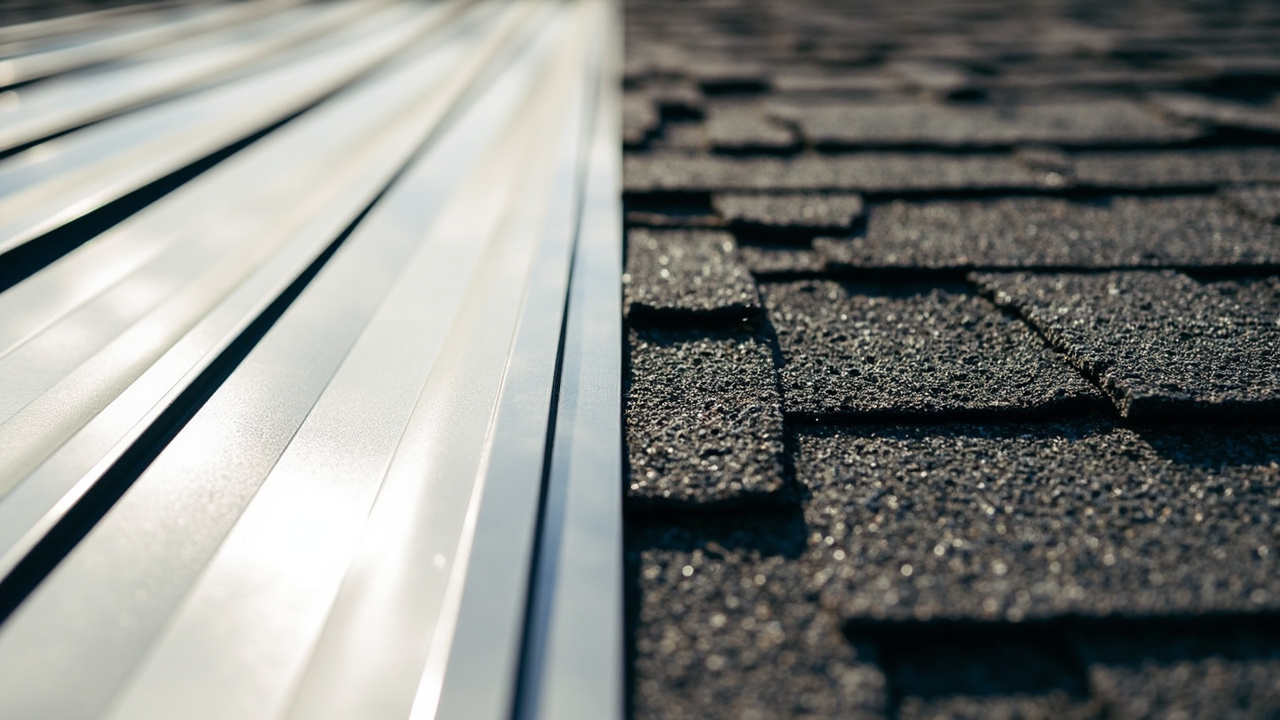
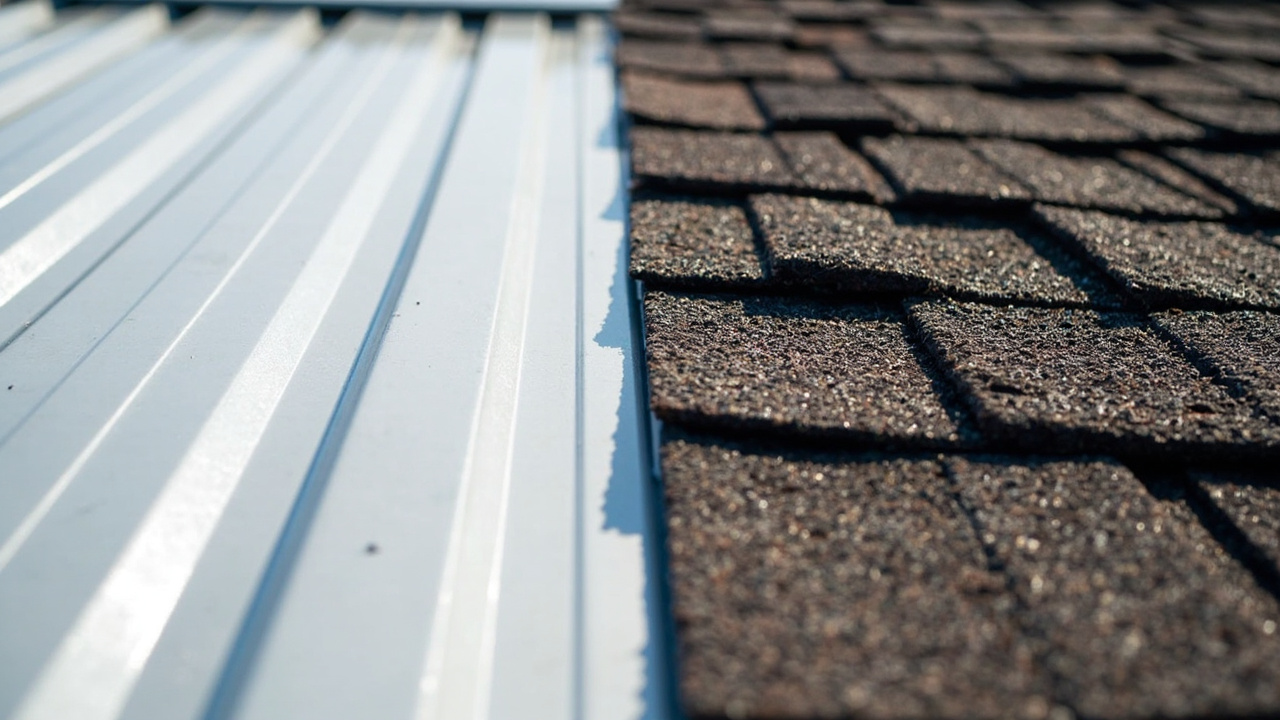
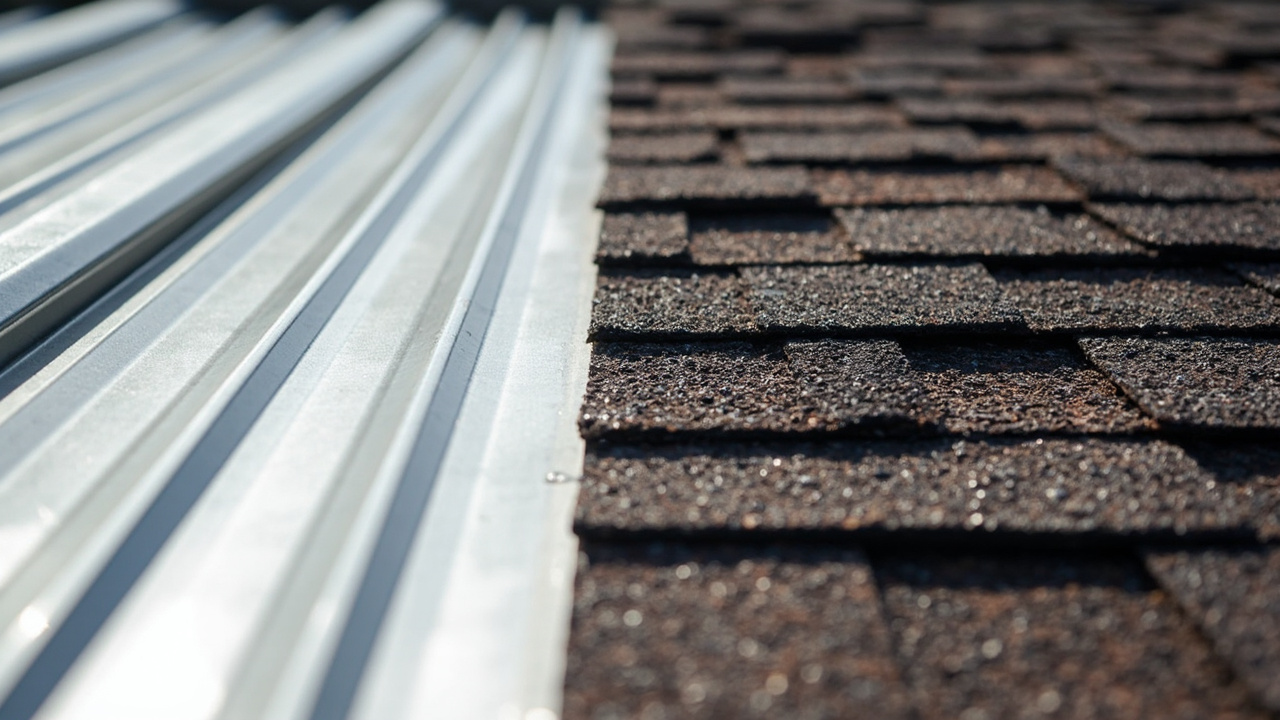
Detroit's dense urban core creates temperature variations that affect roofing material performance differently than suburban areas. Downtown and Midtown neighborhoods experience higher ambient temperatures in summer due to concrete and asphalt heat absorption. This urban heat island effect makes asphalt shingles degrade faster because they absorb and hold solar heat. Metal roofing reflects solar radiation, keeping roof surface temperatures lower by 20 to 30 degrees. This difference matters for your cooling costs and material lifespan. Homes in urban Detroit see asphalt shingles fail closer to the 15-year mark instead of 20 years, while metal roofing maintains performance across the full rated lifespan.
Detroit's building permit process requires contractors to specify material wind ratings and snow load calculations based on your property's exact location. We work with the city's inspection department regularly and know the documentation requirements that prevent permit delays. This local expertise saves you time and money because we get installations approved without revision requests or failed inspections. When you choose a contractor familiar with Detroit's regulatory environment and climate challenges, you avoid the hidden costs that emerge when national companies treat our city like any other Midwest market. The price comparison between metal and asphalt roofing must account for proper local installation standards, not just material costs.