menu

Rotting Fascia Boards in Detroit – Expert Diagnosis and Proper Repair Before Structural Damage Spreads

Detroit homeowners face unique fascia challenges from freeze-thaw cycles and ice dam damage. Peak Roofing Detroit identifies the root cause of rotting fascia boards and stops decay before it compromises your roof structure and soffits.

Slider Image 1
Slider Image 2
Slider Image 3
Slider Image 4
Slider Image 5
Slider Image 7
Slider Image 8
Slider Image 9
Slider Image 10
Slider Image 11

Why Detroit Roofs Suffer from Fascia Board Rot

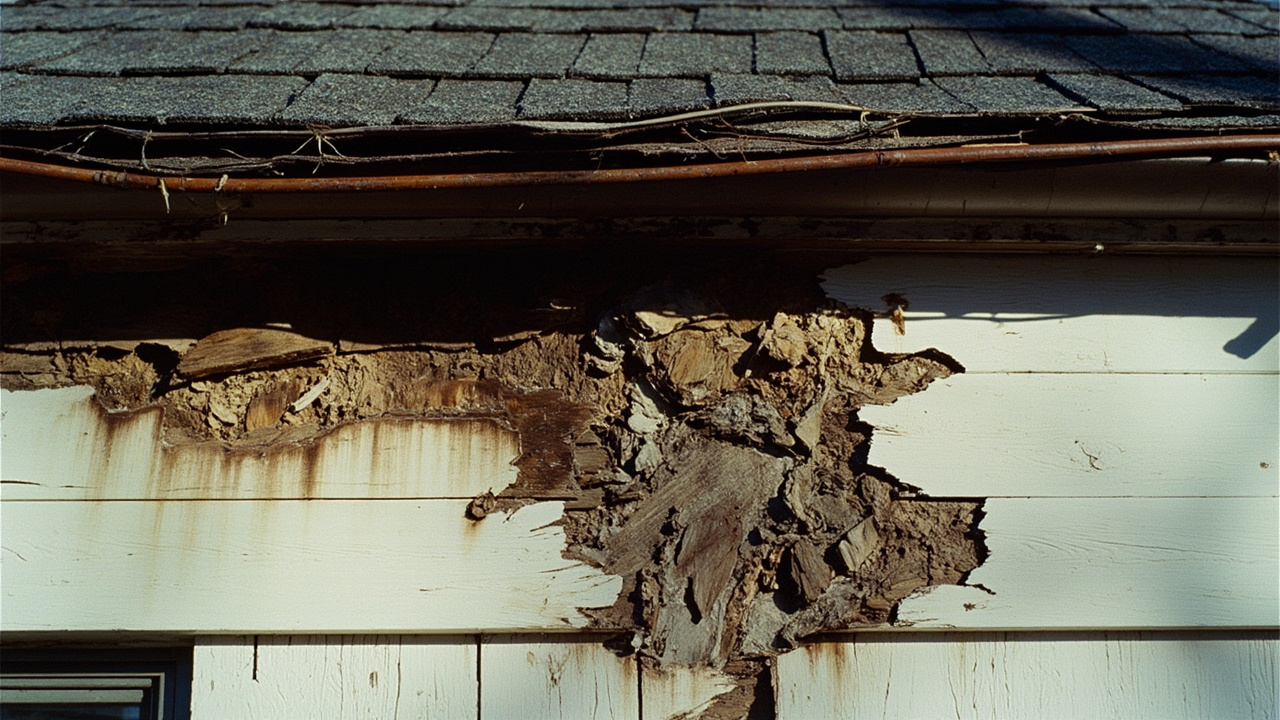
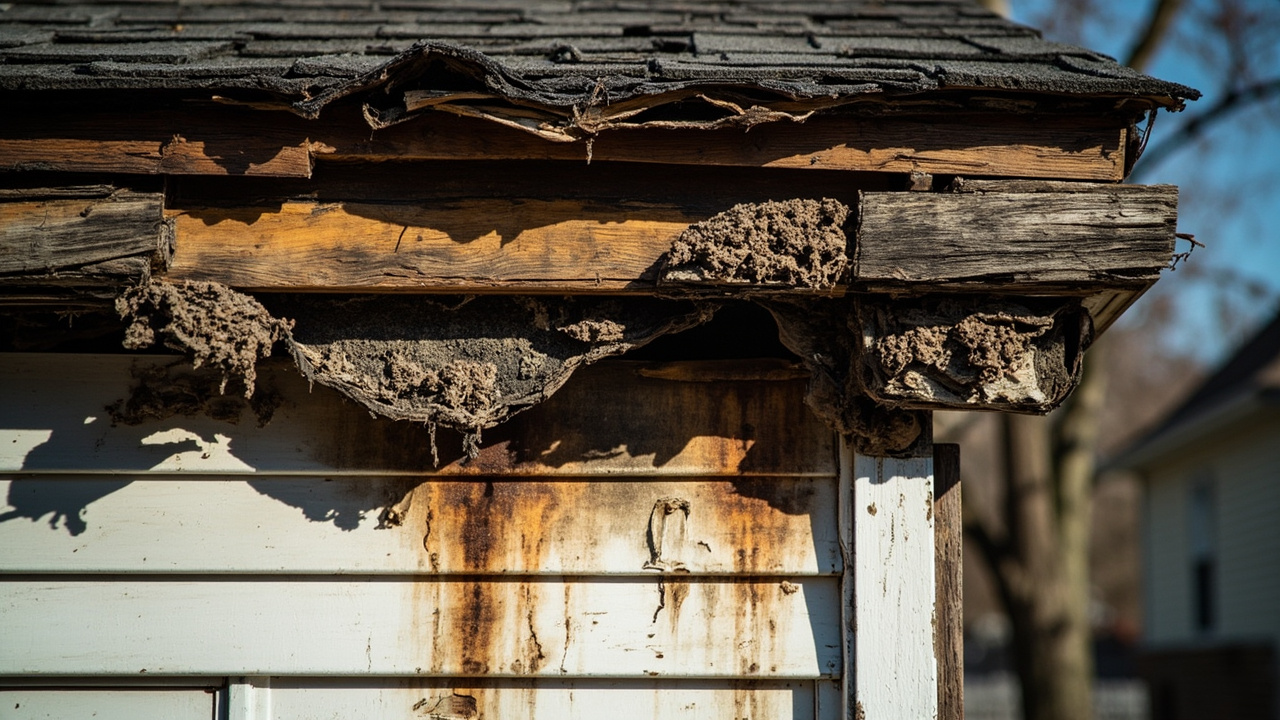
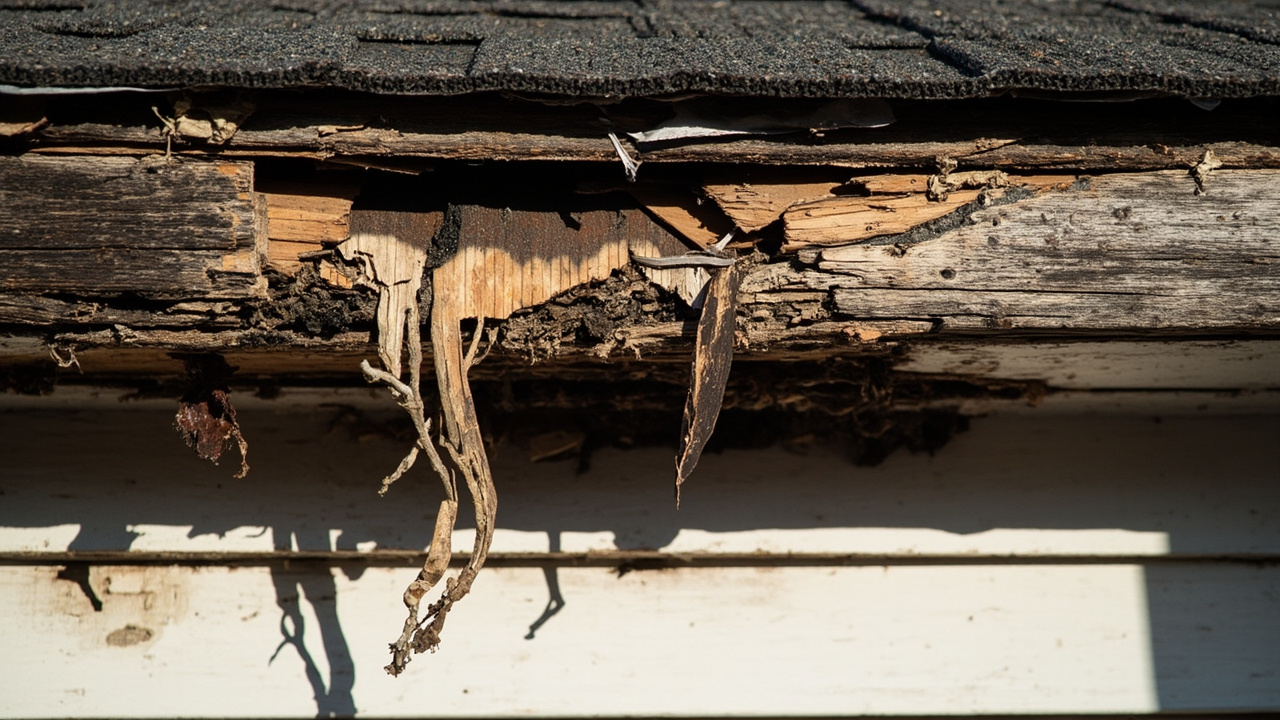
Detroit's brutal freeze-thaw cycles destroy fascia boards faster than in most climates. When snow melts during the day and refreezes at night, water seeps into fascia wood grain. This expansion and contraction cycle splits the wood fibers from the inside out. By the time you see visible rot, the damage usually extends deeper than the surface.

Ice dams compound the problem. When heat escapes through your attic, it melts snow on the roof deck. That water runs down to the cold eaves and refreezes, forcing moisture up under shingles and directly into fascia boards. The fascia stays wet for weeks during winter, creating perfect conditions for wood rot on fascia to spread.

Many Detroit homes built between 1920 and 1960 have original fascia boards that were never designed for modern gutter systems. The added weight of clogged gutters pulls rotted roof trim away from rafter tails. You will see decaying fascia wood where gutter brackets attach because those stress points trap moisture and prevent airflow.

Water damaged fascia also attracts carpenter ants and termites. The softened wood provides easy access to your roof deck and attic framing. What starts as a cosmetic issue becomes a structural liability. The fascia board rot you see today indicates hidden damage to the roof edge that requires immediate attention.

Detroit's older neighborhoods, from Corktown to Indian Village, show consistent fascia failure patterns. The combination of aging materials, heavy snow loads, and inadequate ventilation creates a cascading failure that starts at the fascia and works backward into the roof structure.

Why Detroit Roofs Suffer from Fascia Board Rot
How We Fix Rotting Fascia the Right Way

How We Fix Rotting Fascia the Right Way

Most contractors replace visible rotted sections and call it done. That approach fails because it ignores the water source causing the decay. We trace the problem backward from the fascia damage to identify every contributing factor.

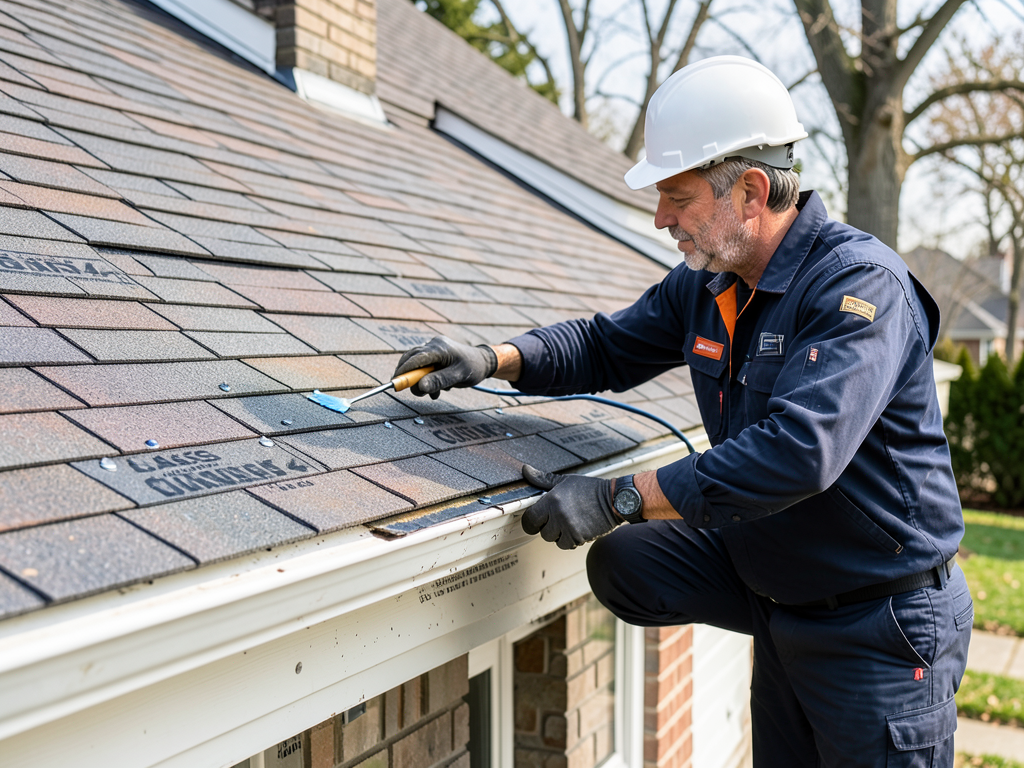
First, we inspect the rafter tails behind the fascia. If rot has reached the structural members, we sister new lumber to restore load capacity before installing new fascia. This prevents sagging and future gutter problems. We also check for soffit ventilation blockages that trap moisture against the fascia back face.

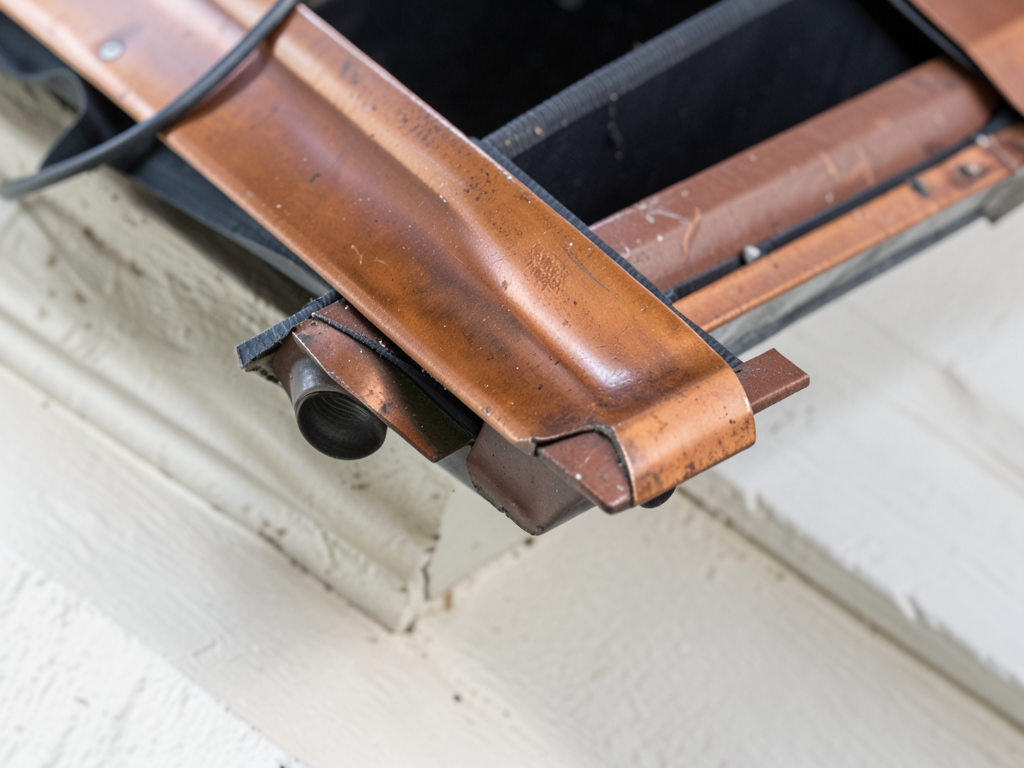
Next, we examine the drip edge and ice-and-water shield. Detroit code requires ice-and-water barrier extending 24 inches past the interior wall line, but many roofs lack proper coverage. We install continuous drip edge that directs water away from the fascia face, then add or replace ice-and-water shield to prevent future water infiltration.

We use pressure-treated lumber or PVC trim boards for fascia replacement. Pressure-treated wood resists decay in high-moisture areas. PVC eliminates rot concerns entirely and handles Detroit's temperature swings without splitting. The material choice depends on your home's age, architectural style, and exposure.

Gutter reinstallation requires precise fascia board alignment. We use laser levels to ensure the fascia provides proper slope for water drainage. Improper fascia pitch causes gutter overflow that saturates the wood again within months.

We also address attic ventilation during fascia repair. Adequate soffit vents combined with ridge or gable vents create airflow that keeps the roof deck dry. This prevents the interior moisture that causes fascia rot from the back side. The repair only lasts if we eliminate the moisture source driving the decay.

What Happens During Your Fascia Repair

Rotting Fascia Boards in Detroit – Expert Diagnosis and Proper Repair Before Structural Damage Spreads
01

Damage Assessment

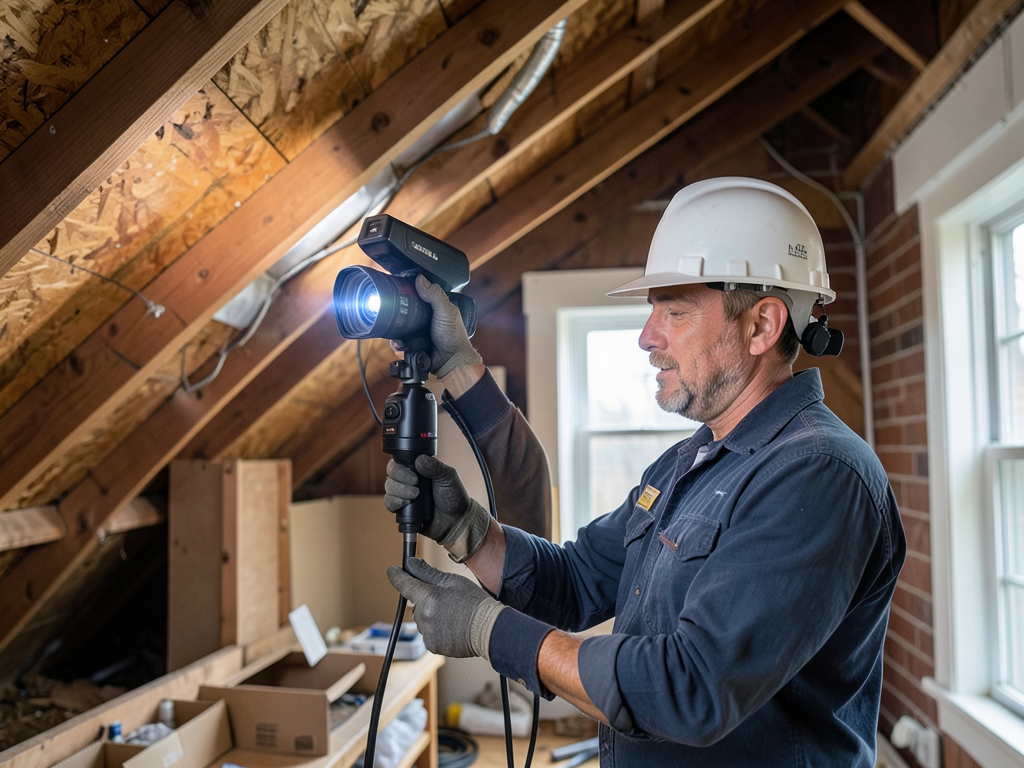
We inspect your fascia from ground level and roof access to map the full extent of decay. Using a moisture meter and probe tool, we identify soft spots invisible to the eye. We also check rafter tail integrity and soffit condition. This diagnostic phase determines whether you need spot repairs or full fascia replacement. We document findings with photos and explain exactly what failed and why.
02

Structural Repair

Before installing new fascia, we repair any compromised rafter tails or roof deck edges. This involves removing damaged wood and sistering new treated lumber to restore structural integrity. We also install or upgrade drip edge and ice-and-water shield. Proper flashing integration prevents future water infiltration. We address ventilation deficiencies that contributed to the original decay. The goal is eliminating every moisture pathway before new materials go up.
03

Fascia Installation

We install new fascia boards using corrosion-resistant fasteners driven into solid rafter tails. Each board receives a protective primer and finish coat matched to your home. We rehang gutters with proper spacing and pitch to prevent overflow. The final inspection confirms straight lines, secure attachment, and proper water flow. You receive documentation of all structural repairs and material specifications for future reference.

Why Detroit Homeowners Choose Peak Roofing Detroit for Fascia Repair

Detroit's housing stock presents unique challenges that generic roofing contractors miss. Historic districts like Boston-Edison and Palmer Woods require fascia repairs that match original trim profiles. We understand the architectural details that define these neighborhoods and source materials that preserve historic character while meeting modern building codes.

We know Detroit's inspection requirements. When fascia rot has compromised structural members, repairs must pass city inspection before closing up the work. We handle all permit applications and coordinate inspections so your project stays on schedule. Our familiarity with Detroit building officials speeds approval and prevents costly rework.

Winter work capability matters in Detroit. Fascia damage does not wait for spring. We use cold-weather materials and techniques that allow quality repairs even when temperatures drop. This prevents emergency situations where failing fascia drops your gutters or allows water into wall cavities.

Our trucks stock materials for Detroit's common fascia dimensions. Most Detroit homes use 1x6 or 1x8 fascia boards with specific trim profiles. We carry inventory that matches existing installations, eliminating delays waiting for special orders. This speeds repairs and reduces your exposure to weather damage.

We also understand Detroit's insurance claim process. Many homeowners discover fascia rot during roof inspections after storm damage. We document damage with detailed photos and measurements that support your claim. Our estimates break down covered damage versus pre-existing conditions so you understand your out-of-pocket costs upfront.

Local references matter. We have completed fascia repairs in every Detroit neighborhood from Rosedale Park to East English Village. Our work passes inspection the first time because we know exactly what Detroit building inspectors look for in roof edge details and structural repairs.

What to Expect During Your Fascia Board Repair

Repair Timeline

Most fascia repairs take one to three days depending on the extent of rot and structural damage. Simple board replacement on a single-story home often completes in one day. Two-story homes or projects requiring rafter tail repair take longer. Weather impacts scheduling since we cannot install fascia in rain or extreme cold. We provide a detailed timeline after the initial inspection and update you immediately if we discover additional damage during tear-off. Emergency repairs to prevent immediate water infiltration start within 24 hours of your call.

Initial Inspection Process

Your inspection takes 30 to 45 minutes. We examine fascia from the ground using binoculars and then access your roof to check the back side of boards and inspect rafter tails. We probe suspected soft spots and use a moisture meter to detect hidden water damage. You receive a written assessment explaining what failed, why it happened, and what repairs are needed. We differentiate between cosmetic damage and structural issues requiring immediate attention. Photos document all findings so you see exactly what we see.

Quality Standards

Your new fascia boards will be straight, secure, and properly flashed to prevent future water damage. We use premium-grade lumber free of knots and defects. All fasteners are galvanized or stainless steel to prevent rust stains. Paint or stain matches your existing trim. Gutter reinstallation includes proper pitch verification to ensure water flows correctly. We clean up completely each day, removing all debris and protecting your landscaping. The final walkthrough confirms you are satisfied with appearance and understand the warranty coverage.

Ongoing Protection

We provide care instructions for maintaining your new fascia boards. Annual gutter cleaning prevents overflow that saturates fascia. Periodic paint inspection catches finish failures before water penetrates the wood. We recommend attic ventilation checks to ensure moisture is not building up behind the fascia. While we do not provide specific warranty terms in marketing materials, we stand behind our structural repairs and workmanship. Schedule an annual roof inspection to catch small issues before they become major problems. Early detection saves you significant repair costs.

Frequently Asked Questions

You Have Questions,
We Have Answers

What causes fascia board to rot? +

Water is the enemy. Clogged gutters overflow and soak fascia boards for hours. In Detroit, freeze-thaw cycles crack paint and wood, letting moisture seep deep into the grain. Poor attic ventilation traps humidity, rotting boards from behind. Missing or damaged drip edge allows water to run behind gutters. Old caulk shrinks and fails. Detroit's heavy snow loads can bend gutters away from fascia, creating gaps. Once moisture enters, wood-eating fungi take hold. The rot spreads fast in our humid summers. Regular gutter cleaning and proper flashing prevent most fascia rot.

How to fix wood rot on fascia? +

Small rot patches can be scraped out, treated with wood hardener, and filled with epoxy. Larger damage requires board replacement. Remove the gutter first. Pry off old fascia carefully. Check roof decking and rafter tails for hidden rot. Cut a new board to match the old dimensions. Prime all six sides before installation. Nail it to rafter tails with galvanized nails. Reinstall gutters with proper flashing and drip edge. In Detroit's climate, use pressure-treated or composite materials for longer life. Paint within two weeks to seal the wood.

Does homeowners insurance cover rotted fascia? +

Rarely. Most policies exclude gradual deterioration and maintenance issues. If a sudden covered event like storm damage or a burst pipe caused the rot quickly, you might have coverage. Slow rot from clogged gutters or deferred maintenance gets denied every time. Detroit homeowners often find this out the hard way after years of ignoring small leaks. Read your policy exclusions carefully. Insurance covers accidents and disasters, not normal wear. Document any storm damage immediately with photos. An adjuster will investigate the timeline and cause before approving any claim.

How much does it cost to replace a rotten fascia board? +

Replacement costs vary by home size, fascia height, and damage extent. You pay for materials, labor, gutter removal and reinstallation, and paint. Two-story homes or steep roofs increase labor costs. Hidden damage to soffits, rafters, or roof decking adds expense. Detroit homes with aluminum or vinyl wrap over wood fascia complicate removal. Most contractors price by linear foot. Composite or PVC materials cost more upfront but last longer than wood. Get three local estimates. Expect higher prices if you need emergency repairs during Detroit's harsh winter months.

What is the life expectancy of a fascia board? +

Wood fascia lasts 15 to 25 years with proper maintenance. Detroit's weather shortens that lifespan. Freeze-thaw cycles, ice dams, and high humidity accelerate decay. Regular painting every five years protects wood. Composite and PVC fascia can last 50 years or more. The south and west sides of your home take more sun and weather damage. Homes under mature trees face more moisture and debris. Quality installation with proper flashing and ventilation extends fascia life. Neglected gutters cut lifespan in half. Inspect your fascia twice yearly for early rot signs.

Is dry rot covered by house insurance? +

Dry rot coverage depends on the cause. If sudden water damage from a covered peril caused it, you might have a claim. Long-term dry rot from poor ventilation, roof leaks, or deferred maintenance gets excluded. Policies cover sudden and accidental damage, not gradual deterioration. Detroit insurers scrutinize dry rot claims closely because the damage develops over months or years. They investigate the timeline. Fresh damage from a winter ice dam might be covered. Rot that existed before the policy started is never covered. File claims quickly and document everything.

Does home insurance cover rotted wood? +

Only if the rot resulted from a sudden covered event. A burst pipe that soaked framing for days might qualify. Storm damage that let rain in could be covered. Slow rot from humidity, poor maintenance, or old age gets denied. Michigan insurers treat wood rot as a maintenance issue. They argue you should have prevented it through regular home care. Read your policy declarations page and exclusions section. Some policies explicitly exclude mold, fungus, and rot regardless of cause. Detroit homeowners should maintain gutters, fix leaks immediately, and document any sudden damage with photos.

How much does it cost to replace one fascia board? +

Single-board replacement costs less than whole-house jobs but may not save much per foot. Contractors still need to set up scaffolding, remove gutters, and match paint. Small jobs sometimes cost more per linear foot because of setup time. The price depends on access difficulty and board length. Detroit homes with two-story fascia or steep roofs increase labor costs. Matching old wood dimensions and paint color adds time. Hidden damage often appears once you remove the first board. Request an inspection before committing to repair just one section. You might need more work than you think.

Does wood rot always mean termites? +

No. Most wood rot comes from water damage and fungal decay, not termites. Detroit homes face more rot than termite problems because of our wet climate. Termites leave mud tubes, hollow-sounding wood, and discarded wings. Rot shows dark staining, soft spongy wood, and crumbling edges. Both can exist together since termites like moist wood. A professional inspection distinguishes the two. Fascia rot usually stems from gutter overflow and ice dams. Termite damage appears in floor joists, wall studs, and window frames first. Different problems require different fixes and specialists.

What is the 80% rule in homeowners insurance? +

The 80% rule requires you to insure your home for at least 80% of its replacement cost to avoid penalties. If your home costs $300,000 to rebuild and you only insure it for $200,000, the insurer reduces claim payouts proportionally. This applies to partial losses like fascia damage. Detroit homeowners often underinsure because property values dropped while rebuilding costs rose. Review your coverage annually. Inflation and material shortages increased construction costs dramatically. Underinsurance means you pay more out of pocket for any covered claim, not just total losses.

How Detroit's Freeze-Thaw Cycles Accelerate Fascia Decay

Detroit experiences 60 to 80 freeze-thaw cycles each winter, more than most northern cities. This constant temperature fluctuation forces water into fascia board grain where it expands when frozen, splitting wood fibers. The damage accumulates over years until boards lose structural integrity. Homes near the Detroit River face additional moisture from lake-effect snow, which dumps heavier precipitation on east-side neighborhoods. Historic homes with original fascia suffer the worst damage because old-growth lumber was never treated for moisture resistance. The combination of age, weather exposure, and inadequate attic ventilation creates fascia failure rates higher than in comparable climates.

Detroit building codes require specific roof edge detailing that many out-of-town contractors miss. The city mandates ice-and-water shield extending 24 inches past the interior wall line, and inspectors check this during rough-in inspections. Local roofers understand these requirements and build them into every fascia repair. We also know which neighborhoods have covenant restrictions on exterior materials and colors. Historic district commissions review visible changes to rooflines and trim. Working with a Detroit-based contractor ensures your fascia repair meets both code requirements and neighborhood standards. This local knowledge prevents project delays and costly corrections.
Roofing Services in The Detroit Area

Our local headquarters are strategically located to efficiently serve all of Detroit and the surrounding areas. We invite you to view our service region and location on the map. As a trusted local contractor, we are never far from your neighborhood and are committed to providing quick, reliable, and convenient service wherever you are within the metropolitan area.

Address:
Peak Roofing Detroit, 19549 Gilmore St, Reseda, CA, 91335

Additional Services We Offer

Our news updates

Latest Articles & News from The Blogs

Why You See Dark Lines on Your LaSalle Gardens Ceiling (Is it a Leak or Ghosting?) Those dark streaks on…

Why You See Dark Lines on Your LaSalle Gardens Ceiling (Is it a Leak or Ghosting?)

Why You See Dark Lines on Your LaSalle Gardens Ceiling (Is it a Leak or Ghosting?) Those dark streaks on…

Restoring the Hidden Box Gutters on a Classic Virginia Park Four-Square

Restoring the Hidden Box Gutters on a Classic Virginia Park Four-Square Box gutters are the hidden lifelines of Detroit’s historic…

How a New Roof Affects Your Homeowners Insurance Premium in Clinton Township

How a New Roof Affects Your Homeowners Insurance Premium in Clinton Township A new roof in Clinton Township can immediately…

Contact Us

Rotting fascia boards spread decay into rafter tails and roof decking. What you see today will cost twice as much to fix next year. Call Peak Roofing Detroit at (313) 604-2233 for a detailed fascia inspection. We identify the damage you cannot see and provide a complete repair plan.