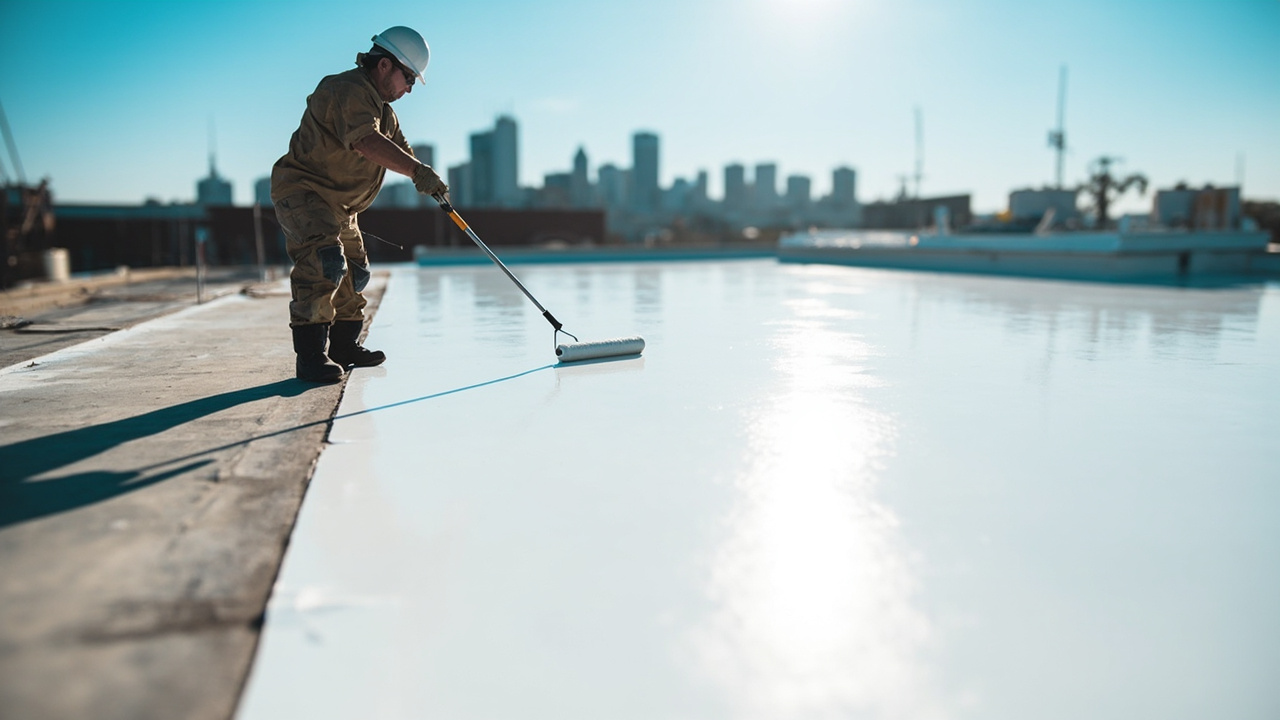


Detroit's industrial roofs were built during an era when energy costs were negligible and planned obsolescence drove construction decisions. Facilities built in the 1960s and 1970s used coal tar pitch and asbestos-modified membranes designed for 20-year service lives. These roofs are now 40 to 60 years old, operating decades past intended lifespan. The city's manufacturing resurgence has repurposed these structures for modern logistics, light manufacturing, and mixed-use developments. Commercial roof restoration systems allow building owners to preserve historic structures while meeting current energy codes and insurance requirements. Elastomeric roof coatings provide the weather protection and thermal performance that original designs never achieved, extending building utility without the cost and disruption of complete demolition and reconstruction.
Detroit's commercial building stock faces unique regulatory considerations that impact coating selection and application. The city's stormwater management ordinance requires facilities to manage runoff, making reflective coatings attractive for their heat island reduction benefits. Properties in designated historic districts need Detroit Historic District Commission approval for roofing changes, though coatings generally qualify as maintenance rather than alteration. Peak Roofing Detroit navigates these requirements regularly, ensuring your project complies with local codes while maximizing available incentives. Our familiarity with Detroit's commercial property landscape means fewer surprises during permitting and faster project approvals that keep your investment on schedule.