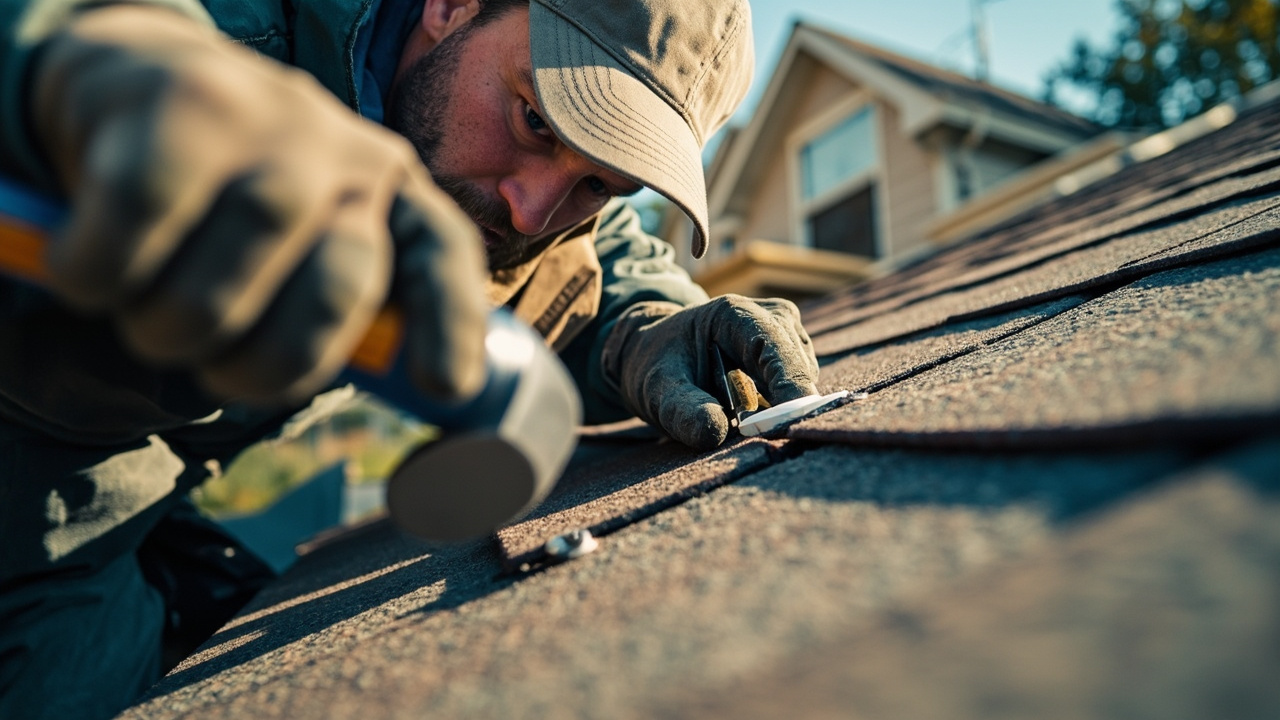
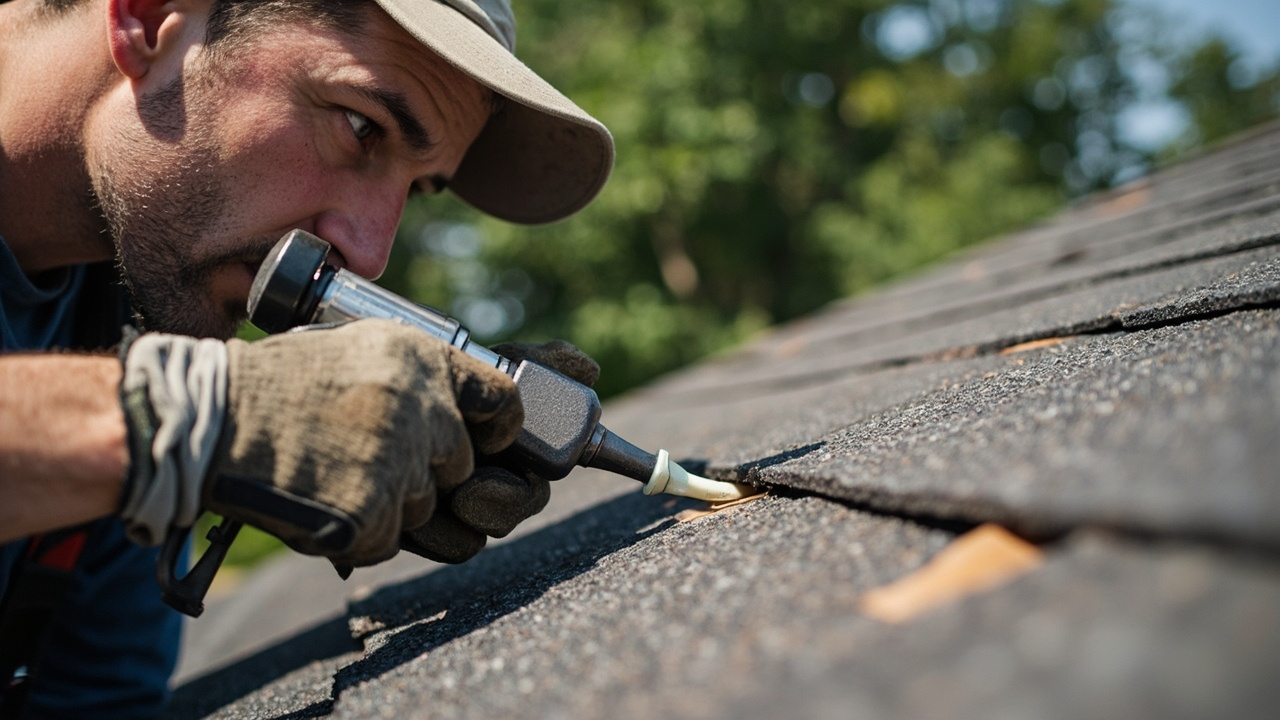
Detroit experiences 30 to 50 freeze-thaw cycles each winter, which ranks among the highest in the country. Temperatures swing from mid-30s during the day to low 20s at night, creating constant expansion and contraction in roofing materials. Ice forms under shingles overnight, expands against nail shanks, and pushes them upward. When the ice melts, the nail stays partially lifted. Repeat this cycle throughout January and February, and even properly installed nails begin to back out. Add in Detroit's high summer humidity, which causes wood decking to swell, and you have year-round stress on every fastener. Homes near the Detroit River or in low-lying areas like Jefferson Chalmers face even greater moisture exposure, accelerating the problem.
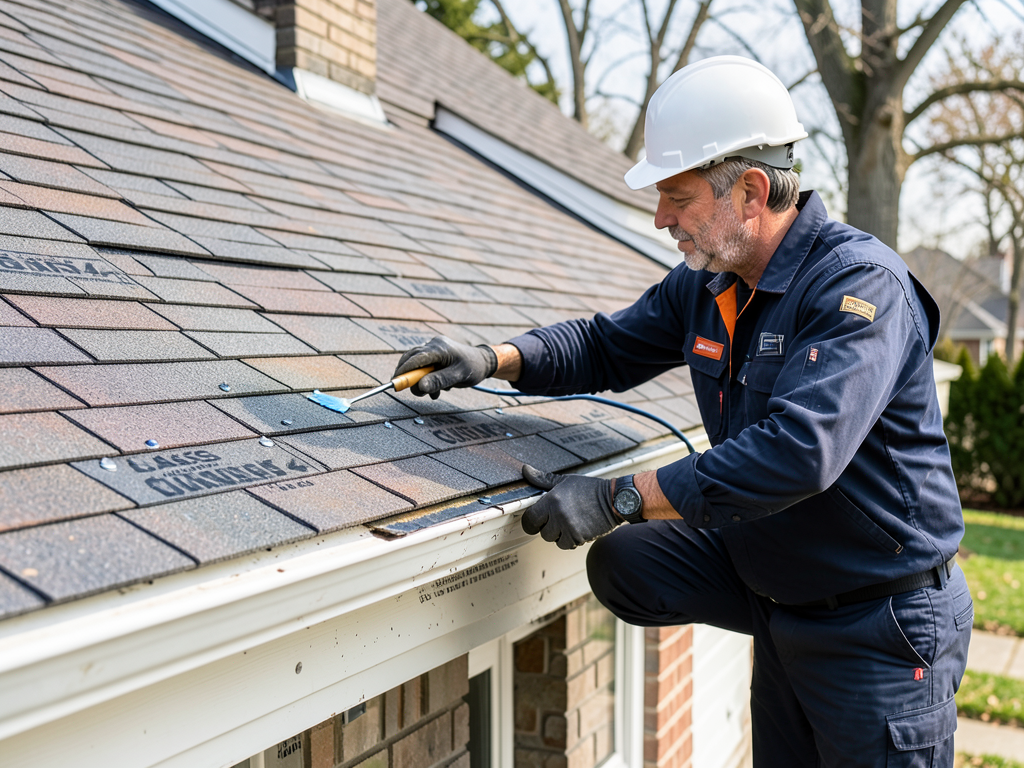
Detroit's housing stock includes thousands of homes built between 1920 and 1960, when roofing installation standards differed significantly from today's practices. Many of these homes have original plank decking with wider nail spacing and fewer fasteners per shingle than modern code requires. When we repair nail pops in these older homes, we bring the fastening pattern up to current standards, which means your roof meets the same requirements as new construction. That compliance matters if you ever need a roof inspection for a home sale or insurance renewal. Local building inspectors recognize proper repair work, and cutting corners creates problems during these critical evaluations.