menu

Roof Flashing Leaking in Detroit – Expert Diagnosis Stops Water Damage Fast

Peak Roofing Detroit identifies the exact source of your roof flashing leaking problems and provides lasting repairs that protect your home from Detroit's harsh freeze-thaw cycles and heavy rainfall.

Slider Image 1
Slider Image 2
Slider Image 3
Slider Image 4
Slider Image 5
Slider Image 7
Slider Image 8
Slider Image 9
Slider Image 10
Slider Image 11

Why Roof Flashing Fails in Detroit Homes

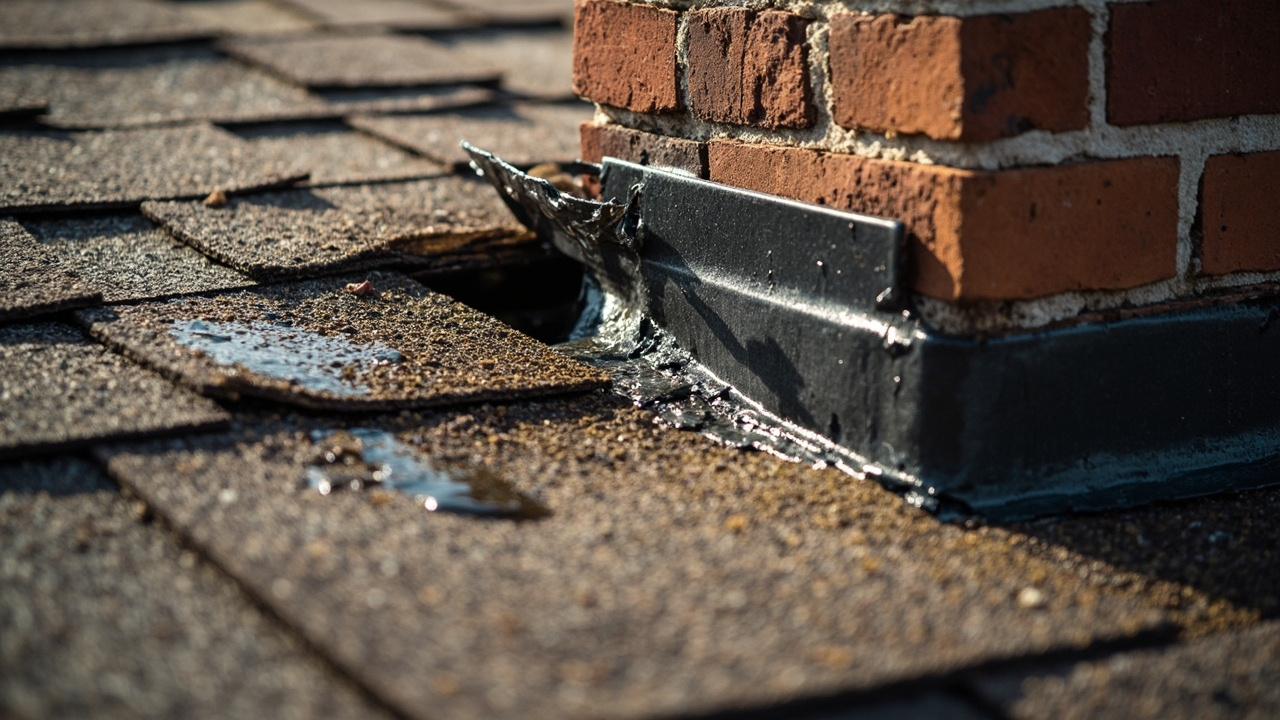
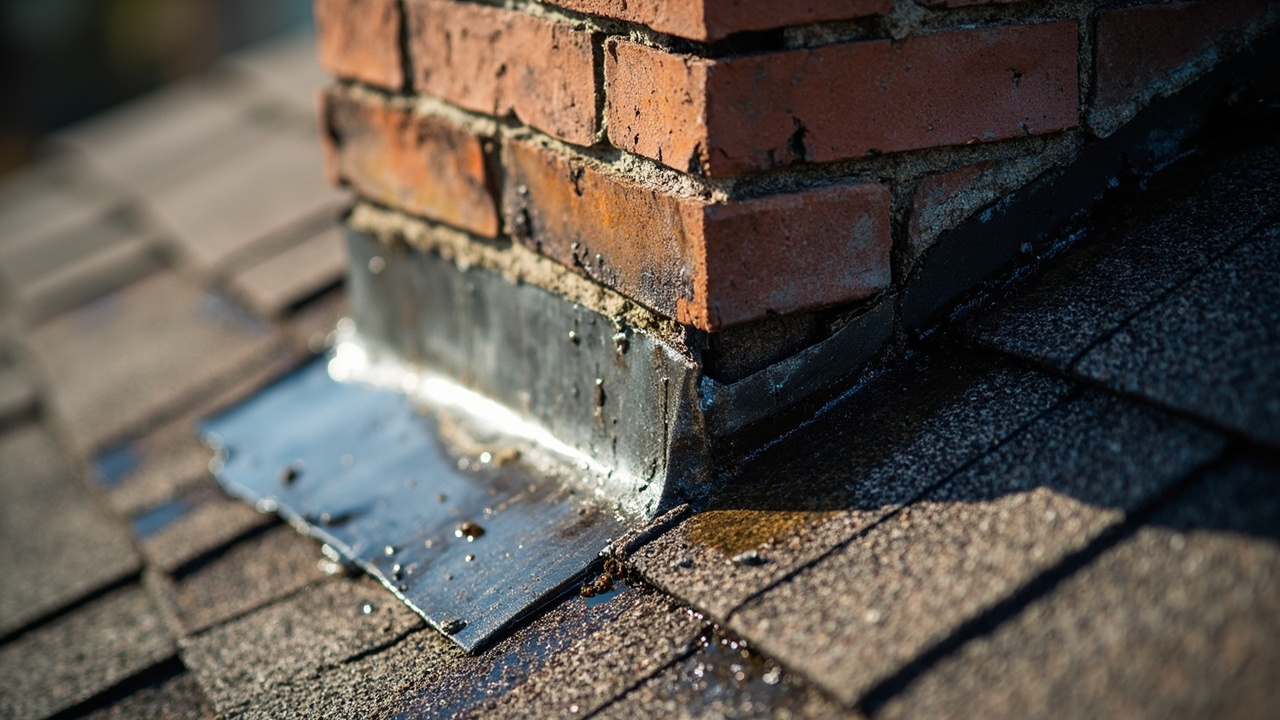
Detroit's extreme weather creates perfect conditions for roof flashing failure. The freeze-thaw cycles we experience from November through March expand and contract flashing materials repeatedly, breaking seals and creating gaps. When temperatures swing 40 degrees in 24 hours, metal flashing around chimneys, vents, and skylights flexes until the sealant cracks.

You notice the problem when water stains appear on your ceiling near where your roof changes direction or meets a vertical surface. That brown spot spreading across your bedroom ceiling comes from damaged roof flashing that no longer channels water away from vulnerable joints. The wet insulation you find in your attic during a rainstorm signals flashing seal failure at a critical junction.

Detroit's heavy spring rains and summer storms compound the issue. Once water penetrates through loose roof flashing, it saturates wood decking and creates rot that spreads fast. Rusted roof flashing becomes brittle and develops holes, turning a minor leak into a major structural problem. The older neighborhoods around Woodward Avenue and the historic Boston-Edison District feature homes with original flashing that has exceeded its functional lifespan.

Leaky roof flashing rarely announces itself with obvious signs. You might find water running down an interior wall during heavy rain, notice musty odors in your attic space, or see dark streaks on exterior siding below roof edges. These symptoms point to compromised flashing that requires immediate professional assessment before moisture damage spreads through framing members and drywall.

Why Roof Flashing Fails in Detroit Homes
How We Diagnose and Repair Flashing Leaks

How We Diagnose and Repair Flashing Leaks

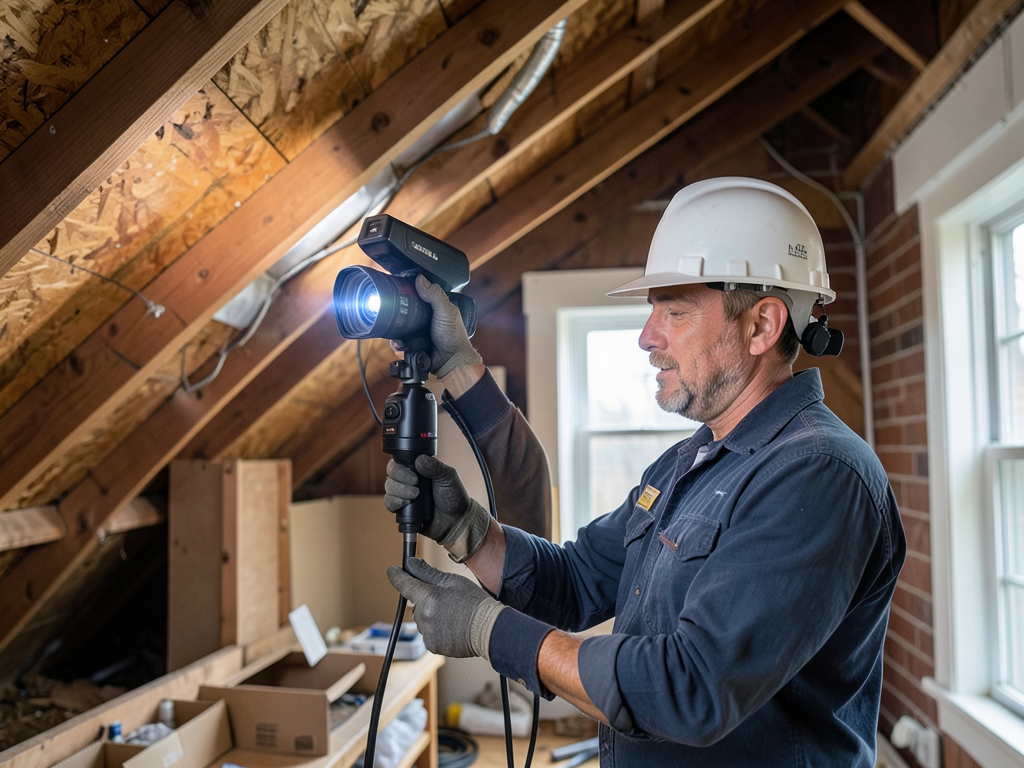
Peak Roofing Detroit starts every flashing repair with a systematic roof inspection that identifies all failure points, not just the obvious leak. We examine every flashing location including chimney crickets, valley metal, step flashing along dormers, pipe boot seals, and drip edge connections. Our technicians use moisture meters to detect hidden water infiltration in the roof deck and surrounding materials before visible damage appears.

The diagnostic process reveals whether you need targeted repairs or complete flashing replacement. Sometimes the base flashing remains sound but the counter flashing has pulled away from masonry. Other times, the entire flashing system has corroded beyond repair and must be removed down to bare wood. We check for proper overlap dimensions, adequate fastener spacing, and correct sealant application at every joint.

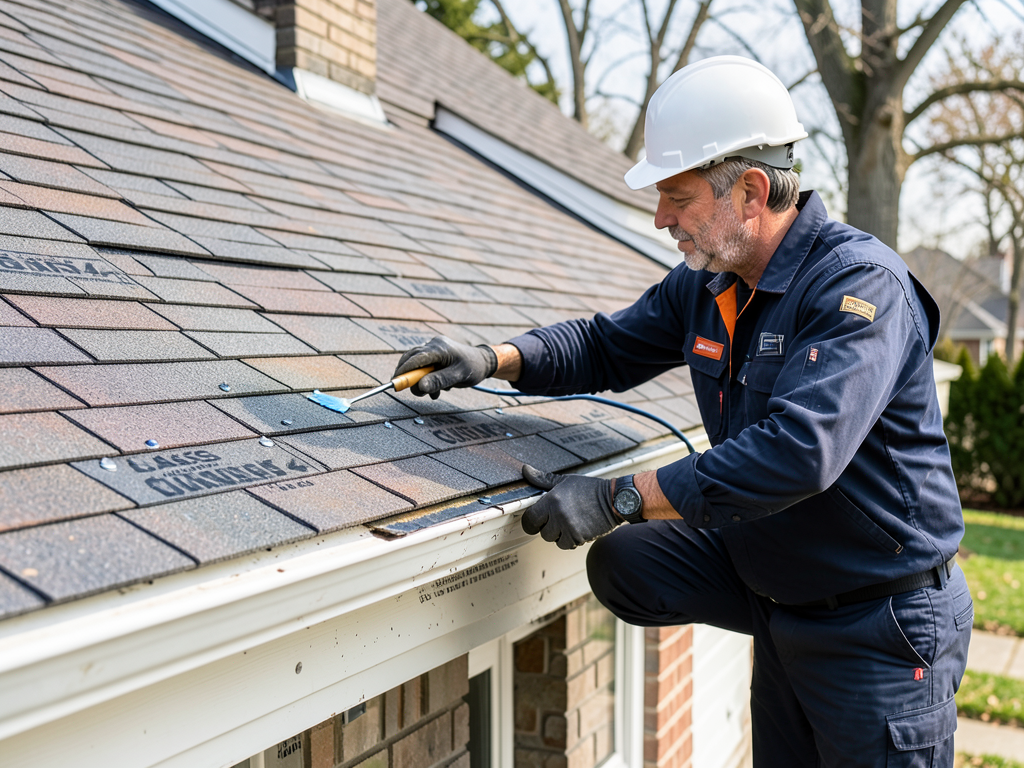
Repair methodology depends on the flashing type and failure mode. Step flashing along sidewalls requires careful shingle removal to access the metal pieces without damaging surrounding roofing materials. Chimney flashing demands proper integration with both roofing and masonry, using base flashing embedded in shingle courses and counter flashing set into mortar joints. We never rely on caulk alone to stop leaks because sealants degrade quickly under UV exposure and thermal cycling.

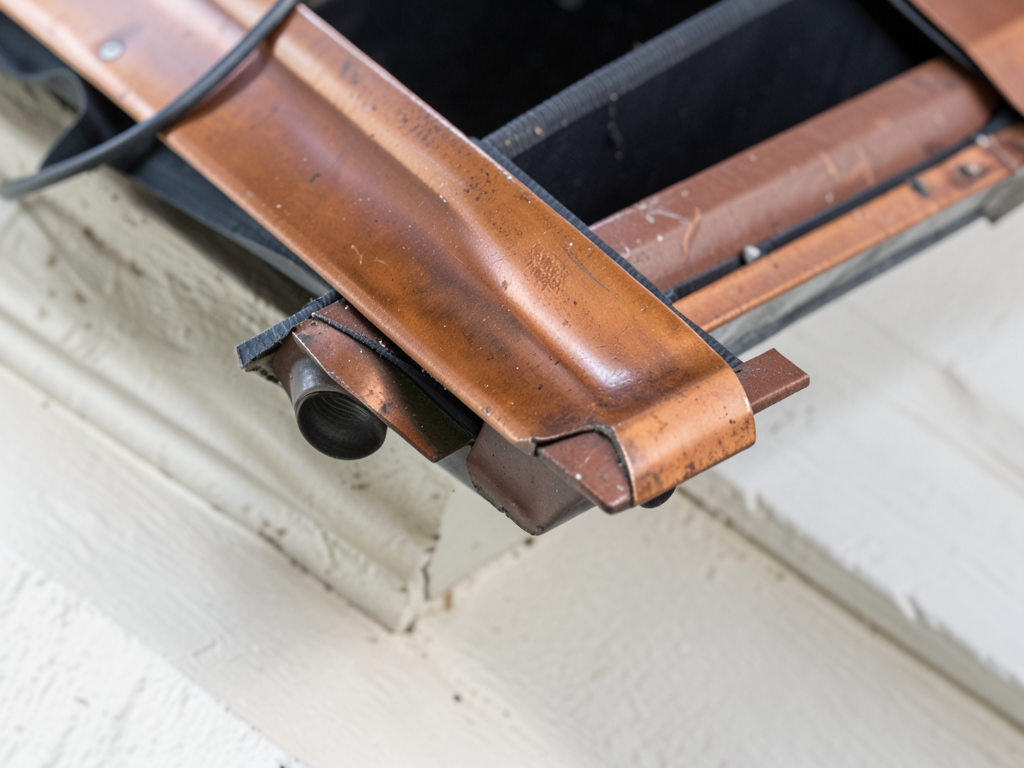
Material selection matters in Detroit's climate. We install copper or heavy-gauge aluminum flashing that resists corrosion from acid rain and industrial pollutants still present in the metro area. Ice and water shield goes beneath all flashing installations to create a secondary barrier against wind-driven rain and ice dam backup. Every repair includes proper lapping sequences and kickout flashing at wall-to-roof transitions to direct water into gutters instead of behind siding.

What Happens During a Flashing Leak Repair

Roof Flashing Leaking in Detroit – Expert Diagnosis Stops Water Damage Fast
01

Complete Roof Assessment

We inspect your entire roof system from multiple vantage points, documenting every flashing location with photos. Our technicians check attic spaces for water stains, measure moisture levels in decking, and trace leak paths to identify the exact entry point. You receive a detailed assessment explaining which flashing components have failed and why water is entering your home at specific locations.
02

Strategic Flashing Replacement

We remove damaged flashing carefully to preserve surrounding shingles and building materials. New flashing is cut to precise dimensions and installed using proper overlap sequences and fastening patterns. Counter flashing is set into regletted joints or surface-mounted with mechanical fasteners depending on your chimney or wall construction. Ice and water shield creates a waterproof foundation beneath all metal components before final installation.
03

Water Testing and Verification

After installation, we conduct controlled water testing to verify the repair stops infiltration completely. High-volume water application simulates Detroit's heaviest storms, revealing any remaining weak points before we leave your property. You receive documentation of all work performed, materials installed, and verification that your roof flashing now provides complete protection against water intrusion at every vulnerable junction.

Why Detroit Homeowners Trust Peak Roofing Detroit

Flashing repairs require specific knowledge of how Detroit's building stock is constructed. The brick homes throughout Palmer Woods and Sherwood Forest use different flashing details than the sided colonials in Rosedale Park or the bungalows near University District. We understand these architectural differences and adapt our repair techniques to match original construction methods while upgrading materials to modern standards.

Our technicians recognize the signs of previous improper repairs that create ongoing problems. We frequently find flashing that was simply caulked over instead of properly replaced, or new flashing installed without removing old corroded metal underneath. These shortcuts guarantee future leaks because they do not address the root cause of water infiltration. Peak Roofing Detroit removes all failed materials and rebuilds flashing assemblies correctly the first time.

Experience with Detroit's weather patterns informs our material choices and installation details. We account for snow load on roof valleys, ice dam formation at eaves, and wind-driven rain during severe thunderstorms. Flashing installations include adequate thermal expansion gaps for metal components and proper sealant selection for temperature extremes from minus 10 degrees in January to 95 degrees in July.

We maintain relationships with local building inspectors and understand current code requirements for flashing installations in Wayne County. This knowledge ensures your repairs meet all regulatory standards if you are planning to sell your home or file an insurance claim for storm damage. Our work passes inspection the first time because we follow Michigan building codes and manufacturer specifications precisely.

What to Expect from Your Flashing Repair

Rapid Response Timeline

We schedule flashing inspections within 48 hours of your call because water damage accelerates quickly once it starts. Most flashing repairs are completed in a single day, minimizing disruption to your household. Emergency leak situations receive same-day temporary protection followed by permanent repairs as soon as weather permits. We work year-round in Detroit, installing flashing even during cold months when temperatures allow proper sealant curing. You receive a clear timeline during the estimate so you know exactly when your roof will be watertight again.

Thorough Leak Investigation

Our assessment goes beyond the visible leak to find all compromised flashing before problems worsen. We document existing damage with photos and moisture readings, explaining how water travels through your roof assembly. You learn which flashing components have failed, why the failure occurred, and what repairs will permanently stop the leak. The inspection includes checking for secondary damage to roof decking, insulation, and interior finishes that may require attention. We provide written findings so you understand exactly what work is necessary versus optional.

Lasting Waterproof Protection

Completed flashing repairs restore full weather protection to the most vulnerable areas of your roof system. New flashing integrates seamlessly with existing roofing materials and matches your home's appearance. We use corrosion-resistant metals and high-performance sealants rated for Michigan weather extremes. Every repair includes proper underlayment installation and correct lapping sequences to prevent future water intrusion. You gain peace of mind knowing your roof will shed water correctly during Detroit's heaviest rainstorms and snowmelt events without developing new leaks at repaired locations.

Post-Repair Documentation

You receive detailed records of all flashing work including materials installed, locations repaired, and verification testing results. These documents support insurance claims, home sale disclosures, and future maintenance planning. We provide guidance on monitoring your roof for signs of problems at other flashing locations that may develop over time. Annual roof inspections catch minor flashing issues before they become major leaks, and we offer maintenance programs to keep your entire roof system in optimal condition throughout its lifespan.

Frequently Asked Questions

You Have Questions,
We Have Answers

How to repair a roof leak at flashing? +

Start by removing the damaged section of flashing around chimneys, valleys, or vent pipes. Clean the area thoroughly to remove old caulk and debris. Install new flashing using corrosion-resistant materials like galvanized steel or aluminum. Seal edges with roofing cement and ensure proper overlap with shingles. In Detroit, freeze-thaw cycles crack sealant fast, so use high-grade adhesives rated for temperature swings. Reflash step flashing on sidewalls carefully to prevent water intrusion behind siding. For complex repairs near brick chimneys common in older Detroit homes, call a licensed roofer to avoid costly mistakes.

Why is my roof leaking under flashing? +

Flashing leaks because sealant degrades, metal corrodes, or installation was improper. Detroit's harsh winters cause expansion and contraction that opens gaps around chimneys and vents. Ice dams push water under flashing during freeze-thaw cycles. Old homes in neighborhoods like Indian Village often have original galvanized flashing that rusts through after decades. Wind-driven rain from Great Lakes storms forces water into tiny cracks. Poor original installation without adequate overlap or missing kick-out flashing at roof-to-wall transitions lets water run behind siding. Identifying the exact failure point requires professional inspection to stop ongoing damage.

Are roofers responsible for flashing? +

Yes. Professional roofers handle all flashing installation and repairs as part of standard roofing work. Flashing is critical for waterproofing vulnerable transition points like valleys, chimneys, skylights, and wall intersections. A licensed roofer knows proper materials, placement, and sealing techniques specific to your roof type. They ensure flashing integrates correctly with shingles and underlayment. In Detroit, roofers familiar with local building codes understand how to detail flashing for ice dam protection and high wind resistance. Any reputable contractor includes flashing inspection and replacement in roof installations or major repairs. Never accept a roofing bid that skips flashing work.

Can I fix roof flashing myself? +

Small emergency patches are possible, but permanent repairs require professional skills. You can temporarily seal obvious gaps with roofing cement during active leaks, but improper DIY work often makes problems worse. Flashing must integrate precisely with shingles, underlayment, and structural elements. Detroit's steep-pitched roofs on older homes add fall risk. You need proper tools, materials rated for Michigan weather, and knowledge of water flow patterns. Incorrectly installed flashing voids roof warranties and causes hidden water damage inside walls. For anything beyond temporary emergency stopgaps, hire a licensed roofer to ensure code-compliant, lasting repairs that protect your investment.

Does flex seal work on roof flashing? +

Flex Seal provides temporary emergency stopgaps only, not permanent solutions. It may slow active leaks temporarily during storms, but it does not replace proper flashing repair. The product breaks down under UV exposure and Detroit's extreme temperature swings from summer heat to subzero winters. It cannot handle roof movement from freeze-thaw cycles. Flex Seal does not bond well to dirty or wet surfaces, and moisture trapped underneath causes rust and rot. Professional roofers use code-approved materials like ice and water shield, metal step flashing, and high-grade sealants designed for decades of weather exposure, not quick fixes.

Does homeowners insurance cover flashing repair? +

Coverage depends on the damage cause. Insurance typically covers flashing repairs if storm damage, falling trees, or sudden events caused the failure. Gradual deterioration from age and lack of maintenance is usually excluded. Detroit homeowners should document storm damage immediately with photos and file claims quickly. Policies often cover water damage to interiors if the roof failure was sudden and accidental. Insurers may deny claims if neglect is obvious, like rusted-through flashing left unrepaired for years. Review your policy and get a professional inspection report detailing the damage cause to support your claim.

Is it expensive to fix roof flashing? +

Minor flashing repairs cost a few hundred dollars. Extensive work around multiple chimneys, skylights, or full valley reflashing runs higher. Costs depend on roof accessibility, materials needed, and labor complexity. Detroit's older homes with multiple roof planes and brick chimneys require more detailed work than simple ranch homes. Prices increase if underlying wood damage from long-term leaks needs replacement. Ignoring flashing leaks costs far more over time through interior water damage, mold remediation, and structural rot. Investing in proper repairs now protects your home value and prevents expensive emergency fixes during winter storms.

Is it normal for a roof to leak in heavy rain? +

No. A properly installed and maintained roof should never leak, even during heavy Great Lakes storms. Leaks during downpours indicate failed flashing, damaged shingles, or inadequate drainage. Detroit sees intense summer thunderstorms and wind-driven rain that exposes weak points. Water should shed off your roof without penetration. Common culprits include deteriorated valley flashing, missing kick-out flashing, or clogged gutters causing overflow behind fascia boards. Ice dams during winter create different leak patterns. If your roof leaks during rain, you have an active problem requiring immediate professional diagnosis before water damages insulation, drywall, and framing.

Can I put new flashing over old flashing? +

Never layer flashing. New flashing must replace old material completely. Stacking flashing traps moisture between layers, causing accelerated corrosion and hidden rot. Proper installation requires removing shingles around the problem area, extracting old flashing, inspecting and repairing any wood damage, then installing new flashing with correct overlap and integration. Detroit's freeze-thaw cycles exploit any trapped moisture pockets. Shortcuts like covering old flashing void warranties and create bigger problems. Professional roofers follow manufacturer specifications and building codes requiring full removal. Doing it right the first time costs less than fixing botched layering attempts that cause structural damage.

What is the lifespan of roof flashing? +

Quality flashing lasts 20 to 30 years with proper installation and maintenance. Galvanized steel corrodes faster in 15 to 20 years. Aluminum and copper flashing can exceed 50 years. Detroit's weather accelerates deterioration through freeze-thaw cycles, road salt exposure, and humidity from the Great Lakes. Sealants and caulking around flashing degrade faster, requiring inspection every 5 years. Homes in older neighborhoods like Corktown may have original flashing approaching failure. Regular roof inspections catch deterioration before leaks start. Replace flashing during roof replacements even if it looks functional to ensure your new roof performs for its full lifespan.

How Detroit's Freeze-Thaw Cycles Destroy Roof Flashing

Detroit experiences an average of 60 freeze-thaw cycles each winter, creating relentless expansion and contraction that breaks flashing seals faster than in milder climates. Water that seeps beneath flashing edges freezes overnight, expands with tremendous force, and pries metal away from roof surfaces. When temperatures rise above freezing during the day, ice melts and allows more water to penetrate deeper into the assembly. This cycle repeats throughout winter, progressively worsening loose roof flashing until leaks become severe. The phenomenon is particularly destructive on south-facing roof slopes where solar heating creates daily freeze-thaw action even when ambient temperatures remain below freezing.

Peak Roofing Detroit has served metro Detroit homeowners for years, developing expertise in flashing systems that withstand our specific climate challenges. We understand how different neighborhoods experience varying weather impacts based on proximity to the Detroit River, urban heat island effects downtown, and microclimate differences between heavily treed areas and open subdivisions. This local knowledge informs our material recommendations and installation techniques for maximum longevity. Our technicians live in the communities we serve and have personal experience with the same roofing challenges you face, creating genuine understanding of what works long-term in Detroit conditions.
Roofing Services in The Detroit Area

Our local headquarters are strategically located to efficiently serve all of Detroit and the surrounding areas. We invite you to view our service region and location on the map. As a trusted local contractor, we are never far from your neighborhood and are committed to providing quick, reliable, and convenient service wherever you are within the metropolitan area.

Address:
Peak Roofing Detroit, 19549 Gilmore St, Reseda, CA, 91335

Additional Services We Offer

Our news updates

Latest Articles & News from The Blogs

Why You See Dark Lines on Your LaSalle Gardens Ceiling (Is it a Leak or Ghosting?) Those dark streaks on…

Why You See Dark Lines on Your LaSalle Gardens Ceiling (Is it a Leak or Ghosting?)

Why You See Dark Lines on Your LaSalle Gardens Ceiling (Is it a Leak or Ghosting?) Those dark streaks on…

Restoring the Hidden Box Gutters on a Classic Virginia Park Four-Square

Restoring the Hidden Box Gutters on a Classic Virginia Park Four-Square Box gutters are the hidden lifelines of Detroit’s historic…

How a New Roof Affects Your Homeowners Insurance Premium in Clinton Township

How a New Roof Affects Your Homeowners Insurance Premium in Clinton Township A new roof in Clinton Township can immediately…

Contact Us

Water damage accelerates fast once flashing fails. Call Peak Roofing Detroit at (313) 604-2233 right now for a thorough inspection and permanent repair. We will identify every leak source and restore complete weather protection to your roof.