menu

Spray Foam Roofing in Detroit – Eliminate Downtime with Industrial-Grade SPF Systems

Peak Roofing Detroit delivers spray polyurethane foam roofing solutions that protect your facility from Detroit's freeze-thaw cycles, minimize business interruptions, and extend roof life by decades with seamless, energy-efficient coverage.

Slider Image 1
Slider Image 2
Slider Image 3
Slider Image 4
Slider Image 5
Slider Image 7
Slider Image 8
Slider Image 9
Slider Image 10
Slider Image 11

Why Detroit Facilities Need Commercial Spray Foam Roofing

Detroit's climate punishes commercial roofs. Winter temperatures drop below freezing for months, then spike into summer heat. This freeze-thaw cycling cracks traditional roofing materials, splits seams, and creates leak paths that threaten inventory, equipment, and operations. Flat roofs on warehouses, manufacturing plants, and distribution centers face constant thermal expansion and contraction. Water infiltration becomes inevitable without a seamless barrier.

Most commercial roofing systems rely on seams, fasteners, or lapped membranes. Every joint becomes a vulnerability. When water enters, it migrates laterally through insulation layers, making leak sources difficult to trace. By the time you notice ceiling stains or equipment damage, the problem has spread across thousands of square feet. Production stops. Insurance claims drag on. Revenue disappears.

SPF roofing eliminates these vulnerabilities. Spray polyurethane foam roofing creates a monolithic, self-adhering membrane that bonds directly to your existing roof substrate. No seams. No fasteners. No weak points. The closed-cell foam structure repels water while providing an R-value of 6.5 per inch, reducing HVAC loads and cutting energy costs. For facilities operating 24/7, this means lower overhead and more predictable budgets.

Detroit's industrial corridors, from the riverfront warehouses to the Northwest Industrial District, house businesses that cannot afford weather-related shutdowns. An SPF roof system transforms your roof from a liability into a long-term asset, protecting your operation while reducing maintenance cycles and extending useful life beyond traditional systems.

Why Detroit Facilities Need Commercial Spray Foam Roofing
How Commercial Spray Foam Roofing Solves Facility Protection Problems

How Commercial Spray Foam Roofing Solves Facility Protection Problems

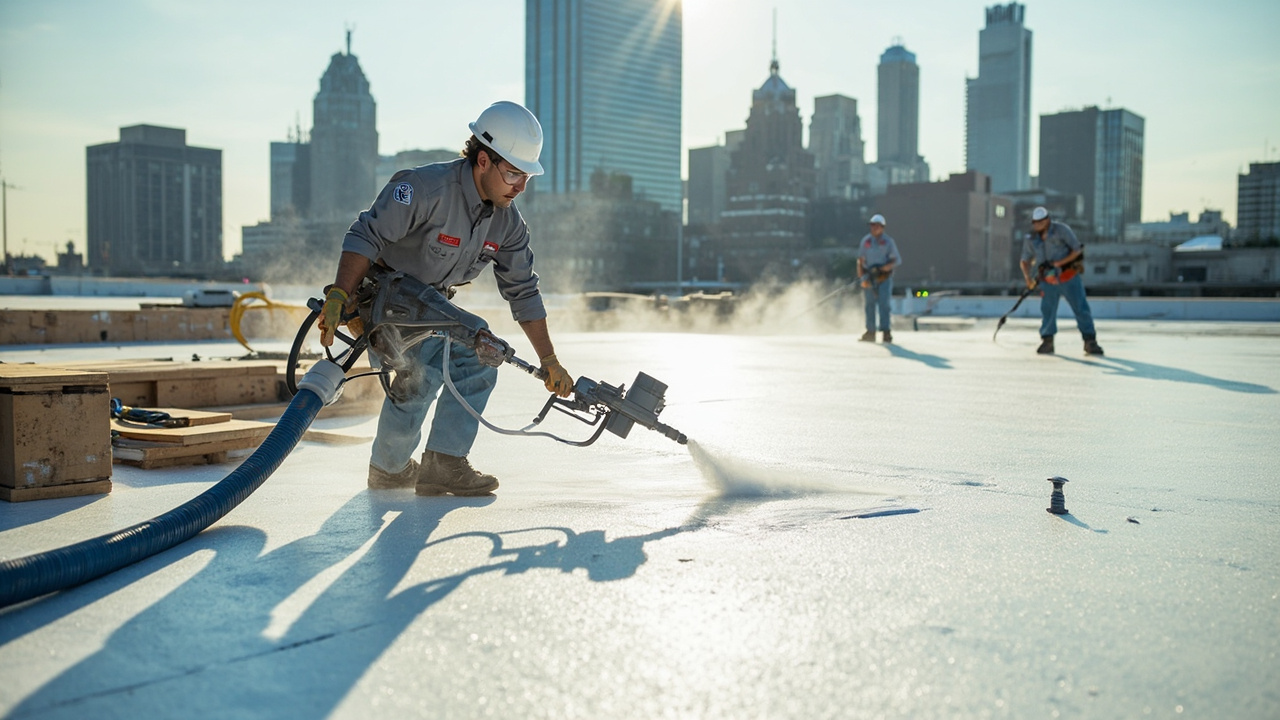
We apply spray polyurethane foam roofing using plural-component proportioning equipment that mixes isocyanate and polyol resin at the spray gun. The chemical reaction creates rapid expansion and adhesion, forming a rigid foam layer that conforms to every roof penetration, parapet wall, and irregular surface. This process eliminates the gaps and voids that plague mechanically attached systems.

Our technicians apply foam in multiple passes, building thickness incrementally to achieve the specified R-value and slope corrections. Detroit facilities often have ponding water issues due to roof settlement or inadequate drainage. We use spray foam to create positive drainage paths, eliminating standing water that accelerates membrane degradation. Each pass bonds chemically to the previous layer, creating a unified structure.

After foam application, we apply an elastomeric coating system. This topcoat provides UV protection, weather resistance, and reflectivity. White or light-colored coatings reduce surface temperatures by 30 to 50 degrees compared to dark membranes, cutting cooling loads during Detroit's humid summers. The coating also adds a second waterproofing layer, creating redundancy in your moisture barrier.

We address roof penetrations with detail work. HVAC curbs, exhaust vents, and skylights receive extra foam buildup and flashing reinforcement. Parapet walls get cant strips and vertical waterproofing to prevent wind-driven rain infiltration. Every transition point becomes a sealed, continuous surface. This attention to termination details prevents the edge failures common in rolled roofing systems.

For facilities with equipment vibration or thermal movement, polyurethane foam roofing flexes without cracking. The material absorbs minor substrate movement, maintaining its waterproof integrity where rigid systems would fail.

Your SPF Roof Installation Timeline

Spray Foam Roofing in Detroit – Eliminate Downtime with Industrial-Grade SPF Systems
01

Facility Assessment and Planning

We conduct a structural load evaluation and roof condition survey. Our team measures substrate moisture content using infrared scanning and capacitance meters. We identify saturated insulation areas, document penetrations, and map drainage issues. You receive a detailed scope of work with material specifications, thickness calculations, and a phased installation schedule that minimizes operational disruption. We coordinate with your facility managers to avoid production conflicts.
02

Surface Preparation and Application

We remove damaged sections, dry the substrate, and clean all surfaces to ensure adhesion. Power washing removes contaminants. Damaged flashing gets replaced. Our certified applicators spray foam during optimal temperature and humidity windows, typically requiring 50-degree minimum substrate temperatures. We apply foam in controlled passes, monitoring thickness with depth gauges. Each section receives quality control inspection before we apply the protective coating system. Weather monitoring ensures proper cure conditions.
03

Final Coating and Documentation

We apply the elastomeric topcoat at manufacturer-specified mil thickness, creating a seamless finish. All transitions, penetrations, and terminations receive visual inspection and punch-list correction. You receive installation photos, material certifications, and thickness verification records. We provide roof care guidelines and recommend a biannual inspection schedule. Your facility returns to full operation with a roof system engineered to perform for 20-plus years with minimal maintenance requirements.

Why Detroit Facilities Trust Peak Roofing for SPF Systems

Detroit's commercial roofing environment demands contractors who understand industrial operations. We have installed SPF roofing on manufacturing plants in the Midtown district, cold storage facilities near the Eastern Market, and distribution centers along I-94. Our crew understands that downtime costs you money. We schedule installations in phases, maintaining building envelope integrity while we work.

We hold certifications from major spray foam manufacturers, ensuring our work meets warranty requirements. These partnerships give you access to extended system warranties that protect your investment. Many commercial SPF roof systems carry 15 to 20-year warranties when installed by approved contractors. We provide the documentation and application standards that activate these protections.

Detroit building codes require specific fire ratings and wind uplift resistance for commercial roofs. We design SPF roof systems that meet or exceed these requirements. Our material selections account for your building's use group, occupancy classification, and exposure category. You get a roof that passes inspection and provides the performance metrics your insurance carrier demands.

Our local presence matters when you need service. If a roof penetration requires sealing or coating maintenance becomes necessary, we respond quickly. We maintain equipment and material inventory in the Detroit metro area, eliminating the delays associated with distant contractors. You work with a team that knows your facility and understands your operational constraints.

We provide ongoing consultation for facility managers planning expansions or equipment installations. When you add HVAC units or modify your roof layout, we help you maintain the integrity of your SPF roof system. This relationship approach keeps your roof performing as designed, protecting your investment long-term.

What Your SPF Roofing Project Delivers

Installation Efficiency and Minimal Disruption

Spray foam application proceeds rapidly compared to tear-off and replacement projects. A typical 20,000-square-foot roof takes three to five days to complete, depending on complexity and weather. We work in sections, maintaining weathertight conditions throughout the project. Your facility stays operational. We coordinate material deliveries and equipment staging to avoid blocking loading docks or employee access points. Our crew arrives on schedule and completes the scope as promised, minimizing the business impact of roof work.

Comprehensive Pre-Application Evaluation

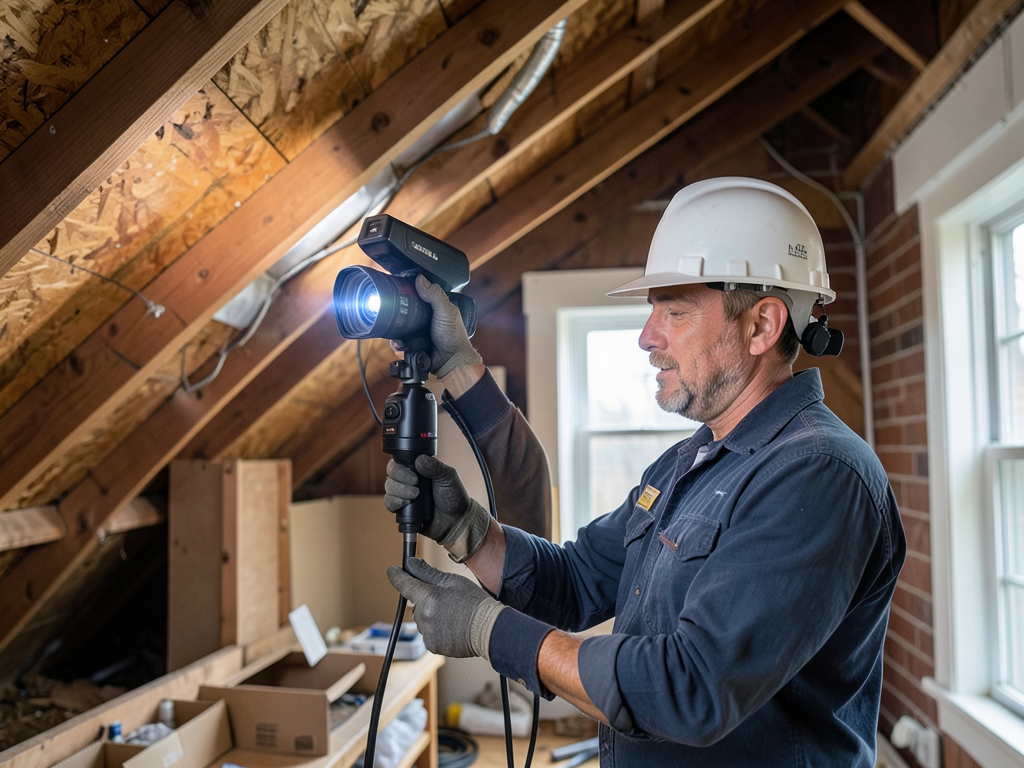
We use infrared thermography to identify hidden moisture in your existing roof assembly. Wet insulation gets removed and replaced before foam application. Our structural assessment verifies that your roof deck can support the additional weight of the SPF system. We review your building's drainage design and correct any slope deficiencies during foam installation. You receive a written report detailing all findings, recommended repairs, and material specifications. This diagnostic process prevents future failures and ensures your new roof performs as engineered.

Long-Term Performance and Energy Savings

An SPF roof system delivers immediate energy cost reductions. The high R-value insulation and reflective coating cut heat gain during summer and reduce heat loss in winter. Many Detroit facilities report 20 to 30 percent reductions in HVAC costs after SPF installation. The seamless membrane eliminates air infiltration paths, improving building pressurization and indoor climate control. Your roof becomes a permanent asset rather than a recurring expense. With proper maintenance, your polyurethane foam roofing will outlast conventional systems by a decade or more.

Maintenance Programs and Coating Renewal

We offer maintenance agreements that include biannual inspections and minor repairs. Regular coating renewal extends system life indefinitely. Every 10 to 15 years, we recoat your roof, restoring UV protection and waterproofing without removing the foam layer. This recoat process costs a fraction of a full replacement and adds another decade of service life. We document all maintenance activities, providing you with a complete service history that supports warranty claims and demonstrates proper stewardship for insurance and compliance purposes.

Frequently Asked Questions

You Have Questions,
We Have Answers

Is it a good idea to spray foam your roof? +

Spray foam roofing is an excellent choice for commercial buildings in Detroit. The material creates a seamless, monolithic barrier that handles freeze-thaw cycles effectively. You gain superior insulation value, which reduces heating costs during harsh Michigan winters. The system self-flashes around rooftop equipment like HVAC units and penetrations, eliminating weak points where leaks typically start. For flat or low-slope commercial roofs common in Detroit's industrial corridors, spray foam adds structural rigidity and extends the existing roof's lifespan. The key is proper application by trained contractors who understand local climate demands and building codes.

What are the disadvantages of a spray foam roof? +

Spray foam roofing requires skilled installation. Poor application leads to thickness inconsistencies, inadequate coverage, or adhesion failures. The material degrades under prolonged UV exposure, so you need a protective coating that requires reapplication every 10-15 years. Detroit's temperature swings can stress improperly installed foam. Spray foam also traps moisture if applied over wet substrates, causing hidden rot. Commercial building inspectors scrutinize installation quality closely. The upfront cost is higher than traditional roofing systems. You need experienced contractors who understand proper substrate preparation and can work within Detroit's variable weather windows. Maintenance is critical to prevent premature system failure.

How long does a spray foam roof last? +

A properly installed spray foam roof lasts 20-30 years in Detroit's climate. Longevity depends on maintenance discipline and coating renewal. The foam itself remains stable, but the protective topcoat degrades from UV exposure and weathering. You must recoat every 10-15 years to maintain warranty coverage and system integrity. Detroit's freeze-thaw cycles test the coating's elasticity. Commercial buildings with regular roof inspections see the longest service life. Neglected systems fail earlier. Ponding water, foot traffic from maintenance crews, and impact damage from debris shorten lifespan. Budget for periodic inspections and proactive coating renewal to reach the 30-year mark.

Why is spray foam a red flag for lenders? +

Lenders flag spray foam in residential contexts, not commercial roofing applications. In homes, concerns center on improper attic installation that traps moisture or blocks ventilation. Commercial spray foam roofing is different. The system sits on the roof deck exterior, not within building cavities. Lenders understand this distinction. Commercial property appraisers recognize spray foam as a legitimate roofing system when properly documented and installed to code. You need installation records, warranty documentation, and proof of licensed contractor work. Detroit commercial buildings with spray foam roofs secure financing routinely. The red flag applies to residential attic insulation, not commercial roof assemblies.

How much does it cost to spray foam a 2000 foot attic? +

This question confuses attic insulation with commercial roofing. Spray foam roofing is a commercial roof system applied to the exterior deck surface, not attic insulation. For Detroit commercial buildings, spray foam roofing costs depend on roof size, existing conditions, required thickness, and accessibility. Pricing varies by square footage of roof area, not attic space. Commercial projects factor in equipment rental, substrate preparation, foam thickness specifications, and protective coating selection. Multiple variables affect total investment. Comparing quotes from qualified commercial roofing contractors familiar with Detroit building codes provides accurate project pricing. Attic insulation is a separate residential service with different material and application methods.

Why are people removing spray foam? +

People remove residential attic spray foam due to improper installation that trapped moisture, blocked ventilation, or violated building codes. This residential issue does not apply to commercial spray foam roofing systems. Commercial buildings remove old spray foam roofs when the system reaches end-of-life, sustained severe damage, or when changing building use requires different roofing performance. Detroit commercial properties sometimes remove foam if the existing substrate deteriorated beyond repair. Poor initial installation without proper coatings leads to premature removal. Most commercial spray foam roofs in Detroit serve their full lifespan when properly maintained. Removal costs are high, so building owners prioritize preventive maintenance and coating renewal.

Why are insurance companies not insuring homes with spray foam insulation? +

Insurance concerns target residential spray foam attic insulation, not commercial roofing systems. Insurers worry about hidden moisture damage, mold growth, and fire hazards from improper residential installation. Commercial spray foam roofing faces different underwriting criteria. Insurance carriers for Detroit commercial properties evaluate the roofing system's fire rating, wind uplift resistance, and installation quality. You need documentation proving code-compliant installation by licensed contractors. Commercial policies focus on business interruption risk and liability. Properly installed and maintained spray foam roofs with current coatings and inspection records satisfy commercial insurance requirements. The residential insurance red flag does not transfer to commercial applications.

Why is it hard to sell a house with spray foam insulation? +

Spray foam challenges affect residential real estate transactions, not commercial property sales. Home buyers and their lenders scrutinize attic spray foam due to moisture concerns and inspection difficulties. Commercial real estate operates differently. Detroit commercial buyers evaluate roofing systems through property condition assessments and engineer reports. Spray foam roofing with documented maintenance records, current coatings, and remaining useful life adds value. Commercial buyers understand lifecycle costs and appreciate the energy efficiency. Transaction issues arise only when the foam roof nears end-of-life or shows deferred maintenance. Well-maintained commercial spray foam roofs do not hinder sales. Professional documentation and inspection records eliminate buyer concerns.

Why is spray foam insulation now a red flag? +

The spray foam red flag applies to residential attic insulation installations that blocked ventilation or trapped moisture. This residential construction issue does not apply to commercial spray foam roofing. Detroit home inspectors flag attic foam because it hides structural problems and creates moisture risks. Commercial roofing operates under different standards. Building codes, fire ratings, and application methods differ completely. Commercial spray foam roofing has decades of proven performance when properly installed and maintained. The residential red flag stems from unqualified contractors who misapplied products in attic spaces. Commercial roofing contractors follow strict application protocols. Do not confuse residential attic insulation concerns with commercial roofing system performance.

Is $30,000 too much for a roof? +

Commercial roofing costs depend on building size, roof complexity, system selection, and existing conditions. Small commercial buildings in Detroit might invest less, while large facilities exceed this amount. Spray foam roofing costs vary by required thickness, substrate preparation needs, and coating specifications. The figure mentioned fits within typical ranges for moderate-sized commercial projects. Evaluate cost per square foot, warranty coverage, expected service life, and energy savings. Detroit's commercial roofing market offers competitive pricing. Get multiple quotes from qualified contractors who provide detailed scope breakdowns. Compare total lifecycle costs, not just installation price. Factor in maintenance requirements and coating renewal expenses over the system's lifespan.

How Detroit's Industrial Legacy Shapes SPF Roofing Requirements

Detroit's older industrial buildings present unique challenges for commercial spray foam roofing. Many facilities date to the early 20th century, featuring heavy timber or bar joist construction with minimal roof slope. These structures were designed for coal heating and natural ventilation, not modern climate control. When you retrofit these buildings with SPF roofing, you address decades of deferred maintenance, hidden moisture damage, and structural settling. The freeze-thaw cycling along the Detroit River corridor, combined with lake-effect precipitation patterns, accelerates roof degradation. An SPF roof system stops this cycle by creating a moisture-impermeable barrier that adapts to substrate irregularities. Detroit's manufacturing resurgence demands roofing solutions that protect both historic structures and new construction without compromising operational efficiency.

Detroit building officials enforce strict energy codes and fire safety requirements for commercial roofing. Any new roof system must meet the Michigan Building Code provisions for thermal resistance, flame spread ratings, and wind uplift resistance. Peak Roofing Detroit maintains relationships with local inspectors and understands the documentation they require. We pull permits, schedule inspections, and provide certified test reports that demonstrate compliance. This local expertise prevents costly project delays and ensures your roof passes inspection on the first review. Our familiarity with Detroit's commercial districts means we understand the specific challenges your facility faces and deliver solutions that meet both code requirements and operational needs.
Roofing Services in The Detroit Area

Our local headquarters are strategically located to efficiently serve all of Detroit and the surrounding areas. We invite you to view our service region and location on the map. As a trusted local contractor, we are never far from your neighborhood and are committed to providing quick, reliable, and convenient service wherever you are within the metropolitan area.

Address:
Peak Roofing Detroit, 19549 Gilmore St, Reseda, CA, 91335

Additional Services We Offer

Our news updates

Latest Articles & News from The Blogs

Choosing the Right Roof Color for a Brick Ranch in Warren Selecting the right roof color for your brick ranch…

Choosing the Right Roof Color for a Brick Ranch in Warren

Choosing the Right Roof Color for a Brick Ranch in Warren Selecting the right roof color for your brick ranch…

Why "Cheap" Roofing Quotes Often End Up Costing Detroiters Double in the Long Run

Why “Cheap” Roofing Quotes Often End Up Costing Detroiters Double in the Long Run Detroit homeowners searching for the lowest…

How the Humidity from Lake St. Clair Affects the Lifespan of Your Harrison Township Roof

How the Humidity from Lake St. Clair Affects the Lifespan of Your Harrison Township Roof \n\n The constant moisture and…

Contact Us

Stop losing money to roof leaks and energy waste. Peak Roofing Detroit delivers industrial-grade spray foam roofing that keeps your facility dry and operational. Call (313) 604-2233 now to schedule a facility assessment and get a detailed project proposal.