
menu

Roof Cricket Drainage Issues in Detroit – Expert Diagnosis and Permanent Repairs for Chimney Water Diversion

Roof cricket drainage issues cause chimney leaks, ceiling damage, and structural decay. Peak Roofing Detroit identifies improper cricket pitch, chimney saddle water pooling, and roof saddle drainage failure to deliver repairs that stop water intrusion at the source.

Slider Image 1
Slider Image 2
Slider Image 3
Slider Image 4
Slider Image 5
Slider Image 7
Slider Image 8
Slider Image 9
Slider Image 10
Slider Image 11

Why Roof Crickets Fail in Detroit and What It Costs You

Detroit's freeze-thaw cycles make roof cricket drainage issues particularly destructive. When temperatures swing from 20 degrees in January to 50 degrees in March, trapped water behind chimneys freezes and expands. That ice forces its way under shingles, through flashing, and into your attic. By the time you notice ceiling stains, the damage has already spread.

Chimney saddle water pooling happens when the cricket pitch is too shallow. Water sits instead of draining. Roof cricket ponding accelerates shingle deterioration and rots the decking underneath. Improper cricket pitch design is common in homes built before 2000, when local builders did not always account for Detroit's heavy spring rains and winter melt cycles.

Chimney diverter leaks are harder to spot. You see water stains near the chimney but cannot find the source. The problem is not the flashing. The problem is the cricket itself. Water diverts sideways instead of down the roof slope. It seeps under the saddle and into the structure. Roof saddle drainage failure compounds the issue. The saddle becomes a dam. Water backs up. Shingles lift. Ice forms. The cycle repeats every winter.

You cannot fix this with caulk or patch repairs. The geometry is wrong. The only solution is correcting the pitch and rebuilding the cricket to move water away from the chimney base. That requires removing shingles, cutting new decking angles, and installing proper flashing integration. It is surgical work, and it has to be done right the first time.

Why Roof Crickets Fail in Detroit and What It Costs You
How We Correct Cricket Pitch and Eliminate Chimney Ponding

How We Correct Cricket Pitch and Eliminate Chimney Ponding

We do not guess. We measure. Cricket pitch must be steep enough to shed water but not so steep that it creates a dam at the base. The ideal pitch matches your main roof slope or exceeds it by at least 1 inch per foot. We use laser levels to verify the saddle slope before we remove a single shingle.

Chimney saddle water pooling tells us the existing cricket is undersized or improperly framed. We strip the area down to the decking and inspect for rot. Detroit homes with clay tile chimneys often have hidden water damage in the framing because the original cricket was never tall enough to clear the chimney width. We sister new framing members to damaged joists and install treated plywood cut to the correct pitch angle.

The cricket itself gets rebuilt with a continuous ridge that runs from the chimney back to the main roof. We use ice and water shield under the entire saddle, not just at the edges. This prevents roof saddle drainage failure when ice dams form during January cold snaps. Step flashing is woven into the shingle courses, and counter flashing is embedded into the chimney mortar joints with proper lap. No exposed fasteners. No silicone.

Improper cricket pitch creates a slot where debris collects. Leaves and shingle granules block the channel. Water backs up. We build our crickets with a 6-inch minimum clearance on both sides of the ridge. That gives enough room for water to flow even when debris accumulates. The geometry alone prevents most ponding issues before they start.

How We Rebuild Your Roof Cricket

Roof Cricket Drainage Issues in Detroit – Expert Diagnosis and Permanent Repairs for Chimney Water Diversion
01

Saddle Tear-Off and Inspection

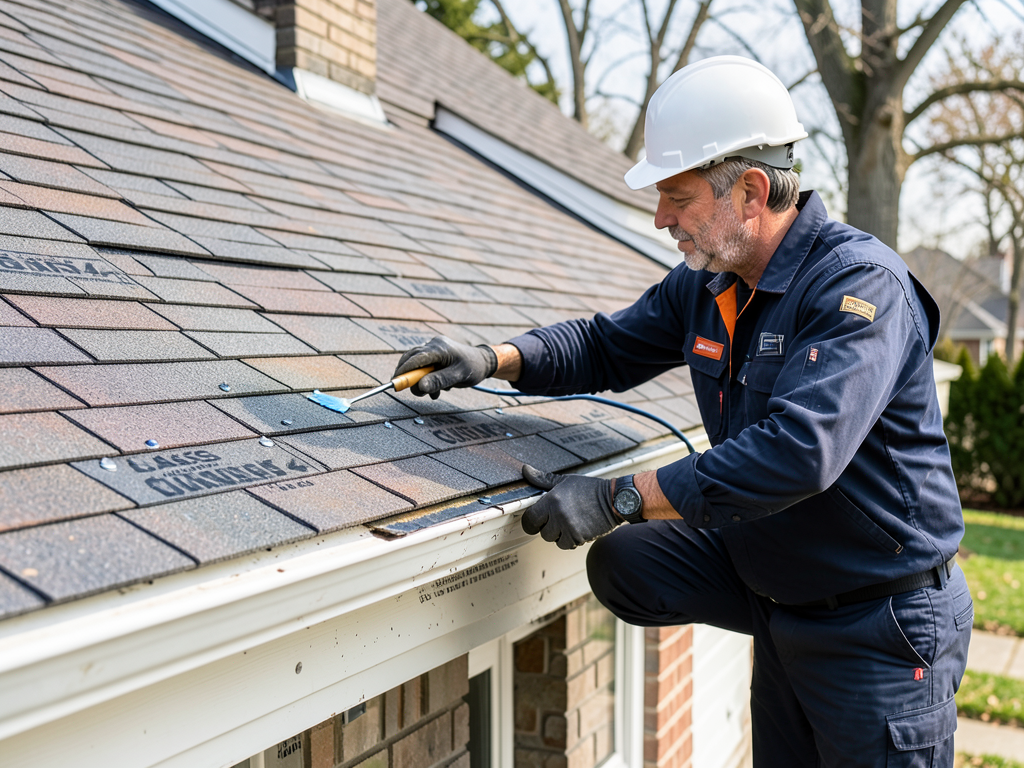
We remove shingles and flashing around the chimney to expose the existing cricket structure. This reveals whether the decking is rotted, if the pitch is correct, and whether water has damaged the framing. Detroit homes with 20-plus-year-old roofs often have hidden decay under the saddle because the original cricket never diverted water properly. We photograph everything and map the extent of damage before rebuilding begins.
02

Framing and Decking Reconstruction

We cut new framing to create the correct pitch angle and secure it to the existing roof structure. Treated plywood forms the new saddle surface. Ice and water shield covers the entire cricket area, not just the edges. This prevents chimney diverter leaks during freeze-thaw cycles. The ridge of the cricket runs from the chimney back to the main roof, creating two channels that move water sideways and down. The geometry eliminates ponding.
03

Flashing Integration and Shingle Match

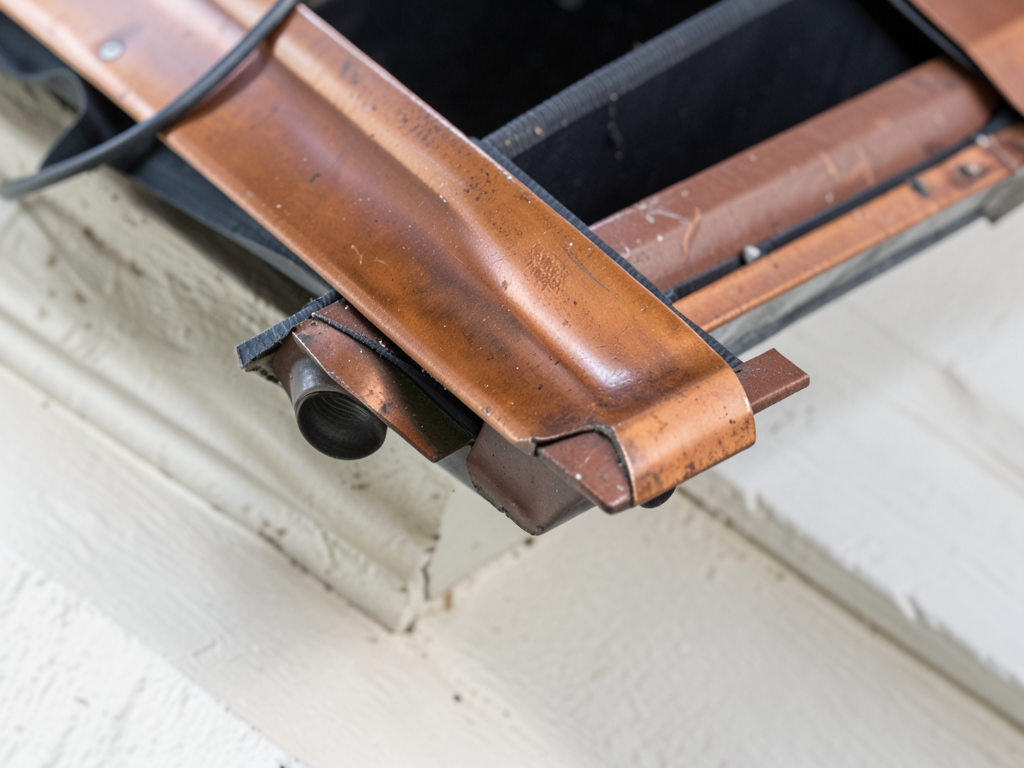
Step flashing is woven into the shingle courses on both sides of the cricket. Counter flashing embeds into the chimney mortar and laps over the step flashing with a 2-inch minimum overlap. We match your existing shingles or document why a full roof replacement is necessary if the remaining shingles are too deteriorated. The finished cricket sheds water immediately. You see the change during the first rain. No pooling. No leaks. Just proper drainage.

Why Detroit Homeowners Trust Peak Roofing for Cricket Repairs

Roof cricket drainage issues are not obvious until the damage is severe. Most roofers patch the flashing and call it fixed. The leak returns six months later because the cricket pitch was never corrected. Peak Roofing Detroit specializes in diagnosing the geometry problems that cause chimney saddle water pooling. We do not patch. We rebuild.

Detroit's building codes require specific flashing details for chimneys over 30 inches wide. Many older homes were built before these standards existed. The crickets are too small or nonexistent. We bring these chimneys up to current code during repairs. That means better protection and compliance if you ever sell the home or file an insurance claim.

We work on every type of Detroit architecture. Brick colonials in Palmer Woods. Bungalows in Rosedale Park. Cape Cods in the University District. Each style has unique chimney configurations. Wide brick chimneys on colonials need crickets with 12-inch minimum height. Narrow metal chimneys on bungalows need smaller saddles but steeper pitch. We adjust our approach based on your home's specific design.

Detroit winters punish improper cricket pitch. Ice dams form where water cannot drain. The ice forces shingles up and water runs backward into the attic. We see this every February. Homeowners call with emergency leaks near the chimney. The problem started months earlier when fall rains pooled on the saddle and froze. By the time the leak is visible, rot has already spread. We stop this cycle by correcting the pitch before winter arrives.

You need someone who understands how Detroit weather interacts with roof geometry. That is what separates us.

What to Expect When We Fix Your Roof Cricket

Inspection and Timeline

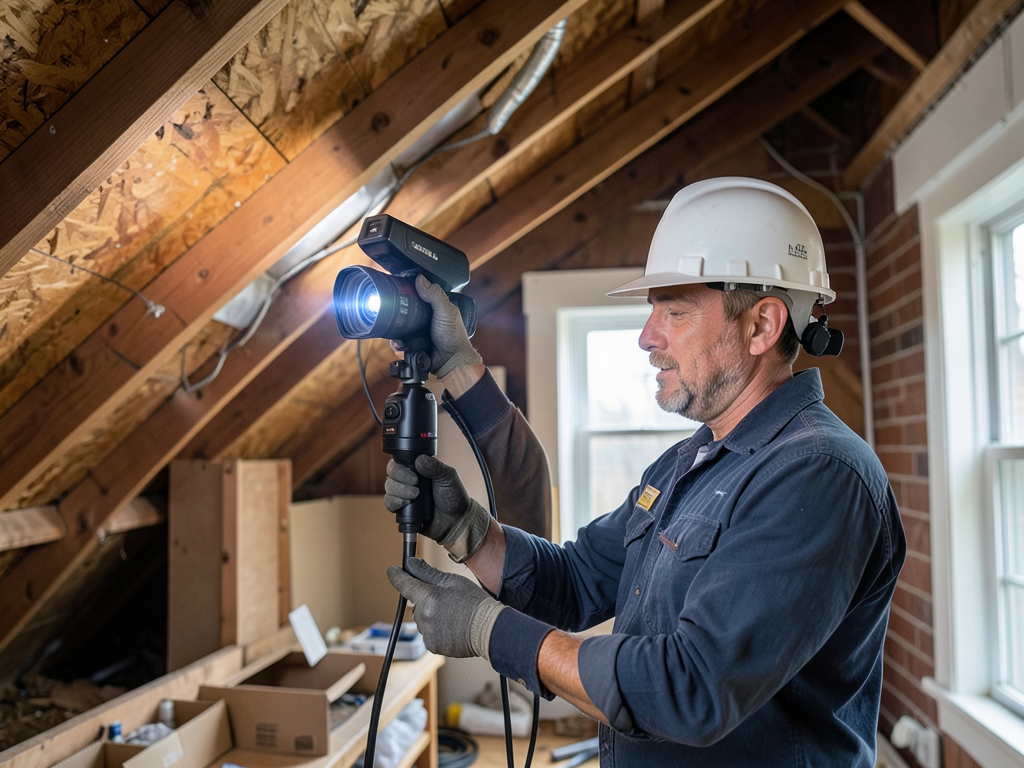
We schedule roof inspections within 48 hours of your call. The inspection takes 45 minutes. We photograph the chimney, measure the cricket pitch, and check for rot in the decking. You receive a written assessment the same day. Most cricket rebuilds take one to two days, depending on the extent of framing damage. We do not leave your roof open overnight. Temporary tarps go up if weather interrupts the work. You know the timeline before we start.

Damage Assessment and Scope

The initial inspection determines whether the issue is limited to the cricket or if water has damaged surrounding decking and framing. Roof saddle drainage failure often rots the sheathing for 3 to 4 feet down from the chimney. We map the damage and provide a detailed scope. If the rot extends into the attic framing, we document it and explain what structural work is required. You see photos of everything we find. No surprises. No upselling.

Permanent Water Diversion

The completed cricket sheds water in both directions away from the chimney. You see the difference during the first rain. No pooling. No ponding. Water moves down the roof slope as designed. The flashing integration prevents chimney diverter leaks even during heavy spring storms. The geometry alone prevents most future issues. Proper pitch eliminates the conditions that cause water to back up and freeze. Your ceiling stays dry. Your attic stays dry. The repair lasts as long as your roof.

Maintenance and Monitoring

We recommend annual inspections after cricket repairs. Debris can accumulate in the channels and reduce drainage efficiency. A quick clearing during fall gutter cleaning prevents most issues. We provide maintenance tips specific to your chimney size and roof pitch. If you notice any water stains or shingle lifting near the chimney, call immediately. Early detection prevents major damage. We honor our workmanship. If the cricket fails due to installation error, we return and correct it at no charge.

Frequently Asked Questions

You Have Questions,
We Have Answers

What are the signs of a failing roof drain? +

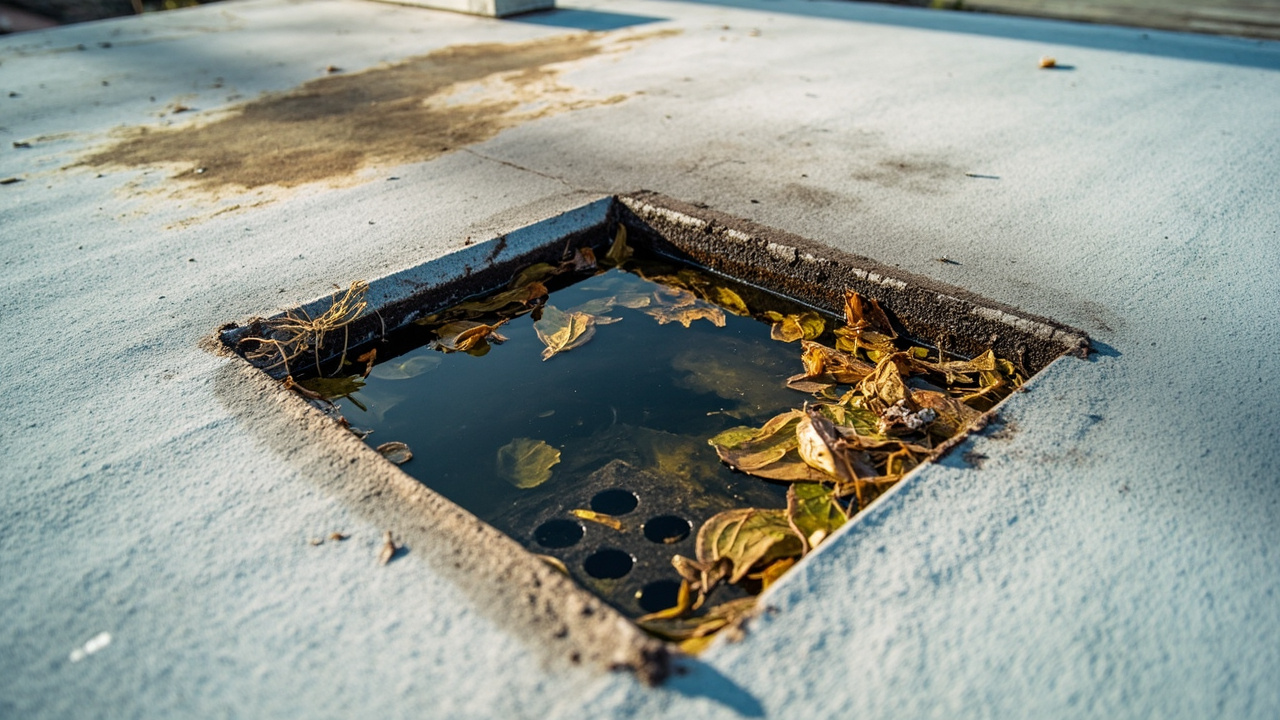
Look for water pooling on your roof after Detroit's heavy rains or snowmelt. Standing water that persists more than 48 hours signals poor drainage. Check for sagging or soft spots around drain areas, rust stains on scuppers, and debris buildup blocking flow. Inside, watch for ceiling stains, peeling paint, or musty odors in upper floors. Detroit's freeze-thaw cycles make failing drains worse. Ice dams form when water backs up and refreezes, causing leaks. If you see water overflowing during storms or ice accumulation around drains in winter, your system needs immediate attention.

What problems do roof crickets solve? +

Roof crickets redirect water away from chimneys, skylights, and HVAC units where water naturally collects. Without a cricket, standing water sits against these penetrations and seeps through flashing, causing leaks. Detroit's lake-effect snow creates extra moisture when melting. Crickets create a peaked diversion that channels water toward roof drains instead of pooling. They prevent ice dam formation around chimneys during harsh Michigan winters. Crickets also extend the life of flashing and sealants by reducing constant water exposure. Think of them as traffic directors for roof drainage, especially critical on low-slope commercial buildings common in Detroit's industrial areas.

What is a drainage cricket? +

A drainage cricket is a peaked structure built behind roof penetrations like chimneys, HVAC units, or large vents. It looks like a small ridge that slopes water around the obstruction toward your drainage system. Most drainage crickets use wood framing covered with roofing membrane or metal flashing. On flat or low-slope roofs, crickets become essential because water does not naturally flow away from vertical obstacles. Detroit's commercial buildings often require crickets to meet code requirements for proper drainage. Without them, water pools, accelerates membrane deterioration, and finds its way through seams. The cricket ensures water keeps moving toward scuppers or drains.

Do tapered crickets affect the R value? +

Tapered crickets can slightly affect R-value depending on how you build them. A cricket filled with tapered insulation actually maintains or improves your roof's thermal performance because you add insulation material. If you frame a cricket with lumber and air gaps, you create thermal bridging that reduces efficiency. Detroit winters demand proper insulation to prevent heat loss and ice dam formation. The best approach uses tapered polyisocyanurate or EPS foam boards that create the slope while maintaining consistent R-value. Work with a qualified roofer who understands Michigan energy code requirements. Done right, crickets improve both drainage and thermal performance.

Are collapsed drains covered by house insurance? +

Maybe. Homeowners insurance in Michigan typically covers sudden, accidental damage but excludes gradual deterioration or maintenance issues. If your roof drain collapsed due to a covered peril like storm damage or falling tree limbs, you have a claim. If it failed from rust, age, or neglected maintenance, expect denial. Insurance adjusters scrutinize roof condition closely. Document everything with photos and timestamps. File claims immediately after discovering damage. Detroit's older housing stock often faces coverage battles over maintenance versus casualty losses. Review your policy's specific exclusions and consider endorsements for water damage if you have an aging roof system.

How to tell if a roofer is lying? +

Ask specific questions about Detroit building codes and material choices for Michigan's climate. A dishonest roofer gives vague answers or pushes one-size-fits-all solutions. Request references from jobs completed over three years ago to verify longevity. Check for proper licensing through the State of Michigan. Be wary of pressure tactics, unusually low bids, or demands for full payment upfront. A legitimate roofer explains the diagnostic process, shows you problems directly, and provides detailed written estimates. If they dismiss your drainage concerns or claim crickets are unnecessary on a low-slope roof, walk away. Trust roofers who educate rather than sell.

How to permanently get rid of crickets? +

This question confuses roof crickets with insects. Roof crickets are structural drainage components, not pests. If you have actual crickets in your home, they seek moisture and shelter. Seal foundation cracks, fix leaky gutters, and reduce outdoor lighting that attracts them. Use weather stripping on doors and windows. Remove wood piles from near your foundation. Detroit's humid summers create ideal cricket conditions. For roof drainage crickets, you cannot and should not remove them. They prevent water damage. If a roofer suggested removing your drainage cricket, find a different contractor immediately. Proper crickets are permanent roofing components.

What is the most expensive part of replacing a roof? +

Material costs vary, but labor often represents the biggest expense, especially on Detroit's historic homes with multiple layers to remove. Tear-off and disposal add up quickly. Complex roof geometry with valleys, dormers, and penetrations increases labor hours significantly. Structural repairs discovered during tear-off can double your costs. Chimneys requiring cricket installation add expense but prevent future leaks. For commercial roofs, crane rentals and specialized equipment drive costs higher. Flashing replacement around vents, skylights, and walls takes skilled labor and custom fabrication. Do not cheap out on underlayment or ice-and-water shield in Michigan's climate. Quality installation protects your investment better than premium shingles installed poorly.

Are roof crickets worth the cost? +

Absolutely. Crickets prevent thousands in water damage repair costs. Detroit's weather creates perfect conditions for roof penetration leaks without proper drainage. A cricket installation costs a few hundred dollars during new roof construction but saves you from rotted decking, ruined insulation, and interior damage. For commercial buildings, crickets extend membrane life and prevent business interruption from emergency leaks. If your roof has chimneys or large HVAC units, crickets are not optional. They are essential drainage infrastructure. Consider them like gutters: you would not skip gutters to save money. The same logic applies to crickets on low-slope or complex roofs.

How much does it cost to replace a roof drain? +

Roof drain replacement typically costs between several hundred and over a thousand dollars per drain, depending on access, roof type, and drain size. Commercial drains with larger diameters and deeper sumps cost more. If you need structural repairs around the drain or extensive flashing work, expect higher costs. Detroit's flat commercial roofs often require multiple drains per section. Emergency repairs during winter or after storms carry premium pricing. The drain itself is not expensive, but proper installation requires cutting the roof membrane, sealing connections, and ensuring watertight integration. Factor in potential interior damage if the drain failed and leaked before replacement.

How Detroit Freeze-Thaw Cycles Accelerate Roof Cricket Failures

Detroit experiences 60 to 80 freeze-thaw cycles each winter. Daytime temperatures climb above freezing. Nighttime temperatures drop below 20 degrees. Water trapped behind chimneys freezes, expands, and forces shingles apart. This cycle repeats daily from December through March. Improper cricket pitch traps water in the saddle. The water cannot drain before it freezes. Ice lifts the shingles. Meltwater runs underneath. By spring, the decking is soaked and rotting. Correcting the pitch stops this cycle.

Detroit building codes require specific flashing and cricket details for chimneys wider than 30 inches. Many homes built before 1990 do not meet these standards. Peak Roofing Detroit updates older chimneys to current code during repairs. This protects you during insurance claims and home sales. Local inspectors know what to look for. A properly built cricket with correct pitch and flashing integration passes inspection every time. That matters when you need proof of quality work.
Roofing Services in The Detroit Area

Our local headquarters are strategically located to efficiently serve all of Detroit and the surrounding areas. We invite you to view our service region and location on the map. As a trusted local contractor, we are never far from your neighborhood and are committed to providing quick, reliable, and convenient service wherever you are within the metropolitan area.

Address:
Peak Roofing Detroit, 19549 Gilmore St, Reseda, CA, 91335

Additional Services We Offer

Our news updates

Latest Articles & News from The Blogs

Why You See Dark Lines on Your LaSalle Gardens Ceiling (Is it a Leak or Ghosting?) Those dark streaks on…

Why You See Dark Lines on Your LaSalle Gardens Ceiling (Is it a Leak or Ghosting?)

Why You See Dark Lines on Your LaSalle Gardens Ceiling (Is it a Leak or Ghosting?) Those dark streaks on…

Restoring the Hidden Box Gutters on a Classic Virginia Park Four-Square

Restoring the Hidden Box Gutters on a Classic Virginia Park Four-Square Box gutters are the hidden lifelines of Detroit’s historic…

How a New Roof Affects Your Homeowners Insurance Premium in Clinton Township

How a New Roof Affects Your Homeowners Insurance Premium in Clinton Township A new roof in Clinton Township can immediately…

Contact Us

Roof cricket drainage issues will not fix themselves. Water damage spreads every time it rains or snows. Call Peak Roofing Detroit at (313) 604-2233 for a same-week inspection. We identify the problem and correct the pitch permanently.