


Allen Park sits in a brutal climate zone for roofing systems. The city experiences extreme freeze-thaw cycles from November through March, where temperatures swing from below zero to above freezing multiple times per week. This expansion and contraction creates microscopic cracks in shingles that grow into leaks over time. The flat terrain means no wind protection. Storms coming off Lake Erie hit roofs at full force, lifting shingles and tearing flashing.
The housing stock in neighborhoods near Southfield Road and around Champaign includes many homes built in the 1950s and 1960s. These structures often have original roof decking that needs inspection before any repair work. The clay-heavy soil throughout Allen Park creates foundation settling, which shifts roof structures and creates stress points. You see this in homes near the Ecorse Creek area where ground moisture stays high.
Winter ice dams form on north-facing roof slopes when attic insulation fails. The warm attic melts snow, water runs down, then refreezes at the cold eaves. This ice forces water under shingles and into walls. We see extensive ice dam damage every winter in Allen Park homes, particularly those with complex roof lines or insufficient ventilation. Your roof system needs proper ventilation, quality materials rated for Michigan weather, and installation that accounts for local conditions.
We built our reputation stopping leaks other contractors walk away from. While other roofing companies push full replacements, we assess honestly and repair what can be saved. That approach earned trust across Allen Park neighborhoods from Quandt Avenue to Pelham Road. We work directly with your insurance adjuster to document storm damage and get claims approved. Most homeowners leave thousands on the table because they don't understand the claims process. We handle that documentation.
Our crews know Michigan building codes and Allen Park permit requirements. We pull proper permits, schedule inspections, and complete jobs to code the first time. No shortcuts. Every tear-off goes down to the decking so we catch rot before it spreads. We inspect and replace damaged decking as part of the base bid, not as a surprise upcharge when we find it.
We stock trucks with materials that survive Michigan weather. That means architectural shingles rated for high winds, ice and water shield on all valleys and penetrations, and synthetic underlayment that won't tear in wind. Cheap felt paper and builder-grade shingles fail in three years. We install roofs that last twenty-five years because we use contractor-grade materials and proper flashing techniques around chimneys, skylights, and roof-wall intersections.
Peak Roofing Detroit responds the same day to emergency leak calls in Allen Park. We tarp damaged areas, stop active water intrusion, then schedule permanent repairs. Your roof emergency gets handled within hours, not days. That speed prevents secondary water damage to ceilings, insulation, and electrical systems.

When your roof fails during a storm, water damage spreads into your home within hours. We respond to Allen Park emergency calls the same day, tarp the damage, and stop water intrusion immediately. Our trucks stay stocked with emergency materials so we can secure your home fast and schedule permanent repairs.

We document storm damage with photos and measurements that insurance adjusters need to approve claims. Most homeowners get underpaid because they don't know what to document. We meet adjusters on-site, walk them through damage, and make sure your claim covers all necessary repairs including hidden damage to decking and underlayment.
We install architectural shingles rated for Michigan wind loads, synthetic underlayment that resists tears, and ice and water shield on all vulnerable areas. Builder-grade materials fail in five years. Contractor-grade roofing systems last twenty-five years because they handle freeze-thaw cycles and wind uplift without degrading.
Every roofing project requires proper permits and inspections in Allen Park. We handle the permit process, schedule inspections, and guarantee code-compliant work. When you sell your home, unpermitted roofing work creates title problems. We do it right the first time so you avoid complications down the road.
Peak Roofing Detroit handles every type of residential roofing need across Allen Park. We divide our services into three main categories based on urgency and scope. Emergency repairs address active leaks and storm damage that threatens your home right now. Restoration projects handle insurance claims and extensive damage that requires partial or complete roof replacement. Preventive services include inspections, maintenance, and minor repairs that extend your roof's life and prevent bigger problems.
Each category requires different expertise. Emergency roof leak repair means finding the water entry point fast, which isn't always where you see the leak inside. Water travels along rafters and decking before dripping through your ceiling. Our roofing repair specialists trace leaks to their source and fix the actual failure point, not just the symptom.
Roof damage repair from storms involves assessing structural integrity, checking decking for soft spots, and determining if repair or replacement makes financial sense. We provide honest assessments because we'd rather repair a roof and earn your trust than push an unnecessary replacement. That approach built our reputation across Allen Park neighborhoods.
Our roof patching services handle small areas of damage before they spread. A few damaged shingles today become a full roof replacement in two years if ignored. We match existing shingles and blend repairs so they're invisible from the ground. Preventive maintenance saves you thousands compared to emergency replacements.
Active roof leaks require immediate response before water damages insulation, drywall, and electrical systems. We dispatch crews same-day to Allen Park homes facing emergency situations. Our roofing repair specialists locate the leak source, tarp the area if needed, and perform temporary or permanent repairs depending on weather and damage extent. Storm damage gets documented with photos for insurance claims. We handle wind-lifted shingles, punctures from fallen branches, and flashing failures that let water in. Emergency roof patching services stop the damage from spreading while we schedule comprehensive repairs.
Severe weather often damages roofs beyond simple repair. We handle the entire insurance claim process for Allen Park homeowners facing extensive roof damage repair needs. Our team documents all damage, meets with adjusters, and ensures your claim covers necessary work including decking replacement and upgraded materials. We coordinate with your insurance company and handle the paperwork so you focus on getting your home restored. Full roof replacements get completed to current Michigan building codes with proper permits and inspections. We remove old materials down to the decking, replace damaged wood, and install complete new roofing systems.
Regular roof inspections catch small problems before they become expensive emergencies. We check Allen Park homes for lifted shingles, worn flashing, clogged valleys, and early signs of failure. Minor roof damage repair now prevents major water intrusion later. Our maintenance services include replacing damaged shingles, resealing flashing, clearing debris from valleys, and checking attic ventilation. Preventive roof patching services on small damaged areas stop leaks before they start. We provide written inspection reports with photos so you know exactly what your roof needs and when to budget for larger repairs.
Allen Park's climate and housing characteristics create predictable roofing failures. Understanding these common issues helps you catch problems early and prevent expensive damage. The freeze-thaw cycles throughout winter cause the most destruction to roofing systems. Water enters microscopic cracks, freezes and expands, then thaws and penetrates deeper. This cycle repeats dozens of times each winter, turning small defects into major leaks.
Wind damage increases in areas with less tree cover. Neighborhoods near Southfield Road experience higher wind speeds that lift shingle edges and tear flashing. Once shingles lift, wind-driven rain gets under the roofing system and soaks the decking. The original asphalt shingles on homes built in the 1950s and 1960s have exceeded their life expectancy. These old roofs become brittle and crack easily.
Ice dams form when heat escapes through inadequate attic insulation. The warm attic melts snow on the roof. Water runs down to the cold eaves and refreezes. This ice buildup forces water under shingles and into your walls. Poor attic ventilation makes ice dams worse by trapping heat. Proper ventilation and insulation prevent this expensive problem that damages roofs, gutters, and interior walls every winter across Allen Park.
Ice dams form on roof edges when attic heat melts snow that refreezes at the eaves. The ice buildup traps water that seeps under shingles and into walls. We see extensive ice dam damage every winter in Allen Park, particularly on north-facing slopes and complex roof lines. Proper attic insulation and ventilation prevent ice dams by keeping roof surfaces cold.
Michigan storms bring high winds that lift shingle edges and tear flashing away from roof penetrations. Hail creates bruises that compromise shingle integrity and lead to premature failure. Wind damage often goes unnoticed until leaks develop. We inspect for lifted shingles, exposed nail heads, and damaged flashing after severe weather hits Allen Park.
Flashing seals the intersections between your roof and chimneys, skylights, vents, and walls. This metal barrier prevents water intrusion at vulnerable points. Flashing fails when sealant dries out or metal corrodes. Water enters through these gaps and rots the decking underneath. Proper flashing installation with ice and water shield backing prevents these common leak points.
Asphalt shingles lose protective granules as they age. The granules shield the asphalt from UV damage. When granules wash away, shingles become brittle and crack. You notice granules accumulating in gutters. Older roofs in Allen Park often show severe granule loss, curled shingle edges, and brittle sections that crack in cold weather. Once granule loss accelerates, replacement becomes necessary.
We run roofing projects differently than other contractors. You get clear communication from initial contact through final cleanup. Every call gets returned within two hours during business hours. Emergency calls get same-day response. We show up on time for scheduled appointments and finish projects when we say we will.
Your project starts with an honest assessment. We inspect the damage, take photos, and explain what needs repair versus what can wait. We don't push unnecessary work. If your roof has five years left, we tell you that and recommend monitoring instead of replacement. This honesty builds trust and keeps customers coming back.
During repairs, we protect your property with tarps and magnetic nail sweeps. Roofing creates debris. We contain that mess and clean thoroughly every day. You won't find nails in your driveway or shingle scraps in your landscaping. Our crews respect your home and your neighbors by working efficiently and keeping noise to reasonable hours.
After completion, we walk you through the finished work and explain what we did. You get photos of the repairs, warranty information, and maintenance recommendations. We follow up in thirty days to make sure everything performs as expected. This attention to detail and customer care separated us from other Allen Park roofing contractors and built our reputation for quality work.
We explain the problem in plain language without technical jargon. You get photos of the damage and a written estimate that breaks down materials and labor. No surprise charges. If we find additional damage during repairs, we call you immediately with options and pricing before proceeding. You know exactly what you're paying for and why it's necessary. This transparency eliminates the distrust that most people have toward contractors.
Our crews arrive when scheduled and complete work within the promised timeframe. We protect your landscaping, siding, and driveway with drop cloths and boards. Magnetic rollers sweep up metal debris daily. We don't blast music or leave trash in your yard. Your neighbors won't complain about noise or mess. Professional behavior and respect for your home set us apart from fly-by-night roofing crews that damage property and disappear.
Every repair comes with a workmanship warranty that covers installation defects. Materials carry manufacturer warranties. We provide all warranty documentation in writing at project completion. We follow up thirty days after finishing to verify everything performs correctly. If issues develop, we return and make them right. Our reputation depends on standing behind our work. That commitment to quality keeps Allen Park homeowners calling us first when roofing problems arise.
We simplified the roofing repair process into three clear phases. Each step focuses on quality, efficiency, and protecting your home. This systematic approach eliminates confusion and delivers consistent results.
We inspect your roof to identify all damage, not just obvious problems. This includes checking attic spaces for water stains, examining decking for soft spots, and testing flashing integrity. You receive photos of all damage and a detailed written estimate. We explain repair options and help you understand what your insurance should cover if filing a claim. This thorough assessment prevents surprises during the repair process.
Our crews complete repairs using contractor-grade materials and proven installation techniques. We pull necessary permits and coordinate inspections. Work areas get protected with tarps and barriers. We replace damaged decking before installing new roofing materials. All flashing gets sealed properly with ice and water shield backing. The job site gets cleaned daily with magnetic sweeps and debris removal. Quality control happens throughout the project.
We walk you through the completed work and explain what was done. You get final photos, warranty documentation, and maintenance recommendations. We schedule any required municipal inspections and handle the paperwork. The property gets thoroughly cleaned with a final magnetic sweep and debris check. We follow up in thirty days to ensure everything performs as expected and answer any questions.
Michigan residential roofing must comply with the 2015 International Residential Code as adopted by the state. Allen Park enforces these standards through required permits and inspections for all roofing work. Understanding these requirements protects homeowners from contractors who cut corners and create code violations that complicate home sales.
The IRC requires ice and water shield installation on all roof valleys, around chimneys and skylights, and along eaves in areas subject to ice dams. This self-sealing membrane creates a waterproof barrier at vulnerable points where standard underlayment fails. Michigan falls entirely within the ice dam protection zone, meaning eave protection is mandatory on all roofs. The membrane must extend from the roof edge up to at least 24 inches inside the exterior wall line.
Roof decking must be solid sheathing, typically half-inch plywood or OSB, properly fastened with 8d nails spaced 6 inches on edges and 12 inches in the field. Damaged or soft decking requires replacement before new roofing installation. Shingles must be fastened with minimum four nails per shingle for standard three-tab shingles and six nails for architectural shingles in high-wind areas. Nail placement follows manufacturer specifications, typically one inch from edges and just below the adhesive strip.
Attic ventilation requirements mandate one square foot of ventilation for every 150 square feet of attic space, split evenly between intake vents at soffits and exhaust vents at the ridge or gable ends. Proper ventilation prevents ice dams, extends shingle life, and reduces cooling costs. Many Allen Park homes built before modern codes lack adequate ventilation, creating ongoing problems that repairs should address.
Flashing must be corrosion-resistant metal, typically galvanized steel or aluminum, properly integrated with underlayment. Step flashing at wall intersections requires individual pieces woven with each shingle course. Valley flashing must be at least 24 inches wide with proper overlap at seams. Chimney flashing includes a two-part system with base flashing and counter flashing cut into mortar joints. Proper flashing installation prevents 90 percent of roof leaks at penetrations and intersections.
Michigan code requires self-adhering ice and water shield membrane on all valleys, around roof penetrations, and along eaves extending 24 inches inside the wall line. This waterproof barrier prevents leaks at vulnerable points where standard felt paper fails. Contractors who skip this step create code violations and future leak points that damage your home.
Roof pitch, access difficulty, and extent of decking damage determine repair costs more than square footage. Steep roofs require safety equipment and take longer to work. Hidden rot in decking adds material and labor costs. Quality materials cost more upfront but last longer. Insurance typically covers storm damage repairs minus your deductible. Get detailed written estimates that break down materials and labor.
Emergency tarping happens same-day to stop active water intrusion. Permanent repairs get scheduled within one week depending on material availability and weather. Full roof replacements take two to five days depending on size and complexity. Weather delays are common in Michigan. We coordinate with your schedule and keep you informed of any timeline changes throughout the project.
Allen Park requires permits for all roofing work beyond minor repairs. Permit applications include project details and contractor credentials. Inspections verify code compliance for decking, underlayment, flashing, and shingle installation. Unpermitted work creates problems when selling your home. We handle the entire permit process and coordinate inspections so your project meets all local requirements.
This video explains common roofing problems facing Allen Park homeowners including ice dam formation, storm damage, and freeze-thaw cycle effects on shingle integrity. Peak Roofing Detroit demonstrates proper roof leak repair techniques, flashing installation, and Michigan code requirements for residential roofing. Viewers learn about emergency roof patching services, insurance claim documentation, and preventive maintenance that extends roof life in harsh Michigan weather conditions.
Peak Roofing Detroit serves every neighborhood across Allen Park, from the historic homes near Southfield Road to newer developments along Outer Drive. We know the roofing challenges specific to different areas of the city because we work here every week. The neighborhoods around Champaign and Pelham contain many mid-century homes with original roof structures that need careful inspection before any repair work begins. These older homes often have inadequate attic ventilation that creates ice dams and shortens shingle life.
The residential areas near Allen Park High School and west toward Ecorse Creek face higher wind exposure due to less mature tree cover. We see more wind damage in these sections, particularly during spring and fall storm seasons. Homes along the southern edge of Allen Park near Melvindale experience similar exposure patterns. The flat terrain throughout the city means no natural wind protection, so proper shingle fastening becomes critical for long-term performance.
Properties in the northeast section near the border with Dearborn tend to have steeper roof pitches and more complex roof lines with multiple valleys and intersections. These architectural features create more potential leak points that require proper flashing and ice and water shield installation. We pay special attention to valley flashing and chimney details on these homes because water concentrates at these intersections.
Our service area extends throughout Wayne County to communities adjacent to Allen Park including Lincoln Park to the south, Melvindale to the west, and Dearborn to the north. We handle roofing projects along the Southfield Freeway corridor and residential streets that run parallel to Ecorse Road. The proximity to major highways like I-94 and Telegraph Road means we respond quickly to emergency calls throughout the area.
Allen Park sits in the Downriver region where Lake Erie weather patterns influence local climate. This lake effect creates heavier snow loads and more frequent freeze-thaw cycles than areas just twenty miles inland. We account for these climate factors when specifying materials and installation techniques. The roofing systems we install in Allen Park need to handle more extreme weather than standard residential applications in moderate climates. That means upgraded underlayment, proper ventilation design, and fastening patterns that resist wind uplift and thermal cycling.
Roofing a 20x20 garage (400 square feet) in Allen Park typically costs between $1,600 and $3,200, depending on material choice and complexity. Asphalt shingles are the most budget-friendly option, while metal or architectural shingles cost more. Factors like roof pitch, tear-off requirements, and underlayment quality affect the final price. Michigan's freeze-thaw cycles demand quality ice and water shield installation, which adds to cost but prevents future leaks. Get multiple quotes from local Allen Park roofers who understand our climate challenges and can inspect your garage structure for rot or decking damage before providing accurate estimates.
Most roofers in Allen Park don't charge by the hour. They bid projects based on total square footage, materials, labor, and complexity. If hourly rates apply for small repairs, expect $50 to $100 per hour depending on the company and job type. Emergency repairs during Michigan winters may cost more due to safety risks and difficult working conditions. For insurance claims or storm damage common in the Allen Park area, many roofers work directly with adjusters and provide flat-rate quotes. Always request detailed written estimates that break down labor and materials before any work begins.
A 500 square foot asphalt roof replacement in Allen Park typically costs $2,000 to $4,500. This includes tear-off, new underlayment, standard three-tab or architectural shingles, and basic flashing. The small size means minimum charges often apply, making per-square-foot costs higher than larger projects. Michigan building codes require proper ventilation and ice dam protection, which adds expense but prevents costly winter damage. Local factors like disposal fees, permit costs, and the need for multiple layers of removal affect pricing. Get quotes from Allen Park roofers familiar with our older housing stock and weather patterns for accurate estimates.
Roofing a 20x20 garage (400 square feet) in Allen Park typically costs between $1,600 and $3,200, depending on material choice and complexity. Asphalt shingles are the most budget-friendly option, while metal or architectural shingles cost more. Factors like roof pitch, tear-off requirements, and underlayment quality affect the final price. Michigan's freeze-thaw cycles demand quality ice and water shield installation, which adds to cost but prevents future leaks. Get multiple quotes from local Allen Park roofers who understand our climate challenges and can inspect your garage structure for rot or decking damage before providing accurate estimates.
Most roofers in Allen Park don't charge by the hour. They bid projects based on total square footage, materials, labor, and complexity. If hourly rates apply for small repairs, expect $50 to $100 per hour depending on the company and job type. Emergency repairs during Michigan winters may cost more due to safety risks and difficult working conditions. For insurance claims or storm damage common in the Allen Park area, many roofers work directly with adjusters and provide flat-rate quotes. Always request detailed written estimates that break down labor and materials before any work begins.
A 500 square foot asphalt roof replacement in Allen Park typically costs $2,000 to $4,500. This includes tear-off, new underlayment, standard three-tab or architectural shingles, and basic flashing. The small size means minimum charges often apply, making per-square-foot costs higher than larger projects. Michigan building codes require proper ventilation and ice dam protection, which adds expense but prevents costly winter damage. Local factors like disposal fees, permit costs, and the need for multiple layers of removal affect pricing. Get quotes from Allen Park roofers familiar with our older housing stock and weather patterns for accurate estimates.
Watch for these red flags when hiring Allen Park roofers. A liar pressures you to sign immediately or demands full payment upfront. They claim your entire roof needs replacement when only repairs are needed. Check if they provide detailed written estimates, proper licensing, and local references you can verify. A dishonest roofer avoids answering questions about permits, insurance certificates, or warranty details. They may inflate insurance claims or suggest unnecessary upgrades. Trust your instincts. Legitimate Allen Park contractors welcome inspections, explain findings clearly, and provide transparent pricing. Always verify their physical business address and check online reviews from actual local customers.
Replacing 1,000 square feet of roof in Allen Park costs $4,000 to $10,000 depending on materials and complexity. Asphalt shingles are most affordable, while metal or slate runs higher. This estimate includes tear-off, disposal, new underlayment, drip edge, and flashing. Homes in Allen Park's older neighborhoods may need decking repairs due to moisture damage from ice dams, which increases costs. Steep pitches, multiple chimneys, or skylights add labor expenses. Proper ventilation and ice and water shield installation are critical in Michigan winters. Get itemized quotes from local contractors who understand our climate-specific requirements and can assess hidden damage.
This question is about concrete work, not roofing. A 20x20 concrete slab (400 square feet) in Allen Park typically costs $2,400 to $4,800 for a four-inch thick slab. Prices vary based on site preparation, gravel base, rebar reinforcement, and finish quality. Michigan's clay soil and freeze-thaw cycles require proper subbase preparation to prevent cracking. Excavation, permits, and concrete delivery fees affect the total. While this falls outside roofing expertise, many Allen Park contractors offer multiple services. For roofing projects, focus on finding specialists who understand Michigan weather and local building codes rather than general contractors.
Whether $30,000 is reasonable depends on your roof size, materials, and complexity. For a large home (3,000+ square feet) with premium materials like architectural shingles, metal, or slate, this price can be justified in Allen Park. Costs increase with steep pitches, multiple dormers, extensive flashing work, or structural repairs. However, for a standard 2,000 square foot home with basic asphalt shingles, $30,000 is excessive. Get three detailed estimates from licensed Allen Park roofers. Compare line items for materials, labor, disposal, and permits. Be wary of unusually high bids unless extensive repairs or premium materials are clearly documented and necessary.
Never pay roofers the full amount before installation. Reputable Allen Park contractors typically request a deposit of 10 to 25 percent to order materials and schedule work. The remaining balance is due upon satisfactory completion and final inspection. This protects you if work is abandoned or substandard. For insurance claims common after Michigan storms, payment structures may differ, with funds released in stages. Be suspicious of contractors demanding full payment upfront or cash only. Legitimate local roofers carry proper insurance and provide written contracts detailing payment schedules, project timelines, and warranty information. Always verify completion before final payment.
Labor is the most expensive part of roof replacement, typically accounting for 40 to 50 percent of total costs in Allen Park. Skilled crews handle dangerous work including tear-off, disposal, decking repairs, and precise shingle installation. Material costs follow closely, especially for premium products. In Michigan, proper underlayment and ice and water shield are non-negotiable expenses due to our harsh winters. Disposal fees for old materials, permits, and dumpster rental add up quickly. Structural repairs to rotted decking or trusses significantly increase costs. Homes in Allen Park's older neighborhoods often have hidden damage from years of ice dam exposure, requiring unexpected repairs.
Late spring through early fall (May to October) is ideal for roof replacement in Allen Park. Warm, dry weather allows shingles to seal properly and crews work efficiently. Avoid winter installations when freezing temperatures prevent proper adhesive bonding and create safety hazards. Michigan's unpredictable spring weather and humid summers require flexibility in scheduling. Fall offers moderate temperatures and lower demand, sometimes resulting in better pricing. However, if you have active leaks or storm damage, don't wait for perfect weather. Emergency repairs protect your home from further water damage. Schedule non-urgent projects during optimal weather windows when Allen Park contractors have better availability and working conditions.
Watch for these red flags when hiring Allen Park roofers. A liar pressures you to sign immediately or demands full payment upfront. They claim your entire roof needs replacement when only repairs are needed. Check if they provide detailed written estimates, proper licensing, and local references you can verify. A dishonest roofer avoids answering questions about permits, insurance certificates, or warranty details. They may inflate insurance claims or suggest unnecessary upgrades. Trust your instincts. Legitimate Allen Park contractors welcome inspections, explain findings clearly, and provide transparent pricing. Always verify their physical business address and check online reviews from actual local customers.
Replacing 1,000 square feet of roof in Allen Park costs $4,000 to $10,000 depending on materials and complexity. Asphalt shingles are most affordable, while metal or slate runs higher. This estimate includes tear-off, disposal, new underlayment, drip edge, and flashing. Homes in Allen Park's older neighborhoods may need decking repairs due to moisture damage from ice dams, which increases costs. Steep pitches, multiple chimneys, or skylights add labor expenses. Proper ventilation and ice and water shield installation are critical in Michigan winters. Get itemized quotes from local contractors who understand our climate-specific requirements and can assess hidden damage.
This question is about concrete work, not roofing. A 20x20 concrete slab (400 square feet) in Allen Park typically costs $2,400 to $4,800 for a four-inch thick slab. Prices vary based on site preparation, gravel base, rebar reinforcement, and finish quality. Michigan's clay soil and freeze-thaw cycles require proper subbase preparation to prevent cracking. Excavation, permits, and concrete delivery fees affect the total. While this falls outside roofing expertise, many Allen Park contractors offer multiple services. For roofing projects, focus on finding specialists who understand Michigan weather and local building codes rather than general contractors.
Whether $30,000 is reasonable depends on your roof size, materials, and complexity. For a large home (3,000+ square feet) with premium materials like architectural shingles, metal, or slate, this price can be justified in Allen Park. Costs increase with steep pitches, multiple dormers, extensive flashing work, or structural repairs. However, for a standard 2,000 square foot home with basic asphalt shingles, $30,000 is excessive. Get three detailed estimates from licensed Allen Park roofers. Compare line items for materials, labor, disposal, and permits. Be wary of unusually high bids unless extensive repairs or premium materials are clearly documented and necessary.
Never pay roofers the full amount before installation. Reputable Allen Park contractors typically request a deposit of 10 to 25 percent to order materials and schedule work. The remaining balance is due upon satisfactory completion and final inspection. This protects you if work is abandoned or substandard. For insurance claims common after Michigan storms, payment structures may differ, with funds released in stages. Be suspicious of contractors demanding full payment upfront or cash only. Legitimate local roofers carry proper insurance and provide written contracts detailing payment schedules, project timelines, and warranty information. Always verify completion before final payment.
Labor is the most expensive part of roof replacement, typically accounting for 40 to 50 percent of total costs in Allen Park. Skilled crews handle dangerous work including tear-off, disposal, decking repairs, and precise shingle installation. Material costs follow closely, especially for premium products. In Michigan, proper underlayment and ice and water shield are non-negotiable expenses due to our harsh winters. Disposal fees for old materials, permits, and dumpster rental add up quickly. Structural repairs to rotted decking or trusses significantly increase costs. Homes in Allen Park's older neighborhoods often have hidden damage from years of ice dam exposure, requiring unexpected repairs.
Late spring through early fall (May to October) is ideal for roof replacement in Allen Park. Warm, dry weather allows shingles to seal properly and crews work efficiently. Avoid winter installations when freezing temperatures prevent proper adhesive bonding and create safety hazards. Michigan's unpredictable spring weather and humid summers require flexibility in scheduling. Fall offers moderate temperatures and lower demand, sometimes resulting in better pricing. However, if you have active leaks or storm damage, don't wait for perfect weather. Emergency repairs protect your home from further water damage. Schedule non-urgent projects during optimal weather windows when Allen Park contractors have better availability and working conditions.
Our local headquarters are strategically located to efficiently serve all of Detroit and the surrounding areas. We invite you to view our service region and location on the map. As a trusted local contractor, we are never far from your neighborhood and are committed to providing quick, reliable, and convenient service wherever you are within the metropolitan area.
Address:
Allen Park, MI, 48101
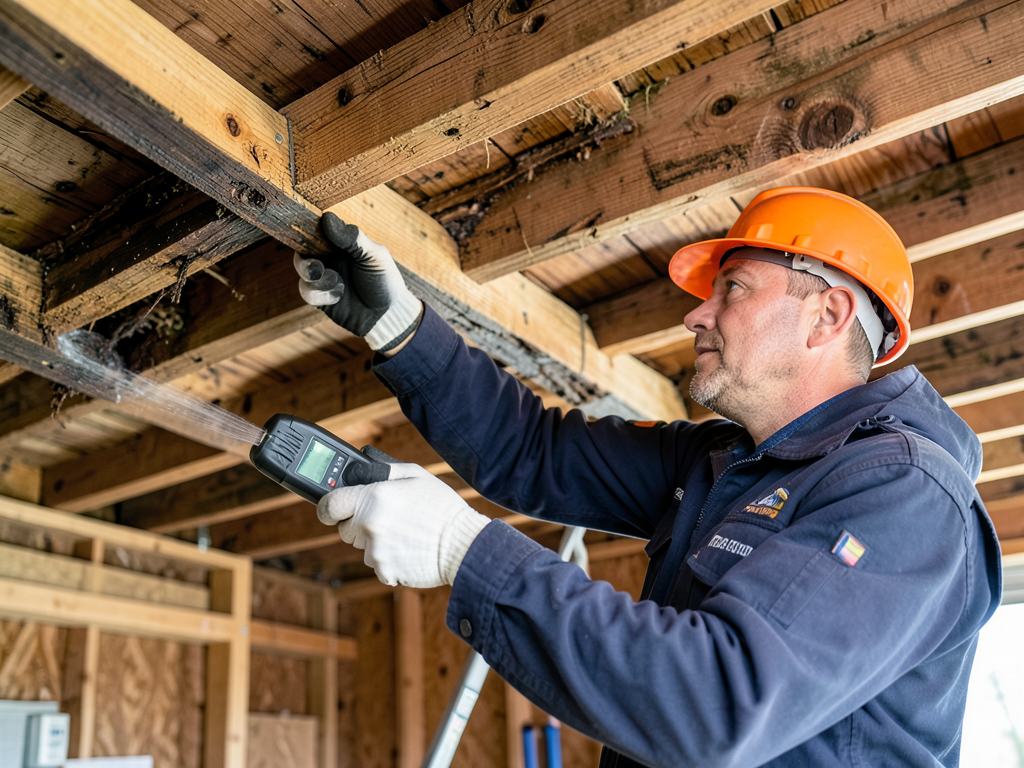
How Much Extra Weight Can Your Roseville Garage Roof Safely Support? Detroit winters hit hard and your garage roof feels every ounce of it. Between heavy snow loads, ice buildup, and the aging structures common…
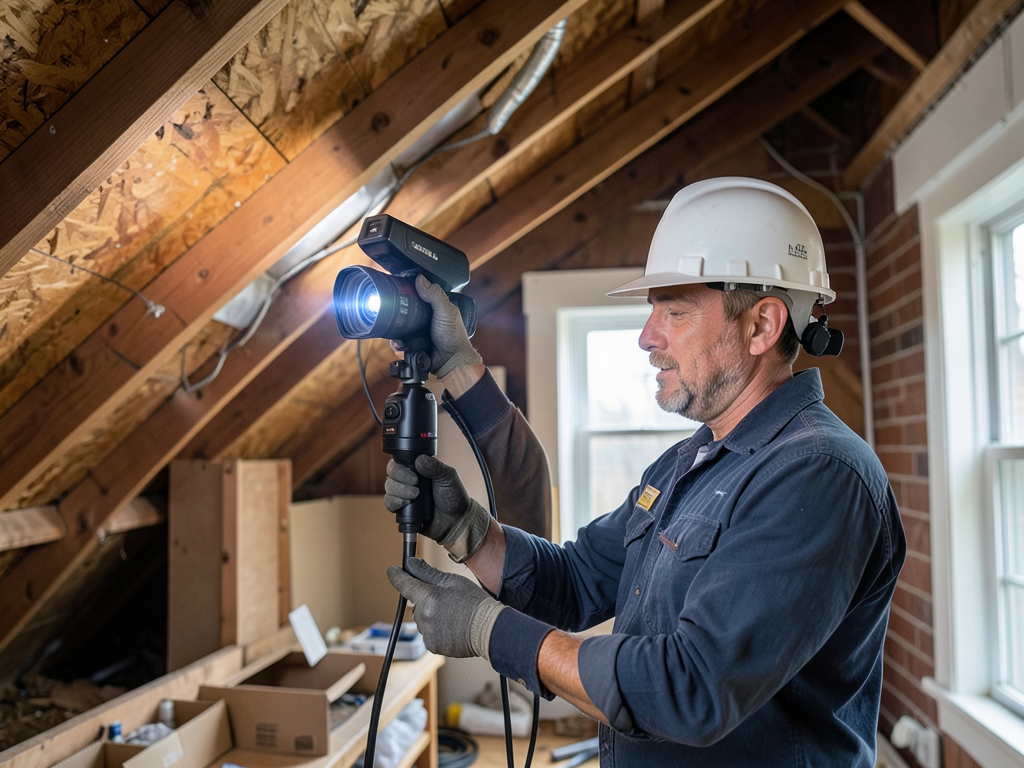
Why You See Dark Lines on Your LaSalle Gardens Ceiling (Is it a Leak or…
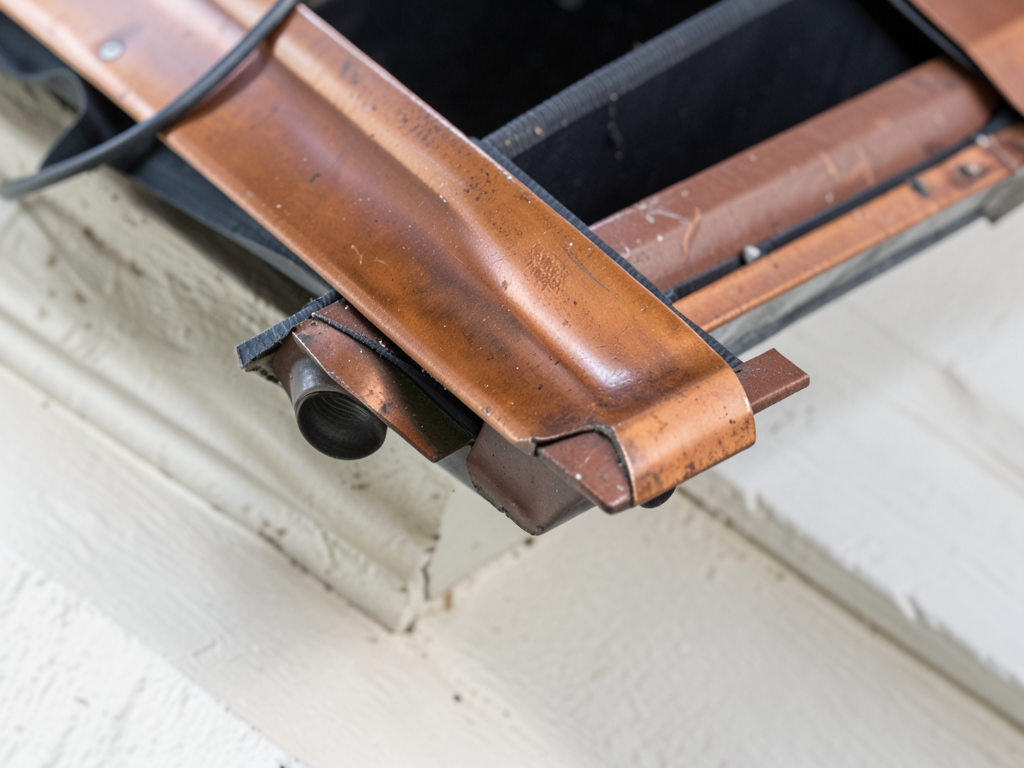
Restoring the Hidden Box Gutters on a Classic Virginia Park Four-Square Box gutters are the…
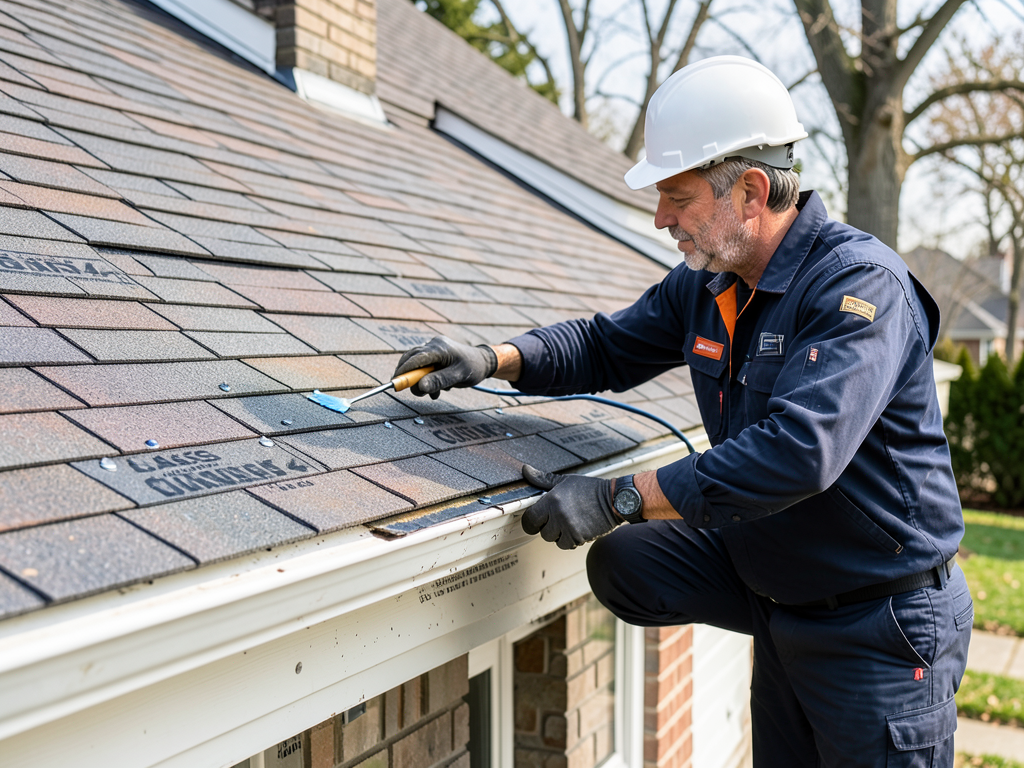
How a New Roof Affects Your Homeowners Insurance Premium in Clinton Township A new roof…
Roof damage spreads fast once water enters your home. Call Peak Roofing Detroit now at (313) 604-2233 for same-day emergency response. We stop leaks, repair storm damage, and restore your roof's protection. Get an honest assessment and quality repairs from Allen Park's trusted roofing specialists.