menu

TPO Roofing Installation in Detroit | Minimize Business Downtime with Industrial-Grade Single-Ply Systems

Peak Roofing Detroit delivers commercial TPO membrane roofing systems engineered for the freeze-thaw cycles and industrial demands of the greater Detroit metro, keeping your facility operational while we install.

Slider Image 1
Slider Image 2
Slider Image 3
Slider Image 4
Slider Image 5
Slider Image 7
Slider Image 8
Slider Image 9
Slider Image 10
Slider Image 11

Detroit's Climate Demands High-Performance Commercial Roofing Systems

Detroit's winter freeze-thaw cycles create expansion and contraction stress that destroys inferior flat roof systems. When temperatures swing from 15°F to 45°F in a 48-hour period, your commercial roof membrane absorbs constant pressure. Add the weight of snow accumulation and spring ponding water, and you have conditions that accelerate membrane failure.

Thermoplastic Polyolefin installation solves this. TPO membrane roofing is heat-welded at the seams, creating a monolithic barrier that resists water infiltration even under hydrostatic pressure. Commercial TPO roof systems flex with temperature changes without cracking. The white reflective surface reduces cooling loads during Detroit's humid summers, cutting your HVAC expense while meeting Michigan's commercial energy code requirements.

Most commercial buildings in Metro Detroit, from the manufacturing facilities in Hamtramck to the distribution centers along I-94 in Romulus, use flat or low-slope roof designs. These structures cannot tolerate leaks. A single roof failure shuts down production lines, contaminates inventory, and triggers costly insurance claims. Single-ply TPO roofing provides the watertight protection your operation requires.

TPO flat roof installation also resists the chemical exposure common in Detroit's industrial corridors. Factories release airborne particulates and oils that degrade asphalt-based systems. TPO's chemically inert surface resists these contaminants, extending service life and reducing total cost of ownership. Your roof becomes an asset, not a liability.

Detroit's Climate Demands High-Performance Commercial Roofing Systems
Our TPO Installation Process Protects Your Operations and Your Budget

Our TPO Installation Process Protects Your Operations and Your Budget

We do not shut down your facility to install a roof. Our phased installation approach isolates work zones, maintains weather protection over active areas, and schedules noisy operations during your off-hours. You stay open. Your employees stay safe. Your revenue continues.

We start with a structural load analysis. Detroit's older commercial buildings, particularly those in Midtown and Eastern Market, were not designed for modern insulation layers. We calculate the dead load capacity of your existing deck and specify insulation thickness that maximizes R-value without exceeding structural limits. This prevents costly deck reinforcement and keeps your project on budget.

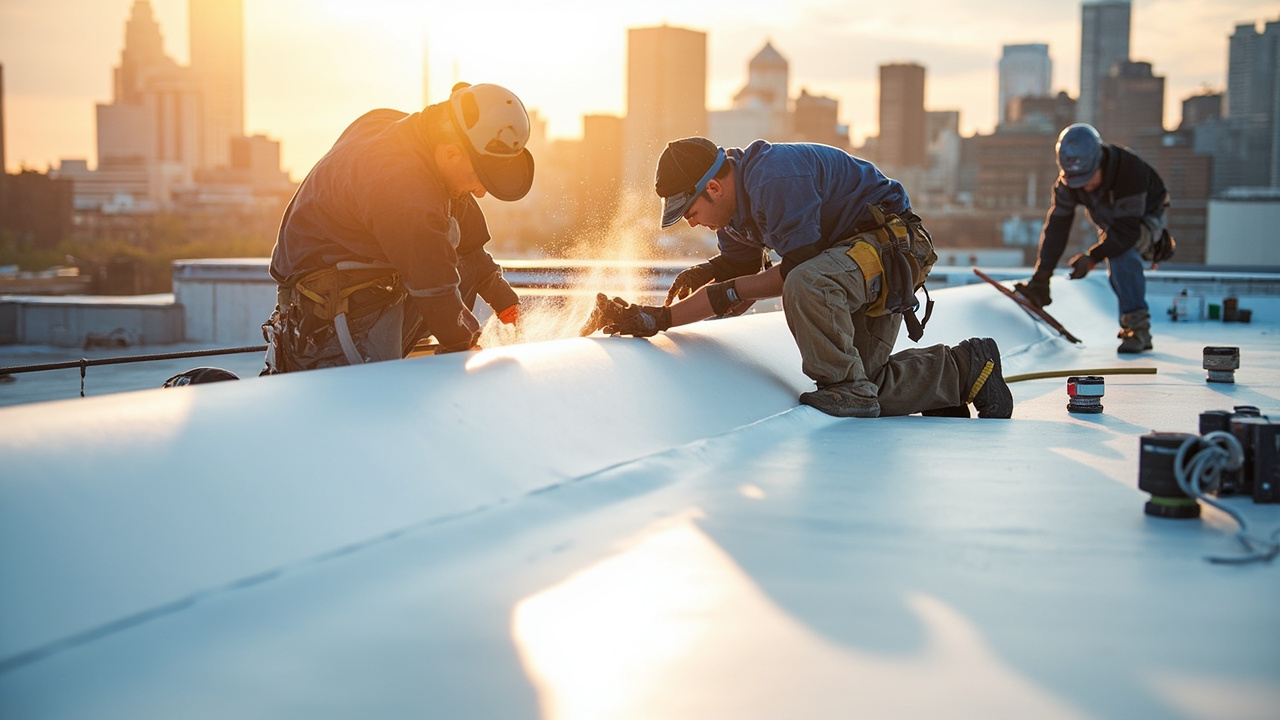
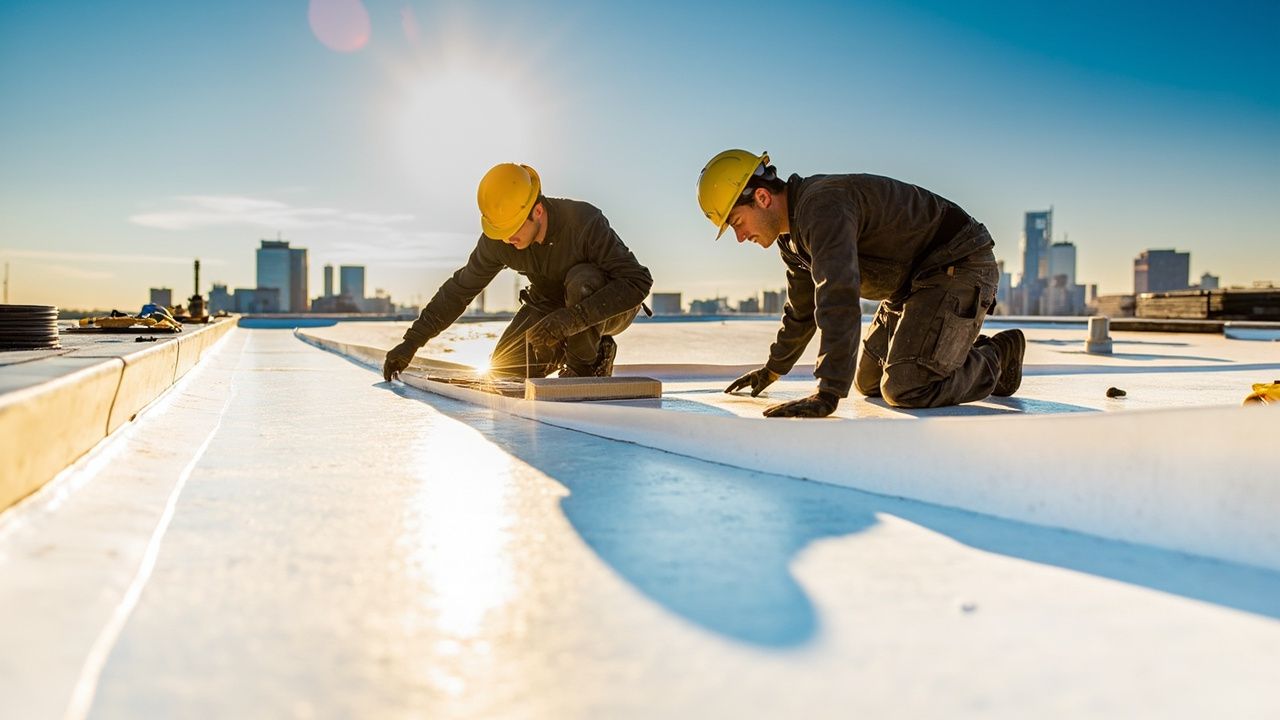
Our crews mechanically fasten the TPO membrane using plates and fasteners rated for Michigan's wind uplift zones. We do not rely on adhesives that fail in cold weather. Heat-welded seams create watertight bonds stronger than the membrane itself. We probe-test every seam with calibrated equipment to verify weld integrity before we leave the roof.

Flashing details determine long-term performance. We custom-fabricate TPO flashings for every penetration, parapet, and roof drain. Prefabricated corners and boots accelerate installation while maintaining the quality your building deserves. We integrate the flashing into the field membrane using the same heat-welding process, eliminating the weak points where most leaks originate.

Peak Roofing Detroit coordinates with your facility manager to sequence material deliveries, crane placements, and waste removal around your operational schedule. We treat your roof as a construction site and your building as an active business.

What Happens During Your TPO Roof Installation

TPO Roofing Installation in Detroit | Minimize Business Downtime with Industrial-Grade Single-Ply Systems
01

Pre-Installation Roof Assessment

We conduct a structural evaluation of your existing roof deck, document any soft spots or damaged insulation, and verify that your roof drains function properly. Our team photographs every penetration and measures the building to calculate exact material quantities. You receive a detailed scope of work that identifies any substrate repairs required before membrane installation begins. This prevents change orders and surprise costs.
02

Membrane and Insulation Installation

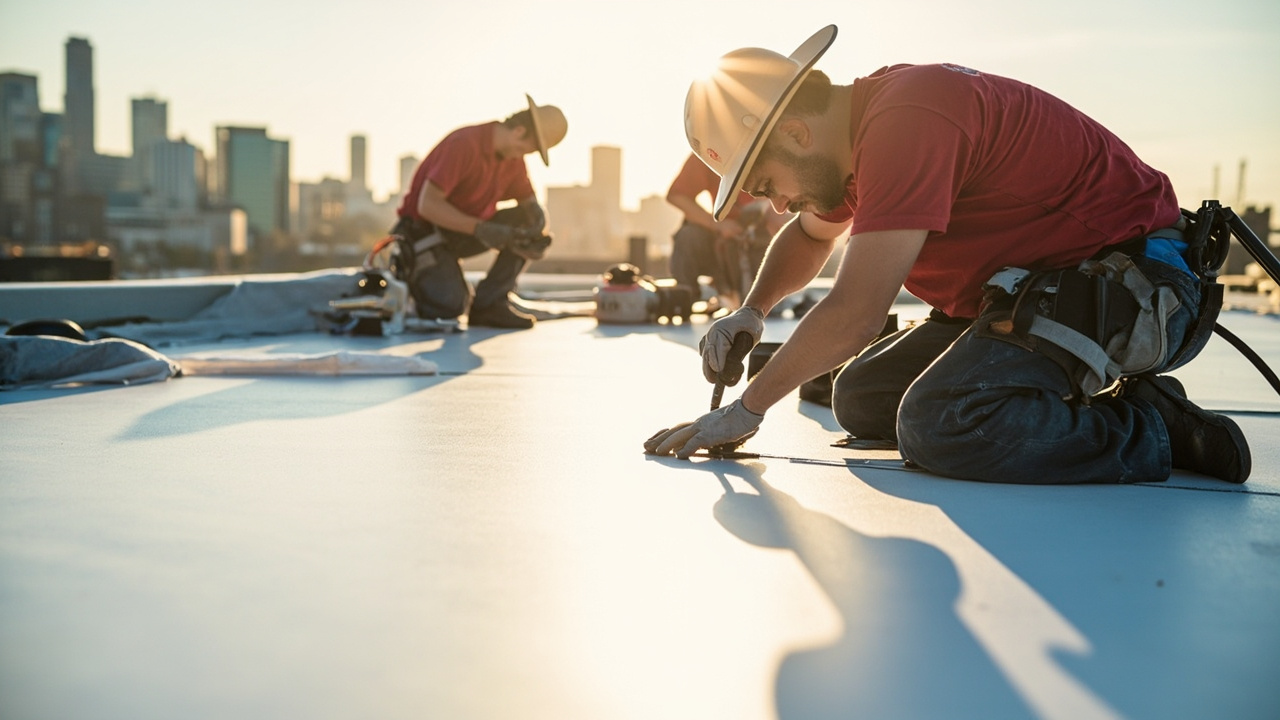
We install polyisocyanurate insulation boards in a staggered pattern to eliminate thermal bridging, then mechanically fasten the TPO membrane using a fastener pattern engineered for your building's wind exposure. Our welding technicians heat-weld every seam to create a continuous waterproof barrier. We complete flashing details at parapets, penetrations, and drains using factory-approved methods. All work occurs in isolated sections to maintain weather protection over your occupied space.
03

Quality Verification and Handoff

We probe-test every seam using a high-voltage detector to verify weld integrity, then flood-test all roof drains to confirm positive drainage. Our crew removes all debris and conducts a final walk-through with your facility manager. You receive as-built drawings, material certifications, and a maintenance guide specific to commercial TPO roof systems. We document the installation with photos for your records and warranty file.

Why Detroit Facility Managers Choose Peak Roofing Detroit for Commercial TPO Projects

We have installed TPO membrane roofing on manufacturing plants, cold storage facilities, and multi-tenant buildings across Wayne, Oakland, and Macomb counties. We understand Detroit's building codes, permit requirements, and inspection procedures. Our crews are trained in confined space protocols and OSHA fall protection standards required for commercial roofing work.

Detroit's commercial districts, from the Tech Town corridor to the logistics hubs along I-75, contain buildings with varying roof access challenges. We own the rigging equipment and aerial lifts needed to deliver materials to rooftops without disrupting parking lots or loading docks. Our project managers coordinate with building engineers to shut down rooftop HVAC units safely during flashing installations, then verify proper restart procedures before we demobilize.

We also know how Detroit's industrial heritage creates unique roofing challenges. Many older buildings have built-up tar and gravel roofs that require complete tear-off before TPO installation. We handle hazardous material testing, asbestos abatement coordination, and disposal of legacy roofing materials in compliance with Michigan DEQ regulations. You get a turnkey project with one point of contact.

Local suppliers stock the TPO products we install. When a project requires additional material or a custom flashing detail, we source it within 24 hours. National roofing contractors shipping from out-of-state warehouses cannot match this response time. Delays cost you money. We eliminate delays.

Peak Roofing Detroit operates from the Metro Detroit area. Our crews live in the communities we serve. Your project supports local families and local businesses.

What to Expect When You Hire Peak Roofing Detroit for TPO Installation

Project Timeline and Scheduling Flexibility

Most commercial TPO flat roof installation projects take two to four weeks, depending on building size and weather conditions. We provide a detailed schedule before work begins and update you daily on progress. If your facility operates 24/7, we schedule noisy tear-off and fastening operations during your lowest-traffic shifts. We coordinate material deliveries to avoid blocking loading docks during your peak shipping hours. Our goal is zero disruption to your business operations. You receive 48-hour notice before each phase begins.

Comprehensive Roof and Structural Evaluation

Our initial assessment includes a visual inspection of the existing roof surface, an infrared scan to detect trapped moisture in the insulation, and a core sample to verify deck attachment. We document all penetrations, measure drainage slopes, and identify any structural deficiencies that must be corrected before membrane installation. You receive a written report with photos and a prioritized list of repairs. This evaluation prevents hidden problems from derailing your project timeline. We also verify that your building's structural capacity can support the additional dead load of new insulation and membrane.

Watertight, Long-Term Performance

A properly installed single-ply TPO roofing system delivers 20 to 30 years of service life with minimal maintenance. Heat-welded seams resist wind uplift and water infiltration better than glued or mechanically fastened seams. The white membrane surface reflects solar radiation, reducing your cooling costs and extending the service life of rooftop HVAC equipment. TPO resists punctures from foot traffic and impacts from hail. You get a roof that performs in Detroit's climate extremes without constant repairs. Our installations meet Michigan's commercial building code and qualify for manufacturer material warranties.

Ongoing Maintenance and Support

We offer annual roof inspections to identify minor issues before they become expensive failures. Our maintenance program includes drain cleaning, seam inspection, and flashing repairs. TPO membrane roofing requires less maintenance than built-up or modified bitumen systems, but regular inspections extend service life and protect your investment. We keep detailed records of all maintenance visits and provide documentation for warranty compliance. If a leak develops, we respond within 24 hours. Our crews carry TPO patching materials and welding equipment on every service truck, allowing us to make permanent repairs during the first visit.

Frequently Asked Questions

You Have Questions,
We Have Answers

What are the disadvantages of TPO roofing? +

TPO roofing requires precise installation to avoid seam failures. Improper heat welding leads to leaks and costly repairs. The material can become brittle in extreme cold, which Detroit experiences during harsh winters. TPO membranes vary widely in quality between manufacturers, so cheaper options degrade faster under UV exposure and freeze-thaw cycles. Puncture resistance is lower than EPDM or PVC, making it vulnerable during maintenance activities. If your facility has high foot traffic or rooftop equipment, you need proper walkway pads. TPO also lacks the fire resistance of some alternatives, which may affect insurance premiums for certain commercial properties.

What goes under a TPO roof? +

A proper TPO roof system starts with the structural deck, followed by insulation boards that provide thermal efficiency and code compliance. Polyiso or EPS insulation is common for Detroit commercial buildings. A cover board goes over the insulation to protect the membrane from punctures and increase fire ratings. This layer distributes loads from foot traffic and rooftop equipment. Finally, the TPO membrane gets mechanically fastened, fully adhered, or ballasted depending on building codes and wind load requirements. Proper vapor barriers may be required in Detroit due to humidity and temperature swings that cause condensation issues.

Can you put TPO directly over plywood? +

You should not install TPO directly over plywood without proper underlayment and insulation. Plywood alone does not meet energy codes for commercial buildings in Michigan. You need insulation boards to achieve required R-values and prevent condensation. Plywood also expands and contracts with Detroit's temperature extremes, which can stress TPO seams and cause premature failure. A cover board protects the membrane from wood grain telegraphing and splinters. Direct application voids most manufacturer warranties and creates liability exposure. If your building has plywood decking, consult a commercial roofing contractor to design a compliant assembly.

Should TPO roofing be glued down? +

The attachment method depends on building structure, wind load calculations, and budget. Fully adhered TPO provides superior wind uplift resistance, which matters for Detroit's severe weather exposure. Adhesive eliminates penetrations through the membrane, reducing leak points. Mechanically fastened systems cost less and install faster but create more potential failure points. They work well for buildings with adequate structural capacity for fastener patterns. Ballasted systems are rare on TPO and require significant structural load capacity. Your choice affects warranty coverage, code compliance, and long-term performance. A structural engineer should evaluate wind zone requirements before deciding.

How Detroit's Industrial Environment Affects Commercial TPO Roof Systems

Detroit's manufacturing and logistics facilities release airborne oils, solvents, and particulates that accumulate on commercial roof surfaces. These contaminants accelerate the breakdown of asphalt-based roofing systems, creating brittleness and cracking within 10 to 15 years. Thermoplastic Polyolefin installation solves this problem. TPO's chemically resistant membrane surface repels petroleum products and industrial emissions common in areas like Southwest Detroit and the I-94 industrial corridor. The material does not absorb contaminants, maintaining its flexibility and waterproofing performance even in harsh environments. This chemical resistance extends service life and reduces lifecycle costs for facilities operating in Detroit's industrial zones.

Commercial TPO roof systems installed in Metro Detroit must comply with Michigan's commercial building code, which references the International Building Code wind load requirements for Exposure C conditions. Buildings near the Detroit River or in open industrial areas face higher wind uplift forces than sheltered urban structures. Peak Roofing Detroit calculates the fastener density and edge securement details required for your specific building location and height. We pull permits through the City of Detroit Building Department and coordinate inspections to ensure code compliance. Choosing a local contractor familiar with Detroit's permitting process prevents costly delays and rejection of substandard installations.
Roofing Services in The Detroit Area

Our local headquarters are strategically located to efficiently serve all of Detroit and the surrounding areas. We invite you to view our service region and location on the map. As a trusted local contractor, we are never far from your neighborhood and are committed to providing quick, reliable, and convenient service wherever you are within the metropolitan area.

Address:
Peak Roofing Detroit, 19549 Gilmore St, Reseda, CA, 91335

Additional Services We Offer

Our news updates

Latest Articles & News from The Blogs

Choosing the Right Roof Color for a Brick Ranch in Warren Selecting the right roof color for your brick ranch…

Choosing the Right Roof Color for a Brick Ranch in Warren

Choosing the Right Roof Color for a Brick Ranch in Warren Selecting the right roof color for your brick ranch…

Why "Cheap" Roofing Quotes Often End Up Costing Detroiters Double in the Long Run

Why “Cheap” Roofing Quotes Often End Up Costing Detroiters Double in the Long Run Detroit homeowners searching for the lowest…

How the Humidity from Lake St. Clair Affects the Lifespan of Your Harrison Township Roof

How the Humidity from Lake St. Clair Affects the Lifespan of Your Harrison Township Roof \n\n The constant moisture and…

Contact Us

Call Peak Roofing Detroit at (313) 604-2233 to schedule a no-obligation roof evaluation. We provide detailed project estimates, timeline projections, and financing options for commercial TPO flat roof installation. Protect your facility before the next leak disrupts operations.