menu

Sagging Roof Deck in Detroit – Expert Diagnosis and Structural Repair Before Catastrophic Failure

We identify the root cause of bowing roof sheathing, warped roof plywood, and deflected decking before your roof collapses, protecting your home and your family from disaster.

Slider Image 1
Slider Image 2
Slider Image 3
Slider Image 4
Slider Image 5
Slider Image 7
Slider Image 8
Slider Image 9
Slider Image 10
Slider Image 11

Why Your Roof Deck Is Sinking in Detroit

You walk into your attic and notice the plywood bowing between the rafters. Or you stand in your driveway and see a dip in the roofline. That sunken roof deck is not cosmetic. It is structural failure in progress.

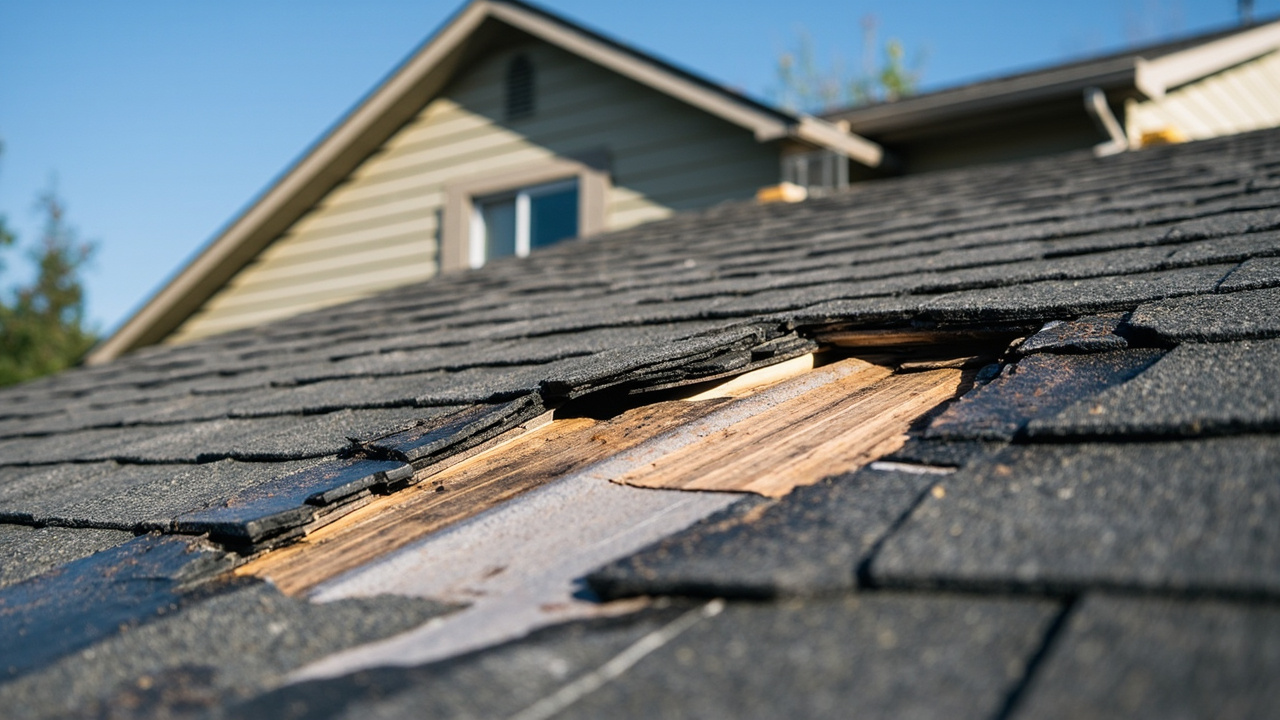
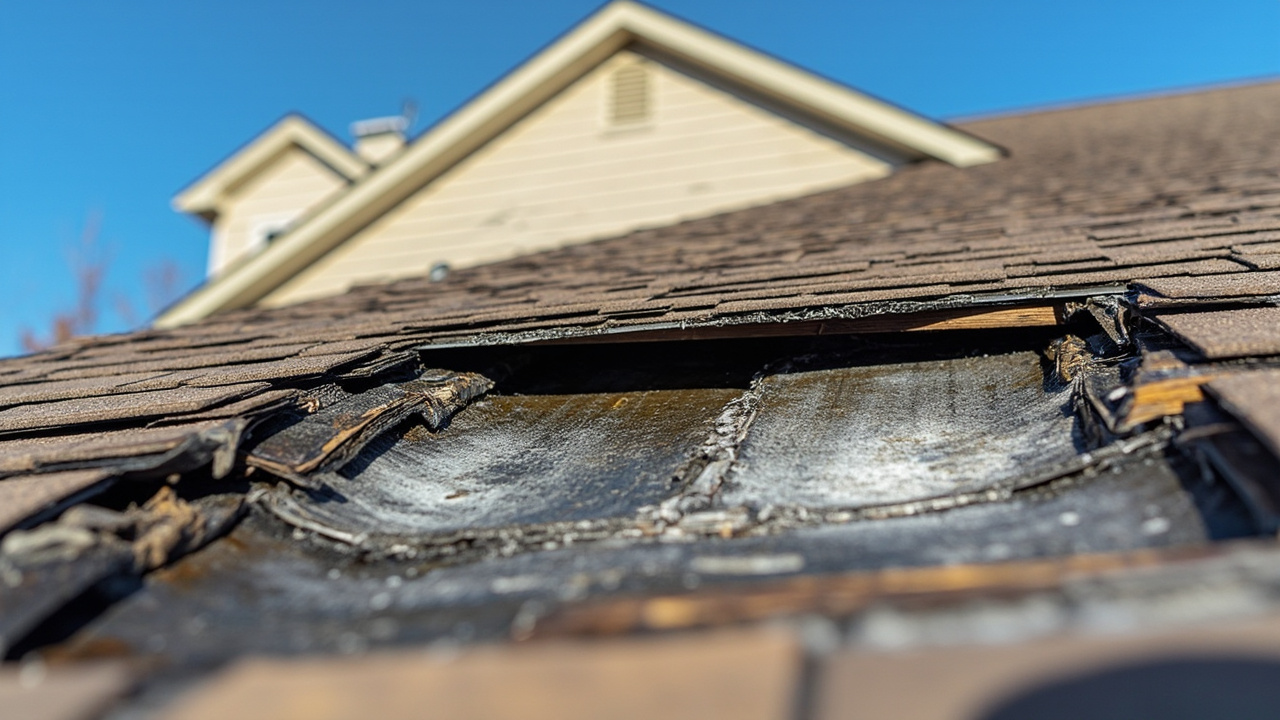
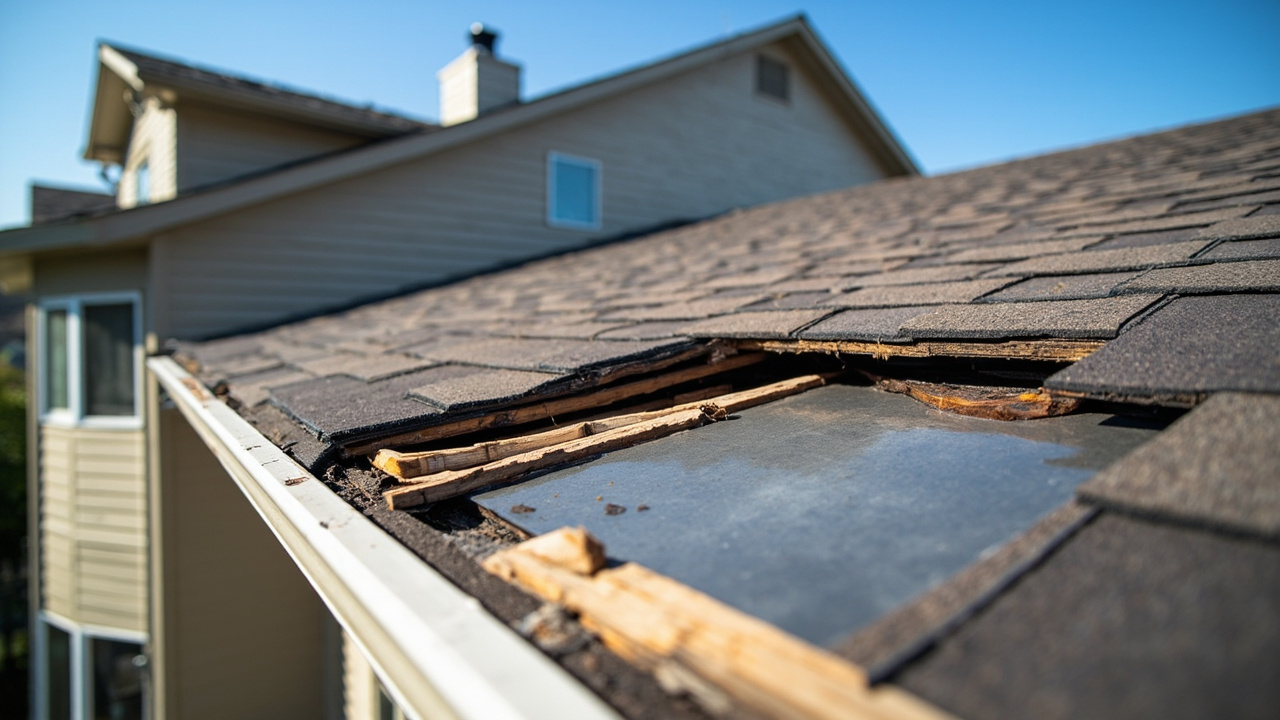
Detroit's freeze-thaw cycles hammer roof structures harder than most people realize. Water infiltrates through worn shingles in November, freezes in the sheathing by January, and expands with enough force to warp roof plywood from the inside out. By March, the thaw leaves you with saturated, weakened decking that sags under its own weight. Add 40 pounds of snow per square foot during a heavy storm, and you are looking at deflected roof sheathing that can collapse without warning.

Older homes in neighborhoods like Corktown and Indian Village were built with 1x6 or 1x8 board sheathing instead of modern plywood. These boards shrink, cup, and separate over decades. When the gaps widen, shingles lose their nailing surface. The roof becomes a patchwork of dipping roof decking and bowing roof sheathing that cannot support even routine maintenance traffic.

Inadequate ventilation traps moisture in your attic year-round. That moisture does not evaporate in Detroit's humid summers. It rots the wood fiber, turning solid plywood into sponge. The rot spreads from the eaves inward, creating sunken roof boards that feel soft when you press on them. You might not see it from the ground, but the damage is accelerating every day. Warped roof plywood does not get better. It gets worse until it fails completely.

Why Your Roof Deck Is Sinking in Detroit
How We Fix Sagging Roof Decks the Right Way

How We Fix Sagging Roof Decks the Right Way

We do not patch sagging decking with another layer of shingles and hope for the best. We remove the compromised section, expose the framing, and assess the structural integrity of your rafters and trusses. If the deflection is isolated to the sheathing, we sister damaged rafters with dimensional lumber, install blocking between trusses to redistribute load, and replace the warped plywood with 5/8-inch CDX rated for roof applications.

If the damage extends to the framing, we bring in engineered solutions. That means LVL beams, hurricane ties, and proper load transfer to your exterior walls. We do not guess. We measure deflection with a laser level, calculate load paths, and engineer the repair to meet Michigan's R806 ventilation code and the 2015 IRC structural requirements that apply to older Detroit homes.

Ventilation is non-negotiable. Sagging decking is often a ventilation failure, not just a materials failure. We install ridge vents, soffit vents, and baffles to create a continuous airflow path from eave to peak. We seal attic bypasses where conditioned air leaks into the attic space and creates condensation on the sheathing. This stops the moisture cycle that caused the rot in the first place.

We replace sheathing in sections, not entire roofs, when possible. That keeps your costs down and your disruption minimal. But we do not compromise. If the adjacent sheathing shows early signs of deflection or moisture damage, we replace it now. Deferred maintenance turns a 200-square-foot repair into a full roof replacement within 18 months. We give you the truth up front so you can make an informed decision about your home's structure and your budget.

What Happens During Your Roof Deck Repair

Sagging Roof Deck in Detroit – Expert Diagnosis and Structural Repair Before Catastrophic Failure
01

Attic and Exterior Inspection

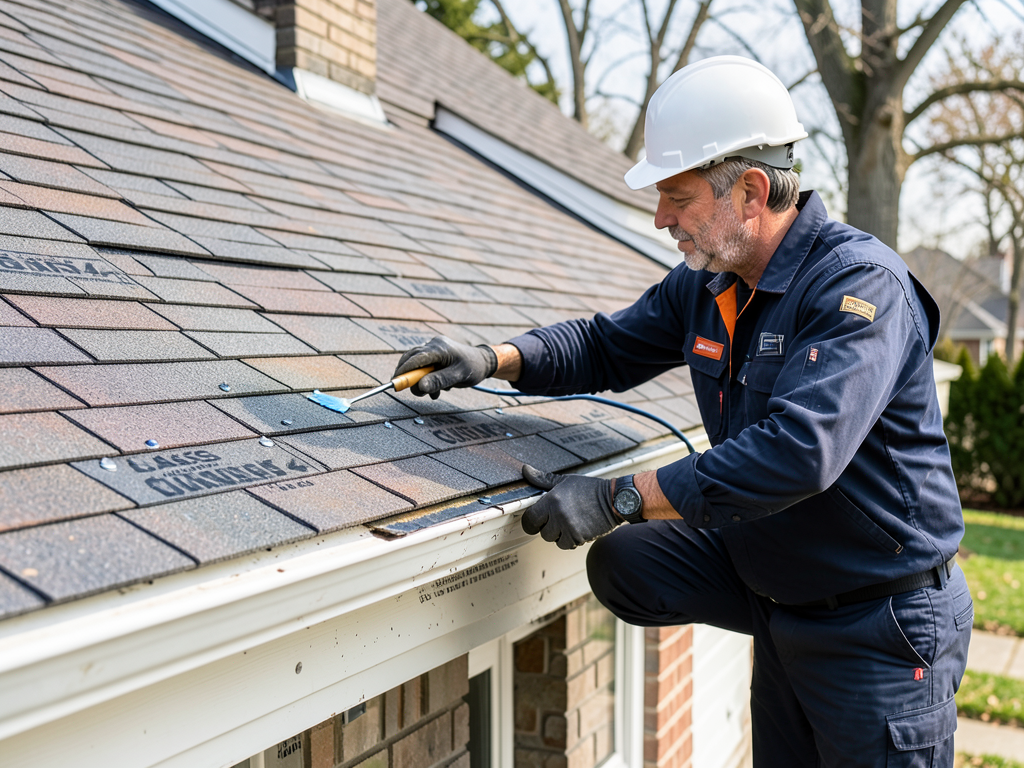
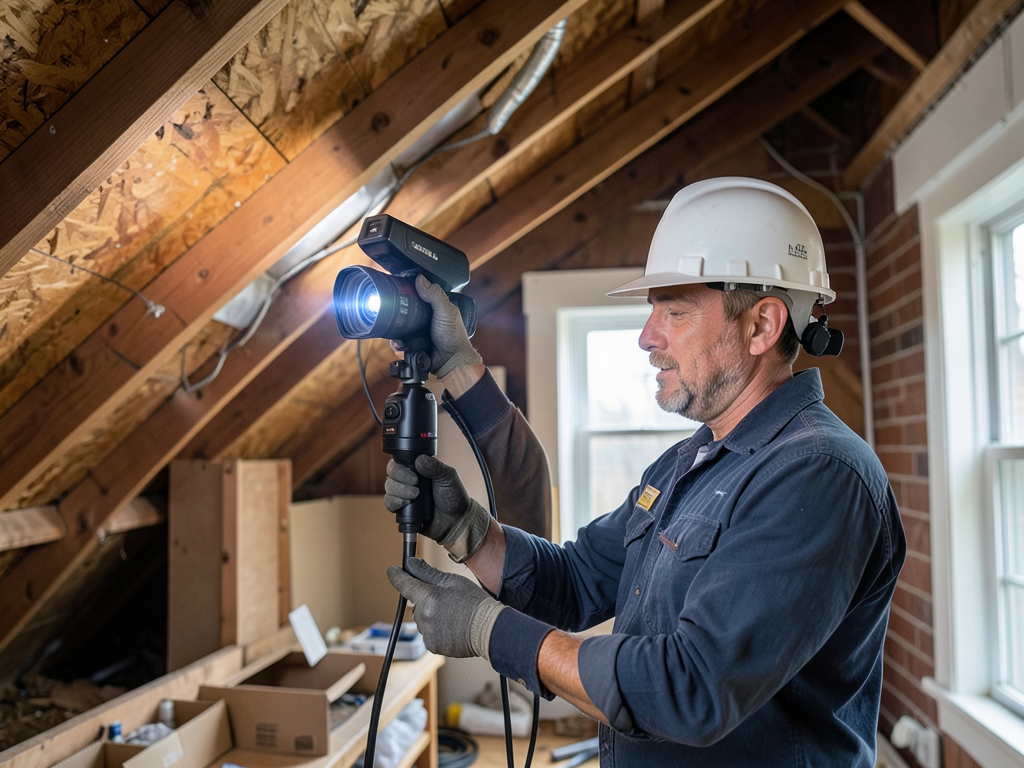
We start inside your attic with a moisture meter and flashlight, checking every rafter bay for water stains, soft sheathing, and visible deflection. Then we get on the roof and walk the entire surface, marking areas where the decking feels spongy or shows visible sagging. We photograph everything and measure the deflection with a straightedge and level so you see exactly what we see.
02

Sheathing Removal and Framing Repair

We strip the shingles and underlayment from the affected area, cut out the damaged plywood, and expose the rafter structure. If rafters show rot or splitting, we sister them with matching lumber and secure everything with structural screws and construction adhesive. We install blocking between rafters if the span is too wide, then lay new 5/8-inch tongue-and-groove OSB or plywood rated for your roof pitch and snow load.
03

Ventilation Upgrade and Roof Restoration

We install new underlayment, drip edge, and shingles that match your existing roof. Before we close everything up, we verify proper ventilation by checking intake and exhaust ratios and adding soffit or ridge vents if needed. The result is a structurally sound roof deck that will not sag, warp, or fail under snow load. You get a roof that lasts, not a temporary fix that fails in two years.

Why Detroit Homeowners Trust Peak Roofing for Structural Repairs

Most roofers will not touch structural repairs. They shingle over sagging decks and move on to the next job. We fix the problem at the source because we understand building science and we know Detroit's housing stock.

The majority of homes in Detroit were built between 1920 and 1960. That means balloon framing, undersized rafters, and board sheathing that was never designed to support modern shingle weights or Michigan's updated snow load requirements. We have worked on hundreds of these homes. We know how they are framed, where they fail, and how to repair them without tearing off the entire roof.

We also understand Detroit's permitting process. Structural repairs trigger building permits in most cases, and we handle that process from start to finish. We pull the permit, schedule the inspection, and make sure your repair meets code so you do not have issues when you sell your home or file an insurance claim.

Our crews are trained in structural carpentry, not just roofing. That means they can evaluate a sagging roof deck, identify whether the problem is sheathing, framing, or both, and execute a repair that restores your roof's load-bearing capacity. We do not send laborers to do a carpenter's job.

We also provide transparent documentation. You get photos of the damaged decking, the framing repairs, and the finished installation. If you are filing an insurance claim for storm damage or long-term wear, that documentation is critical. Adjusters need proof of structural damage to approve claims. We give you that proof in a format they accept without argument. You are not fighting your insurance company alone when you work with Peak Roofing Detroit.

What to Expect When You Call Us About a Sagging Roof Deck

Fast Scheduling for Structural Concerns

Sagging roof decks are emergencies waiting to happen. We schedule inspections within 48 hours for structural issues because we know how fast a compromised deck can fail under snow load or heavy rain. If your roof is actively leaking or shows severe deflection, we can tarp the area and stabilize it the same day to prevent further water intrusion. You do not wait two weeks while your attic fills with water. We prioritize structural repairs because your safety depends on it.

Comprehensive Structural Assessment

Our initial evaluation is not a quick glance from the ladder. We access your attic, inspect every rafter bay, check for rot and insect damage, and measure deflection with precision tools. We test moisture levels in the sheathing and look for active leaks, condensation, and ventilation failures. Then we get on the roof and walk every section, probing for soft spots and hidden damage. You get a written assessment with photos, measurements, and a scope of work that breaks down exactly what needs to be repaired and why.

Structural Integrity That Lasts Decades

When we repair a sagging roof deck, you get a roof structure that meets or exceeds current building code. That means proper rafter spacing, adequate sheathing thickness, and engineered load transfer to your walls. We do not use shortcuts or substandard materials. Your new decking is nailed to code spacing, your rafters are properly supported, and your ventilation is designed to prevent moisture buildup for the life of your roof. The result is a roof deck that performs like new construction, not a patched-up temporary fix.

Documented Repairs for Insurance and Resale

Every structural repair we complete is documented with before, during, and after photos. You get a detailed invoice that lists materials, labor, and code compliance. If you are working with an insurance adjuster, we provide the documentation they need to process your claim. If you sell your home, you can show future buyers that the roof was professionally repaired by a qualified contractor. That documentation protects your investment and eliminates questions during inspections or appraisals. You have proof that the work was done right.

Frequently Asked Questions

You Have Questions,
We Have Answers

What is a sagging roof deck? +

A sagging roof deck is structural failure of the plywood or OSB sheathing beneath your shingles. The deck sits on top of your rafters or trusses and provides the base for all roofing materials. In Detroit, freeze-thaw cycles and heavy snow loads accelerate deck deterioration. You will notice visible dips or waves across your roofline when standing back from your home. The sagging happens when the deck absorbs moisture, loses structural integrity, or when the underlying framing fails. This is not cosmetic. It signals water intrusion, inadequate support, or both. Address it immediately before the deck collapses completely.

How much roof sagging is acceptable? +

No roof sagging is acceptable. Any visible dip, wave, or deflection in your roofline indicates structural compromise. Detroit homes face harsh winters with heavy snow loads that stress framing systems. A properly installed roof deck should appear flat and uniform from ground level. Even minor sagging suggests water damage, undersized rafters, or failing sheathing. Some homeowners confuse aesthetic irregularities in older homes with acceptable sagging. They are wrong. Small dips grow into major failures. Ice dams common in Detroit winters worsen any existing weakness. Get a professional inspection immediately if you see any irregularity in your roofline. Delay costs you thousands.

Can a sagging deck be fixed? +

Yes, a sagging deck can be fixed, but the repair scope depends on the damage extent. Minor sagging may require sistering additional rafters or replacing damaged sheathing sections. Severe sagging needs complete deck replacement and possibly truss repair. Detroit's freeze-thaw cycles often damage larger areas than initially visible. A qualified roofer will inspect from inside your attic to assess framing integrity and moisture damage. Fixing the deck without addressing the water source guarantees failure. Expect contractors to remove shingles, replace compromised plywood or OSB, reinforce framing, and reinstall new roofing materials. This is structural work. Hire experienced professionals only.

Is it expensive to fix a sagging roof? +

Fixing a sagging roof is expensive because it involves structural repair, not simple patching. The cost depends on damage severity, accessibility, and whether framing needs reinforcement. Detroit homes with older framing systems often require additional truss support. Minor deck repairs start in the low thousands. Complete deck replacement with framing work costs significantly more. Factor in shingle replacement, underlayment, and addressing the moisture source that caused the sagging. Insurance may cover storm or sudden damage but excludes neglect. Delaying repair increases costs exponentially. A small sag becomes a collapse risk. Get multiple inspections from licensed contractors before choosing based solely on price.

How much does it cost to fix a sagging deck? +

Deck repair costs vary widely based on square footage affected and structural damage depth. Replacing damaged sheathing on a small section may cost a few thousand dollars. Full deck replacement on an average Detroit home runs significantly higher, especially if framing needs sistering or truss reinforcement. Costs include labor, materials like plywood or OSB, disposal, and new roofing materials since shingles must be removed. Older homes in Detroit neighborhoods often have hidden framing issues that increase scope once work begins. Get detailed written estimates from multiple licensed contractors. Avoid low bids that skip necessary structural repairs. Cheap fixes fail fast in Michigan weather.

Does homeowners insurance cover a sagging roof? +

Homeowners insurance may cover sagging roof repair if caused by a covered peril like storm damage, falling trees, or sudden wind events. Policies exclude gradual deterioration from poor maintenance or aging. Detroit homeowners must document the damage cause immediately. Insurance adjusters distinguish between sudden failure and long-term neglect. If your deck sags from years of ice dam damage you ignored, expect denial. If a winter storm caused sudden structural failure, you have coverage potential. File claims quickly. Take photos. Get professional assessments. Many Detroit claims get denied because homeowners cannot prove the timeline. Review your policy exclusions carefully before assuming coverage.

How to tell if a roofer is lying? +

A dishonest roofer avoids attic inspections, pressures immediate decisions, demands full payment upfront, or diagnoses problems from the ground without accessing your roof. In Detroit, scammers target neighborhoods after storms offering cheap repairs. Red flags include no local references, out-of-state plates, and vague contracts. Honest contractors provide detailed written estimates, explain findings with photos, pull permits, and offer verifiable local references. They identify moisture sources, not just symptoms. Ask for proof of liability insurance and worker's comp. Check online reviews across multiple platforms. If a roofer claims your entire roof needs replacement without showing you specific damage, get a second opinion immediately.

What is the most expensive part of replacing a roof? +

The most expensive part of roof replacement is labor, followed by decking replacement if your sheathing has failed. In Detroit,decking replacement adds substantial cost because moisture damage from ice dams and freeze-thaw cycles often extends beyond visible sagging. Removing old shingles, disposing of materials, installing new plywood or OSB, and adding underlayment requires skilled labor and time. Premium shingles increase material costs, but labor dominates the budget. Structural repairs like truss reinforcement or rafter sistering push costs higher. Steep pitches, multiple valleys, and difficult access compound labor expenses. Cheap bids usually skimp on deck inspection. You pay later when the new roof fails prematurely.

How to tell if a roof is about to collapse? +

Warning signs of imminent roof collapse include interior ceiling cracks, sagging ceiling drywall, doors and windows that suddenly stick, visible roof dips exceeding a few inches, and cracking or popping sounds from your attic. In Detroit winters, heavy snow accumulation accelerates collapse risk on compromised structures. Check your attic for bent or cracked rafters, split truss plates, and water stains on framing. Exterior signs include shingles pulling away, fascia boards separating, and pronounced roofline waves. If you see multiple warning signs simultaneously, evacuate immediately and call a structural engineer. Do not wait for a contractor appointment. Roof collapses cause injuries and total loss.

What is the life expectancy of a roof deck? +

A properly installed roof deck lasts 50 years or more in ideal conditions. Detroit's harsh climate shortens that lifespan. Freeze-thaw cycles, ice dams, and humidity accelerate rot in plywood and OSB sheathing. Homes built before modern building codes often have thinner sheathing that fails sooner. Ventilation quality dramatically affects deck longevity. Poor attic ventilation traps moisture and heat, rotting the deck from below. Regular inspections extend life by catching small issues before they spread. If your Detroit home is 30 years old and has never had deck inspection, schedule one now. Waiting for visible sagging means you already have structural damage requiring expensive repair.

How Detroit's Freeze-Thaw Cycles Accelerate Roof Deck Failure

Detroit sees an average of 40 freeze-thaw cycles per winter. That means water infiltrates your sheathing, freezes, expands, thaws, and refreezes dozens of times between November and March. Each cycle weakens the wood fiber and separates the plywood layers. The bowing roof sheathing you see in February is the result of months of repeated freeze-thaw damage. Ice dams along the eaves trap water under your shingles, saturating the decking and creating rot pockets that spread inward. The warped roof plywood you notice in spring is not sudden. It is cumulative damage from a winter's worth of freeze-thaw punishment.

Detroit's older housing stock was not built to modern standards. Homes in neighborhoods like Woodbridge and East English Village often have 1x6 board sheathing with gaps between the boards. Those gaps allow air infiltration, moisture accumulation, and uneven load distribution that causes dipping roof decking over time. Local roofers who understand these older construction methods know how to retrofit them with modern materials and ventilation systems without compromising the home's structural integrity. Choosing a contractor who has worked on Detroit's historic homes means you get a repair that respects the original framing while upgrading the roof deck to current performance standards.
Roofing Services in The Detroit Area

Our local headquarters are strategically located to efficiently serve all of Detroit and the surrounding areas. We invite you to view our service region and location on the map. As a trusted local contractor, we are never far from your neighborhood and are committed to providing quick, reliable, and convenient service wherever you are within the metropolitan area.

Address:
Peak Roofing Detroit, 19549 Gilmore St, Reseda, CA, 91335

Additional Services We Offer

Our news updates

Latest Articles & News from The Blogs

Why You See Dark Lines on Your LaSalle Gardens Ceiling (Is it a Leak or Ghosting?) Those dark streaks on…

Why You See Dark Lines on Your LaSalle Gardens Ceiling (Is it a Leak or Ghosting?)

Why You See Dark Lines on Your LaSalle Gardens Ceiling (Is it a Leak or Ghosting?) Those dark streaks on…

Restoring the Hidden Box Gutters on a Classic Virginia Park Four-Square

Restoring the Hidden Box Gutters on a Classic Virginia Park Four-Square Box gutters are the hidden lifelines of Detroit’s historic…

How a New Roof Affects Your Homeowners Insurance Premium in Clinton Township

How a New Roof Affects Your Homeowners Insurance Premium in Clinton Township A new roof in Clinton Township can immediately…

Contact Us

Do not wait for a cave-in. Call Peak Roofing Detroit at (313) 604-2233 now. We will inspect your roof deck, identify the damage, and give you a clear repair plan within 48 hours. Your roof will not fix itself.