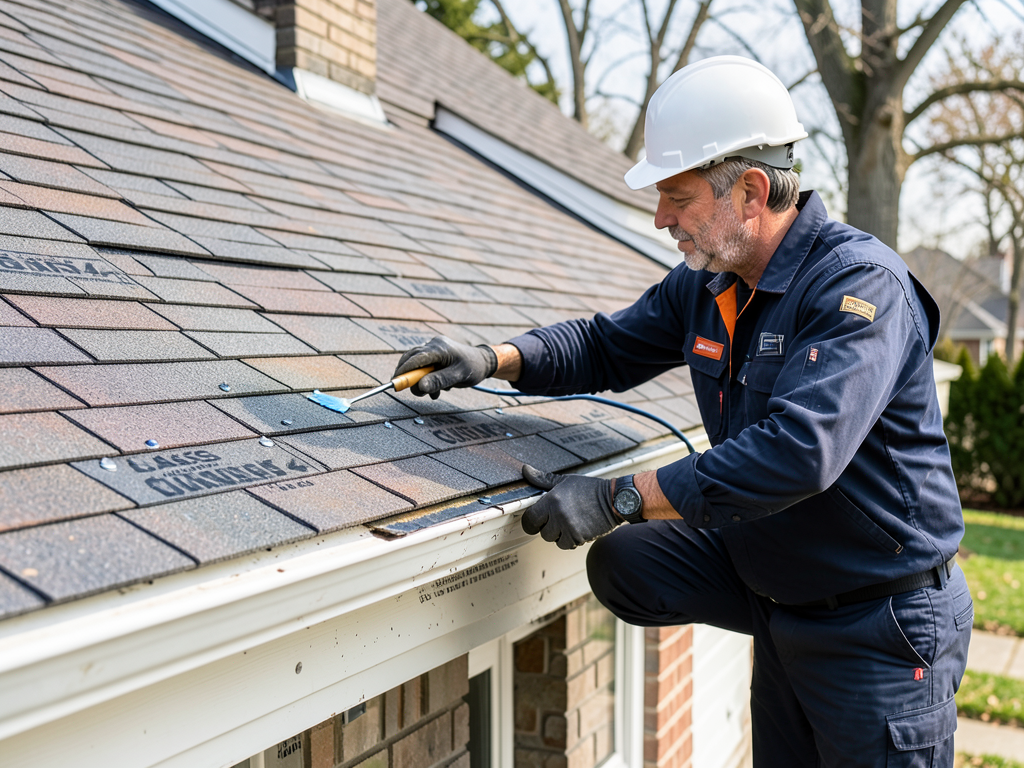

Detroit sits in a hail corridor that runs from the Ohio Valley up through the Great Lakes. Spring and early summer storms produce the most severe hail, typically between April and July. These storms form quickly when warm air from the south meets cold air sweeping down from Canada. The clash creates powerful updrafts that suspend water droplets long enough for them to freeze and grow into hailstones. By the time the hail falls, it's traveling at 50 to 70 miles per hour. That's enough force to crack shingles, dent metal, and fracture sealant strips across your entire roof.
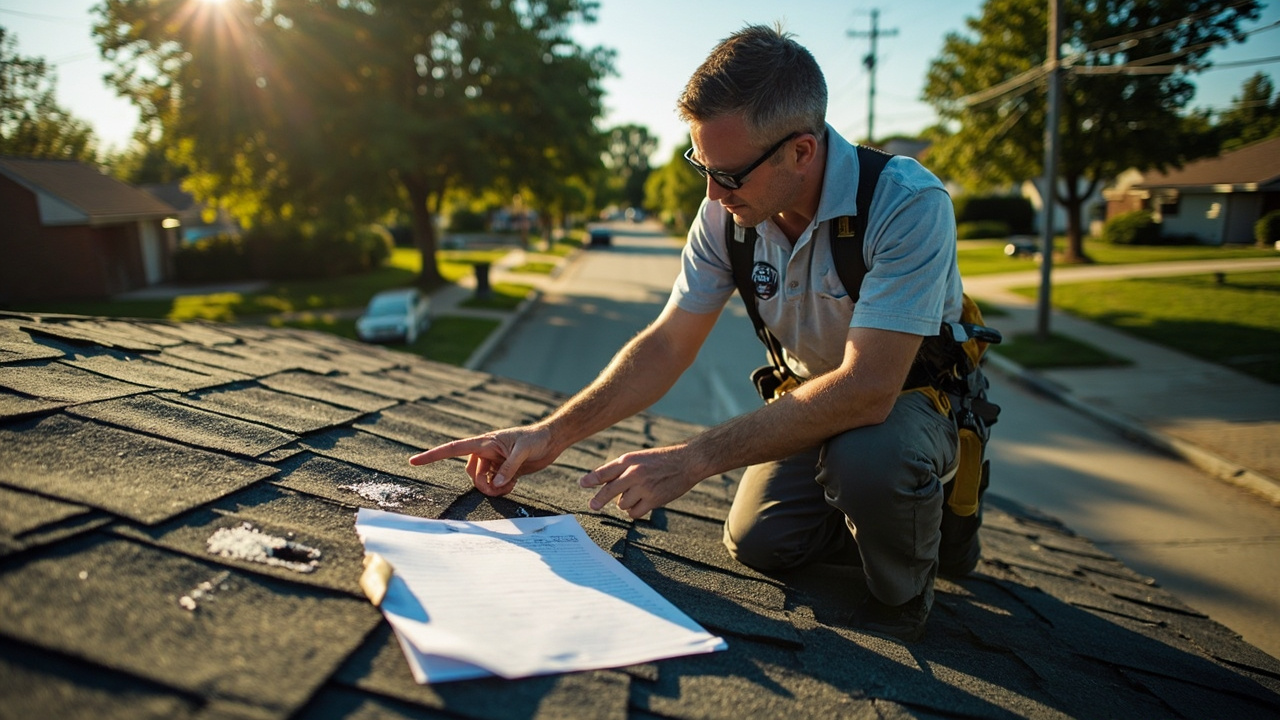
Michigan insurance policies require you to file hail damage claims within a specific timeframe, usually one to two years from the storm date. But the challenge is proving when the damage occurred. If you wait six months to inspect your roof, your insurance company may argue the damage came from a different storm or from normal wear. Peak Roofing Detroit ties your damage directly to verified storm dates using NOAA records and impact pattern analysis. This documentation eliminates disputes and speeds up your claim approval. We've worked with Detroit homeowners in every neighborhood, from Indian Village to Brightmoor, and we understand how local adjusters evaluate claims.