menu

Curling & Buckling Shingles in Detroit – Expert Diagnosis Stops Roof Deck Rot Before It Spreads

Peak Roofing Detroit identifies the root cause of warped asphalt shingles, cupping shingles, and shingle distortion before moisture reaches your decking. We stop small problems from becoming structural catastrophes across the greater Detroit metro.

Slider Image 1
Slider Image 2
Slider Image 3
Slider Image 4
Slider Image 5
Slider Image 7
Slider Image 8
Slider Image 9
Slider Image 10
Slider Image 11

Why Detroit Roofs Show Curling and Buckling Faster Than Most

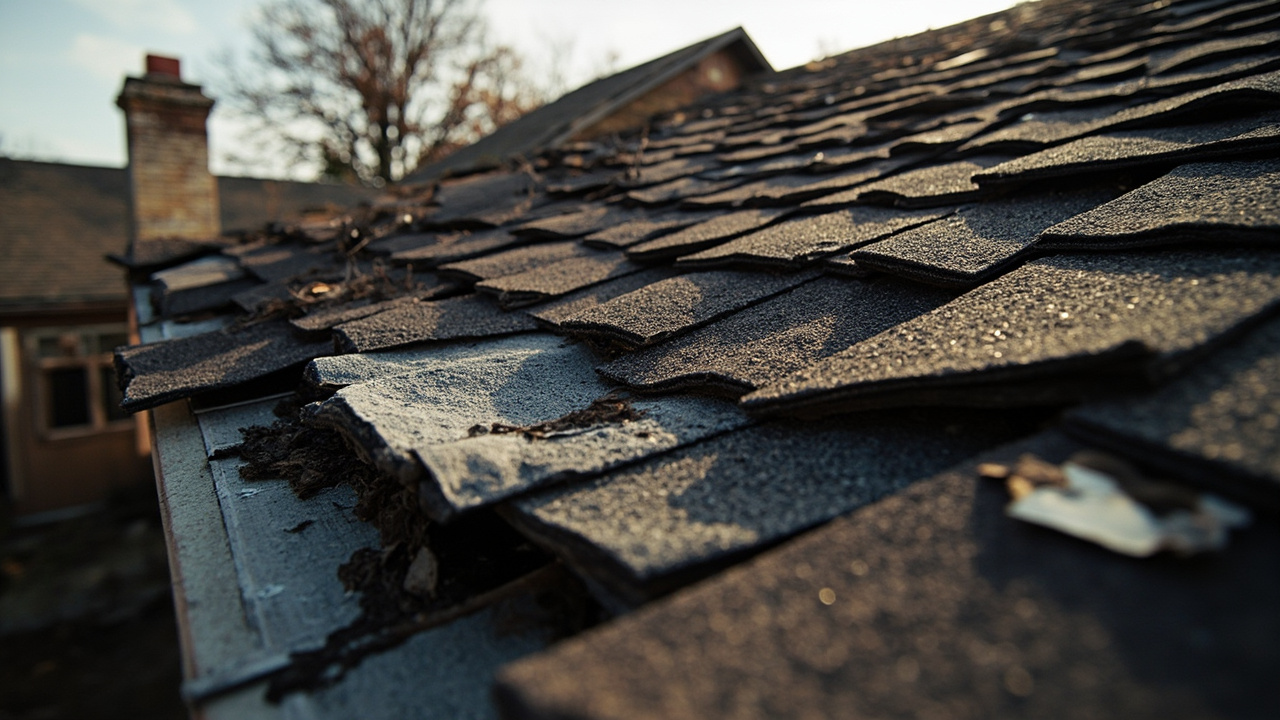
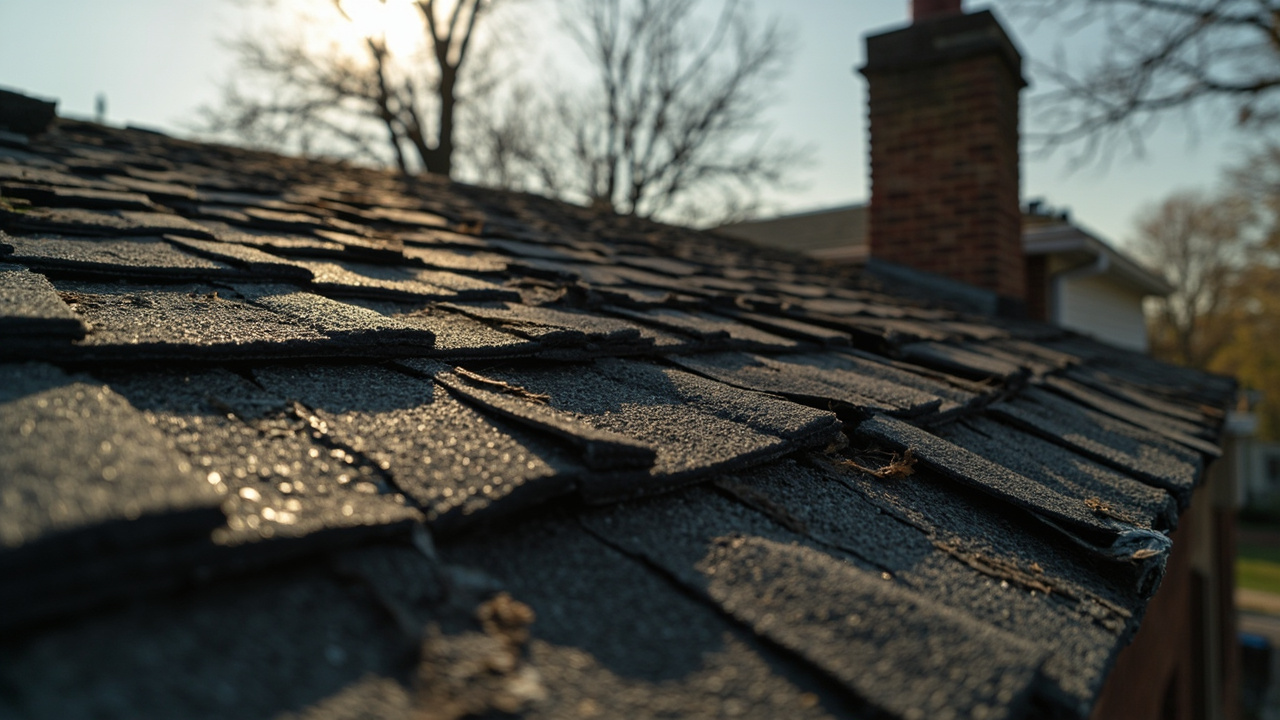
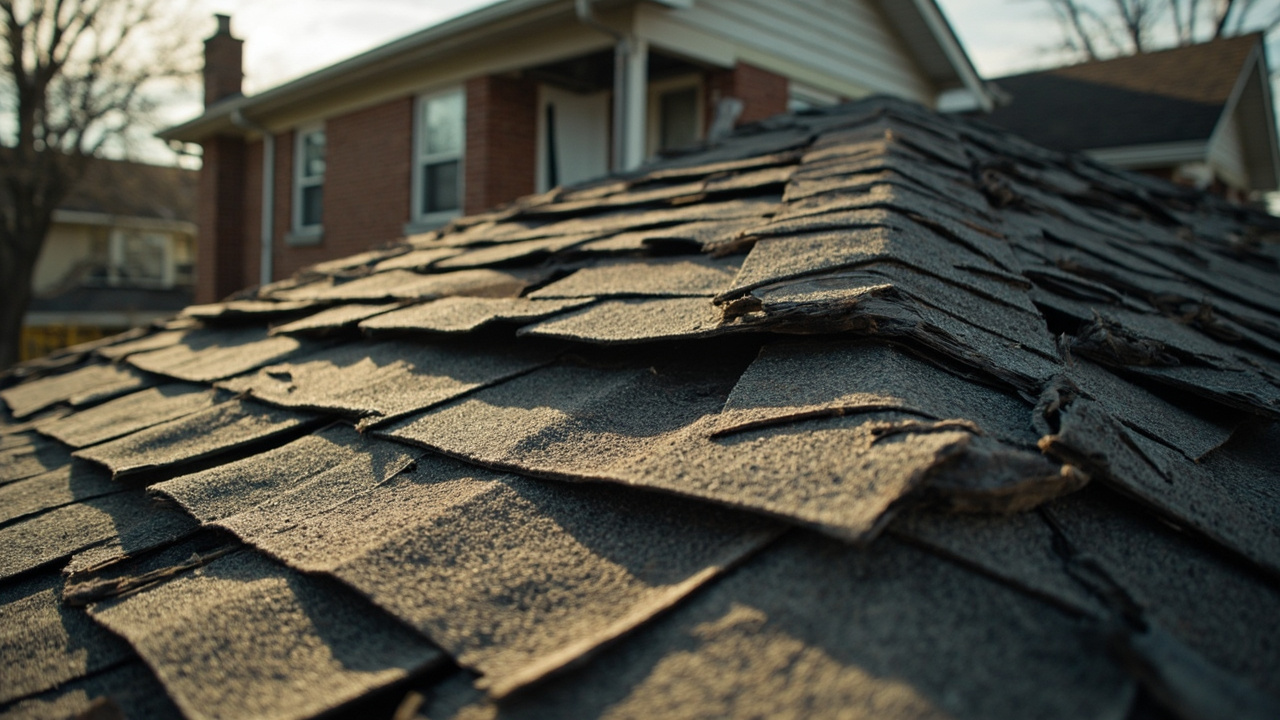
You walk outside and notice your shingles look wavy. Some edges curl upward like potato chips. Others buckle in the middle, creating ridges across your roofline. This is not cosmetic. This is your roof telling you something is wrong underneath.

Detroit's freeze-thaw cycle accelerates shingle distortion. Water seeps under shingles during spring rains, freezes overnight when temperatures drop, then expands. This repeated expansion and contraction forces shingles to warp. The clay soil common throughout Wayne County shifts with seasonal moisture changes, causing subtle roof deck movement that compounds the problem.

Cupping shingles happen when the center stays flat but edges curl upward. Clawing shingles do the opposite, with centers rising and edges staying down. Both signal trapped moisture or poor attic ventilation. When you see wavy shingles running in lines across your roof, you are looking at deck movement or improperly installed underlayment.

The humidity here makes it worse. Detroit averages 74% relative humidity year-round. Attics without proper ventilation trap this moisture against the underside of your roof deck. The shingles above absorb heat from the sun while moisture attacks from below. The result is warped asphalt shingles that lose their ability to shed water.

Ignoring curling and buckling leads to granule loss, which exposes the asphalt mat to UV damage. Once that happens, leaks follow. Then comes deck rot, then interior water damage, then mold in your insulation.

Why Detroit Roofs Show Curling and Buckling Faster Than Most
How We Diagnose the Real Cause of Shingle Distortion

How We Diagnose the Real Cause of Shingle Distortion

Most roofers look at curling shingles and immediately quote you for replacement. We do not. We investigate why your shingles are curling before recommending a solution. Sometimes the shingles are fine, and the problem is your attic ventilation or deck movement.

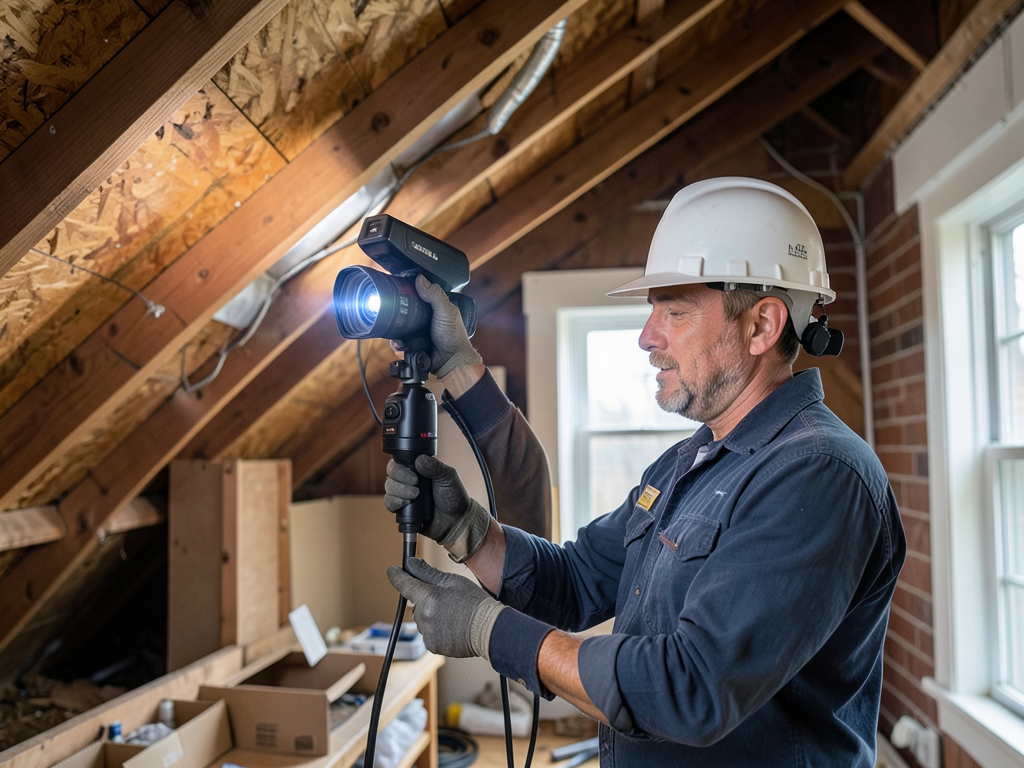
We start with an attic inspection. We measure the temperature differential between your attic space and the outdoor air. If your attic runs more than 10 degrees hotter than outside on a mild day, you have a ventilation problem. We check your soffit vents for blockage from insulation and verify your ridge vent is actually venting. Many Detroit homes have ridge vents installed over solid decking with no slot cut underneath. It looks right from the ground but does nothing.

Next, we inspect the roof deck from inside your attic. We look for sagging between rafters, which indicates moisture damage or inadequate support. We check for condensation stains on the underside of the decking. We verify your vapor barrier is intact and properly installed.

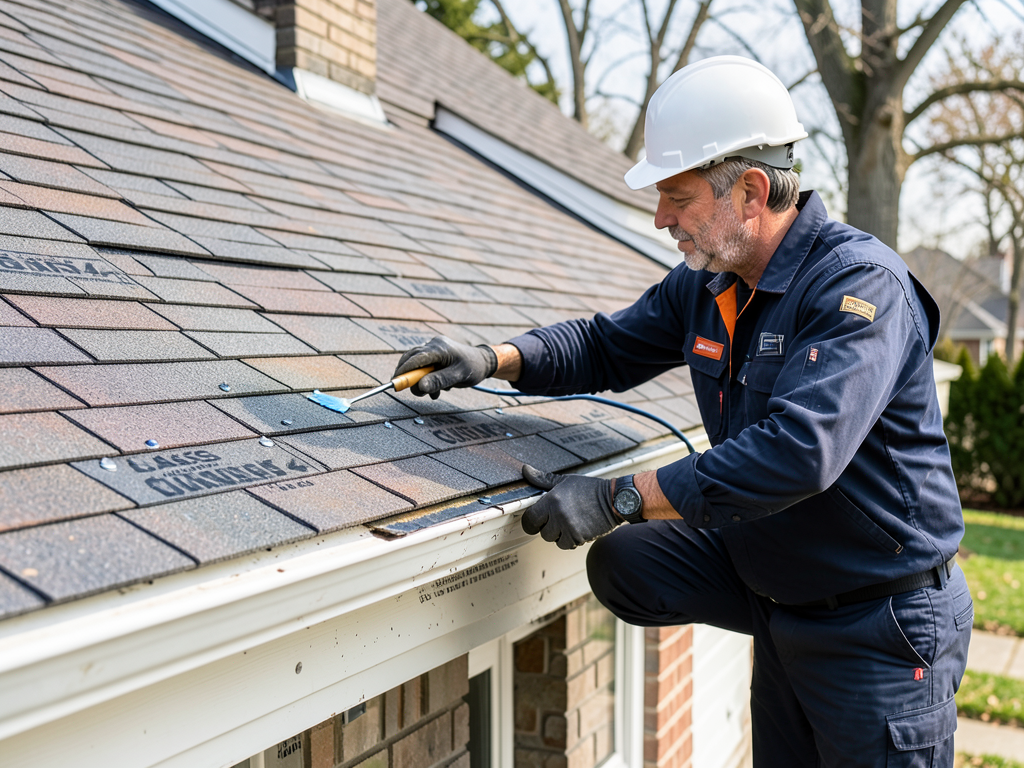
Then we go on the roof. We examine the fastener pattern to confirm shingles were nailed in the correct zone. Nails driven too high cause clawing. Nails driven through the adhesive strip cause buckling. We check the overlap between courses and verify proper starter strip installation at the eaves.

We also evaluate your shingle age and manufacturing date. Some shingle lots from specific years had defects that caused premature curling. If your shingles fall within a known defect period, you may have a manufacturer claim.

Only after this complete assessment do we recommend repair or replacement. If the deck is sound and ventilation is adequate, sometimes targeted shingle replacement is enough.

What Happens When You Call Peak Roofing Detroit About Curling Shingles

Curling & Buckling Shingles in Detroit – Expert Diagnosis Stops Roof Deck Rot Before It Spreads
01

Attic and Deck Inspection

We access your attic to check ventilation flow, insulation placement, and deck condition from below. We use a moisture meter to detect trapped water in the decking. We photograph problem areas and measure temperature differentials. This tells us if your curling is a shingle problem or a system problem. Most homeowners skip this step and replace shingles without fixing the underlying cause.
02

Roof Surface Assessment

We walk your roof to evaluate shingle fastening, flashing integrity, and granule loss patterns. We check for uniform distortion across the roof plane versus isolated buckling in specific zones. We inspect pipe boots, valley metal, and ridge cap installation. We document every problem area with photos and measurements so you understand exactly what needs correction and why it happened.
03

Targeted Repair or Replacement

If the deck is solid and ventilation is corrected, we replace only the damaged shingles and improve your attic airflow. If the distortion is widespread or the deck shows moisture damage, we recommend full replacement with proper underlayment and ventilation upgrades. We match existing shingles when possible for partial repairs. You get a solution based on the actual problem, not a default full tearoff.

Why Detroit Homeowners Trust Peak Roofing Detroit for Shingle Problems

We have worked on every roof style common to Detroit. The steep-pitched Tudors in Palmer Woods. The low-slope colonials in Warrendale. The flat-roofed bungalows near the Detroit River. We understand how each design interacts with our local climate.

Detroit building code requires specific ventilation ratios for attic spaces. Many older homes were built before these codes existed, and homeowners added insulation without upgrading ventilation. This traps heat and moisture, causing shingles to curl prematurely. We bring roofs up to current code and improve performance without unnecessary expense.

We also understand the insurance claims process. If your shingle distortion is covered under a wind or hail damage policy, we document everything your adjuster needs to see. We know what Wayne County adjusters look for and how to present evidence that supports your claim. We do not file frivolous claims, but we make sure legitimate damage gets covered.

Our crew has seen every type of shingle failure. We have replaced roofs damaged by the 2014 hailstorms. We have fixed homes where previous contractors installed shingles over wet decking. We have corrected ventilation problems that caused shingles to fail within five years of installation. This experience lets us diagnose your problem faster and recommend the right fix the first time.

We also protect your property during the work. Shingle replacement creates debris. We use tarps to catch falling material, magnetic rollers to collect stray nails, and plywood shields to protect landscaping and AC units. Your yard looks the same after we leave, minus the curling shingles.

You get a detailed written assessment before we start any work. No surprises. No upselling. Just the repair your roof actually needs.

What to Expect When Peak Roofing Detroit Fixes Your Curling Shingles

Timeline for Assessment and Repair

Initial inspection takes 60 to 90 minutes. We assess both attic and roof surface the same day you call. You receive a written diagnosis within 24 hours. If you approve the work, we schedule repair within one week for small jobs, two weeks for full replacements. Weather delays happen, especially during Detroit winters, but we communicate schedule changes immediately. Most targeted shingle repairs finish in one day. Full replacements take two to four days depending on roof size and complexity.

How the Initial Evaluation Works

We inspect your attic first to rule out ventilation and moisture problems. We look for condensation, check insulation placement, and verify soffit and ridge vent function. Then we access your roof to examine shingle condition, fastener placement, and flashing integrity. We use a moisture meter on suspect areas of decking. We take photos of every problem area. You receive a written report explaining what we found, why it happened, and what needs to happen next. No technical jargon. No pressure. Just facts.

The Quality of Our Repairs

We match existing shingles when possible for partial repairs. If your shingle line is discontinued, we source the closest match and blend replacement areas to minimize visibility. We replace damaged decking with CDX plywood rated for roof applications. We install Ice and Water Shield at eaves and valleys per Detroit building code. We hand-seal every shingle tab in high-wind zones. Ridge cap gets individual fasteners, not the strip method that fails early. Your roof looks uniform and performs better than before the distortion started.

Follow-Up and Maintenance Recommendations

After repair, we provide a maintenance checklist specific to your roof type and age. We explain how to monitor attic ventilation and what signs indicate future problems. We recommend inspection intervals based on your roof condition. If we corrected a ventilation problem, we explain how to verify it stays fixed. You get our direct line for questions. We return for a no-charge follow-up inspection 90 days after major repairs to verify everything is performing as expected. Our goal is to extend your roof life, not sell you another replacement in five years.

Frequently Asked Questions

You Have Questions,
We Have Answers

Is it normal for roof shingles to buckle? +

No, buckling is not normal. It signals a problem. Shingles should lie flat against the roof deck. Buckling happens when moisture gets trapped in the underlayment or decking, when ventilation fails, or when shingles were installed over old layers without proper prep. Detroit's freeze-thaw cycles make this worse. Ice dams and trapped moisture expand and contract, warping the deck below. Poor attic ventilation during humid Michigan summers also traps heat and moisture. If you see buckling, get a professional inspection. Ignoring it leads to leaks, structural damage, and premature roof failure.

How to fix curled up shingles? +

Curled shingles cannot be reversed. You replace them. A qualified roofer removes the damaged shingle by lifting surrounding tabs, pulling nails, and sliding the old piece out. Then they install a new shingle, seal it with roofing cement, and secure it with nails. If curling is widespread, you need a full roof replacement. Spot repairs work only if the issue is isolated. Detroit roofs face high humidity and temperature swings, so check your attic ventilation and insulation. Poor airflow causes premature curling. Fix the root cause, not just the symptom.

How to fix buckling shingles? +

Fixing buckling requires addressing the cause, not just the surface. If moisture is trapped in the decking, you must remove the shingles, dry or replace the damaged decking, and reinstall new shingles with proper underlayment. If ventilation is the issue, add ridge vents or soffit vents to improve airflow. Detroit's variable climate demands proper attic ventilation to prevent heat and moisture buildup. A professional inspection identifies whether the deck is salvageable or needs replacement. Ignoring buckling allows water infiltration, mold growth, and structural rot. Fix it now.

What do buckling shingles look like? +

Buckling shingles look wavy or humped. Instead of lying flat, they form visible ridges or bumps running vertically up the roof. You may see entire sections lifting away from the deck. The distortion is obvious from the ground or curb. Detroit homeowners often notice buckling after heavy snow melt or summer heat waves when trapped moisture expands. The shingles may still be intact, but the underlying deck or felt paper has warped. Buckling differs from curling, which affects individual shingle edges. Both require immediate professional attention to prevent leaks and further damage.

Why are my shingles curling up? +

Shingles curl when they lose flexibility due to age, poor ventilation, or moisture. Detroit's humidity and temperature extremes accelerate aging. Asphalt shingles dry out, shrink, and curl at the edges. Trapped attic heat from poor ventilation bakes shingles from below, causing premature breakdown. Moisture from ice dams or leaks also warps shingles. If your roof is over 15 years old, curling is a sign of end-of-life failure. Younger roofs with curling point to installation errors or ventilation problems. Inspect your attic airflow and insulation. Fixing ventilation extends roof life.

Is buckling a sudden failure? +

No, buckling develops gradually but appears suddenly. Moisture infiltration or poor ventilation weakens the roof deck over months or years. You may not notice until the damage becomes visible. Detroit's freeze-thaw cycles speed up the process. Water seeps into the underlayment, freezes, expands, and warps the deck. By the time you see buckling, the underlying structure has already deteriorated. Buckling is not catastrophic failure, but it signals advancing damage. If you catch it early, you may save the decking. Wait too long, and you need a full tear-off and deck replacement.

How Detroit's Freeze-Thaw Cycles Accelerate Shingle Curling and Buckling

Detroit experiences an average of 50 freeze-thaw cycles per winter. Water seeps under shingle edges during the day when temperatures rise above freezing, then expands when temperatures drop overnight. This repeated expansion forces shingles to lift at the edges, creating cupping and clawing. The clay soil throughout Wayne County compounds the problem by shifting with seasonal moisture changes, causing subtle roof deck movement that stresses shingles along fastener lines. Homes near the Detroit River face additional moisture exposure from lake-effect humidity, which accelerates shingle distortion on south-facing roof planes.

Peak Roofing Detroit understands how local building practices affect shingle performance. Many Detroit homes were built during the post-war construction boom with minimal attic ventilation. Modern energy efficiency upgrades often add insulation without improving airflow, trapping heat and moisture against the roof deck. We bring these systems up to current Michigan building code while respecting the architectural character of historic neighborhoods like Indian Village and Boston-Edison. Our crew knows which shingle brands perform best in this climate and which installation methods prevent premature failure.
Roofing Services in The Detroit Area

Our local headquarters are strategically located to efficiently serve all of Detroit and the surrounding areas. We invite you to view our service region and location on the map. As a trusted local contractor, we are never far from your neighborhood and are committed to providing quick, reliable, and convenient service wherever you are within the metropolitan area.

Address:
Peak Roofing Detroit, 19549 Gilmore St, Reseda, CA, 91335

Additional Services We Offer

Our news updates

Latest Articles & News from The Blogs

Why You See Dark Lines on Your LaSalle Gardens Ceiling (Is it a Leak or Ghosting?) Those dark streaks on…

Why You See Dark Lines on Your LaSalle Gardens Ceiling (Is it a Leak or Ghosting?)

Why You See Dark Lines on Your LaSalle Gardens Ceiling (Is it a Leak or Ghosting?) Those dark streaks on…

Restoring the Hidden Box Gutters on a Classic Virginia Park Four-Square

Restoring the Hidden Box Gutters on a Classic Virginia Park Four-Square Box gutters are the hidden lifelines of Detroit’s historic…

How a New Roof Affects Your Homeowners Insurance Premium in Clinton Township

How a New Roof Affects Your Homeowners Insurance Premium in Clinton Township A new roof in Clinton Township can immediately…

Contact Us

Call Peak Roofing Detroit at (313) 604-2233 for a complete roof and attic assessment. We diagnose the real cause of shingle distortion and recommend the most cost-effective fix. Same-day inspection scheduling available across the Detroit metro area.