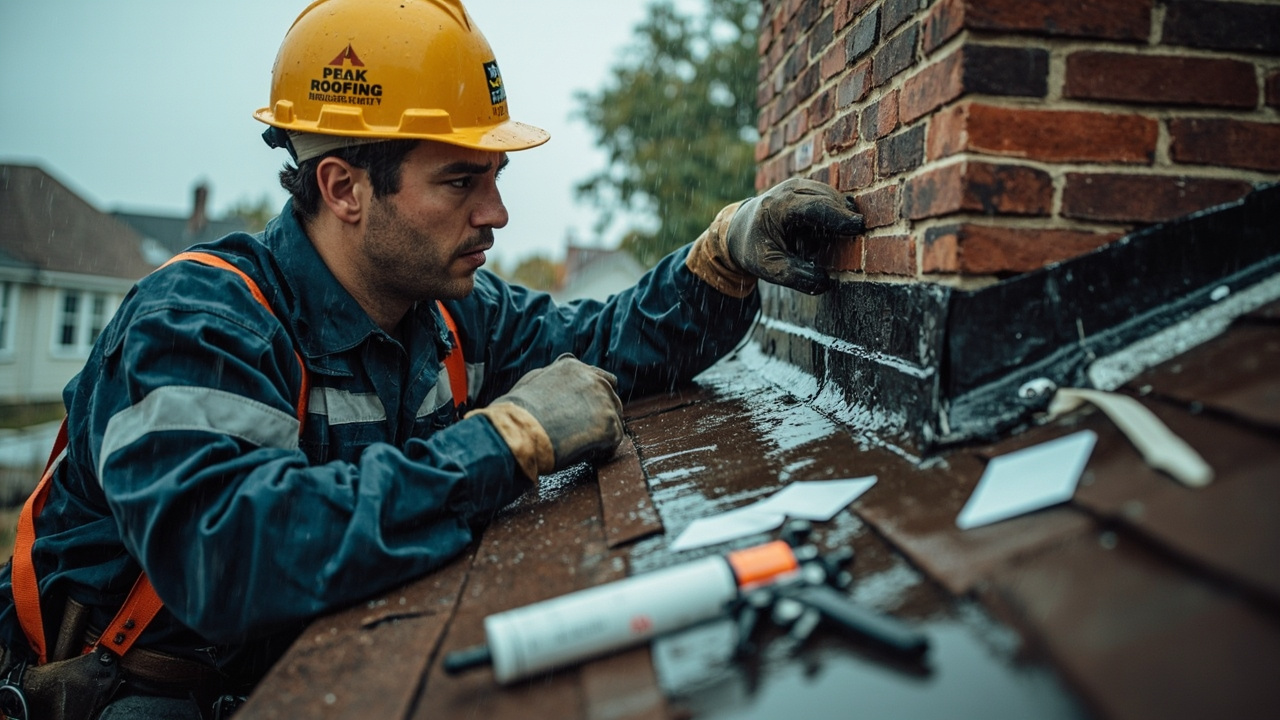

Detroit experiences an average of 40 to 50 freeze-thaw cycles each winter. When water penetrates a compromised chimney crown, damaged flashing, or cracked mortar joint during a rainstorm, that moisture does not simply evaporate. It saturates the porous masonry. When temperatures drop below freezing, that trapped water expands by roughly nine percent as it turns to ice. This expansion forces cracks wider, separates mortar from brick, and causes spalling where the brick face pops off. A small leak in October becomes a structural emergency by February. Immediate chimney water leak services prevent this progressive deterioration by stopping water intrusion before freeze cycles begin the damage multiplication process.
Detroit's housing stock includes thousands of homes built between 1900 and 1950 with original masonry chimneys. These chimneys were built to different standards than modern construction, often using softer lime-based mortar and relying on design features like corbelled caps rather than poured concrete crowns. Repairing these chimneys correctly requires understanding historic construction methods and using compatible materials. A contractor unfamiliar with Detroit's older housing stock might apply modern polymer sealants to soft brick, trapping moisture and causing accelerated deterioration. Local expertise matters when your emergency involves a 100-year-old chimney that requires preservation-appropriate repair techniques.