menu

Emergency Roof Leak Detection in Detroit – 24/7 Response Teams Dispatched in Under 60 Minutes

When water is pouring through your ceiling, you need immediate roof leak tracing and same day roof leak detection from technicians who understand Detroit's extreme freeze-thaw cycles and aging roofing infrastructure.

Slider Image 1
Slider Image 2
Slider Image 3
Slider Image 4
Slider Image 5
Slider Image 7
Slider Image 8
Slider Image 9
Slider Image 10
Slider Image 11

Why Detroit Roof Leaks Demand Immediate Professional Detection

Water is moving through your ceiling right now. Every minute you wait, that water spreads through insulation, soaks drywall, and seeps into electrical systems. In Detroit, roof leaks are not just inconvenient. They are destructive.

Detroit's climate creates perfect conditions for sudden roof failure. Winter freeze-thaw cycles expand and contract roofing materials dozens of times each season. Ice dams form along eaves when snow melts and refreezes, forcing water under shingles and through membrane seams. Spring storms dump heavy rain on roofs weakened by months of ice and temperature swings.

Most homeowners in the greater Detroit metro area live in homes built between 1940 and 1980. These structures feature original roofing assemblies that have exceeded their design life. Asphalt shingles crack. Flashing corrodes. Valleys separate. When these components fail during a storm, water finds the path of least resistance directly into your attic space.

You cannot fix what you cannot see. Urgent roof leak inspection requires thermal imaging cameras, moisture meters, and dye testing to trace water back to its entry point. Water travels along rafters, through insulation, and across ceiling joists before it drips into your living space. The visible stain on your ceiling is never directly below the actual roof penetration.

Emergency roof leak tracing is not about patching a visible hole. It is about identifying the exact failure point in your roofing system before water causes structural damage to decking, framing, and interior finishes. This is why 24/7 roof leak diagnosis from trained technicians matters.

Why Detroit Roof Leaks Demand Immediate Professional Detection
How Professional Leak Detection Stops Damage Before It Spreads

How Professional Leak Detection Stops Damage Before It Spreads

We do not guess. We trace. Our immediate roof leak locator process uses three diagnostic methods to pinpoint the exact entry point of water infiltration.

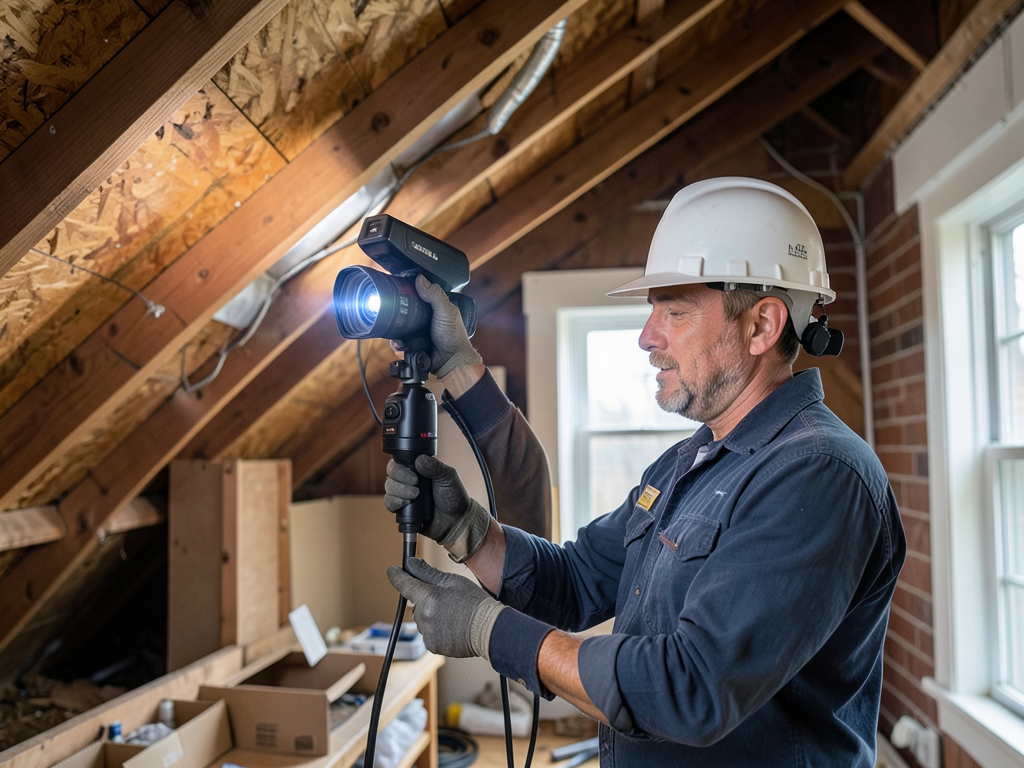
First, we deploy infrared thermal imaging across your entire roof deck from the attic. Wet insulation shows a distinct temperature signature compared to dry materials. This technology reveals moisture patterns invisible to the naked eye, allowing us to map the water's path from entry point to visible damage.

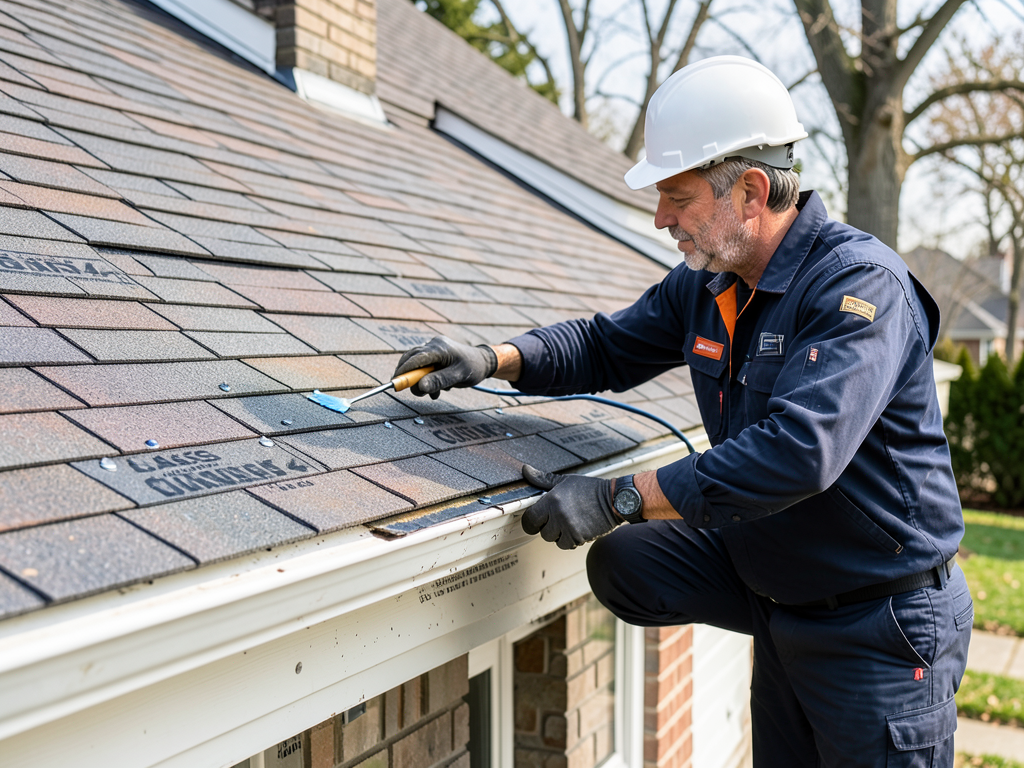
Second, we conduct exterior roof inspections using safety harnesses and fall protection systems. We examine every penetration, including pipe boots, chimney flashing, skylight curbs, and valley intersections. In Detroit homes, we pay special attention to north-facing slopes where ice dams form and south-facing slopes where UV degradation accelerates shingle failure.

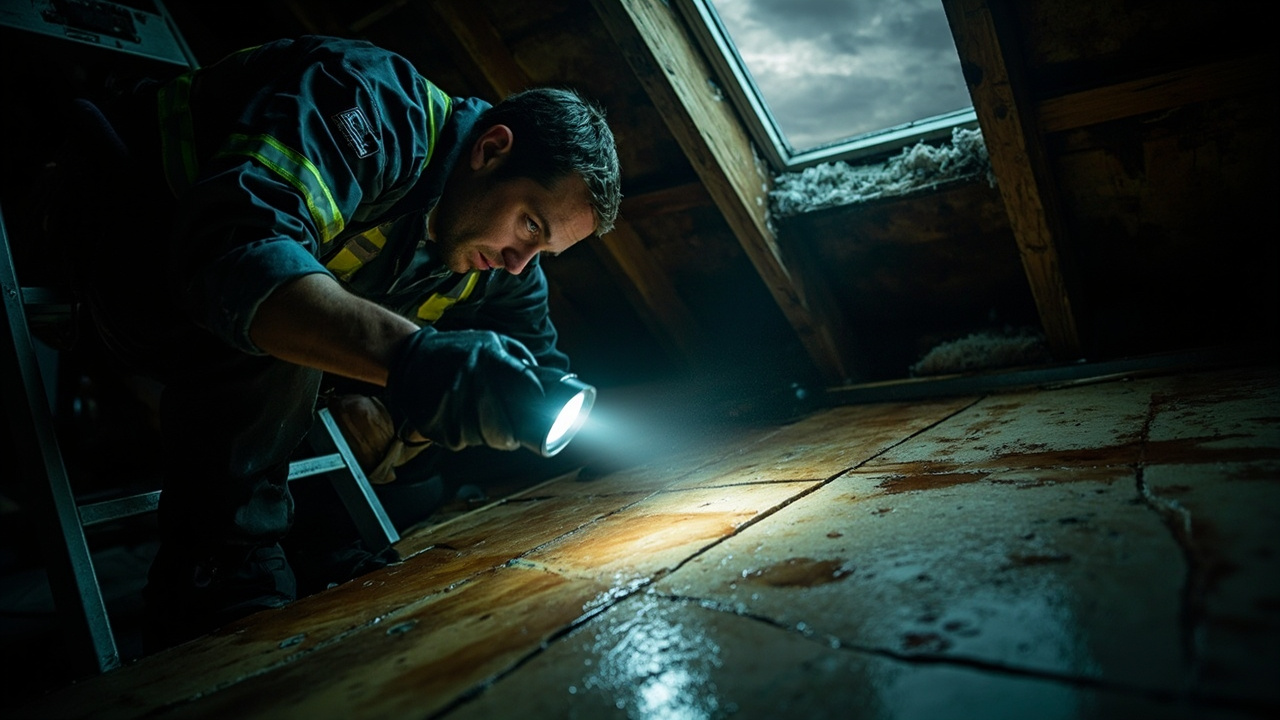
Third, we perform controlled water testing when the leak source remains unclear. We systematically introduce water at suspected failure points while a technician monitors the attic space. This method confirms the exact entry location and eliminates guesswork.

Once we identify the source, we document the damage with photos and moisture readings. You receive a detailed report that includes the primary failure point, secondary damage areas, and recommended repairs. This documentation is critical for insurance claims.

Our same day roof leak detection service includes temporary emergency repairs to stop active water intrusion. We install tarps secured with counter-battens, apply emergency sealants to failed penetrations, and clear blocked drainage paths. These measures protect your home until permanent repairs can be scheduled.

We also test adjacent areas for hidden damage. One visible leak often indicates broader roofing system failure. Our comprehensive inspection identifies all compromised areas, preventing future emergency calls.

What Happens When You Call for Emergency Leak Detection

Emergency Roof Leak Detection in Detroit – 24/7 Response Teams Dispatched in Under 60 Minutes
01

Immediate Dispatch and Assessment

You call our emergency line at (313) 604-2233. We dispatch a two-person crew to your location within 60 minutes. Upon arrival, the team conducts an immediate safety assessment to identify electrical hazards, structural risks, and active water intrusion. They contain the interior damage using tarps and extract standing water from affected spaces. You receive a verbal overview of the situation and our diagnostic plan before we proceed.
02

Systematic Leak Tracing

Our technicians access your attic and roof to begin the tracing process. We use thermal cameras to scan insulation and decking for moisture patterns. We inspect all roof penetrations, flashing details, and vulnerable areas specific to Detroit's climate conditions. We document findings with time-stamped photos and moisture meter readings. This process typically takes 45 to 90 minutes depending on roof complexity and the number of potential failure points identified.
03

Emergency Mitigation and Reporting

Once we locate the leak source, we implement emergency repairs to stop water entry. This includes tarp installation, temporary flashing repairs, or sealant application. You receive a written report with photos, moisture readings, and a detailed repair estimate. We explain all findings in plain language and answer your questions about insurance coverage, repair timelines, and temporary protection measures. Our goal is to secure your home and provide you with a clear path forward.

Why Detroit Homeowners Choose Peak Roofing Detroit for Emergency Leak Detection

When water is pouring into your home at midnight, you need a company that answers the phone and sends real technicians, not an answering service that takes your information and promises a callback.

Peak Roofing Detroit operates 24/7 emergency response teams year-round. We maintain on-call crews during Detroit's severe weather seasons because we know roof failures do not happen on a convenient schedule. When ice dams form during January cold snaps or when spring storms tear shingles off aging roofs, we are already staged and ready to respond.

Our technicians train specifically on the roofing systems common to Detroit's housing stock. We understand the unique challenges of steep-pitched Tudor roofs in Palmer Woods, flat commercial roofs in Midtown, and the aging asphalt shingle roofs throughout neighborhoods like Rosedale Park and Grandmont. We know where these roofs fail and how to trace leaks quickly.

We invest in professional diagnostic equipment because guessing wastes your time and your money. Our thermal cameras cost more than most companies spend on their entire tool inventory, but this technology finds leaks that visual inspections miss. We own multiple moisture meters calibrated for different building materials. We carry specialized dye testing kits for complex leak scenarios.

Local building codes in Detroit require specific flashing details around chimneys and require ice and water shield installation in vulnerable areas. We follow these requirements not because they are regulations but because they represent best practices developed over decades of dealing with Michigan weather. Our repair recommendations reflect current code standards and proper installation methods.

We provide transparent documentation for your insurance claim. Most homeowners have never filed a roof damage claim. We walk you through the process and provide the photos, moisture readings, and detailed reports your adjuster needs to approve coverage.

What to Expect During Emergency Roof Leak Detection

Response Time and Availability

We commit to 60-minute response times for emergency calls within the Detroit metro area. Our dispatch system tracks crew locations in real time to send the nearest available team. During severe weather events, response times may extend to 90 minutes as we prioritize active flooding situations over minor leaks. You speak directly with a technician when you call, not a call center operator. That technician coordinates your service and provides updates if weather or traffic affects arrival time. We operate 365 days per year, including holidays, because roof leaks do not wait for business hours.

Diagnostic Process and Communication

Your diagnostic inspection includes attic access, exterior roof inspection, and advanced moisture detection. We explain what we are doing as we work and invite you to view thermal imaging results and moisture readings in real time. You receive a written report with photos before we leave your property. That report includes the leak source location, all affected areas, moisture readings in multiple locations, and our recommended repair scope. We answer questions about repair methods, material options, and insurance considerations. You are never pressured to approve repairs on the spot.

Emergency Mitigation and Protection

Every emergency call includes temporary protection to stop active water intrusion. We carry professional-grade tarps, counter-battens, and emergency sealants on every truck. Our tarps install with proper overlap and mechanical fastening, not just sandbags that blow off in the next storm. We clear blocked gutters and downspouts if they contribute to the leak. We identify and protect any electrical hazards. Your home is secured before we leave, giving you time to review repair estimates and coordinate with your insurance company without ongoing water damage.

Follow-Up and Permanent Repairs

Emergency protection is temporary. We schedule permanent repairs within 48 to 72 hours of your initial call, weather permitting. Our repair crews receive the diagnostic report and photos from the emergency team, so they know exactly what failed and what needs replacement. We order materials specific to your roof type and match existing shingles when possible. You receive a detailed timeline for permanent repairs. After repairs are complete, we conduct a final moisture check in your attic and affected interior spaces to confirm the leak is resolved. We document all work for your records.

Frequently Asked Questions

You Have Questions,
We Have Answers

How to figure out where a roof leak is coming from? +

Start inside. Look for water stains on your ceiling or walls and trace them upward. In your attic, check for moisture, dark spots, or light coming through the roof deck. Outside, inspect around chimneys, vents, and flashing where different roof planes meet. Detroit's freeze-thaw cycles often crack flashing and shingles, making these spots vulnerable. Check valleys where water pools during heavy rain or snowmelt. If you cannot find the source within 10 minutes, call a professional. Water travels before it drips, so the leak location rarely matches the visible damage inside your home.

Is a roof leak an emergency? +

Yes. Any active leak is an emergency in Detroit. Water spreads fast through insulation, drywall, and framing. Within hours, you risk mold growth, electrical hazards, and structural damage. During winter, trapped moisture freezes and expands, worsening the problem. A small leak today becomes a collapsed ceiling tomorrow. Stop the water immediately with a tarp or bucket, then call a 24/7 emergency roofer. Do not wait until morning or after the weekend. Insurance adjusters look for swift action. Delays can void coverage. Protect your home now before secondary damage multiplies your repair costs.

How to stop a roof leak temporarily? +

Use a heavy-duty tarp secured with 2x4 boards or sandbags. Never nail directly into your roof during an emergency. Place buckets under active drips inside and move furniture away from water. Apply roofing cement to small cracks if you can safely access the area. For shingle damage, slide a piece of sheet metal under the damaged section as a temporary barrier. Detroit winters make tarps brittle, so check them daily. These fixes buy you 24 to 48 hours, not weeks. Schedule a professional inspection immediately. Temporary patches fail during storms, and insurance requires documented professional repairs.

Does homeowners insurance pay for a leaky roof? +

It depends. Homeowners insurance covers sudden, accidental damage like storm damage or fallen tree limbs. It does not cover neglect or wear and tear. If your roof leaked because of Detroit's ice dams after you ignored clogged gutters, expect a denial. Document everything with photos and timestamps. Call your insurance company within 24 hours and request an adjuster visit. Get a professional inspection report to support your claim. Most policies require you to mitigate damage immediately. Waiting days to tarp the roof gives insurers reason to deny secondary water damage claims. Act fast and document everything.

What is the most common source for roof leaks? +

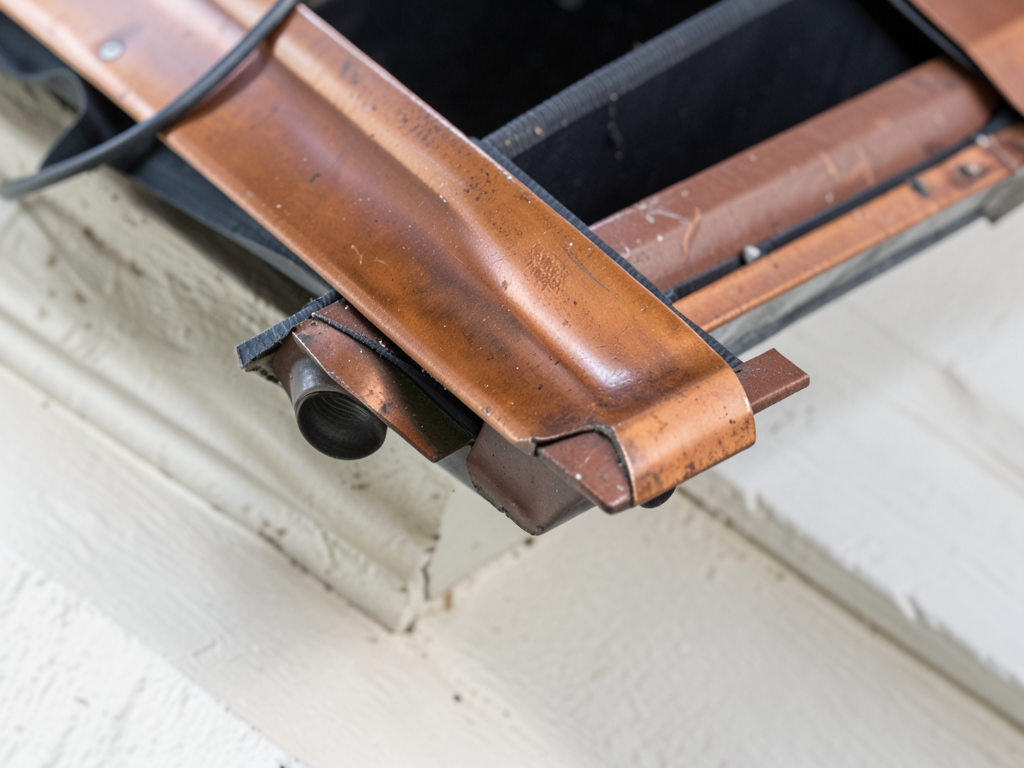
Flashing failures cause most roof leaks in Detroit. Flashing seals gaps around chimneys, skylights, vents, and roof valleys. Freeze-thaw cycles crack the metal and separate caulk joints. Shingles blow off during windstorms, but flashing fails silently over years. Old rubber boots around vent pipes crack in extreme cold. Valley flashing corrodes from trapped moisture and debris. Check these spots first during inspections. Detroit's temperature swings from subzero winters to hot, humid summers stress flashing faster than shingles. Replace flashing every 15 to 20 years, even if shingles look fine. Ignoring flashing invites water into your walls.

How do plumbers find hidden leaks? +

Plumbers find hidden leaks with moisture meters, thermal imaging cameras, and pressure tests. They inject dye into supply lines and watch where it surfaces. For slab leaks, they use acoustic listening devices to detect water movement underground. Plumbers handle water supply and drain lines, not roof leaks. If you see ceiling stains, call a roofer first. Detroit homes with basements often confuse foundation seepage with roof leaks. A roofer inspects attics and roof surfaces. A plumber checks pipes. Hiring the wrong trade wastes time and money. Identify whether water comes from above or below before scheduling service.

What is the average cost to repair a roof leak? +

Roof leak repairs in Detroit range widely based on damage extent and access difficulty. Minor flashing repairs or shingle replacements stay affordable. Extensive water damage requiring deck replacement, insulation removal, and interior ceiling work costs significantly more. Emergency repairs during storms or after hours carry premium pricing. Delays multiply costs. A small leak ignored for weeks damages framing and drywall, tripling repair bills. Get multiple quotes and ask for itemized estimates. Avoid contractors demanding full payment upfront. Legitimate Detroit roofers charge deposits, not lump sums. Factor in potential insurance deductibles. Prevention costs less than emergency fixes.

How long can a ceiling leak before it collapses? +

You have hours, not days. Drywall saturates quickly and loses structural integrity. A ceiling holding 10 gallons of water can collapse without warning. Detroit's older homes with plaster ceilings buy you slightly more time, but not much. The danger multiplies if the leak reaches ceiling light fixtures, creating electrocution risks. Evacuate the room immediately if you see sagging, bulging, or hear cracking sounds. Turn off electricity to affected areas. Do not wait to see how bad it gets. Call emergency services if the ceiling bows more than two inches. Get everyone out and call a professional roofer immediately.

Is it normal for a roof to leak in heavy rain? +

No. A properly installed roof should not leak during heavy rain. If yours does, you have damage or installation defects. Detroit's intense summer storms and winter ice dams test roofs hard, but quality systems hold. Common culprits include clogged gutters forcing water under shingles, damaged flashing, or missing shingles from wind damage. Older roofs with worn underlayment leak during driving rain when water backs up under shingles. Do not ignore leaks because they only happen during storms. That pattern indicates progressing damage. Schedule an inspection immediately. Small problems become catastrophic failures during the next heavy weather event.

Will flex seal stop roof leaks? +

No. Flex Seal is a temporary bandage, not a roof repair. It degrades under UV exposure and Detroit's freeze-thaw cycles within months. It does not bond properly to wet surfaces, and most emergency leaks involve standing water. Professional roofers use code-compliant flashing, underlayment, and shingles engineered for Michigan weather. Flex Seal voids manufacturer warranties and complicates proper repairs later. Roofers charge extra to remove failed sealant before fixing the actual problem. Use Flex Seal only for a true emergency stopgap until a professional arrives within 24 hours. Never consider it a permanent fix. You will pay twice.

How Detroit's Freeze-Thaw Cycles Create Hidden Roof Damage That Leads to Emergency Leaks

Detroit experiences 40 to 60 freeze-thaw cycles each winter. When daytime temperatures rise above freezing and nighttime temperatures drop below 32 degrees, water trapped in roofing materials expands and contracts repeatedly. This cycle degrades asphalt shingles, opens gaps in flashing, and creates micro-cracks in valley metal. Ice dams form when heat from your attic melts snow on the upper roof. That meltwater runs down and refreezes at the eaves, creating a dam that forces water under shingles. Emergency roof leak tracing in Detroit requires understanding where ice dams form on your specific roof pitch and orientation. North-facing slopes retain snow longer. South-facing slopes experience more dramatic freeze-thaw cycles. These local climate factors determine where your roof will fail first.

Detroit's housing stock includes thousands of homes built before modern roofing standards existed. Many homeowners in neighborhoods like East English Village, Brightmoor, and Bagley discover their roof deck consists of original board sheathing with gaps between planks. These older assemblies require different diagnostic approaches than modern plywood decking. Peak Roofing Detroit trains specifically on these legacy roofing systems. We understand how water travels through board sheathing and where it accumulates in older attic spaces. We know which local suppliers stock materials compatible with historic roofing assemblies. This specialized knowledge matters when you need same day roof leak detection and repairs that actually stop the leak instead of just covering symptoms.
Roofing Services in The Detroit Area

Our local headquarters are strategically located to efficiently serve all of Detroit and the surrounding areas. We invite you to view our service region and location on the map. As a trusted local contractor, we are never far from your neighborhood and are committed to providing quick, reliable, and convenient service wherever you are within the metropolitan area.

Address:
Peak Roofing Detroit, 19549 Gilmore St, Reseda, CA, 91335

Additional Services We Offer

Our news updates

Latest Articles & News from The Blogs

Why You See Dark Lines on Your LaSalle Gardens Ceiling (Is it a Leak or Ghosting?) Those dark streaks on…

Why You See Dark Lines on Your LaSalle Gardens Ceiling (Is it a Leak or Ghosting?)

Why You See Dark Lines on Your LaSalle Gardens Ceiling (Is it a Leak or Ghosting?) Those dark streaks on…

Restoring the Hidden Box Gutters on a Classic Virginia Park Four-Square

Restoring the Hidden Box Gutters on a Classic Virginia Park Four-Square Box gutters are the hidden lifelines of Detroit’s historic…

How a New Roof Affects Your Homeowners Insurance Premium in Clinton Township

How a New Roof Affects Your Homeowners Insurance Premium in Clinton Township A new roof in Clinton Township can immediately…

Contact Us

Water damage spreads fast. Every hour you wait costs you more in repairs. Call Peak Roofing Detroit now at (313) 604-2233 for emergency roof leak detection. Our crews are standing by 24/7 to protect your home.