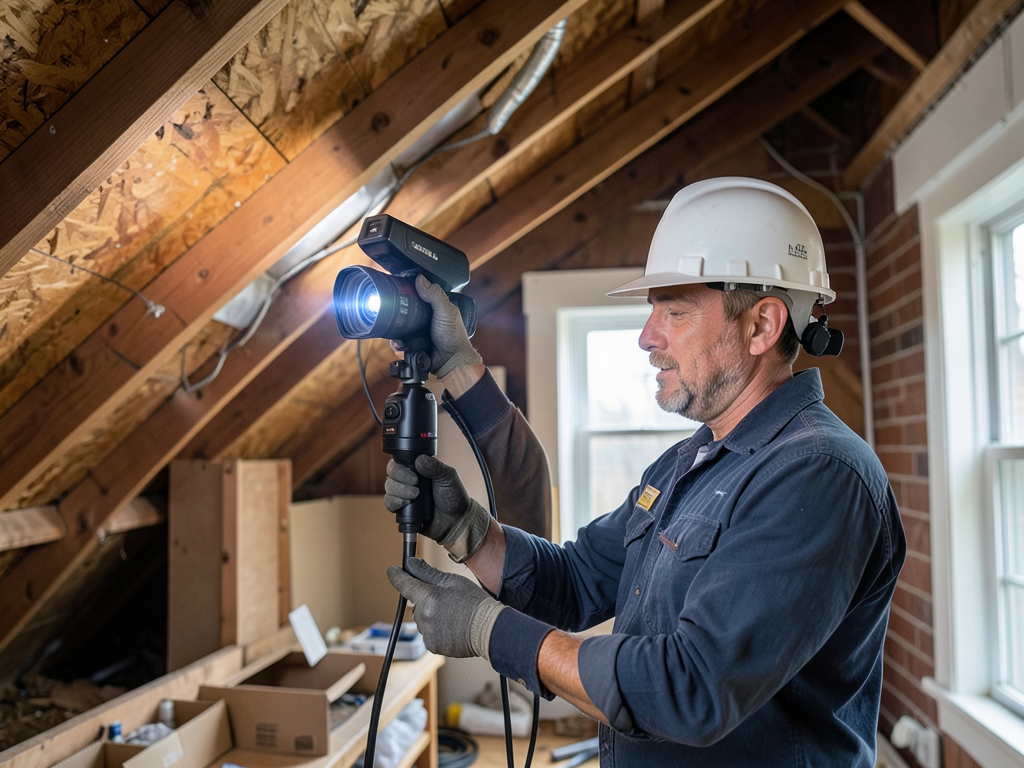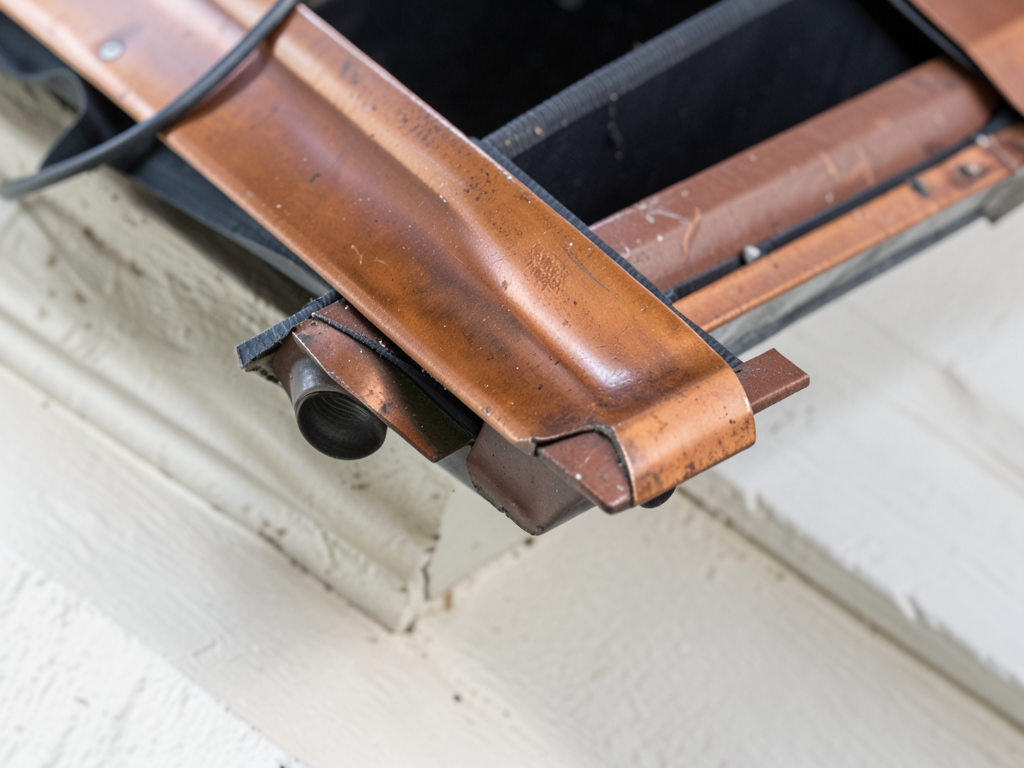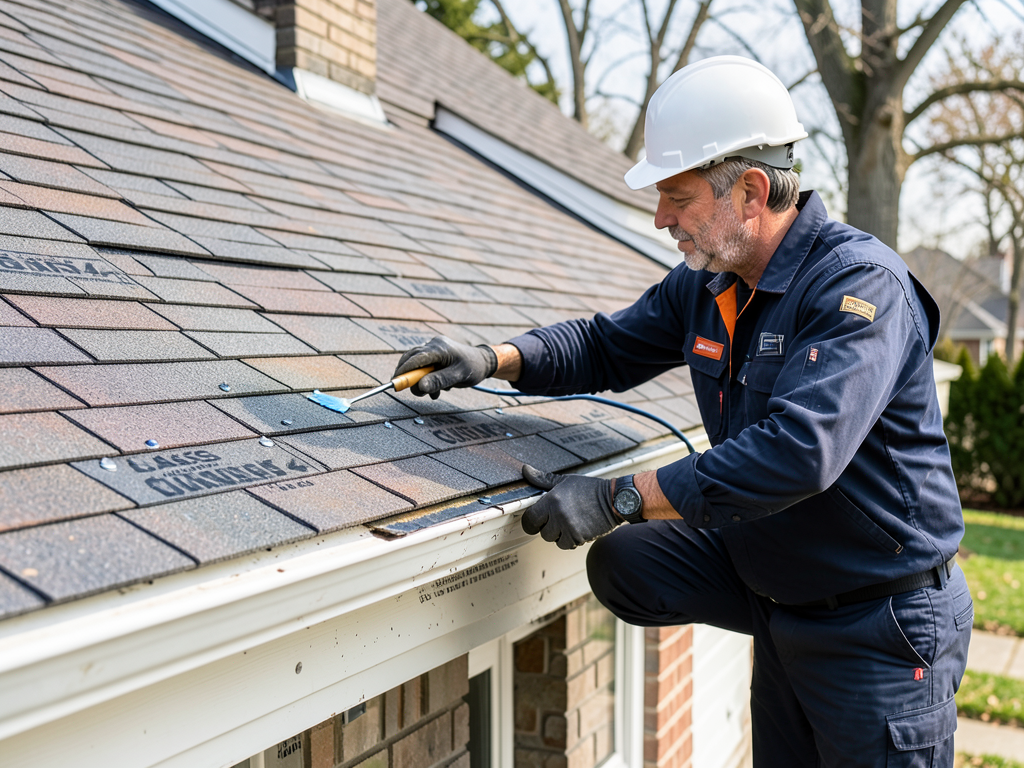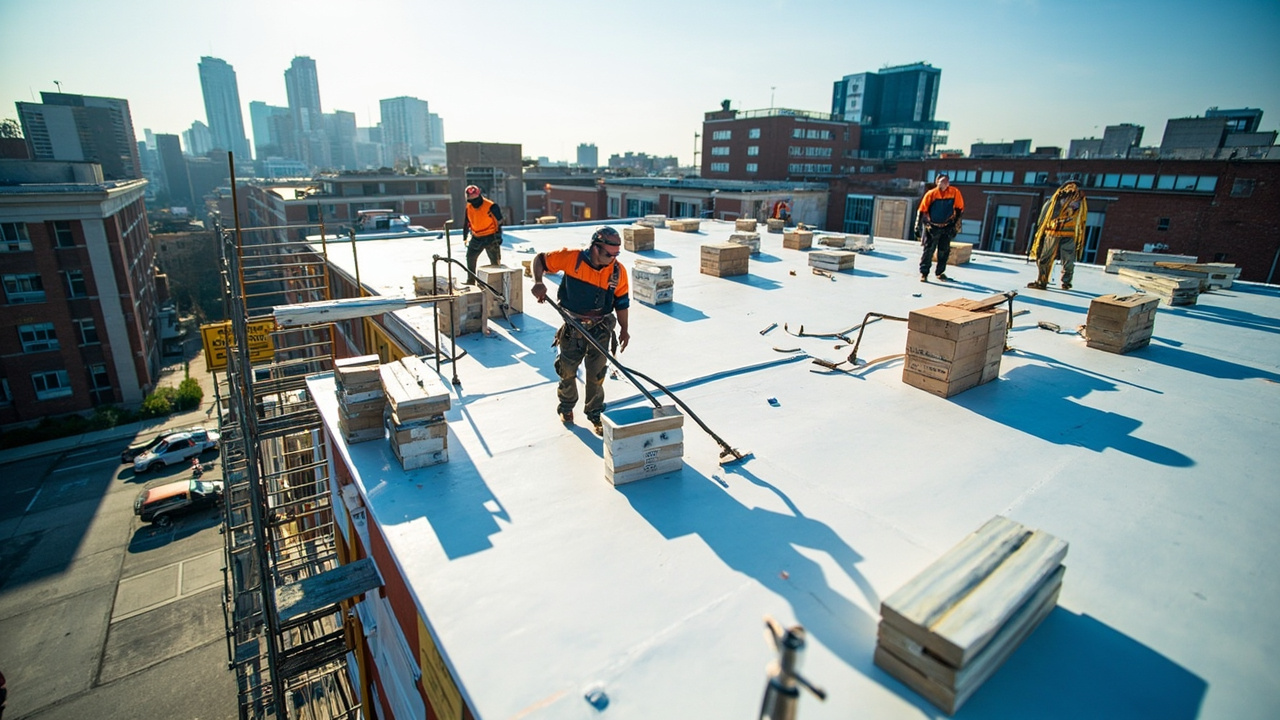
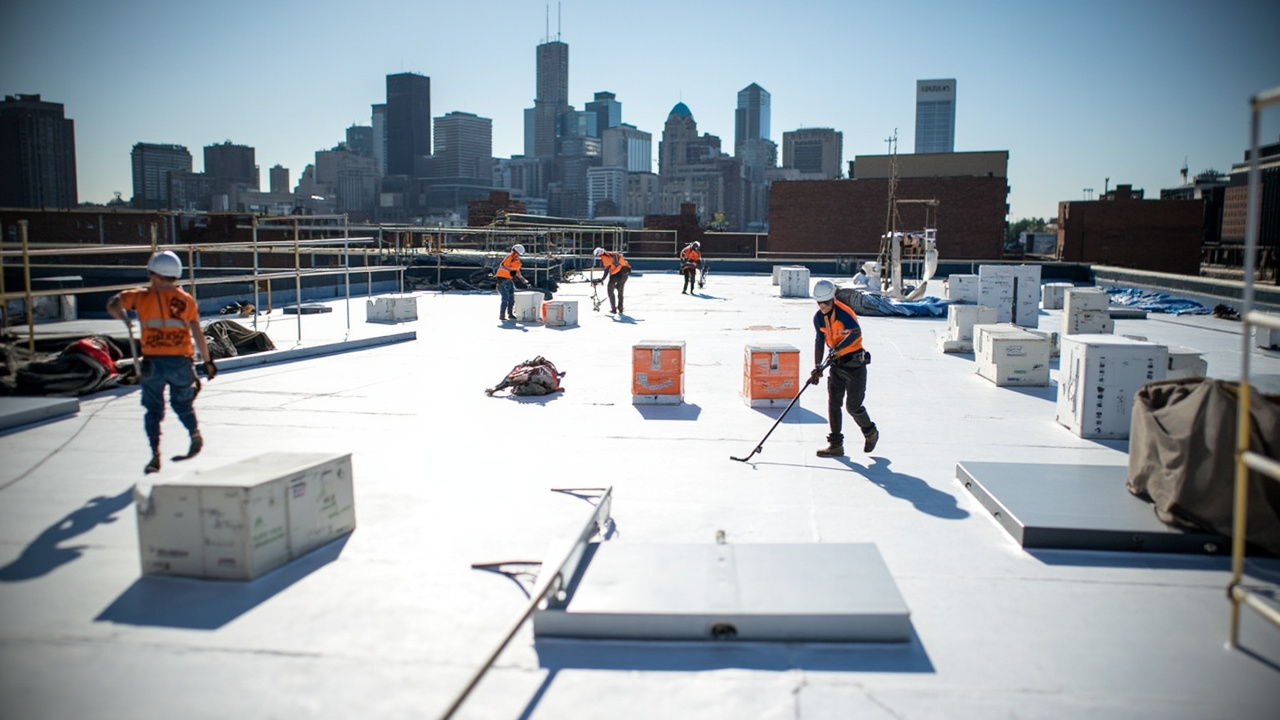
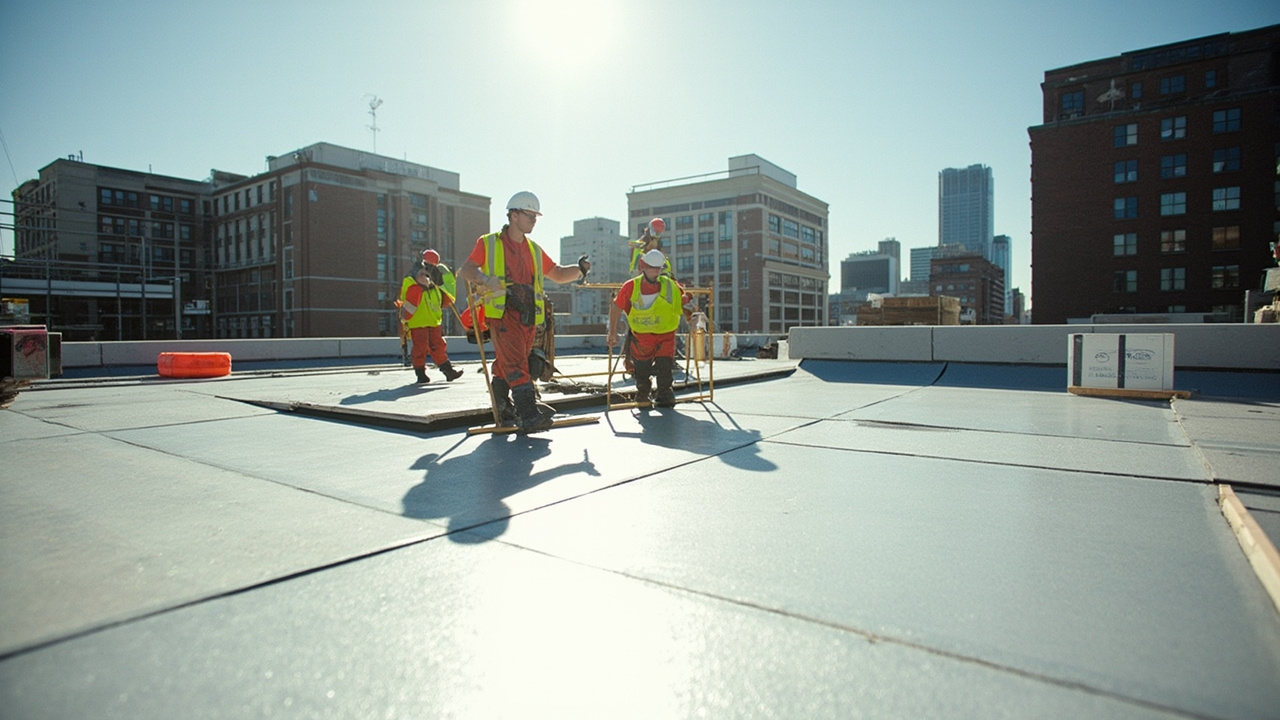
Detroit experiences an average of 45 freeze-thaw cycles each winter. This constant expansion and contraction stresses roofing membranes and opens seams on flat roofs common to apartment complexes. When snow accumulates on a multi-unit building, it melts during the day and refreezes at night. This ice formation forces water under flashing and into gaps around HVAC penetrations. The weight of snow and ice also compresses insulation, reducing its R-value and allowing heat loss that accelerates membrane aging. Properties in neighborhoods like Palmer Park and University District face additional stress from mature tree canopies that drop debris and retain moisture on roofs. These local conditions make proactive maintenance and timely replacement critical for avoiding tenant disruption and emergency repairs.
Detroit's building department enforces strict fire codes for multifamily structures, particularly for buildings over three stories. Apartment complex roofing must meet Class A fire ratings, which limits material choices and requires specific installation methods. Peak Roofing Detroit works directly with city inspectors to ensure compliance and avoid project delays. We also understand the unique requirements for properties in historic districts like Corktown and Indian Village, where preservation guidelines affect material selection and installation methods. Local expertise matters because Detroit's code amendments differ from state standards, and contractors unfamiliar with these requirements create compliance issues that delay occupancy and increase costs. We handle the documentation and coordination so your project passes inspection without complications.