menu

Critter & Pest Damage in Detroit – Expert Diagnosis and Permanent Wildlife Exclusion

Peak Roofing Detroit identifies the source of animal intrusion roofing damage, repairs structural compromises, and permanently seals entry points to protect your home from future vermin roof destruction.

Slider Image 1
Slider Image 2
Slider Image 3
Slider Image 4
Slider Image 5
Slider Image 7
Slider Image 8
Slider Image 9
Slider Image 10
Slider Image 11

Why Detroit Homes Are Vulnerable to Roof Wildlife Damage

Detroit's aging housing stock and abundance of mature trees create ideal conditions for animal intrusion roofing problems. Squirrels, raccoons, and rodents target homes in neighborhoods like Palmer Woods and Rosedale Park, where overhanging branches provide direct roof access. The freeze-thaw cycles we experience from November through March worsen existing gaps around vents, chimneys, and fascia boards. Animals exploit these weaknesses.

You hear scratching in the attic at night. You notice shingle damage or droppings near roof vents. These signs point to active pest damage shingles and underlying structural compromise. Raccoons tear through soffit vents to nest. Squirrels chew through wooden fascia boards and roof decking. Once inside, rodent roof damage extends beyond the roofing system. Animals shred insulation, chew electrical wiring, and leave contamination that poses health risks.

The problem accelerates quickly. A small entry point becomes a highway for multiple animals. Urine saturates insulation and ceiling drywall. The longer vermin roof destruction continues, the more expensive the repair. What starts as a nuisance becomes a structural and safety issue.

Detroit's urban wildlife population is not declining. As older homes undergo renovation in areas like Corktown and East English Village, displaced animals seek new shelter. Your roof provides warmth, safety, and nesting space. Without proper exclusion, the cycle repeats. Trapping alone does not solve the problem. You need structural repair and permanent sealing to stop reentry.

Why Detroit Homes Are Vulnerable to Roof Wildlife Damage
How We Eliminate Animal Intrusion and Restore Roof Integrity

How We Eliminate Animal Intrusion and Restore Roof Integrity

Peak Roofing Detroit approaches roof wildlife damage as both a pest control issue and a roofing structural problem. We do not simply patch holes. We identify every compromised area, remove contaminated materials, repair damaged decking and framing, and install permanent exclusion barriers.

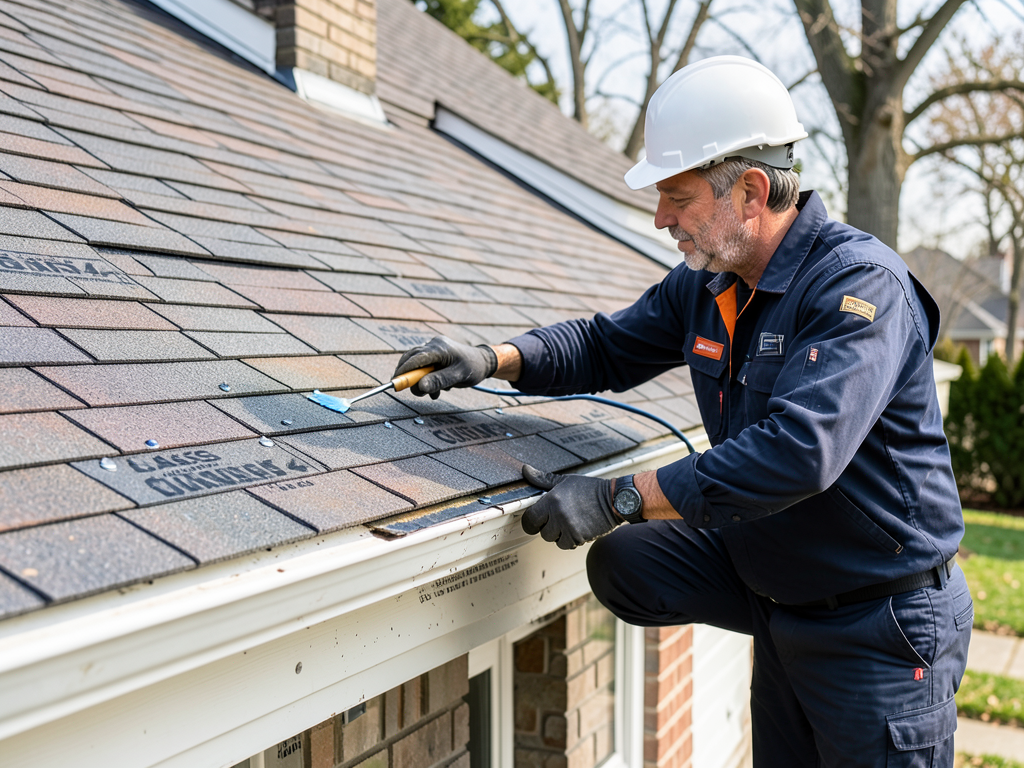
Our inspection covers the entire roofing system and adjacent structures. We examine soffit vents, ridge vents, gable vents, chimney flashing, plumbing boot seals, and fascia boards. Animals often create multiple entry points. We map each one. We also check for secondary damage like chewed roof decking, displaced insulation, and water intrusion from torn shingles.

Removal of contaminated insulation is critical. Rodent urine and feces carry pathogens. We extract affected insulation, sanitize the attic space, and install new material to restore thermal performance. If animals have chewed through roof decking or structural framing, we replace those sections with properly fastened plywood or dimensional lumber that meets Michigan building code.

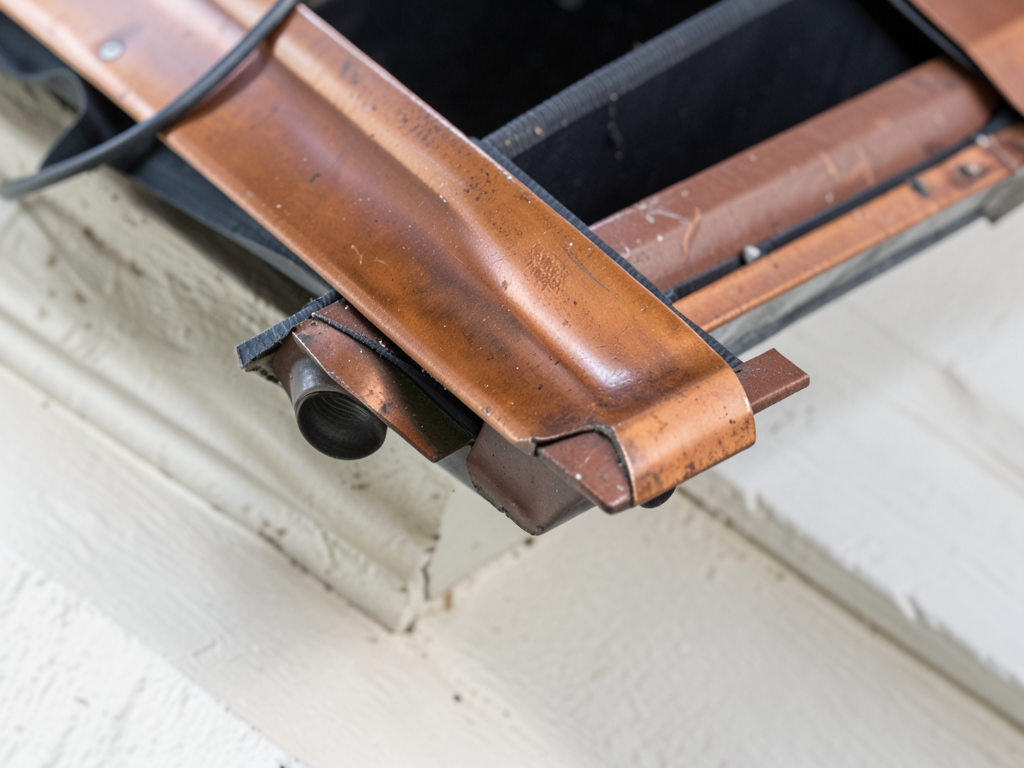
Exclusion work separates us from standard pest control services. We install galvanized steel mesh over vents, replace damaged soffit panels with reinforced materials, and seal gaps with commercial-grade polyurethane foam and metal flashing. Animals cannot chew through steel. We also trim back tree branches that provide roof access, eliminating the pathway.

Finally, we address the cosmetic and weatherproofing damage. Torn or missing shingles get replaced. Damaged flashing gets re-fabricated and sealed. The goal is a roof that looks intact and functions as a continuous weather barrier. No gaps. No weak points. No reentry.

What Happens During a Wildlife Damage Roof Repair

Critter & Pest Damage in Detroit – Expert Diagnosis and Permanent Wildlife Exclusion
01

Full Attic and Roof Inspection

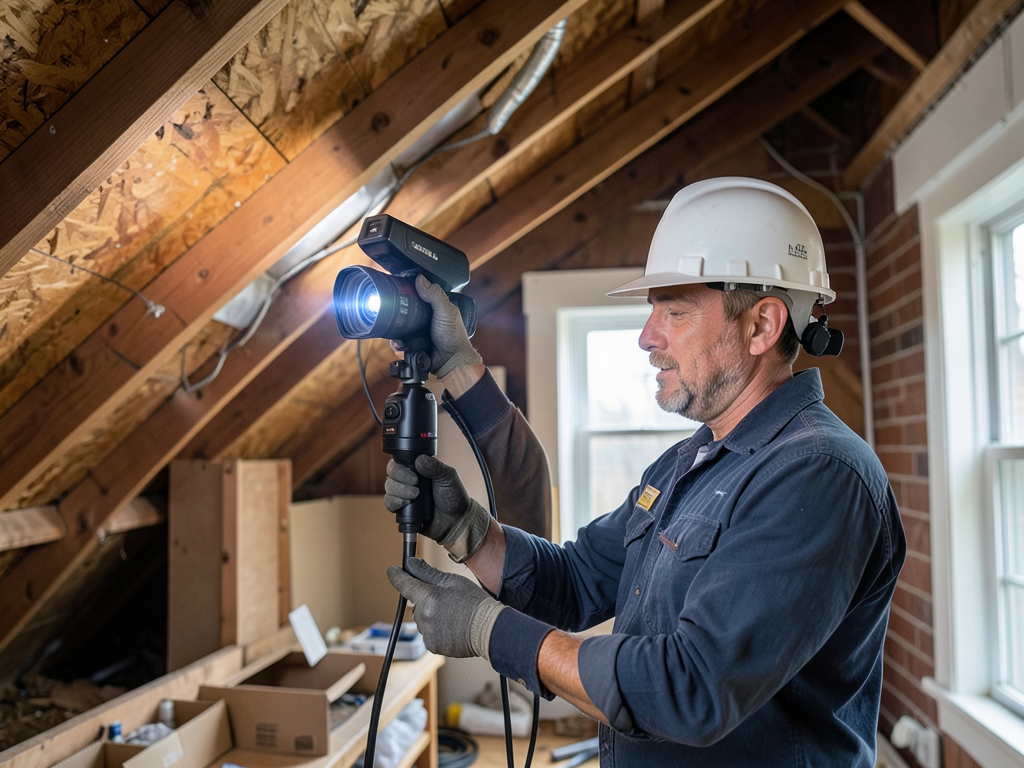
We start inside your attic to assess the extent of animal activity and structural damage. We identify contaminated insulation, chewed wiring, and compromised roof decking. Then we move to the exterior to locate every entry point. We photograph damage and map all compromised areas. This diagnostic phase determines the scope of repair and exclusion work needed to restore your roof.
02

Structural Repair and Contamination Removal

We remove damaged insulation and sanitize affected areas. If animals have chewed through roof decking or framing members, we replace those sections with code-compliant materials. Compromised soffit panels, fascia boards, and vent housings get replaced with reinforced versions. We also repair any water damage caused by torn shingles or displaced flashing. This step restores structural integrity before we move to exclusion.
03

Permanent Animal Exclusion and Sealing

We install galvanized steel mesh over all roof vents and openings. We seal gaps around chimneys, plumbing boots, and gable vents with metal flashing and commercial-grade sealants. We replace torn or missing shingles and re-secure loose materials. Tree branches that provide roof access get trimmed back. The result is a fully sealed roofing system that animals cannot penetrate, combined with a clean, weatherproof exterior.

Why Detroit Homeowners Trust Peak Roofing for Critter Damage Repair

Most pest control companies trap animals but leave the structural damage untouched. Most roofing companies patch visible holes but miss hidden entry points. Peak Roofing Detroit combines both skill sets. We understand animal behavior and roofing systems. We know where squirrels chew through fascia and how raccoons pry open soffit vents. We also know how to properly flash a chimney and seal a plumbing boot so water does not follow the repair.

Our crews work throughout Detroit's diverse housing landscape. We have repaired wildlife damage on Tudor Revival homes in Sherwood Forest, brick bungalows in Warrendale, and Victorian houses in West Village. Each architectural style has unique vulnerabilities. Older homes often have wooden soffit panels that rot and separate. Mid-century homes may have undersized attic vents that animals enlarge. We adapt our exclusion techniques to the specific construction type.

We also understand Detroit's building codes and permitting requirements. If structural framing repairs require a permit, we handle that process. We work with homeowners insurance adjusters who need documentation of animal damage versus deferred maintenance. Our detailed inspection reports and photo documentation support claim approval.

You want the problem solved once. Temporary fixes fail within months when animals return. We provide permanent solutions. Our exclusion work comes with a detailed explanation of what we sealed, what we replaced, and what you need to monitor. We also provide guidance on tree trimming and attic vent maintenance to reduce future risk. This is comprehensive repair, not a band-aid.

What to Expect When You Schedule Wildlife Damage Roof Repair

Rapid Response and Flexible Scheduling

We prioritize wildlife damage calls because the problem worsens daily. Active animal intrusion means ongoing contamination, chewing, and potential electrical hazards. We schedule inspections within 48 hours of your call. Our crews work year-round, including winter months when animals seek warmth inside attics. If you hear scratching or notice exterior damage, contact us immediately. Early intervention reduces repair costs and prevents secondary water damage from torn shingles or displaced flashing.

Comprehensive Interior and Exterior Assessment

Our inspection includes attic access, roof surface examination, and perimeter review of all potential entry points. We identify active versus old damage. We check insulation for contamination, wiring for chew marks, and roof decking for structural compromise. You receive a written report with photos documenting every issue. We explain what needs immediate repair, what poses a safety risk, and what can be monitored. This transparency allows you to make informed decisions about scope and budget.

Complete Structural Repair and Weatherproofing

Our repair work restores both the roofing system and the attic environment. You get replaced decking, new insulation, sealed entry points, and a fully weatherproof exterior. We match existing shingle colors and architectural details so repairs blend seamlessly. We also provide before and after photos for your records and insurance documentation. The completed work meets Michigan building code and passes any required municipal inspections. Your roof looks intact and functions as a continuous barrier against weather and wildlife.

Ongoing Monitoring and Maintenance Guidance

After completing exclusion work, we provide specific guidance on what to monitor. We explain how to inspect attic vents for tampering, how to check soffit panels for separation, and when to trim tree branches that grow toward your roofline. We also offer annual roof inspections to catch small issues before they become entry points. While we cannot guarantee animals will never attempt entry, our exclusion methods make your home significantly less accessible than neighboring properties. Animals follow the path of least resistance. We eliminate that path.

Frequently Asked Questions

You Have Questions,
We Have Answers

What is the hardest pest to get rid of? +

Bed bugs are the hardest pest to eliminate. They hide in cracks, seams, and wall voids where DIY treatments cannot reach. They survive months without feeding and quickly develop resistance to common pesticides. Detroit's dense housing stock and apartment buildings make reinfestation common. Termites rank second due to hidden colonies that eat wood from the inside out. You need professional-grade treatments and follow-up inspections to fully eradicate bed bugs. One missed egg or hiding spot means the infestation returns within weeks.

Does critter control cost money? +

Yes, critter control costs money. Prices vary based on the pest type, infestation severity, and property size. Initial inspections typically run less than full treatments. Rodent exclusion and removal costs more than basic insect control because it requires sealing entry points around your foundation, roof line, and vents. Detroit homes with older masonry and foundation cracks need more extensive repairs. Emergency services cost more than scheduled appointments. You pay for expertise, equipment, and materials that DIY methods cannot match. Most companies provide written estimates after inspection.

What are the types of damage by pests? +

Pests cause structural damage, electrical hazards, and health risks. Rodents chew through wiring, insulation, and wood framing. Termites destroy floor joists, wall studs, and roof decking. Raccoons tear insulation and damage attic vents. Carpenter ants hollow out structural beams. Bats leave acidic droppings that corrode wood and drywall. Squirrels gnaw through roof shingles and fascia boards. In Detroit, freeze-thaw cycles worsen pest damage because water enters through holes and cracks. Contaminated insulation from droppings reduces energy efficiency. Pest damage spreads quickly once it starts.

Is critter control still in business? +

Critter control is a general service category, not a single business. Many pest management companies across Detroit and Michigan offer critter removal and wildlife exclusion. The industry remains strong because Detroit homes face ongoing pest pressure from older housing stock, urban wildlife, and seasonal infestations. Companies specializing in rodent control, bat removal, and insect treatment operate year-round. You should verify any company's licensing, insurance, and local references before hiring. The service category continues because pest problems never stop.

What pest is most damaging to a house? +

Termites cause the most structural damage to homes. They eat wood 24 hours a day and create hidden colonies inside walls, floors, and foundations. Detroit homes with wood siding, crawl spaces, and older foundations face higher risk. Subterranean termites enter through cracks in concrete and build mud tubes up foundation walls. Carpenter ants rank second, hollowing out damp or rotted wood. Rodents damage wiring and insulation but termites compromise structural integrity. You need annual inspections because termite damage occurs silently until serious problems appear.

What is the number one pest problem in America? +

Ants are the number one pest problem in America. They invade homes searching for food and water, entering through tiny cracks around windows, doors, and foundations. Detroit homes face carpenter ants, pavement ants, and odorous house ants. Carpenter ants damage wood structures while other species contaminate food. Termites cause more dollar damage but ants affect more households. Bed bugs rank second for difficulty and frustration. Cockroaches follow as persistent indoor pests. Ant colonies contain thousands of workers, making complete elimination difficult without treating the source.

Does insurance cover rodent removal? +

Homeowners insurance typically does not cover rodent removal or damage. Insurance companies classify pest infestations as preventable maintenance issues, not sudden accidents. Policies exclude damage from insects, rodents, birds, and other animals. You pay out of pocket for removal, cleanup, and repairs. Some policies cover secondary damage if rodents chewed through pipes and caused water damage, but not the original pest problem. Commercial properties sometimes carry pest damage riders. Read your policy exclusions carefully. Prevent coverage denials by maintaining your property and addressing infestations immediately.

Is it cheaper to DIY or hire an exterminator? +

Hiring a professional exterminator costs more upfront but saves money long-term. DIY treatments miss hidden nests, fail to address entry points, and often use incorrect products. You waste money on repeated store-bought treatments that do not work. Detroit homes with basements, crawl spaces, and complex layouts need professional equipment and expertise. Professionals identify the pest species, locate nests, apply commercial-grade treatments, and seal entry points. Serious infestations like bed bugs, termites, or large rodent colonies require professional intervention. Minor ant or spider problems may respond to DIY methods.

What are common signs of a rodent infestation? +

Common rodent signs include droppings near food storage areas, gnaw marks on wood or wires, greasy rub marks along walls, and scratching sounds in walls or ceilings at night. You may find shredded insulation or paper used for nesting. Mouse droppings look like small black rice grains. Rats leave larger, capsule-shaped droppings. Detroit basements and attics show evidence first because rodents enter through foundation cracks and roof gaps. You may smell musky odors in enclosed spaces. Check for tracks in dusty areas and holes around pipes or vents.

What pest causes the most damage? +

Termites cause the most financial damage to structures. They consume wood continuously and compromise structural beams, floor joists, and wall studs before you notice problems. Carpenter ants rank second, excavating galleries in damp or damaged wood. Rodents cause significant damage to wiring and insulation but termites destroy the structural skeleton. Detroit's older housing stock with wood foundations, siding, and framing faces higher termite risk. Subterranean termites enter through foundation cracks and work upward. Annual inspections catch infestations early. Damage repairs cost thousands once termites weaken structural members.

How Detroit's Urban Forest and Aging Housing Stock Increase Animal Intrusion Risk

Detroit has one of the highest percentages of tree canopy coverage among major Midwest cities. Mature oaks, maples, and elms line streets in neighborhoods like Boston-Edison and Indian Village. These trees provide beauty and shade, but branches that overhang roofs become highways for squirrels and raccoons. Animals travel from tree to roof without touching the ground. Combined with the city's aging housing stock, where soffit vents and fascia boards have decades of wear, entry points are abundant. Homes built before 1960 often lack the reinforced vent screens and tight construction details found in newer builds. Animals exploit these vulnerabilities relentlessly.

Peak Roofing Detroit has worked in every Detroit neighborhood, from the historic mansions along Chicago Boulevard to the brick bungalows in Bagley. We understand the specific construction methods used in different eras and how those methods create predictable weak points. We also stay current with Michigan building code amendments related to attic ventilation and roof penetration sealing. Our crews know how to repair historic architectural details without compromising their appearance while still achieving animal-proof results. Local expertise matters when you need repairs that respect your home's character while solving modern pest intrusion problems.
Roofing Services in The Detroit Area

Our local headquarters are strategically located to efficiently serve all of Detroit and the surrounding areas. We invite you to view our service region and location on the map. As a trusted local contractor, we are never far from your neighborhood and are committed to providing quick, reliable, and convenient service wherever you are within the metropolitan area.

Address:
Peak Roofing Detroit, 19549 Gilmore St, Reseda, CA, 91335

Additional Services We Offer

Our news updates

Latest Articles & News from The Blogs

Choosing the Right Roof Color for a Brick Ranch in Warren Selecting the right roof color for your brick ranch…

Choosing the Right Roof Color for a Brick Ranch in Warren

Choosing the Right Roof Color for a Brick Ranch in Warren Selecting the right roof color for your brick ranch…

Why "Cheap" Roofing Quotes Often End Up Costing Detroiters Double in the Long Run

Why “Cheap” Roofing Quotes Often End Up Costing Detroiters Double in the Long Run Detroit homeowners searching for the lowest…

How the Humidity from Lake St. Clair Affects the Lifespan of Your Harrison Township Roof

How the Humidity from Lake St. Clair Affects the Lifespan of Your Harrison Township Roof \n\n The constant moisture and…

Contact Us

Every day animals remain in your attic, damage increases. Call Peak Roofing Detroit at (313) 604-2233 for a comprehensive wildlife damage inspection. We identify every entry point, repair structural damage, and permanently seal your roof against future intrusion.