
Why You See Dark Lines on Your LaSalle Gardens Ceiling (Is it a Leak or Ghosting?)
Those dark streaks on your LaSalle Gardens ceiling aren’t always what they seem. What looks like a roof leak could actually be ghosting – a phenomenon where dust and soot particles settle along cold spots in your ceiling. Understanding the difference matters because the fix for each problem is completely different. A leak needs roof repair while ghosting requires better insulation and air sealing. EPA indoor air quality guidelines.
In Detroit’s harsh climate, your home faces extreme temperature swings between freezing winters and humid summers. These conditions create perfect circumstances for both roof leaks and ceiling ghosting. The good news is you can learn to tell them apart with a few simple tests. Roofing Detroit.
The Visual Difference: Stains vs. Streaks
Roof leaks and ceiling ghosting leave distinctly different marks on your ceiling. Water damage from a leak creates irregular, yellow-brown spots that often appear in concentric circles. These stains typically have soft edges and may feel damp to the touch. You’ll usually find them directly below the roof leak source.
Ghosting creates uniform, straight grey lines that follow the pattern of your ceiling joists. These streaks have sharp, defined edges and feel completely dry. The lines often run parallel to each other across the ceiling surface. Unlike water stains, ghosting marks appear consistently darker along the exact path of ceiling framing members.
The key diagnostic test is the touch test. Press your finger against the mark. If it feels damp or soft, you likely have a leak. If it feels dry and the surface is solid, you’re probably looking at ghosting.
What is Ceiling Ghosting? (The Science of Thermal Bridging)
Ceiling ghosting occurs when cold spots on your ceiling attract airborne particles through electrostatic forces. This process, called thermal bridging, happens when heat escapes through specific areas of your ceiling structure. The cold spots create temperature differentials that cause dust, soot, and other particulates to stick to the surface.
In older Detroit homes, common culprits include inadequate attic insulation, air leaks around ceiling fixtures, and thermal bridging through ceiling joists. The particles accumulate over time, creating those characteristic grey streaks. Wood-burning fireplaces, candles, and even cooking can contribute soot that settles in these cold zones.
Detroit’s climate makes ghosting particularly problematic. Our extreme temperature swings between winter and summer create larger thermal differentials than many other regions. When warm indoor air meets cold ceiling surfaces, the condensation that forms attracts and holds more particles.
According to Michigan Building Code Section R402.2.2, attic insulation should achieve R-49 to R-60 in our climate zone. Many LaSalle Gardens homes built before modern insulation standards fall far short of these requirements, making them prime candidates for ghosting issues.
Signs it’s a Roof Leak (And Why Michigan Winters Matter)
Roof leaks in Detroit often stem from ice damming, a problem unique to our freeze-thaw climate. When snow melts on your warm roof and refreezes at the colder eaves, it creates ice dams that force water under shingles. This water then travels along rafters until it finds a path into your ceiling.
Telltale signs of a roof leak include water stains that grow larger after rainfall or snowmelt, soft or sagging ceiling material, and visible water dripping during storms. You might also notice peeling paint or bubbling drywall around the stain area. The smell of musty dampness often accompanies active leaks.
Ice damming is particularly severe in neighborhoods like LaSalle Gardens where many homes have complex rooflines with valleys and dormers. These architectural features create areas where snow and ice accumulate, increasing the risk of dam formation.
Another diagnostic tool is the moisture meter test. A moisture meter reading above 15% in the affected area strongly indicates a leak. For ghosting, readings typically stay below 10% since the issue is dry particle accumulation rather than water intrusion.
The Wipe Test: Your First Diagnostic Step
Before calling a roofer, try the wipe test to determine what you’re dealing with. Take a clean, white cloth and gently wipe the dark area. If the cloth picks up grey or black residue, you’re likely dealing with ghosting. The cloth may also smell like soot or dust.
If the cloth comes away clean or only slightly discolored, and the area feels damp, you probably have a leak. Water stains often don’t transfer to cloth because the discoloration is from moisture damage to the ceiling material itself rather than surface deposits.
This simple test can save you hundreds of dollars by preventing unnecessary roof repairs. Many homeowners mistake ghosting for leaks and spend money on roof work that won’t solve their problem. What Royal Oak Homeowners Should Know Before Choosing a Roofing Contractor.
Diagnostic Checklist: Is it a Leak or Ghosting?
Use this checklist to help identify your ceiling issue:
- Location of the mark – Does it follow ceiling joist lines or appear randomly?
- Texture of the drywall – Is it soft/damp or solid/dry?
- Presence of mold – Mold indicates moisture problems, not ghosting
- Correlation with weather – Does it worsen after rain/snow or remain constant?
- Age of the stain – Ghosting develops gradually over months/years
- Surrounding areas – Are nearby ceiling sections also affected?
Ghosting marks typically check these boxes: follows joist lines, feels dry, no mold, constant appearance, gradual development, affects linear patterns only.
Solution Pathways: Different Problems Need Different Fixes
If you’ve determined you have ghosting, the solution involves improving your home’s thermal envelope. This means adding insulation to attic spaces, sealing air leaks around ceiling penetrations, and reducing indoor particulate sources. Installing R-60 insulation in your attic can eliminate the cold spots that cause ghosting.
Air sealing is equally important. Use spray foam or caulk to seal gaps around light fixtures, attic access panels, and any penetrations through the ceiling. This prevents warm air from escaping and creating cold spots where particles can settle. Spray Foam Roofing.
For roof leaks, the solution depends on the source. Ice damming may require improved attic ventilation, ice and water shield installation, or roof edge heating cables. Structural damage might need flashing repair, shingle replacement, or in severe cases, partial roof reconstruction.
The cost difference is significant. Adding insulation and air sealing typically costs $2,000-$4,000 for an average home, while roof leak repairs can range from $500 for minor fixes to $15,000+ for major reconstruction.
Detroit’s Unique Climate Challenges
Detroit’s location in climate zone 5 creates specific challenges for both ghosting and roof leaks. Our high humidity levels in summer (often 70-80%) combined with winter temperatures regularly below freezing create ideal conditions for both problems.
The freeze-thaw cycles common in Southeast Michigan cause materials to expand and contract repeatedly. This movement can create tiny gaps in roofing materials that allow water infiltration during thaw periods. Meanwhile, the same temperature swings create the thermal differentials that cause ghosting. Metal Roofing for Ferndale Homes (Is it Actually Worth the Investment?).
LaSalle Gardens homes, many built in the 1940s-1960s, often lack modern insulation and air sealing. These older construction methods didn’t account for today’s energy efficiency standards, making them particularly susceptible to both ghosting and ice damming issues.
Heavy snow loads common in Detroit winters can also contribute to roof problems. A foot of wet snow can weigh 20-30 pounds per square foot, potentially causing structural stress that leads to leaks or ice dam formation.
Preventing Future Issues
Whether you’re dealing with ghosting or leaks, prevention involves similar strategies. Improve attic insulation to meet or exceed Michigan’s R-49 minimum requirement. Install proper ventilation to keep attic temperatures closer to outdoor temperatures, reducing ice dam formation.
Regular roof inspections can catch problems before they cause ceiling damage. Look for missing or damaged shingles, deteriorated flashing, and proper gutter function. Clean gutters at least twice yearly to ensure proper water drainage. Roof Cricket Drainage Issues.
For ghosting prevention, reduce indoor particulate sources. Use HEPA air filters, clean or replace furnace filters monthly, and minimize candle use. Consider installing an energy recovery ventilator (ERV) to maintain indoor air quality while controlling humidity.
When to Call a Professional
While the wipe test and visual inspection can help identify the problem, some situations require professional diagnosis. If you notice active water dripping, large expanding stains, or structural sagging, call a professional immediately.
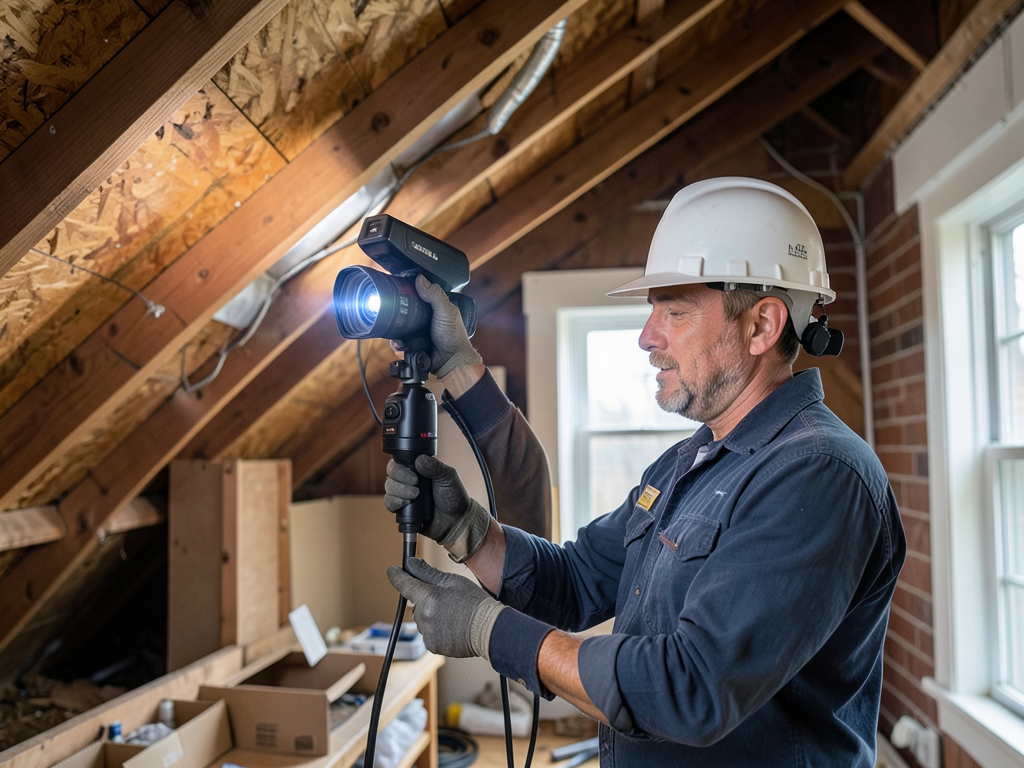
Professional roofers use moisture meters, thermal imaging cameras, and other diagnostic tools to pinpoint leak sources. They can also assess whether your attic insulation meets current Michigan energy codes and recommend improvements.
For ghosting issues, an energy auditor can perform a blower door test to identify air leaks and recommend specific insulation upgrades. They use thermal imaging to show exactly where heat is escaping and ghosting is likely to occur.
Don’t wait until minor issues become major problems. Detroit’s weather can turn a small leak into thousands of dollars in damage within a single storm season.
Frequently Asked Questions
Can ghosting stains be cleaned or painted over?
Ghosting stains can be cleaned with specialized ceiling cleaning solutions, but painting over them without addressing the underlying cause will only provide temporary results. The stains will return as long as cold spots and particle sources exist.
How long does it take for ghosting to develop?
Ghosting develops gradually over months or years. You might not notice it until the streaks become pronounced enough to be visible. The process accelerates in homes with poor insulation and high indoor particulate levels.
Will improving insulation eliminate ghosting completely?
Improving insulation to current Michigan standards (R-49 to R-60) will typically eliminate ghosting by eliminating the cold spots where particles settle. However, you may need to clean the existing stains first, as insulation won’t remove existing particle buildup.
Are certain ceiling types more prone to ghosting?
Textured ceilings like popcorn texture show ghosting more prominently than smooth ceilings because the texture provides more surface area for particles to adhere. However, ghosting can occur on any ceiling type where thermal bridging exists.
Can new construction have ghosting problems?
Yes, even new construction can have ghosting if insulation is inadequate or if there are air leaks. Some builders cut corners on insulation to meet minimum code requirements, which may not be sufficient for Detroit’s climate.

Take Action Before the Next Storm
Don’t let ceiling stains turn into major structural problems. Whether you’re dealing with ghosting or a potential roof leak, early diagnosis saves money and prevents further damage. Our Detroit-based team understands the unique challenges our climate creates and can provide accurate diagnosis and effective solutions.
Call (313) 604-2233 today to schedule your ceiling inspection. We’ll identify the cause of those dark lines and recommend the right fix the first time. Don’t wait until the next Michigan storm makes a small problem much worse.
Pick up the phone and call (313) 604-2233 before the next storm hits. Our experienced technicians will arrive promptly, diagnose the issue accurately, and provide a clear plan to protect your home. Serving LaSalle Gardens and all of Detroit with honest, expert service since 2010. For more information, visit Department of Energy insulation recommendations.
{
“@context”: “https://schema.org”,
“@type”: “BlogPosting”,
“headline”: “Why You See Dark Lines on Your LaSalle Gardens Ceiling (Is it a Leak or Ghosting?)”,
“description”: “Discover if those dark ceiling lines in your LaSalle Gardens home are roof leaks or ghosting. Learn the diagnostic differences, causes, and solutions specific to Detroit’s climate.”,
“wordCount”: 1845,
“datePublished”: “2026-06-12T06:11:00.000Z”,
“dateModified”: “2026-06-12T06:11:00.000Z”,
“inLanguage”: “en-US”,
“mainEntityOfPage”: {
“@type”: “WebPage”,
“@id”: “https://peakroofingdetroit.com”
},
“publisher”: {
“@type”: “LocalBusiness”,
“name”: “Peak Roofing Detroit”,
“url”: “https://peakroofingdetroit.com”
},
“author”: {
“@type”: “Organization”,
“name”: “Peak Roofing Detroit”,
“url”: “https://peakroofingdetroit.com”
},
“image”: {
“@type”: “ImageObject”,
“url”: “https://peakroofingdetroit.com/wp-content/uploads/2026/03/why-you-see-dark-lines-on-your-lasalle-gardens-cei-1.png”
}
}
{
“@context”: “https://schema.org”,
“@type”: “RoofingContractor”,
“name”: “Peak Roofing Detroit”,
“url”: “https://peakroofingdetroit.com”,
“address”: {
“@type”: “PostalAddress”,
“addressLocality”: “Detroit”
},
“areaServed”: {
“@type”: “City”,
“name”: “Detroit”
}
}
{
“@context”: “https://schema.org”,
“@type”: “FAQPage”,
“mainEntity”: [
{
“@type”: “Question”,
“name”: “Diagnostic Checklist: Is it a Leak or Ghosting?”,
“acceptedAnswer”: {
“@type”: “Answer”,
“text”: “Use this checklist to help identify your ceiling issue:”
}
},
{
“@type”: “Question”,
“name”: “Can ghosting stains be cleaned or painted over?”,
“acceptedAnswer”: {
“@type”: “Answer”,
“text”: “Ghosting stains can be cleaned with specialized ceiling cleaning solutions, but painting over them without addressing the underlying cause will only provide temporary results. The stains will return as long as cold spots and particle sources exist.”
}
},
{
“@type”: “Question”,
“name”: “How long does it take for ghosting to develop?”,
“acceptedAnswer”: {
“@type”: “Answer”,
“text”: “Ghosting develops gradually over months or years. You might not notice it until the streaks become pronounced enough to be visible. The process accelerates in homes with poor insulation and high indoor particulate levels.”
}
},
{
“@type”: “Question”,
“name”: “Are certain ceiling types more prone to ghosting?”,
“acceptedAnswer”: {
“@type”: “Answer”,
“text”: “Textured ceilings like popcorn texture show ghosting more prominently than smooth ceilings because the texture provides more surface area for particles to adhere. However, ghosting can occur on any ceiling type where thermal bridging exists.”
}
},
{
“@type”: “Question”,
“name”: “Can new construction have ghosting problems?”,
“acceptedAnswer”: {
“@type”: “Answer”,
“text”: “Yes, even new construction can have ghosting if insulation is inadequate or if there are air leaks. Some builders cut corners on insulation to meet minimum code requirements, which may not be sufficient for Detroit’s climate.”
}
}
]
}
{
“@context”: “https://schema.org”,
“@type”: “BreadcrumbList”,
“itemListElement”: [
{
“@type”: “ListItem”,
“position”: 1,
“name”: “Home”,
“item”: “https://peakroofingdetroit.com”
},
{
“@type”: “ListItem”,
“position”: 2,
“name”: “Blog”,
“item”: “https://peakroofingdetroit.com/blog”
},
{
“@type”: “ListItem”,
“position”: 3,
“name”: “Why You See Dark Lines on Your LaSalle Gardens Ceiling (Is it a Leak or Ghosting?)”
}
]
}
{
“@context”: “https://schema.org”,
“@type”: “Service”,
“serviceType”: “Roofing”,
“provider”: {
“@type”: “LocalBusiness”,
“name”: “Peak Roofing Detroit”,
“url”: “https://peakroofingdetroit.com”
},
“areaServed”: {
“@type”: “City”,
“name”: “Detroit”
},
“description”: “Discover if those dark ceiling lines in your LaSalle Gardens home are roof leaks or ghosting. Learn the diagnostic differences, causes, and solutions specific to Detroit’s climate.”
}