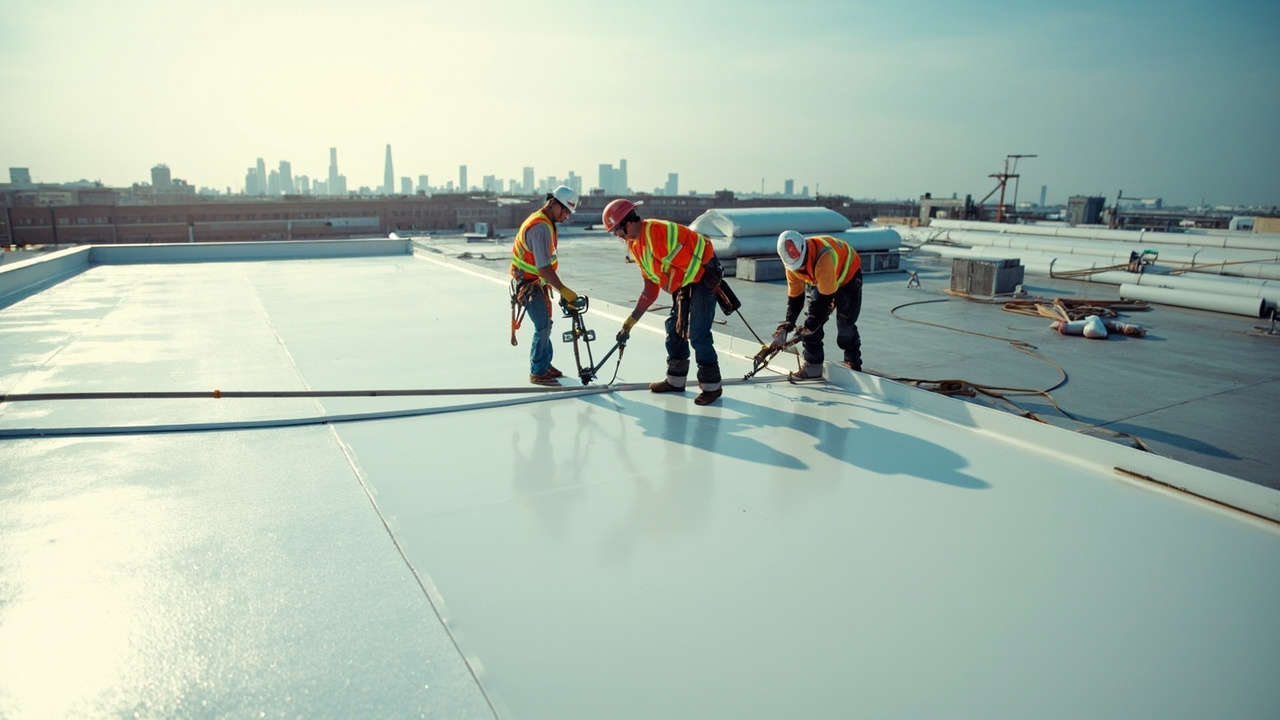
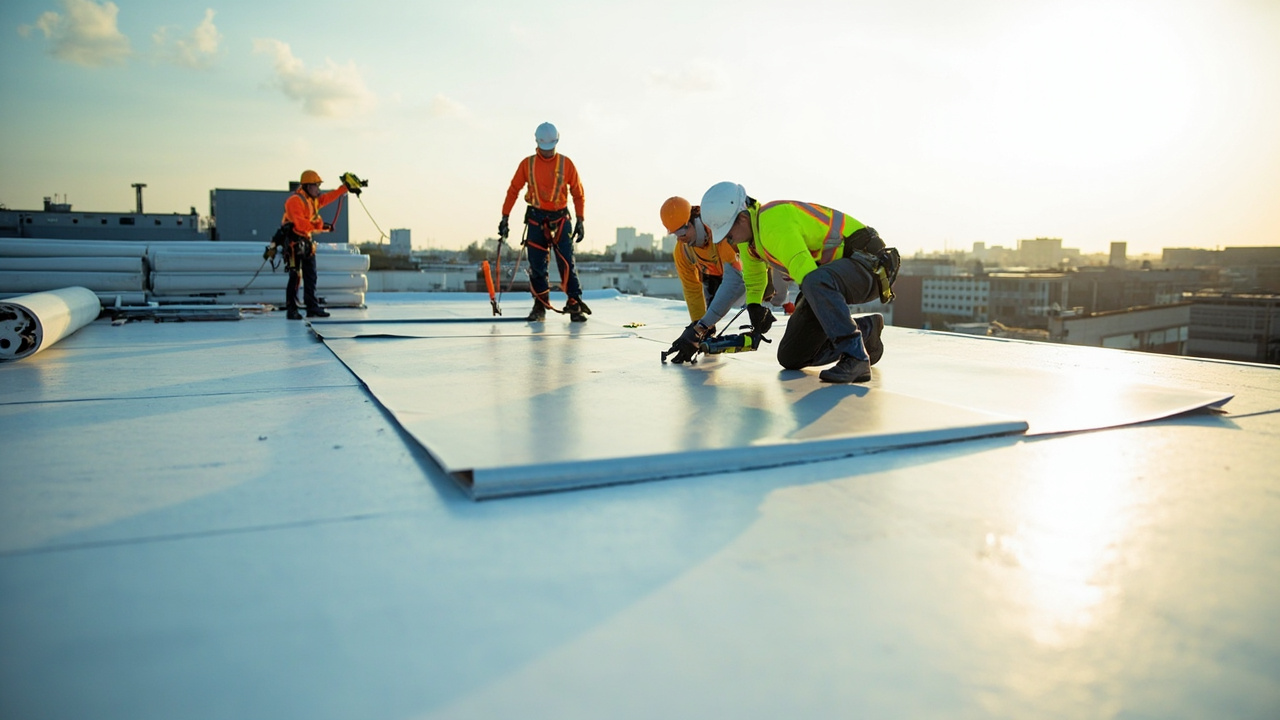
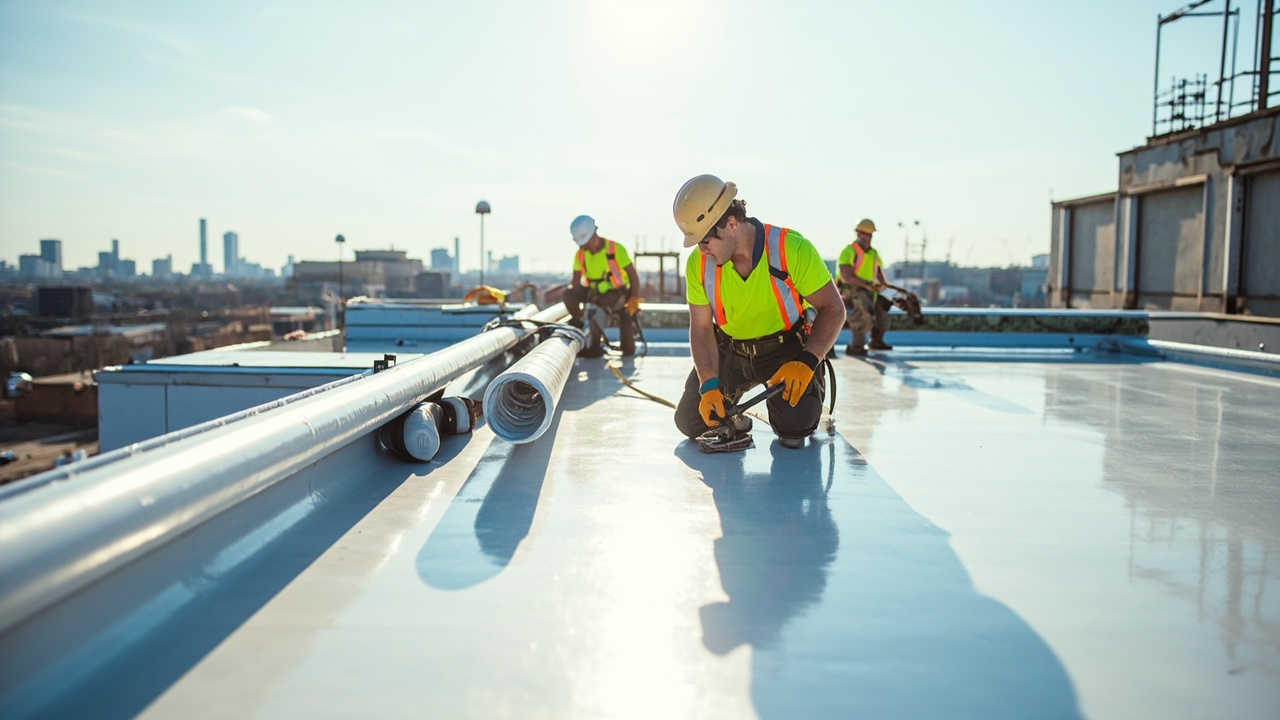
Detroit experiences temperature swings exceeding 100 degrees between summer highs and winter lows. This expansion and contraction cycle stresses commercial roofing membranes more than climates with moderate temperatures. The city's location on the Detroit River creates high humidity that promotes condensation inside buildings with inadequate vapor barriers. Industrial facilities generate internal moisture from manufacturing processes, creating conditions where improper insulation leads to structural rot. Commercial roofing companies serving Detroit must understand these climate-specific challenges and specify systems that handle thermal movement and moisture control. Many national contractors use specifications developed for different climates that fail prematurely in Michigan's conditions.
Detroit's Building Safety Engineering and Environmental Department enforces commercial building codes specific to the city's needs. Industrial roofing contractors working in Detroit need familiarity with local permit requirements and inspection procedures that differ from surrounding municipalities. The city's commercial districts include historic buildings requiring preservation board approval for exterior modifications. We maintain relationships with local inspectors and understand Detroit's interpretation of Michigan's building code amendments. Commercial roof installers from outside the region often encounter delays because they lack this local knowledge, extending your project timeline and potentially violating lease requirements or loan covenants tied to project completion dates.