menu

Commercial Roof Replacement in Detroit | Minimize Downtime, Maximize ROI

Peak Roofing Detroit delivers industrial-grade commercial roof replacement engineered for Detroit's freeze-thaw cycles and heavy snow loads, with phased installation schedules that keep your operations running while we work.

Slider Image 1
Slider Image 2
Slider Image 3
Slider Image 4
Slider Image 5
Slider Image 7
Slider Image 8
Slider Image 9
Slider Image 10
Slider Image 11

Detroit's Climate Accelerates Commercial Roof Failure

Detroit's freeze-thaw cycles destroy commercial roofing systems faster than most business owners realize. When temperatures swing from 15°F in January to 85°F in July, your flat roof membrane expands and contracts repeatedly. This constant movement cracks seams, splits EPDM rubber, and creates entry points for water infiltration. Add 33 inches of annual snowfall and ice dams that pool water on flat surfaces, and you have a recipe for premature system failure.

The older industrial buildings in neighborhoods like Corktown and Eastern Market were built with tar and gravel roofs designed for a 20-year lifespan. Most are decades past that threshold. When these roofs fail, they do not just leak. They compromise inventory, damage equipment, and force operational shutdowns that cost you revenue every hour.

Commercial roof replacement is not optional maintenance in Detroit. It is risk management. A failed roof means water damage to your product, mold growth that violates health codes, and structural deterioration that compounds repair costs exponentially. Industrial facilities along the Detroit River face additional humidity exposure that accelerates membrane degradation.

The cost of reactive emergency repairs exceeds proactive commercial reroofing by 300 to 400 percent when you factor in lost productivity, emergency service premiums, and secondary damage. Peak Roofing Detroit handles commercial building roof replacement for warehouses, manufacturing facilities, and retail centers throughout the metro area. We engineer solutions for Detroit's specific weather patterns, not generic installations that fail within five years.

Detroit's Climate Accelerates Commercial Roof Failure
Our Commercial Roof Installation Methodology

Our Commercial Roof Installation Methodology

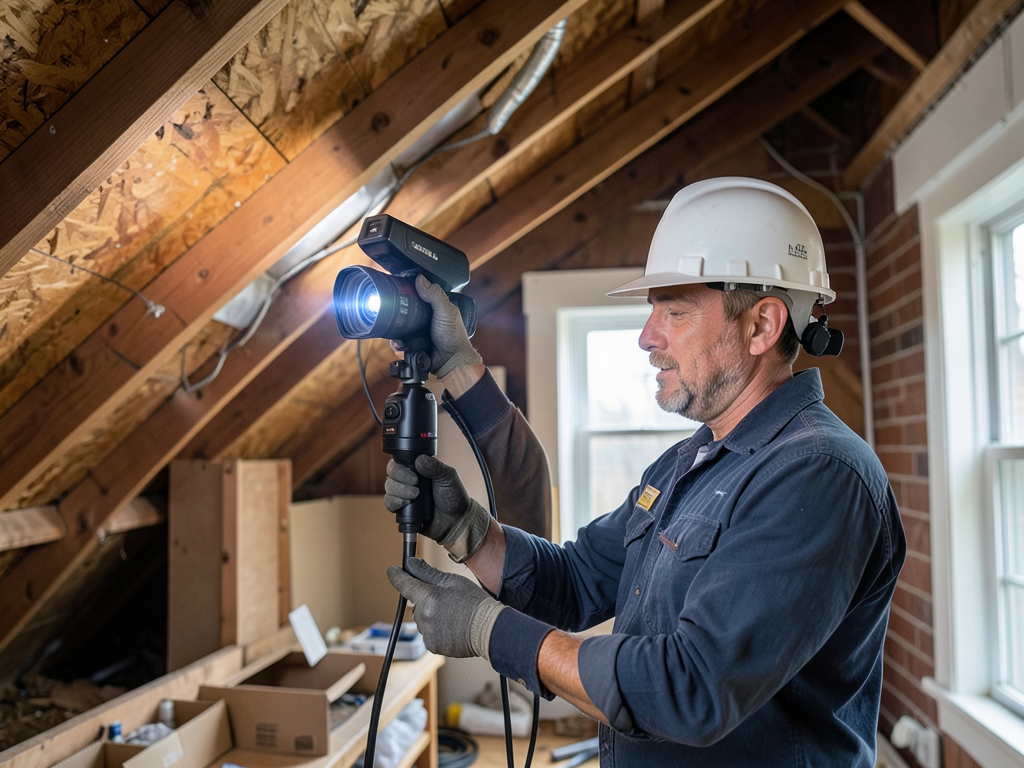
Peak Roofing Detroit approaches industrial roof replacement as a systems integration project, not a simple tear-off and replacement. We start with infrared thermography to identify wet insulation and compromised decking hidden beneath your existing membrane. This diagnostic step prevents the common mistake of installing a new roof over rotted substrate, which guarantees premature failure.

Your facility requires a roof system matched to your specific load requirements, drainage patterns, and HVAC penetrations. We analyze your building's structural capacity before specifying materials. A warehouse storing light inventory can use a single-ply TPO membrane. A manufacturing plant with heavy rooftop equipment needs a fully adhered PVC system with reinforced attachment at mechanical curbs.

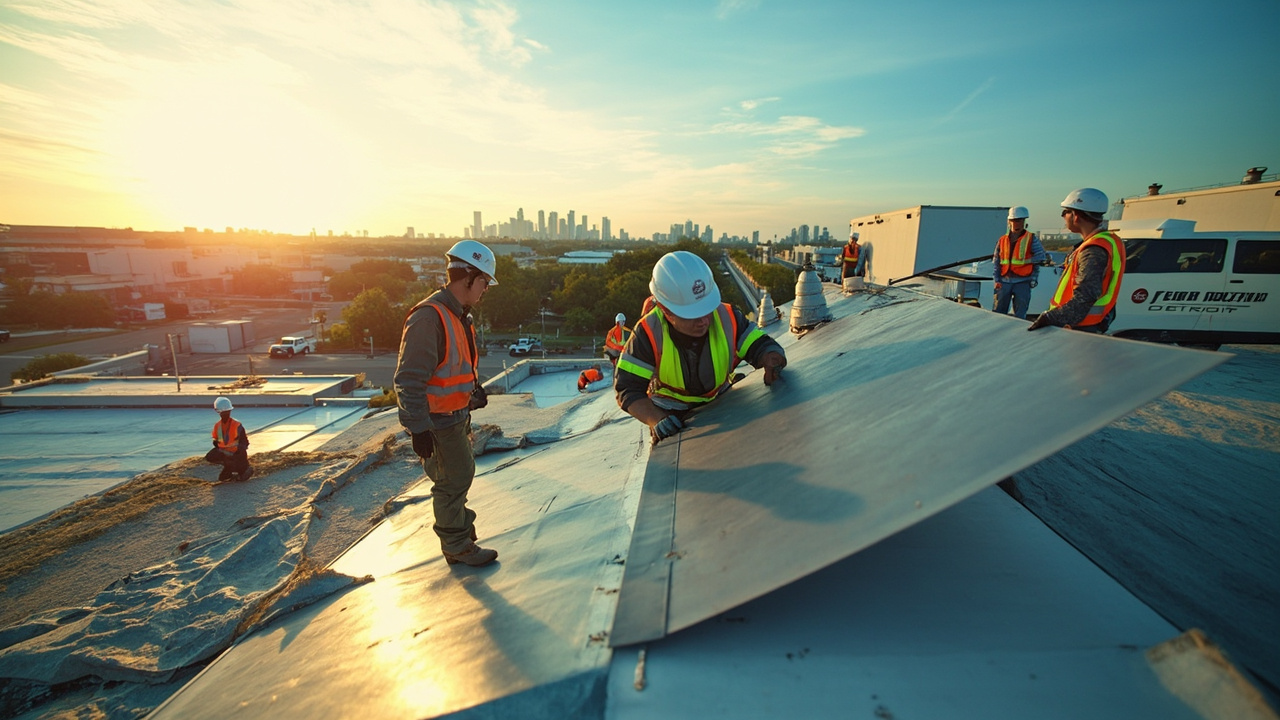
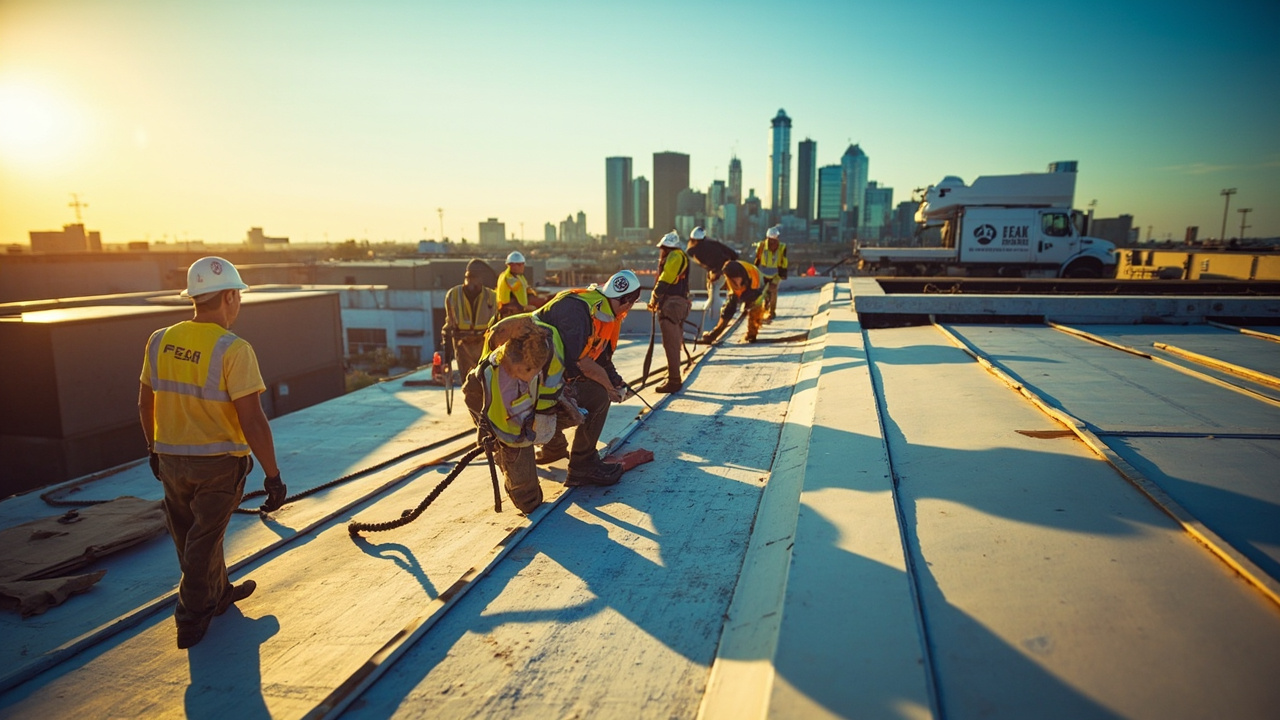
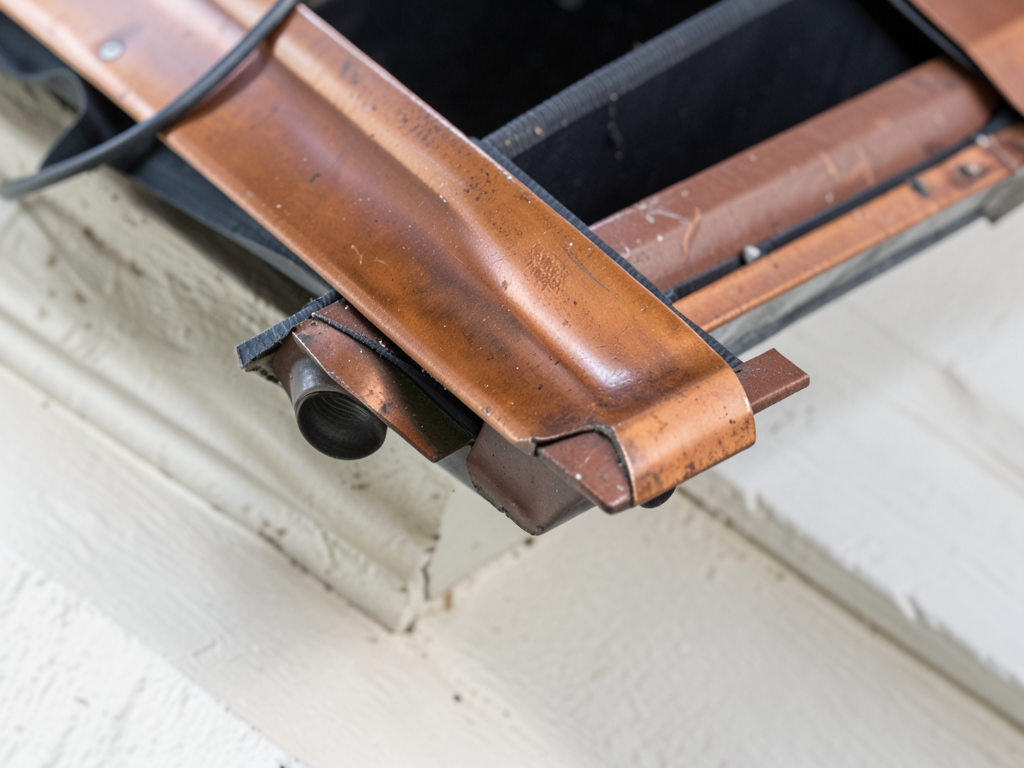
We phase commercial roof installation to maintain your operations. For facilities that cannot shut down, we work in sections with temporary weather protection. Our crews install new drains with integrated overflow scuppers to handle Detroit's heavy spring rains. We detail every HVAC curb, skylight, and pipe penetration with heat-welded seams that eliminate the leak points that plague mechanically fastened systems.

Commercial reroofing includes upgrading your insulation to current energy codes. Detroit's cold winters demand R-30 minimum insulation values to prevent condensation and ice damming. We install tapered insulation systems that create positive drainage to roof drains, eliminating the ponding water that degrades membranes and breeds mosquitoes during summer months.

Every commercial building roof replacement includes a waterproofing test before final inspection. We flood-test drain assemblies and use electronic leak detection on all seams. You receive as-built drawings showing every penetration, drain location, and membrane overlap for future maintenance planning.

How Commercial Roof Replacement Progresses

Commercial Roof Replacement in Detroit | Minimize Downtime, Maximize ROI
01

Building Assessment and Planning

We conduct a structural load analysis and moisture survey using infrared scanning to map wet insulation. Your facility manager receives a conditions report with remaining service life projections and a phased replacement schedule that aligns with your operational calendar. We coordinate with your insurance adjuster if storm damage triggered the replacement need, documenting pre-existing conditions versus acute damage.
02

Tear-Off and Installation

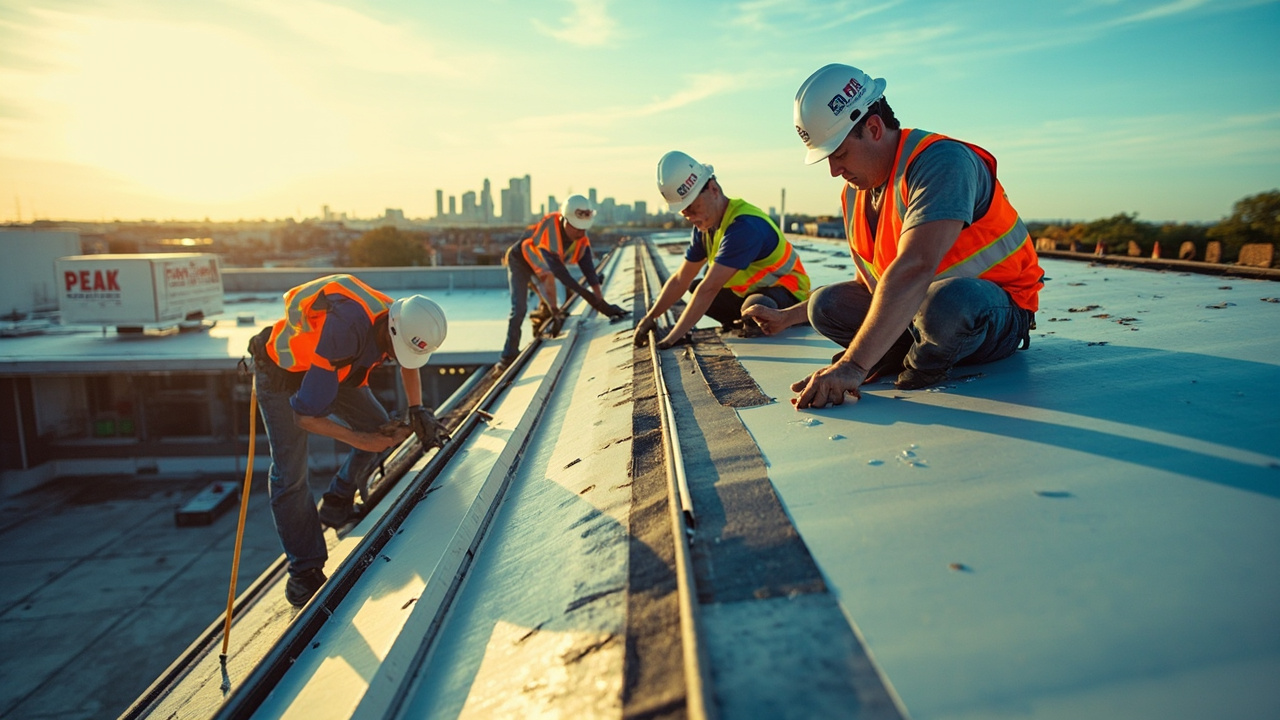
Our crews remove existing roofing in sections, protecting your interior with temporary tarps and containment barriers. We replace damaged decking and install new tapered insulation before laying the membrane. All penetrations get custom-fabricated metal flashings, and we heat-weld every seam for watertight integrity. Rooftop equipment gets re-curbed to proper height with vibration isolation pads that prevent fastener loosening.
03

Testing and Documentation

We perform flood testing on all drains and electronic leak detection on seam welds before the final inspection. You receive a complete operations and maintenance manual with warranty documentation, recommended inspection schedules, and emergency contact protocols. Peak Roofing Detroit provides annual inspections to catch minor issues before they escalate into costly damage, protecting your investment and maintaining warranty compliance.

Why Detroit Facility Managers Choose Peak Roofing Detroit

Commercial roof replacement requires a contractor who understands Detroit's building stock and regulatory environment. Peak Roofing Detroit has reroofed industrial facilities throughout the city, from renovated auto plants in New Center to cold storage warehouses in Southwest Detroit. We know which buildings have structural steel that requires specific attachment methods and which have wood decking that needs moisture barrier upgrades.

Detroit's building department requires permits for commercial reroofing projects over 100 squares. We handle all permitting, including structural calculations when adding insulation increases dead load. Our estimators account for disposal costs at local landfills and the logistics of material delivery to urban sites with limited staging areas. These details matter when you are managing a budget and cannot afford change orders.

We maintain relationships with the major roofing membrane manufacturers, which gives you access to extended warranty options that independent contractors cannot offer. A Firestone or GAF system warranty protects your investment for 20 years, covering materials and labor. Peak Roofing Detroit remains your service provider throughout that warranty period, performing required inspections and addressing any installation defects at no charge.

Your facility operates year-round, and Detroit weather does not pause for construction. We monitor weather windows and mobilize crews when conditions allow safe installation. Winter installations are possible with heated enclosures for sections requiring heat-welded seams. Our project managers communicate daily with your facility team, coordinating access for material deliveries and adjusting work schedules around your production requirements.

Industrial roof replacement projects generate debris and noise. We contain tear-off materials in dump trailers positioned for immediate loading, keeping your site clean and safe. Roof penetrations stay sealed overnight with temporary weather protection, eliminating water intrusion risk between work shifts.

What Your Commercial Roof Replacement Includes

Project Timeline and Phasing

A typical 50,000 square foot commercial roof replacement takes three to six weeks depending on weather and complexity. Peak Roofing Detroit schedules work in phases that minimize disruption to your operations. We provide a detailed critical path schedule showing daily activities, material deliveries, and inspection milestones. For facilities that cannot tolerate any downtime, we offer weekend and night shift installation at predetermined rates. You receive daily progress reports with photo documentation and any field condition changes that affect timeline or budget.

Pre-Installation Inspection and Engineering

Our estimators physically access your roof to document existing conditions, not generate quotes from satellite imagery. We pull core samples to verify deck composition and insulation type. If your building has structural limitations, we bring in a licensed engineer to evaluate load capacity before specifying materials. The inspection report identifies code compliance gaps, such as inadequate edge securement or missing fire barriers at parapet walls. You receive a written scope of work detailing every component being replaced, from membrane to metal flashings to drain assemblies.

Installation Quality and Standards

Peak Roofing Detroit installs commercial roofing systems according to manufacturer specifications, not field-expedient shortcuts. Every seam gets heat-welded with overlaps verified by a seam probe test. We install two-part polyurethane sealant at all metal counter-flashings and termination bars. Rooftop equipment curbs receive fully welded boots, not mastic-sealed flashings that fail within two years. Our foremen are factory-certified installers for the major membrane manufacturers, which is required to activate extended system warranties. You receive third-party inspection reports confirming code compliance before final payment.

Warranty Coverage and Maintenance

Commercial roof replacement includes a minimum two-year labor warranty from Peak Roofing Detroit covering installation defects. Material warranties range from 10 to 30 years depending on the membrane system you select. We offer annual maintenance agreements that include spring and fall inspections, drain cleaning, and minor repairs. Regular maintenance is required to maintain warranty coverage and extends roof service life by addressing small issues before they become leaks. Your facility manager receives a detailed inspection report after each visit with photos of any concerns and recommended actions.

Frequently Asked Questions

You Have Questions,
We Have Answers

What is the 25% rule in roofing? +

The 25% rule is an IRS guideline stating that if roof repairs exceed 25% of the adjusted basis of your commercial building, the project may be classified as a capital improvement rather than a repair expense. This affects tax treatment. Repairs are deductible immediately, while capital improvements must be depreciated over 39 years for commercial properties. Detroit business owners should consult with a tax professional before major roof work. If your project involves replacing more than a quarter of the roof system or structural components, expect different accounting treatment. Proper documentation matters for IRS compliance.

How much should a 2000 sq foot roof cost? +

This question applies to residential properties, not commercial buildings. Commercial roof replacement costs are calculated per square foot based on roofing system type, not total building square footage. A 2000 square foot commercial flat roof in Detroit typically ranges differently than residential structures due to membrane systems, insulation requirements, and commercial-grade materials. TPO, EPDM, or modified bitumen systems dominate Detroit commercial applications. Factors include roof accessibility, existing damage from freeze-thaw cycles, business downtime costs, and local code compliance. Request a professional assessment to determine actual replacement costs for your commercial property.

Does commercial insurance cover roof replacement? +

Commercial insurance may cover roof replacement if damage results from a covered peril like storm damage, fire, or vandalism. Standard commercial property policies do not cover replacement due to normal wear, poor maintenance, or age-related deterioration. Detroit businesses face harsh winter conditions that accelerate roof aging. Insurance typically covers sudden, accidental damage only. If your roof fails from lack of maintenance or reaches its service life, expect to pay out of pocket. Document all maintenance records and address repairs promptly to support future claims. Review your policy's exclusions and deductibles carefully.

How to replace a commercial roof? +

Commercial roof replacement requires professional expertise and starts with a structural assessment to evaluate decking integrity and load capacity. The process includes removing the existing membrane or system, inspecting and repairing substrate damage, installing new insulation if needed, applying the new roofing membrane (TPO, EPDM, or built-up systems are common in Detroit), and installing proper flashing and drainage components. Work must comply with Michigan building codes and accommodate Detroit's freeze-thaw cycles. Minimize business disruption by scheduling strategically. Hire licensed commercial roofing contractors experienced with flat and low-slope systems common to Detroit commercial buildings.

How to tell if a roofer is lying? +

A dishonest roofer often pressures immediate decisions, requests full payment upfront, or lacks proper licensing and insurance documentation. Red flags include vague contracts without material specifications, reluctance to provide references from Detroit-area commercial clients, or claims that roof damage requires immediate replacement without proper assessment. Legitimate contractors provide detailed proposals, explain membrane options, and reference local code requirements. Verify their commercial roofing experience, check references, and confirm they understand Michigan building codes. If a roofer discourages getting multiple estimates or cannot explain technical aspects clearly, walk away. Trust your instincts.

How old may a roof be before insurance claims it's too old? +

Most commercial insurance carriers scrutinize roofs older than 20 years and may deny claims or require higher premiums. Some insurers refuse coverage for roofs over 15 years without recent professional inspections or documented maintenance. Detroit's harsh winters accelerate aging, making this threshold critical. Policies vary by carrier and roof type. Modified bitumen and EPDM systems typically last 20-25 years, while TPO lasts 15-20 years. Insurance companies want proof of proper maintenance and may require replacement before policy renewal. Review your policy annually and maintain detailed maintenance records to avoid coverage denial.

Is $30,000 too much for a roof? +

For commercial properties, this question lacks context without knowing building size and roofing system type. A 10,000 square foot commercial building with a TPO membrane system could reasonably cost this amount in Detroit, while a smaller structure would not. Commercial roof replacement pricing depends on membrane choice, insulation upgrades, substrate repairs, and compliance with current Michigan energy codes. Factor in business downtime costs and potential HVAC tie-ins. The number alone means nothing without scope details. Obtain multiple detailed proposals from experienced commercial contractors. Focus on ROI, system longevity, and warranty coverage rather than initial price alone.

What is the most expensive part of replacing a roof? +

Labor represents the most expensive component of commercial roof replacement, typically 40-60% of total project costs. Skilled commercial roofers command higher wages than residential crews due to technical complexity and safety requirements. Material costs follow closely, particularly for premium membrane systems and insulation upgrades required by Michigan energy codes. In Detroit, substrate repairs from freeze-thaw damage or water infiltration add significant expenses. Tear-off and disposal of existing roofing materials increase costs substantially. Specialized equipment rental for large commercial projects and compliance with OSHA requirements also contribute. Proper installation matters more than materials for long-term performance.

What time of year is the cheapest to replace a roof? +

Late summer through early fall offers the best value for commercial roof replacement in Detroit. September and October provide optimal weather conditions before winter while avoiding peak spring demand. Contractors offer competitive pricing during slower periods. Avoid winter due to extreme cold affecting membrane adhesion and worker productivity. Spring sees high demand and premium pricing as businesses address winter damage. Summer heat can complicate certain installations. Detroit's unpredictable weather requires flexibility. Schedule during moderate temperatures for optimal material performance and curing. Plan ahead to secure favorable pricing and minimize business disruption during slower operational periods.

Is a commercial roof replacement tax deductible? +

Commercial roof replacement tax treatment depends on classification. Complete replacement typically qualifies as a capital improvement, depreciated over 39 years under IRS guidelines. However, if replacement occurs due to sudden damage (storm, fire) and insurance covers costs, different rules apply. Repairs affecting less than 25% may qualify as deductible maintenance expenses. Detroit business owners should consult tax professionals to maximize benefits. The Tax Cuts and Jobs Act allows some immediate expensing through bonus depreciation for qualified improvements. Energy-efficient roofing systems may qualify for additional tax credits. Proper documentation and accounting treatment matter significantly for compliance and financial optimization.

How Detroit's Freeze-Thaw Cycles Impact Commercial Flat Roof Systems

Detroit experiences an average of 43 freeze-thaw cycles per year, a rate that exceeds most Midwest cities and creates unique stress on commercial flat roofing membranes. When daytime temperatures rise above freezing and refreeze overnight, trapped moisture expands within membrane seams and insulation layers. This cyclical expansion cracks older EPDM rubber and separates the heat-welded seams on improperly installed TPO systems. Buildings in industrial corridors near the Detroit River face additional humidity that saturates insulation, creating ice lenses that rupture membranes from below. Commercial building roof replacement in Detroit must account for these thermal dynamics with properly detailed vapor barriers and insulation systems that prevent interstitial condensation.

Detroit's commercial building codes require roof replacement permits for projects exceeding 100 squares, and inspectors enforce current energy code insulation values regardless of existing conditions. Peak Roofing Detroit maintains active permits with the city's Buildings, Safety Engineering, and Environmental Department, and our estimators factor permit costs and inspection schedules into every project timeline. We understand the specific documentation requirements for historic structures in districts like Brush Park and the additional fire-rating requirements for buildings within Detroit's downtown commercial core. Local expertise prevents the permit delays and failed inspections that plague out-of-state contractors unfamiliar with Detroit's regulatory environment.
Roofing Services in The Detroit Area

Our local headquarters are strategically located to efficiently serve all of Detroit and the surrounding areas. We invite you to view our service region and location on the map. As a trusted local contractor, we are never far from your neighborhood and are committed to providing quick, reliable, and convenient service wherever you are within the metropolitan area.

Address:
Peak Roofing Detroit, 19549 Gilmore St, Reseda, CA, 91335

Additional Services We Offer

Our news updates

Latest Articles & News from The Blogs

Why You See Dark Lines on Your LaSalle Gardens Ceiling (Is it a Leak or Ghosting?) Those dark streaks on…

Why You See Dark Lines on Your LaSalle Gardens Ceiling (Is it a Leak or Ghosting?)

Why You See Dark Lines on Your LaSalle Gardens Ceiling (Is it a Leak or Ghosting?) Those dark streaks on…

Restoring the Hidden Box Gutters on a Classic Virginia Park Four-Square

Restoring the Hidden Box Gutters on a Classic Virginia Park Four-Square Box gutters are the hidden lifelines of Detroit’s historic…

How a New Roof Affects Your Homeowners Insurance Premium in Clinton Township

How a New Roof Affects Your Homeowners Insurance Premium in Clinton Township A new roof in Clinton Township can immediately…

Contact Us

Contact Peak Roofing Detroit at (313) 604-2233 for a detailed roof condition assessment and replacement proposal. We provide accurate estimates, not placeholder numbers that balloon during construction. Our project managers are available to walk your roof and discuss phased installation options that match your operational requirements.