menu

Can You Roof Over Existing Shingles in Detroit? – Expert Guidance on Code Compliance and Structural Safety

Making the wrong call on reroofing over existing shingles can void your insurance or cause structural damage. Get the facts on when a shingle overlay works in Detroit and when a full tear-off is required to protect your investment.

Slider Image 1
Slider Image 2
Slider Image 3
Slider Image 4
Slider Image 5
Slider Image 7
Slider Image 8
Slider Image 9
Slider Image 10
Slider Image 11

Why Detroit Homeowners Ask About Installing New Shingles Over Old Ones

You see the curled edges and missing granules on your roof. The estimate for a full tear-off just arrived, and the number makes you wince. Someone told you that reroofing over existing shingles might save thousands. Now you need to know if that shortcut will hold up or come back to haunt you.

Detroit's freeze-thaw cycles punish roofs harder than most climates. Water seeps into cracks, freezes overnight, expands, and creates new damage by morning. This cycle repeats from November through March, year after year. A roof layover might seem like a budget-friendly fix, but if the existing deck has rot or the current shingles are already doubled, you are building on a compromised foundation.

Michigan building code allows a maximum of two layers of asphalt shingles on most residential structures. If your home already has two layers, a full tear-off is not optional. If you have one layer and the decking is sound, adding a second layer of shingles is technically allowed, but it comes with trade-offs you need to understand before you commit.

The weight matters more than most homeowners realize. Each square of asphalt shingles adds roughly 250 pounds to your roof structure. Double that load, and you stress the trusses and decking. In older Detroit homes built before 1950, the framing may not handle the extra weight without reinforcement. You also lose the chance to inspect and repair the roof deck, flashing, and underlayment, which means hidden problems stay hidden until they cause interior damage.

Why Detroit Homeowners Ask About Installing New Shingles Over Old Ones
When a Shingle Overlay Works and When It Does Not

When a Shingle Overlay Works and When It Does Not

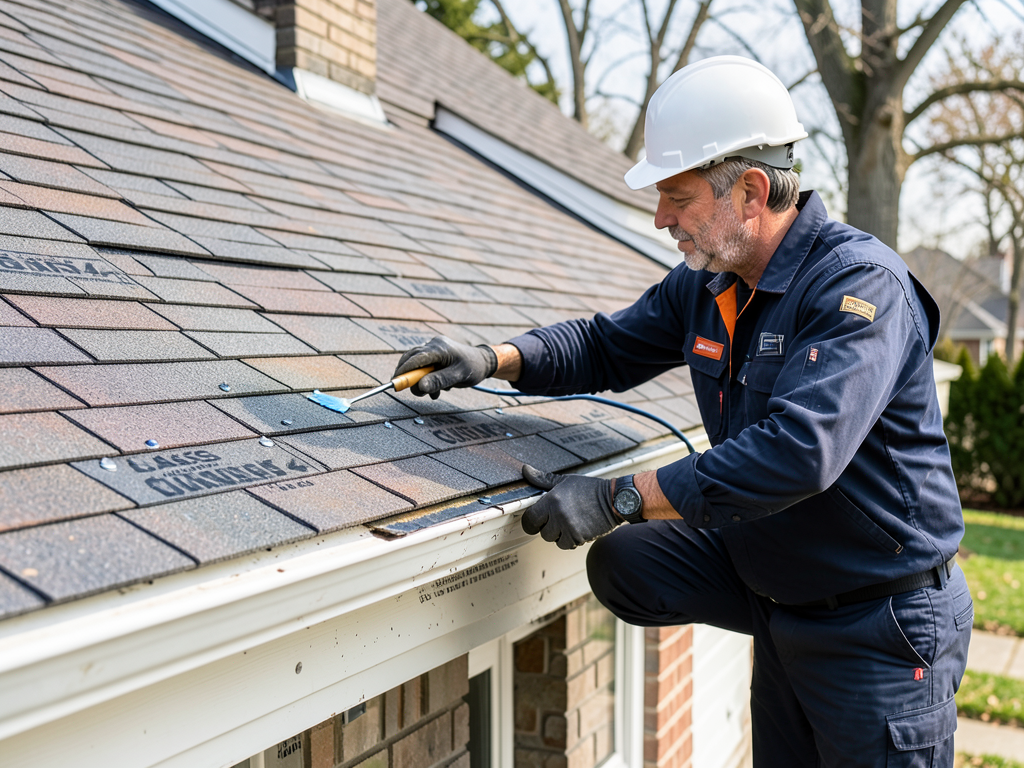
A roof layover makes sense in limited situations. If your current roof is less than 15 years old, still flat and smooth, with no spongy spots when you walk on it, and you have only one layer of shingles, you might be a candidate. The existing shingles must lie flat. If they are cupped, buckled, or curled, the new layer will mirror those imperfections and look terrible within a year.

You cannot overlay if the decking shows any signs of water damage. We see this constantly in Detroit homes near the riverfront or in areas with mature tree cover. Moss, algae, and trapped moisture rot the plywood sheathing from beneath. A shingle overlay hides the rot but does nothing to stop it. Within two years, you will have sagging sections and leaks that cost more to fix than the original tear-off would have.

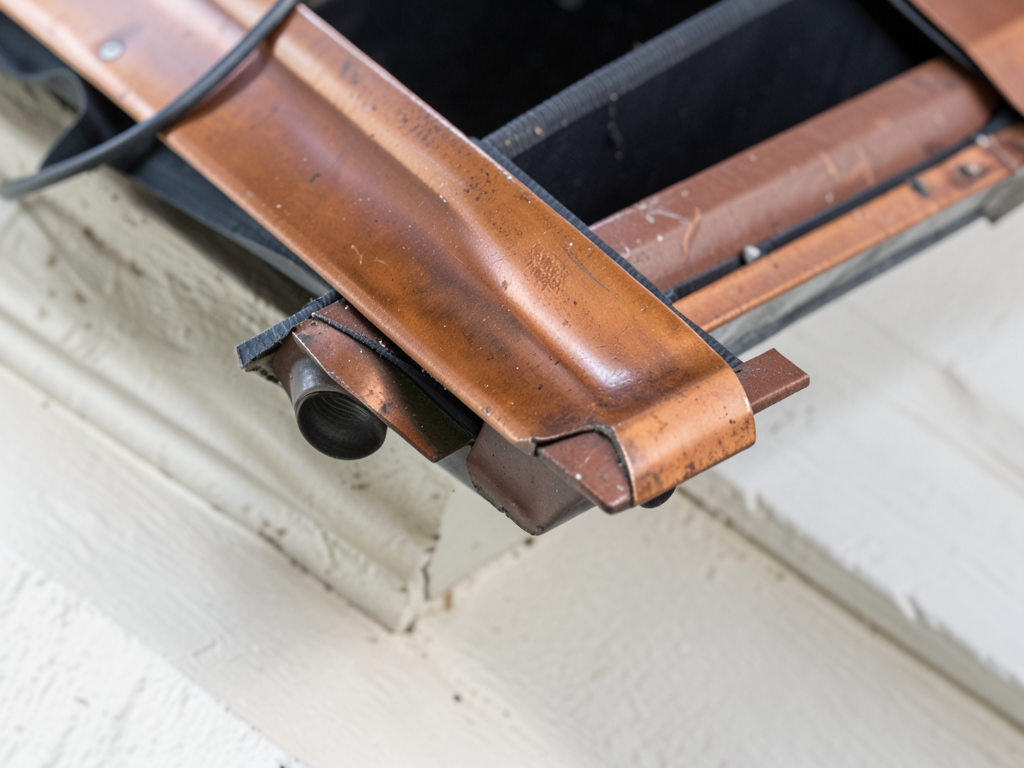
Flashing is another deal-breaker. Proper flashing around chimneys, skylights, and roof-to-wall transitions requires removing the old shingles to install new step flashing and counterflashing. If you overlay, you are stuck with the old flashing, which may already be compromised. Most roof leaks in Detroit trace back to failed flashing, not failed shingles.

Ventilation also suffers with a layover. The new shingles sit higher, which can block soffit vents or ridge vents. Poor attic ventilation leads to ice dams in winter and heat buildup in summer. Both shorten the lifespan of your new shingles and drive up energy bills.

Finally, warranties get complicated. Most shingle manufacturers will honor a warranty on a layover installation, but you forfeit extended coverage options. If a problem arises, the manufacturer may argue that the failure stems from the old roof, not the new shingles, leaving you with no recourse.

How We Evaluate Your Roof for a Layover Decision

Can You Roof Over Existing Shingles in Detroit? – Expert Guidance on Code Compliance and Structural Safety
01

Structural and Deck Inspection

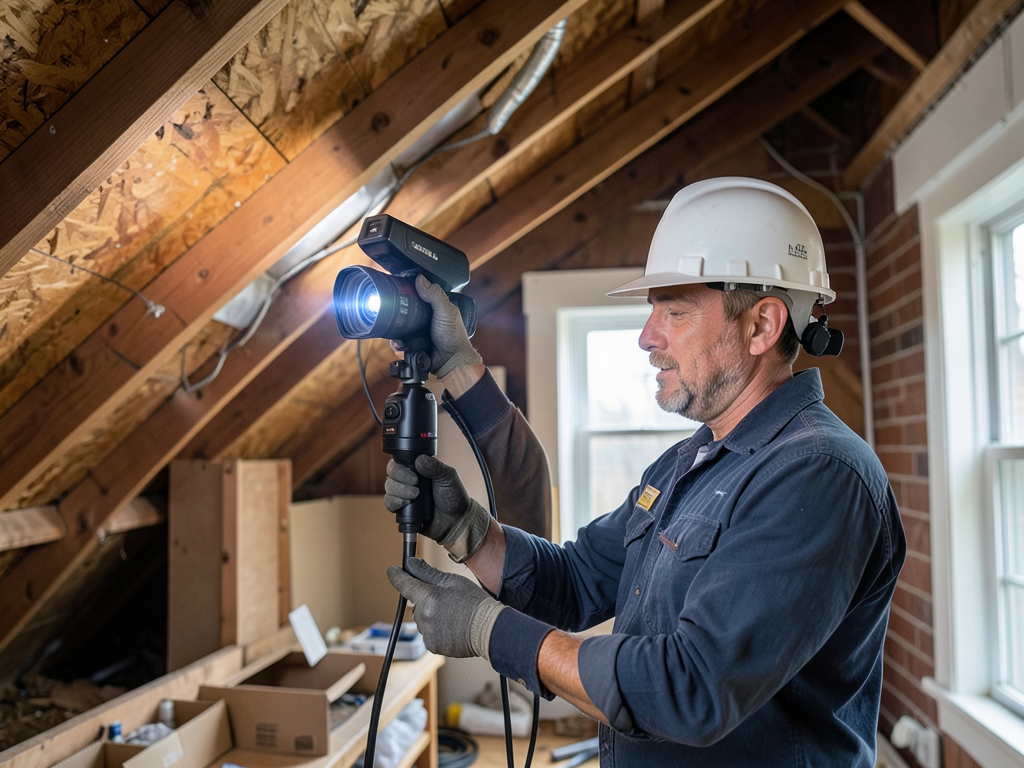
We start by walking your roof to check for soft spots, sagging, or bounce. We probe the decking around penetrations and eaves where rot typically starts. We measure the existing shingle layers and document the roof pitch. Steep roofs handle layovers better than low-slope roofs because water sheds faster. We also inspect attic framing to confirm the structure can support additional weight without reinforcement.
02

Code and Insurance Review

We verify the current layer count and compare it against Michigan residential code limits. We review your homeowner's insurance policy requirements, because some insurers in Detroit will not cover a layover or will charge higher premiums. We check local permit requirements. Some Detroit neighborhoods, especially historic districts, require a tear-off and full inspection before re-roofing. We give you a written compliance summary so you make an informed decision.
03

Written Recommendation and Options

We provide a side-by-side comparison of layover versus tear-off. You get a breakdown of lifespan expectations, warranty differences, and total cost over the next 20 years. If we find deck damage, flashing issues, or ventilation problems, we explain the risks of covering them up. You walk away with clear guidance, not a sales pitch. We do not install layovers when the conditions are wrong, even if it costs us a job.

Why Detroit Homeowners Trust Peak Roofing Detroit for Honest Assessments

We have worked on Detroit roofs for years, from Corktown bungalows to Indian Village Tudors. We know which neighborhoods see the worst ice dam damage and which homes have original 1920s decking that needs reinforcement before any new shingles go on. We do not push layovers to win bids. If your roof needs a tear-off, we tell you why and show you the evidence.

Detroit's housing stock includes a lot of older homes with multiple renovations. You might have asbestos shingles underneath asphalt, or tar paper that has turned to dust. We catch those issues during the inspection. A crew that skips due diligence will install a layover on a roof that should have been stripped, and you will pay for their shortcuts when leaks start.

We also understand Detroit's insurance landscape. After the 2014 hailstorms and the 2021 windstorm that hit the east side, insurers tightened their underwriting. Some will not cover a home with a layover roof, period. Others will cover it but exclude wind and hail damage. We coordinate with your insurance adjuster if you are filing a claim, and we provide documentation that supports your coverage.

Our crews follow Michigan building code to the letter. We pull permits when required, and we install new underlayment, drip edge, and flashing even on layovers where code does not explicitly require it. That extra step costs us more, but it protects you from callback leaks and failed inspections. We have seen too many layover jobs done by fly-by-night crews who skip the flashing and leave the homeowner with a nightmare.

What Happens When You Call Peak Roofing Detroit for a Layover Consultation

Same-Week Roof Assessment

We schedule your inspection within three to five business days. The evaluation takes 45 minutes to an hour. We check the roof surface, attic ventilation, decking condition, and flashing integrity. You get photos of problem areas and a written report the same day. If you need an emergency inspection after storm damage, we prioritize your call and send a crew within 24 hours to prevent further water intrusion while we assess layover viability.

Transparent Cost Breakdown

We provide separate estimates for layover and tear-off so you can compare. The layover estimate includes new underlayment in valleys and along eaves, new flashing where accessible, and ridge vent installation if your attic ventilation is inadequate. The tear-off estimate includes disposal, deck repair, and full flashing replacement. We explain the lifespan difference. A layover typically lasts 15 to 18 years. A tear-off with proper prep lasts 25 to 30 years. You decide which investment makes sense.

Quality Installation Standards

If you choose a layover, we install it correctly. We remove loose or damaged shingles before we start. We cut back shingles around chimneys and skylights to install new step flashing. We install new drip edge over the old to create a clean eave line. We hand-seal every shingle in high-wind zones. We install ridge vents or add ventilation if your attic is running hot. The finished roof looks clean and lies flat. We clean up daily and use tarps to protect landscaping and siding.

Warranty and Maintenance Guidance

We provide the manufacturer's warranty documentation and explain what it covers on a layover installation. We also give you a two-year workmanship warranty that covers installation defects, leaks from flashing errors, and fastener failures. We recommend annual inspections to catch small problems before they become big ones. Detroit winters are hard on roofs, and a yearly check of the flashing and sealant around penetrations can prevent leaks. We offer maintenance plans that include gutter cleaning and minor repairs at a reduced rate for existing customers.

Frequently Asked Questions

You Have Questions,
We Have Answers

Can I put a new roof over old shingles? +

Yes, you can install new shingles over existing ones if you have only one layer, your roof deck is structurally sound, and Detroit building codes allow it. Most local jurisdictions permit up to two total layers. However, this approach hides potential wood rot, ventilation issues, or ice dam damage common in Michigan winters. A full tearoff lets you inspect the decking for freeze-thaw damage and address underlying problems. Overlays add weight, which older Detroit homes with aging trusses may not handle well. Get a professional inspection first to confirm your deck and structure can support the added load.

How to reroof a roof without removing old shingles? +

Start by inspecting the existing shingles for buckling, curling, or moisture damage. Clean the roof surface and repair any loose or damaged shingles. Install new drip edge and underlayment where needed. Lay starter strips along the eaves and rakes, then install new shingles directly over the old ones, aligning courses carefully. In Detroit, pay special attention to ice and water shield around valleys and penetrations, as freeze-thaw cycles cause leaks. Proper flashing around chimneys and vents is critical. This method saves tearoff labor costs but requires a stable, flat surface to work correctly.

Do roofers always remove old shingles? +

No. Some roofers offer overlay installations where codes permit and conditions allow. However, most experienced contractors in Detroit recommend full tearoffs. Removing old shingles lets them inspect the decking for rot, mold, or structural damage caused by ice dams or heavy snow loads. It also ensures proper ventilation and flashing installation. Overlays can void manufacturer warranties and hide problems that worsen over time. Many insurance companies in Michigan also prefer or require full replacements for claims. Professional roofers assess your specific situation and recommend the approach that protects your investment long-term.

Are roof overs a good idea? +

Roof overs work in limited situations but come with trade-offs. They save on labor and disposal costs, making them appealing for budget-conscious Detroit homeowners. However, overlays trap moisture between layers, accelerating rot in Michigan's humid summers and freeze-thaw winters. They add weight to your structure, which older homes may not handle. You cannot inspect the decking for damage, and most manufacturers will not honor warranties on overlay installations. If your roof has one layer and no visible damage, an overlay might work short-term. For long-term protection, a full tearoff remains the better choice.

Is it cheaper to put new shingles over old shingles? +

Yes, overlays typically cost 20 to 25 percent less than full replacements because you skip tearoff labor and landfill fees. In Detroit, disposal costs add up quickly, and labor savings are significant. However, cheaper upfront does not always mean better value. Overlays may last five to ten years less than full replacements, and hidden damage worsens without detection. You also lose the opportunity to upgrade underlayment or improve ventilation. Many insurance companies in Michigan reduce payouts or deny claims on overlay roofs. Factor in long-term costs and resale value before choosing the budget option.

How long will a roof overlay last? +

A roof overlay typically lasts 15 to 20 years, compared to 20 to 30 years for a full replacement with proper installation. Detroit's harsh winters shorten lifespan further. Freeze-thaw cycles, ice dams, and trapped moisture between shingle layers accelerate deterioration. The old shingles underneath continue aging, and their degradation affects the new layer. If the original roof was near the end of its life, the overlay inherits those problems. Proper attic ventilation and regular maintenance extend longevity, but overlays will always underperform compared to tearoff installations. Plan for earlier replacement when budgeting.

Is a roof overlay worth it? +

Overlays offer short-term savings but sacrifice long-term performance. They work best for budget-limited homeowners who need immediate protection and plan to sell within five to ten years. In Detroit, where ice dams and moisture issues are common, overlays hide problems that cost more to fix later. Most manufacturers void warranties on overlay installations, and insurance companies may reduce coverage. If your roof has minor issues and only one existing layer, an overlay might make sense. For homes you plan to keep long-term, invest in a full tearoff to protect your structure and maximize resale value.

How old may a roof be before insurance claims it's too old? +

Most insurance companies in Michigan consider roofs over 20 years old as high-risk and may limit coverage or require inspections before renewing policies. Some insurers will not cover roofs older than 15 years for wind or hail damage, offering only depreciated actual cash value instead of replacement cost. Detroit homeowners with aging roofs should document condition with professional inspections and photos. Overlays can complicate claims, as insurers often question the installation quality and existing damage. If your roof approaches 15 years old, plan for replacement to maintain full coverage and avoid claim denials.

What is the most expensive part of replacing a roof? +

Labor typically represents 40 to 60 percent of total roof replacement costs in Detroit. Skilled crews charge premium rates, and complex roofs with multiple valleys, dormers, or steep pitches increase labor hours. Materials like architectural shingles, underlayment, and flashing add significant expense. Structural repairs to decking damaged by rot or ice dams can double costs quickly. Disposal fees for old materials, especially with multiple layers, also add up. Permits and inspections required by Detroit building codes contribute smaller amounts. Labor remains the biggest variable, which is why overlays save money by eliminating tearoff work.

Is $30,000 too much for a roof? +

For Detroit homes, 30,000 dollars is high but not unreasonable for large or complex roofs. A typical single-family home ranges from 8,000 to 15,000 dollars, but multi-story homes, steep pitches, or premium materials like metal or slate push costs higher. Structural repairs to decking damaged by ice dams or rot add thousands. Multiple chimneys, skylights, and complex flashing increase labor hours. Get three detailed quotes from licensed contractors to compare line items. If quotes seem inflated, ask for breakdowns of materials, labor, and disposal costs. Avoid the lowest bid, as it often signals corner-cutting.

How Detroit's Freeze-Thaw Cycles Impact Reroofing Over Existing Shingles

Detroit sits in a climate zone that experiences 80 to 100 freeze-thaw cycles each winter. Water penetrates small cracks in shingles, freezes overnight when temperatures drop into the teens, and expands. By morning, the crack is wider. This cycle repeats daily from late November through early March. When you install new shingles over old ones, any water trapped between the layers has nowhere to go. It freezes, expands, and lifts the new shingles from beneath. This creates humps and buckles that compromise the waterproof seal. Homes near the Detroit River or on the north side of the city, where temperatures stay colder longer, see accelerated damage from trapped moisture.

Detroit's building department requires permits for most roofing work, and inspectors pay close attention to layover installations. They check for proper ventilation, flashing integration, and compliance with the two-layer limit. In neighborhoods like Woodbridge and Palmer Woods, historic district guidelines may prohibit layovers entirely to maintain architectural integrity. We pull permits and coordinate inspections so you do not face fines or forced removal. Our crews know the inspectors and understand what they look for. We also work with Detroit-based suppliers who stock materials that meet local wind and snow load requirements, which matter more here than in milder climates.
Roofing Services in The Detroit Area

Our local headquarters are strategically located to efficiently serve all of Detroit and the surrounding areas. We invite you to view our service region and location on the map. As a trusted local contractor, we are never far from your neighborhood and are committed to providing quick, reliable, and convenient service wherever you are within the metropolitan area.

Address:
Peak Roofing Detroit, 19549 Gilmore St, Reseda, CA, 91335

Additional Services We Offer

Our news updates

Latest Articles & News from The Blogs

Why You See Dark Lines on Your LaSalle Gardens Ceiling (Is it a Leak or Ghosting?) Those dark streaks on…

Why You See Dark Lines on Your LaSalle Gardens Ceiling (Is it a Leak or Ghosting?)

Why You See Dark Lines on Your LaSalle Gardens Ceiling (Is it a Leak or Ghosting?) Those dark streaks on…

Restoring the Hidden Box Gutters on a Classic Virginia Park Four-Square

Restoring the Hidden Box Gutters on a Classic Virginia Park Four-Square Box gutters are the hidden lifelines of Detroit’s historic…

How a New Roof Affects Your Homeowners Insurance Premium in Clinton Township

How a New Roof Affects Your Homeowners Insurance Premium in Clinton Township A new roof in Clinton Township can immediately…

Contact Us

Do not guess about your roof's condition. Call Peak Roofing Detroit at (313) 604-2233 for an honest assessment. We will tell you if a layover works or if you need a tear-off to protect your home. You get a written report and clear pricing within 48 hours.