menu

Roof Inspection Checklist Detroit | Complete Residential Assessment Tools and Guides

Get a professional roof inspection checklist designed for Detroit's freeze-thaw cycles and weather extremes, with downloadable templates and maintenance guides to protect your investment year-round.

Slider Image 1
Slider Image 2
Slider Image 3
Slider Image 4
Slider Image 5
Slider Image 7
Slider Image 8
Slider Image 9
Slider Image 10
Slider Image 11

Why Detroit Homeowners Need a Structured Roof Assessment Form

Detroit roofs face relentless punishment. Winter freeze-thaw cycles crack shingles and open seams. Spring storms hammer aging materials. Summer heat bakes tar and sealants until they fail. You need a roof maintenance checklist that accounts for these specific threats.

Most homeowners wait until they see water stains on the ceiling. By then, damage has already spread into decking and insulation. A proper roofing inspection template catches problems early, when repairs cost hundreds instead of thousands.

Detroit's older housing stock adds another layer of risk. Historic neighborhoods in Corktown and Indian Village feature steep pitches and complex valleys. Newer subdivisions in Redford and Livonia often use architectural shingles that hide deterioration. Without a residential roof inspection guide, you miss the warning signs until catastrophic failure occurs.

The average Detroit roof lasts 15 to 20 years, but environmental stress accelerates wear. Ice dams form along eaves when snow melts and refreezes. Wind-driven rain penetrates worn flashing around chimneys and vents. A roof check sheet helps you document these vulnerable points and track deterioration over time.

Property maintenance companies and landlords managing multiple buildings need standardized roof assessment forms to schedule repairs and budget for replacements. Homeowners benefit from the same systematic approach. Regular inspections extend roof life and preserve property value in Detroit's competitive real estate market.

Why Detroit Homeowners Need a Structured Roof Assessment Form
Components of a Professional Roof Inspection Template

Components of a Professional Roof Inspection Template

A comprehensive roofing inspection template goes beyond visual checks. It documents specific conditions that affect roof performance and longevity in Detroit's climate.

Start with structural assessment. Check for sagging between rafters, which indicates deck failure. Document ridge lines for deviation, a sign of truss damage or foundation settlement common in older Detroit homes. Measure overhang integrity and fascia attachment, especially after winter ice buildup.

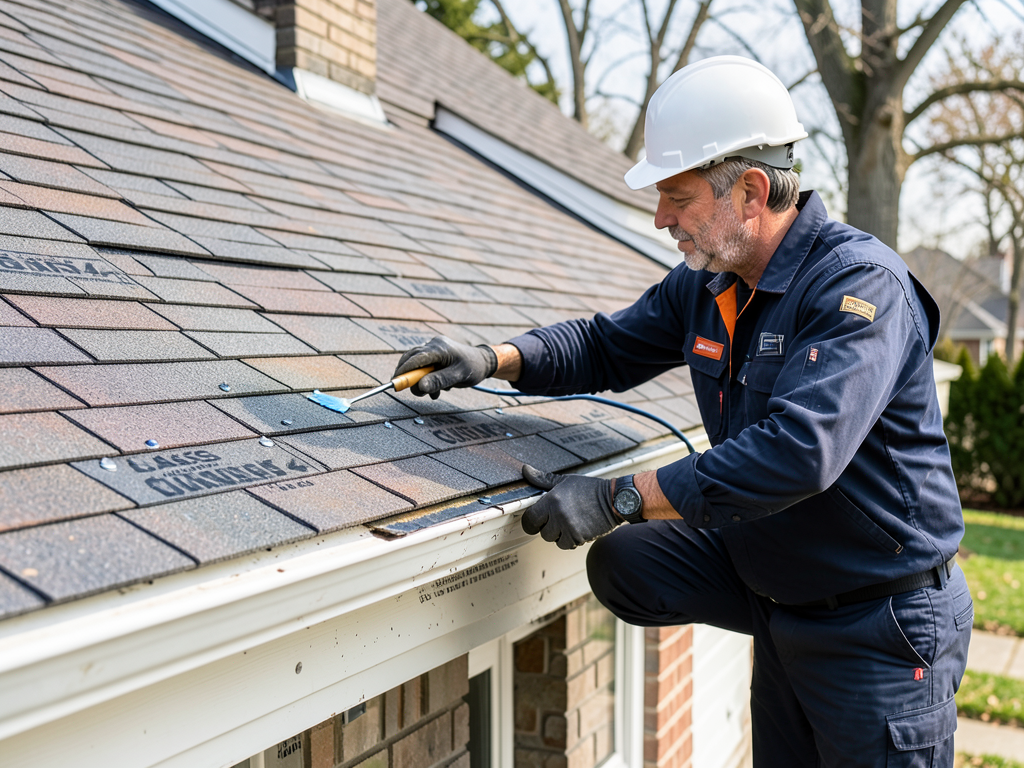
Surface evaluation requires detailed notation. Record shingle condition including granule loss, curling, and missing tabs. Note the age and type of material, critical information when planning repairs. Examine flashing around penetrations like chimneys, vents, and skylights. These joints fail first under freeze-thaw stress.

Water management systems need separate documentation. Inspect gutters for proper pitch and secure attachment. Check downspouts for blockages and adequate drainage away from foundations. In Detroit's clay soil, poor drainage causes foundation movement that damages roofs from below.

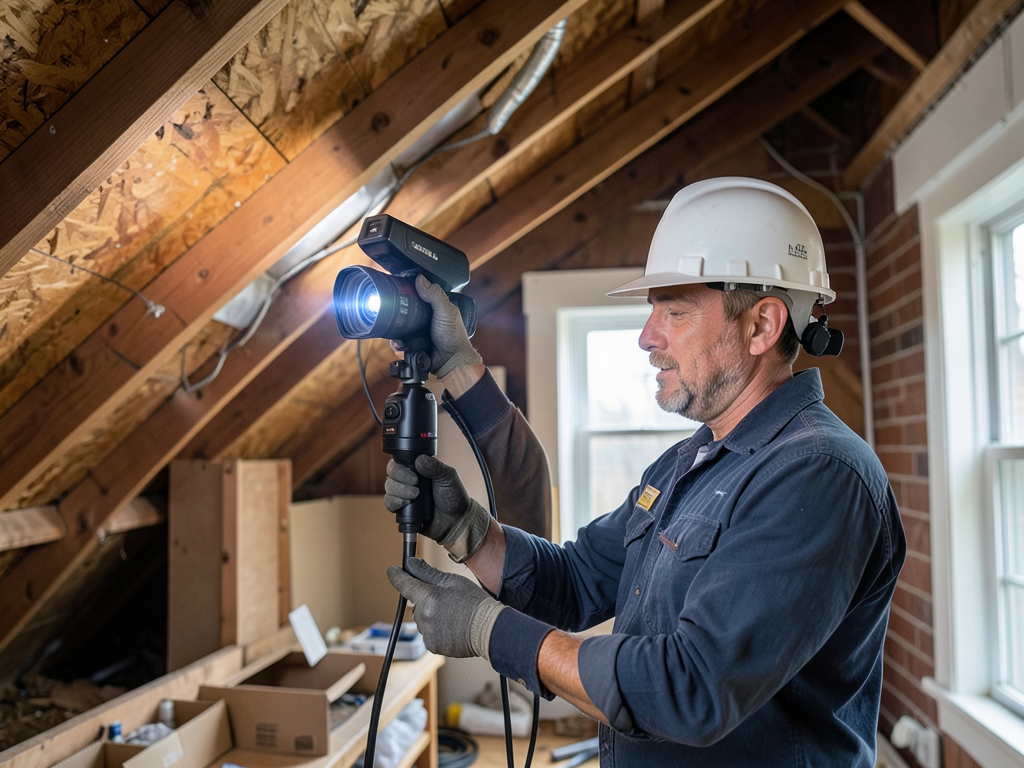
Interior inspection completes the picture. Attic access reveals ventilation adequacy, insulation condition, and early signs of leakage. Look for water stains on decking, mold growth on rafters, and daylight through roof penetrations. These findings often predict exterior failures before they become visible.

A proper roof maintenance checklist includes photographic documentation. Images create baseline records and track deterioration between inspections. They also provide evidence for insurance claims when storm damage occurs, a frequent necessity in Detroit's severe weather patterns.

How to Conduct Your Detroit Roof Assessment

Roof Inspection Checklist Detroit | Complete Residential Assessment Tools and Guides
01

Safety and Preparation

Never conduct roof inspections in wet, icy, or windy conditions common to Detroit winters. Use proper ladder placement with stabilizer bars and secure footing. Wear soft-soled shoes to prevent shingle damage. Bring a camera, measuring tape, and your roof check sheet. Schedule inspections twice yearly, in spring after ice melt and fall before snow arrives, to catch seasonal damage patterns.
02

Systematic Surface Evaluation

Walk the roof in a grid pattern, documenting each section on your residential roof inspection guide. Start at the ridge and work downward to avoid stepping on already-inspected areas. Check flashing at all penetrations and valleys where ice dams form. Examine drip edges and rake trim for rust or separation. Note any soft spots underfoot, which indicate deck rot from water infiltration common in poorly ventilated Detroit attics.
03

Documentation and Action Planning

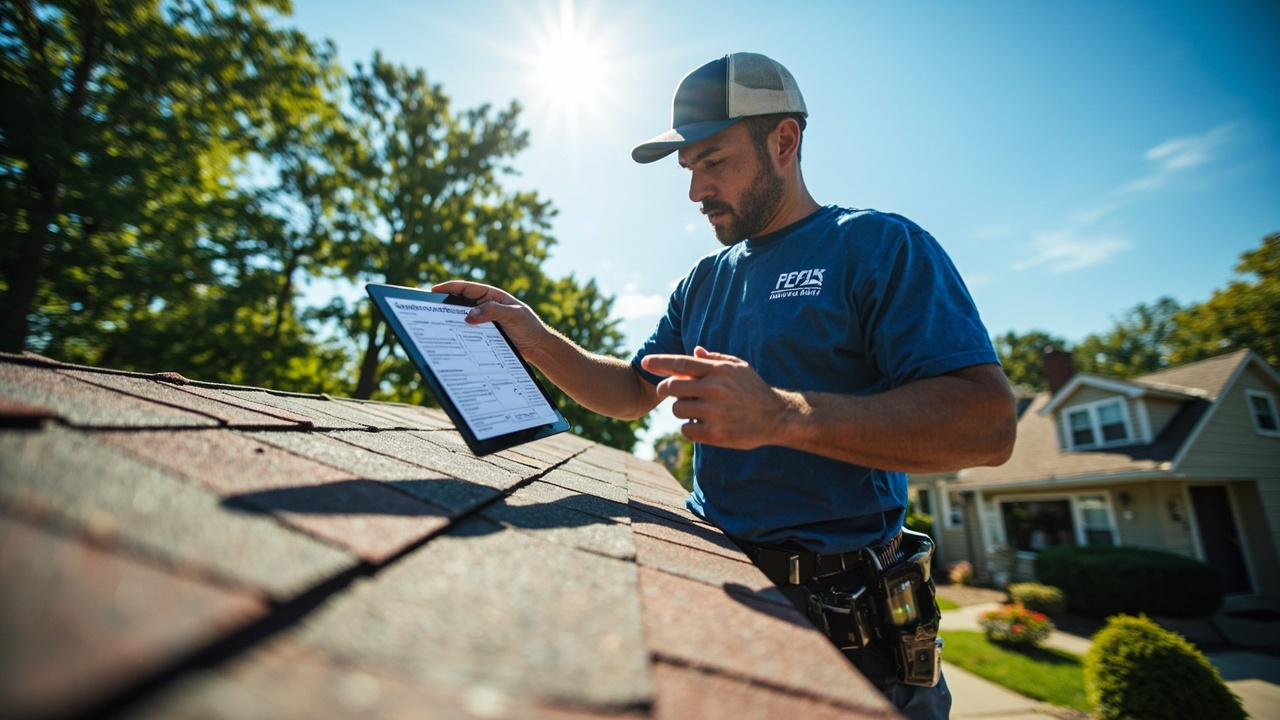
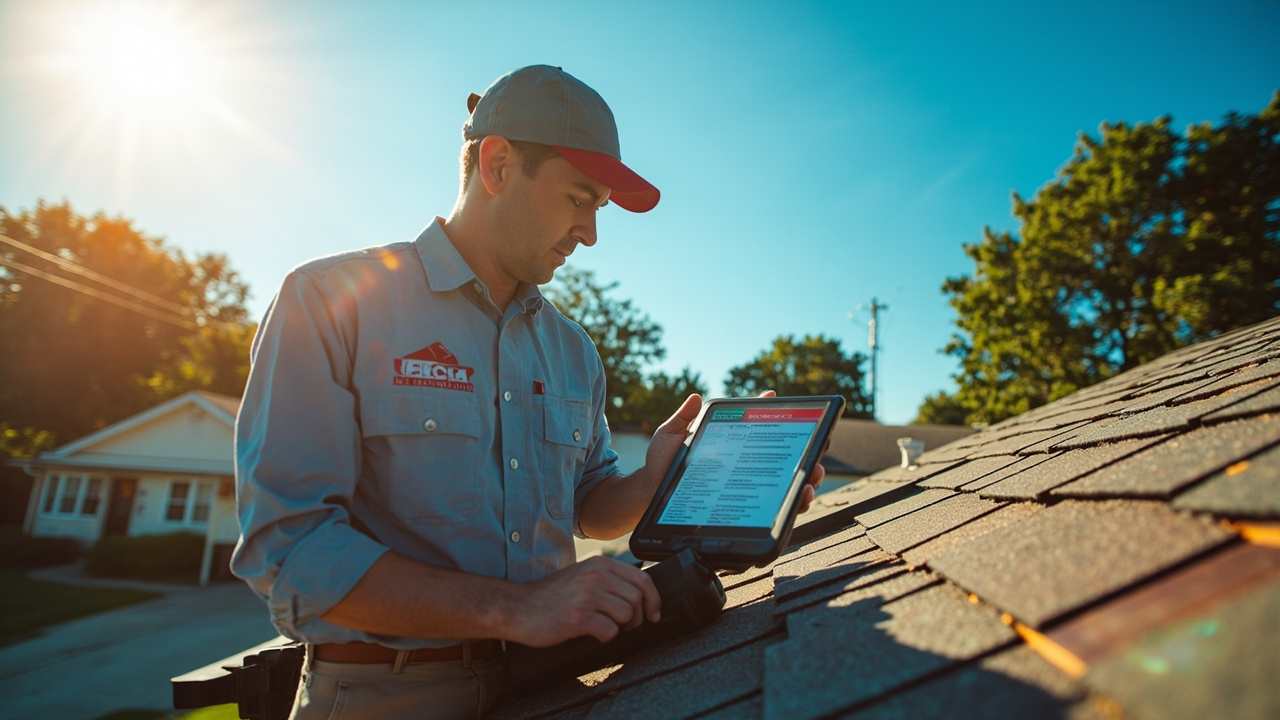
Transfer findings to your roof assessment form immediately while details remain fresh. Prioritize issues by severity: active leaks require immediate attention, missing shingles need prompt repair, and minor granule loss goes into future planning. Create a maintenance timeline based on inspection results. Store documentation with home records for future reference, resale disclosure, and insurance claims after Detroit's frequent severe weather events.

Why Peak Roofing Detroit Provides Superior Inspection Resources

Peak Roofing Detroit created inspection tools specifically for local conditions. Generic checklists ignore the freeze-thaw damage patterns, ice dam vulnerability, and wind exposure common to southeastern Michigan. Our roofing inspection template addresses these regional threats directly.

We understand Detroit's building stock. Many homes in neighborhoods like Palmer Woods and Sherwood Forest feature slate or tile roofing that requires specialized assessment criteria. Newer developments in areas near Eight Mile and Telegraph use synthetic materials with different failure modes. Our roof maintenance checklist adapts to these variations.

Local building codes influence inspection standards. Detroit requires specific ventilation ratios and ice barrier installation in vulnerable areas. Our residential roof inspection guide incorporates these requirements, helping you identify code violations that affect insurance coverage and resale value.

Peak Roofing Detroit trains homeowners to recognize problems early. We provide detailed guides that explain what you are looking at, not just what to look for. Understanding why certain conditions matter helps you make informed decisions about repair timing and contractor selection.

Our inspection resources integrate with professional services. Use our roof check sheet during initial assessment, then contact us for detailed evaluation of problem areas. We provide written reports with photographic documentation and repair recommendations prioritized by urgency and cost.

Detroit property owners benefit from our systematic approach. Landlords managing multiple units use our standardized forms to track maintenance across properties. Homeowners gain confidence knowing they are monitoring the critical factors that affect roof performance in our challenging climate.

What Your Roof Inspection Process Should Include

Inspection Frequency and Timing

Conduct inspections twice yearly in Detroit. Spring inspections in April or May reveal winter damage from ice dams and freeze-thaw cycles. Fall inspections in September or October prepare your roof for winter and identify repairs needed before snow arrives. Add extra inspections after severe storms with high winds or hail. Document findings on your roof assessment form with dates and weather conditions. This timeline catches progressive damage early and provides records for insurance claims when storm damage occurs.

Critical Areas Requiring Close Examination

Focus on vulnerable points where Detroit weather causes accelerated failure. Check all flashing around chimneys, plumbing vents, and roof-wall intersections where ice dams form. Examine valleys where water concentrates during spring melt. Inspect north-facing slopes that stay wet longer and develop moss growth. Document eave conditions where ice buildup damages shingles and gutters. Your roofing inspection template should include specific sections for these high-risk areas rather than generic surface checks that miss localized problems.

Interior Assessment Requirements

Attic inspection reveals problems invisible from outside. Look for water stains on decking and rafters indicating active or past leaks. Check insulation for compressed areas or water damage that reduces effectiveness. Examine ventilation adequacy by confirming soffit intake and ridge exhaust airflow. Measure attic temperature relative to outside air to identify ventilation failures. Your residential roof inspection guide should coordinate exterior and interior findings to identify leak sources and assess damage extent before visible ceiling stains appear.

Record Keeping and Follow-Up

Maintain inspection records in a dedicated file with photographs and completed roof check sheets. Compare current findings to previous inspections to track deterioration rates. This documentation proves maintenance history for insurance claims and increases property value during resale. Schedule identified repairs promptly, prioritizing leaks and structural issues over cosmetic concerns. Update your roof maintenance checklist after repairs to reflect current conditions. Annual documentation creates a complete roof history that guides replacement timing and justifies insurance claims after Detroit's severe weather events.

Frequently Asked Questions

You Have Questions,
We Have Answers

What to expect during a roof inspection? +

A roof inspector examines your roof from top to bottom. They check shingles for cracks, curling, or missing pieces. They inspect flashing around chimneys, vents, and skylights for water entry points. In Detroit, inspectors pay close attention to ice dam damage from freeze-thaw cycles. They examine gutters, downspouts, and drainage patterns. Inside your attic, they look for moisture stains, mold, ventilation issues, and insulation problems. The inspector documents findings with photos and provides a detailed report. You get a clear picture of your roof's condition, remaining lifespan, and any immediate repairs needed before winter hits.

What are the most important items to check when inspecting your roof? +

Focus on shingles first. Look for missing, cracked, or curling shingles that expose underlayment. Check flashing around chimneys, vents, and roof valleys where leaks commonly start. Inspect gutters for granule buildup, which signals shingle deterioration. Examine soffit and fascia for rot or water damage. In Detroit homes, check attic spaces for moisture stains, mold, or inadequate ventilation after heavy snow melts. Look at roof penetrations like vent pipes and satellite dishes for proper sealing. Check for sagging areas that indicate structural problems. Document everything with photos and dates to track changes over time.

What are the 4 types of inspections? +

The four main inspection types are visual, physical, drone, and infrared. Visual inspections involve ground-level observation with binoculars to spot obvious damage. Physical inspections require walking the roof to examine shingles, flashing, and penetrations up close. Drone inspections use aerial cameras to safely assess steep or dangerous roofs common in older Detroit neighborhoods. Infrared thermal imaging detects hidden moisture and insulation gaps invisible to the eye. Most professional roof inspections in Detroit combine visual and physical methods. Infrared gets added when investigating persistent leaks or after storm damage. Each type serves different needs based on roof age and accessibility.

What are the red flags for roofing contractors? +

Watch for contractors who demand full payment upfront or push you to sign contracts immediately after storms. Red flags include no local address, using out-of-state plates, or offering suspiciously low bids. Be cautious if they lack proper licensing documentation or refuse to provide proof of insurance. Avoid contractors who recommend complete roof replacement when repairs would work. In Detroit, storm chasers appear after heavy weather, pressuring homeowners with scare tactics. Legitimate contractors provide written estimates, local references, and detailed material specifications. They explain the work clearly without rushing your decision. Always verify credentials through Michigan's licensing board before signing contracts.

How much does an average roof inspection cost? +

Professional roof inspections in Detroit typically cost between $200 and $400 for standard residential homes. Prices vary based on roof size, pitch, and accessibility. Steep roofs or multi-story homes cost more due to safety equipment needs. Some contractors offer free inspections if you hire them for repairs, but independent inspections provide unbiased assessments. Many Detroit homeowners schedule inspections after severe storms when insurance may cover the cost. The investment prevents expensive surprises during home sales and catches small problems before they become major leaks. Annual inspections make sense for roofs approaching 15 years old or after harsh winters with heavy ice buildup.

What is the biggest red flag in a home inspection? +

Water damage ranks as the biggest red flag during home inspections. Roof leaks cause ceiling stains, attic mold, damaged insulation, and rotted framing. In Detroit, where freeze-thaw cycles stress roofs, inspectors look for telltale brown stains on ceilings and walls. Water infiltration compromises structural integrity and creates health hazards from mold growth. Active leaks during inspection often derail sales or trigger major price negotiations. Other serious flags include foundation cracks, electrical issues, and HVAC problems, but water damage from failing roofs affects multiple systems. Buyers should demand documentation of leak sources and complete repair histories before closing on properties with past water issues.

How to tell if a roofer is lying? +

A dishonest roofer creates urgency with false claims like "your roof will collapse" or "we found hail damage" when none exists. They refuse to provide detailed written estimates or pressure you to decide immediately. Watch for contractors who discourage getting second opinions or claim they can guarantee insurance approval. Liars use vague language about materials and avoid specific product names or manufacturer warranties. In Detroit, be suspicious of contractors who appear only after storms and lack established local presence. Honest roofers encourage inspections, provide references, explain work thoroughly, and give you time to research options. Trust contractors who document everything with photos and detailed reports.

How long does a roof inspection usually take? +

Most residential roof inspections take 45 minutes to two hours depending on roof size and complexity. Single-story ranch homes with simple gable roofs take less time than multi-story colonials common in Detroit neighborhoods. Inspectors spend time on the roof examining shingles, flashing, and penetrations, then check attic spaces for moisture and ventilation issues. Complex roofs with multiple valleys, dormers, or skylights require longer inspections. If the inspector finds problems, they document damage with photos and measurements, adding time. Rushed inspections under 30 minutes miss critical details. Quality inspectors take whatever time needed to thoroughly evaluate your roof's condition and lifespan.

What is the first thing an inspector wants to see? +

Inspectors want to see your roof from the ground first. They assess overall condition, look for obvious sagging, and check how water drains from valleys and gutters. This external view reveals shingle wear patterns, missing pieces, and flashing condition around chimneys. In Detroit, inspectors note ice dam damage along eaves where heat loss causes refreezing. After the exterior assessment, they examine attic spaces to check ventilation, insulation, and moisture stains before climbing onto the roof. This systematic approach lets them form initial conclusions and identify problem areas requiring closer inspection. Starting from the ground provides context for what they find during detailed examination.

What are the 7 steps of the inspection process? +

The seven inspection steps start with exterior observation from ground level to assess overall condition. Second, inspectors examine gutters and downspouts for drainage issues and granule accumulation. Third, they climb onto the roof to inspect shingles, checking for cracks, curling, and missing pieces. Fourth, they examine flashing around chimneys, vents, and valleys where leaks start. Fifth, they inspect attic spaces for moisture, ventilation, and insulation problems common in Detroit homes. Sixth, they check structural elements like decking and rafters for rot or damage. Seventh, they compile findings into a detailed report with photos, recommended repairs, and estimated remaining roof lifespan for your planning.

How Detroit's Freeze-Thaw Cycles Make Regular Roof Inspections Critical

Detroit experiences 60 to 80 freeze-thaw cycles annually, more than most northern cities. Water penetrates minor cracks in shingles and flashing, then expands when temperatures drop overnight. This cycle repeats throughout winter, turning hairline cracks into major failures. Spring reveals the cumulative damage as temperatures stabilize and snow melts. A detailed roof assessment form documents these progressive failures before they compromise structural integrity. Neighborhoods near the Detroit River face additional moisture from lake-effect weather, accelerating deterioration rates beyond typical wear patterns.

Peak Roofing Detroit developed inspection protocols based on decades of local experience. We know which shingle brands perform best under freeze-thaw stress and which fail prematurely. Our roof maintenance checklist reflects real-world performance data from thousands of Detroit installations, not generic manufacturer guidelines. This local knowledge helps you interpret inspection findings accurately and make informed repair decisions. When you use our roofing inspection template, you benefit from expertise gained through every Detroit winter since we opened, expertise that protects your investment against our region's harshest conditions.
Roofing Services in The Detroit Area

Our local headquarters are strategically located to efficiently serve all of Detroit and the surrounding areas. We invite you to view our service region and location on the map. As a trusted local contractor, we are never far from your neighborhood and are committed to providing quick, reliable, and convenient service wherever you are within the metropolitan area.

Address:
Peak Roofing Detroit, 19549 Gilmore St, Reseda, CA, 91335

Additional Services We Offer

Our news updates

Latest Articles & News from The Blogs

Why You See Dark Lines on Your LaSalle Gardens Ceiling (Is it a Leak or Ghosting?) Those dark streaks on…

Why You See Dark Lines on Your LaSalle Gardens Ceiling (Is it a Leak or Ghosting?)

Why You See Dark Lines on Your LaSalle Gardens Ceiling (Is it a Leak or Ghosting?) Those dark streaks on…

Restoring the Hidden Box Gutters on a Classic Virginia Park Four-Square

Restoring the Hidden Box Gutters on a Classic Virginia Park Four-Square Box gutters are the hidden lifelines of Detroit’s historic…

How a New Roof Affects Your Homeowners Insurance Premium in Clinton Township

How a New Roof Affects Your Homeowners Insurance Premium in Clinton Township A new roof in Clinton Township can immediately…

Contact Us

Download our comprehensive inspection tools or schedule a professional assessment. Peak Roofing Detroit provides the resources you need to protect your investment. Call (313) 604-2233 now for immediate assistance with roof evaluation and maintenance planning.