menu

Valley Leak Repair in Detroit – Expert Diagnosis and Permanent Fixes for Chronic Roof Leaks

Valley leak repair requires accurate diagnosis of flashing failure, shingle deterioration, and joint separation. Peak Roofing Detroit uses thermal imaging and hands-on inspection to identify the true source and deliver lasting repairs that stop water infiltration for good.

Slider Image 1
Slider Image 2
Slider Image 3
Slider Image 4
Slider Image 5
Slider Image 7
Slider Image 8
Slider Image 9
Slider Image 10
Slider Image 11

Why Valley Leaks Are So Common in Detroit Homes

You notice water stains on your ceiling after every heavy rain. The drip always shows up in the same corner of your bedroom or hallway. You patch it once, and six months later it comes back. That pattern points to a valley leak, one of the most frustrating and misdiagnosed roofing problems in Detroit.

Roof valleys channel massive volumes of water off your roof. In Detroit, where freeze-thaw cycles hit hard from November through March, valleys take a beating. Ice dams form when snow melts during the day and refreezes at night, backing water under shingles and flashing. The expansion and contraction crack sealant, loosen fasteners, and degrade the metal flashing that protects the valley seam.

Most valley leaks stem from three causes. First, improper flashing installation during the original roof build. Second, degraded sealant at the valley joints where two roof planes meet. Third, shingle erosion along the valley edges, which allows water to slide under the protective barrier. Fixing roof valley leaks requires more than slapping down tar and calling it done. You need to understand the water flow pattern, the substrate condition, and whether the valley was even built to current standards.

Detroit's older homes, especially those in neighborhoods like Corktown and Palmer Woods, often feature complex rooflines with multiple valleys. These historic builds used different materials and methods than modern construction. Patching roof valley leaks without addressing the root cause just delays the inevitable callback. Sealing roof valley joints only works if the flashing itself is still structurally sound and properly integrated with the shingle system.

Why Valley Leaks Are So Common in Detroit Homes
How We Diagnose and Repair Valley Leaks the Right Way

How We Diagnose and Repair Valley Leaks the Right Way

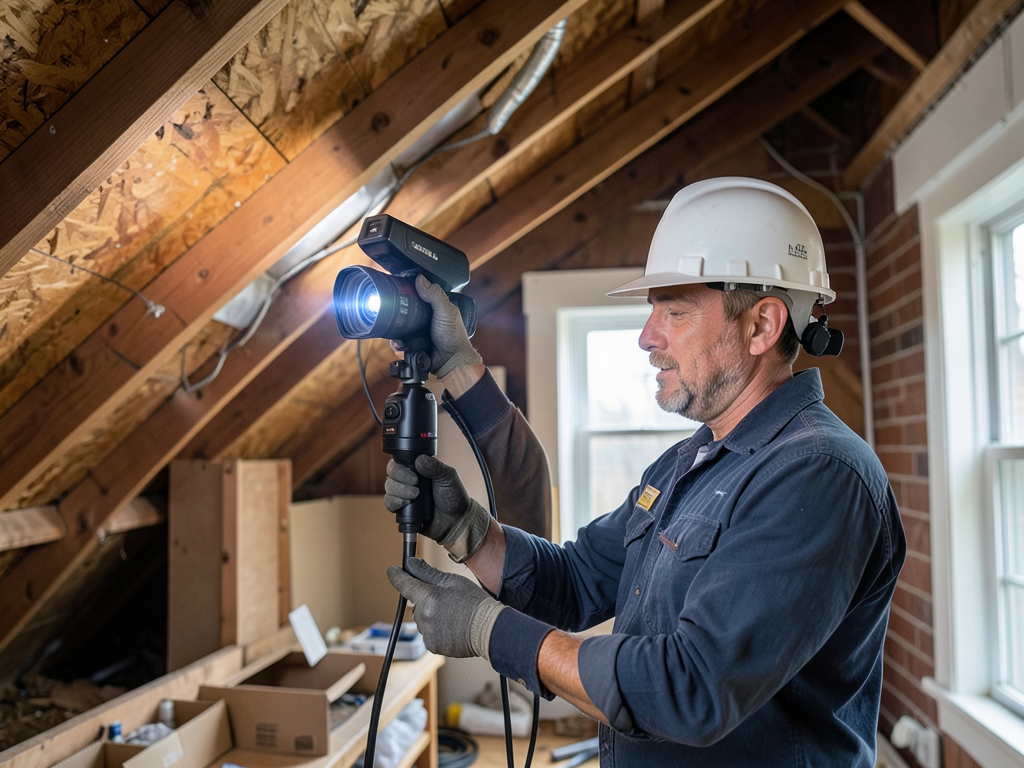
Most roofers walk up with a caulk gun and some tar. That approach fails because valley leaks rarely originate where the water shows up inside your home. Water enters at one point, travels along rafters or sheathing, then drips through the ceiling feet away. We use thermal imaging to trace the moisture path back to the entry point. Infrared cameras reveal temperature differentials caused by wet insulation and sheathing, pinpointing the exact failure zone.

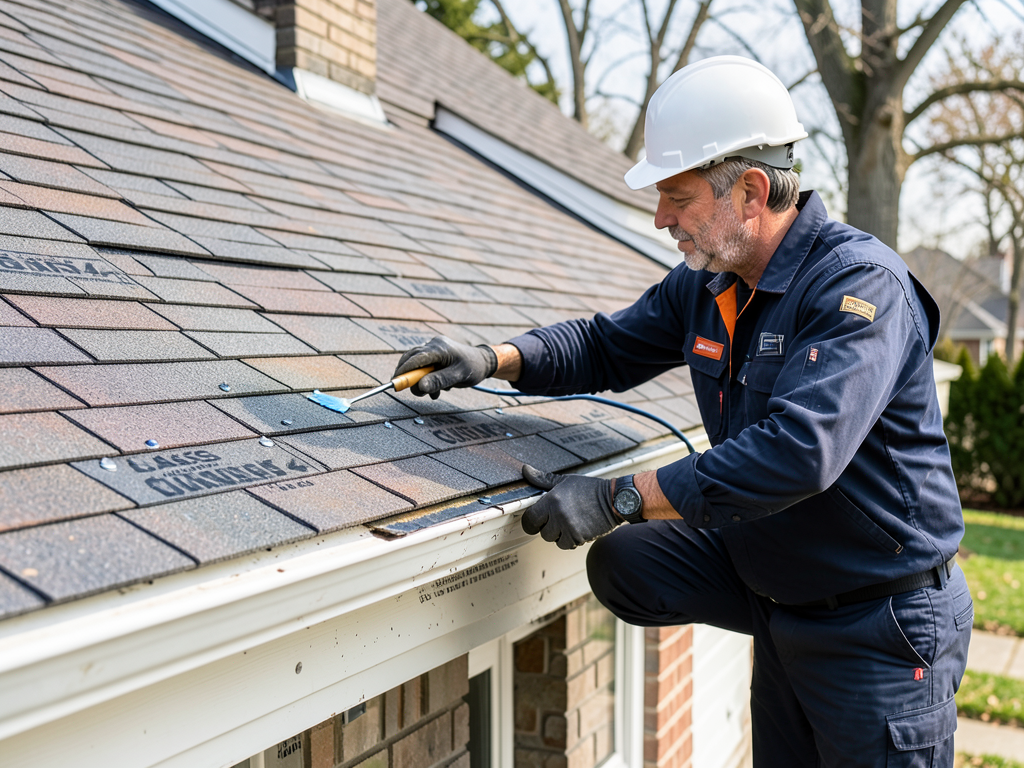
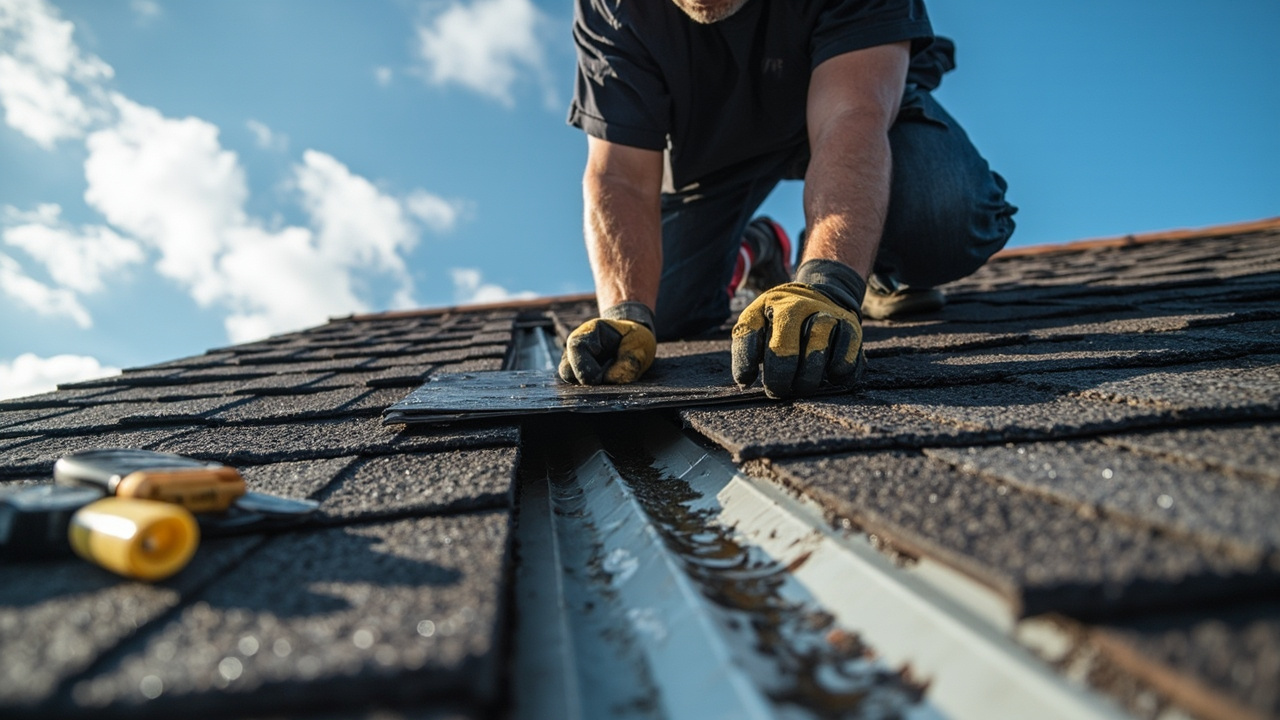
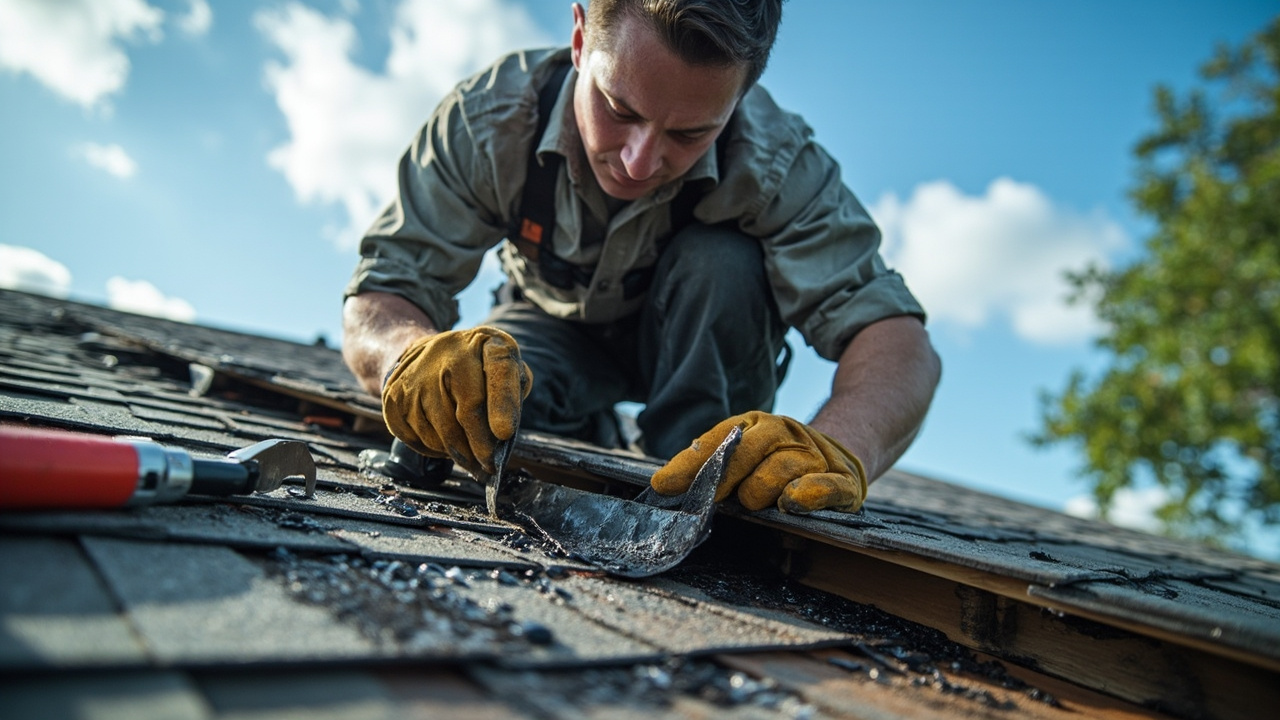
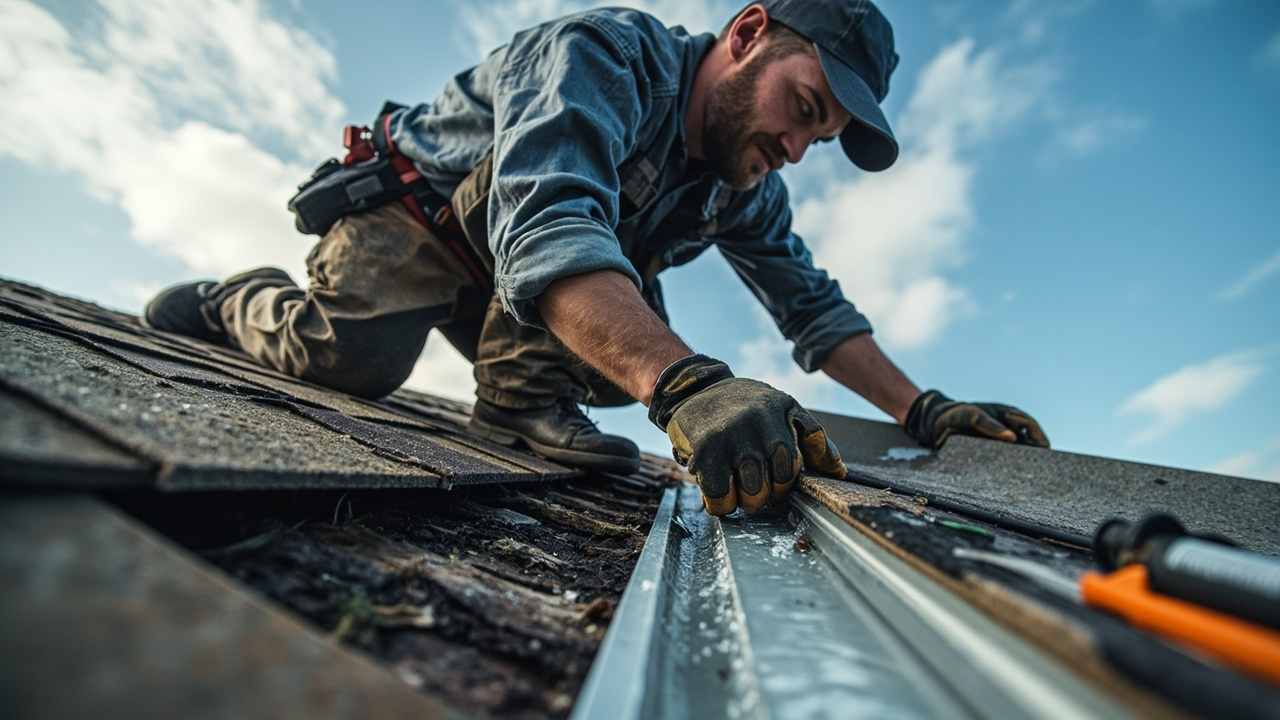
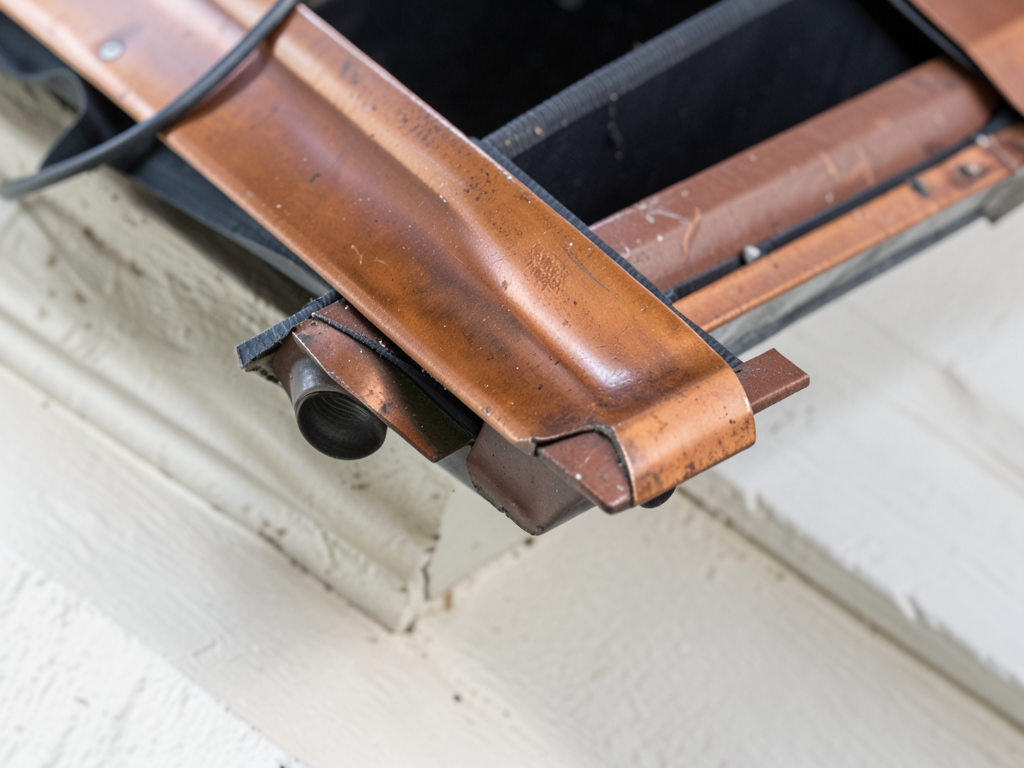
Once we locate the source, we strip back the affected area to expose the valley flashing. We inspect the metal for corrosion, nail pops, and joint separation. If the flashing is compromised, we replace it with ice and water shield membrane, then install new step flashing that interlocks with each shingle course. This creates a continuous waterproof barrier that moves with the roof as it expands and contracts.

Repairing damaged roof valleys means addressing the shingle integration. We weave or cut the shingles to ensure proper overlap without creating bulges that disrupt water flow. Every shingle edge gets sealed with roofing cement, and the valley center remains clear to allow maximum drainage. We also check the decking for rot. If the plywood sheathing is soft or stained, we replace the damaged section before installing new flashing and shingles.

Roof valley flashing repair is not a cosmetic fix. It is a structural waterproofing task that requires precision. We hand-seal every fastener penetration, ensuring nails do not create new leak points. The finished valley should be smooth, with no debris traps or low spots where water can pool. When done correctly, a repaired valley will outlast the surrounding shingles.

What Happens During Your Valley Leak Repair

Valley Leak Repair in Detroit – Expert Diagnosis and Permanent Fixes for Chronic Roof Leaks
01

Leak Diagnosis and Inspection

We begin with a detailed attic inspection using thermal imaging and moisture meters to trace the water path. You show us where the drip appears inside, and we map it back to the actual roof penetration point. We photograph the damage, document the flashing condition, and identify whether the issue is isolated or part of a larger valley failure. This diagnostic phase ensures we repair the cause, not just the symptom.
02

Flashing Removal and Substrate Repair

We remove shingles and old flashing around the leak zone, exposing the roof deck. Any soft or rotted plywood gets cut out and replaced with new sheathing. We install a continuous ice and water shield membrane along the valley, extending it at least 18 inches up each roof plane. This self-sealing barrier prevents water intrusion even if surface materials fail. We then install new metal flashing that channels water away from the seam.
03

Shingle Integration and Final Sealing

We reinstall shingles using the woven or cut valley method, depending on the roof design and manufacturer specifications. Each shingle course is hand-sealed at the valley edge to prevent wind uplift and water wicking. We apply roofing cement to all fastener penetrations and verify proper water flow with a hose test. The repaired valley is inspected from the attic during the test to confirm zero moisture penetration.

Why Detroit Homeowners Trust Peak Roofing for Valley Repairs

Valley leaks require more than general roofing knowledge. They require understanding of water dynamics, material compatibility, and the specific failure modes common to Detroit's climate. Peak Roofing Detroit has repaired valley leaks on every roof type in this city, from the historic Tudors in Indian Village to the ranch homes in Redford Township. We know which flashing systems hold up to freeze-thaw cycles and which sealants crack after one winter.

Detroit's building codes require specific valley flashing methods, especially in areas prone to ice dams. We follow Michigan Residential Code Section R905, which mandates ice barrier application in valleys and along eaves in climate zones like ours. Most patch jobs ignore these requirements, leaving you with a temporary fix that fails the next winter. We document every repair with photos and material receipts, giving you proof the work meets code if you ever sell your home or file an insurance claim.

Our crews live and work in Detroit. We have seen every valley configuration on every architectural style in this city. We know that the steep valleys on Craftsman bungalows channel water differently than the shallow valleys on mid-century ranches. We adjust our flashing techniques and material choices based on roof pitch, shingle type, and exposure to prevailing winds. That local knowledge prevents the repeat failures that plague homeowners who hire out-of-state contractors.

You also get honest communication. If your valley is part of a larger roofing problem, we tell you. If a simple patch will hold for another five years, we tell you that too. We do not upsell full replacements when a targeted repair will solve the issue. Our reputation in Detroit depends on doing right by our neighbors, and that means giving you the truth about your roof's condition.

What to Expect When You Call Peak Roofing Detroit

Fast Response and Flexible Scheduling

We schedule inspections within 48 hours of your call. If you have active leaking and need emergency tarping, we can be on-site the same day. Most valley leak inspections take 45 minutes to an hour, including attic access and thermal imaging. You get a written diagnosis and repair estimate before we leave. Repairs are typically scheduled within one week, weather permitting. We understand that ceiling stains and drips create stress, so we move fast to stop the damage and get your home dry.

Thorough Inspection and Transparent Diagnosis

Our inspection covers more than the obvious drip point. We check all valleys, examine flashing at every roof penetration, and assess shingle condition across the entire roof. We use moisture meters to detect hidden water damage in the attic and decking. You get a detailed report with photos showing the exact failure points. We explain what caused the leak, what it will take to fix it, and whether other areas are at risk. No surprises, no hidden damage discovered mid-job.

Quality Materials and Precision Installation

We use manufacturer-approved flashing systems and premium ice and water shield membranes rated for Michigan winters. Every valley repair includes new underlayment, properly integrated step flashing, and hand-sealed shingle edges. We match your existing shingle color and style so the repair blends invisibly with the rest of the roof. The finished valley is smooth, debris-free, and designed to handle decades of Detroit weather. We clean up all tear-off debris and haul it away the same day.

Post-Repair Documentation and Support

You receive photos of the completed repair, material receipts, and a written summary of the work performed. We provide care instructions for maintaining your valleys, including gutter cleaning schedules and signs to watch for. If you experience any issues after the repair, we come back to inspect at no charge. We stand behind our work because we know valley leaks can be tricky, and we want you confident that the problem is solved for good. Your satisfaction is our proof of quality.

Frequently Asked Questions

You Have Questions,
We Have Answers

How to fix a leaking valley? +

Fixing a leaking valley starts with identifying the source. Remove damaged shingles around the valley and inspect the flashing underneath. In Detroit, freeze-thaw cycles often crack metal valley flashing or loosen the sealant. Replace corroded flashing with new metal or high-quality underlayment. Re-shingle both roof planes, ensuring proper overlap and sealing. Use ice and water shield under the flashing to prevent future leaks from snow melt. If the valley was improperly installed or debris-clogged, clean it thoroughly before repairs. A professional inspection catches hidden damage that DIY fixes miss.

How much does roof valley repair cost? +

Roof valley repair costs depend on damage extent, materials, and accessibility. Minor repairs like resealing or patching small sections run lower, while full valley replacement with new flashing and shingles costs more. Detroit homes with steep pitches or multiple stories increase labor costs. Material choice matters too. Metal valleys last longer but cost more upfront than woven shingle valleys. Winter repairs may include emergency pricing. Most valley repairs fall in the moderate range, but severe structural damage or multiple valleys drive costs higher. Get a written estimate that itemizes labor and materials.

How much does it cost to repair a valley on a roof? +

Repairing a valley on a roof varies by damage severity and materials needed. Simple fixes like resealing joints or replacing a few shingles cost less. Full valley replacement with new flashing, underlayment, and surrounding shingles runs higher. Detroit's harsh winters cause more wear, sometimes requiring ice and water shield upgrades. If the decking underneath rotted from prolonged leaks, expect additional costs. Accessibility affects pricing too. Two-story homes or complex rooflines increase labor time. Always request a detailed breakdown before work begins. Investing in quality materials now prevents repeat repairs.

Can heavy rain cause roof valley leaks? +

Yes, heavy rain exposes existing valley weaknesses. Detroit's summer downpours and rapid snowmelt overwhelm improperly installed or aging valleys. Water flows fastest in valleys, so even small gaps in flashing or deteriorated sealant let water penetrate. Clogged valleys from leaves or ice dams force water under shingles. If your valley lacks adequate underlayment or has corroded metal flashing, heavy rain will find the failure point. You may not notice minor leaks during light rain, but intense storms push water through compromised areas. Address valley issues before the next storm season hits.

How to waterproof a valley? +

Waterproofing a valley requires layered protection. Start with quality underlayment across the entire roof deck. Install ice and water shield along the valley center, extending at least 18 inches up each roof plane. This self-sealing membrane stops water infiltration even if shingles fail. Next, install metal valley flashing or use a closed-cut valley method with proper shingle weaving. Seal all shingle edges with roofing cement. In Detroit, where freeze-thaw cycles stress roofs, use materials rated for temperature extremes. Proper installation matters more than materials alone. Hire experienced roofers familiar with Michigan weather.

Is a roof leak covered by homeowners insurance? +

Homeowners insurance typically covers roof leaks from sudden, accidental damage like storm damage or fallen trees. Valley leaks from wear, poor maintenance, or aging are usually excluded. Detroit insurers scrutinize roof age closely. If your valley failed during a documented windstorm or hail event, file a claim immediately with photos. Gradual leaks from neglect get denied. Review your policy for wind and water damage coverage limits. Some policies require regular roof inspections. Document all maintenance to strengthen claims. If you spot storm damage, contact your insurer before repairs to allow their adjuster to assess coverage.

Is it normal for a roof to leak in heavy rain? +

No, a properly maintained roof should not leak during heavy rain. If yours does, something failed. Valleys, flashing, or damaged shingles are common culprits. Detroit homes face intense summer storms and rapid temperature swings that stress roofing materials. Older roofs or those with deferred maintenance leak more easily. Ice dams from winter also create weak points that leak when spring rains arrive. Occasional leaks signal immediate repair needs. Ignoring them leads to rot, mold, and structural damage. Schedule an inspection after any leak. Catching problems early saves money and prevents interior damage.

How much does a roofer charge to fix a leak? +

Roofers charge based on leak complexity, location, and materials needed. Simple fixes like replacing a few shingles or resealing flashing cost less. Valley leaks or extensive water damage requiring decking replacement run higher. Detroit roofers factor in roof pitch, accessibility, and weather conditions. Emergency leak repairs during storms include premium pricing. Always get a written estimate before work starts. Reputable contractors itemize labor, materials, and disposal fees. Beware of lowball bids that skip necessary steps. Quality repairs use proper underlayment and flashing, preventing repeat leaks. Investing in thorough repairs costs less than multiple callbacks.

What time of year is the cheapest to replace a roof? +

Late fall and early winter offer the lowest roof replacement costs in Detroit. Demand drops after summer storm season and before spring. Roofers offer discounts to keep crews busy. Avoid summer peak season when prices climb. However, Michigan winters complicate installations. Shingles seal poorly in cold temperatures, and snow delays work. Plan your replacement for October or November when weather remains mild but demand slows. Some contractors offer off-season discounts into early spring before the rush. Book early for the best rates. Balance cost savings against weather risks. Quality installation matters more than bargain pricing.

Who is the best person to fix a leaking roof? +

A licensed roofing contractor is the best person to fix a leaking roof. Roofers understand flashing, underlayment, and proper shingle installation. Detroit's freeze-thaw cycles and ice dams require specialized knowledge. Handymen may patch leaks temporarily, but roofing contractors diagnose root causes and prevent recurrence. Look for contractors familiar with Michigan building codes and weather challenges. Check references and verify insurance. Experienced roofers spot hidden damage like rotted decking or compromised valleys that amateurs miss. Emergency leaks need immediate attention, so choose a contractor offering prompt service. Proper repairs now prevent costly interior damage and mold growth later.

How Detroit's Freeze-Thaw Cycles Accelerate Valley Leak Failures

Detroit sits in a freeze-thaw zone where winter temperatures swing above and below freezing almost daily. Snow melts on your roof during the afternoon, runs down into the valleys, then refreezes overnight. This cycle repeats dozens of times each winter, forcing ice under shingles and expanding small cracks in flashing into major leaks. Valley joints are especially vulnerable because the seam creates a natural weak point where ice can wedge between the metal and the shingle. Homes built before updated code requirements lack the ice barrier protection that prevents this type of damage, making valley leaks a chronic problem in older Detroit neighborhoods.

Detroit roofers who understand local conditions know that valley repairs require cold-weather-rated sealants and proper flashing overlap. We work with building inspectors across Wayne County and stay current on Michigan Residential Code updates that affect valley construction. When you hire a local crew, you get someone who has repaired the same roof types in the same weather conditions for years. That experience translates into repairs that last, not patch jobs that fail when the next ice dam forms. Trust matters in roofing, and Detroit homeowners know we deliver.
Roofing Services in The Detroit Area

Our local headquarters are strategically located to efficiently serve all of Detroit and the surrounding areas. We invite you to view our service region and location on the map. As a trusted local contractor, we are never far from your neighborhood and are committed to providing quick, reliable, and convenient service wherever you are within the metropolitan area.

Address:
Peak Roofing Detroit, 19549 Gilmore St, Reseda, CA, 91335

Additional Services We Offer

Our news updates

Latest Articles & News from The Blogs

Choosing the Right Roof Color for a Brick Ranch in Warren Selecting the right roof color for your brick ranch…

Choosing the Right Roof Color for a Brick Ranch in Warren

Choosing the Right Roof Color for a Brick Ranch in Warren Selecting the right roof color for your brick ranch…

Why "Cheap" Roofing Quotes Often End Up Costing Detroiters Double in the Long Run

Why “Cheap” Roofing Quotes Often End Up Costing Detroiters Double in the Long Run Detroit homeowners searching for the lowest…

How the Humidity from Lake St. Clair Affects the Lifespan of Your Harrison Township Roof

How the Humidity from Lake St. Clair Affects the Lifespan of Your Harrison Township Roof \n\n The constant moisture and…

Contact Us

Valley leaks only get worse. Call Peak Roofing Detroit now at (313) 604-2233 for a fast inspection and honest diagnosis. We will find the source, explain your options, and get your roof watertight before the next storm hits.