menu

TPO vs EPDM Roofing Guide for Detroit – Making the Right Choice for Your Commercial Flat Roof

Understand the key differences between TPO and EPDM roofing systems so you can select the membrane that protects your Detroit property against freeze-thaw cycles, ponding water, and long-term UV exposure.

Slider Image 1
Slider Image 2
Slider Image 3
Slider Image 4
Slider Image 5
Slider Image 7
Slider Image 8
Slider Image 9
Slider Image 10
Slider Image 11

Why Detroit Building Owners Need to Understand TPO and EPDM Differences

Detroit's commercial buildings face a roofing challenge that demands careful material selection. The freeze-thaw cycle here runs from November through March, expanding and contracting roof membranes repeatedly. Summer UV exposure is intense. Winter ice dams form along parapet walls. Your flat roof membrane must handle all of it without cracking, splitting, or losing adhesion.

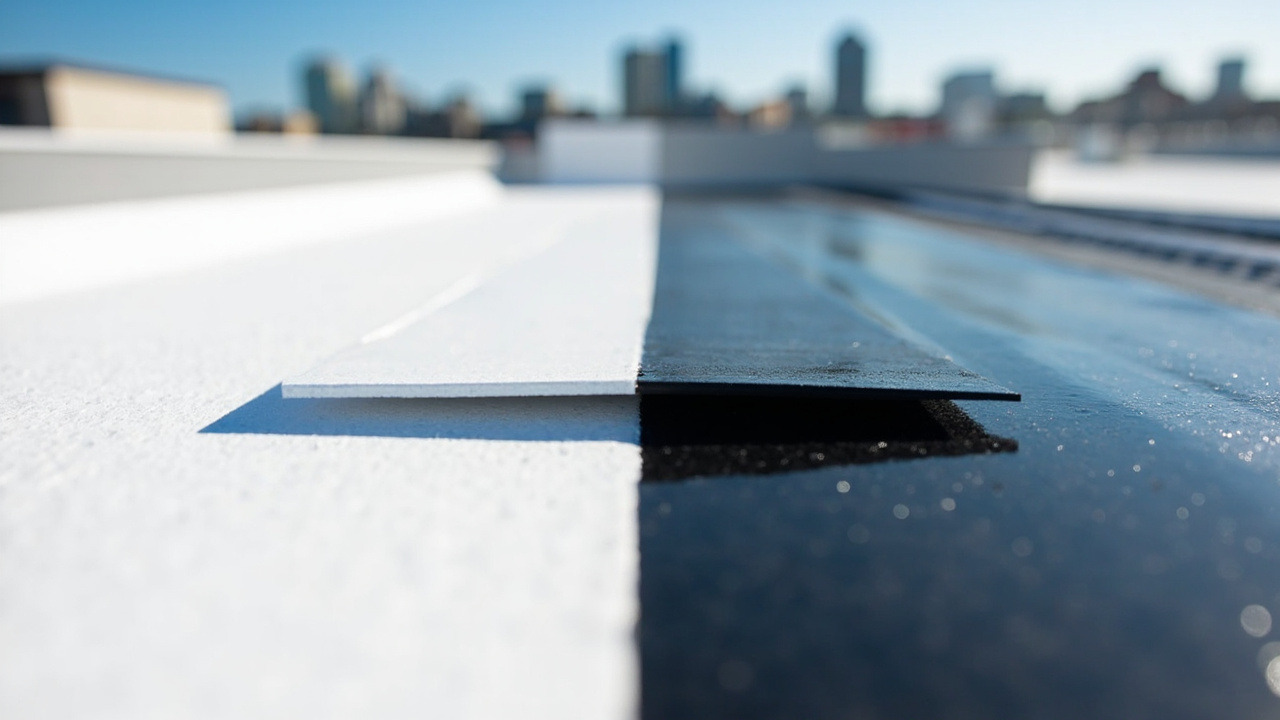
The difference between TPO and EPDM comes down to material chemistry and performance characteristics. TPO (thermoplastic polyolefin) is a heat-weldable single-ply membrane that reflects UV rays and resists ponding water. EPDM (ethylene propylene diene monomer) is a rubber roofing membrane that offers flexibility in cold weather and proven durability over decades. Both work on flat or low-slope commercial roofs common throughout Detroit's Corktown, Midtown, and Eastern Market districts.

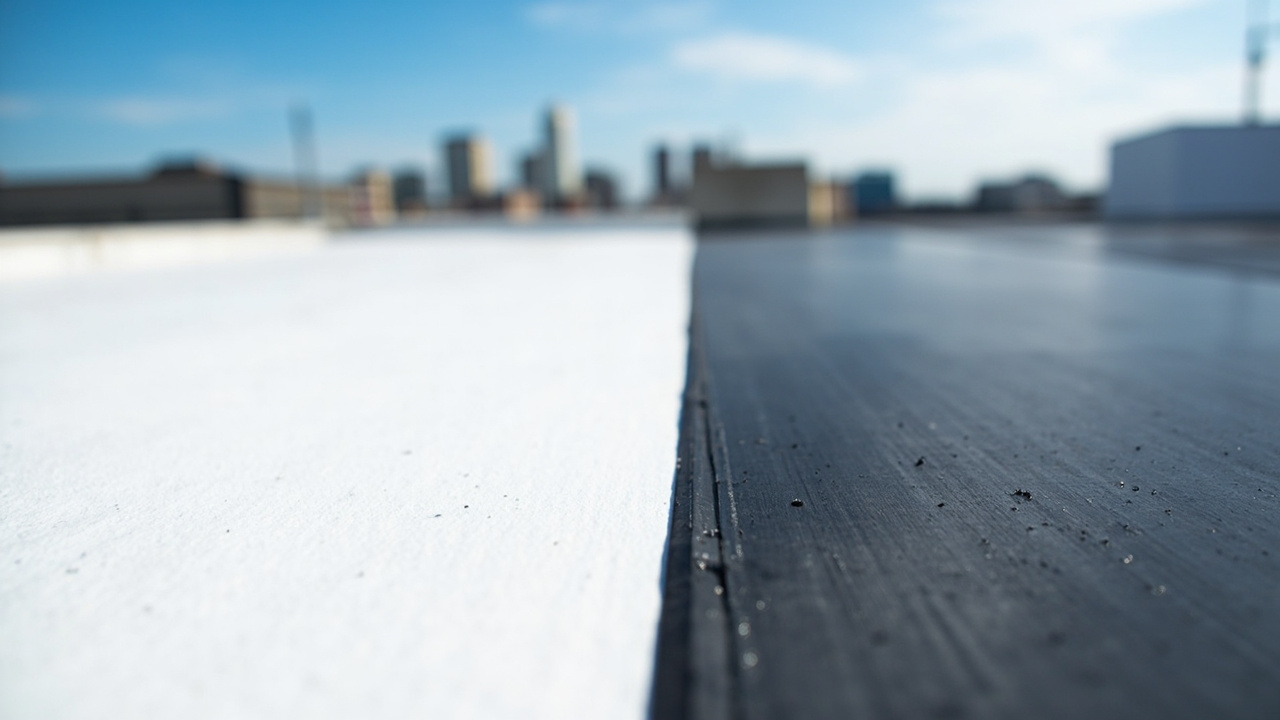
The TPO vs EPDM pros and cons list gets complicated fast. TPO excels at energy efficiency because its white surface reflects sunlight and reduces cooling loads in summer. EPDM absorbs more heat but stays flexible when temperatures drop below zero, which happens 30 to 40 nights each winter in Detroit. The EPDM vs TPO cost comparison shows EPDM typically costs less upfront, but TPO can deliver lower energy bills over time.

Most Detroit warehouse owners, retail property managers, and industrial facility operators ask the same question: TPO or EPDM for flat roof applications? The answer depends on your building's insulation, roof slope, drainage system, and whether you prioritize initial installation cost or long-term energy savings. Thermoplastic polyolefin vs rubber roofing is not a one-size-fits-all decision.

Why Detroit Building Owners Need to Understand TPO and EPDM Differences
How TPO and EPDM Roofing Systems Perform in Real Detroit Conditions

How TPO and EPDM Roofing Systems Perform in Real Detroit Conditions

TPO membranes use heat-welded seams that create a watertight bond stronger than the membrane itself. When installers overlap TPO sheets and apply hot air at 900 to 1000 degrees, the thermoplastic material fuses into a single continuous surface. This eliminates the weak points where water typically penetrates. TPO's reflectivity keeps surface temperatures 50 to 60 degrees cooler than black EPDM on a July afternoon, reducing strain on your HVAC system.

EPDM uses adhesive or mechanical fasteners to secure the membrane, with seams sealed using tape or liquid adhesive. The rubber composition gives EPDM exceptional elongation properties. It can stretch up to 300 percent without tearing, which matters when your roof deck expands and contracts through Detroit's temperature swings. EPDM maintains flexibility at minus 40 degrees, so it won't crack when January temperatures drop and wind chill makes it feel like minus 20.

The key performance difference shows up in how each material ages. TPO can become brittle after 15 to 20 years of UV exposure, especially if the formulation uses lower-grade polymers. Quality matters significantly with TPO. EPDM ages more predictably. A properly installed EPDM roof in Detroit typically lasts 25 to 30 years with minimal maintenance. The rubber surface oxidizes over time, turning from black to chalky gray, but this weathering process doesn't compromise the membrane's waterproofing capability.

Your building's existing roof deck and insulation layer also affect material selection. TPO works well over polyisocyanurate insulation boards. EPDM pairs effectively with expanded polystyrene or mineral wool insulation. Peak Roofing Detroit evaluates your entire roof assembly before recommending TPO or EPDM, because the membrane is only one component of a complete roofing system.

How to Evaluate TPO and EPDM for Your Detroit Property

TPO vs EPDM Roofing Guide for Detroit – Making the Right Choice for Your Commercial Flat Roof
01

Assess Your Building Profile

Start by documenting your roof's current condition, slope, drainage patterns, and square footage. Measure how much ponding water remains 48 hours after rainfall. Check if your building has adequate insulation or if the roof deck shows signs of moisture infiltration. Identify any HVAC units, skylights, or parapet walls that will require custom flashing details. This baseline assessment determines which membrane will perform better on your specific structure.
02

Compare Performance Requirements

Match each membrane's characteristics against your building's needs. If you operate a cold storage facility, EPDM's cold-weather flexibility matters more than reflectivity. If you manage a retail center with high cooling costs, TPO's energy efficiency becomes the priority. Consider warranty requirements, fire rating classifications, and whether your building code mandates specific wind uplift resistance ratings. Detroit's commercial districts have varying code requirements depending on building height and use classification.
03

Calculate Total Ownership Cost

Factor in material cost, installation labor, projected energy savings, maintenance requirements, and expected service life. EPDM typically costs 15 to 25 percent less to install but offers no energy savings. TPO costs more upfront but can reduce cooling expenses by 10 to 15 percent annually on buildings with air conditioning. Run a 20-year cost analysis that includes potential roof repairs, recoating schedules, and eventual replacement costs to identify the true economic winner for your situation.

Why Detroit Property Owners Trust Peak Roofing Detroit for Flat Roof Decisions

Selecting between TPO and EPDM requires understanding how each membrane responds to the specific conditions on your building. Generic advice from national roofing companies does not account for Detroit's unique weather patterns, the freeze-thaw exposure that damages improperly installed membranes, or the ponding water problems common on older flat roofs throughout the city's industrial corridors.

Peak Roofing Detroit has installed both TPO and EPDM systems on commercial properties from Southwest Detroit to the New Center area. We know which membrane formulations hold up to the UV exposure on south-facing roof sections and which adhesive systems maintain bond strength when temperatures hit 95 degrees in August. We understand Detroit's building codes and can navigate the permit requirements for roof replacements in historic districts like Brush Park or Woodbridge.

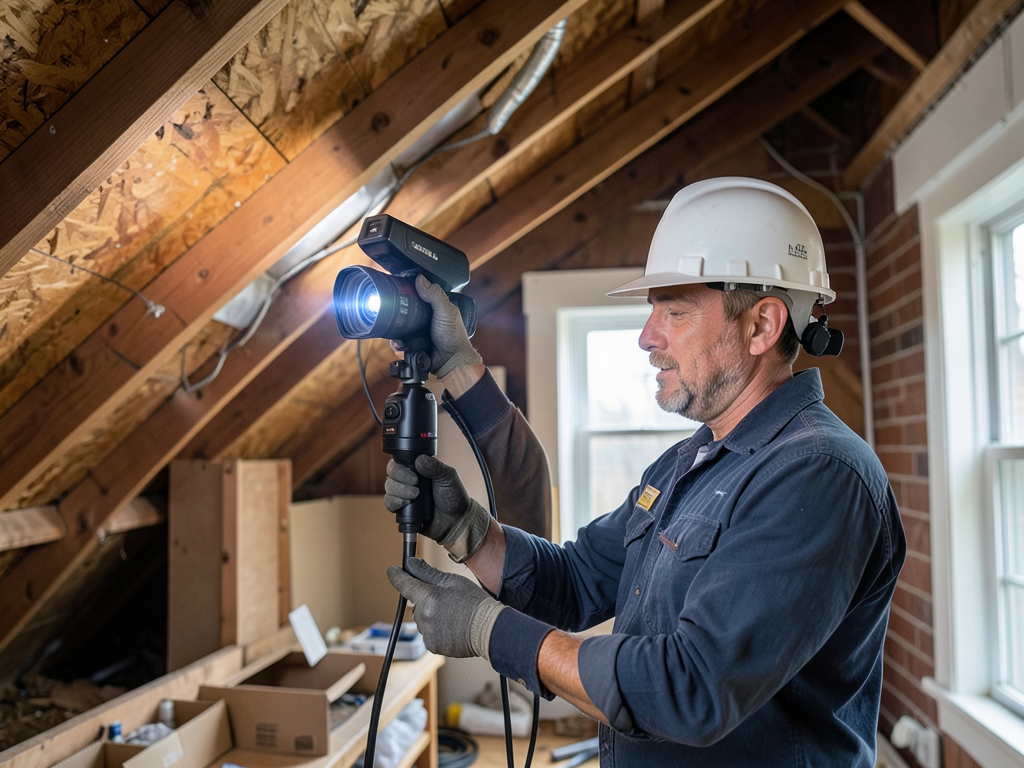
Our evaluation process includes infrared moisture scanning to identify wet insulation that will compromise any new membrane, core sampling to verify deck integrity, and detailed drainage analysis to prevent ponding water that shortens roof life. We do not push one membrane over another based on profit margin. TPO makes sense for some Detroit buildings. EPDM makes sense for others. The right choice depends on your building's construction, your budget constraints, and your performance priorities.

We provide detailed specifications for both options, including thermal imaging showing current heat loss, projected energy savings calculations, and lifecycle cost analysis comparing 20-year ownership expenses. You get the information needed to make a confident decision backed by data, not sales pressure. When you choose Peak Roofing Detroit, you work with contractors who have installed hundreds of flat roofs across Metro Detroit and understand what works on buildings like yours.

What to Expect When Installing TPO or EPDM on Your Detroit Building

Project Timeline and Scheduling

Most commercial flat roof replacements take three to seven days depending on roof size and complexity. Weather plays a significant role. TPO installation requires dry conditions and temperatures above 40 degrees for proper seam welding. EPDM can be installed in slightly cooler weather but still needs dry conditions for adhesive application. We schedule Detroit commercial projects from May through October when weather reliability is highest. Expect one day for tear-off and deck preparation, two to four days for insulation and membrane installation, and one day for flashing and detail work. We work around your business operations and can stage installations to keep portions of your building operational throughout the project.

Pre-Installation Roof Assessment Process

Before any material goes on your roof, we conduct a comprehensive structural and moisture evaluation. This includes core cuts through the existing membrane to check insulation condition, thermal imaging to map wet areas, and deck fastener pull tests to verify structural integrity. We photograph every roof penetration, drain, and parapet condition. You receive a written assessment identifying any deck repairs needed before membrane installation. This diagnostic phase typically takes two to four hours and prevents costly surprises during tear-off. Many Detroit commercial buildings have multiple roof layers that must be removed to meet code requirements for total roof load. We identify these issues upfront so your project budget reflects reality.

Membrane Performance and Quality Standards

TPO membranes we install meet ASTM D6878 standards with minimum 60-mil thickness for commercial applications. Seam strength exceeds membrane tensile strength through proper heat welding technique. Every seam gets probe-tested to verify complete fusion. EPDM installations follow ASTM D4637 specifications with fully adhered or mechanically attached systems depending on your building's wind exposure rating. We use only manufacturer-approved adhesives and primers designed for Detroit's temperature range. All flashings receive double coverage with termination bars mechanically fastened to prevent wind uplift. You get a watertight roof system engineered to handle the stress your building experiences from snow load, thermal cycling, and severe weather events.

Warranty Coverage and Maintenance Plans

Material warranties from TPO and EPDM manufacturers typically cover defects for 10 to 20 years depending on membrane thickness and system type. Installation workmanship warranties range from two to 10 years based on the scope of work and whether you choose a standard or extended coverage option. We recommend annual roof inspections to catch small issues before they become expensive problems. Detroit's freeze-thaw cycles can open small seam separations that grow over time. Fall inspections before winter let us reseal any vulnerable areas and clear drains before snow accumulation begins. Spring inspections identify winter damage while weather is still mild enough for repairs. A proactive maintenance program extends roof life by five to seven years compared to roofs that receive no attention until leaks appear.

Frequently Asked Questions

You Have Questions,
We Have Answers

Why choose TPO over EPDM? +

TPO offers better energy efficiency due to its reflective white surface, which helps lower cooling costs during Detroit's humid summers. It resists UV degradation and thermal shock better than EPDM, making it ideal for commercial buildings with rooftop HVAC units. TPO seams are heat-welded, creating stronger, more watertight bonds than EPDM's adhesive or tape seams. If you prioritize energy savings and long-term durability in Detroit's freeze-thaw climate, TPO delivers better performance. The initial cost difference often balances out through lower utility bills and fewer maintenance calls over the roof's lifespan.

Which lasts longer, a TPO or EPDM roof? +

Both TPO and EPDM can last 20 to 30 years with proper installation and maintenance. EPDM has a longer track record since it has been used since the 1960s, while TPO technology emerged in the 1990s. However, modern TPO formulations have improved significantly in durability. In Detroit's climate with harsh winters and hot summers, both materials perform well if installed correctly. The lifespan depends more on installation quality, maintenance frequency, and roof traffic than the material itself. Regular inspections after winter freeze-thaw cycles extend either membrane's service life considerably.

What are the disadvantages of a TPO roof? +

TPO membranes can shrink over time, especially with lower-quality formulations, which stresses seams and fasteners. The material is more susceptible to punctures from foot traffic or debris compared to thicker EPDM. Early TPO formulations had inconsistent quality, though manufacturers have addressed these issues. In Detroit, shrinkage becomes more pronounced during extreme temperature swings between summer and winter. TPO also shows dirt and stains more visibly on its white surface. Installation requires specialized heat-welding equipment and trained contractors. Poor workmanship leads to seam failures, which can cause leaks that spread along the membrane before becoming visible inside.

Which is cheaper, EPDM or TPO? +

EPDM typically costs less upfront than TPO. Material prices for EPDM run lower per square foot, and installation is often simpler since it does not require heat-welding equipment. However, TPO's energy efficiency can offset the higher initial investment through reduced cooling costs. In Detroit's commercial market, the price gap has narrowed as TPO has become more common. Labor costs vary based on contractor experience with each material. EPDM remains the budget-friendly choice for warehouse or storage buildings where energy efficiency matters less. For climate-controlled spaces, TPO's reflective properties deliver better long-term value despite higher installation costs.

What are the disadvantages of EPDM? +

EPDM's black surface absorbs heat, increasing cooling costs during Detroit's summer months compared to reflective TPO. Seams rely on adhesives or tape rather than heat welding, creating potential weak points where moisture can penetrate. The material is vulnerable to punctures from sharp objects and requires careful handling during installation. EPDM can develop shrinkage over time, pulling away from flashing and perimeter edges. Ponding water, common on flat roofs after Detroit's heavy rains, can degrade adhesive seams faster. The material also shows weathering and chalking on its surface as it ages, though this does not affect performance.

How many years does a TPO roof last? +

A properly installed TPO roof lasts 20 to 30 years in Detroit's climate. The lifespan depends on membrane thickness, with 60-mil and 80-mil options outlasting thinner 45-mil versions. Regular maintenance, including clearing debris and inspecting seams after winter, extends service life. Roofs with heavy foot traffic or multiple HVAC units age faster due to wear and tear. Detroit's freeze-thaw cycles stress the membrane, making proper drainage critical to prevent ponding water. Quality installation with heat-welded seams and adequate insulation protects against premature failure. Most manufacturers offer warranties ranging from 10 to 20 years depending on membrane thickness.

What are common problems with EPDM roofs? +

Seam failures are the most common EPDM problem. Adhesive and tape seams can separate due to poor installation, age, or Detroit's temperature extremes. Punctures from roof traffic, hail, or falling branches create leak points that spread beneath the membrane. Shrinkage pulls the material away from flashing and edges, especially around penetrations like vents and HVAC curbs. Ponding water from inadequate drainage degrades seam adhesives and accelerates aging. Improper installation of fasteners and plates can create stress points. UV exposure causes surface chalking over time. Regular inspections catch these issues early before they become major leaks affecting your building interior.

Can TPO and EPDM be used together? +

TPO and EPDM should not be used together on the same roof surface. The materials require different adhesives, installation methods, and flashing techniques. TPO uses heat-welded seams while EPDM relies on adhesives or tape, making transitions between materials a guaranteed leak point. Chemical incompatibility between the membranes can cause deterioration at contact points. However, you can install TPO on one section of a building and EPDM on another, as long as each area is completely separate with its own flashing and drainage. For roof replacements in Detroit, choose one material and install it across the entire surface for best waterproofing performance.

What roof has the shortest lifespan? +

Built-up roofing (BUR) typically has the shortest lifespan among commercial flat roofing systems, lasting 10 to 20 years. Three-tab asphalt shingles on residential slopes also fail relatively quickly, often within 15 to 20 years. Modified bitumen falls in the middle at 15 to 20 years. In Detroit's climate with freeze-thaw cycles and UV exposure, any roofing material degrades faster without proper maintenance. Poor installation shortens any roof's lifespan regardless of material. Inadequate ventilation, debris accumulation, and deferred maintenance cause premature failure. Single-ply membranes like TPO and EPDM outlast older technologies when installed correctly.

Why do insurance companies not like flat roofs? +

Insurance companies view flat roofs as higher risk because water does not drain as quickly as on sloped roofs. Ponding water, common after Detroit's heavy rainstorms, increases leak probability and structural load. Flat roofs require more frequent maintenance and inspection to prevent deterioration. Snow accumulation during Detroit winters creates additional weight and potential ice dam issues. The larger surface area exposed to hail damage raises claim frequency. Interior leaks on flat roofs often spread extensively before detection, resulting in larger claims. Many commercial policies require regular roof inspections and maintenance documentation to maintain coverage on flat roof buildings.

How Detroit's Freeze-Thaw Cycles Impact TPO and EPDM Membrane Selection

Detroit experiences 80 to 100 freeze-thaw cycles each winter, more than most Midwest cities due to our proximity to the Great Lakes. When daytime temperatures rise above freezing and nighttime temperatures drop below 32 degrees, any water trapped in roof seams or beneath membranes expands and contracts repeatedly. This cyclical stress tests the elongation properties of roofing membranes. EPDM's rubber composition maintains flexibility through these temperature swings better than some TPO formulations. However, TPO's heat-welded seams eliminate the tape-sealed joints where EPDM systems sometimes develop leaks after years of freeze-thaw exposure. The difference between TPO and EPDM performance in Detroit depends heavily on installation quality and whether the roof has positive drainage to prevent ice formation.

Detroit's commercial building stock includes thousands of flat-roof warehouses, retail centers, and industrial facilities built between 1950 and 1990. Many have inadequate insulation and poor drainage by current standards. Local building codes now require minimum R-30 insulation for commercial roofs and positive drainage to all roof drains. When you work with Peak Roofing Detroit, you get contractors who understand these requirements and can bring older buildings up to current code during roof replacement. We know which insulation substrates work under TPO versus EPDM, how to detail parapet flashings to prevent ice dam damage, and where drainage improvements provide the biggest protection against ponding water. Local expertise matters when your roof replacement must meet Detroit's commercial building codes and survive our weather patterns.
Roofing Services in The Detroit Area

Our local headquarters are strategically located to efficiently serve all of Detroit and the surrounding areas. We invite you to view our service region and location on the map. As a trusted local contractor, we are never far from your neighborhood and are committed to providing quick, reliable, and convenient service wherever you are within the metropolitan area.

Address:
Peak Roofing Detroit, 19549 Gilmore St, Reseda, CA, 91335

Additional Services We Offer

Our news updates

Latest Articles & News from The Blogs

Why Clay Tile Roofs in Grosse Pointe Park Need Specialized Maintenance\n\nClay tile roofs define the historic character of Grosse Pointe…

Why Clay Tile Roofs in Grosse Pointe Park Need Specialized Maintenance

Why Clay Tile Roofs in Grosse Pointe Park Need Specialized Maintenance\n\nClay tile roofs define the historic character of Grosse Pointe…

Is a Standing Seam Metal Roof the Right Choice for Your Grosse Pointe Farms Estate

Is a Standing Seam Metal Roof the Right Choice for Your Grosse Pointe Farms Estate Standing seam metal roofing offers…

Why Hazel Park Homeowners are Choosing Performance Shingles for Their First Houses

Why Hazel Park Homeowners are Choosing Performance Shingles for Their First Houses When Hazel Park first-time homeowners look up at…

Contact Us

Stop guessing which membrane is right for your building. Call Peak Roofing Detroit at (313) 604-2233 for a detailed roof assessment and side-by-side comparison of TPO and EPDM performance on your specific property. We provide clear answers backed by decades of Metro Detroit commercial roofing experience.