menu

Signs You Need a New Roof in Detroit – Catch Failure Before It Costs You Thousands

Learn the specific warning signs of roof failure unique to Detroit's freeze-thaw cycles and aging housing stock before water damage, structural rot, or emergency repairs drain your wallet.

Slider Image 1
Slider Image 2
Slider Image 3
Slider Image 4
Slider Image 5
Slider Image 7
Slider Image 8
Slider Image 9
Slider Image 10
Slider Image 11

Why Detroit Roofs Fail Faster Than You Think

Detroit's climate puts roofs through hell. The freeze-thaw cycle is relentless. Water seeps into small cracks during the day, then freezes at night. Ice expands. Shingles crack. Flashing separates. By spring, you have leaks you did not see coming.

Most Detroit homes were built between 1920 and 1960. That means aging roof decking, outdated ventilation systems, and brittle asphalt shingles that have absorbed decades of temperature swings. The indicators for roof replacement show up quietly. A missing shingle here. Granules in the gutter there. You ignore them because the leak has not started yet.

But warning signs of roof failure do not wait for your convenience. A small membrane breach in October becomes a saturated attic by February. Mold grows in the insulation. Ceiling drywall sags. By the time you see the stain, the damage is already expensive.

Detroit's housing stock is older than the national average. That means your roof is statistically closer to failure than you think. The symptoms of a failing roof are not always obvious. Curling shingles blend into shadow. Cracked flashing hides under downspouts. But the evidence for roof replacement is there if you know how to tell if you need a new roof.

You do not need a catastrophic collapse to justify action. You need to know what to look for before the problem becomes an emergency.

Why Detroit Roofs Fail Faster Than You Think
The Six Warning Signs That Demand Immediate Attention

The Six Warning Signs That Demand Immediate Attention

Age is the first indicator. Asphalt shingles last 20 to 25 years in Detroit's climate. If your roof is pushing two decades, you are on borrowed time. The substrate loses flexibility. UV radiation breaks down the petroleum binders. Wind resistance drops.

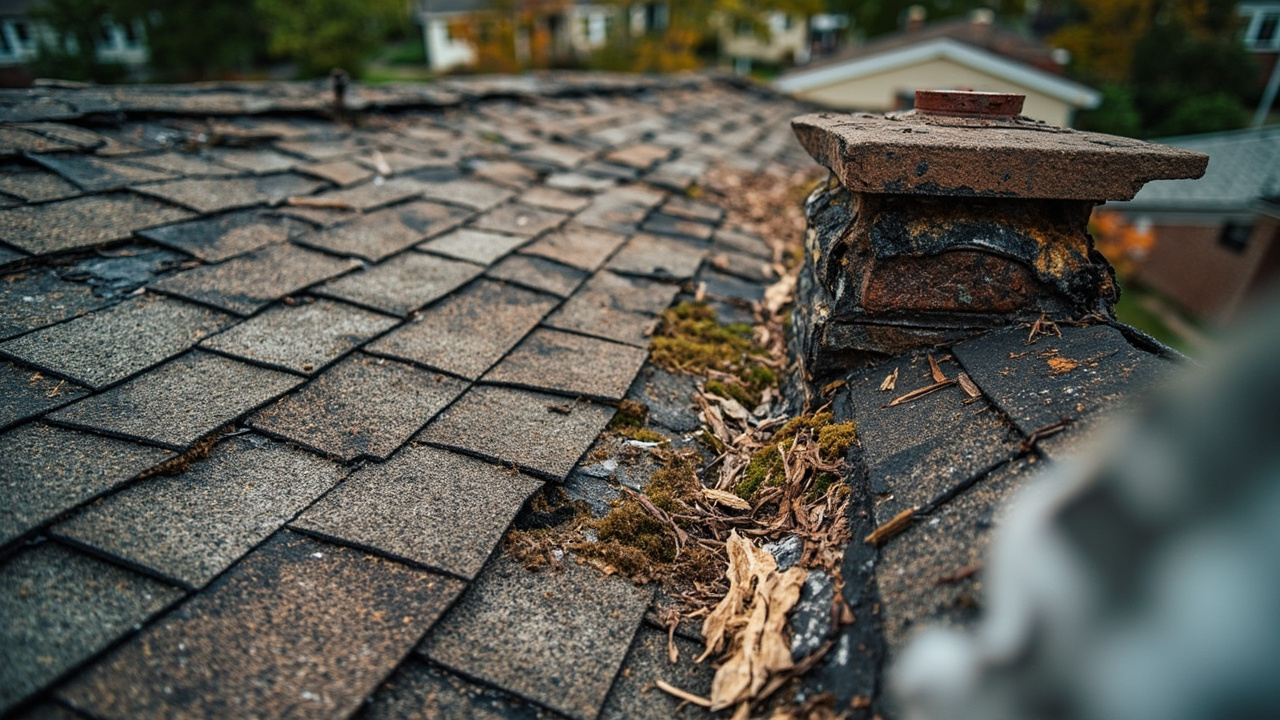
Granule loss is the second sign. Those tiny ceramic particles protect the asphalt mat from UV degradation. When they wash into your gutters by the cupful, the shingle is dying. You will see bald patches where the black asphalt shows through. That is advanced deterioration.

Curling or cupping shingles mean moisture has compromised the mat. The edges lift. Wind gets underneath. One storm, and you lose a dozen shingles at once. This is not cosmetic. This is structural failure in progress.

Interior stains are the obvious symptom, but you should never wait for water in the house. By then, the decking is rotting. Check your attic twice a year. Look for daylight through the boards. Feel for moisture on the underside of the sheathing. Smell for mildew.

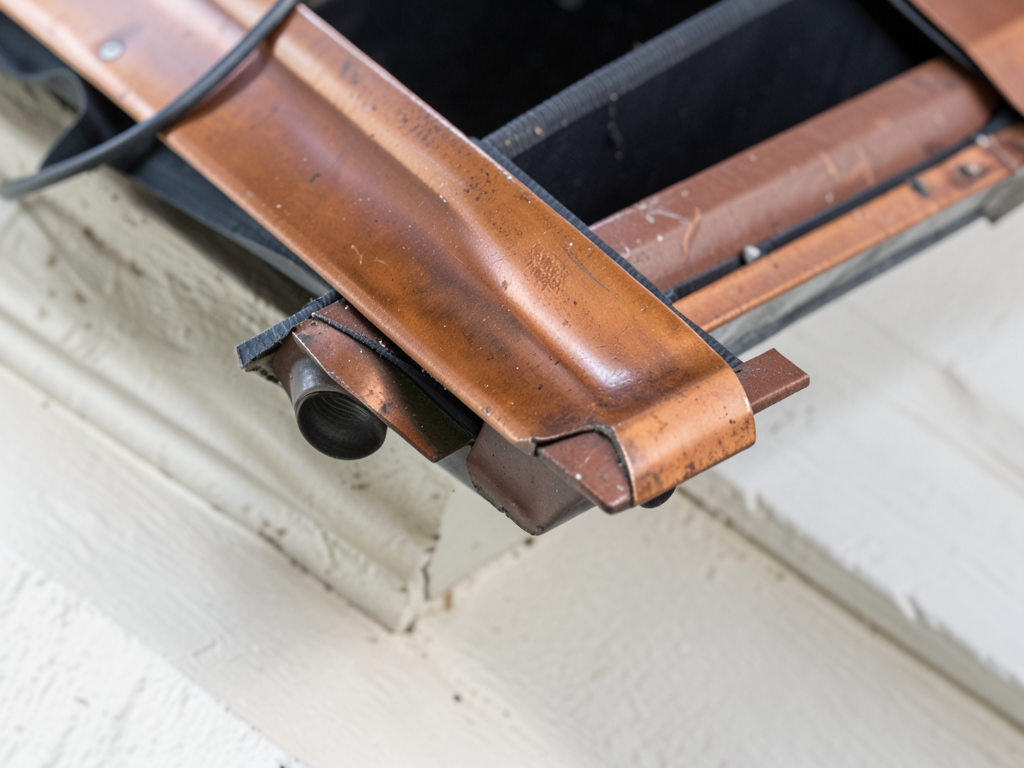
Flashing failure is common around chimneys, skylights, and vents. The sealant cracks. The metal corrodes. Water runs straight into the wall cavity. You will not see this from the ground, but a trained eye can spot the rust stains and lifted edges during an inspection.

Sagging rooflines mean the decking or rafters have failed. This is not a repair situation. This is a tear-off and rebuild. If you see a dip in the roofline, call immediately. The structure is compromised.

What Happens During a Roof Damage Assessment

Signs You Need a New Roof in Detroit – Catch Failure Before It Costs You Thousands
01

Exterior Inspection

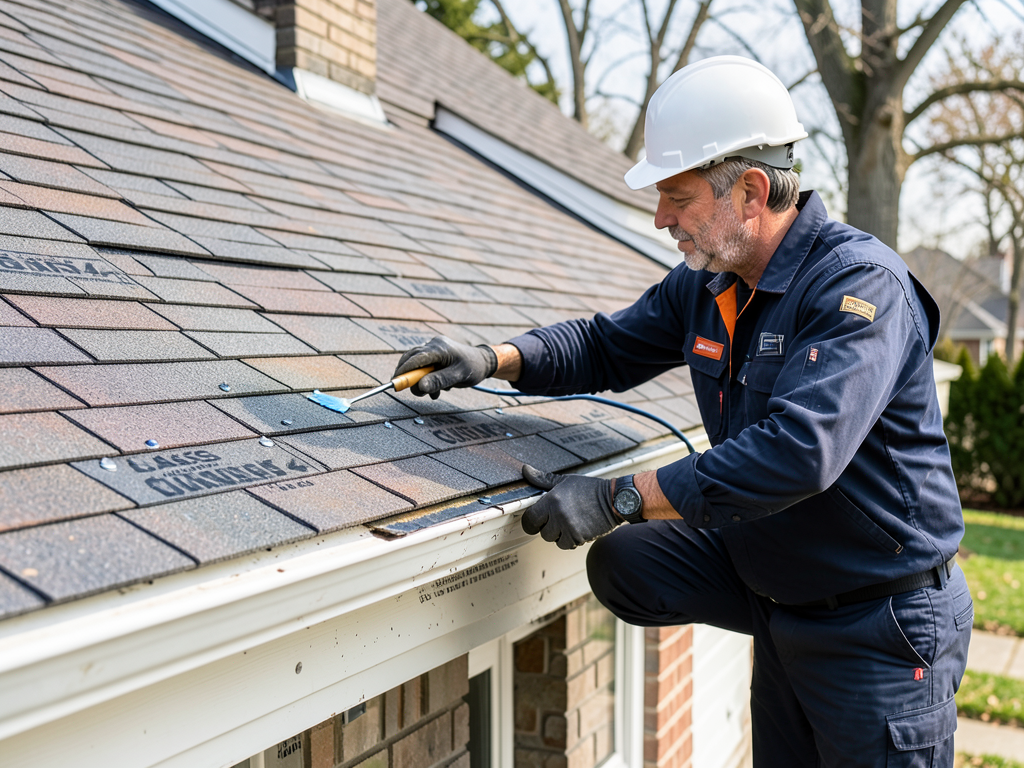
We walk the entire roof surface to check shingle integrity, flashing condition, and penetration seals. We document missing granules, cracked tabs, and exposed fasteners. We measure the slope and check the drip edge for rust or separation. We photograph every area of concern so you see exactly what we see.
02

Attic and Ventilation Check

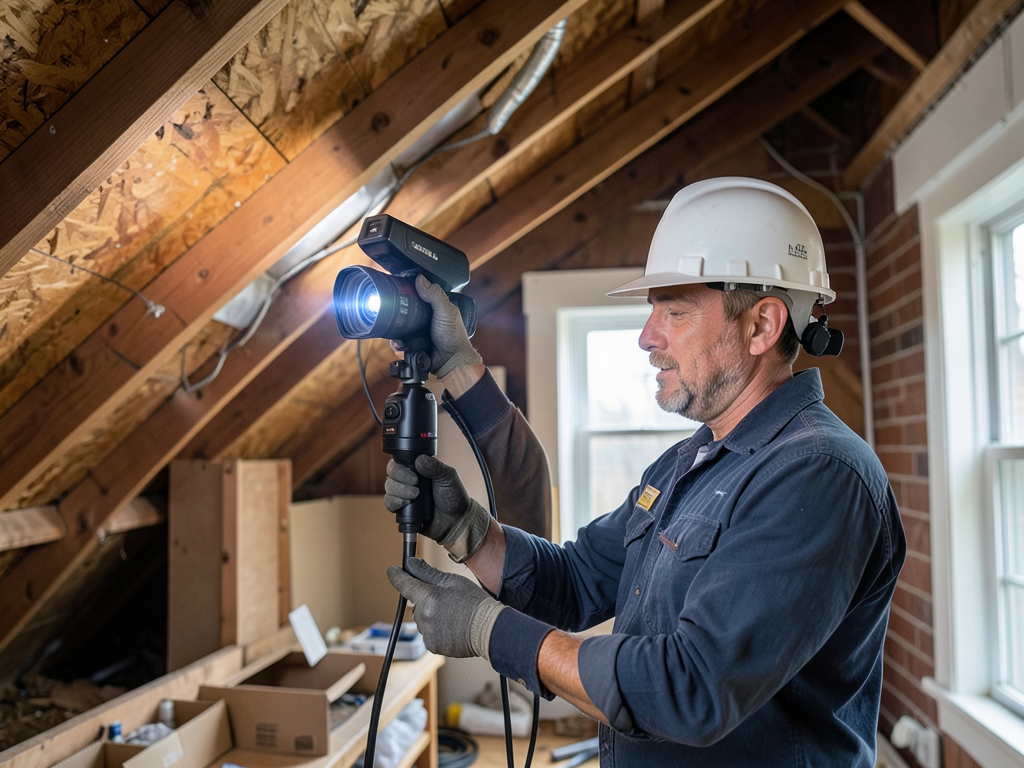
We go into your attic to inspect the underside of the roof deck for water stains, mold growth, and structural sagging. We check the ventilation system because inadequate airflow accelerates shingle failure. We measure insulation depth and look for gaps that cause ice dams. Poor ventilation alone can cut your roof lifespan in half.
03

Detailed Damage Report

You receive a written report with photos, a condition rating for each roof section, and a timeline for action. We classify issues as immediate, near-term, or monitor-only. We explain what can be repaired versus what needs replacement. You get a clear path forward with no pressure and no guessing.

Why Detroit Homeowners Trust Peak Roofing Detroit

Detroit's housing is unique. The city has more historic bungalows per capita than almost anywhere in the Midwest. That means hipped roofs, complex flashing details, and original lumber that requires careful handling during tear-off. You cannot send a generic crew to work on a 1920s Craftsman and expect good results.

Peak Roofing Detroit specializes in the housing stock you actually own. We know how to remove old shingles without damaging brittle roof decking. We understand the ventilation requirements for attics built before modern codes existed. We know which Detroit neighborhoods have clay tile accents that need custom flashing.

We also understand Detroit's permit process. The city requires permits for full roof replacements, and the inspection schedule can delay projects if you do not plan correctly. We handle the paperwork, coordinate the inspections, and keep your project on schedule.

Our team has worked through Detroit's weather extremes. We know you cannot install shingles below 40 degrees because the sealant will not activate. We know spring is the busiest season because everyone who postponed work during winter calls at once. We book ahead, and we show up when we say we will.

You are not hiring a national chain that subcontracts to the lowest bidder. You are hiring a Detroit-based company that knows your neighborhood, your housing type, and your climate. We do not upsell. We do not disappear after the deposit. We do the work right the first time because our reputation depends on it.

What to Expect From Your Roof Inspection and Replacement

Response Time and Scheduling

We schedule inspections within 48 hours of your call. Most inspections take 60 to 90 minutes depending on roof size and attic access. You receive the written report within 24 hours. If you approve a replacement, we typically start work within two to three weeks during normal season. Emergency tarping and temporary repairs happen same-day or next-day if you have active leaks. We do not make you wait while your home takes on water.

How the Inspection Process Works

Our inspection covers every roof penetration, every valley, and every transition point. We use a moisture meter to check for hidden leaks in the decking. We pull back shingles in suspect areas to inspect the underlayment. We check the condition of your soffit vents and ridge vents because poor airflow causes premature failure. You get photos of every issue and a plain-language explanation of what each problem means for your timeline and budget.

The Quality of the Final Install

We tear off down to the decking and replace any rotted sheathing before we install new underlayment. We use ice and water shield in the valleys and along the eaves to prevent ice dam leaks. We hand-nail flashing around every penetration. We install a new ridge vent system if your attic ventilation is inadequate. The final product is a roof system designed to handle Detroit winters for the next 25 years, not a quick cosmetic patch.

Post-Installation Support

You receive documentation of all materials installed, including shingle brand, underlayment type, and fastener specifications. We walk you through the manufacturer warranty and explain what it covers. We provide a workmanship guarantee that protects you against installation defects. We also offer an annual inspection service to catch small issues before they become expensive problems. You are not on your own after we finish the job.

Frequently Asked Questions

You Have Questions,
We Have Answers

How do you know when it's time to replace your roof? +

You know it's time to replace your roof when you see multiple warning signs. Look for missing or curling shingles, granules collecting in gutters, and daylight showing through the attic. Water stains on ceilings signal active leaks. In Detroit, harsh freeze-thaw cycles accelerate wear, so check for cracked flashing around chimneys and vents. If your roof is over 20 years old and requires frequent repairs, replacement is more cost-effective than patching. Sagging areas indicate structural damage that needs immediate attention. Schedule a professional inspection to assess the true condition.

What are the signs of a failing roof? +

Failing roofs show clear warning signs. Shingles may curl, crack, or blow off during Detroit's strong wind events. You'll notice dark streaks from algae growth, especially on north-facing slopes with less sun exposure. Interior water stains, peeling paint, or mold growth indicate moisture penetration. Granule loss leaves shingles smooth and vulnerable. Check your attic for light coming through the roof deck or wet insulation after rain. Sagging sections point to structural weakness. Ice dams forming along eaves in winter signal ventilation problems. These issues worsen quickly in Michigan's climate.

At what age should a roof be replaced? +

Asphalt shingle roofs should be replaced around 20 to 25 years, though Detroit's weather can shorten this timeline. Architectural shingles last slightly longer than three-tab versions. Metal roofs can reach 40 to 50 years with proper maintenance. Flat roofs on commercial buildings typically need replacement every 15 to 20 years. Age alone isn't the only factor. Severe weather events, poor ventilation, and installation quality all affect lifespan. If your roof approaches 20 years and shows visible wear, schedule an inspection. Waiting too long risks interior damage that costs more to repair.

What is the average cost of a full roof replacement? +

The cost varies based on roof size, material choice, and complexity. A typical Detroit home requires $8,000 to $15,000 for asphalt shingle replacement. Larger homes or premium materials increase costs. Metal roofing runs higher but lasts longer. Steep pitches, multiple chimneys, and complex angles add labor expenses. Removal of old layers, decking repairs, and permit fees factor into the total. Detroit's building codes require proper ventilation and ice barrier installation. Get multiple detailed estimates that break down materials, labor, and disposal costs. Avoid choosing based solely on the lowest bid.

Is $30,000 too much for a roof? +

$30,000 could be reasonable depending on specific factors. Large homes over 3,000 square feet with premium materials like slate or copper can reach this range. Complex roof designs with multiple valleys, dormers, and steep pitches require more labor. Extensive structural repairs to decking or trusses add costs. However, for a standard Detroit colonial with asphalt shingles, $30,000 seems high. Request itemized estimates from three contractors. Compare material specifications, warranty coverage, and scope of work. Verify all structural repairs are necessary. High-quality materials cost more but outlast budget options in Michigan's harsh climate.

How old may a roof be before insurance claims it's too old? +

Most insurance companies scrutinize roofs over 15 years old. After 20 years, many carriers limit coverage or require inspection before renewing policies. Some insurers switch from replacement cost to actual cash value coverage, which depreciates claims based on age. In Detroit's competitive insurance market, carriers vary in their age thresholds. Wind and hail damage claims face more scrutiny on older roofs. Insurers may deny coverage if prior wear contributed to the damage. Document your roof's condition with photos. Consider replacement before the 15-year mark to maintain full coverage and avoid claim complications.

What is the most expensive part of replacing a roof? +

Labor represents the most expensive component of roof replacement. Skilled crews command fair wages, especially for complex installations requiring precision. Material costs follow closely, particularly for premium products. Tear-off and disposal fees add up, especially if multiple old layers need removal. In Detroit, structural repairs to decking damaged by ice dams or leaks increase costs substantially. Flashing replacement around chimneys, skylights, and vents requires custom metalwork. Steep pitches demand safety equipment and slower work. Quality underlayment and ventilation components protect your investment. Cutting corners on labor or materials leads to premature failure and costly repairs.

Does homeowners insurance pay for a leaky roof? +

Homeowners insurance covers leaky roofs only if sudden, accidental damage caused the leak. Wind, hail, or falling trees typically qualify for coverage. Gradual wear, poor maintenance, or age-related deterioration are excluded. Insurance adjusters investigate the cause thoroughly. In Detroit, insurers often attribute leaks to ice dam damage or deferred maintenance rather than covered perils. Document the damage immediately with photos. Review your policy's specific exclusions and deductible. If a storm caused the leak, file quickly. Preventable leaks from neglected maintenance remain your responsibility. Regular inspections help identify problems before they escalate.

What is the average lifespan of a roof? +

Asphalt shingle roofs last 20 to 25 years in Detroit's climate. Architectural shingles outlast basic three-tab versions by several years. Metal roofing reaches 40 to 50 years with minimal maintenance. Flat roofs using EPDM or TPO membranes last 15 to 25 years depending on installation quality. Michigan's freeze-thaw cycles, high humidity, and severe storms reduce these estimates. Poor attic ventilation accelerates aging. Quality installation extends lifespan significantly. Regular inspections catch small issues before they cause major damage. Consider climate impact when selecting materials. Metal performs well in heavy snow and ice conditions common here.

How much does it cost to change a whole roof? +

Complete roof replacement costs depend on multiple variables. Material choice drives pricing. Asphalt shingles offer affordability while metal costs more upfront but lasts longer. Roof size, pitch, and complexity affect labor hours. Structural repairs to damaged decking add expense. Removal of old materials, permits, and disposal fees contribute to the total. Detroit homes typically range from $8,000 to $20,000 for full replacement. Commercial buildings cost more due to size and specialized systems. Request detailed written estimates breaking down all costs. Compare warranties, material grades, and contractor credentials. Quality installation protects your investment for decades.

How Detroit's Freeze-Thaw Cycle Accelerates Roof Failure

Detroit averages 35 freeze-thaw cycles per winter. That is 35 opportunities for water infiltration, ice expansion, and shingle stress. Compare that to southern climates where roofs fail from UV exposure alone. Here, the temperature swings are the killer. Water trapped under a shingle freezes, expands, and cracks the sealant strip. The next thaw lets more water in. By the end of winter, you have membrane breaches that were invisible in October. This cycle is why Detroit roofs fail faster than the national average and why how to tell if you need a new roof depends on understanding local conditions.

Peak Roofing Detroit has worked on homes in every neighborhood, from the historic bungalows in Rosedale Park to the post-war ranches in Redford. We understand the building practices from each era and how they affect roof performance today. We know the city inspection process and the timeline for permits. We know which supply yards stock the materials that perform best in this climate. When you hire a Detroit-based contractor, you get someone who knows your home type and your weather patterns, not a national franchise that treats every roof the same.
Roofing Services in The Detroit Area

Our local headquarters are strategically located to efficiently serve all of Detroit and the surrounding areas. We invite you to view our service region and location on the map. As a trusted local contractor, we are never far from your neighborhood and are committed to providing quick, reliable, and convenient service wherever you are within the metropolitan area.

Address:
Peak Roofing Detroit, 19549 Gilmore St, Reseda, CA, 91335

Additional Services We Offer

Our news updates

Latest Articles & News from The Blogs

Why You See Dark Lines on Your LaSalle Gardens Ceiling (Is it a Leak or Ghosting?) Those dark streaks on…

Why You See Dark Lines on Your LaSalle Gardens Ceiling (Is it a Leak or Ghosting?)

Why You See Dark Lines on Your LaSalle Gardens Ceiling (Is it a Leak or Ghosting?) Those dark streaks on…

Restoring the Hidden Box Gutters on a Classic Virginia Park Four-Square

Restoring the Hidden Box Gutters on a Classic Virginia Park Four-Square Box gutters are the hidden lifelines of Detroit’s historic…

How a New Roof Affects Your Homeowners Insurance Premium in Clinton Township

How a New Roof Affects Your Homeowners Insurance Premium in Clinton Township A new roof in Clinton Township can immediately…

Contact Us

Do not wait for a leak to force your hand. Call Peak Roofing Detroit at (313) 604-2233 for a no-pressure inspection. We will tell you exactly what condition your roof is in and what it will take to protect your home through the next decade of Detroit winters.