
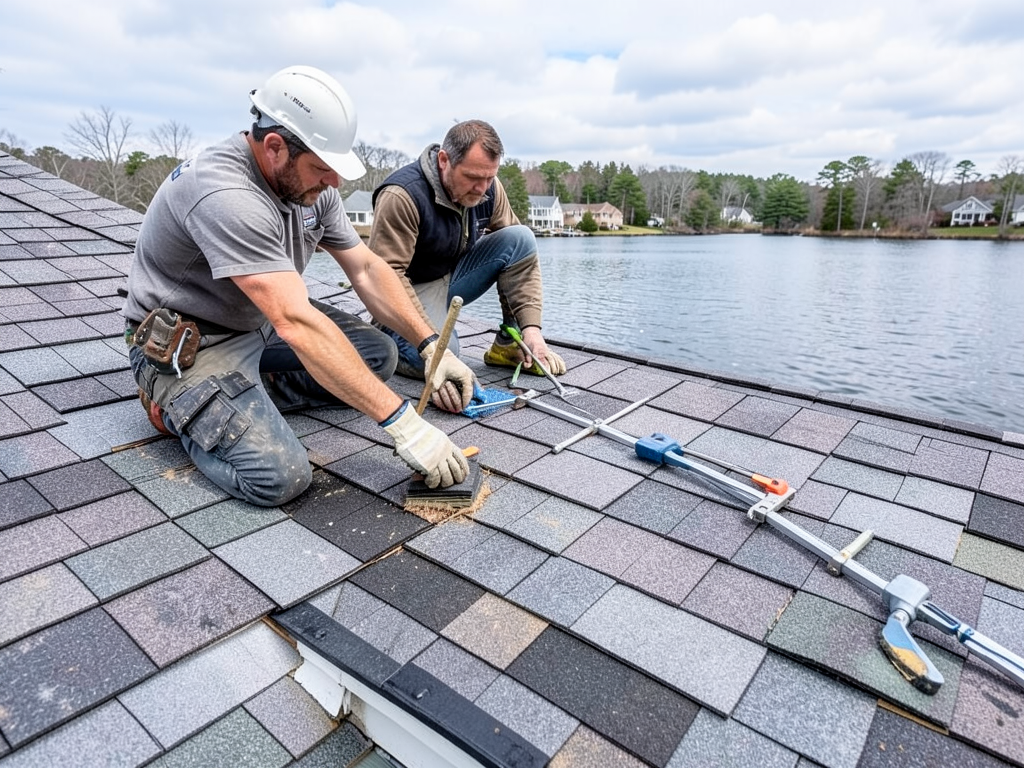
The Best Roofing Materials for Withstanding High Winds in Harrison Township
Harrison Township homes face unique wind challenges from Lake St. Clair, where sustained gusts can exceed 60 mph during summer storms and winter nor’easters. Choosing the right roofing materials isn’t just about durability—it’s about protecting your home from wind uplift that can tear shingles off and compromise your entire roof structure. This guide breaks down which materials actually hold up when the next big storm hits, using Michigan-specific wind ratings and installation standards that generic guides never mention. Michigan Residential Code information.
Understanding Wind Ratings: What Class F and Class H Really Mean
Wind resistance isn’t just marketing hype. The American Society for Testing and Materials (ASTM) tests shingles using standardized uplift pressure to determine their wind rating. Class F shingles withstand winds up to 110 mph, while Class H shingles handle up to 150 mph. But here’s the critical detail most contractors won’t tell you: these tests use specific nail patterns and installation methods. A Class H shingle installed with only four nails won’t survive a 70 mph gust if the manufacturer requires six. ASTM D3161 wind resistance standard.
In Harrison Township, the Michigan Residential Code (MRC) Section R905.2.5 requires six-nail fastening patterns for shingles in high-wind zones. This means even if you buy Class F shingles, improper installation voids your warranty and leaves your home vulnerable. The code also mandates specific nail types—ring-shank nails instead of smooth ones—to prevent pull-through during wind events.
Top Wind-Resistant Shingle Technologies for 2026
Modern shingles use different technologies to stay put when winds howl. GAF’s LayerLock technology creates a mechanical bond between shingle layers, while CertainTeed’s CertaSeal adhesive activates with heat to create a weatherproof seal. Owens Corning’s SureNail technology uses a woven fabric strip that provides 200% more nail pull-through resistance than standard shingles.. Read more about Comparing CertainTeed Northgate vs. GAF ArmorShield for Michigan Hail Protection.
Here’s how they compare in real-world conditions:
| Brand & Model | Wind Rating | Key Technology | Best For |
|---|---|---|---|
| GAF Timberline HDZ | Class H (130 mph) | LayerLock | High-wind areas near water |
| CertainTeed Landmark | Class H (130 mph) | CertaSeal | Historic homes needing durability |
| Owens Corning Duration | Class H (130 mph) | SureNail | Budget-conscious high-wind zones |
| GAF ArmorShield II | Class H (150 mph) | Modified bitumen | Extreme wind exposure |
Installation Matters More Than the Shingle
Even the best Class H shingle fails if installed wrong. The MRC requires six nails per shingle in wind-prone areas, placed exactly 1 inch from the edge in a specific pattern. Each nail must penetrate at least 3/4 inch into the roof deck. Using the wrong nail length or spacing creates weak points where wind can get underneath.
Starter shingles are another critical detail. They provide the first line of defense against wind uplift at the eaves. Without proper starter shingles, wind can get underneath the first course and peel the entire roof like a banana. The Michigan code specifically requires starter shingles with adhesive strips facing up to create a continuous seal.. Read more about How to Spot Roof Damage from Your Driveway Without Climbing a Ladder.
Great Lakes Weather Patterns That Test Your Roof
Harrison Township’s proximity to Lake St. Clair creates unique wind patterns. The lake effect generates sudden gusts that can exceed sustained wind speeds by 30-40 mph. These microbursts hit with little warning and test every seam, nail, and adhesive strip on your roof.
During a typical summer storm, wind speeds might reach 45 mph sustained with 60-70 mph gusts. Winter storms from the north can produce similar speeds but with added ice and snow weight. The combination of high winds and moisture creates conditions where even small installation errors become catastrophic failures.
Beyond Shingles: Secondary Protection Systems
High-wind roofing isn’t just about the visible shingles. A complete system includes synthetic underlayment that won’t tear in high winds, ice and water shield in vulnerable areas, and proper flashing around chimneys and vents. The MRC requires ice and water shield in Michigan for the first 24 inches from all edges, but in high-wind areas, extending it to 36 inches provides better protection. Metal Roofing for Ferndale Homes (Is it Actually Worth the Investment?).
Roof pitch also affects wind performance. Steeper pitches (8:12 and above) shed wind better but create higher uplift pressure at the ridge. Lower pitches (4:12) have less uplift but more water infiltration risk. Harrison Township homes typically range from 4:12 to 6:12, which means wind-resistant shingles are especially important.. Read more about How a New Roof Affects Your Homeowners Insurance Premium in Clinton Township.
Insurance and Code Compliance
Many Michigan insurance companies offer premium discounts for Class H shingles and six-nail installation. Some even require documentation showing compliance with MRC wind standards. After a wind claim, adjusters look for specific installation details—missing starter shingles or incorrect nailing patterns can result in claim denial.
The MRC Section R301.2.1.2 specifically addresses wind design in Michigan. Homes in Harrison Township fall under a basic wind speed zone of 90 mph, but local topography and lake proximity can create higher effective wind speeds. This is why the code requires the more stringent six-nail pattern rather than the standard four-nail method.
Cost vs. Performance Analysis
Class H shingles cost 15-25% more than Class F shingles, but the price difference is minimal compared to the cost of wind damage repairs. A single wind event can damage 20-30% of a roof, requiring thousands in repairs. Over a 20-year roof life, the probability of experiencing at least one major wind event in Michigan exceeds 80%.
Installation quality affects long-term costs more than initial material price. A $5,000 roof installed incorrectly might fail in 5 years, while a $7,000 properly installed roof lasts 20+ years. The MRC compliance documentation also helps with future home sales, as buyers and inspectors look for code-compliant installations.
Warning Signs Your Current Roof Can’t Handle Wind
Before the next storm hits, check for these failure indicators: missing or curled shingles at the edges, exposed nail heads, gaps in the starter course, or shingles that lift easily by hand. These aren’t just cosmetic issues—they’re failure points waiting for the right wind speed.
During our inspections, we use a moisture meter to check for water infiltration around suspect areas. Even small gaps can let water in during wind-driven rain, leading to rot and structural damage that’s much more expensive to fix than replacing shingles.
Professional Installation Standards in Michigan
Proper installation requires specific tools and techniques. We use pneumatic nail guns calibrated to exact pressure settings—too much pressure drives nails through shingles, too little leaves them proud and vulnerable to wind uplift. Each nail must be driven straight and flush with the shingle surface.
The MRC also requires specific underlayment overlap patterns and fastening schedules. Synthetic underlayment must be installed with plastic caps rather than staples to prevent tearing in high winds. These details matter because wind doesn’t just hit the surface—it creates uplift pressure that tests every layer of your roofing system. Spray Foam Roofing.
Choosing the Right Contractor
Not all contractors understand Michigan’s wind requirements. Ask potential contractors about their MRC compliance experience, specific nailing patterns they use, and whether they provide code compliance documentation. A reputable contractor should explain their installation process in detail and provide references from similar high-wind area projects.
Be wary of contractors who only offer the cheapest option or can’t explain the difference between Class F and Class H shingles. In Harrison Township’s wind conditions, cutting corners on materials or installation almost always leads to premature failure.
Emergency Wind Damage Response
If wind damage occurs, immediate action prevents further damage. Cover exposed areas with tarps, document all damage with photos, and contact your insurance company within 24 hours. Most policies require prompt notification of wind damage to maintain coverage.
Professional assessment should include checking the roof deck for damage, not just replacing missing shingles. Wind can bend or crack the underlying structure, creating hidden problems that lead to leaks months later. This is why we always perform a full deck inspection during wind damage repairs.
Frequently Asked Questions
What wind speed can Class H shingles withstand?
Class H shingles are tested to withstand winds up to 150 mph under ideal installation conditions. However, in Michigan, the Michigan Residential Code requires six-nail installation patterns that can handle sustained winds of 90 mph with gusts up to 110 mph, which is sufficient for most Great Lakes storm conditions.
Are wind-resistant shingles worth the extra cost?
Yes. While Class H shingles cost 15-25% more than standard shingles, they can prevent thousands in wind damage repairs. In Michigan’s climate, where major wind events occur frequently, the investment typically pays for itself within 5-7 years through avoided repairs and potential insurance premium discounts.
How can I tell if my roof was installed to code?
Check for six nails per shingle in a specific pattern, proper starter shingles with adhesive strips, and synthetic underlayment with plastic cap fasteners. You can also request code compliance documentation from your contractor or have a professional inspection verify MRC compliance.
Will my insurance cover wind damage to my roof?
Most Michigan homeowners insurance policies cover wind damage, but coverage depends on proper installation and maintenance. Policies often require documentation showing compliance with local building codes, and claims can be denied if installation doesn’t meet Michigan Residential Code standards. What Royal Oak Homeowners Should Know Before Choosing a Roofing Contractor.
How long does a wind-resistant roof installation take?
A typical residential roof installation takes 2-3 days, but weather conditions can extend this timeline. In Harrison Township, we monitor wind forecasts and may delay work if sustained winds exceed 20 mph during installation to ensure proper shingle sealing and safety.
What’s the difference between Class F and Class H shingles?
Class F shingles withstand winds up to 110 mph, while Class H shingles handle up to 150 mph. The main difference is the adhesive strength and nail pull-through resistance. Class H shingles use stronger self-sealing strips and more durable mat materials to maintain their bond in extreme wind conditions.
Can I install wind-resistant shingles myself?
While DIY installation is possible, it’s not recommended for wind-resistant systems. Proper installation requires specific tools, knowledge of Michigan building codes, and experience with wind-rated nailing patterns. Improper installation voids warranties and can lead to premature failure during the first major storm.
How often should I inspect my roof for wind damage?
Inspect your roof twice yearly—once in spring after winter storms and once in fall before winter weather. Also check after any major wind event exceeding 50 mph. Look for missing shingles, lifted edges, or exposed nail heads, which indicate potential wind damage.
Take Action Before the Next Storm Hits
Wind damage doesn’t wait for convenient timing. If your roof is over 15 years old, shows signs of wear, or you’re unsure about its wind resistance, now is the time to act. A professional inspection can identify vulnerabilities before they become expensive repairs.
Don’t let the next Lake St. Clair storm find your home unprepared. Call (313) 604-2233 today to schedule your wind resistance assessment. Our Michigan-certified inspectors will evaluate your current roof, explain your options, and provide a detailed quote for bringing your home up to current wind code standards. The peace of mind is worth the call.
Pick up the phone and call (313) 604-2233 before the next storm hits. Your home deserves protection that actually works when the wind starts howling off the lake.
{
“@context”: “https://schema.org”,
“@type”: “BlogPosting”,
“headline”: “The Best Roofing Materials for Withstanding High Winds in Harrison Township”,
“description”: “Discover wind-resistant roofing materials that protect Harrison Township homes from Great Lakes gusts. Learn about Class F vs Class H ratings, local codes, and proven installation methods.”,
“wordCount”: 1866,
“datePublished”: “2026-05-09T11:58:00.000Z”,
“dateModified”: “2026-05-09T11:58:00.000Z”,
“inLanguage”: “en-US”,
“mainEntityOfPage”: {
“@type”: “WebPage”,
“@id”: “https://peakroofingdetroit.com”
},
“publisher”: {
“@type”: “LocalBusiness”,
“name”: “Peak Roofing Detroit”,
“url”: “https://peakroofingdetroit.com”
},
“author”: {
“@type”: “Organization”,
“name”: “Peak Roofing Detroit”,
“url”: “https://peakroofingdetroit.com”
},
“image”: {
“@type”: “ImageObject”,
“url”: “https://peakroofingdetroit.com/wp-content/uploads/2026/03/the-best-roofing-materials-for-withstanding-high-w-1.png”
}
}
{
“@context”: “https://schema.org”,
“@type”: “RoofingContractor”,
“name”: “Peak Roofing Detroit”,
“url”: “https://peakroofingdetroit.com”,
“address”: {
“@type”: “PostalAddress”,
“addressLocality”: “Detroit”
},
“areaServed”: {
“@type”: “City”,
“name”: “Detroit”
}
}
{
“@context”: “https://schema.org”,
“@type”: “FAQPage”,
“mainEntity”: [
{
“@type”: “Question”,
“name”: “What wind speed can Class H shingles withstand?”,
“acceptedAnswer”: {
“@type”: “Answer”,
“text”: “Class H shingles are tested to withstand winds up to 150 mph under ideal installation conditions. However, in Michigan, the Michigan Residential Code requires six-nail installation patterns that can handle sustained winds of 90 mph with gusts up to 110 mph, which is sufficient for most Great Lakes storm conditions.”
}
},
{
“@type”: “Question”,
“name”: “Are wind-resistant shingles worth the extra cost?”,
“acceptedAnswer”: {
“@type”: “Answer”,
“text”: “Yes. While Class H shingles cost 15-25% more than standard shingles, they can prevent thousands in wind damage repairs. In Michigan’s climate, where major wind events occur frequently, the investment typically pays for itself within 5-7 years through avoided repairs and potential insurance premium discounts.”
}
},
{
“@type”: “Question”,
“name”: “How can I tell if my roof was installed to code?”,
“acceptedAnswer”: {
“@type”: “Answer”,
“text”: “Check for six nails per shingle in a specific pattern, proper starter shingles with adhesive strips, and synthetic underlayment with plastic cap fasteners. You can also request code compliance documentation from your contractor or have a professional inspection verify MRC compliance.”
}
},
{
“@type”: “Question”,
“name”: “Will my insurance cover wind damage to my roof?”,
“acceptedAnswer”: {
“@type”: “Answer”,
“text”: “Most Michigan homeowners insurance policies cover wind damage, but coverage depends on proper installation and maintenance. Policies often require documentation showing compliance with local building codes, and claims can be denied if installation doesn’t meet Michigan Residential Code standards. What Royal Oak Homeowners Should Know Before Choosing a Roofing Contractor.”
}
},
{
“@type”: “Question”,
“name”: “How long does a wind-resistant roof installation take?”,
“acceptedAnswer”: {
“@type”: “Answer”,
“text”: “A typical residential roof installation takes 2-3 days, but weather conditions can extend this timeline. In Harrison Township, we monitor wind forecasts and may delay work if sustained winds exceed 20 mph during installation to ensure proper shingle sealing and safety.”
}
},
{
“@type”: “Question”,
“name”: “What’s the difference between Class F and Class H shingles?”,
“acceptedAnswer”: {
“@type”: “Answer”,
“text”: “Class F shingles withstand winds up to 110 mph, while Class H shingles handle up to 150 mph. The main difference is the adhesive strength and nail pull-through resistance. Class H shingles use stronger self-sealing strips and more durable mat materials to maintain their bond in extreme wind conditions.”
}
},
{
“@type”: “Question”,
“name”: “Can I install wind-resistant shingles myself?”,
“acceptedAnswer”: {
“@type”: “Answer”,
“text”: “While DIY installation is possible, it’s not recommended for wind-resistant systems. Proper installation requires specific tools, knowledge of Michigan building codes, and experience with wind-rated nailing patterns. Improper installation voids warranties and can lead to premature failure during the first major storm.”
}
},
{
“@type”: “Question”,
“name”: “How often should I inspect my roof for wind damage?”,
“acceptedAnswer”: {
“@type”: “Answer”,
“text”: “Inspect your roof twice yearly—once in spring after winter storms and once in fall before winter weather. Also check after any major wind event exceeding 50 mph. Look for missing shingles, lifted edges, or exposed nail heads, which indicate potential wind damage.”
}
}
]
}
{
“@context”: “https://schema.org”,
“@type”: “BreadcrumbList”,
“itemListElement”: [
{
“@type”: “ListItem”,
“position”: 1,
“name”: “Home”,
“item”: “https://peakroofingdetroit.com”
},
{
“@type”: “ListItem”,
“position”: 2,
“name”: “Blog”,
“item”: “https://peakroofingdetroit.com/blog”
},
{
“@type”: “ListItem”,
“position”: 3,
“name”: “The Best Roofing Materials for Withstanding High Winds in Harrison Township”
}
]
}
{
“@context”: “https://schema.org”,
“@type”: “Service”,
“serviceType”: “Roofing”,
“provider”: {
“@type”: “LocalBusiness”,
“name”: “Peak Roofing Detroit”,
“url”: “https://peakroofingdetroit.com”
},
“areaServed”: {
“@type”: “City”,
“name”: “Detroit”
},
“description”: “Discover wind-resistant roofing materials that protect Harrison Township homes from Great Lakes gusts. Learn about Class F vs Class H ratings, local codes, and proven installation methods.”
}