
Why New Construction in Brush Park Needs High Performance Roofing Systems
New luxury developments in Brush Park face unique challenges that standard roofing simply cannot handle. Michigan’s extreme freeze-thaw cycles, Detroit’s historic district requirements, and modern energy efficiency standards demand specialized roofing systems designed specifically for this neighborhood’s conditions. Detroit Historic District Commission.
Brush Park’s Victorian mansions and new high-end construction sit in a microclimate that experiences some of Detroit’s harshest weather patterns. Heavy lake-effect snow from Lake St. Clair combined with rapid temperature swings creates conditions that destroy conventional roofing materials within 10-15 years. The area’s mix of historic preservation zones and modern developments means builders must navigate complex permitting while delivering roofs that last 30+ years. Getting Your Historic Roof Restored in Indian Village the Right Way.
The cost of installing inadequate roofing systems in Brush Park extends far beyond replacement expenses. Water damage to historic interiors, energy inefficiency in luxury homes, and compliance violations with Detroit Historic District Commission guidelines can cost homeowners tens of thousands in repairs and fines. What Royal Oak Homeowners Should Know Before Choosing a Roofing Contractor.
Brush Park’s Unique Roofing Challenges
Brush Park sits in a transition zone where Detroit’s urban heat island effect meets the cooling influence of nearby green spaces. This creates temperature differentials that stress roofing materials differently than in surrounding neighborhoods like Midtown or Corktown. Why Flat Roofs in Corktown Require Specialized Drainage Solutions.
The neighborhood’s elevation changes affect how snow accumulates and melts. Homes on Alfred Street experience different snow loads than those near Woodward Avenue, requiring customized structural engineering for each property.. Read more about Why Drip Edges are Essential for Homes Near the Water in St. Clair Shores.
Detroit’s combined sewer system means heavy roof runoff directly impacts local infrastructure. New construction in Brush Park must incorporate drainage solutions that prevent overwhelming the century-old sewer system, a requirement often overlooked by out-of-state contractors.
Historic District Requirements That Affect New Construction
The Detroit Historic District Commission enforces strict guidelines for roofing materials, colors, and installation methods in Brush Park. New construction must either match historic aesthetics or receive special approval for modern alternatives. Metal Roofing for Ferndale Homes (Is it Actually Worth the Investment?).
Section 10-4-4 of the Detroit Building Code requires that roofing materials in historic districts maintain visual compatibility with existing structures. This means synthetic slate must closely match natural slate patterns, and metal roofing must replicate traditional standing seam profiles. Spray Foam Roofing.
The HDC also mandates specific underlayment requirements for historic properties. Modern synthetic underlayments must be covered with traditional felt in visible areas, doubling material costs but ensuring compliance.
Climate Performance Standards for Michigan Roofing
Michigan Residential Code Section R905.2.1 requires roofing systems to withstand 90 mph wind loads in Wayne County. Brush Park’s proximity to downtown Detroit creates localized wind tunnel effects that can exceed these standards during storms. Michigan Residential Code.
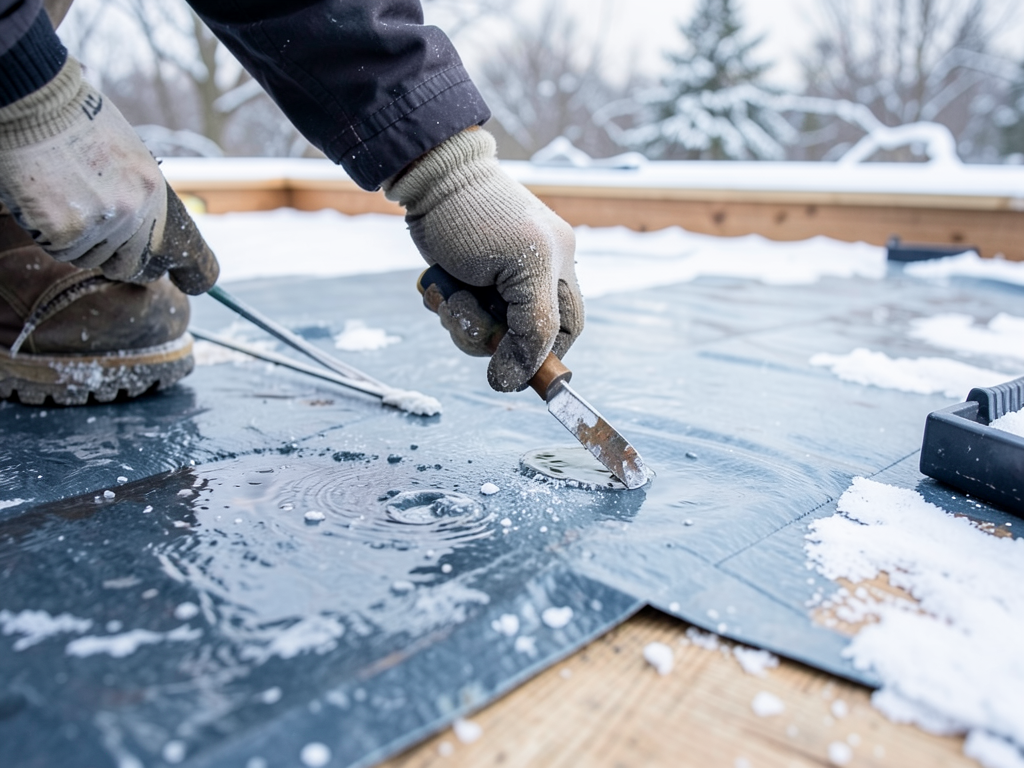
Ice dam formation represents Brush Park’s most destructive roofing challenge. When attic heat escapes through inadequate insulation, melting snow refreezes at roof edges, backing up under shingles and causing interior water damage. High-performance roofing systems incorporate ice and water shield barriers extending at least 24 inches past interior walls.
Humidity levels in Brush Park during summer months average 72%, promoting algae and moss growth on traditional asphalt shingles. Premium roofing systems include algae-resistant granules and enhanced ventilation to prevent organic growth that degrades materials.. Read more about Residential Roof Ventilation Upgrades to Lower Your Detroit Energy Bills.
Energy Efficiency Requirements for New Construction
Michigan’s energy codes now require new construction to meet specific thermal performance standards. Roofing systems must achieve minimum R-values while preventing thermal bridging that compromises insulation effectiveness.
The 2021 Michigan Residential Code mandates continuous insulation in roof assemblies for new construction. This eliminates thermal shorts that allow heat transfer, reducing heating costs by 15-20% annually in Brush Park’s climate.
Reflective roofing materials can reduce cooling loads by up to 30% during Detroit’s humid summers. High albedo coatings and cool roof technologies are increasingly specified for new Brush Park developments to meet energy efficiency goals.
Material Selection for Brush Park New Construction
Material performance varies dramatically in Brush Park’s specific conditions. Here’s how different options compare for new construction:
| Material Type | Lifespan in Brush Park | Historic District Approval | Energy Efficiency Rating |
|---|---|---|---|
| Premium Architectural Shingles | 25-30 years | Limited approval | Moderate |
| Synthetic Slate | 40-50 years | Full approval with conditions | High |
| Standing Seam Metal | 50+ years | Approval required | Very High |
| Concrete Tile | 30-40 years | Limited approval | Moderate |
Installation quality determines actual performance more than material selection. Even premium materials fail prematurely when installed without understanding Brush Park’s specific conditions.
Structural Considerations for Brush Park Properties
Many Brush Park lots feature historic foundations and bearing walls that limit roof framing options. New construction must work within these constraints while meeting modern snow load requirements.
Detroit’s clay soil expands and contracts with moisture changes, affecting foundation stability. Roof loads must account for potential differential settling that can stress connections over time.
The neighborhood’s mature trees create debris accumulation zones that require specialized flashing details. Pine needles from nearby Palmer Park collect in roof valleys, retaining moisture and accelerating deterioration if not properly addressed during design.
Ventilation Requirements for Michigan Roofing
Proper attic ventilation prevents moisture accumulation that damages roofing systems from the inside out. Michigan code requires minimum 1 square foot of net free ventilation area per 150 square feet of attic space.
Brush Park’s high humidity levels make ventilation even more critical. Without adequate airflow, moisture condenses on roof deck undersides, causing rot and reducing insulation effectiveness.
Balanced ventilation systems incorporating both intake and exhaust vents prevent negative pressure that draws warm, moist air from living spaces into attic cavities.
Cost Factors for High Performance Roofing in Brush Park
High-performance roofing systems cost 30-50% more than standard installations but deliver superior long-term value. Here’s what drives these costs in Brush Park:
- Historic district compliance reviews and permits ($2,000-5,000)
- Premium underlayment systems ($1.50-2.50 per square foot)
- Enhanced ventilation components ($3-5 per square foot)
- Specialized flashing and detailing ($2-3 per square foot)
- Structural reinforcement for heavy materials ($5-10 per square foot)
These investments typically pay for themselves through reduced energy costs, prevented water damage, and extended replacement intervals.
Installation Best Practices for Brush Park Conditions
Proper installation techniques make the difference between a roof that lasts 15 years versus one that performs for 40+ years in Brush Park’s conditions.
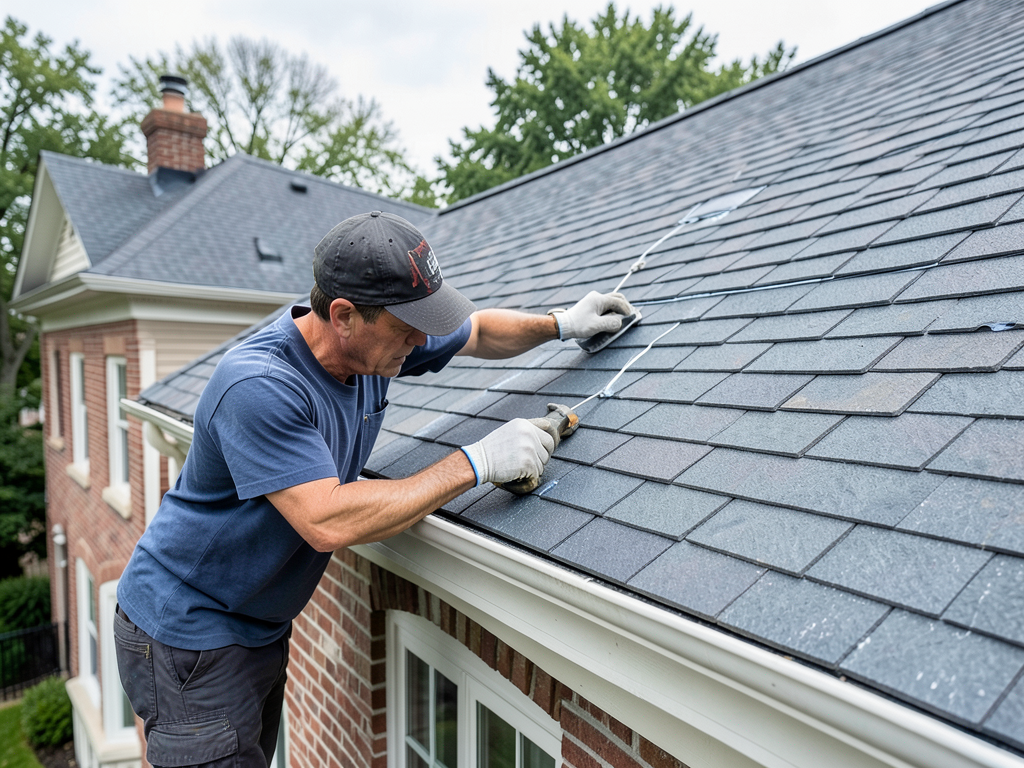
Nail placement accuracy affects wind resistance significantly. Hand-nailing allows for proper pressure adjustment based on material thickness and substrate conditions, while pneumatic nailers require careful pressure calibration to prevent over-driving.
Flashing integration with existing masonry requires specialized techniques. Historic brick requires different fastening methods than modern concrete, and improper installation can cause water infiltration at these critical junctions.
Valley construction in Brush Park’s heavy snowfall areas benefits from open metal valley designs rather than closed-cut methods. Open valleys prevent ice dam formation and allow debris to wash through rather than accumulate.
Maintenance Requirements for New Construction Roofing
Even high-performance roofing systems require regular maintenance to achieve their full lifespan potential. Brush Park’s specific conditions create maintenance needs that differ from other Detroit neighborhoods.
Gutter systems in Brush Park must handle both heavy rainfall and snowmelt events. Oversized downspouts and secondary overflow systems prevent ice backup that can damage roof edges and fascia boards.
Annual inspections should include checking for wind damage after spring storms, when gusts from Lake St. Clair can reach 70+ mph in exposed areas near Woodward Avenue.
Debris removal from roof valleys and behind chimneys prevents moisture retention that accelerates material degradation. Brush Park’s mature tree canopy creates year-round debris accumulation that requires quarterly attention.
Insurance Considerations for Brush Park Roofing
Insurance companies increasingly recognize high-performance roofing as a risk reduction measure. Properties with enhanced roofing systems may qualify for premium discounts of 5-15%.
Documentation of roofing specifications, installation methods, and maintenance history helps establish compliance with insurance underwriting guidelines. This becomes particularly important for historic properties where replacement costs exceed standard valuations.
Many Brush Park homeowners insurance policies now require specific wind and impact resistance ratings for roofing materials, especially for properties near Woodward Avenue where wind exposure is highest.
Future-Proofing Your Brush Park Investment
Roofing decisions impact property value and operating costs for decades. New construction in Brush Park represents significant investment that deserves roofing systems designed for long-term performance.
Solar readiness considerations affect roofing design even if immediate installation isn’t planned. South-facing slopes should accommodate future solar mounting systems without requiring structural modifications.
Smart home integration capabilities are increasingly incorporated into roofing systems. Sensors that monitor moisture levels, temperature differentials, and structural movement provide early warning of developing issues.
Material selection should consider 2030 energy code updates that will likely mandate even higher performance standards. Investing in current premium systems may prevent costly retrofits as regulations tighten.
Common Mistakes to Avoid in Brush Park Roofing
Several critical errors frequently compromise roofing performance in Brush Park’s specific conditions:
- Using standard underlayments instead of ice and water shield in vulnerable areas
- Ignoring historic district material requirements to save costs
- Overlooking ventilation requirements that prevent moisture damage
- Selecting materials based solely on initial cost rather than lifecycle value
- Skipping permit processes that ensure code compliance
Each mistake can reduce roof lifespan by 10-15 years while increasing maintenance costs significantly.
Getting Professional Assessment for Your Project
Brush Park’s unique combination of historic preservation requirements, climate challenges, and modern building codes demands professional assessment before roofing decisions are made.
A comprehensive evaluation should include structural analysis of existing conditions, historic district compliance review, and energy performance modeling specific to your property’s orientation and surroundings.
Professional assessments identify potential issues before they become costly problems, saving thousands in change orders and ensuring your roofing investment delivers maximum value.
Frequently Asked Questions
What roofing materials are approved for new construction in Brush Park’s historic district?
The Detroit Historic District Commission approves materials that maintain visual compatibility with existing structures. Synthetic slate, certain metal roofing profiles, and premium asphalt shingles meeting specific color and texture requirements are commonly approved. Natural slate remains the gold standard but requires structural reinforcement due to its weight.
How much does high-performance roofing cost in Brush Park compared to standard systems?
High-performance roofing systems typically cost 30-50% more than standard installations. For an average Brush Park home, this translates to $15,000-25,000 versus $10,000-15,000 for basic systems. The premium reflects enhanced materials, specialized installation techniques, and compliance with historic district requirements.
How long should a properly installed roof last in Brush Park’s climate?
Quality roofing systems installed with proper techniques for Brush Park conditions should last 25-40 years for asphalt shingles, 40-50 years for synthetic slate, and 50+ years for metal roofing. Factors affecting longevity include ventilation quality, installation accuracy, and maintenance frequency.
Ready to Protect Your Brush Park Investment?
Don’t let inadequate roofing compromise your Brush Park property. The combination of historic district requirements, Michigan’s extreme weather, and modern energy codes demands specialized expertise that generic contractors simply don’t possess.
Peak Roofing Detroit understands Brush Park’s unique challenges. Our team has completed numerous projects in the area, navigating historic district approvals while delivering roofing systems that withstand Michigan’s harshest conditions.
Call (313) 604-2233 today to schedule your comprehensive roofing assessment. We’ll evaluate your specific property conditions, discuss material options that meet both your aesthetic preferences and performance requirements, and provide a detailed proposal that ensures your investment is protected for decades to come.
Pick up the phone and call (313) 604-2233 before the next storm hits. Brush Park’s weather waits for no one, and proper roofing preparation takes time. Don’t discover your roof’s inadequacies during Michigan’s next major weather event.
{
“@context”: “https://schema.org”,
“@type”: “BlogPosting”,
“headline”: “Why New Construction in Brush Park Needs High Performance Roofing Systems”,
“description”: “Brush Park’s luxury developments demand specialized roofing systems. Learn why Michigan weather, historic district rules, and modern energy codes make high-performance roofing essential.”,
“wordCount”: 1917,
“datePublished”: “2026-02-26T16:42:00.000Z”,
“dateModified”: “2026-02-26T16:42:00.000Z”,
“inLanguage”: “en-US”,
“mainEntityOfPage”: {
“@type”: “WebPage”,
“@id”: “https://peakroofingdetroit.com”
},
“publisher”: {
“@type”: “LocalBusiness”,
“name”: “Peak Roofing Detroit”,
“url”: “https://peakroofingdetroit.com”
},
“author”: {
“@type”: “Organization”,
“name”: “Peak Roofing Detroit”,
“url”: “https://peakroofingdetroit.com”
},
“image”: {
“@type”: “ImageObject”,
“url”: “https://peakroofingdetroit.com/wp-content/uploads/2026/03/why-new-construction-in-brush-park-needs-high-perf-1.png”
}
}
{
“@context”: “https://schema.org”,
“@type”: “RoofingContractor”,
“name”: “Peak Roofing Detroit”,
“url”: “https://peakroofingdetroit.com”,
“address”: {
“@type”: “PostalAddress”,
“addressLocality”: “Detroit”
},
“areaServed”: {
“@type”: “City”,
“name”: “Detroit”
}
}
{
“@context”: “https://schema.org”,
“@type”: “FAQPage”,
“mainEntity”: [
{
“@type”: “Question”,
“name”: “What roofing materials are approved for new construction in Brush Park’s historic district?”,
“acceptedAnswer”: {
“@type”: “Answer”,
“text”: “The Detroit Historic District Commission approves materials that maintain visual compatibility with existing structures. Synthetic slate, certain metal roofing profiles, and premium asphalt shingles meeting specific color and texture requirements are commonly approved. Natural slate remains the gold standard but requires structural reinforcement due to its weight.”
}
},
{
“@type”: “Question”,
“name”: “How much does high-performance roofing cost in Brush Park compared to standard systems?”,
“acceptedAnswer”: {
“@type”: “Answer”,
“text”: “High-performance roofing systems typically cost 30-50% more than standard installations. For an average Brush Park home, this translates to $15,000-25,000 versus $10,000-15,000 for basic systems. The premium reflects enhanced materials, specialized installation techniques, and compliance with historic district requirements.”
}
},
{
“@type”: “Question”,
“name”: “How long should a properly installed roof last in Brush Park’s climate?”,
“acceptedAnswer”: {
“@type”: “Answer”,
“text”: “Quality roofing systems installed with proper techniques for Brush Park conditions should last 25-40 years for asphalt shingles, 40-50 years for synthetic slate, and 50+ years for metal roofing. Factors affecting longevity include ventilation quality, installation accuracy, and maintenance frequency.”
}
},
{
“@type”: “Question”,
“name”: “Ready to Protect Your Brush Park Investment?”,
“acceptedAnswer”: {
“@type”: “Answer”,
“text”: “Don’t let inadequate roofing compromise your Brush Park property. The combination of historic district requirements, Michigan’s extreme weather, and modern energy codes demands specialized expertise that generic contractors simply don’t possess.”
}
}
]
}
{
“@context”: “https://schema.org”,
“@type”: “BreadcrumbList”,
“itemListElement”: [
{
“@type”: “ListItem”,
“position”: 1,
“name”: “Home”,
“item”: “https://peakroofingdetroit.com”
},
{
“@type”: “ListItem”,
“position”: 2,
“name”: “Blog”,
“item”: “https://peakroofingdetroit.com/blog”
},
{
“@type”: “ListItem”,
“position”: 3,
“name”: “Why New Construction in Brush Park Needs High Performance Roofing Systems”
}
]
}
{
“@context”: “https://schema.org”,
“@type”: “Service”,
“serviceType”: “Roofing”,
“provider”: {
“@type”: “LocalBusiness”,
“name”: “Peak Roofing Detroit”,
“url”: “https://peakroofingdetroit.com”
},
“areaServed”: {
“@type”: “City”,
“name”: “Detroit”
},
“description”: “Brush Park’s luxury developments demand specialized roofing systems. Learn why Michigan weather, historic district rules, and modern energy codes make high-performance roofing essential.”
}