
Residential Roof Ventilation Upgrades to Lower Your Detroit Energy Bills
If your Detroit home feels like an oven in July or develops ice dams every winter, your attic ventilation is likely the culprit. Poor airflow traps heat in summer, forcing your AC to work overtime, and traps moisture in winter, leading to ice dams and mold. Proper ventilation isn’t just about comfort—it’s about cutting your DTE Energy bills and protecting your roof’s lifespan. Michigan’s freeze-thaw cycles and high humidity make ventilation a critical upgrade for any Detroit homeowner looking to save money and prevent costly damage. Michigan Residential Code.
Why Detroit Homes Need Specialized Ventilation Systems
Detroit’s climate creates unique ventilation challenges. Summer humidity from Lake Erie and Lake St. Clair pushes attic temperatures above 150°F, while winter snow and freeze-thaw cycles cause ice dams that back up under shingles. The Michigan Residential Code requires specific Net Free Vent Area (NFVA) ratios—typically 1/150 of attic floor area for balanced ventilation. Without proper intake and exhaust vents, your attic becomes a pressure cooker in summer and a moisture trap in winter. Roofing Detroit.
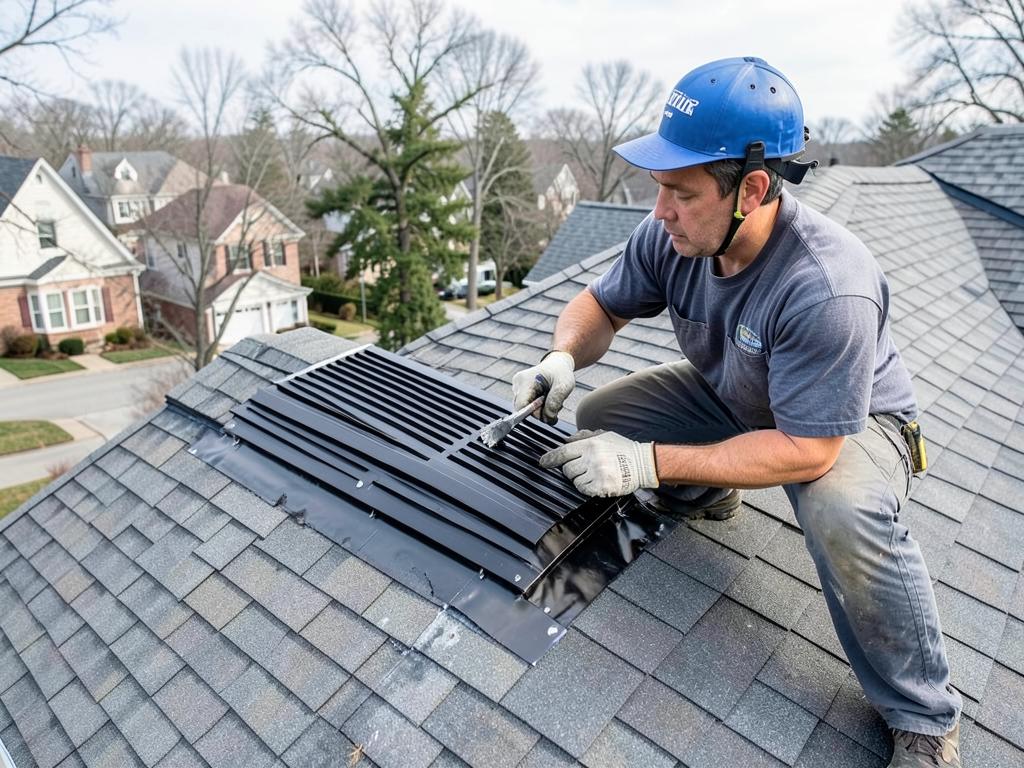
Common ventilation problems in Detroit homes:
- Blocked soffit vents from insulation (especially in older homes near Palmer Park)
- Undersized ridge vents that can’t handle summer heat loads
- Poorly installed bathroom fans venting directly into the attic
- Ice dam formation on historic homes in Boston-Edison due to inadequate soffit intake
Types of Roof Ventilation Systems We Install in Detroit
Different homes need different ventilation strategies. Here’s how we match systems to your specific Detroit home:
| Ventilation Type | Best For | Detroit Climate Benefit |
|---|---|---|
| Ridge Vents | Sloped roofs, modern homes | Continuous exhaust along roof peak, ideal for Detroit’s summer heat |
| Soffit Vents | All roof types | Critical intake ventilation, prevents ice dams in winter |
| Power Attic Fans | Homes with limited natural airflow | Dramatically reduces attic temps during Detroit’s humid summers |
| Gable Vents | Older homes, specific roof designs | Cross-ventilation option for homes in historic districts |
Signs Your Detroit Home Has Poor Ventilation
Many Detroit homeowners don’t realize they have ventilation problems until damage occurs. Here are the warning signs we see on local job sites: What Royal Oak Homeowners Should Know Before Choosing a Roofing Contractor.
- Peeling exterior paint – Moisture from poor ventilation causes paint to bubble and peel, especially on homes near the Detroit River
- Ice dams – Those dangerous icicles hanging from your eaves are a sure sign of inadequate soffit ventilation
- Musty attic smell – Indicates moisture buildup and potential mold growth in Detroit’s humid climate
- Drastically different temperatures between floors – Your upper level feels like a sauna while the basement stays cool
- Higher-than-average DTE Energy bills – Poor ventilation can increase cooling costs by 20-30% in summer
Our Detroit-Specific Ventilation Installation Process
We follow Michigan Residential Code requirements and local Detroit building permits for every installation. Our process includes:
- Attic Assessment
We inspect your current ventilation, measuring attic temperature, checking for moisture damage, and calculating required NFVA based on Michigan code (typically 1/150 ratio).
- Ventilation Planning
We design a balanced system with proper intake (soffit) and exhaust (ridge or power fan) to create continuous airflow.
- Building Permit Acquisition
We handle Detroit building department requirements, ensuring all work meets local codes and historic district guidelines if applicable. Getting Your Historic Roof Restored in Indian Village the Right Way.
- Installation
Our certified technicians install high-quality vents, ensuring proper sealing and weatherproofing specific to Detroit’s freeze-thaw cycles. Metal Roofing for Ferndale Homes (Is it Actually Worth the Investment?).
- Post-Installation Testing
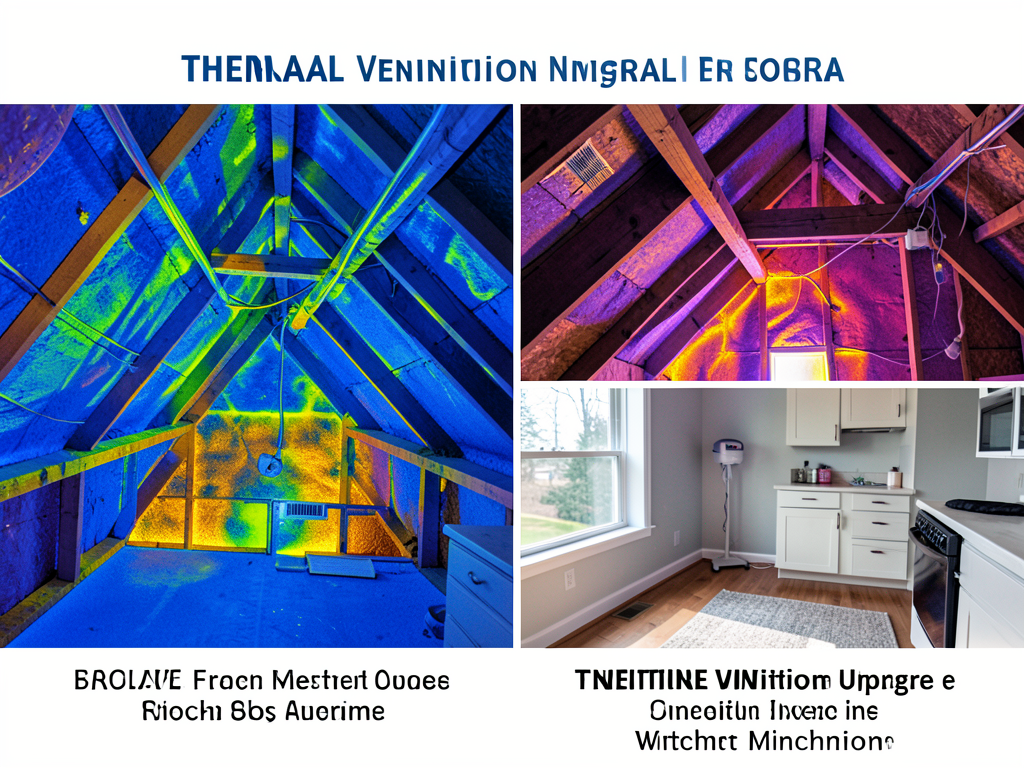
We verify airflow using thermal imaging and moisture meters, ensuring your system meets performance targets.
Energy Savings and ROI for Detroit Homeowners
Proper ventilation is one of the highest-ROI home improvements you can make in Detroit. Here’s what local homeowners typically experience:
| Improvement | Detroit Average Savings | Payback Period |
|---|---|---|
| Complete ventilation upgrade | 15-25% on cooling costs | 2-3 years |
| Power attic fan installation | 10-20% on summer AC usage | 1-2 years |
| Soffit vent addition | Ice dam prevention | Immediate (prevents winter damage) |
Many Detroit homeowners also qualify for DTE Energy rebates when improving attic insulation alongside ventilation upgrades. These programs can cover up to 30% of your project cost. DTE Energy efficiency rebates.
Service Areas Throughout Metro Detroit
We provide ventilation upgrades throughout Detroit and surrounding communities, including:
- Detroit proper – 48201, 48226, 48214, 48207
- Grosse Pointe – 48230, 48236
- Royal Oak – 48067, 48073
- Dearborn – 48124, 48126
- Midtown/Corktown – Historic district ventilation solutions
We understand the specific challenges of each area. Homes near the Detroit River face higher humidity levels, while properties in the Boston-Edison district require careful integration with historic architecture.
Frequently Asked Questions
How do I know if my attic has enough ventilation?
Most Detroit homes need 1 square foot of net free vent area for every 150 square feet of attic floor space. We use thermal imaging to check for hot spots and moisture meters to detect condensation issues.
Can I install ventilation myself?
DIY ventilation often creates more problems than it solves. Improper installation can lead to roof leaks, code violations, and ineffective airflow. Professional installation ensures compliance with Michigan Residential Code and proper integration with your existing roof system.
How long does a ventilation upgrade take?
Most residential ventilation projects in Detroit take 1-2 days. Complex historic homes or those requiring extensive repairs may take longer. We provide detailed timelines before starting any work.
Will new ventilation void my roof warranty?
When installed correctly, ventilation upgrades actually extend your roof’s life and are often required to maintain manufacturer warranties. We use manufacturer-approved methods and materials.
Ready to Lower Your Detroit Energy Bills?
Don’t let another summer of high AC bills or winter of ice dams damage your home. Our Detroit ventilation experts can assess your current system and recommend cost-effective upgrades that pay for themselves through energy savings. We handle everything from building permits to final inspection, ensuring your ventilation system meets Michigan code and your specific home’s needs.
Call (313) 604-2233 today to schedule your free ventilation assessment. Our team serves Detroit, Grosse Pointe, Royal Oak, and all Metro Detroit communities. Stop throwing money away on high energy bills and prevent costly roof damage with professional ventilation upgrades.
Pick up the phone and call (313) 604-2233 before the next heat wave hits. Your attic—and your wallet—will thank you.
{
“@context”: “https://schema.org”,
“@type”: “BlogPosting”,
“headline”: “Residential Roof Ventilation Upgrades to Lower Your Detroit Energy Bills”,
“description”: “Discover how proper roof ventilation can cut your Detroit energy bills and prevent ice dams. Learn about local building codes, attic airflow, and energy-saving upgrades.”,
“wordCount”: 1048,
“datePublished”: “2026-03-04T13:50:00.000Z”,
“dateModified”: “2026-03-04T13:50:00.000Z”,
“inLanguage”: “en-US”,
“mainEntityOfPage”: {
“@type”: “WebPage”,
“@id”: “https://peakroofingdetroit.com”
},
“publisher”: {
“@type”: “LocalBusiness”,
“name”: “Peak Roofing Detroit”,
“url”: “https://peakroofingdetroit.com”
},
“author”: {
“@type”: “Organization”,
“name”: “Peak Roofing Detroit”,
“url”: “https://peakroofingdetroit.com”
},
“image”: {
“@type”: “ImageObject”,
“url”: “https://peakroofingdetroit.com/wp-content/uploads/2026/03/residential-roof-ventilation-upgrades-to-lower-you-1.png”
}
}
{
“@context”: “https://schema.org”,
“@type”: “RoofingContractor”,
“name”: “Peak Roofing Detroit”,
“url”: “https://peakroofingdetroit.com”,
“address”: {
“@type”: “PostalAddress”,
“addressLocality”: “Detroit”
},
“areaServed”: {
“@type”: “City”,
“name”: “Detroit”
}
}
{
“@context”: “https://schema.org”,
“@type”: “FAQPage”,
“mainEntity”: [
{
“@type”: “Question”,
“name”: “How do I know if my attic has enough ventilation?”,
“acceptedAnswer”: {
“@type”: “Answer”,
“text”: “Most Detroit homes need 1 square foot of net free vent area for every 150 square feet of attic floor space. We use thermal imaging to check for hot spots and moisture meters to detect condensation issues.”
}
},
{
“@type”: “Question”,
“name”: “Can I install ventilation myself?”,
“acceptedAnswer”: {
“@type”: “Answer”,
“text”: “DIY ventilation often creates more problems than it solves. Improper installation can lead to roof leaks, code violations, and ineffective airflow. Professional installation ensures compliance with Michigan Residential Code and proper integration with your existing roof system.”
}
},
{
“@type”: “Question”,
“name”: “How long does a ventilation upgrade take?”,
“acceptedAnswer”: {
“@type”: “Answer”,
“text”: “Most residential ventilation projects in Detroit take 1-2 days. Complex historic homes or those requiring extensive repairs may take longer. We provide detailed timelines before starting any work.”
}
},
{
“@type”: “Question”,
“name”: “Will new ventilation void my roof warranty?”,
“acceptedAnswer”: {
“@type”: “Answer”,
“text”: “When installed correctly, ventilation upgrades actually extend your roof’s life and are often required to maintain manufacturer warranties. We use manufacturer-approved methods and materials.”
}
},
{
“@type”: “Question”,
“name”: “Ready to Lower Your Detroit Energy Bills?”,
“acceptedAnswer”: {
“@type”: “Answer”,
“text”: “Don’t let another summer of high AC bills or winter of ice dams damage your home. Our Detroit ventilation experts can assess your current system and recommend cost-effective upgrades that pay for themselves through energy savings. We handle everything from building permits to final inspection, ensuring your ventilation system meets Michigan code and your specific home’s needs.”
}
}
]
}
{
“@context”: “https://schema.org”,
“@type”: “HowTo”,
“name”: “Detroit Ventilation Installation Process”,
“step”: [
{
“@type”: “HowToStep”,
“position”: 1,
“name”: “Attic Assessment”,
“text”: “We inspect your current ventilation, measuring attic temperature, checking for moisture damage, and calculating required NFVA based on Michigan code (typically 1/150 ratio).”
},
{
“@type”: “HowToStep”,
“position”: 2,
“name”: “Ventilation Planning”,
“text”: “We design a balanced system with proper intake (soffit) and exhaust (ridge or power fan) to create continuous airflow.”
},
{
“@type”: “HowToStep”,
“position”: 3,
“name”: “Building Permit Acquisition”,
“text”: “We handle Detroit building department requirements, ensuring all work meets local codes and historic district guidelines if applicable. Getting Your Historic Roof Restored in Indian Village the Right Way.”
},
{
“@type”: “HowToStep”,
“position”: 4,
“name”: “Installation”,
“text”: “Our certified technicians install high-quality vents, ensuring proper sealing and weatherproofing specific to Detroit’s freeze-thaw cycles. Metal Roofing for Ferndale Homes (Is it Actually Worth the Investment?).”
},
{
“@type”: “HowToStep”,
“position”: 5,
“name”: “Post-Installation Testing”,
“text”: “We verify airflow using thermal imaging and moisture meters, ensuring your system meets performance targets.”
}
],
“image”: “https://peakroofingdetroit.com/wp-content/uploads/2026/03/residential-roof-ventilation-upgrades-to-lower-you-1.png”
}
{
“@context”: “https://schema.org”,
“@type”: “BreadcrumbList”,
“itemListElement”: [
{
“@type”: “ListItem”,
“position”: 1,
“name”: “Home”,
“item”: “https://peakroofingdetroit.com”
},
{
“@type”: “ListItem”,
“position”: 2,
“name”: “Blog”,
“item”: “https://peakroofingdetroit.com/blog”
},
{
“@type”: “ListItem”,
“position”: 3,
“name”: “Residential Roof Ventilation Upgrades to Lower Your Detroit Energy Bills”
}
]
}
{
“@context”: “https://schema.org”,
“@type”: “Service”,
“serviceType”: “Roofing”,
“provider”: {
“@type”: “LocalBusiness”,
“name”: “Peak Roofing Detroit”,
“url”: “https://peakroofingdetroit.com”
},
“areaServed”: {
“@type”: “City”,
“name”: “Detroit”
},
“description”: “Discover how proper roof ventilation can cut your Detroit energy bills and prevent ice dams. Learn about local building codes, attic airflow, and energy-saving upgrades.”
}