
Roofing Maintenance Tips for Landlords Owning Multi-Family Units in the North End
Detroit’s North End presents unique challenges for multi-family property owners. The neighborhood’s mix of historic brick buildings and newer developments faces brutal Michigan weather patterns that can destroy a roof if left unchecked. Property managers who implement a proactive maintenance strategy save thousands in emergency repairs while protecting tenant safety and preserving property value. Michigan Residential Code.
Multi-family roofs in Detroit endure more stress than single-family homes. The North End’s older buildings often feature flat or low-slope designs common in the 1920s-1940s construction boom. These designs, combined with Detroit’s freeze-thaw cycles and heavy lake-effect snow, create perfect conditions for water pooling, ice dam formation, and membrane deterioration. Property owners who understand these local factors gain a significant advantage in building maintenance. Why Flat Roofs in Corktown Require Specialized Drainage Solutions.
The North End’s proximity to Woodward Avenue and I-75 exposes buildings to additional wind stress and debris impact. Older properties near the historic Dexter-Linwood corridor face specific challenges with aging parapet walls and deteriorated flashing systems. These architectural features require specialized inspection techniques that generic roofing contractors often miss. Getting Your Historic Roof Restored in Indian Village the Right Way.
Effective maintenance starts with understanding Detroit’s building environment. The Michigan Residential Code requires specific installation standards for multi-family properties, including proper drainage systems and ice and water shield requirements in Section R905.2.3. Local property managers who partner with code-compliant contractors avoid costly violations and ensure tenant safety.
Property owners who implement seasonal inspection schedules catch problems before they become emergencies. Spring inspections reveal winter damage from ice dams and snow load stress. Fall preparations protect against freeze-thaw damage that can crack membranes and create leak paths. These preventative measures typically extend roof life by 25-50% compared to reactive maintenance approaches. EPA Heat Island Effect Information.
Understanding Detroit’s Climate Impact on Multi-Family Roofs
Detroit’s climate creates specific roofing challenges that property managers must address. The North End experiences average annual snowfall of 33 inches, with lake-effect storms capable of dumping several feet in 24 hours. This weight stress tests roof structures, especially older buildings with original 1920s-1940s framing. Metal Roofing for Ferndale Homes (Is it Actually Worth the Investment?).
Freeze-thaw cycles cause the most damage to multi-family roofs. When daytime temperatures rise above freezing and nighttime temperatures drop below, water trapped in roof seams and flashing expands. This expansion forces apart even the most durable materials over time. Properties near Palmer Park experience slightly warmer conditions than those closer to the industrial corridor along I-75, creating micro-climate variations that affect maintenance timing.
Summer humidity in Detroit averages 70% from June through August. This moisture promotes algae growth on certain roofing materials and accelerates deterioration of organic-based components. Properties in the North End’s tree-lined sections face additional challenges from falling debris and organic matter accumulation in roof drains. Spray Foam Roofing.
Wind patterns in Detroit create specific vulnerabilities for multi-family buildings. The North End sits in a wind convergence zone where lake breezes meet urban heat island effects. These winds can exceed 60 mph during summer thunderstorms, testing roof edge terminations and perimeter flashings. Buildings along major corridors like Woodward Avenue experience higher wind loads than those in interior blocks.
Temperature fluctuations in Detroit range from -15°F in winter to 95°F in summer. This 110-degree swing causes thermal expansion and contraction in roofing materials. Modified bitumen membranes installed on older North End buildings often show the most stress at expansion joints and parapet wall connections.
Property managers should understand that Detroit’s climate requires different maintenance approaches than other Midwest cities. The combination of lake-effect snow, high humidity, and temperature extremes creates a unique stress environment that generic maintenance schedules cannot address effectively.
Essential Multi-Family Roof Maintenance Checklist
Property managers who follow systematic maintenance procedures catch problems early and extend roof life significantly. A comprehensive checklist addresses both seasonal needs and year-round monitoring requirements specific to multi-family buildings.. Read more about The Hidden Problems with Solar Shingles on Historic Detroit Homes (And Better Alternatives).
Spring maintenance should begin as soon as snow melts and temperatures consistently stay above freezing. This timing allows inspection of winter damage before spring rains test compromised areas. Property managers should schedule inspections for late March or early April, depending on that year’s weather patterns.
Summer maintenance focuses on preparing for fall storms and winter snow loads. July and August provide ideal conditions for repairs since materials cure properly in warm temperatures. This timing also allows for tenant coordination since most leases run through August, minimizing disruption during repairs.. Read more about Small Roof Repairs You Can Do Yourself vs When to Call a Madison Heights Professional.
Fall preparation involves clearing debris, checking drainage systems, and inspecting flashings before freeze-thaw cycles begin. Property managers should complete fall maintenance by mid-October to ensure roofs are ready for early November snowfalls that sometimes occur in Detroit.
Winter monitoring requires different approaches than other seasons. Property managers should establish snow load thresholds and have removal plans ready. Most Detroit roofs can handle 20-30 inches of snow, but older buildings may require earlier intervention. Monitoring should include checking for ice dam formation along eaves and parapet walls.
Year-round maintenance includes monthly visual inspections from ground level and quarterly detailed inspections from the roof surface. Property managers should document all findings with photos and maintain maintenance logs that track roof condition over time. This documentation proves valuable for insurance claims and future property sales. Finding a Reliable Shingle Replacement Service in Palmer Woods.
Emergency response procedures should be established before problems occur. Property managers need 24/7 contact information for roofing contractors and should have temporary repair materials on-site for immediate leak response. Quick response prevents water damage to interior units and reduces repair costs significantly.
Tenant communication protocols help manage expectations during maintenance work. Property managers should establish notification procedures for roof work, including expected noise levels, parking restrictions, and safety precautions. Clear communication prevents tenant complaints and ensures cooperation during necessary repairs.
Flat Roof vs. Pitched Roof Maintenance Differences
Multi-family buildings in the North End feature both flat and pitched roof designs, each requiring different maintenance approaches. Understanding these differences helps property managers allocate resources effectively and prevent specific failure modes.
Flat roofs dominate older multi-family construction in Detroit. These roofs typically use built-up roofing (BUR), modified bitumen, or single-ply membranes like TPO or EPDM. The flat design creates drainage challenges that pitched roofs avoid naturally. Standing water on flat roofs accelerates material deterioration and creates leak paths through seams and flashings.
Pitched roofs on multi-family buildings often serve as architectural features on historic properties. These roofs use asphalt shingles, slate, or tile materials. While pitched designs shed water more effectively than flat roofs, they face unique challenges with ice dam formation along eaves and valleys where snow accumulates.
Drainage systems differ significantly between roof types. Flat roofs rely on internal drains, scuppers, and tapered insulation to move water off the surface. Pitched roofs use gutters and downspouts to channel water away. Property managers must inspect both systems regularly, as clogged drains cause more damage on flat roofs while overflowing gutters damage pitched roof eaves.
Flashings serve different functions on each roof type. Flat roofs use perimeter flashings, penetration flashings, and expansion joint covers. Pitched roofs use step flashings, valley flashings, and chimney flashings. Each flashing type requires specific inspection techniques and repair methods that property managers should understand.
Access requirements vary between roof types. Flat roofs allow easier inspection and maintenance access, while pitched roofs often require safety equipment and specialized techniques. Property managers should factor these access differences into maintenance budgeting and contractor selection.
Material lifespan expectations differ between roof types. Well-maintained flat roofs typically last 20-30 years, while quality pitched roofs can last 30-50 years. However, flat roofs often cost less to install and repair, making them attractive for property managers focused on initial investment costs.. Read more about How to Estimate Exactly How Many Years Your Lincoln Park Roof Has Left.
Weather resistance varies between designs. Flat roofs handle wind better but struggle with heavy snow loads. Pitched roofs shed snow effectively but can suffer wind damage to shingles and ridge caps. Property managers should consider these factors when selecting replacement materials for aging roofs.
Cost Benefits of Preventative Maintenance Programs
Property managers often question whether preventative maintenance justifies its cost. Data from Detroit multi-family properties shows clear financial benefits that extend beyond simple roof life extension. Understanding these benefits helps justify maintenance budgets to property owners and HOA boards.
Emergency repair costs typically run 3-5 times higher than scheduled maintenance work. Emergency calls require immediate response, often during nights or weekends when labor rates increase. Property managers who maintain emergency funds for roof repairs often find those funds insufficient for major damage discovered during crises.
Tenant turnover costs increase when roof problems create interior damage. Water-stained ceilings, mold growth, and damaged flooring force unit renovations between tenants. These renovation costs, combined with lost rent during vacancy periods, can exceed $5,000 per affected unit. Properties with well-maintained roofs experience 30% lower tenant turnover rates.
Insurance premiums often reflect maintenance quality. Properties with documented maintenance programs qualify for better rates than those with reactive repair histories. Some insurers offer premium discounts of 10-15% for properties that maintain detailed maintenance records and use certified contractors.
Property values correlate directly with roof condition. Appraisers factor roof age and condition into valuation calculations. A 10-year-old roof in excellent condition might add $15,000 to property value compared to the same age roof in poor condition. This value difference compounds over time as maintenance extends roof life.
Energy efficiency improvements from maintenance provide ongoing cost savings. Sealed roof assemblies reduce heating and cooling costs by 10-20% in multi-family buildings. These savings accumulate monthly, often paying for maintenance programs within 2-3 years through reduced utility costs.
Liability reduction represents a significant but often overlooked benefit. Well-maintained roofs prevent injuries from falling debris, ice accumulation, and structural failures. Legal costs from roof-related incidents can exceed $100,000, making preventative maintenance excellent insurance against liability claims.
Financing advantages accrue to well-maintained properties. Lenders view maintained properties as lower risk, often offering better terms on refinancing or improvement loans. These better terms can save property managers thousands in interest costs over loan terms.
Market competitiveness improves with good maintenance. Properties with documented maintenance programs attract higher-quality tenants willing to pay premium rents. This premium often covers maintenance costs while improving overall property cash flow.
Commercial-Grade Materials for Multi-Family Applications
Material selection significantly impacts maintenance requirements and long-term performance. Property managers should understand the strengths and limitations of different commercial-grade materials available for multi-family applications in Detroit’s climate.
TPO (Thermoplastic Polyolefin) membranes dominate new flat roof installations in Detroit. These single-ply membranes offer excellent UV resistance and energy efficiency with white reflective surfaces. TPO costs $5-7 per square foot installed and typically lasts 25-30 years with proper maintenance. The material performs well in Detroit’s temperature extremes but requires professional installation to prevent seam failures.
EPDM (Ethylene Propylene Diene Monomer) provides another popular flat roof option. This synthetic rubber membrane costs $4-6 per square foot installed and offers superior flexibility in cold temperatures. EPDM’s dark color absorbs heat, potentially increasing cooling costs in summer. The material lasts 20-25 years and handles ponding water better than many alternatives.
Modified bitumen systems offer traditional reliability at moderate costs. These multi-layer assemblies cost $6-8 per square foot installed and provide excellent impact resistance. Modified bitumen performs well in Detroit’s climate but requires more maintenance than single-ply alternatives. The material typically lasts 20-25 years.
Built-up roofing (BUR) represents the oldest commercial roofing technology still in use. These multi-ply systems cost $7-9 per square foot installed and provide unmatched durability. BUR systems handle foot traffic well and resist puncture damage. However, they require skilled installation and regular maintenance to prevent delamination.
Metal roofing systems serve specific applications in multi-family buildings. Standing seam metal costs $10-15 per square foot installed but lasts 40-60 years. Metal performs excellently in snow shedding and wind resistance but requires careful detailing around penetrations and expansion joints.
Green roof systems offer environmental benefits but require specialized maintenance. These systems cost $20-30 per square foot installed and include waterproofing, drainage, growing medium, and plants. Green roofs provide excellent insulation and stormwater management but require ongoing horticultural maintenance.
Material selection should consider building structure, use patterns, and budget constraints. Property managers should consult structural engineers before selecting heavy materials like slate or tile for older buildings. The added weight might require structural reinforcement that increases project costs significantly.
Energy efficiency considerations affect material selection. White TPO membranes reduce cooling costs by reflecting solar radiation. Some utility companies offer rebates for cool roof installations, potentially offsetting higher material costs. Property managers should investigate local incentive programs before finalizing material selections.
Local Case Study: North End Multi-Family Success
A 24-unit apartment building on the North End’s Oakland Avenue corridor demonstrates effective maintenance principles in action. Built in 1925 with a flat built-up roof, the property faced chronic leak problems that threatened tenant retention and property value.
The property manager implemented a comprehensive maintenance program in 2020. Initial inspection revealed deteriorated flashings, clogged drains, and membrane splits at expansion joints. The building’s location near I-75 exposed it to higher wind loads and debris impact than similar properties in interior blocks.
Maintenance program implementation began with immediate repairs to active leaks. The contractor sealed membrane splits, replaced deteriorated flashings, and cleared all drainage systems. These repairs cost $8,000 but prevented estimated $25,000 in interior damage over the following year.
Seasonal inspection schedules followed the initial repairs. Spring inspections revealed minor membrane shrinkage that technicians addressed before summer heat cycles caused further damage. Fall preparations included gutter cleaning and downspout testing that prevented ice dam formation during the subsequent winter.
Tenant communication protocols improved cooperation during maintenance work. The property manager established a notification system that alerted tenants to scheduled inspections and repairs. This communication reduced complaints and helped tenants prepare for temporary parking restrictions during roof work.
Documentation systems tracked all maintenance activities and roof conditions. The property manager maintained photo records of all inspections and repairs. This documentation proved valuable when negotiating insurance renewals and responding to tenant concerns about building conditions.
Results after three years show significant benefits. The roof shows no active leaks, tenant satisfaction scores improved by 40%, and insurance premiums decreased by 12%. The property manager estimates the maintenance program saved $45,000 in avoided repairs and tenant turnover costs.
Key lessons from this case include the importance of professional inspections, tenant communication, and documentation. The property manager credits the maintenance program’s success to consistent scheduling, quality contractors, and proactive problem-solving rather than reactive repairs.
This case demonstrates that even older buildings with challenging roof designs can perform well with proper maintenance. The Oakland Avenue property continues to serve as a model for other North End property managers seeking to improve their building maintenance programs.
Schedule Your Detroit Roof Consultation Today
Property managers who delay roof maintenance often face emergency situations that cost significantly more than preventative care. Detroit’s climate waits for no one, and the North End’s unique building characteristics require specialized knowledge that generic contractors cannot provide.
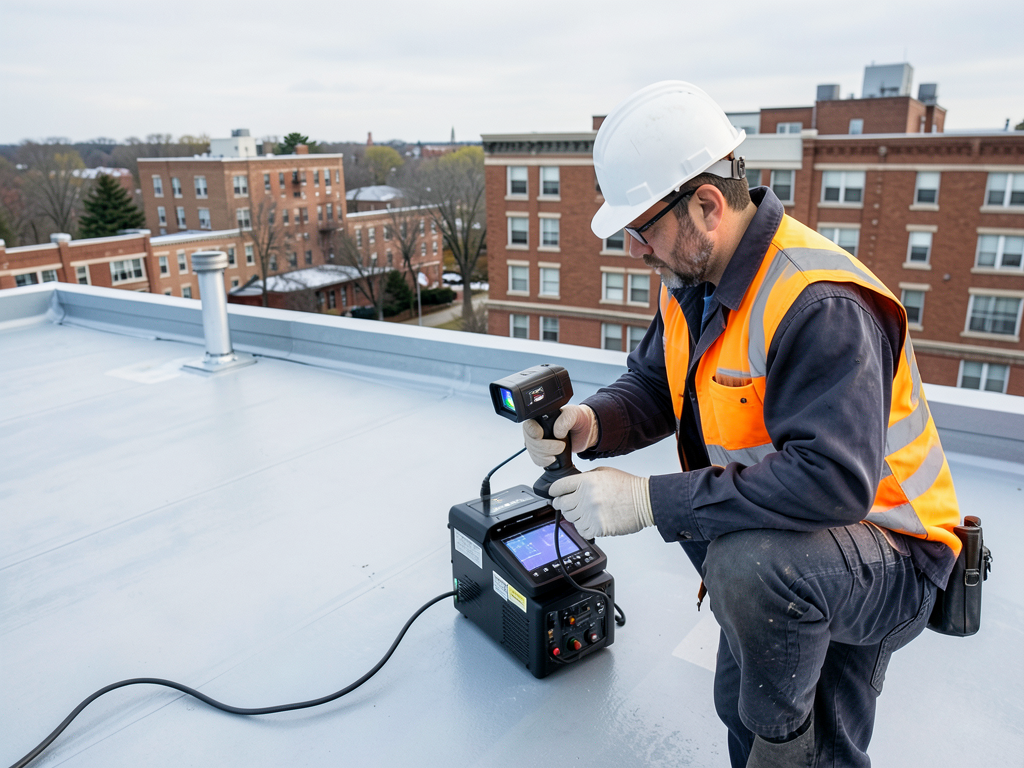
Professional roof inspections identify problems before they cause tenant displacement or interior damage. Our technicians use thermal imaging to detect moisture intrusion invisible to the naked eye. We document all findings with high-resolution photos and provide detailed reports that help property managers make informed decisions.
Emergency leak response prevents minor problems from becoming major disasters. Our team maintains 24/7 availability for urgent situations that threaten tenant safety or cause active water intrusion. Quick response often means the difference between a simple repair and a major roof replacement.
Preventative maintenance programs extend roof life while protecting tenant relationships. We work with property managers to establish maintenance schedules that minimize tenant disruption while maximizing roof performance. Our programs include seasonal inspections, priority repair scheduling, and detailed documentation that satisfies insurance requirements.
Multi-family buildings require specialized knowledge of Detroit’s building codes and climate challenges. Our team understands the unique requirements for properties in historic districts and can navigate the permitting processes required for exterior modifications. We ensure all work complies with Michigan Residential Code requirements and local ordinances.
Call (313) 604-2233 today to schedule your inspection. Don’t wait for the next storm to reveal hidden problems that could have been prevented with proper maintenance. Our team serves the entire Detroit metropolitan area with the expertise and reliability that property managers demand.
Pick up the phone and call (313) 604-2233 before the next storm hits. Your tenants, your property value, and your peace of mind depend on proactive roof maintenance. Let our experienced team help you protect your investment with professional care that prevents problems before they start.
Frequently Asked Questions
How often should multi-family roofs be inspected in Detroit?
Multi-family roofs in Detroit require seasonal inspections – spring for winter damage assessment, summer for preparation for fall storms, fall for winter readiness, and winter for snow load monitoring. Additionally, professional inspections should occur quarterly with monthly visual checks from ground level.
What are the most common roof problems in Detroit’s North End?
The most common problems include ice dam formation along parapet walls, membrane deterioration from freeze-thaw cycles, clogged drainage systems, and flashing failures around penetrations. Older buildings often face structural issues from decades of snow load stress.. Read more about How to Tell if Your Roof Leak is Actually a Plumbing or HVAC Issue.
How much does preventative maintenance typically cost for a multi-family building?
Preventative maintenance typically costs 1-2% of the roof’s replacement value annually. For a $100,000 roof, expect to budget $1,000-2,000 per year for comprehensive maintenance, which often saves $5,000-10,000 in avoided emergency repairs.
Can tenants be held responsible for roof damage?
Tenants are generally not responsible for roof damage unless they intentionally cause harm or violate lease terms regarding roof access. Property managers should establish clear policies about roof access and communicate maintenance schedules to prevent tenant-related issues.
You may also find this helpful. Why Your Grosse Pointe Woods Metal Roof Needs Snow Guards (And Where to Place Them).
{
“@context”: “https://schema.org”,
“@type”: “BlogPosting”,
“headline”: “Roofing Maintenance Tips for Landlords Owning Multi-Family Units in the North End”,
“description”: “Essential roof maintenance strategies for North End multi-family properties. Learn how Detroit’s climate impacts your investment and protect your tenants with expert care.”,
“wordCount”: 2946,
“datePublished”: “2026-04-11T11:18:00.000Z”,
“dateModified”: “2026-04-11T11:18:00.000Z”,
“inLanguage”: “en-US”,
“mainEntityOfPage”: {
“@type”: “WebPage”,
“@id”: “https://peakroofingdetroit.com”
},
“publisher”: {
“@type”: “LocalBusiness”,
“name”: “Peak Roofing Detroit”,
“url”: “https://peakroofingdetroit.com”
},
“author”: {
“@type”: “Organization”,
“name”: “Peak Roofing Detroit”,
“url”: “https://peakroofingdetroit.com”
},
“image”: {
“@type”: “ImageObject”,
“url”: “https://peakroofingdetroit.com/wp-content/uploads/2026/03/roofing-maintenance-tips-for-landlords-owning-mult-1.png”
}
}
{
“@context”: “https://schema.org”,
“@type”: “RoofingContractor”,
“name”: “Peak Roofing Detroit”,
“url”: “https://peakroofingdetroit.com”,
“address”: {
“@type”: “PostalAddress”,
“addressLocality”: “Detroit”
},
“areaServed”: {
“@type”: “City”,
“name”: “Detroit”
}
}
{
“@context”: “https://schema.org”,
“@type”: “FAQPage”,
“mainEntity”: [
{
“@type”: “Question”,
“name”: “How often should multi-family roofs be inspected in Detroit?”,
“acceptedAnswer”: {
“@type”: “Answer”,
“text”: “Multi-family roofs in Detroit require seasonal inspections – spring for winter damage assessment, summer for preparation for fall storms, fall for winter readiness, and winter for snow load monitoring. Additionally, professional inspections should occur quarterly with monthly visual checks from ground level.”
}
},
{
“@type”: “Question”,
“name”: “What are the most common roof problems in Detroit’s North End?”,
“acceptedAnswer”: {
“@type”: “Answer”,
“text”: “The most common problems include ice dam formation along parapet walls, membrane deterioration from freeze-thaw cycles, clogged drainage systems, and flashing failures around penetrations. Older buildings often face structural issues from decades of snow load stress.”
}
},
{
“@type”: “Question”,
“name”: “How much does preventative maintenance typically cost for a multi-family building?”,
“acceptedAnswer”: {
“@type”: “Answer”,
“text”: “Preventative maintenance typically costs 1-2% of the roof’s replacement value annually. For a $100,000 roof, expect to budget $1,000-2,000 per year for comprehensive maintenance, which often saves $5,000-10,000 in avoided emergency repairs.”
}
},
{
“@type”: “Question”,
“name”: “Can tenants be held responsible for roof damage?”,
“acceptedAnswer”: {
“@type”: “Answer”,
“text”: “Tenants are generally not responsible for roof damage unless they intentionally cause harm or violate lease terms regarding roof access. Property managers should establish clear policies about roof access and communicate maintenance schedules to prevent tenant-related issues.”
}
}
]
}
{
“@context”: “https://schema.org”,
“@type”: “BreadcrumbList”,
“itemListElement”: [
{
“@type”: “ListItem”,
“position”: 1,
“name”: “Home”,
“item”: “https://peakroofingdetroit.com”
},
{
“@type”: “ListItem”,
“position”: 2,
“name”: “Blog”,
“item”: “https://peakroofingdetroit.com/blog”
},
{
“@type”: “ListItem”,
“position”: 3,
“name”: “Roofing Maintenance Tips for Landlords Owning Multi-Family Units in the North End”
}
]
}
{
“@context”: “https://schema.org”,
“@type”: “Service”,
“serviceType”: “Roofing”,
“provider”: {
“@type”: “LocalBusiness”,
“name”: “Peak Roofing Detroit”,
“url”: “https://peakroofingdetroit.com”
},
“areaServed”: {
“@type”: “City”,
“name”: “Detroit”
},
“description”: “Essential roof maintenance strategies for North End multi-family properties. Learn how Detroit’s climate impacts your investment and protect your tenants with expert care.”
}