
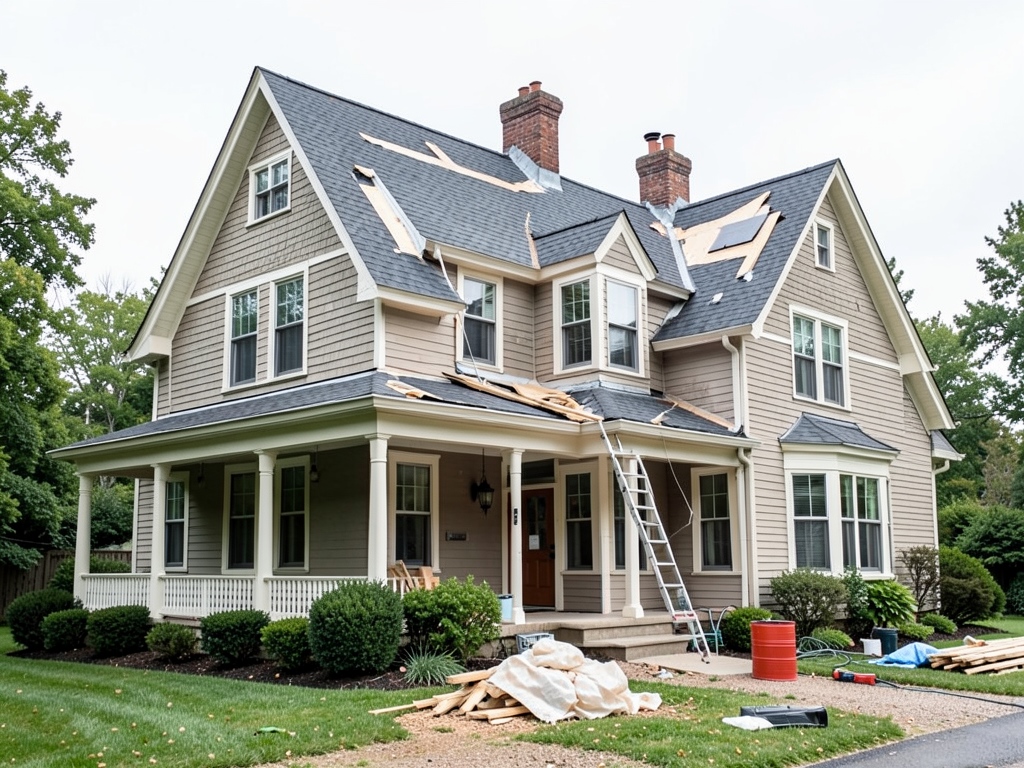
Finding a Reliable Shingle Replacement Service in Palmer Woods
Your Palmer Woods home deserves a roofing contractor who understands both the architectural heritage of this historic Detroit neighborhood and the brutal Michigan climate that tests every roof. With homes dating back to the early 1900s and featuring Tudor Revival, Colonial, and Mediterranean styles, finding the right shingle replacement service means looking beyond basic asphalt installation. Michigan Residential Code requirements.
A reliable shingle replacement service in Palmer Woods must be familiar with Detroit Historic District Commission requirements, understand the specific drainage challenges of Michigan winters, and offer warranties that protect your investment. Look for contractors with demonstrated experience in historic districts, proper licensing through the City of Detroit, and familiarity with architectural-specific materials that preserve your home’s character while providing modern protection. Getting Your Historic Roof Restored in Indian Village the Right Way.
Understanding Palmer Woods’ Unique Roofing Requirements
Palmer Woods stands as one of Detroit’s most architecturally significant neighborhoods with homes built between 1915 and 1940 showcasing craftsmanship rarely seen in modern construction. These properties often feature complex rooflines with multiple gables, dormers, and intricate detailing that requires specialized installation techniques. Roofing Detroit.
The neighborhood falls under Detroit Historic District Commission oversight meaning any exterior modifications including roof replacement must receive approval before work begins. This process involves submitting detailed plans showing material specifications, color matching to existing or historically appropriate options, and ensuring all work maintains the architectural integrity of the property.. Read more about The Average Cost of a Full Roof Replacement in Sherwood Forest.
Many Palmer Woods homes feature original cedar shake or slate roofing that has reached the end of its serviceable life. Modern architectural shingles can provide the aesthetic appeal of these historic materials while offering superior weather resistance and longer warranties. However, the installation must account for the underlying structure which may have been designed for much lighter materials than today’s high-wind-rated architectural products. Spray Foam Roofing.
The Michigan climate presents specific challenges for Palmer Woods roofs. Heavy snow loads in winter, spring freeze-thaw cycles that cause ice dam formation, and summer storms with high winds all test roofing systems. A reliable contractor will assess your roof’s structural capacity and recommend appropriate underlayment systems, ice and water shield installation, and ventilation improvements that address these regional concerns. Roofing Grosse Pointe Park.
Key Qualifications to Look for in a Palmer Woods Roofing Contractor
Experience with historic properties forms the foundation of reliable service in Palmer Woods. Contractors should demonstrate familiarity with the Detroit Historic District Commission approval process including experience preparing successful permit applications and working within the commission’s guidelines. EPA Lead-Safe Renovation guidelines.
Proper licensing and insurance become critical when working on high-value historic properties. Michigan requires roofing contractors to carry specific liability coverage and workers’ compensation insurance. For Palmer Woods homes which often exceed $500,000 in value, contractors should maintain at least $1 million in liability coverage and provide proof of current coverage before beginning any work. Roofing Hazel Park.
Material selection expertise separates reliable contractors from basic installers. Palmer Woods homes require materials that complement their architectural style while meeting modern performance standards. This includes understanding which architectural shingles best replicate the appearance of slate or cedar shake, selecting appropriate colors that match the home’s exterior palette, and choosing underlayment systems compatible with the chosen materials.. Read more about How to Choose the Right Type of Shingle for Your Southfield Home.
Communication skills and project management capabilities become essential when navigating historic district requirements. A reliable contractor will explain the permit process, provide realistic timelines that account for commission review periods, and maintain clear communication throughout the project. They should also coordinate with other trades if your roof replacement reveals underlying structural or electrical issues common in homes of this age.
The Inspection Process: What to Expect
A thorough roof inspection forms the foundation of any reliable shingle replacement project. Professional contractors use multiple diagnostic tools to assess your roof’s condition including moisture meters to detect water intrusion, infrared cameras to identify heat loss patterns, and visual inspection techniques that examine flashing details, ventilation systems, and structural components.. Read more about Asphalt Shingle Repairs for Rental Properties in Midtown Detroit.
During inspection, contractors should examine the attic space to assess ventilation effectiveness, identify any existing moisture damage, and check for proper insulation levels. Many Palmer Woods homes suffer from inadequate ventilation which accelerates shingle deterioration and contributes to ice dam formation during Michigan winters.. Read more about Fixing Ice Dam Damage on Detroit’s Historic West Village Properties.
The inspection should include a detailed assessment of the roof deck condition. Older homes may have multiple layers of roofing materials that need removal, or the decking itself may require repair or replacement due to water damage over the years. A reliable contractor will identify these issues upfront rather than discovering them during the replacement process.. Read more about Metal Roofing for Ferndale Homes (Is it Actually Worth the Investment?).
Material sampling often occurs during the inspection phase. For historic homes, contractors may need to take small samples of existing roofing materials to ensure new products match the architectural style and color palette of the neighborhood. This attention to detail becomes crucial for Detroit Historic District Commission approval.
Permit Process and Detroit Historic District Commission Requirements
Working within Detroit’s historic district framework requires understanding specific procedural requirements. The Detroit Historic District Commission reviews all exterior modifications to ensure they maintain the architectural character of the neighborhood. For roof replacements, this typically involves submitting detailed drawings showing roof pitch, material specifications, color selections, and any proposed changes to roofline features.
The commission meets monthly to review applications and the approval process can take 2-4 weeks depending on the complexity of the project and the commission’s workload. Reliable contractors will prepare complete applications that include all required documentation, reducing the likelihood of delays or requests for additional information.
Specific requirements often include using materials from approved manufacturers, maintaining existing roof pitches unless structural changes are approved, and ensuring new work doesn’t alter the home’s architectural character. For homes with original slate or cedar shake, the commission may require materials that closely replicate the appearance of these historic products.
Once approved, permits must be displayed at the job site and all work must comply with the approved plans. The commission may conduct site visits during the project to ensure compliance with approved specifications. Reliable contractors maintain open communication with the commission throughout the process and address any concerns promptly.
Material Selection for Palmer Woods Architecture
Architectural shingles offer the best combination of historic appearance and modern performance for Palmer Woods homes. These dimensional shingles provide the layered look of slate or cedar shake while offering Class 4 impact resistance, high wind ratings, and extended warranties of 30-50 years.
Color selection becomes critical in historic districts. Most Palmer Woods homes feature earth tones, muted grays, or deep browns that complement their architectural style. Reliable contractors maintain relationships with manufacturers who offer historic color palettes and can provide large sample boards for commission review and homeowner approval.
Underlayment systems must exceed basic code requirements for Michigan’s climate. This includes installing ice and water shield along eaves where ice dam formation occurs, using synthetic underlayment for superior moisture resistance, and ensuring proper overlap patterns that prevent water infiltration.
Flashing details require special attention on historic homes. Copper flashing, while more expensive than aluminum, develops a patina that complements historic architecture and provides superior longevity. Valley flashing, chimney flashing, and skylight flashing all require precise installation to prevent water infiltration and maintain the home’s appearance.
Understanding Michigan Climate Challenges
Michigan’s climate creates specific roofing challenges that reliable contractors must address. The freeze-thaw cycles common in Detroit winters cause expansion and contraction that can damage roofing materials and create gaps in flashing details. Ice dam formation occurs when heat loss from the attic melts snow on the roof surface, which then refreezes at the eaves, creating ice barriers that force water under shingles.
High wind events, particularly those coming off Lake St. Clair, can exceed 60 mph in the Detroit area. Reliable contractors install architectural shingles rated for 110-130 mph winds and use enhanced fastening patterns around roof perimeters and in high-stress areas like valleys and ridges.
Summer humidity in Michigan promotes algae and moss growth on north-facing roof slopes. Quality contractors offer algae-resistant shingles with copper or zinc granules that inhibit organic growth, reducing maintenance requirements and extending roof life.
Heavy snow loads, which can exceed 30 pounds per square foot during severe winters, require proper structural assessment. Older Palmer Woods homes may need reinforcement to support modern roofing materials, particularly if multiple layers of existing roofing will be removed during replacement.
Project Timeline and What to Expect
A typical roof replacement in Palmer Woods follows a structured timeline that accounts for historic district requirements and Michigan weather patterns. The process begins with initial consultation and inspection, followed by permit application submission and commission review, which can take 3-6 weeks depending on the season and commission workload.
Once permits are approved, material ordering and scheduling typically require 2-3 weeks, as many architectural shingles need to be special ordered to match historic color requirements. The actual installation for a typical Palmer Woods home takes 3-5 days, depending on roof complexity and weather conditions.
Weather considerations significantly impact scheduling. Reliable contractors monitor long-range forecasts and schedule work during periods with favorable conditions. Michigan spring and fall often provide the most reliable weather for roofing projects, while winter installations require special cold-weather installation techniques and may face material limitations.
Post-installation cleanup and final inspection ensure the project meets both code requirements and historic district standards. This includes removing all debris, inspecting flashing details, and conducting a final walkthrough with the homeowner to address any concerns.
Cost Factors Specific to Palmer Woods
Roof replacement costs in Palmer Woods typically exceed standard residential roofing due to several factors. Historic district requirements often mandate higher-quality materials and more detailed installation techniques. The complex rooflines common in the neighborhood require more labor hours and specialized skills.
Permit fees for historic district work range from $200-$500, depending on the scope of work. Additional costs may include structural assessments if the existing roof deck requires evaluation, specialized underlayment systems for Michigan climate conditions, and enhanced ventilation improvements to address issues common in older homes.
Material costs vary significantly based on the chosen products. Basic architectural shingles start around $350 per square (100 square feet), while premium products with enhanced warranties and historic color options can exceed $500 per square. Copper flashing details, while more expensive initially, provide superior longevity and reduce long-term maintenance costs.
Labor costs in Palmer Woods reflect the specialized skills required for historic district work. Experienced contractors familiar with Detroit Historic District Commission requirements typically charge 15-25% more than standard roofing contractors, but this premium often results in smoother projects and fewer complications.
Finding and Vetting Local Contractors
Local reputation becomes crucial when selecting a contractor for Palmer Woods work. Start by asking neighbors who have completed similar projects about their experiences. The Palmer Woods Association may maintain lists of contractors familiar with historic district requirements, though they typically cannot provide specific recommendations due to liability concerns.
Online reviews should be evaluated critically, looking for contractors with consistent positive feedback regarding historic district work, communication skills, and warranty service. Pay particular attention to reviews mentioning Detroit Historic District Commission experience and successful permit approvals.
Request references from contractors and actually contact them. Ask about the contractor’s communication style, adherence to schedules, cleanup practices, and how they handled any issues that arose during the project. For Palmer Woods work, also ask about their experience with historic district requirements and commission interactions.
Verify all licensing and insurance credentials before signing any agreements. Michigan requires roofing contractors to maintain specific licenses, and Palmer Woods homes warrant additional verification of liability coverage amounts and workers’ compensation insurance.
Common Issues to Watch For
Several red flags indicate unreliable contractors when dealing with Palmer Woods roofing projects. Contractors who promise to bypass historic district requirements or suggest working without permits should be avoided immediately, as this can result in fines, forced removal of work, and complications when selling your home.
Unusually low bids often indicate contractors who may use substandard materials, skip important installation steps, or lack proper insurance coverage. The specialized nature of Palmer Woods work means experienced contractors with proper credentials typically charge similar rates within a competitive range.
Contractors who cannot explain the historic district approval process or seem unfamiliar with Detroit’s specific requirements may lack the experience necessary for successful project completion. This can result in permit delays, rejected applications, and extended project timelines.
Lack of written warranties or guarantees on workmanship represents another warning sign. Reliable contractors provide clear warranty documentation covering both materials and installation, with specific terms regarding coverage duration and claim procedures.
Maintenance and Long-Term Care
Proper maintenance extends the life of your new roof and protects your investment. Annual inspections should check for damaged or missing shingles, examine flashing details for signs of deterioration, and ensure gutters remain clear of debris that can cause water backup.
Michigan’s climate creates specific maintenance needs. After severe storms, inspect for wind damage or impact from falling branches. Before winter, ensure gutters are clean and that ice and water shield remains intact along eaves where ice dam formation typically occurs.
Ventilation maintenance becomes particularly important in older homes. Ensure attic vents remain clear of insulation or debris, and that soffit vents provide adequate airflow to prevent moisture buildup that can damage roofing materials from below.
Professional cleaning may be necessary every 5-7 years to remove algae or moss growth, particularly on north-facing slopes where moisture retention promotes organic growth. Use contractors experienced with historic homes who understand appropriate cleaning methods that won’t damage roofing materials or surrounding landscaping.
Emergency Situations and Quick Response
Roof emergencies require immediate attention, particularly in Palmer Woods where historic homes may have unique vulnerabilities. Reliable contractors maintain emergency response capabilities, including 24/7 availability for severe leaks, storm damage, or other urgent situations that threaten interior damage.
Emergency response typically includes temporary tarping to prevent further water intrusion, damage assessment to identify immediate threats, and coordination with insurance companies if the damage results from covered events like storms or fallen trees.
Quick response becomes critical during Michigan’s storm season, when severe weather can cause widespread damage across the Detroit area. Contractors with established local presence can often respond within hours rather than days, minimizing damage to your home’s interior and historic architectural features.
Documentation of emergency damage helps with insurance claims and historic district permit applications for permanent repairs. Reliable contractors provide detailed damage assessments, photographs, and written reports that support insurance submissions and commission applications for repair work.
Building Code Compliance and Safety Standards
Michigan Residential Code compliance forms the baseline for all roofing work in Palmer Woods. This includes proper fastening patterns for architectural shingles, adequate attic ventilation to prevent moisture buildup, and installation of ice and water shield in designated areas where ice dam formation is likely.
Detroit City Code adds additional requirements for historic district work, including specific material approval processes and inspection requirements. Reliable contractors maintain current knowledge of both state and local code requirements and ensure all work meets or exceeds these standards.
Safety standards protect both workers and your property during the replacement process. This includes proper fall protection equipment, ladder safety procedures, and measures to protect landscaping and exterior features during material removal and installation.
Lead-safe work practices become important for homes built before 1978, which includes most Palmer Woods properties. Contractors must follow EPA guidelines for lead paint containment and disposal, including proper training certification and specific work practices that prevent lead contamination.
Insurance and Liability Considerations
Insurance coverage protects both you and the contractor during the roof replacement process. Reliable contractors carry comprehensive liability insurance that covers property damage, workers’ compensation insurance for their employees, and often additional coverage for historic properties that may have unique valuation considerations.
Request certificates of insurance and verify coverage directly with the insurance provider before work begins. This ensures coverage is current and provides adequate protection for your specific property and project scope.
Permit requirements often include insurance verification as part of the approval process. The Detroit Historic District Commission may require specific coverage amounts or additional insured endorsements that name the City of Detroit as an additional insured party.
Warranty coverage should be clearly documented, including both material warranties from manufacturers and workmanship warranties from the contractor. Reliable contractors provide written warranty documentation that specifies coverage terms, claim procedures, and any maintenance requirements that must be met to maintain warranty validity.
Making Your Final Decision
Selecting the right contractor for your Palmer Woods roof replacement requires balancing multiple factors. Experience with historic district work should weigh heavily in your decision, as should the contractor’s understanding of Michigan climate challenges and their ability to explain how they’ll address these issues.
Communication style and responsiveness often indicate how smoothly the project will proceed. Contractors who provide detailed written estimates, explain their processes clearly, and respond promptly to questions typically deliver better overall experiences.
Price should not be the primary deciding factor, particularly for historic district work where experience and proper procedures significantly impact project success. Instead, focus on value, considering the contractor’s expertise, warranty offerings, and demonstrated ability to navigate historic district requirements successfully.
Trust your instincts about contractor reliability. If something feels off during initial consultations, it may indicate larger issues that could surface during the actual project. Reliable contractors build confidence through their knowledge, professionalism, and clear communication from the first interaction.
Frequently Asked Questions
How long does a roof replacement in Palmer Woods typically take?
Most Palmer Woods roof replacements take 3-5 days for the actual installation once permits are approved. However, the entire process from initial consultation to completion typically requires 6-10 weeks when accounting for historic district permit review, material ordering, and weather considerations.
Do I need special permits for roof replacement in Palmer Woods?
Yes, Palmer Woods falls under Detroit Historic District Commission oversight, requiring permits for all exterior modifications including roof replacement. The process involves submitting detailed plans for commission review and approval before any work can begin. Reliable contractors handle this process as part of their service.
What type of shingles work best for Palmer Woods homes?
Architectural shingles that replicate the appearance of slate or cedar shake work best for Palmer Woods homes. These provide the historic aesthetic while offering modern performance features like high wind ratings, impact resistance, and extended warranties. Color selection should complement your home’s architectural style and existing exterior palette.
How much does roof replacement cost in Palmer Woods?
Roof replacement in Palmer Woods typically costs $8,000-$15,000 for a standard home, with higher costs for homes with complex rooflines or those requiring extensive structural repairs. Historic district requirements, premium materials, and specialized installation techniques all contribute to costs that may exceed standard residential roofing.
Can I install a new roof over my existing one?
Michigan code typically allows one layer of roofing material, but historic district requirements may mandate complete removal to assess the underlying structure and ensure proper installation. Reliable contractors will evaluate your specific situation and recommend the best approach based on code requirements and your home’s condition.
Take Action Today
Don’t wait until minor roof issues become major problems that threaten your Palmer Woods home’s historic character and structural integrity. The brutal Michigan climate waits for no one, and even small leaks can cause extensive damage to your home’s interior and priceless architectural details.
Call (313) 604-2233 today to schedule your comprehensive roof inspection. Our team understands the unique requirements of Palmer Woods historic district work and can guide you through the entire process from initial assessment to final approval. We’ll evaluate your roof’s condition, explain your options, and provide a detailed plan that preserves your home’s character while ensuring modern protection against Michigan’s challenging weather.
Pick up the phone and call (313) 604-2233 before the next storm hits. Your Palmer Woods home deserves a roofing contractor who understands both its historic significance and the technical requirements for long-lasting protection. Don’t risk working with inexperienced contractors who may compromise your home’s integrity or run afoul of historic district requirements.
Time matters when it comes to roof replacement. Small problems become expensive repairs quickly, and Michigan’s weather can accelerate damage exponentially. Call (313) 604-2233 now to protect your investment and ensure your Palmer Woods home continues to be a Detroit landmark for generations to come.
Ready to get started? Call (313) 604-2233 today. Our experts are standing by to answer your questions and schedule your inspection. Don’t let another season pass without ensuring your roof provides the protection your historic Palmer Woods home deserves.
{
“@context”: “https://schema.org”,
“@type”: “BlogPosting”,
“headline”: “Finding a Reliable Shingle Replacement Service in Palmer Woods”,
“description”: “Expert guide to shingle replacement in Palmer Woods, Detroit’s historic neighborhood. Learn about permits, materials, and finding qualified contractors.”,
“wordCount”: 3408,
“datePublished”: “2026-02-18T14:38:00.000Z”,
“dateModified”: “2026-02-18T14:38:00.000Z”,
“inLanguage”: “en-US”,
“mainEntityOfPage”: {
“@type”: “WebPage”,
“@id”: “https://peakroofingdetroit.com”
},
“publisher”: {
“@type”: “LocalBusiness”,
“name”: “Peak Roofing Detroit”,
“url”: “https://peakroofingdetroit.com”
},
“author”: {
“@type”: “Organization”,
“name”: “Peak Roofing Detroit”,
“url”: “https://peakroofingdetroit.com”
},
“image”: {
“@type”: “ImageObject”,
“url”: “https://peakroofingdetroit.com/wp-content/uploads/2026/03/finding-a-reliable-shingle-replacement-service-in-1.png”
}
}
{
“@context”: “https://schema.org”,
“@type”: “RoofingContractor”,
“name”: “Peak Roofing Detroit”,
“url”: “https://peakroofingdetroit.com”,
“address”: {
“@type”: “PostalAddress”,
“addressLocality”: “Detroit”
},
“areaServed”: {
“@type”: “City”,
“name”: “Detroit”
}
}
{
“@context”: “https://schema.org”,
“@type”: “FAQPage”,
“mainEntity”: [
{
“@type”: “Question”,
“name”: “How long does a roof replacement in Palmer Woods typically take?”,
“acceptedAnswer”: {
“@type”: “Answer”,
“text”: “Most Palmer Woods roof replacements take 3-5 days for the actual installation once permits are approved. However, the entire process from initial consultation to completion typically requires 6-10 weeks when accounting for historic district permit review, material ordering, and weather considerations.”
}
},
{
“@type”: “Question”,
“name”: “Do I need special permits for roof replacement in Palmer Woods?”,
“acceptedAnswer”: {
“@type”: “Answer”,
“text”: “Yes, Palmer Woods falls under Detroit Historic District Commission oversight, requiring permits for all exterior modifications including roof replacement. The process involves submitting detailed plans for commission review and approval before any work can begin. Reliable contractors handle this process as part of their service.”
}
},
{
“@type”: “Question”,
“name”: “What type of shingles work best for Palmer Woods homes?”,
“acceptedAnswer”: {
“@type”: “Answer”,
“text”: “Architectural shingles that replicate the appearance of slate or cedar shake work best for Palmer Woods homes. These provide the historic aesthetic while offering modern performance features like high wind ratings, impact resistance, and extended warranties. Color selection should complement your home’s architectural style and existing exterior palette.”
}
},
{
“@type”: “Question”,
“name”: “How much does roof replacement cost in Palmer Woods?”,
“acceptedAnswer”: {
“@type”: “Answer”,
“text”: “Roof replacement in Palmer Woods typically costs $8,000-$15,000 for a standard home, with higher costs for homes with complex rooflines or those requiring extensive structural repairs. Historic district requirements, premium materials, and specialized installation techniques all contribute to costs that may exceed standard residential roofing.”
}
},
{
“@type”: “Question”,
“name”: “Can I install a new roof over my existing one?”,
“acceptedAnswer”: {
“@type”: “Answer”,
“text”: “Michigan code typically allows one layer of roofing material, but historic district requirements may mandate complete removal to assess the underlying structure and ensure proper installation. Reliable contractors will evaluate your specific situation and recommend the best approach based on code requirements and your home’s condition.”
}
}
]
}
{
“@context”: “https://schema.org”,
“@type”: “BreadcrumbList”,
“itemListElement”: [
{
“@type”: “ListItem”,
“position”: 1,
“name”: “Home”,
“item”: “https://peakroofingdetroit.com”
},
{
“@type”: “ListItem”,
“position”: 2,
“name”: “Blog”,
“item”: “https://peakroofingdetroit.com/blog”
},
{
“@type”: “ListItem”,
“position”: 3,
“name”: “Finding a Reliable Shingle Replacement Service in Palmer Woods”
}
]
}
{
“@context”: “https://schema.org”,
“@type”: “Service”,
“serviceType”: “Roofing”,
“provider”: {
“@type”: “LocalBusiness”,
“name”: “Peak Roofing Detroit”,
“url”: “https://peakroofingdetroit.com”
},
“areaServed”: {
“@type”: “City”,
“name”: “Detroit”
},
“description”: “Expert guide to shingle replacement in Palmer Woods, Detroit’s historic neighborhood. Learn about permits, materials, and finding qualified contractors.”
}