
Why Ridge Vents Might Not Be Enough for Your Heavily Wooded Beverly Hills Lot
If your Beverly Hills home sits under a dense canopy of oak and maple trees, standard ridge vents are likely failing you. Detroit’s humid summers and heavy snowfall create the perfect storm for ventilation problems in wooded areas. This guide explains why traditional systems struggle and what actually works to keep your attic dry and your roof lasting longer. Roofing Detroit.
The Unique Challenges of Wooded Lots in Detroit
Beverly Hills, along with nearby Sherwood Forest and Palmer Woods, sits under one of Detroit’s densest tree canopies. These mature trees provide shade and beauty but create serious ventilation problems that most homeowners never consider until damage appears. What Royal Oak Homeowners Should Know Before Choosing a Roofing Contractor.
Detroit’s climate compounds the issue. Summer humidity often exceeds 80%, while winter brings heavy snow loads and freeze-thaw cycles. When you combine these conditions with constant leaf and needle debris from oak, maple, and pine trees, your attic ventilation system faces challenges that standard installations weren’t designed to handle.. Read more about Why Your Detroit Attic is Sweating (And How to Stop the Ceiling Stains).
The Michigan Residential Code requires 1/300 ventilation ratio for attic spaces, but this assumes clean airflow. In wooded environments, debris accumulation can reduce effective ventilation by 60% or more, creating pockets of trapped moisture that lead to mold growth and premature shingle failure. Michigan Residential Code ventilation requirements.
Why Standard Ridge Vents Fail in Michigan’s Forests
Traditional ridge vents rely on continuous airflow along the roof peak. They work perfectly in open areas but fail dramatically under tree cover. Here’s what actually happens on your roof:
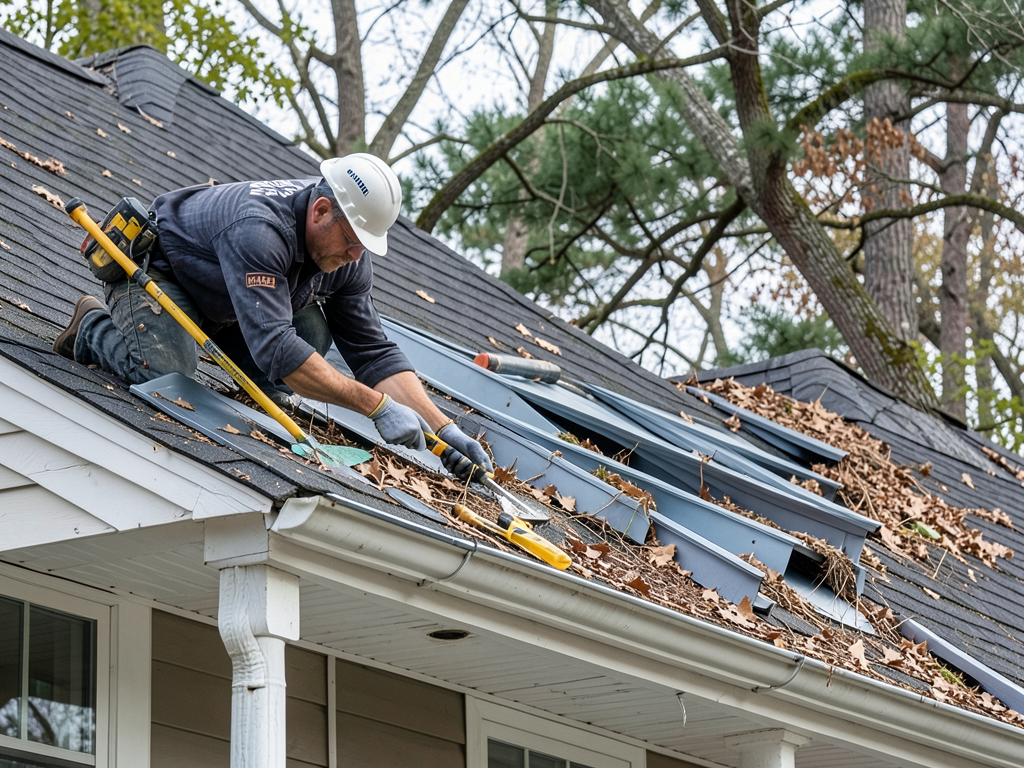
During autumn, oak and maple leaves accumulate on your roof and get pushed into ridge vents by wind and rain. Pine needles from nearby evergreens slip through standard vent screens due to their small size. Over winter, this debris freezes in place, creating ice dams that force melting snow under your shingles.
Come spring, trapped moisture creates the perfect environment for algae and moss growth. The shade from your trees prevents UV light from reaching your shingles, accelerating organic growth that further compromises ventilation efficiency.
Detroit’s freeze-thaw cycles then expand and contract this trapped moisture, causing shingles to curl and lose granules. What started as a ventilation issue becomes a complete roof system failure within 3-5 years instead of the expected 20-25 year lifespan.
Top 3 Ventilation Solutions for Wooded Detroit Properties
Moving beyond standard ridge vents requires understanding how each solution addresses specific debris and moisture challenges. Here are the three most effective options for heavily wooded lots:
1. Filtered Ridge Vents with Internal Weather Guards
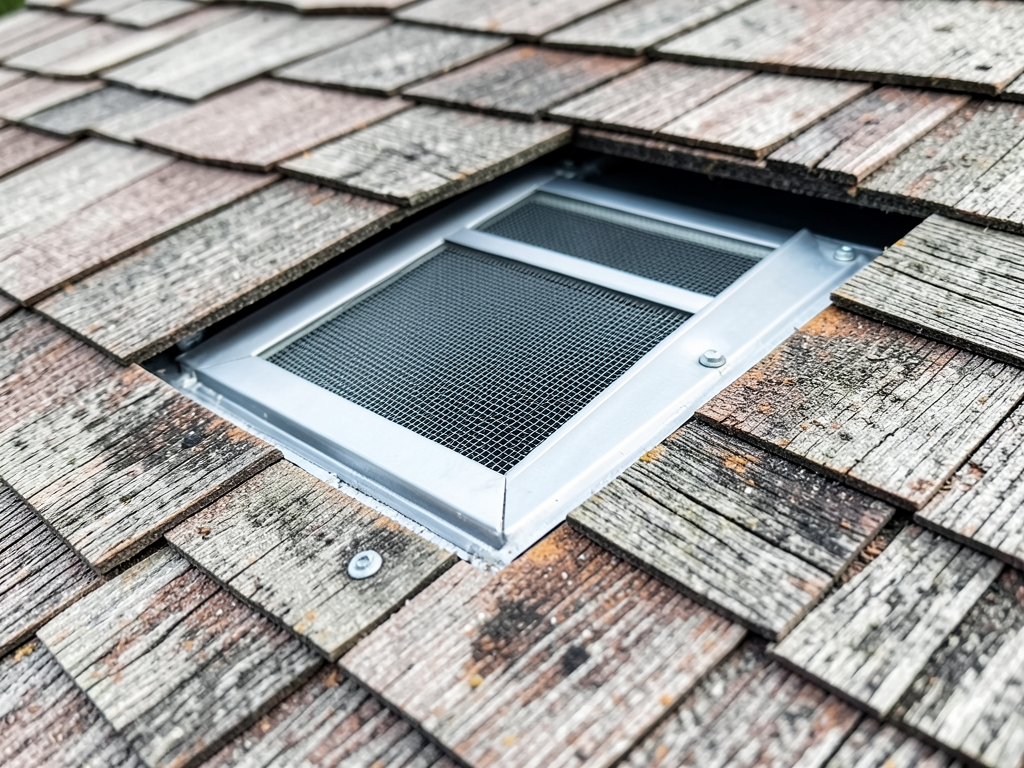
Modern filtered ridge vents feature fine mesh screens that block debris while maintaining airflow. Unlike standard models, these units include internal baffles that prevent wind-driven rain and snow from entering while still allowing hot air to escape.
The key difference is the filter material. High-quality units use stainless steel mesh with openings smaller than 1/16 inch, effectively blocking pine needles and most leaf fragments while maintaining the 1/300 ventilation ratio required by Michigan code.
Installation requires removing existing ridge caps and ensuring proper sealing to prevent wind uplift. In Beverly Hills’ older homes, this often means addressing underlying wood rot first, as trapped moisture has likely compromised the roof deck.
2. Power Attic Fans with Debris Guards
Electric-powered attic fans provide active ventilation that overcomes the limitations of passive systems. These units include built-in thermostats that activate when attic temperatures exceed 95°F, pulling air through soffit vents and expelling it through the fan.
The critical feature for wooded lots is the debris guard system. Quality fans include removable screens that catch leaves and needles before they enter the fan mechanism. This prevents the motor burnout that occurs when standard fans try to process heavy debris loads.
Power fans require electrical connections and proper mounting to withstand Detroit’s high winds. They also need seasonal maintenance to clean debris guards and check motor function before summer heat arrives.
3. Gable Vents with Oversized Soffit Intake
Gable vents offer a different approach by creating cross-ventilation that doesn’t rely on ridge penetration. When paired with oversized soffit vents, this system provides reliable airflow even when debris blocks one side. Finding a Reliable Shingle Replacement Service in Palmer Woods.
The oversized soffit vents feature expanded net free area ratings, typically 2-3 times standard sizes. This compensates for the reduced effectiveness caused by debris accumulation while maintaining proper intake-to-exhaust balance.
Gable vents install on the triangular wall ends of your attic, completely avoiding the ridge line where debris accumulates most heavily. This placement also makes them easier to inspect and clean from ground level.
The Critical Role of Soffit Vents in Wooded Environments
Soffit vents serve as the intake side of your ventilation system, but in wooded areas they face unique challenges. Falling debris from oak and maple trees can clog standard 4-inch vents within a single season.
Modern solutions include continuous soffit vents that run the entire length of the eave. These provide maximum net free area while incorporating debris filters that prevent needles and small leaves from entering.
The Michigan Residential Code requires balanced ventilation, meaning your intake area should equal or exceed your exhaust area. In wooded lots, this often means installing 50% more soffit vent area than code minimums to compensate for debris-related airflow reduction.
Professional installation includes sealing all attic bypasses where warm air can escape into the attic. Common problem areas include gaps around light fixtures, plumbing stacks, and chimney chases. These bypasses can account for up to 40% of heat loss in older Beverly Hills homes.
Maintenance Schedule for Wooded Detroit Properties
Wooded properties require seasonal maintenance that most homeowners underestimate. Here’s what actually works to keep your ventilation system functioning:
- Late Spring Inspection
After trees finish dropping seeds and early leaves, inspect all vents for debris accumulation. Check ridge vents for leaf buildup and soffit vents for needle clogging.
- Early Fall Cleaning
Before autumn leaf drop, clean all vent screens and check for damage from winter ice. Replace any torn screens that could allow debris entry.
- Post-Winter Assessment
After the last snow melts, inspect for ice dam damage and check that all vents are clear of frozen debris. Look for water stains on rafters that indicate ventilation failure.
Professional inspections should include moisture meter readings at multiple attic locations. Readings above 20% indicate ventilation problems that require immediate attention before mold growth begins.
Detroit’s humid summers create conditions where mold can establish within 48-72 hours of moisture exposure. Once established, mold remediation costs typically range from $2,000 to $6,000, making prevention through proper ventilation far more cost-effective.
Preventing Ice Dams on Wooded Properties
Ice dams form when heat escaping from your attic melts snow on the roof, which then refreezes at the colder eaves. Wooded lots face additional challenges because shade prevents natural melting that might clear minor ice buildup.
Effective prevention requires both ventilation and insulation improvements. The Michigan Energy Code mandates R-49 insulation in attics, but many Beverly Hills homes built before 1980 have only R-19 or less.
Adding insulation without addressing ventilation creates a different problem: trapped moisture that condenses on the underside of your roof deck. The solution requires balancing both systems simultaneously.
Ice and water shield installation along eaves provides secondary protection, creating a waterproof barrier that prevents ice dam water from penetrating your roof structure. Michigan code requires this shield to extend at least 24 inches past the interior wall line, but heavily wooded lots often need 36-inch coverage.
Choosing the Right Ventilation System for Your Beverly Hills Home
Selecting the best ventilation solution depends on your specific tree coverage, roof pitch, and existing system condition. Here’s how to evaluate your needs:
| Ventilation Type | Best For | Debris Resistance | Installation Complexity |
|---|---|---|---|
| Filtered Ridge Vents | Moderate tree cover | High | Medium |
| Power Attic Fans | Heavy tree cover | Very High | High |
| Gable Vents | Variable coverage | Medium | Low |
Professional assessment should include thermal imaging to identify heat loss patterns and moisture readings to detect existing problems. Many Beverly Hills homes show elevated moisture levels even when homeowners report no visible leaks.
The cost of upgrading ventilation typically ranges from $1,500 to $4,000 depending on system complexity and existing conditions. This investment often pays for itself through extended roof life and reduced energy costs within 5-7 years.
Local Building Code Compliance and Permits
Detroit’s building department requires permits for ventilation modifications that affect roof structure. The Michigan Residential Code Section R806 specifically addresses attic ventilation requirements, including net free area calculations and installation methods. EPA ventilation standards and moisture control.
Historic districts like Sherwood Forest have additional requirements. Any modifications visible from public rights-of-way must maintain architectural compatibility, which can limit certain ventilation options. Getting Your Historic Roof Restored in Indian Village the Right Way.
Permits typically cost $100-$300 and require detailed plans showing vent locations, types, and net free area calculations. Professional contractors handle permitting as part of the installation process, ensuring compliance with both code requirements and historic district guidelines.. Read more about Why You See Dark Lines on Your LaSalle Gardens Ceiling (Is it a Leak or Ghosting?).
Insurance companies increasingly recognize proper ventilation as a factor in roof longevity. Some providers offer premium discounts for homes with certified ventilation systems, particularly in wooded areas prone to moisture-related damage.
Frequently Asked Questions
How do I know if my ridge vents are clogged?
Signs of clogged ridge vents include excessive attic heat in summer, ice dam formation in winter, and visible debris accumulation along the ridge line. Professional inspection using thermal imaging can identify ventilation blockages that aren’t visible from ground level.
Can I clean my own ridge vents?
While you can remove visible debris, proper cleaning requires specialized tools to clear internal blockages without damaging vent components. Professional cleaning includes inspection for damage and verification of airflow rates, which DIY methods cannot provide.
How long do ventilation upgrades typically last?
Quality ventilation systems installed in wooded environments typically last 15-20 years with proper maintenance. The filter components may need replacement every 5-7 years, while the basic vent structure should last the life of your roof.
Will better ventilation reduce my energy bills?
Improved attic ventilation can reduce cooling costs by 10-15% in summer by preventing heat buildup. However, the primary benefit is extended roof life rather than immediate energy savings, though both factors contribute to long-term cost reduction.
Do I need permits for ventilation upgrades?
Yes, Detroit requires permits for most ventilation modifications that affect roof structure or alter the building envelope. Professional contractors obtain these permits as part of the installation process, ensuring compliance with local building codes.
Take Action Before Moisture Damage Costs You Thousands
Standard ridge vents simply cannot handle the debris load from Detroit’s mature tree canopy. Every season of delay allows moisture to damage your roof deck, insulation, and structural components. The cost of prevention is always less than the cost of repair.
Professional assessment includes thermal imaging, moisture readings, and detailed ventilation calculations specific to your wooded lot. We identify problems before they cause visible damage and recommend solutions that actually work in Detroit’s climate.
Call (313) 604-2233 today to schedule your ventilation inspection. Don’t wait until ice dams form or mold appears. Early intervention protects your investment and extends your roof’s lifespan by 10-15 years.
Pick up the phone and call (313) 604-2233 before the next storm hits. Your roof can’t wait for perfect weather to get the ventilation it desperately needs.
Peak Roofing Detroit serves Beverly Hills, Sherwood Forest, Palmer Woods, and all wooded neighborhoods throughout the Detroit metropolitan area. Our licensed contractors understand the unique challenges of Michigan’s climate and provide ventilation solutions that actually work. Metal Roofing for Ferndale Homes (Is it Actually Worth the Investment?).
You may also find this helpful. Why Your Dearborn Heights Bungalow Needs Specific Gutter Guards for All Those Maples.
You may also find this helpful. How the Humidity from Lake St. Clair Affects the Lifespan of Your Harrison Township Roof.
{
“@context”: “https://schema.org”,
“@type”: “BlogPosting”,
“headline”: “Why Ridge Vents Might Not Be Enough for Your Heavily Wooded Beverly Hills Lot”,
“description”: “Discover why standard ridge vents fail in Detroit’s wooded neighborhoods. Learn about debris-resistant solutions, Michigan building codes, and how to protect your attic from mold and ice dams.”,
“wordCount”: 1943,
“datePublished”: “2026-05-25T11:50:00.000Z”,
“dateModified”: “2026-05-25T11:50:00.000Z”,
“inLanguage”: “en-US”,
“mainEntityOfPage”: {
“@type”: “WebPage”,
“@id”: “https://peakroofingdetroit.com”
},
“publisher”: {
“@type”: “LocalBusiness”,
“name”: “Peak Roofing Detroit”,
“url”: “https://peakroofingdetroit.com”
},
“author”: {
“@type”: “Organization”,
“name”: “Peak Roofing Detroit”,
“url”: “https://peakroofingdetroit.com”
},
“image”: {
“@type”: “ImageObject”,
“url”: “https://peakroofingdetroit.com/wp-content/uploads/2026/03/why-ridge-vents-might-not-be-enough-for-your-heavi-1.png”
}
}
{
“@context”: “https://schema.org”,
“@type”: “RoofingContractor”,
“name”: “Peak Roofing Detroit”,
“url”: “https://peakroofingdetroit.com”,
“address”: {
“@type”: “PostalAddress”,
“addressLocality”: “Detroit”
},
“areaServed”: {
“@type”: “City”,
“name”: “Detroit”
}
}
{
“@context”: “https://schema.org”,
“@type”: “FAQPage”,
“mainEntity”: [
{
“@type”: “Question”,
“name”: “How do I know if my ridge vents are clogged?”,
“acceptedAnswer”: {
“@type”: “Answer”,
“text”: “Signs of clogged ridge vents include excessive attic heat in summer, ice dam formation in winter, and visible debris accumulation along the ridge line. Professional inspection using thermal imaging can identify ventilation blockages that aren’t visible from ground level.”
}
},
{
“@type”: “Question”,
“name”: “Can I clean my own ridge vents?”,
“acceptedAnswer”: {
“@type”: “Answer”,
“text”: “While you can remove visible debris, proper cleaning requires specialized tools to clear internal blockages without damaging vent components. Professional cleaning includes inspection for damage and verification of airflow rates, which DIY methods cannot provide.”
}
},
{
“@type”: “Question”,
“name”: “How long do ventilation upgrades typically last?”,
“acceptedAnswer”: {
“@type”: “Answer”,
“text”: “Quality ventilation systems installed in wooded environments typically last 15-20 years with proper maintenance. The filter components may need replacement every 5-7 years, while the basic vent structure should last the life of your roof.”
}
},
{
“@type”: “Question”,
“name”: “Will better ventilation reduce my energy bills?”,
“acceptedAnswer”: {
“@type”: “Answer”,
“text”: “Improved attic ventilation can reduce cooling costs by 10-15% in summer by preventing heat buildup. However, the primary benefit is extended roof life rather than immediate energy savings, though both factors contribute to long-term cost reduction.”
}
},
{
“@type”: “Question”,
“name”: “Do I need permits for ventilation upgrades?”,
“acceptedAnswer”: {
“@type”: “Answer”,
“text”: “Yes, Detroit requires permits for most ventilation modifications that affect roof structure or alter the building envelope. Professional contractors obtain these permits as part of the installation process, ensuring compliance with local building codes.”
}
}
]
}
{
“@context”: “https://schema.org”,
“@type”: “HowTo”,
“name”: “Seasonal Ventilation Maintenance”,
“step”: [
{
“@type”: “HowToStep”,
“position”: 1,
“name”: “Late Spring Inspection”,
“text”: “After trees finish dropping seeds and early leaves, inspect all vents for debris accumulation. Check ridge vents for leaf buildup and soffit vents for needle clogging.”
},
{
“@type”: “HowToStep”,
“position”: 2,
“name”: “Early Fall Cleaning”,
“text”: “Before autumn leaf drop, clean all vent screens and check for damage from winter ice. Replace any torn screens that could allow debris entry.”
},
{
“@type”: “HowToStep”,
“position”: 3,
“name”: “Post-Winter Assessment”,
“text”: “After the last snow melts, inspect for ice dam damage and check that all vents are clear of frozen debris. Look for water stains on rafters that indicate ventilation failure.”
}
],
“image”: “https://peakroofingdetroit.com/wp-content/uploads/2026/03/why-ridge-vents-might-not-be-enough-for-your-heavi-1.png”
}
{
“@context”: “https://schema.org”,
“@type”: “BreadcrumbList”,
“itemListElement”: [
{
“@type”: “ListItem”,
“position”: 1,
“name”: “Home”,
“item”: “https://peakroofingdetroit.com”
},
{
“@type”: “ListItem”,
“position”: 2,
“name”: “Blog”,
“item”: “https://peakroofingdetroit.com/blog”
},
{
“@type”: “ListItem”,
“position”: 3,
“name”: “Why Ridge Vents Might Not Be Enough for Your Heavily Wooded Beverly Hills Lot”
}
]
}
{
“@context”: “https://schema.org”,
“@type”: “Service”,
“serviceType”: “Roofing”,
“provider”: {
“@type”: “LocalBusiness”,
“name”: “Peak Roofing Detroit”,
“url”: “https://peakroofingdetroit.com”
},
“areaServed”: {
“@type”: “City”,
“name”: “Detroit”
},
“description”: “Discover why standard ridge vents fail in Detroit’s wooded neighborhoods. Learn about debris-resistant solutions, Michigan building codes, and how to protect your attic from mold and ice dams.”
}