
What Happens to Your Home Value if You Sell with an Old Roof in Detroit?
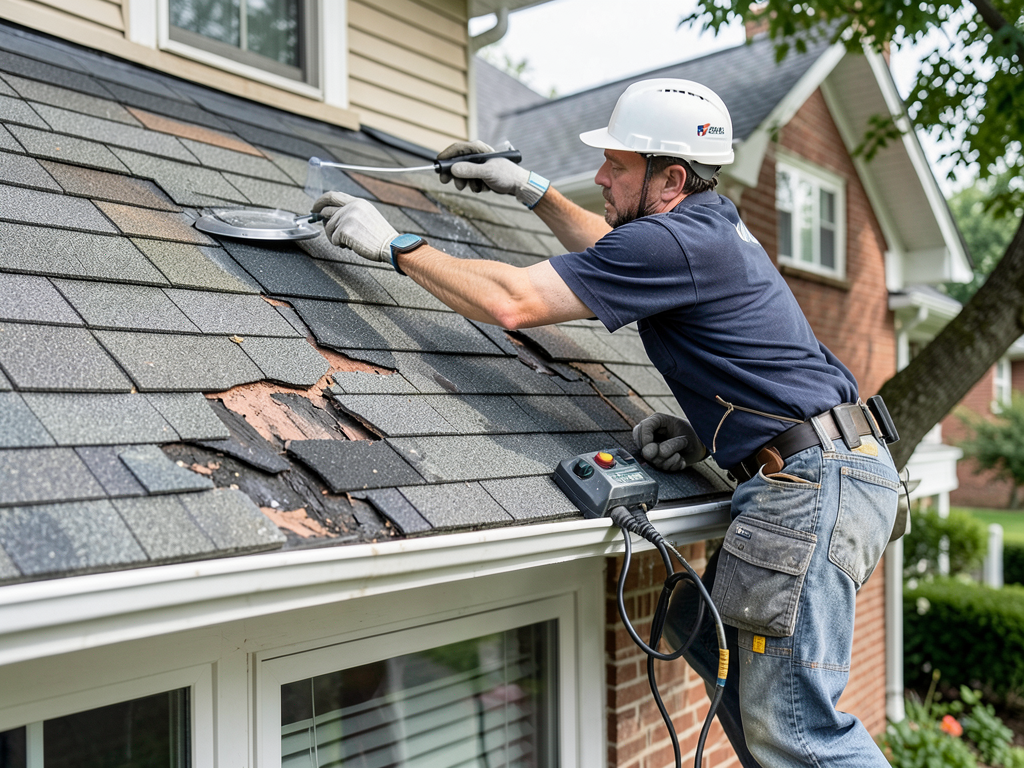
Selling a house with an old roof in Detroit creates a financial dilemma that affects your closing price and the pool of potential buyers. The harsh Michigan climate accelerates roof aging through heavy snow loads, ice dam formation, and high humidity that promotes organic growth on shingles. In Detroit’s competitive 2026 real estate market, roof condition serves as a critical deal-breaker during home inspections and appraisals. Detroit Building Safety Engineering and Environmental Department.
Buyers using FHA or VA loans face strict requirements that often force sellers to replace aging roofs before closing. These government-backed loans typically require at least two to three years of remaining roof life, making an old roof a significant barrier to financing. Even conventional buyers factor roof replacement costs into their offers, often demanding substantial price reductions or seller credits to cover replacement expenses. Why Flat Roofs in Corktown Require Specialized Drainage Solutions.
The financial impact varies based on your Detroit neighborhood. Properties in historic districts like Indian Village or Boston-Edison command premium prices but also face stricter inspection standards. Meanwhile, homes in emerging areas like Corktown or Eastern Market see different buyer expectations and negotiating dynamics. Understanding these market nuances helps you make informed decisions about whether to invest in a new roof or adjust your asking price accordingly. Getting Your Historic Roof Restored in Indian Village the Right Way.
Detroit’s FHA and VA Loan Requirements for Roof Condition
Government-backed loans create the most significant hurdles for sellers with aging roofs. FHA appraisers follow HUD guidelines requiring roofs to have at least two years of remaining life. Severely deteriorated roofs with missing shingles, leaks, or structural damage trigger automatic loan denials. VA loans impose similar standards, often requiring complete roof replacement rather than repairs for roofs over twenty years old. HUD roof requirements for FHA loans.
The inspection process reveals hidden issues that impact loan approval. Appraisers look for signs of water damage, proper flashing installation, and adequate ventilation. Ice dam damage common in Detroit winters often goes unnoticed until professional inspection, revealing costly repairs that kill deals. Sellers who skip pre-listing inspections frequently face surprises during buyer appraisals, leading to last-minute negotiations or deal collapse.
Detroit’s historic districts add another layer of complexity. The City of Detroit Building Safety Engineering and Environmental Department (BSEED) maintains specific requirements for roof replacements in designated historic areas. These regulations often mandate specific materials or installation methods to preserve architectural integrity, increasing replacement costs but potentially boosting property values in these premium neighborhoods.
Calculating ROI: Roof Replacement Costs vs. Home Value Increase in Detroit
The financial math of roof replacement versus price reduction requires careful analysis. Average asphalt shingle replacement in Detroit costs between $8,000 and $15,000 for a typical single-family home, depending on roof size and complexity. However, a new roof can increase home value by $12,000 to $20,000, providing a positive return on investment in most cases.
Detroit’s 2026 market shows strong demand for move-in ready homes, particularly among first-time buyers using FHA loans. Homes with new roofs typically sell 30% faster than those requiring major repairs. The speed advantage translates to real savings on carrying costs like mortgage payments, utilities, and insurance during extended listing periods.
Energy efficiency improvements from modern roofing materials add another dimension to ROI calculations. New asphalt shingles with reflective coatings can reduce cooling costs by 10-15% during Detroit’s humid summers. This operational savings appeals to buyers concerned about utility costs, potentially justifying higher asking prices for homes with upgraded roofing systems. Metal Roofing for Ferndale Homes (Is it Actually Worth the Investment?).
Michigan Disclosure Laws: What Detroit Sellers Must Reveal
Michigan law requires sellers to complete a Seller’s Disclosure Statement that addresses known roof issues. The form asks specific questions about roof age, leaks, repairs, and material condition. Failing to disclose known problems can lead to legal liability after sale, making honesty crucial for protecting yourself from future lawsuits.
Detroit’s climate creates unique disclosure challenges. Ice dam damage, common in Michigan winters, often causes hidden leaks that only appear during heavy rains or snowmelt. Sellers must disclose any known water intrusion events, even if repaired. The statute of limitations for construction defects in Michigan extends beyond the standard warranty periods, creating long-term liability concerns.
Professional roof inspections provide documentation that protects both parties. A pre-listing inspection identifies issues before marketing, allowing sellers to address problems proactively or adjust pricing accordingly. This transparency builds trust with buyers and reduces negotiation friction during the inspection period.
Negotiation Strategies: Roof Credits vs. Complete Replacement
Offering a roof credit at closing provides flexibility for both parties. Typical credits range from $5,000 to $12,000, depending on roof size and local market conditions. This approach allows buyers to choose their preferred roofing materials and contractors while providing sellers with immediate cash flow from the sale. Spray Foam Roofing.
However, roof credits carry risks. Buyers may underestimate replacement costs, leading to disputes during the closing process. Some lenders restrict the use of seller credits, particularly for government-backed loans. Additionally, credits can signal problems to other potential buyers, potentially reducing your buyer pool.
Complete replacement before listing eliminates uncertainty but requires upfront capital. This approach appeals to sellers who want clean transactions and maximum buyer interest. New roofs also provide marketing advantages, allowing listings to highlight this major upgrade and potentially attracting higher offers from quality-conscious buyers.
Detroit Climate Factors: How Michigan Weather Accelerates Roof Aging
Detroit’s climate creates unique challenges for roof longevity. The freeze-thaw cycles common in Michigan winters cause expansion and contraction that weakens roofing materials. Ice dam formation along eaves traps water against the roof surface, forcing moisture under shingles and into the attic space. These cycles typically reduce roof life by 20-30% compared to milder climates.
Summer humidity promotes algae and moss growth on north-facing roof slopes. This organic growth retains moisture against the roof surface, accelerating deterioration of asphalt shingles. The combination of moisture retention and UV exposure creates ideal conditions for material breakdown, particularly in shaded areas where air circulation is limited.
Wind patterns in Detroit, influenced by Lake St. Clair and the Detroit River, create uplift forces that stress roof edges and corners. Properly installed wind-resistant shingles and adequate fastening become critical in these areas. Homes in exposed locations may require additional hurricane clips or enhanced underlayment to meet local building codes.
Alternative Solutions: Pay-at-Closing Roofing Programs
Pay-at-closing roofing programs offer solutions for sellers who lack upfront capital for roof replacement. These programs coordinate with title companies to fund roof replacement after sale, with costs deducted from proceeds at closing. This approach eliminates the need for personal loans or tapping home equity while providing buyers with a new roof.
The programs typically require credit approval and may limit material choices to specific manufacturers or contractors. However, they provide a viable option for sellers facing financial constraints who want to maximize their home’s market appeal. The key advantage lies in transforming a potential deal-breaker into a selling point without immediate out-of-pocket expenses.
Timing considerations affect program selection. Some pay-at-closing options require 30-45 days for contractor scheduling and material delivery, potentially extending closing timelines. Sellers must coordinate with buyers and lenders to ensure all parties understand the process and timeline requirements.
Impact on Home Insurance and Buyer Financing
Roof age significantly affects home insurance premiums and availability. Insurers in Michigan often refuse coverage for roofs over twenty years old or charge premium rates for older systems. This insurance barrier can prevent buyers from obtaining financing, as most lenders require proof of adequate insurance coverage before closing.
The insurance underwriting process examines roof condition through detailed inspections. Missing shingles, damaged flashing, or signs of previous leaks trigger additional scrutiny. Some insurers require roof certifications from licensed contractors, adding another layer of documentation to the selling process.
Buyers factor insurance costs into their monthly payment calculations. Higher premiums for older roofs reduce the amount buyers can afford to pay for the home itself. This indirect cost impact often exceeds the direct replacement costs, making new roofs financially advantageous even when considering only buyer financing capabilities.
Detroit Neighborhood Market Trends and Roof Value Impact
Market dynamics vary significantly across Detroit neighborhoods. Historic districts like Indian Village and Boston-Edison command premium prices but also feature buyers with higher expectations for property condition. These buyers often view roof replacement as a necessary investment rather than an optional upgrade, willing to pay more for homes that don’t require immediate major repairs.
Emerging neighborhoods like Corktown and Eastern Market attract younger buyers who may prioritize location and potential over immediate perfection. However, these buyers still expect functional, code-compliant roofing systems. The key difference lies in their willingness to accept cosmetic issues while demanding reliable protection from the elements. Finding a Reliable Shingle Replacement Service in Palmer Woods.
Detroit’s 2026 market shows increased competition for well-maintained homes, particularly in areas experiencing gentrification or redevelopment. Homes with new roofs in these markets often receive multiple offers and sell above asking price. The combination of strong demand and limited inventory creates opportunities for sellers who invest in major improvements before listing.
Professional Roof Inspection: What to Expect and How to Prepare
Professional roof inspections examine multiple components beyond visible shingles. Inspectors check attic ventilation, insulation levels, and signs of moisture intrusion. They measure roof deck deflection to identify structural issues and examine flashing details around chimneys, vents, and valleys where leaks commonly develop.
The inspection process includes both visual examination and diagnostic testing. Moisture meters detect hidden water damage in roof decking. Thermal imaging cameras identify heat loss patterns that indicate insulation problems or air leaks. These diagnostic tools provide objective data that supports repair recommendations or replacement decisions.
Preparing for inspection involves clearing attic access and providing documentation of previous repairs or maintenance. Sellers should gather warranty information, permit records, and contractor invoices that demonstrate proper installation and ongoing care. This documentation builds confidence with buyers and inspectors while potentially increasing property value.
Making the Decision: Replace, Credit, or Price Reduction
The optimal strategy depends on your financial situation, market conditions, and timeline requirements. Sellers with available capital and time flexibility often benefit from pre-listing replacement. This approach eliminates negotiation obstacles and appeals to the broadest buyer pool, particularly important in Detroit’s competitive 2026 market.
Financially constrained sellers may find roof credits or pay-at-closing programs more suitable. These options preserve cash flow while addressing buyer concerns about roof condition. The key lies in understanding your specific situation and working with experienced real estate professionals who understand Detroit’s unique market dynamics.
Regardless of your chosen approach, professional guidance proves invaluable. Experienced roofing contractors understand local building codes, material options, and installation best practices. Real estate agents familiar with Detroit neighborhoods provide market-specific advice about pricing strategies and buyer expectations.
Frequently Asked Questions
How much does a new roof typically cost in Detroit?
Average asphalt shingle replacement in Detroit ranges from $8,000 to $15,000 for a typical single-family home, depending on roof size, complexity, and material selection. Historic district requirements may increase costs by 15-25% due to specific material or installation mandates.
Can I sell my house with a leaking roof in Detroit?
Technically yes, but it significantly limits your buyer pool and may violate disclosure laws. Most conventional buyers and all FHA/VA loan applicants will require roof repairs or replacement before closing. Leaking roofs also trigger insurance issues that complicate financing.
How long does a roof replacement take in Detroit?
Most residential roof replacements in Detroit take 1-3 days for installation, plus additional time for material delivery and permit processing. Weather delays are common during Michigan winters, so plan for potential schedule adjustments when coordinating with contractors.
Should I get a roof inspection before listing my Detroit home?
Yes. A pre-listing inspection identifies issues before marketing, allowing you to address problems proactively or adjust pricing accordingly. This transparency builds trust with buyers and reduces negotiation friction during the inspection period.
What happens if the buyer’s inspection finds roof problems?
Buyers typically request repairs, price reductions, or closing credits to cover replacement costs. The specific outcome depends on your contract terms, local market conditions, and the severity of identified issues. Strong markets may give sellers more negotiating leverage.
{
“@context”: “https://schema.org”,
“@type”: “BlogPosting”,
“headline”: “What Happens to Your Home Value if You Sell with an Old Roof in Detroit?”,
“description”: “Discover how an aging roof impacts your Detroit home’s sale price. Learn about FHA loan requirements, disclosure laws, and whether to replace or offer credits.”,
“wordCount”: 2047,
“datePublished”: “2026-05-23T08:11:00.000Z”,
“dateModified”: “2026-05-23T08:11:00.000Z”,
“inLanguage”: “en-US”,
“mainEntityOfPage”: {
“@type”: “WebPage”,
“@id”: “https://peakroofingdetroit.com”
},
“publisher”: {
“@type”: “LocalBusiness”,
“name”: “Peak Roofing Detroit”,
“url”: “https://peakroofingdetroit.com”
},
“author”: {
“@type”: “Organization”,
“name”: “Peak Roofing Detroit”,
“url”: “https://peakroofingdetroit.com”
},
“image”: {
“@type”: “ImageObject”,
“url”: “https://peakroofingdetroit.com/wp-content/uploads/2026/03/what-happens-to-your-home-value-if-you-sell-with-a-1.png”
}
}
{
“@context”: “https://schema.org”,
“@type”: “RoofingContractor”,
“name”: “Peak Roofing Detroit”,
“url”: “https://peakroofingdetroit.com”,
“address”: {
“@type”: “PostalAddress”,
“addressLocality”: “Detroit”
},
“areaServed”: {
“@type”: “City”,
“name”: “Detroit”
}
}
{
“@context”: “https://schema.org”,
“@type”: “FAQPage”,
“mainEntity”: [
{
“@type”: “Question”,
“name”: “How much does a new roof typically cost in Detroit?”,
“acceptedAnswer”: {
“@type”: “Answer”,
“text”: “Average asphalt shingle replacement in Detroit ranges from $8,000 to $15,000 for a typical single-family home, depending on roof size, complexity, and material selection. Historic district requirements may increase costs by 15-25% due to specific material or installation mandates.”
}
},
{
“@type”: “Question”,
“name”: “Can I sell my house with a leaking roof in Detroit?”,
“acceptedAnswer”: {
“@type”: “Answer”,
“text”: “Technically yes, but it significantly limits your buyer pool and may violate disclosure laws. Most conventional buyers and all FHA/VA loan applicants will require roof repairs or replacement before closing. Leaking roofs also trigger insurance issues that complicate financing.”
}
},
{
“@type”: “Question”,
“name”: “How long does a roof replacement take in Detroit?”,
“acceptedAnswer”: {
“@type”: “Answer”,
“text”: “Most residential roof replacements in Detroit take 1-3 days for installation, plus additional time for material delivery and permit processing. Weather delays are common during Michigan winters, so plan for potential schedule adjustments when coordinating with contractors.”
}
},
{
“@type”: “Question”,
“name”: “Should I get a roof inspection before listing my Detroit home?”,
“acceptedAnswer”: {
“@type”: “Answer”,
“text”: “Yes. A pre-listing inspection identifies issues before marketing, allowing you to address problems proactively or adjust pricing accordingly. This transparency builds trust with buyers and reduces negotiation friction during the inspection period.”
}
},
{
“@type”: “Question”,
“name”: “What happens if the buyer’s inspection finds roof problems?”,
“acceptedAnswer”: {
“@type”: “Answer”,
“text”: “Buyers typically request repairs, price reductions, or closing credits to cover replacement costs. The specific outcome depends on your contract terms, local market conditions, and the severity of identified issues. Strong markets may give sellers more negotiating leverage.”
}
}
]
}
{
“@context”: “https://schema.org”,
“@type”: “BreadcrumbList”,
“itemListElement”: [
{
“@type”: “ListItem”,
“position”: 1,
“name”: “Home”,
“item”: “https://peakroofingdetroit.com”
},
{
“@type”: “ListItem”,
“position”: 2,
“name”: “Blog”,
“item”: “https://peakroofingdetroit.com/blog”
},
{
“@type”: “ListItem”,
“position”: 3,
“name”: “What Happens to Your Home Value if You Sell with an Old Roof in Detroit?”
}
]
}
{
“@context”: “https://schema.org”,
“@type”: “Service”,
“serviceType”: “Roofing”,
“provider”: {
“@type”: “LocalBusiness”,
“name”: “Peak Roofing Detroit”,
“url”: “https://peakroofingdetroit.com”
},
“areaServed”: {
“@type”: “City”,
“name”: “Detroit”
},
“description”: “Discover how an aging roof impacts your Detroit home’s sale price. Learn about FHA loan requirements, disclosure laws, and whether to replace or offer credits.”
}