
Roof Replacement Options for Mid-Century Modern Homes in Southfield (Keeping the Low Profile Look)
Southfield’s mid-century modern neighborhoods feature clean lines and low-profile roofs that define the architectural style. Choosing the right roofing material requires balancing authentic aesthetics with Detroit’s harsh climate demands. This guide explores materials that maintain your MCM home’s iconic appearance while providing modern protection against Michigan’s freeze-thaw cycles, heavy snow loads, and high winds. Michigan Residential Code.
Mid-century modern architecture emerged in the 1950s and 1960s, emphasizing horizontal lines, flat planes, and integration with nature. In Southfield, neighborhoods like Beverly Hills and the area around Southfield Road showcase these distinctive homes with their characteristic low-slope roofs. These designs present unique challenges when it comes to replacement, as traditional pitched roofing materials can destroy the architectural integrity of your home. Why Flat Roofs in Corktown Require Specialized Drainage Solutions.
Defining the MCM Aesthetic: Low-Slope and Flat Roof Challenges
Mid-century modern homes in Southfield typically feature roof slopes between 1:12 and 2:12, making them technically flat or very low-slope. This design creates several challenges specific to Michigan’s climate. The minimal pitch means water cannot drain as quickly as on steeper roofs, requiring materials that can handle ponding and resist ice dam formation during winter months.
Many MCM homes in Southfield also feature exposed tongue-and-groove ceilings visible from the interior, limiting the thickness of insulation and underlayment that can be added during replacement. This constraint makes material selection even more critical, as you need products that provide adequate R-value without adding bulk that would disrupt the clean interior lines.
Another consideration is the fascia detail. MCM homes often feature wide, flat fascia boards that create a distinctive shadow line. When replacing your roof, maintaining this architectural element requires careful flashing and edge detail work that many standard roofing contractors overlook. Metal Roofing for Ferndale Homes (Is it Actually Worth the Investment?).
Top 5 Roofing Materials for Mid-Century Modern Homes in Michigan
1. Standing Seam Metal: The Modern Standard
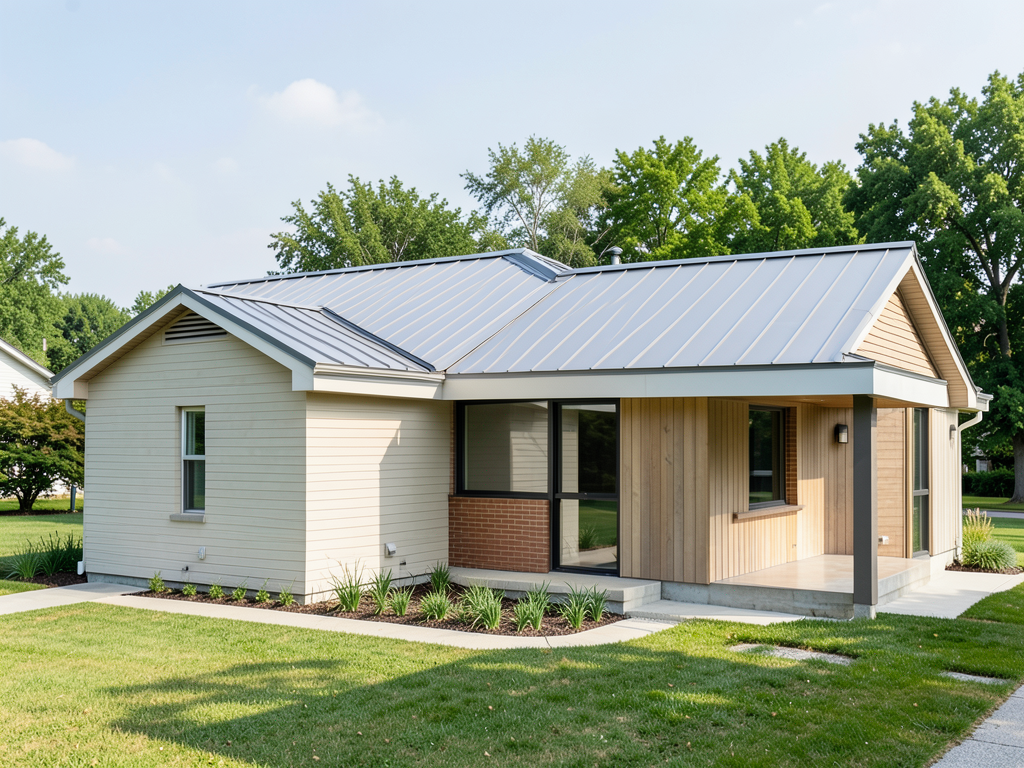
Standing seam metal roofing has become the go-to choice for MCM homes in Metro Detroit. The long, clean lines of standing seam panels complement the horizontal emphasis of mid-century design while providing exceptional durability. Modern standing seam systems use snap-lock or mechanical-lock panels that create a watertight seal without exposed fasteners.
For Southfield’s climate, aluminum standing seam offers excellent corrosion resistance and can be finished in colors that match your home’s original palette. The panels can be ordered in custom widths to maintain the proper proportion to your home’s scale. Installation requires specialized skills, as improper seaming can lead to leaks at the panel joints.
The thermal properties of metal also help with energy efficiency. Light-colored finishes can reflect solar heat in summer, while the material’s low thermal mass means it warms quickly in winter sunlight. This can help reduce ice dam formation, a common problem on low-slope roofs in Michigan.
2. TPO and PVC Membranes: Best for Flat Roof Energy Efficiency
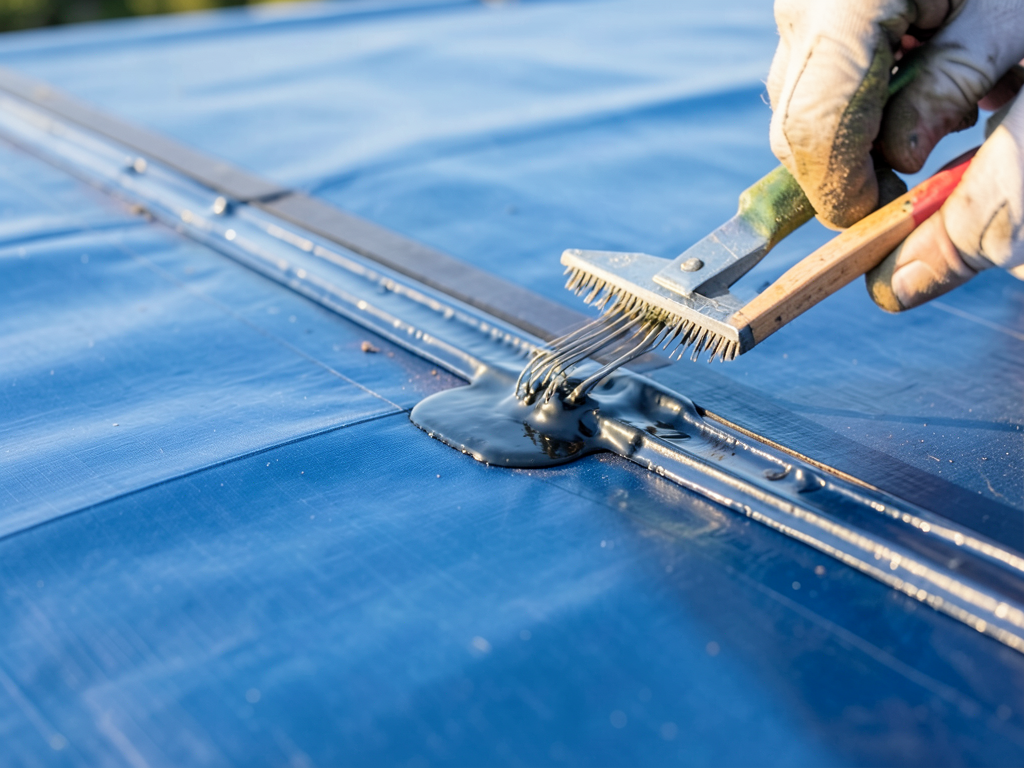
Thermoplastic polyolefin (TPO) and polyvinyl chloride (PVC) membranes represent the modern evolution of flat roofing technology. These single-ply membranes create a seamless waterproof barrier ideal for the flat or low-slope roofs characteristic of MCM homes. In Southfield’s climate, these materials offer several advantages.
TPO membranes come in white and light gray options that provide excellent solar reflectance, reducing cooling costs during Michigan’s humid summers. The material’s heat-welded seams create a monolithic surface that resists water infiltration better than traditional built-up roofing. For homes with visible interior ceilings, TPO’s thin profile allows for maximum insulation depth within the limited roof cavity space.
PVC membranes offer similar benefits with enhanced chemical resistance and flexibility in cold temperatures. Both materials meet or exceed Michigan’s energy code requirements for commercial buildings and can be installed on residential structures with proper permitting under the Michigan Residential Code.
3. Modified Bitumen: The Durable Traditionalist
Modified bitumen roofing provides a proven solution for low-slope MCM roofs that need to maintain a traditional appearance. This asphalt-based material comes in two primary types: APP (atactic polypropylene) and SBS (styrene-butadiene-styrene). SBS modified bitumen remains more flexible in cold temperatures, making it better suited for Michigan’s climate.
The material installs in multiple plies, typically two or three layers, creating a durable system that can last 20-25 years with proper maintenance. Modified bitumen can be torch-applied, cold-applied, or installed with self-adhering sheets, giving contractors flexibility in application methods based on the specific roof configuration.
For MCM homes in Southfield, modified bitumen offers the advantage of being available in smooth or mineral surface finishes. The smooth surface maintains the clean lines essential to mid-century design, while the mineral surface provides additional UV protection and can be selected in colors that complement your home’s exterior.
4. Tar and Gravel (Built-Up Roofing): The Original MCM Look
Many original MCM homes in Southfield were built with built-up roofing (BUR) systems, also known as tar and gravel roofs. These multi-layer systems consist of alternating layers of asphalt and reinforcing fabrics, topped with a layer of gravel or mineral granules. While less common in new construction, BUR remains an option for maintaining historical accuracy. Getting Your Historic Roof Restored in Indian Village the Right Way.
The gravel layer provides UV protection and fire resistance while creating the classic low-profile appearance associated with mid-century design. For homes in historic districts or for owners committed to preserving original materials, BUR can be a valid choice when installed by experienced contractors familiar with proper application techniques.
However, modern alternatives often outperform BUR in terms of energy efficiency and longevity. If you choose this route, ensure your contractor follows current Michigan building codes for fire safety and proper drainage installation, as older methods may not meet current standards.
5. EPDM (Rubber): Cost-Effective and Weather-Resistant
Ethylene propylene diene terpolymer (EPDM) roofing offers a cost-effective solution for flat or low-slope MCM roofs. This synthetic rubber membrane has been used successfully in Michigan for decades, providing reliable waterproofing and weather resistance at a lower initial cost than some alternatives. Finding a Reliable Shingle Replacement Service in Palmer Woods.
EPDM comes primarily in black and white, with the white version offering better solar reflectance for energy efficiency. The material remains flexible in extreme cold, an important feature for Southfield’s winter temperatures that can drop below zero. EPDM’s elasticity allows it to accommodate the minor structural movements that occur with temperature changes.
Installation typically involves fully adhering the membrane to the roof deck or using mechanical fasteners at the perimeter. While EPDM may not have the same premium appearance as standing seam metal or TPO, it provides excellent waterproofing and can be a practical choice for homeowners prioritizing function and budget over aesthetics. What Royal Oak Homeowners Should Know Before Choosing a Roofing Contractor.
Detroit Climate Considerations: Insulation, Snow Load, and Drainage
Southfield receives an average of 32 inches of snow annually, with occasional heavy storms that can deposit over a foot of snow in 24 hours. Michigan’s building code requires roofs to be designed for a minimum 30 pounds per square foot snow load, though many areas in Oakland County require 40 psf or higher. Your MCM roof replacement must account for these loads while maintaining the low-profile aesthetic.
Ice dam formation presents another significant challenge for low-slope roofs in Michigan. When snow melts on a warm roof deck and refreezes at the colder eaves, it creates ice dams that can force water under roofing materials. Modern ice and water shield products provide protection, but proper ventilation becomes critical for preventing the temperature differentials that cause ice damming.
Ventilation in low-slope roofs differs from traditional pitched roofs. Without an attic space, ventilation must occur within the roof assembly itself using specialized vents that don’t penetrate the waterproof membrane. This requires careful planning to ensure adequate airflow while maintaining the roof’s watertight integrity.
Insulation requirements under Michigan’s energy code have increased significantly in recent years. Most areas now require R-49 to R-60 in ceilings, which can be challenging to achieve in the limited space of an MCM roof assembly. Spray foam insulation offers high R-value per inch but must be installed by certified applicators to prevent moisture problems.
Cost Comparison and ROI for MCM Roofing in Metro Detroit
Roofing costs in Southfield vary significantly based on material selection, roof complexity, and contractor expertise. Standing seam metal typically ranges from $12 to $18 per square foot installed, while TPO membranes cost $8 to $12 per square foot. Modified bitumen falls in the $7 to $10 range, and EPDM can be as low as $5 to $8 per square foot.
These prices reflect 2026 market rates in the Detroit metropolitan area and include removal of existing roofing, disposal, and installation. Complex roof configurations with multiple penetrations, skylights, or unique architectural features will increase costs due to additional labor and material requirements.
Beyond initial cost, consider the lifecycle value of each material. Standing seam metal can last 40-50 years with minimal maintenance, while TPO typically lasts 20-25 years. Modified bitumen and EPDM generally need replacement after 20 years. When calculated on a cost-per-year basis, premium materials often provide better long-term value despite higher upfront costs.
Energy efficiency improvements can also impact your return on investment. Reflective TPO or PVC membranes can reduce cooling costs by 10-15% during summer months, while proper insulation can cut heating costs by similar percentages in winter. These savings compound over the roof’s lifespan, potentially offsetting the higher initial investment of premium materials.
Insurance considerations matter too. Some insurance companies offer premium discounts for impact-resistant materials or Class A fire-rated systems, which standing seam metal and certain TPO products achieve. Over a 20-30 year period, these discounts can add up to thousands of dollars in savings.
Making the Right Choice for Your MCM Home
Selecting the best roofing material for your Southfield MCM home requires balancing multiple factors: historical accuracy, climate performance, energy efficiency, and budget. Start by assessing your priorities. If maintaining historical authenticity is paramount, modified bitumen or built-up roofing might be your best option. If energy efficiency and modern performance matter more, TPO or standing seam metal could be worth the premium.
Consider also the visibility of your roof from ground level. Some MCM homes feature prominent roof planes visible from the street, making material selection crucial for curb appeal. Others have more subtle rooflines where performance might take precedence over aesthetics.
Don’t overlook the importance of contractor selection. MCM roof replacement requires specialized knowledge of low-slope installation techniques, proper flashing details, and the unique challenges of Michigan’s climate. Ask potential contractors about their experience with MCM homes specifically, and request references from similar projects in the Southfield area.
Finally, factor in future plans for your home. If you’re considering solar panels, some materials like standing seam metal make installation easier without penetrating the roof membrane. If you plan to stay in your home for decades, investing in premium materials with longer lifespans often makes financial sense.
The right roofing choice protects your MCM home’s architectural integrity while providing reliable shelter for decades to come. By understanding the options available and their specific benefits for Michigan’s climate, you can make an informed decision that honors your home’s design heritage while meeting modern performance standards.
Frequently Asked Questions
What is the best roofing material for a mid-century modern home in Michigan?
Standing seam metal and TPO membranes are generally considered the best options for MCM homes in Michigan. Standing seam metal offers exceptional durability and complements the horizontal lines of mid-century design, while TPO provides excellent energy efficiency and waterproofing for flat or low-slope roofs. The best choice depends on your specific priorities regarding aesthetics, budget, and performance requirements.
How much does it cost to replace a roof on a mid-century modern home in Southfield?
Roof replacement costs for MCM homes in Southfield typically range from $8 to $18 per square foot in 2026, depending on the material selected. Standing seam metal costs $12 to $18 per square foot, TPO membranes cost $8 to $12 per square foot, and modified bitumen or EPDM range from $5 to $10 per square foot. Complex roof configurations may increase these costs by 15-30%.
Can I add more insulation to my MCM home’s roof without changing the appearance?
Yes, several options exist for adding insulation while maintaining your MCM home’s appearance. Exterior rigid foam insulation can be added over the existing roof deck before installing new roofing material. Alternatively, spray foam insulation can be applied to the underside of the roof deck in the attic space. Both methods increase R-value without affecting the visible roof profile, though each has specific installation requirements and cost considerations.
How long do different roofing materials last on MCM homes in Michigan?
Roofing material lifespans vary significantly in Michigan’s climate. Standing seam metal can last 40-50 years with minimal maintenance. TPO membranes typically last 20-25 years. Modified bitumen and EPDM generally need replacement after 20 years. Built-up roofing systems usually last 15-20 years. Regular maintenance and prompt repairs can extend the lifespan of any roofing system by several years. EPA Cool Roofs Information.
Do I need special permits for replacing my MCM home’s roof in Southfield?
Yes, roof replacement in Southfield requires building permits regardless of the material chosen. The permit process ensures compliance with Michigan’s Residential Code and local ordinances. If your home is in a historic district or if you’re making significant changes to the roof structure, additional approvals may be required. A qualified roofing contractor familiar with local requirements can handle the permitting process for you.
How do I maintain my MCM home’s low-profile look during roof replacement?
Maintaining the low-profile look requires careful material selection and installation techniques. Choose materials like standing seam metal, TPO, or modified bitumen that don’t add significant height. Work with contractors experienced in MCM homes who understand the importance of maintaining clean lines and proper fascia details. Discuss edge treatments and flashing details upfront to ensure they complement your home’s original design.
What are the signs that my MCM home’s roof needs replacement?
Signs that indicate roof replacement may be needed include multiple leaks, widespread blistering or cracking in the roofing material, significant granule loss on built-up roofs, visible sagging or structural issues, and age exceeding the material’s expected lifespan. If your roof is over 15 years old and showing multiple problems, replacement often proves more cost-effective than repeated repairs.
Can I install solar panels on my MCM home’s low-slope roof?
Yes, solar panels can be installed on low-slope roofs, though the installation process differs from traditional pitched roofs. Standing seam metal roofs are particularly well-suited for solar installation because mounting systems can clamp to the seams without penetrating the roofing material. For other materials, installers use specialized mounting systems designed for low-slope applications. The minimal roof pitch may require slightly more panels to achieve the same energy production as a steeper roof.
How do I choose between different roofing contractors for my MCM home?
Choose contractors with specific experience in MCM homes and low-slope roofing systems. Ask for references from similar projects in Southfield or nearby areas. Verify their licensing and insurance coverage. Request detailed proposals that specify materials, installation methods, and warranty terms. A qualified contractor should be able to explain the advantages and limitations of different materials for your specific home and provide examples of their work on similar properties.
Call (313) 604-2233 today to schedule your inspection and get a free estimate on your MCM roof replacement. Our team specializes in preserving the architectural integrity of mid-century modern homes while providing the protection your family needs against Michigan’s harsh climate.
{
“@context”: “https://schema.org”,
“@type”: “BlogPosting”,
“headline”: “Roof Replacement Options for Mid-Century Modern Homes in Southfield (Keeping the Low Profile Look)”,
“description”: “Discover the best roofing materials for Mid-Century Modern homes in Southfield. Learn about TPO, metal, and modified bitumen options that preserve your home’s iconic low-profile design.”,
“wordCount”: 2598,
“datePublished”: “2026-05-01T08:49:00.000Z”,
“dateModified”: “2026-05-01T08:49:00.000Z”,
“inLanguage”: “en-US”,
“mainEntityOfPage”: {
“@type”: “WebPage”,
“@id”: “https://peakroofingdetroit.com”
},
“publisher”: {
“@type”: “LocalBusiness”,
“name”: “Peak Roofing Detroit”,
“url”: “https://peakroofingdetroit.com”
},
“author”: {
“@type”: “Organization”,
“name”: “Peak Roofing Detroit”,
“url”: “https://peakroofingdetroit.com”
},
“image”: {
“@type”: “ImageObject”,
“url”: “https://peakroofingdetroit.com/wp-content/uploads/2026/03/roof-replacement-options-for-mid-century-modern-ho-1.png”
}
}
{
“@context”: “https://schema.org”,
“@type”: “RoofingContractor”,
“name”: “Peak Roofing Detroit”,
“url”: “https://peakroofingdetroit.com”,
“address”: {
“@type”: “PostalAddress”,
“addressLocality”: “Detroit”
},
“areaServed”: {
“@type”: “City”,
“name”: “Detroit”
}
}
{
“@context”: “https://schema.org”,
“@type”: “FAQPage”,
“mainEntity”: [
{
“@type”: “Question”,
“name”: “What is the best roofing material for a mid-century modern home in Michigan?”,
“acceptedAnswer”: {
“@type”: “Answer”,
“text”: “Standing seam metal and TPO membranes are generally considered the best options for MCM homes in Michigan. Standing seam metal offers exceptional durability and complements the horizontal lines of mid-century design, while TPO provides excellent energy efficiency and waterproofing for flat or low-slope roofs. The best choice depends on your specific priorities regarding aesthetics, budget, and performance requirements.”
}
},
{
“@type”: “Question”,
“name”: “How much does it cost to replace a roof on a mid-century modern home in Southfield?”,
“acceptedAnswer”: {
“@type”: “Answer”,
“text”: “Roof replacement costs for MCM homes in Southfield typically range from $8 to $18 per square foot in 2026, depending on the material selected. Standing seam metal costs $12 to $18 per square foot, TPO membranes cost $8 to $12 per square foot, and modified bitumen or EPDM range from $5 to $10 per square foot. Complex roof configurations may increase these costs by 15-30%.”
}
},
{
“@type”: “Question”,
“name”: “Can I add more insulation to my MCM home’s roof without changing the appearance?”,
“acceptedAnswer”: {
“@type”: “Answer”,
“text”: “Yes, several options exist for adding insulation while maintaining your MCM home’s appearance. Exterior rigid foam insulation can be added over the existing roof deck before installing new roofing material. Alternatively, spray foam insulation can be applied to the underside of the roof deck in the attic space. Both methods increase R-value without affecting the visible roof profile, though each has specific installation requirements and cost considerations.”
}
},
{
“@type”: “Question”,
“name”: “How long do different roofing materials last on MCM homes in Michigan?”,
“acceptedAnswer”: {
“@type”: “Answer”,
“text”: “Roofing material lifespans vary significantly in Michigan’s climate. Standing seam metal can last 40-50 years with minimal maintenance. TPO membranes typically last 20-25 years. Modified bitumen and EPDM generally need replacement after 20 years. Built-up roofing systems usually last 15-20 years. Regular maintenance and prompt repairs can extend the lifespan of any roofing system by several years. EPA Cool Roofs Information.”
}
},
{
“@type”: “Question”,
“name”: “Do I need special permits for replacing my MCM home’s roof in Southfield?”,
“acceptedAnswer”: {
“@type”: “Answer”,
“text”: “Yes, roof replacement in Southfield requires building permits regardless of the material chosen. The permit process ensures compliance with Michigan’s Residential Code and local ordinances. If your home is in a historic district or if you’re making significant changes to the roof structure, additional approvals may be required. A qualified roofing contractor familiar with local requirements can handle the permitting process for you.”
}
},
{
“@type”: “Question”,
“name”: “How do I maintain my MCM home’s low-profile look during roof replacement?”,
“acceptedAnswer”: {
“@type”: “Answer”,
“text”: “Maintaining the low-profile look requires careful material selection and installation techniques. Choose materials like standing seam metal, TPO, or modified bitumen that don’t add significant height. Work with contractors experienced in MCM homes who understand the importance of maintaining clean lines and proper fascia details. Discuss edge treatments and flashing details upfront to ensure they complement your home’s original design.”
}
},
{
“@type”: “Question”,
“name”: “What are the signs that my MCM home’s roof needs replacement?”,
“acceptedAnswer”: {
“@type”: “Answer”,
“text”: “Signs that indicate roof replacement may be needed include multiple leaks, widespread blistering or cracking in the roofing material, significant granule loss on built-up roofs, visible sagging or structural issues, and age exceeding the material’s expected lifespan. If your roof is over 15 years old and showing multiple problems, replacement often proves more cost-effective than repeated repairs.”
}
},
{
“@type”: “Question”,
“name”: “Can I install solar panels on my MCM home’s low-slope roof?”,
“acceptedAnswer”: {
“@type”: “Answer”,
“text”: “Yes, solar panels can be installed on low-slope roofs, though the installation process differs from traditional pitched roofs. Standing seam metal roofs are particularly well-suited for solar installation because mounting systems can clamp to the seams without penetrating the roofing material. For other materials, installers use specialized mounting systems designed for low-slope applications. The minimal roof pitch may require slightly more panels to achieve the same energy production as a steeper roof.”
}
},
{
“@type”: “Question”,
“name”: “How do I choose between different roofing contractors for my MCM home?”,
“acceptedAnswer”: {
“@type”: “Answer”,
“text”: “Choose contractors with specific experience in MCM homes and low-slope roofing systems. Ask for references from similar projects in Southfield or nearby areas. Verify their licensing and insurance coverage. Request detailed proposals that specify materials, installation methods, and warranty terms. A qualified contractor should be able to explain the advantages and limitations of different materials for your specific home and provide examples of their work on similar properties.”
}
}
]
}
{
“@context”: “https://schema.org”,
“@type”: “BreadcrumbList”,
“itemListElement”: [
{
“@type”: “ListItem”,
“position”: 1,
“name”: “Home”,
“item”: “https://peakroofingdetroit.com”
},
{
“@type”: “ListItem”,
“position”: 2,
“name”: “Blog”,
“item”: “https://peakroofingdetroit.com/blog”
},
{
“@type”: “ListItem”,
“position”: 3,
“name”: “Roof Replacement Options for Mid-Century Modern Homes in Southfield (Keeping the Low Profile Look)”
}
]
}
{
“@context”: “https://schema.org”,
“@type”: “Service”,
“serviceType”: “Roofing”,
“provider”: {
“@type”: “LocalBusiness”,
“name”: “Peak Roofing Detroit”,
“url”: “https://peakroofingdetroit.com”
},
“areaServed”: {
“@type”: “City”,
“name”: “Detroit”
},
“description”: “Discover the best roofing materials for Mid-Century Modern homes in Southfield. Learn about TPO, metal, and modified bitumen options that preserve your home’s iconic low-profile design.”
}