
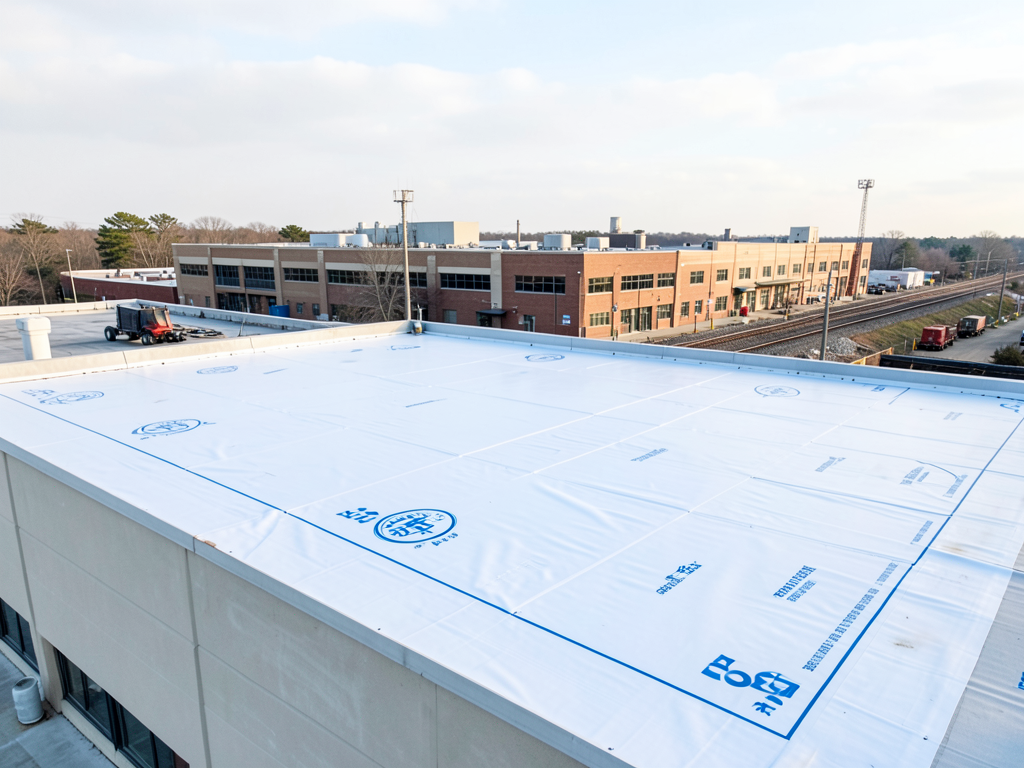
How to Choose a Commercial Roofing Contractor for Your Property in the Milwaukee Junction District
Finding the right commercial roofing contractor in Milwaukee Junction means more than just picking a name from a list. Detroit’s industrial heritage and harsh climate demand specialized knowledge of flat roofing systems, local building codes, and rapid-response capabilities for aging structures near the railroad corridor. Finding a Reliable Shingle Replacement Service in Palmer Woods.
The Milwaukee Junction area presents unique challenges. Properties here often feature heavy-duty industrial construction with flat roofs designed for decades of heavy equipment loads. The combination of Detroit’s freeze-thaw cycles and the district’s proximity to rail yards creates specific moisture and drainage issues that require contractors with proven local expertise. Why Flat Roofs in Corktown Require Specialized Drainage Solutions.
This guide walks you through the critical factors to evaluate when selecting a commercial roofing partner who understands both the technical requirements and the neighborhood-specific demands of Milwaukee Junction properties. Metal Roofing for Ferndale Homes (Is it Actually Worth the Investment?).
Understanding Milwaukee Junction’s Commercial Roofing Needs
Milwaukee Junction developed as Detroit’s industrial heart, with many buildings constructed between 1900 and 1950. These structures typically feature flat or low-slope roofs designed for heavy equipment loads and industrial processes. The roofing systems installed decades ago often use built-up roofing (BUR) or modified bitumen that requires specialized knowledge to repair or replace. Spray Foam Roofing.
The district’s proximity to active rail lines creates additional considerations. Vibration from passing trains can accelerate fastener loosening in roof assemblies, while industrial dust and debris from rail operations can clog drainage systems. A contractor familiar with these conditions will know to inspect for rail-specific wear patterns and implement vibration-dampening solutions.
Detroit’s climate adds another layer of complexity. The area experiences approximately 30 freeze-thaw cycles annually, each one stressing roof membranes and flashing joints. Milwaukee Junction properties, many of which are older industrial buildings being repurposed for modern uses, require contractors who understand how to retrofit historic structures while maintaining structural integrity. Getting Your Historic Roof Restored in Indian Village the Right Way.
Essential Credentials for Milwaukee Junction Contractors
State Licensing and Insurance Verification
When evaluating contractors, verify they hold current Michigan roofing licenses and carry comprehensive insurance coverage. Detroit building officials specifically require contractors to maintain at least $500,000 in general liability insurance and workers’ compensation coverage for all employees. Request certificates of insurance and verify them directly with the insurance provider. Michigan Building Code.
Local Building Code Compliance
Milwaukee Junction falls under Detroit’s commercial building code jurisdiction, which references the 2021 Michigan Building Code with local amendments. Contractors must understand Detroit’s specific requirements for commercial roof replacement, including permit submission processes that can take 2-3 weeks for approval. Ask potential contractors about their experience with Detroit’s permitting system and whether they handle permit acquisition as part of their service.
Manufacturer Certifications
Quality commercial roofing contractors maintain certifications from major manufacturers like GAF, Carlisle, or Firestone. These certifications ensure access to extended warranties and demonstrate the contractor’s commitment to proper installation techniques. For Milwaukee Junction’s industrial properties, look for contractors certified in TPO, EPDM, and modified bitumen systems specifically.
Specialized Systems for Industrial Properties
Material Selection for Detroit’s Climate
Milwaukee Junction’s commercial buildings require roofing materials engineered for extreme temperature variations. Thermoplastic Polyolefin (TPO) membranes rated for -40°F to 180°F perform well in Detroit’s climate, while EPDM rubber roofing offers excellent flexibility during freeze-thaw cycles. A knowledgeable contractor will recommend materials based on your building’s specific exposure, roof slope, and intended use.
Energy Efficiency Considerations
Many Milwaukee Junction properties are converting from pure industrial use to mixed commercial spaces, making energy efficiency increasingly important. Cool roof coatings with high solar reflectance can reduce cooling costs by 20-30% during Detroit’s humid summers. Contractors familiar with Energy Star rated roofing systems can help you qualify for utility rebates through DTE Energy’s commercial efficiency programs.
Drainage System Design
Flat roofs in Milwaukee Junction often suffer from ponding water due to inadequate drainage design from the original construction era. Modern contractors should evaluate your roof’s positive drainage capabilities and recommend solutions like tapered insulation systems or additional drains. The Michigan Residential Code requires flat roofs to drain completely within 24 hours of precipitation, a standard that applies to many commercial conversions.
Evaluating Contractor Experience and References
Local Project Portfolio
Request a portfolio of completed projects in Detroit’s industrial corridors, specifically asking about work in Milwaukee Junction, New Center, or nearby Piquette Avenue. A contractor with relevant experience will understand the unique challenges of working in active industrial areas, including coordinating with rail operations and managing dust control during tear-off procedures.
Reference Verification Process
Contact at least three recent clients and ask specific questions about the contractor’s performance. Inquire about their ability to work within tight industrial schedules, their cleanup procedures, and how they handled unexpected issues like discovering asbestos in old roofing materials. Detroit’s older buildings often contain hazardous materials that require proper abatement procedures.
Safety Record and Training
Industrial roofing projects require strict safety protocols. Ask about the contractor’s OSHA training programs, their EMR (Experience Modification Rate), and their safety record for similar projects. Contractors working near active rail lines must have specific training for working in proximity to train operations and understanding railroad right-of-way regulations. OSHA Safety Standards.
Project Management and Communication
Timeline and Scheduling Considerations
Commercial roofing projects in Milwaukee Junction often require coordination with multiple stakeholders, including building owners, tenants, and sometimes the railroad companies. A professional contractor should provide a detailed project timeline that accounts for material delivery schedules, weather contingencies, and phased work if the building must remain partially operational during the project.
Communication Protocols
Establish clear communication channels before work begins. The contractor should designate a project manager as your primary contact and provide regular progress updates. For larger projects, they should implement a cloud-based project management system that allows you to track progress, view documentation, and communicate with the team in real-time.
Change Order Procedures
Industrial roofing projects often uncover unexpected issues once work begins. A reputable contractor will have clear change order procedures that include detailed cost breakdowns and written approval processes. Be wary of contractors who provide verbal agreements for additional work or who significantly increase prices when issues arise.
Cost Factors and Value Assessment
Understanding Commercial Roofing Pricing
Commercial roofing costs in Milwaukee Junction typically range from $5 to $12 per square foot, depending on the system selected and building complexity. TPO installation averages $6-8 per square foot, while modified bitumen systems run $7-10 per square foot. Request detailed line-item bids that separate material costs, labor, permits, and warranty fees.
Warranty Considerations
Manufacturer warranties for commercial roofing systems range from 10 to 30 years. However, warranty validity often depends on proper installation by certified contractors. Ask about both manufacturer warranties and the contractor’s workmanship warranty. A quality contractor will offer at least a 2-year workmanship warranty with options to extend.
Long-term Value Assessment
Consider the total lifecycle cost rather than just the initial installation price. Higher-quality materials and professional installation may cost 15-20% more upfront but can extend roof life by 5-10 years. Calculate potential energy savings from reflective coatings and factor in reduced maintenance costs over the system’s lifetime.
Red Flags to Watch For
Warning Signs During Evaluation
Be cautious of contractors who pressure for immediate decisions, offer unusually low bids, or cannot provide local references. Lack of proper licensing, inability to show insurance certificates, or reluctance to provide written contracts are serious red flags. Contractors who suggest working without permits or who cannot explain local building code requirements should be avoided.
Payment Schedule Concerns
Reputable contractors typically require a deposit of 10-30% with progress payments tied to completed project phases. Be extremely cautious of contractors demanding full payment upfront or those who refuse to provide a detailed payment schedule. Detroit’s commercial construction laws provide specific protections for property owners regarding payment disputes.
Communication Issues
Poor communication during the bidding process often indicates problems during the actual project. If a contractor is difficult to reach, provides vague answers, or seems unfamiliar with Milwaukee Junction’s specific requirements, these are indicators of potential future issues. Quality contractors maintain professional offices and respond promptly to inquiries.
Making Your Final Selection
Comparison Checklist Development
Create a standardized comparison checklist that evaluates each contractor on key criteria: licensing, insurance, local experience, material options, warranty offerings, safety record, and communication quality. Assign weighted scores to each category based on your priorities. This systematic approach helps avoid emotional decisions and ensures you’re comparing contractors objectively.
On-Site Evaluation Importance
Before making your final decision, request an on-site evaluation from your top two or three candidates. This allows you to assess their professionalism, ask specific questions about your property, and gauge their understanding of your building’s unique characteristics. Pay attention to whether they take measurements, photograph problem areas, and ask detailed questions about your usage requirements.
Contract Review Process
The final contract should detail every aspect of the project including scope of work, materials to be used, project timeline, payment schedule, warranty information, and procedures for handling changes or issues. Have a construction attorney review the contract before signing, especially for projects over $25,000. This small investment can prevent costly disputes later.
Frequently Asked Questions
How long does a commercial roof replacement take in Milwaukee Junction?
Most commercial roof replacements in the area take 2-4 weeks, depending on building size and weather conditions. Larger industrial buildings or those requiring extensive repairs may take 6-8 weeks. Your contractor should provide a detailed timeline during the planning phase.
What permits are required for commercial roofing in Detroit?
Detroit requires building permits for commercial roof replacements, which include plan review and inspection fees. The process typically takes 2-3 weeks for approval. Your contractor should handle permit acquisition, but verify they have the necessary documentation before work begins.
How can I extend the life of my commercial roof?
Regular maintenance is key to extending roof life. Schedule bi-annual inspections, keep drainage systems clear, address minor repairs promptly, and consider applying reflective coatings every 5-7 years. A quality contractor should offer maintenance programs specific to your roofing system.. Read more about The Real Pros and Cons of Choosing a National Roofing Franchise for Your Westland Home.
What’s the difference between TPO and EPDM roofing?
TPO is a heat-welded thermoplastic membrane that offers excellent energy efficiency and chemical resistance. EPDM is a rubber-based system that provides superior flexibility in extreme temperatures. TPO typically lasts 20-30 years while EPDM averages 25-30 years. Your contractor should recommend based on your specific building needs.
How do I know if my roof needs repair or replacement?
Signs that indicate replacement needs include widespread blistering, multiple leak locations, extensive ponding water, and roof age exceeding 20 years. If repair costs exceed 50% of replacement costs, replacement is usually the better investment. A professional inspection can provide specific recommendations.
Next Steps for Milwaukee Junction Property Owners
Selecting the right commercial roofing contractor requires careful evaluation of credentials, experience, and communication capabilities. Milwaukee Junction’s unique industrial character and Detroit’s challenging climate demand contractors who understand both the technical requirements and the neighborhood’s specific needs.. Read more about Dealing with the Unique Roofing Challenges of Flat-Roof Commercial Buildings in Greektown.
Start by requesting detailed proposals from at least three qualified contractors. Compare their experience with similar Milwaukee Junction properties, verify their credentials, and check references thoroughly. The time invested in this selection process will pay dividends through a successful project and a roof that protects your investment for decades.
Ready to move forward with your commercial roofing project? Call (313) 604-2233 today to schedule a comprehensive inspection and receive a detailed proposal tailored to your Milwaukee Junction property’s specific needs. Our team understands the unique challenges of industrial roofing in Detroit and can help you make the right investment for your building’s future.
{
“@context”: “https://schema.org”,
“@type”: “BlogPosting”,
“headline”: “How to Choose a Commercial Roofing Contractor for Your Property in the Milwaukee Junction District”,
“description”: “Expert guide for Milwaukee Junction property owners. Learn what to look for in a commercial roofing contractor, including Detroit-specific codes, industrial systems, and local experience.”,
“wordCount”: 1944,
“datePublished”: “2026-05-14T12:09:00.000Z”,
“dateModified”: “2026-05-14T12:09:00.000Z”,
“inLanguage”: “en-US”,
“mainEntityOfPage”: {
“@type”: “WebPage”,
“@id”: “https://peakroofingdetroit.com”
},
“publisher”: {
“@type”: “LocalBusiness”,
“name”: “Peak Roofing Detroit”,
“url”: “https://peakroofingdetroit.com”
},
“author”: {
“@type”: “Organization”,
“name”: “Peak Roofing Detroit”,
“url”: “https://peakroofingdetroit.com”
},
“image”: {
“@type”: “ImageObject”,
“url”: “https://peakroofingdetroit.com/wp-content/uploads/2026/03/how-to-choose-a-commercial-roofing-contractor-for-1.png”
}
}
{
“@context”: “https://schema.org”,
“@type”: “RoofingContractor”,
“name”: “Peak Roofing Detroit”,
“url”: “https://peakroofingdetroit.com”,
“address”: {
“@type”: “PostalAddress”,
“addressLocality”: “Detroit”
},
“areaServed”: {
“@type”: “City”,
“name”: “Detroit”
}
}
{
“@context”: “https://schema.org”,
“@type”: “FAQPage”,
“mainEntity”: [
{
“@type”: “Question”,
“name”: “How long does a commercial roof replacement take in Milwaukee Junction?”,
“acceptedAnswer”: {
“@type”: “Answer”,
“text”: “Most commercial roof replacements in the area take 2-4 weeks, depending on building size and weather conditions. Larger industrial buildings or those requiring extensive repairs may take 6-8 weeks. Your contractor should provide a detailed timeline during the planning phase.”
}
},
{
“@type”: “Question”,
“name”: “What permits are required for commercial roofing in Detroit?”,
“acceptedAnswer”: {
“@type”: “Answer”,
“text”: “Detroit requires building permits for commercial roof replacements, which include plan review and inspection fees. The process typically takes 2-3 weeks for approval. Your contractor should handle permit acquisition, but verify they have the necessary documentation before work begins.”
}
},
{
“@type”: “Question”,
“name”: “How can I extend the life of my commercial roof?”,
“acceptedAnswer”: {
“@type”: “Answer”,
“text”: “Regular maintenance is key to extending roof life. Schedule bi-annual inspections, keep drainage systems clear, address minor repairs promptly, and consider applying reflective coatings every 5-7 years. A quality contractor should offer maintenance programs specific to your roofing system.”
}
},
{
“@type”: “Question”,
“name”: “What’s the difference between TPO and EPDM roofing?”,
“acceptedAnswer”: {
“@type”: “Answer”,
“text”: “TPO is a heat-welded thermoplastic membrane that offers excellent energy efficiency and chemical resistance. EPDM is a rubber-based system that provides superior flexibility in extreme temperatures. TPO typically lasts 20-30 years while EPDM averages 25-30 years. Your contractor should recommend based on your specific building needs.”
}
},
{
“@type”: “Question”,
“name”: “How do I know if my roof needs repair or replacement?”,
“acceptedAnswer”: {
“@type”: “Answer”,
“text”: “Signs that indicate replacement needs include widespread blistering, multiple leak locations, extensive ponding water, and roof age exceeding 20 years. If repair costs exceed 50% of replacement costs, replacement is usually the better investment. A professional inspection can provide specific recommendations.”
}
}
]
}
{
“@context”: “https://schema.org”,
“@type”: “BreadcrumbList”,
“itemListElement”: [
{
“@type”: “ListItem”,
“position”: 1,
“name”: “Home”,
“item”: “https://peakroofingdetroit.com”
},
{
“@type”: “ListItem”,
“position”: 2,
“name”: “Blog”,
“item”: “https://peakroofingdetroit.com/blog”
},
{
“@type”: “ListItem”,
“position”: 3,
“name”: “How to Choose a Commercial Roofing Contractor for Your Property in the Milwaukee Junction District”
}
]
}
{
“@context”: “https://schema.org”,
“@type”: “Service”,
“serviceType”: “Roofing”,
“provider”: {
“@type”: “LocalBusiness”,
“name”: “Peak Roofing Detroit”,
“url”: “https://peakroofingdetroit.com”
},
“areaServed”: {
“@type”: “City”,
“name”: “Detroit”
},
“description”: “Expert guide for Milwaukee Junction property owners. Learn what to look for in a commercial roofing contractor, including Detroit-specific codes, industrial systems, and local experience.”
}