
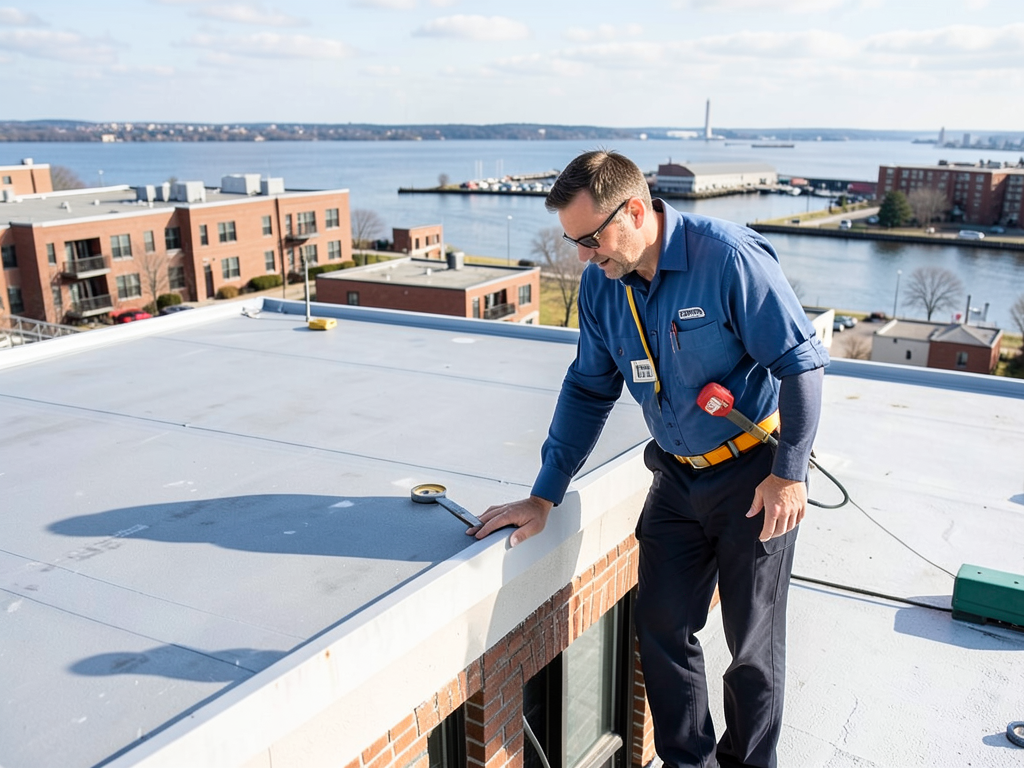
How Condo Associations in Rivertown Should Handle Collective Roof Repairs
Rivertown condo associations face unique challenges when coordinating collective roof repairs across multiple units. From navigating Detroit building codes to managing the specific weather patterns along the Detroit River, successful projects require specialized knowledge of both multi-family logistics and local construction requirements. This guide walks through the essential steps for condo boards in the 48207 area to plan, permit, and execute roof repairs that protect property values while minimizing disruption to residents. Detroit BSEED permitting information.
Understanding Rivertown’s Unique Roofing Environment
The Rivertown-Warehouse District presents distinct roofing challenges that generic contractors often overlook. Properties along the Detroit Riverfront experience higher wind speeds and increased humidity levels compared to inland areas. These conditions accelerate wear on roofing membranes and create ideal environments for algae growth on north-facing surfaces. The area’s mix of converted industrial lofts and modern mid-rise buildings also means varying roof structures, from heavy timber decking to lightweight concrete slabs, each requiring different repair approaches. Metal Roofing for Ferndale Homes (Is it Actually Worth the Investment?).
Detroit’s climate adds another layer of complexity. The freeze-thaw cycles common in Michigan cause expansion and contraction that can crack aging roofing materials. Ice dam formation along the river’s edge creates backup points where water can penetrate under shingles or membrane seams. Understanding these local failure patterns is critical for developing a repair strategy that addresses both immediate damage and long-term durability. Michigan Condominium Act requirements.
Navigating Detroit’s HOA and Condo Association Requirements
Detroit’s municipal code requires specific permitting processes for multi-unit building repairs. The Buildings, Safety Engineering and Environmental Department (BSEED) mandates that condo associations provide detailed project plans before issuing permits for roof replacements. This includes engineering assessments of load-bearing capacity, especially important for older buildings that may have been converted from industrial to residential use without structural upgrades. Roofing Detroit.
HOA boards must also comply with Michigan’s Condominium Act, which requires proper documentation of repair decisions and cost allocation among unit owners. The act specifies that material selection must be documented in association meeting minutes, with options presented for different warranty levels and price points. Many Rivertown associations choose TPO or PVC membranes for their energy efficiency and resistance to the area’s high humidity, but the final decision requires board approval and often a super-majority vote from owners.
Insurance considerations add another layer of complexity. Most condo association policies require specific documentation of roof conditions before approving claims for wind or water damage. Working with a contractor familiar with Detroit’s insurance requirements can streamline the claims process and ensure proper coverage for both the association and individual unit owners.
Common Roofing Materials for Rivertown Condos
Flat roof systems dominate Rivertown’s condo landscape, with TPO (Thermoplastic Polyolefin) and EPDM (Ethylene Propylene Diene Monomer) being the most common choices. TPO offers superior energy efficiency with its reflective white surface, reducing cooling costs during Detroit’s humid summers. The material’s heat-welded seams create a monolithic barrier that resists the wind uplift common along the riverfront.
EPDM remains popular for its cost-effectiveness and proven track record in cold climates. The rubber membrane expands and contracts with temperature changes without cracking, making it ideal for buildings that experience significant thermal cycling. However, EPDM’s darker color absorbs heat, potentially increasing cooling costs during summer months.
For buildings with slight slopes, modified bitumen provides a middle ground between flat and pitched roofing. This multi-layer system includes a base sheet, reinforced fabric, and top coating that can be applied in cold weather conditions common during Detroit’s extended fall season. The material’s granulated surface provides better traction for maintenance crews and improved resistance to foot traffic from HVAC technicians and other service providers. Spray Foam Roofing.
Coordinating Multi-Unit Roof Repairs
Successful condo roof repairs require careful coordination among multiple stakeholders. The process typically begins with a comprehensive inspection by a contractor experienced in multi-family buildings. This inspection should include core sampling to assess existing roof deck conditions, moisture mapping to identify hidden water intrusion, and evaluation of current drainage systems.
Communication with residents becomes critical during the repair process. Most Rivertown condo buildings require residents to temporarily relocate vehicles and clear balconies during roof replacement. Establishing a clear timeline with specific dates for noisy work, material deliveries, and access restrictions helps minimize resident frustration. Some associations create temporary parking arrangements or provide shuttle services for elderly residents during the most disruptive phases.
Phased approaches often work best for larger buildings. Rather than closing the entire roof at once, contractors can work in sections, maintaining emergency egress points and minimizing the time any single area is exposed to weather. This approach requires careful scheduling to ensure proper material adhesion between phases and may extend the overall project timeline but significantly reduces resident impact.
Detroit Riverfront Weather Considerations
The Detroit River creates microclimatic conditions that affect roofing performance. Higher humidity levels near the water accelerate the degradation of organic roofing materials and promote algae and moss growth. Buildings within 500 feet of the river often require more frequent cleaning and may benefit from algae-resistant shingles or antimicrobial roof coatings.
Wind patterns along the riverfront also demand specific installation techniques. Building codes in the 48207 ZIP code require enhanced fastening systems for roofing materials, with uplift resistance ratings often exceeding standard requirements by 20-30%. This includes additional adhesive application at perimeters and penetrations where wind forces concentrate.
Ice formation presents unique challenges for riverfront properties. The combination of cold air from Lake St. Clair and moisture from the Detroit River creates conditions where ice dams form more readily than in inland areas. Proper insulation and ventilation become critical, with building codes now requiring minimum R-values that exceed those in other Detroit neighborhoods. Some associations install heat cables along roof edges as a preventive measure, though this requires ongoing maintenance and energy costs.
Cost Considerations and Budgeting
Roof repair costs for Rivertown condos typically range from $8 to $15 per square foot, depending on the chosen material and building complexity. TPO installations on large, accessible roofs may fall on the lower end of this range, while EPDM repairs on buildings with multiple HVAC penetrations or limited access can exceed $15 per square foot. Why Flat Roofs in Corktown Require Specialized Drainage Solutions.
Associations should budget for unexpected discoveries during the repair process. Core samples often reveal hidden moisture damage or deteriorated decking that requires replacement. Setting aside 15-20% of the total project budget for contingencies helps avoid delays when these issues arise. Some associations establish reserve funds specifically for roof repairs, contributing monthly amounts based on projected 20-year replacement cycles.
Energy efficiency upgrades can offset long-term costs. Reflective roofing materials may qualify for Detroit’s energy efficiency incentives, potentially reducing the net project cost by 10-15%. Additionally, improved insulation and ventilation can lower heating and cooling costs for individual units, providing a return on investment that extends beyond the roof’s primary function.
Selecting the Right Contractor
Choosing a contractor for condo roof repairs requires evaluating experience with multi-family buildings and familiarity with Detroit’s specific requirements. Look for contractors who hold active licenses with the State of Michigan and have experience working with condo associations in the 48207 area. Ask for references from other Rivertown properties and verify their experience with similar building types.
Insurance coverage becomes particularly important for multi-unit projects. Contractors should carry general liability insurance with at least $1 million per occurrence coverage and workers’ compensation for all employees. Many condo associations also require builders risk insurance that covers the project during construction, protecting both the association and the contractor from weather-related damages.
Communication capabilities often separate successful projects from problematic ones. The best contractors provide detailed project schedules, regular progress updates, and a single point of contact for the association board. They should also offer warranties that extend beyond the manufacturer’s standard coverage, with options for 15-20 year labor warranties that match the expected lifespan of premium roofing materials.
Maintenance and Longevity
Proper maintenance significantly extends roof life and prevents costly emergency repairs. Most roofing manufacturers recommend bi-annual inspections, with additional checks following severe weather events. These inspections should include gutter cleaning, sealant inspection around penetrations, and evaluation of drainage systems to ensure water flows properly off the roof.
Preventive measures can address common failure points before they cause damage. Installing additional crickets or diverters around chimneys and HVAC units prevents water ponding that leads to leaks. Regular cleaning of roof drains and scuppers ensures proper water evacuation during Detroit’s heavy rain events. Some associations establish maintenance contracts with their roofing contractor to ensure consistent care and early problem detection.
Documentation becomes valuable for future planning. Maintaining records of all repairs, inspections, and warranty information helps track roof condition over time. Photos from each inspection create a visual history that can reveal developing problems before they become visible from ground level. This documentation also proves valuable when selling units, as potential buyers often request roof condition reports.
Emergency Response Planning
Even well-maintained roofs can experience unexpected damage from severe weather or falling debris. Condo associations should establish emergency response protocols that include immediate tarping procedures, temporary drainage solutions, and communication plans for affected residents. Having a contractor on call who can respond within 24 hours of severe weather events prevents minor damage from escalating into major repairs.
Emergency response plans should identify priority areas for temporary protection. Critical areas include electrical rooms, elevator equipment, and any resident units with known leak history. The plan should also specify temporary relocation procedures for residents if water intrusion threatens living spaces. Many associations create emergency contact lists that include the roofing contractor, property manager, and key board members.
Insurance claims for emergency repairs require specific documentation. Most policies require immediate notification of damage and may have time limits for filing claims. Working with a contractor who understands insurance requirements can ensure proper documentation and maximize claim approval rates. This includes detailed damage assessments, repair estimates, and evidence of immediate protective measures taken.
Future-Proofing Your Roof Investment
Technology continues to advance roofing materials and installation techniques. Some newer systems include integrated solar panels that can offset building energy costs while providing the primary weather barrier. Others incorporate smart sensors that monitor moisture levels and temperature, alerting maintenance staff to developing problems before visible damage occurs.
Building codes continue to evolve, particularly regarding energy efficiency and storm resistance. Associations should consider whether their repair plans might benefit from exceeding current code requirements. While this may increase initial costs, it can provide better protection against future weather events and potentially reduce long-term maintenance expenses.
Community engagement often determines project success. Associations that involve residents in the planning process through informational meetings and regular updates typically experience fewer complaints and smoother project execution. Some associations create resident committees to work with the board and contractor on communication strategies and temporary accommodation plans.
Conclusion
Collective roof repairs for Rivertown condos require careful planning, experienced contractors, and thorough understanding of local conditions. By addressing the unique challenges of riverfront weather, navigating Detroit’s permitting requirements, and maintaining clear communication with residents, condo associations can protect their investments while minimizing disruption. The right approach combines quality materials, proper installation techniques, and ongoing maintenance to ensure decades of reliable protection for the building and its residents. Finding a Reliable Shingle Replacement Service in Palmer Woods.
Frequently Asked Questions
How long does a typical condo roof replacement take in Rivertown?
Most condo roof replacements in the Rivertown area take between 2-4 weeks, depending on building size, weather conditions, and material availability. Phased approaches may extend this timeline but reduce resident impact.
What permits are required for condo roof repairs in Detroit?
Detroit requires building permits for all roof replacements on multi-unit buildings. The process includes submitting detailed plans to BSEED, obtaining engineering assessments for load-bearing capacity, and scheduling required inspections during and after installation.
How can we minimize disruption to residents during roof repairs?
Successful projects establish clear communication channels, create detailed work schedules with advance notice of noisy periods, provide temporary parking solutions, and maintain emergency egress points throughout construction. Some associations offer temporary relocation assistance for elderly or disabled residents.
What warranty options should we consider for our new roof?
Most associations choose between 15-30 year warranties, with options for extended labor coverage beyond the manufacturer’s standard warranty. Consider warranties that include wind damage coverage, especially important for riverfront properties subject to higher wind speeds.
How often should we inspect our condo roof after repairs?
Professional inspections should occur at least twice yearly, typically in spring and fall, with additional checks following severe weather events. Regular maintenance inspections can identify small problems before they require major repairs.
- Conduct Comprehensive Inspection
Begin with detailed core sampling and moisture mapping to assess current roof conditions and identify hidden damage before planning repairs.
- Review HOA Requirements
Document all repair decisions and material selections in association meeting minutes, ensuring compliance with Michigan’s Condominium Act and Detroit building codes.
- Develop Communication Plan
Create detailed schedules for resident notifications, temporary parking arrangements, and emergency procedures to minimize disruption during construction.
- Secure Proper Permits
Submit detailed project plans to Detroit’s BSEED department, including engineering assessments and material specifications that meet local code requirements.
- Establish Maintenance Schedule
Implement bi-annual professional inspections and create a documentation system for tracking roof condition and warranty information over time.
Ready to protect your Rivertown condo investment with expert roof repairs? Call (313) 604-2233 today to schedule your comprehensive inspection and take the first step toward a worry-free roof that stands up to Detroit’s unique climate challenges.
Don’t wait until the next storm reveals hidden damage. Pick up the phone and call (313) 604-2233 before small problems become major expenses. Our team specializes in multi-family roofing solutions for the Detroit area, with specific experience handling the unique requirements of Rivertown condo associations.
{
“@context”: “https://schema.org”,
“@type”: “BlogPosting”,
“headline”: “How Condo Associations in Rivertown Should Handle Collective Roof Repairs”,
“description”: “Expert guide for Rivertown condo boards on navigating Detroit HOA requirements, riverfront-specific roofing challenges, and multi-unit repair logistics.”,
“wordCount”: 2303,
“datePublished”: “2026-04-20T15:08:00.000Z”,
“dateModified”: “2026-04-20T15:08:00.000Z”,
“inLanguage”: “en-US”,
“mainEntityOfPage”: {
“@type”: “WebPage”,
“@id”: “https://peakroofingdetroit.com”
},
“publisher”: {
“@type”: “LocalBusiness”,
“name”: “Peak Roofing Detroit”,
“url”: “https://peakroofingdetroit.com”
},
“author”: {
“@type”: “Organization”,
“name”: “Peak Roofing Detroit”,
“url”: “https://peakroofingdetroit.com”
},
“image”: {
“@type”: “ImageObject”,
“url”: “https://peakroofingdetroit.com/wp-content/uploads/2026/03/how-condo-associations-in-rivertown-should-handle-1.png”
}
}
{
“@context”: “https://schema.org”,
“@type”: “RoofingContractor”,
“name”: “Peak Roofing Detroit”,
“url”: “https://peakroofingdetroit.com”,
“address”: {
“@type”: “PostalAddress”,
“addressLocality”: “Detroit”
},
“areaServed”: {
“@type”: “City”,
“name”: “Detroit”
}
}
{
“@context”: “https://schema.org”,
“@type”: “FAQPage”,
“mainEntity”: [
{
“@type”: “Question”,
“name”: “How long does a typical condo roof replacement take in Rivertown?”,
“acceptedAnswer”: {
“@type”: “Answer”,
“text”: “Most condo roof replacements in the Rivertown area take between 2-4 weeks, depending on building size, weather conditions, and material availability. Phased approaches may extend this timeline but reduce resident impact.”
}
},
{
“@type”: “Question”,
“name”: “What permits are required for condo roof repairs in Detroit?”,
“acceptedAnswer”: {
“@type”: “Answer”,
“text”: “Detroit requires building permits for all roof replacements on multi-unit buildings. The process includes submitting detailed plans to BSEED, obtaining engineering assessments for load-bearing capacity, and scheduling required inspections during and after installation.”
}
},
{
“@type”: “Question”,
“name”: “How can we minimize disruption to residents during roof repairs?”,
“acceptedAnswer”: {
“@type”: “Answer”,
“text”: “Successful projects establish clear communication channels, create detailed work schedules with advance notice of noisy periods, provide temporary parking solutions, and maintain emergency egress points throughout construction. Some associations offer temporary relocation assistance for elderly or disabled residents.”
}
},
{
“@type”: “Question”,
“name”: “What warranty options should we consider for our new roof?”,
“acceptedAnswer”: {
“@type”: “Answer”,
“text”: “Most associations choose between 15-30 year warranties, with options for extended labor coverage beyond the manufacturer’s standard warranty. Consider warranties that include wind damage coverage, especially important for riverfront properties subject to higher wind speeds.”
}
},
{
“@type”: “Question”,
“name”: “How often should we inspect our condo roof after repairs?”,
“acceptedAnswer”: {
“@type”: “Answer”,
“text”: “Professional inspections should occur at least twice yearly, typically in spring and fall, with additional checks following severe weather events. Regular maintenance inspections can identify small problems before they require major repairs.”
}
}
]
}
{
“@context”: “https://schema.org”,
“@type”: “HowTo”,
“name”: “How to Handle Condo Roof Repairs”,
“step”: [
{
“@type”: “HowToStep”,
“position”: 1,
“name”: “Conduct Comprehensive Inspection”,
“text”: “Begin with detailed core sampling and moisture mapping to assess current roof conditions and identify hidden damage before planning repairs.”
},
{
“@type”: “HowToStep”,
“position”: 2,
“name”: “Review HOA Requirements”,
“text”: “Document all repair decisions and material selections in association meeting minutes, ensuring compliance with Michigan’s Condominium Act and Detroit building codes.”
},
{
“@type”: “HowToStep”,
“position”: 3,
“name”: “Develop Communication Plan”,
“text”: “Create detailed schedules for resident notifications, temporary parking arrangements, and emergency procedures to minimize disruption during construction.”
},
{
“@type”: “HowToStep”,
“position”: 4,
“name”: “Secure Proper Permits”,
“text”: “Submit detailed project plans to Detroit’s BSEED department, including engineering assessments and material specifications that meet local code requirements.”
},
{
“@type”: “HowToStep”,
“position”: 5,
“name”: “Establish Maintenance Schedule”,
“text”: “Implement bi-annual professional inspections and create a documentation system for tracking roof condition and warranty information over time.”
}
],
“image”: “https://peakroofingdetroit.com/wp-content/uploads/2026/03/how-condo-associations-in-rivertown-should-handle-1.png”
}
{
“@context”: “https://schema.org”,
“@type”: “BreadcrumbList”,
“itemListElement”: [
{
“@type”: “ListItem”,
“position”: 1,
“name”: “Home”,
“item”: “https://peakroofingdetroit.com”
},
{
“@type”: “ListItem”,
“position”: 2,
“name”: “Blog”,
“item”: “https://peakroofingdetroit.com/blog”
},
{
“@type”: “ListItem”,
“position”: 3,
“name”: “How Condo Associations in Rivertown Should Handle Collective Roof Repairs”
}
]
}
{
“@context”: “https://schema.org”,
“@type”: “Service”,
“serviceType”: “Roofing”,
“provider”: {
“@type”: “LocalBusiness”,
“name”: “Peak Roofing Detroit”,
“url”: “https://peakroofingdetroit.com”
},
“areaServed”: {
“@type”: “City”,
“name”: “Detroit”
},
“description”: “Expert guide for Rivertown condo boards on navigating Detroit HOA requirements, riverfront-specific roofing challenges, and multi-unit repair logistics.”
}