
Protecting Your Roof Against the Weight of Record-Breaking Michigan Snowfalls
Your roof is under siege every winter in Detroit. Heavy lake-effect snow, ice dams, and freeze-thaw cycles push structures to their breaking point. Understanding snow load limits and warning signs can mean the difference between a simple cleanup and catastrophic structural failure.. Read more about Why Your Detroit Attic is Sweating (And How to Stop the Ceiling Stains).
Detroit homes face unique challenges. The city’s average annual snowfall of 43 inches combined with Lake Michigan’s moisture creates dense, heavy snow that weighs significantly more than the light powder seen in other regions. A single cubic foot of wet snow can weigh up to 20 pounds, while ice can reach 60 pounds per cubic foot. Michigan Building Code.
Most Detroit-area roofs are designed to handle 20-30 pounds per square foot (PSF) according to Michigan Residential Code requirements. However, older homes in neighborhoods like Indian Village and Palmer Woods often have rafters built to pre-1980 standards that may not meet current load requirements. The freeze-thaw cycles common in Southeast Michigan create additional stress as water seeps into cracks, freezes, expands, and forces structural components apart. Why Flat Roofs in Corktown Require Specialized Drainage Solutions.
Understanding these risks is the first step to protecting your home. The next sections break down exactly how much snow your roof can handle, what warning signs indicate dangerous stress, and when to call professionals before it’s too late.
Understanding Snow Load Limits in Southeast Michigan
Detroit’s building codes require residential roofs to support specific snow loads based on location and roof pitch. The Michigan Residential Code (MRC) Section R301.2.3 establishes minimum design loads, with most Detroit-area homes requiring 20-30 PSF capacity depending on the exact municipality.
Flat roofs in Detroit typically need 30 PSF capacity because snow doesn’t slide off naturally. Pitched roofs can sometimes get by with 20-25 PSF since gravity helps remove snow, but this varies significantly based on roof orientation and nearby structures that create snow drifts.
Historic neighborhoods face additional risks. Many homes in areas like Corktown and Midtown were built before modern building codes existed. These structures often have 2×4 rafters spaced 24 inches apart instead of the current standard 2×6 at 16 inches on center. This older construction simply cannot handle the same loads as modern roofs. Getting Your Historic Roof Restored in Indian Village the Right Way.
The age of Detroit’s housing stock amplifies these concerns. Over 60% of homes in the city were built before 1950, meaning millions of square feet of roof area may not meet current snow load standards. When record-breaking storms hit, these older structures become vulnerable to catastrophic failure.
Understanding your specific roof’s capacity requires knowing when it was built, what type of framing it uses, and whether any structural modifications have been made over the years. Homes in flood-prone areas near the Detroit River also face additional risks as saturated ground can reduce a structure’s overall stability during heavy snow events.
The Formula: How Much Snow Can Your Roof Actually Hold?
Calculating your roof’s remaining capacity requires understanding snow density and weight distribution. Fresh powder snow typically weighs 5-20 pounds per cubic foot, while packed snow ranges from 15-20 pounds per cubic foot. Ice, the heaviest form, can reach 50-60 pounds per cubic foot.
Detroit’s typical winter snow starts as heavy, wet lake-effect snow that settles quickly. This type weighs significantly more than the light powder seen in northern Michigan. When temperatures fluctuate around freezing, as they often do in Detroit, snow partially melts then refreezes, creating dense layers that dramatically increase weight.
A simple calculation helps estimate current loads. Measure the snow depth in feet, multiply by the weight per cubic foot based on snow type, then divide by your roof’s square footage. For example, 1 foot of wet snow on a 1,000-square-foot roof adds approximately 10,000 pounds of weight, or 10 PSF.
Uneven snow distribution creates dangerous pressure points. Snow drifts against walls or around chimneys can create localized loads far exceeding the roof’s average capacity. A drift just 3 feet deep in one corner of a roof can generate enough pressure to cause failure even when the rest of the roof appears fine.
Ice dams compound these problems. As snow melts from heat escaping through the roof, water runs down and refreezes at the eaves, creating heavy ice ridges that can weigh hundreds of pounds. These ice dams not only add weight but also prevent proper drainage, allowing water to back up under shingles and cause leaks.
Temperature fluctuations common in Detroit winters accelerate these dangerous cycles. When daytime temperatures hover around 35°F and nighttime temperatures drop to 20°F, the freeze-thaw process happens repeatedly, creating progressively heavier and more dangerous ice formations.
Detroit Building Codes and Structural Requirements
The Michigan Residential Code, based on the International Residential Code, establishes minimum snow load requirements for Detroit and surrounding areas. Section R301.2.3 requires roofs to be designed for a ground snow load of 25-30 PSF in Wayne County, with adjustments for specific site conditions. National Roofing Contractors Association.
Commercial buildings in Detroit face even stricter requirements. The Michigan Building Code requires commercial roofs to support 35-40 PSF minimum, with many industrial facilities needing 50 PSF or higher capacity. These higher standards reflect the greater liability and potential for catastrophic failure in commercial settings.
Detroit’s Department of Buildings, Safety Engineering and Environmental Department enforces these codes during construction and major renovations. However, many existing structures predate modern codes, creating a patchwork of varying structural capacities across the city’s housing stock.
Historic preservation guidelines in neighborhoods like Indian Village and Palmer Woods can complicate snow load improvements. While these guidelines protect architectural integrity, they may limit options for structural reinforcement. Property owners must balance historical preservation with modern safety requirements.
Insurance considerations also factor into code compliance. Many insurance companies now require documentation of structural integrity for homes in areas prone to heavy snow. Without proper documentation, claims for snow-related damage may be denied, leaving homeowners financially responsible for repairs. What Royal Oak Homeowners Should Know Before Choosing a Roofing Contractor.
Recent building code updates have introduced more stringent requirements for ice dam protection and proper ventilation. These updates recognize that preventing ice dam formation is often more effective than trying to remove heavy ice after it forms.
Warning Signs of a Stressed Roof
Recognizing the early warning signs of roof stress can prevent catastrophic failure. Interior warning signs often appear before exterior damage becomes visible, making them critical indicators of developing problems.
Ceiling cracks, especially those that appear suddenly or grow rapidly, indicate roof deflection. These cracks typically form in a stair-step pattern along drywall joints or as diagonal lines emanating from corners. The sound of creaking or popping from above often accompanies these visual signs.
Doors and windows that suddenly stick or won’t close properly suggest the roof is sagging and putting pressure on surrounding walls. This occurs when the roof structure deflects enough to distort the building’s frame. Pay special attention to interior doors that were previously easy to operate.
Exterior signs include visible sagging of the ridge line, which appears as a depression along the roof’s peak. This sagging often creates a wavy appearance when viewed from the ground. In severe cases, you may notice separation between the roof and exterior walls or bulging of siding.
Interior water stains that appear during snow events but not during rain indicate ice dam formation. These stains typically form along exterior walls near the eaves. The water enters through gaps created by ice dams and flows down walls or through ceilings.
Gutter damage provides another warning sign. When ice builds up in gutters and freezes solid, it can pull gutters away from the fascia or cause them to collapse entirely. This damage often indicates ice dam problems that may be stressing the roof structure.
Attic inspection reveals critical information. Look for water stains on rafters, wet insulation, or daylight visible through roof sheathing. Frost accumulation on the underside of the roof deck indicates poor ventilation and creates conditions favorable for ice dam formation.
Professional Solutions and Preventative Maintenance
Professional snow removal becomes necessary when snow depth exceeds 6 inches or when warning signs appear. However, improper removal techniques can cause more damage than the snow itself. Professional roofers use specialized equipment and techniques to safely remove snow without damaging roofing materials. Metal Roofing for Ferndale Homes (Is it Actually Worth the Investment?).
Roof raking from the ground is the safest DIY approach for single-story homes. Use plastic roof rakes with rollers to prevent shingle damage. Never use metal tools or climb onto a snow-covered roof. The combination of slippery surfaces and hidden hazards like skylights makes roof access extremely dangerous.
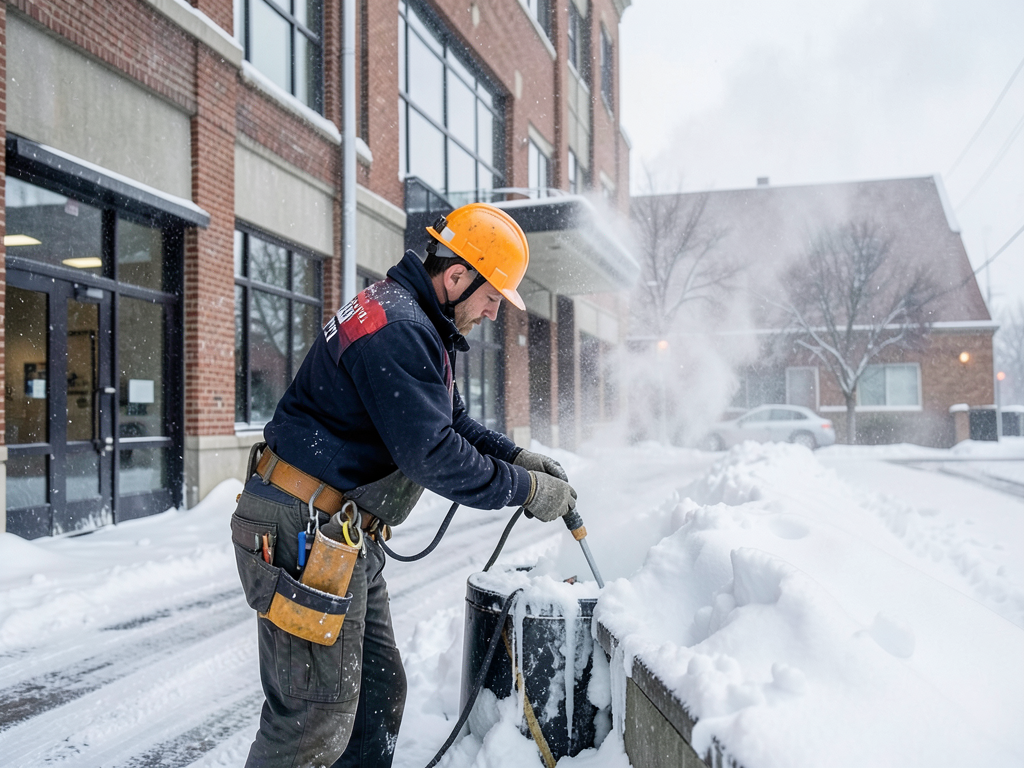
Ice dam removal requires professional expertise. Steam removal is the safest method, using hot water to melt ice without damaging roofing materials. Avoid using hammers, chisels, or chemical de-icers, which can harm shingles and create environmental hazards. Spray Foam Roofing.
Structural reinforcement may be necessary for older homes or those with existing damage. This process involves adding support beams, sistering rafters, or installing additional trusses to increase load capacity. A structural engineer should evaluate any reinforcement project to ensure proper design and implementation.. Read more about Why You Should Replace Your Plywood Decking if it Feels Spongy Underfoot.
Preventative measures include improving attic ventilation to maintain consistent roof temperatures and prevent ice dam formation. Proper insulation reduces heat loss through the roof, while adequate ventilation allows cold air to circulate and keep the roof surface near outdoor temperatures.
Heat cables installed along eaves can prevent ice dam formation in problem areas. These cables create channels for melting snow to drain properly, though they require electricity and regular maintenance to function effectively.
Professional roof inspections before winter can identify vulnerabilities and recommend specific solutions. These inspections should evaluate structural integrity, ventilation systems, and potential problem areas that may be prone to ice dam formation or snow accumulation.
Emergency Response and Safety Protocols
When severe snow events threaten your roof’s integrity, knowing how to respond can prevent disaster. The first priority is always personal safety. Never attempt to access a snow-covered roof or work in hazardous conditions.
Evacuation may be necessary if warning signs indicate imminent structural failure. These signs include loud cracking sounds, visible ceiling sag, or doors that suddenly become impossible to open. In these situations, leave the building immediately and contact emergency services.
Documenting damage is crucial for insurance claims. Take photos and videos of warning signs, structural damage, and snow accumulation before any cleanup begins. This documentation provides evidence for insurance adjusters and helps establish the extent of damage.
Emergency tarping may be necessary to prevent additional water damage if the roof structure is compromised. This temporary solution requires proper installation to withstand wind and additional snow loads. Professional tarping ensures the temporary fix doesn’t create additional hazards.
Professional assessment should follow any emergency situation. Even if immediate danger passes, structural damage may have occurred that compromises long-term integrity. A qualified roofing contractor or structural engineer can evaluate whether repairs are needed.
Communication with local authorities becomes important during extreme events. Detroit’s Building Department can provide guidance on when evacuation is necessary and what resources are available for temporary housing if your home becomes uninhabitable.
Insurance companies often have specific protocols for snow-related claims. Contact your insurance provider immediately if you suspect structural damage. Many policies require prompt reporting and may have specific requirements for documentation and temporary repairs.
Long-Term Solutions for Detroit Homes
Investing in long-term solutions can prevent recurring snow load problems. These solutions range from structural modifications to improved roofing systems designed specifically for Michigan’s climate.
Roof replacement with enhanced structural capacity provides the most comprehensive solution. Modern roofing systems can be designed to handle 40-50 PSF loads, providing significant safety margins over standard requirements. This approach is particularly valuable for older homes with known structural limitations.
Upgraded insulation and ventilation systems prevent the temperature variations that cause ice dams. Spray foam insulation creates an effective air seal while maintaining proper ventilation channels. This combination keeps roof temperatures consistent and prevents the freeze-thaw cycles that damage structures.
Roof geometry modifications can reduce snow accumulation. Adding steeper pitches, installing snow guards, or incorporating design features that promote snow shedding can significantly reduce load on vulnerable areas. These modifications must be designed by professionals to ensure they don’t create new problems.
Material selection impacts long-term performance. Metal roofing sheds snow more effectively than asphalt shingles, while synthetic materials offer improved durability in freeze-thaw conditions. The right material choice depends on your specific home’s architecture and local conditions.
Regular maintenance prevents minor issues from becoming major problems. Annual inspections can identify developing issues before they compromise structural integrity. This proactive approach often costs less than emergency repairs and provides peace of mind during severe weather.
Energy efficiency improvements often complement structural upgrades. Better insulation and ventilation not only prevent ice dams but also reduce heating costs. These improvements can offset some of the investment required for comprehensive roof upgrades.
Frequently Asked Questions
How much does professional snow removal cost in Detroit?
Professional snow removal typically costs $200-500 for an average Detroit home, depending on roof size and snow depth. Emergency services during severe storms may cost more due to increased demand and hazardous conditions.
Can I use a roof rake to remove snow myself?
Yes, for single-story homes with safe ground access. Use plastic roof rakes with rollers to prevent shingle damage. Never use metal tools or climb onto a snow-covered roof. If you have a multi-story home or feel unsafe, call professionals.
How do I know if my older Detroit home meets current snow load requirements?
Older homes often don’t meet current standards. Look for signs like visible sagging, creaking sounds, or doors that stick. A professional inspection by a structural engineer or qualified roofing contractor can assess your specific situation and recommend necessary upgrades.
What’s the difference between fresh snow and packed snow weight?
Fresh powder snow weighs 5-20 pounds per cubic foot, while packed snow weighs 15-20 pounds per cubic foot. Ice can reach 50-60 pounds per cubic foot. Detroit’s typical wet snow falls in the middle to upper range, making it particularly heavy and dangerous for roofs.
Should I be concerned about ice dams even if I don’t see them?
Yes. Ice dams often form in areas you can’t see, like behind chimneys or in roof valleys. Interior signs like water stains during snow events or icicles forming at roof edges indicate ice dam problems that may be stressing your roof structure.
How often should I have my roof inspected for snow load capacity?
Have your roof professionally inspected annually before winter and after any severe snow event. Older homes or those with known structural issues may need more frequent inspections. Document all inspections for insurance purposes.
{
“@context”: “https://schema.org”,
“@type”: “BlogPosting”,
“headline”: “Protecting Your Roof Against the Weight of Record-Breaking Michigan Snowfalls”,
“description”: “Learn how Detroit’s brutal snow loads threaten your roof and what to do before structural failure occurs. Get expert safety tips from Peak Roofing Detroit.”,
“wordCount”: 2455,
“datePublished”: “2026-05-29T10:27:00.000Z”,
“dateModified”: “2026-05-29T10:27:00.000Z”,
“inLanguage”: “en-US”,
“mainEntityOfPage”: {
“@type”: “WebPage”,
“@id”: “https://peakroofingdetroit.com”
},
“publisher”: {
“@type”: “LocalBusiness”,
“name”: “Peak Roofing Detroit”,
“url”: “https://peakroofingdetroit.com”
},
“author”: {
“@type”: “Organization”,
“name”: “Peak Roofing Detroit”,
“url”: “https://peakroofingdetroit.com”
},
“image”: {
“@type”: “ImageObject”,
“url”: “https://peakroofingdetroit.com/wp-content/uploads/2026/03/protecting-your-roof-against-the-weight-of-record-1.png”
}
}
{
“@context”: “https://schema.org”,
“@type”: “RoofingContractor”,
“name”: “Peak Roofing Detroit”,
“url”: “https://peakroofingdetroit.com”,
“address”: {
“@type”: “PostalAddress”,
“addressLocality”: “Detroit”
},
“areaServed”: {
“@type”: “City”,
“name”: “Detroit”
}
}
{
“@context”: “https://schema.org”,
“@type”: “FAQPage”,
“mainEntity”: [
{
“@type”: “Question”,
“name”: “The Formula: How Much Snow Can Your Roof Actually Hold?”,
“acceptedAnswer”: {
“@type”: “Answer”,
“text”: “Calculating your roof’s remaining capacity requires understanding snow density and weight distribution. Fresh powder snow typically weighs 5-20 pounds per cubic foot, while packed snow ranges from 15-20 pounds per cubic foot. Ice, the heaviest form, can reach 50-60 pounds per cubic foot.”
}
},
{
“@type”: “Question”,
“name”: “How much does professional snow removal cost in Detroit?”,
“acceptedAnswer”: {
“@type”: “Answer”,
“text”: “Professional snow removal typically costs $200-500 for an average Detroit home, depending on roof size and snow depth. Emergency services during severe storms may cost more due to increased demand and hazardous conditions.”
}
},
{
“@type”: “Question”,
“name”: “Can I use a roof rake to remove snow myself?”,
“acceptedAnswer”: {
“@type”: “Answer”,
“text”: “Yes, for single-story homes with safe ground access. Use plastic roof rakes with rollers to prevent shingle damage. Never use metal tools or climb onto a snow-covered roof. If you have a multi-story home or feel unsafe, call professionals.”
}
},
{
“@type”: “Question”,
“name”: “How do I know if my older Detroit home meets current snow load requirements?”,
“acceptedAnswer”: {
“@type”: “Answer”,
“text”: “Older homes often don’t meet current standards. Look for signs like visible sagging, creaking sounds, or doors that stick. A professional inspection by a structural engineer or qualified roofing contractor can assess your specific situation and recommend necessary upgrades.”
}
},
{
“@type”: “Question”,
“name”: “What’s the difference between fresh snow and packed snow weight?”,
“acceptedAnswer”: {
“@type”: “Answer”,
“text”: “Fresh powder snow weighs 5-20 pounds per cubic foot, while packed snow weighs 15-20 pounds per cubic foot. Ice can reach 50-60 pounds per cubic foot. Detroit’s typical wet snow falls in the middle to upper range, making it particularly heavy and dangerous for roofs.”
}
},
{
“@type”: “Question”,
“name”: “Should I be concerned about ice dams even if I don’t see them?”,
“acceptedAnswer”: {
“@type”: “Answer”,
“text”: “Yes. Ice dams often form in areas you can’t see, like behind chimneys or in roof valleys. Interior signs like water stains during snow events or icicles forming at roof edges indicate ice dam problems that may be stressing your roof structure.”
}
},
{
“@type”: “Question”,
“name”: “How often should I have my roof inspected for snow load capacity?”,
“acceptedAnswer”: {
“@type”: “Answer”,
“text”: “Have your roof professionally inspected annually before winter and after any severe snow event. Older homes or those with known structural issues may need more frequent inspections. Document all inspections for insurance purposes.”
}
}
]
}
{
“@context”: “https://schema.org”,
“@type”: “BreadcrumbList”,
“itemListElement”: [
{
“@type”: “ListItem”,
“position”: 1,
“name”: “Home”,
“item”: “https://peakroofingdetroit.com”
},
{
“@type”: “ListItem”,
“position”: 2,
“name”: “Blog”,
“item”: “https://peakroofingdetroit.com/blog”
},
{
“@type”: “ListItem”,
“position”: 3,
“name”: “Protecting Your Roof Against the Weight of Record-Breaking Michigan Snowfalls”
}
]
}
{
“@context”: “https://schema.org”,
“@type”: “Service”,
“serviceType”: “Roofing”,
“provider”: {
“@type”: “LocalBusiness”,
“name”: “Peak Roofing Detroit”,
“url”: “https://peakroofingdetroit.com”
},
“areaServed”: {
“@type”: “City”,
“name”: “Detroit”
},
“description”: “Learn how Detroit’s brutal snow loads threaten your roof and what to do before structural failure occurs. Get expert safety tips from Peak Roofing Detroit.”
}