
Deciding if Your Allen Park Ranch Needs a Ridge Vent or Powered Attic Fans
Your Allen Park ranch-style home faces unique attic ventilation challenges in Michigan’s four-season climate. The right ventilation system can extend your roof’s life by preventing ice dams in winter and reducing cooling costs in summer. This guide breaks down ridge vents versus powered attic fans so you can make an informed decision for your specific home. Michigan Residential Code.
Understanding Ridge Vents: The Passive Powerhouse
Ridge vents run along the peak of your roof, allowing hot air to escape through natural convection. As warm air rises in your attic, it exits through the ridge vent while cooler air enters through soffit vents along the eaves. This continuous airflow creates a balanced system that works without electricity.
For Allen Park ranches built between the 1950s and 1970s, ridge vents are often the ideal retrofit solution. These homes typically have simple roof lines and adequate attic space for proper installation. The Michigan Residential Code requires one square foot of net free area ventilation for every 150 square feet of attic space, split evenly between intake and exhaust.
Key benefits of ridge vents include:
- No moving parts means zero maintenance and no risk of mechanical failure
- Virtually invisible from the ground once installed
- Works continuously without electricity or solar panels
- Prevents ice dam formation by keeping attic temperatures consistent
However, ridge vents can become blocked by heavy snow loads common in Allen Park during lake-effect storms. When snow accumulates above the ridge, airflow stops until temperatures rise above freezing.
Understanding Power Attic Fans: Mechanical Airflow
Power attic fans actively pull hot air out of your attic using electricity or solar panels. These fans mount on the roof or gable ends and can move significant volumes of air—typically 800 to 1,600 cubic feet per minute depending on the model.
For older Allen Park ranches with minimal soffit ventilation or complex roof designs, power fans can solve specific airflow problems. They excel at:
- Rapidly reducing attic temperatures on hot summer days
- Removing moisture from bathrooms or kitchens that vent into the attic
- Providing ventilation in attics with cathedral ceilings or limited intake options
Modern power fans include thermostat controls that activate only when attic temperatures exceed 95°F, and humidistats that respond to moisture levels. Solar-powered models eliminate operating costs but provide less consistent airflow during cloudy Michigan days.
The downside is energy consumption and potential noise. Electric fans add to your monthly utility bill, and even quiet models produce some operational sound that neighbors might notice.
The Detroit Climate Factor: Snow, Ice Dams, and Humidity
Detroit’s climate creates specific ventilation challenges that directly impact your choice. Allen Park receives an average of 33 inches of snow annually, with lake-effect storms occasionally dropping 6-8 inches in a single day. This heavy snow can completely cover ridge vents for days at a time. Roofing Detroit.
Ice dam formation occurs when warm attic air melts snow on the roof surface, causing water to refreeze at the colder eaves. Proper ventilation keeps the entire roof deck at consistent temperatures, preventing this freeze-thaw cycle. The Michigan Residential Code Section R806 specifically addresses ice dam prevention through balanced ventilation requirements.. Read more about How to Stop the Thaw and Freeze Cycle from Tearing Apart Your Taylor Roof.
Summer humidity in Detroit averages 70% in July and August. This moisture can condense in poorly ventilated attics, creating ideal conditions for mold growth on wood rafters and insulation. Both ridge vents and power fans address this issue, but power fans provide more aggressive moisture removal when humidity levels spike.. Read more about How to Tell if Your Roof Leak is Actually a Plumbing or HVAC Issue.
During the polar vortex events that occasionally hit Southeast Michigan, attic ventilation becomes critical for preventing ice dam formation along eaves where temperatures can drop to -10°F or lower.
The ‘Short-Circuit’ Danger: Why You Usually Shouldn’t Have Both
A common mistake in Allen Park homes is installing both ridge vents and powered attic fans. This creates a ‘short-circuit’ where the power fan pulls air directly from the ridge vent instead of drawing from soffit vents. The result is stagnant air in the lower attic space where moisture and heat accumulate.
Think of it like trying to drink through two straws where one straw is much shorter. The system naturally pulls from the path of least resistance. In this case, that’s the ridge vent rather than the soffit vents designed to provide fresh air intake.
During our diagnostic inspections, we use a simple smoke test to verify proper airflow direction. A smoke pencil held near soffit vents should show air moving upward into the attic. If smoke moves downward or shows no movement, the ventilation system is compromised.
The Michigan Residential Code requires that any powered ventilation system be interlocked with the home’s heating system to prevent backdrafting of combustion appliances. This safety requirement eliminates the option of running both systems simultaneously in most homes.
Cost Comparison and ROI
Installation costs vary significantly between the two systems. Ridge vent installation for a typical Allen Park ranch (1,500-2,000 square feet) ranges from $800 to $1,500, including new shingles and proper sealing. Power fan installation costs $400 to $900 for the unit plus $200 to $400 for professional installation.
However, power fans create ongoing electricity costs. A typical 1,000 CFM fan running 8 hours per day during summer months adds approximately $8 to $15 monthly to your DTE Energy bill. Over a 15-year lifespan, this totals $1,440 to $2,700 in operating costs.
Energy savings tell a different story. Power fans can reduce cooling costs by 10-15% in homes with poor natural ventilation, potentially saving $100 to $200 annually. Ridge vents provide minimal direct energy savings but prevent costly ice dam damage that can exceed $5,000 in roof repairs.
Maintenance requirements also differ. Ridge vents need inspection every 2-3 years for debris or animal intrusion. Power fans require annual motor bearing lubrication and thermostat calibration, with complete fan replacement needed every 8-12 years.
| System Type | Initial Cost | Annual Operating Cost | Lifespan | Maintenance |
|---|---|---|---|---|
| Ridge Vent | $800 – $1,500 | $0 | 20+ years | Inspection every 3 years |
| Power Fan (Electric) | $600 – $1,300 | $8 – $15/month summer | 8-12 years | Annual service, bearing lube |
| Power Fan (Solar) | $800 – $1,600 | $0 | 10-15 years | Annual inspection, panel cleaning |
Final Verdict: A Decision Checklist
Choose ridge vents if:
- Your attic has adequate soffit ventilation (minimum 50% of required intake)
- You want a maintenance-free solution with no operating costs
- Your roof design allows for continuous ridge vent installation
- You’re replacing your roof and want to upgrade ventilation simultaneously
Choose power attic fans if:
- Your attic lacks proper soffit ventilation or has complex roof lines
- You experience extreme summer heat in upper-level rooms
- You have moisture problems from bathroom or kitchen vents
- You need rapid temperature reduction during heat waves
Special considerations for Allen Park ranches:
- Homes built before 1980 likely need complete ventilation assessment
- Ranch designs with minimal roof pitch may benefit more from power fans
- Attached garages can create unique ventilation challenges requiring customized solutions
The best approach is professional assessment. A thorough attic inspection can identify your specific ventilation needs, measure existing airflow, and recommend the most cost-effective solution for your Allen Park home.. Read more about Why Your Cape Cod Style Home in Berkley Needs Specialized Knee Wall Ventilation.
Call (313) 604-2233 today to schedule your free attic ventilation assessment. Our technicians will measure your attic’s net free area, check for moisture problems, and provide a detailed recommendation specific to your home’s construction and your family’s comfort needs.
Frequently Asked Questions
Can I install a ridge vent on my existing roof without replacing shingles?
Installing ridge vents on existing shingles is possible but not recommended. The installation requires removing the top 12-18 inches of ridge shingles, which often results in a patchwork appearance and compromised waterproofing. For best results, install ridge vents during a full roof replacement. Metal Roofing for Ferndale Homes (Is it Actually Worth the Investment?).
How do I know if my attic has proper soffit ventilation?
Check your soffit vents from the ground. You should see evenly spaced vents along the eaves. From inside the attic, look for light coming through the soffit area. A simple test is to hold a tissue near a soffit vent on a windy day—if it flutters, air is moving through the system.
Will a power attic fan void my roof warranty?
Most major shingle manufacturers like GAF and Owens Corning require proper attic ventilation to maintain warranty coverage. Power fans are acceptable when installed correctly with adequate intake ventilation. Improper installation or mixing systems can void warranties, which is why professional assessment is crucial.
How long does installation take for each system?
Ridge vent installation typically takes 2-4 hours for a standard ranch home. Power fan installation requires 3-5 hours including wiring and thermostat setup. Both installations can usually be completed in a single day with minimal disruption to your home.
Still unsure which system is right for your Allen Park ranch? Pick up the phone and call (313) 604-2233 before the next storm hits. Our ventilation specialists will evaluate your specific situation and recommend the solution that protects your roof investment for years to come.
Understanding Net Free Area Requirements
Net Free Area (NFA) is the actual open area that allows air to pass through your ventilation system. The Michigan Residential Code requires 1 square foot of NFA for every 150 square feet of attic floor space, divided equally between intake and exhaust vents.
For a typical Allen Park ranch with 1,800 square feet of attic space, you need 12 square feet of total NFA—6 square feet for intake and 6 square feet for exhaust. A standard ridge vent provides approximately 9-12 square inches of NFA per linear foot, while individual roof vents provide 50-60 square inches each.
Calculating your specific needs requires measuring your attic dimensions and counting existing vents. Many older Allen Park homes have inadequate ventilation due to outdated building practices or vents that have become blocked by insulation over time.
During our assessments, we use specialized airflow meters to measure actual ventilation performance. These devices show whether your current system meets code requirements or if upgrades are necessary to prevent moisture damage and ice dam formation.
Proper ventilation not only protects your roof but also improves indoor air quality and reduces energy costs. The investment in professional assessment and installation pays dividends through extended roof life and enhanced home comfort.
Don’t wait until you notice problems like peeling paint, mold growth, or ice dams. Call (313) 604-2233 now to schedule your comprehensive attic ventilation evaluation. Our team understands the specific challenges that Allen Park ranch homes face and can recommend the right solution for your situation.
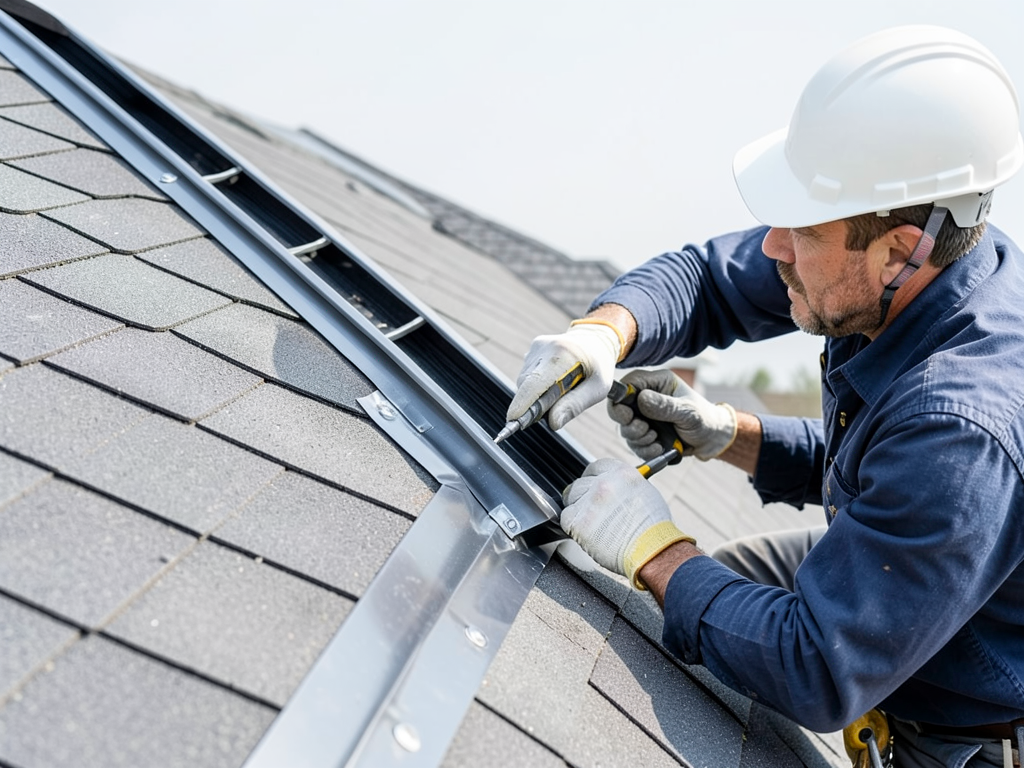
Diagram showing proper ridge vent installation with balanced soffit intake vents
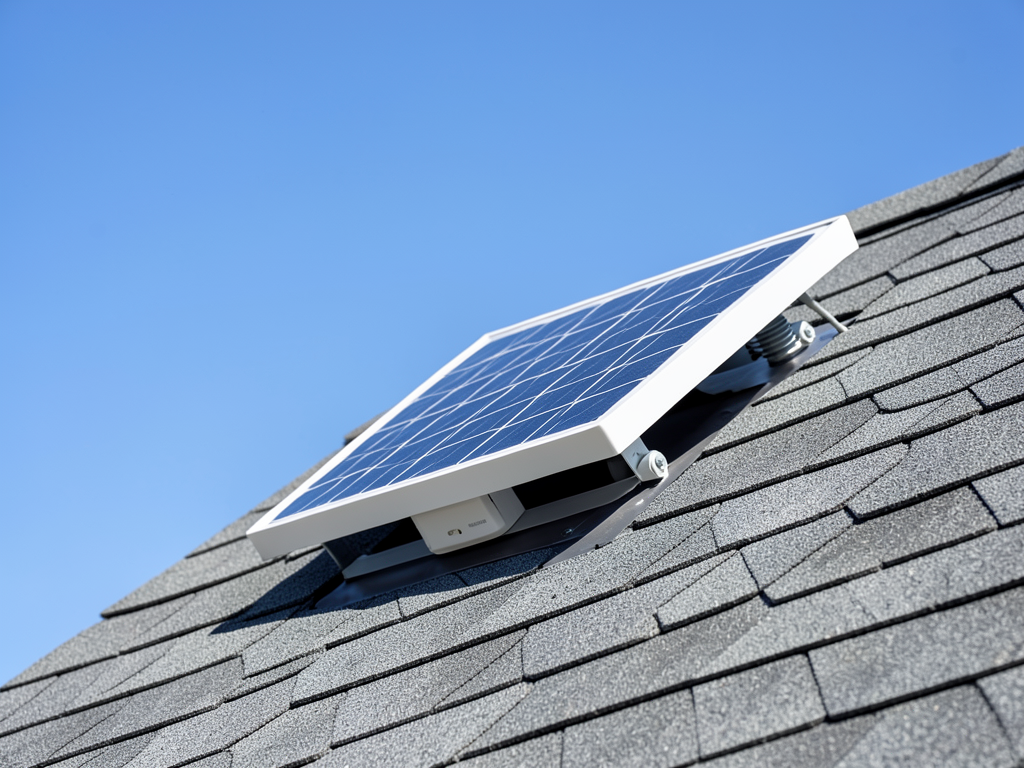
Power attic fan mounted on gable end with thermostat control panel
Cross-section of attic showing airflow patterns with correct ventilation system For more information, visit Department of Energy attic ventilation guide.
{
“@context”: “https://schema.org”,
“@type”: “BlogPosting”,
“headline”: “Deciding if Your Allen Park Ranch Needs a Ridge Vent or Powered Attic Fans”,
“description”: “Is your Allen Park ranch home’s attic too hot or humid? Learn the key differences between ridge vents and powered attic fans for Michigan’s climate.”,
“wordCount”: 1795,
“datePublished”: “2026-04-29T06:50:00.000Z”,
“dateModified”: “2026-04-29T06:50:00.000Z”,
“inLanguage”: “en-US”,
“mainEntityOfPage”: {
“@type”: “WebPage”,
“@id”: “https://peakroofingdetroit.com”
},
“publisher”: {
“@type”: “LocalBusiness”,
“name”: “Peak Roofing Detroit”,
“url”: “https://peakroofingdetroit.com”
},
“author”: {
“@type”: “Organization”,
“name”: “Peak Roofing Detroit”,
“url”: “https://peakroofingdetroit.com”
},
“image”: {
“@type”: “ImageObject”,
“url”: “https://peakroofingdetroit.com/wp-content/uploads/2026/03/deciding-if-your-allen-park-ranch-needs-a-ridge-ve-1.png”
}
}
{
“@context”: “https://schema.org”,
“@type”: “RoofingContractor”,
“name”: “Peak Roofing Detroit”,
“url”: “https://peakroofingdetroit.com”,
“address”: {
“@type”: “PostalAddress”,
“addressLocality”: “Detroit”
},
“areaServed”: {
“@type”: “City”,
“name”: “Detroit”
}
}
{
“@context”: “https://schema.org”,
“@type”: “FAQPage”,
“mainEntity”: [
{
“@type”: “Question”,
“name”: “Can I install a ridge vent on my existing roof without replacing shingles?”,
“acceptedAnswer”: {
“@type”: “Answer”,
“text”: “Installing ridge vents on existing shingles is possible but not recommended. The installation requires removing the top 12-18 inches of ridge shingles, which often results in a patchwork appearance and compromised waterproofing. For best results, install ridge vents during a full roof replacement. Metal Roofing for Ferndale Homes (Is it Actually Worth the Investment?).”
}
},
{
“@type”: “Question”,
“name”: “How do I know if my attic has proper soffit ventilation?”,
“acceptedAnswer”: {
“@type”: “Answer”,
“text”: “Check your soffit vents from the ground. You should see evenly spaced vents along the eaves. From inside the attic, look for light coming through the soffit area. A simple test is to hold a tissue near a soffit vent on a windy day—if it flutters, air is moving through the system.”
}
},
{
“@type”: “Question”,
“name”: “Will a power attic fan void my roof warranty?”,
“acceptedAnswer”: {
“@type”: “Answer”,
“text”: “Most major shingle manufacturers like GAF and Owens Corning require proper attic ventilation to maintain warranty coverage. Power fans are acceptable when installed correctly with adequate intake ventilation. Improper installation or mixing systems can void warranties, which is why professional assessment is crucial.”
}
},
{
“@type”: “Question”,
“name”: “How long does installation take for each system?”,
“acceptedAnswer”: {
“@type”: “Answer”,
“text”: “Ridge vent installation typically takes 2-4 hours for a standard ranch home. Power fan installation requires 3-5 hours including wiring and thermostat setup. Both installations can usually be completed in a single day with minimal disruption to your home.”
}
}
]
}
{
“@context”: “https://schema.org”,
“@type”: “BreadcrumbList”,
“itemListElement”: [
{
“@type”: “ListItem”,
“position”: 1,
“name”: “Home”,
“item”: “https://peakroofingdetroit.com”
},
{
“@type”: “ListItem”,
“position”: 2,
“name”: “Blog”,
“item”: “https://peakroofingdetroit.com/blog”
},
{
“@type”: “ListItem”,
“position”: 3,
“name”: “Deciding if Your Allen Park Ranch Needs a Ridge Vent or Powered Attic Fans”
}
]
}
{
“@context”: “https://schema.org”,
“@type”: “Service”,
“serviceType”: “Roofing”,
“provider”: {
“@type”: “LocalBusiness”,
“name”: “Peak Roofing Detroit”,
“url”: “https://peakroofingdetroit.com”
},
“areaServed”: {
“@type”: “City”,
“name”: “Detroit”
},
“description”: “Is your Allen Park ranch home’s attic too hot or humid? Learn the key differences between ridge vents and powered attic fans for Michigan’s climate.”
}