
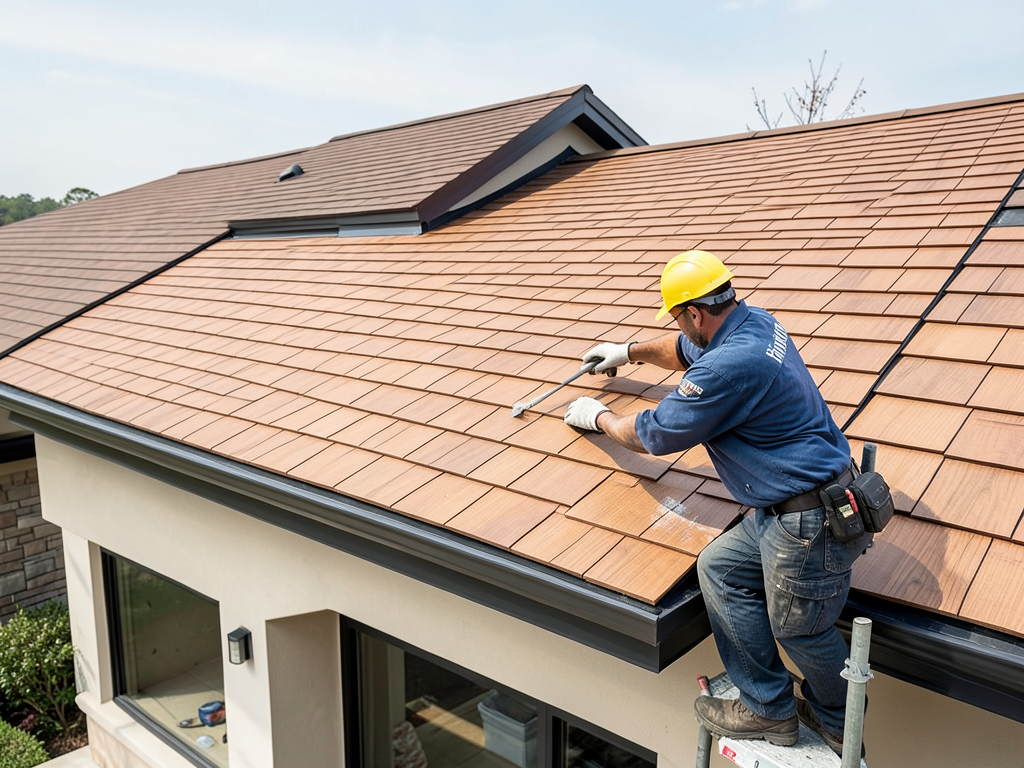
Synthetic Cedar vs. Real Wood (Deciding Which Shake is Right for Your Bloomfield Hills Estate)
Choosing between synthetic cedar and real wood roofing shakes for your Bloomfield Hills estate means weighing authentic aesthetics against modern durability. Real Western Red Cedar offers unmatched natural beauty and traditional charm that complements historic and luxury homes throughout Oakland County. Synthetic cedar provides Class A fire resistance and decades of maintenance-free performance that withstands Michigan’s harsh freeze-thaw cycles. Your decision impacts not just curb appeal but long-term property value and protection against our region’s extreme weather patterns. Metal Roofing for Ferndale Homes (Is it Actually Worth the Investment?).
This comprehensive comparison examines how each material performs in Bloomfield Hills’ unique climate conditions, including heavy lake-effect snow, high humidity, and severe spring storms. We’ll analyze cost factors, maintenance requirements, and architectural compatibility to help you make an informed investment decision for your estate.
Understanding the Core Differences Between Materials
Real Western Red Cedar shakes deliver authentic grain patterns and natural weathering that develops character over decades. Grade 1 Blue Label cedar from the Pacific Northwest features tight knots and minimal imperfections, creating the premium appearance that historic district commissions often require. These natural shakes typically last 25-30 years in Michigan when properly maintained with regular cleaning and preservative treatments.
Synthetic cedar shakes manufactured by companies like DaVinci Roofscapes and Brava Roof Tile use polymer composites engineered to mimic wood grain patterns. These products incorporate UV inhibitors and impact modifiers that resist cracking during freeze-thaw cycles common in Bloomfield Hills. Most synthetic options carry Class A fire ratings and Class 4 impact resistance, making them ideal for areas near wooded properties where embers or hail pose risks.
Side-by-Side Performance Comparison
| Feature | Real Western Red Cedar | Synthetic Cedar |
|---|---|---|
| Lifespan | 20-30 years | 50+ years |
| Fire Rating | Class B (treated) or C | Class A |
| Impact Resistance | Standard | Class 4 (Hail resistant) |
| Maintenance | Annual cleaning, treatment every 3-5 years | None required |
| Weight | 4-5 lbs per square foot | 2-3 lbs per square foot |
Michigan Weather Performance Analysis
Bloomfield Hills experiences 36 inches of annual snowfall and temperature swings from -10°F to 90°F that test roofing materials year-round. Real cedar absorbs moisture during winter thaws, then contracts in freezing temperatures, causing splitting and warping along the grain lines. This freeze-thaw damage accelerates deterioration, particularly on north-facing slopes that receive less sunlight. Spray Foam Roofing.
Synthetic materials maintain dimensional stability across temperature extremes due to their polymer composition. The material expands and contracts uniformly without developing cracks or gaps that allow water infiltration. This performance proves critical during Michigan’s spring freeze-thaw cycles when daytime temperatures reach 40°F and nighttime temperatures drop below freezing.. Read more about The Best Roofing Materials for Withstanding High Winds in Harrison Township.
Humidity levels in Bloomfield Hills average 70% during summer months, creating ideal conditions for moss and algae growth on natural cedar. These organisms trap moisture against the wood surface, accelerating rot and creating slippery conditions that complicate maintenance. Synthetic shakes incorporate antimicrobial additives that prevent biological growth without requiring chemical treatments.
Cost Considerations for Detroit Metro Area
Installation costs for real cedar shakes in Bloomfield Hills typically range from $800-$1,200 per square (100 square feet), including premium-grade materials and experienced craftsmanship. Synthetic alternatives cost $1,000-$1,500 per square initially but eliminate ongoing maintenance expenses that accumulate over decades.
Insurance premiums often favor synthetic materials due to their Class A fire rating. Michigan homeowners insurance carriers may offer 5-10% discounts for Class A rated roofs compared to Class B or C materials. Over a 20-year period, these savings can offset the higher initial investment in synthetic products.
Local labor availability affects project timelines and costs. Skilled cedar shake installers command premium rates in Oakland County, where demand for authentic materials remains strong among estate owners. Synthetic installation requires less specialized training, potentially reducing labor costs by 15-20% while maintaining consistent quality standards.
Maintenance Requirements and Long-Term Care
Real cedar requires annual inspections to identify splitting, curling, or moss growth before damage spreads. Professional cleaning with low-pressure washing removes organic debris without damaging wood fibers. Application of wood preservatives every 3-5 years protects against UV degradation and moisture infiltration. This ongoing maintenance typically costs $300-$500 annually for a 2,000 square foot roof.
Synthetic shakes need only occasional debris removal with a leaf blower or soft brush. The polymer surface resists staining from leaves, pollen, and pollution that discolor natural wood over time. This maintenance-free characteristic appeals to second-home owners or properties where regular roof access proves difficult.
Ice dam formation presents different challenges for each material. Real cedar’s absorbent nature allows ice to bond more securely to the surface, potentially causing damage when dams break free. Synthetic materials feature smoother surfaces that discourage ice adhesion, reducing the likelihood of ice dam formation along eaves and valleys.
Architectural Compatibility in Historic Districts
Bloomfield Hills historic district guidelines prioritize materials that maintain neighborhood character while meeting modern performance standards. Real cedar typically receives automatic approval due to its traditional appearance and proven track record in Michigan’s climate. Some districts require documentation showing proper installation methods and maintenance plans before granting permits.
Synthetic alternatives gain acceptance when they demonstrate visual similarity to natural cedar and superior performance characteristics. Many manufacturers now offer products specifically engineered to meet historic district requirements, including authentic weathering patterns and color variations that mimic aged wood. The Michigan State Historic Preservation Office provides guidelines for evaluating synthetic materials in historic contexts.
Architectural review boards consider factors beyond appearance, including fire safety in densely wooded areas and long-term sustainability. Synthetic materials manufactured from recycled content may receive preference in districts emphasizing environmental stewardship. The key is presenting comprehensive documentation that addresses both aesthetic and performance concerns.
Installation Considerations and Best Practices
Proper installation determines whether real or synthetic cedar performs as expected over its service life. Real wood requires precise spacing between shakes to accommodate natural expansion and contraction. Installers must account for wood’s tendency to swell when wet, maintaining consistent exposure and preventing buckling during humid periods.
Synthetic materials install using modified techniques that account for their uniform dimensions and lighter weight. The consistent thickness and width of synthetic shakes create cleaner lines and more uniform appearance than natural wood. Installation crews must understand the specific fastening requirements for each manufacturer’s product to maintain warranty coverage.
Underlayment selection impacts both materials’ performance. Self-adhering ice and water shields protect against ice dam backup in Michigan’s climate. Synthetic materials often require different underlayment specifications than natural wood due to their unique moisture management characteristics. Following manufacturer guidelines prevents premature failure and ensures warranty compliance.
Environmental Impact and Sustainability
Real cedar represents a renewable resource when harvested from sustainably managed forests certified by the Forest Stewardship Council. The material’s natural biodegradability means it returns to the environment at end of life without creating landfill waste. However, the harvesting and transportation process generates carbon emissions that synthetic manufacturers increasingly offset through renewable energy programs.
Synthetic shakes often incorporate recycled content, reducing demand for virgin materials while keeping plastics out of landfills. Many products carry Environmental Product Declarations that quantify their lifecycle impact, including manufacturing energy use and end-of-life disposal options. Some manufacturers offer take-back programs that recycle old synthetic roofing into new products.
Energy efficiency considerations favor both materials when properly installed. Real cedar provides natural insulation properties that reduce heating and cooling loads. Synthetic materials reflect more solar radiation, potentially lowering cooling costs in summer months. The choice between materials should consider both immediate environmental impact and long-term energy performance.. Read more about The Hidden Problems with Solar Shingles on Historic Detroit Homes (And Better Alternatives).
Making Your Final Decision
Your selection between synthetic and real cedar depends on priorities regarding authenticity, maintenance tolerance, and long-term investment strategy. Real cedar appeals to homeowners who value traditional craftsmanship and don’t mind periodic maintenance to preserve the material’s natural beauty. This option works best for properties where historic accuracy matters more than minimal upkeep.
Synthetic cedar suits homeowners seeking worry-free performance and superior fire resistance without sacrificing aesthetic appeal. The material’s longevity and maintenance-free characteristics make it ideal for investment properties, second homes, or situations where roof access proves difficult. Modern manufacturing techniques now produce synthetic products that even experts struggle to distinguish from natural wood at a distance.
Consider your specific property characteristics when making this decision. Homes surrounded by mature trees may benefit from synthetic’s Class A fire rating and resistance to falling debris. Properties in historic districts might require real cedar to meet architectural guidelines. Your budget timeline matters too – synthetic’s higher upfront cost pays dividends through eliminated maintenance expenses over decades.
Professional Installation and Local Expertise
Successful cedar shake installation requires understanding Michigan’s unique climate challenges and local building requirements. Professional installers familiar with Bloomfield Hills’ historic districts know which materials gain approval and how to present proposals that satisfy architectural review boards. They understand how lake-effect snow patterns affect roof design and can recommend ventilation strategies that prevent ice dam formation.
Local contractors maintain relationships with suppliers who stock appropriate materials for Michigan’s climate. They understand how humidity levels affect installation timing and can schedule work during optimal weather conditions. This regional expertise proves invaluable whether you choose natural or synthetic materials, ensuring your investment performs as expected for decades.
Before committing to either option, request references from local projects completed in similar conditions. Visit completed installations if possible to evaluate how materials weather over time in Bloomfield Hills’ specific environment. A qualified contractor will provide detailed proposals that address your property’s unique challenges and explain how each material option performs under local conditions.
Frequently Asked Questions
How long does synthetic cedar roofing typically last in Michigan?
High-quality synthetic cedar roofing lasts 50+ years in Michigan when properly installed. The polymer composition resists the freeze-thaw cycles and UV exposure that typically limit natural wood to 20-30 years in our climate.
Does synthetic cedar look different from real wood?
Modern synthetic cedar mimics natural wood grain patterns and weathering characteristics so closely that most people cannot distinguish between them from street level. The key differences become apparent only through close inspection or tactile examination.
What maintenance does synthetic cedar require?
Synthetic cedar requires virtually no maintenance beyond occasional debris removal. Unlike natural wood that needs cleaning and preservative treatments every few years, synthetic materials resist moss, algae, and UV damage without chemical applications.
Is synthetic cedar approved for historic districts?
Many synthetic cedar products now carry approval for use in historic districts when they demonstrate visual similarity to natural wood and superior performance characteristics. Check with your local historic district commission for specific requirements and approved product lists.
How does the weight of synthetic compare to real cedar?
Synthetic cedar weighs 40-50% less than real wood, typically 2-3 pounds per square foot versus 4-5 pounds for natural shakes. This reduced weight may allow installation over existing roofing in some cases, though local building codes must be consulted.
Ready to Upgrade Your Bloomfield Hills Roof?
Choosing between synthetic and real cedar represents a significant investment in your estate’s protection and appearance. Our team understands the unique challenges that Michigan weather presents to both materials and can help you select the option that best meets your priorities for authenticity, durability, and long-term value.. Read more about Choosing the Right Roof for a Detached Studio or She-Shed in Ferndale.
We’ve installed both materials throughout Bloomfield Hills and surrounding Oakland County communities, giving us firsthand knowledge of how each performs in our specific climate conditions. Whether you’re restoring a historic property or building a new estate, we’ll help you navigate the selection process and ensure proper installation that maximizes your investment’s lifespan.. Read more about Restoring the Hidden Box Gutters on a Classic Virginia Park Four-Square.
Call (313) 604-2233 today to schedule your free consultation and learn which cedar shake option delivers the perfect balance of beauty and performance for your Bloomfield Hills estate. Don’t wait until winter weather reveals vulnerabilities in your current roof – take action now to protect your home with the right material for Michigan’s demanding climate.
Additional Resources
Learn more about roofing materials and installation considerations for Michigan properties:
- Historic Roof Restoration in Indian Village
- Flat Roof Drainage Solutions
- Choosing a Roofing Contractor
External Authority Links:
You may also find this helpful. Why Your Grosse Pointe Woods Metal Roof Needs Snow Guards (And Where to Place Them).
{
“@context”: “https://schema.org”,
“@type”: “BlogPosting”,
“headline”: “Synthetic Cedar vs. Real Wood (Deciding Which Shake is Right for Your Bloomfield Hills Estate)”,
“description”: “Compare synthetic cedar and real wood roofing for Bloomfield Hills homes. Learn about durability, maintenance, and Michigan climate performance before investing in your estate.”,
“wordCount”: 1992,
“datePublished”: “2026-04-26T10:35:00.000Z”,
“dateModified”: “2026-04-26T10:35:00.000Z”,
“inLanguage”: “en-US”,
“mainEntityOfPage”: {
“@type”: “WebPage”,
“@id”: “https://peakroofingdetroit.com”
},
“publisher”: {
“@type”: “LocalBusiness”,
“name”: “Peak Roofing Detroit”,
“url”: “https://peakroofingdetroit.com”
},
“author”: {
“@type”: “Organization”,
“name”: “Peak Roofing Detroit”,
“url”: “https://peakroofingdetroit.com”
},
“image”: {
“@type”: “ImageObject”,
“url”: “https://peakroofingdetroit.com/wp-content/uploads/2026/03/synthetic-cedar-vs-real-wood-deciding-which-shake-1.png”
}
}
{
“@context”: “https://schema.org”,
“@type”: “RoofingContractor”,
“name”: “Peak Roofing Detroit”,
“url”: “https://peakroofingdetroit.com”,
“address”: {
“@type”: “PostalAddress”,
“addressLocality”: “Detroit”
},
“areaServed”: {
“@type”: “City”,
“name”: “Detroit”
}
}
{
“@context”: “https://schema.org”,
“@type”: “FAQPage”,
“mainEntity”: [
{
“@type”: “Question”,
“name”: “How long does synthetic cedar roofing typically last in Michigan?”,
“acceptedAnswer”: {
“@type”: “Answer”,
“text”: “High-quality synthetic cedar roofing lasts 50+ years in Michigan when properly installed. The polymer composition resists the freeze-thaw cycles and UV exposure that typically limit natural wood to 20-30 years in our climate.”
}
},
{
“@type”: “Question”,
“name”: “Does synthetic cedar look different from real wood?”,
“acceptedAnswer”: {
“@type”: “Answer”,
“text”: “Modern synthetic cedar mimics natural wood grain patterns and weathering characteristics so closely that most people cannot distinguish between them from street level. The key differences become apparent only through close inspection or tactile examination.”
}
},
{
“@type”: “Question”,
“name”: “What maintenance does synthetic cedar require?”,
“acceptedAnswer”: {
“@type”: “Answer”,
“text”: “Synthetic cedar requires virtually no maintenance beyond occasional debris removal. Unlike natural wood that needs cleaning and preservative treatments every few years, synthetic materials resist moss, algae, and UV damage without chemical applications.”
}
},
{
“@type”: “Question”,
“name”: “Is synthetic cedar approved for historic districts?”,
“acceptedAnswer”: {
“@type”: “Answer”,
“text”: “Many synthetic cedar products now carry approval for use in historic districts when they demonstrate visual similarity to natural wood and superior performance characteristics. Check with your local historic district commission for specific requirements and approved product lists.”
}
},
{
“@type”: “Question”,
“name”: “How does the weight of synthetic compare to real cedar?”,
“acceptedAnswer”: {
“@type”: “Answer”,
“text”: “Synthetic cedar weighs 40-50% less than real wood, typically 2-3 pounds per square foot versus 4-5 pounds for natural shakes. This reduced weight may allow installation over existing roofing in some cases, though local building codes must be consulted.”
}
},
{
“@type”: “Question”,
“name”: “Ready to Upgrade Your Bloomfield Hills Roof?”,
“acceptedAnswer”: {
“@type”: “Answer”,
“text”: “Choosing between synthetic and real cedar represents a significant investment in your estate’s protection and appearance. Our team understands the unique challenges that Michigan weather presents to both materials and can help you select the option that best meets your priorities for authenticity, durability, and long-term value.”
}
}
]
}
{
“@context”: “https://schema.org”,
“@type”: “BreadcrumbList”,
“itemListElement”: [
{
“@type”: “ListItem”,
“position”: 1,
“name”: “Home”,
“item”: “https://peakroofingdetroit.com”
},
{
“@type”: “ListItem”,
“position”: 2,
“name”: “Blog”,
“item”: “https://peakroofingdetroit.com/blog”
},
{
“@type”: “ListItem”,
“position”: 3,
“name”: “Synthetic Cedar vs. Real Wood (Deciding Which Shake is Right for Your Bloomfield Hills Estate)”
}
]
}
{
“@context”: “https://schema.org”,
“@type”: “Service”,
“serviceType”: “Roofing”,
“provider”: {
“@type”: “LocalBusiness”,
“name”: “Peak Roofing Detroit”,
“url”: “https://peakroofingdetroit.com”
},
“areaServed”: {
“@type”: “City”,
“name”: “Detroit”
},
“description”: “Compare synthetic cedar and real wood roofing for Bloomfield Hills homes. Learn about durability, maintenance, and Michigan climate performance before investing in your estate.”
}