
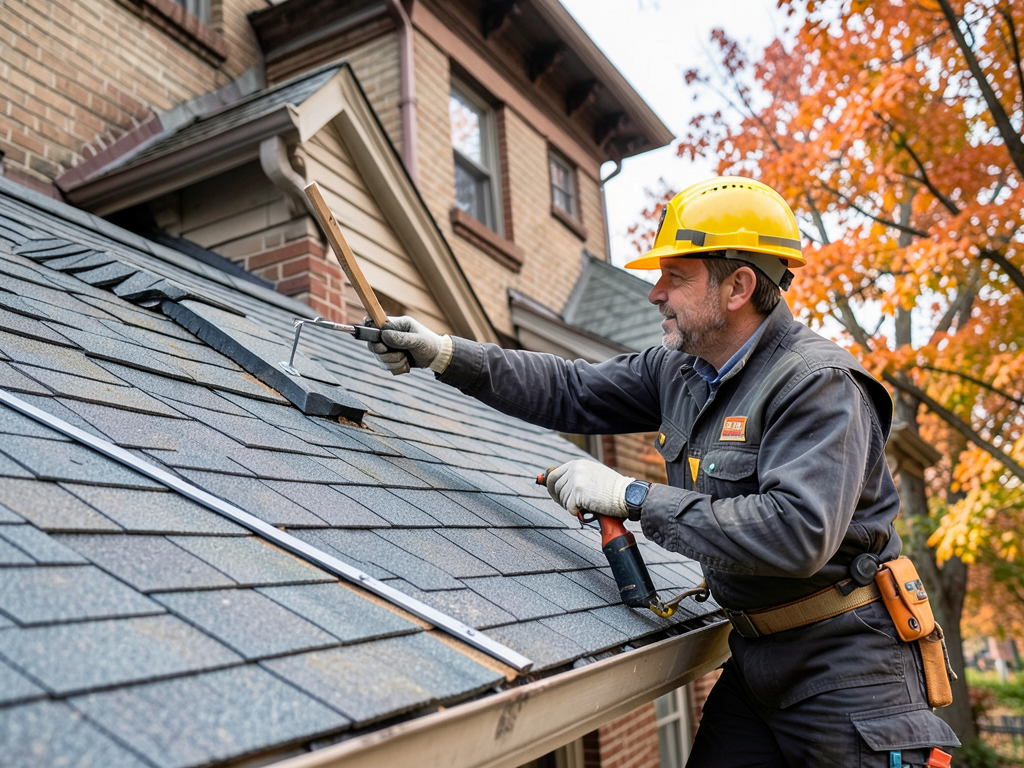
A Simple Fall Roof Maintenance Checklist for Every Oak Park Homeowner
The crisp air and changing leaves in Oak Park signal more than just the arrival of fall. They’re a warning that winter’s freeze-thaw cycles are coming, and your roof needs protection. In the next 100 words, you’ll learn exactly what Detroit’s unique climate does to your roof and the specific steps to prevent costly damage before the first snowfall hits.
Oak Park sits in the heart of Metro Detroit’s freeze-thaw battleground. When temperatures swing from 30°F to 50°F in a single day, water seeps into tiny cracks in your shingles. That water freezes overnight, expands, and creates larger gaps. By morning, when it thaws again, those gaps let in even more moisture. This cycle repeats dozens of times each winter, gradually destroying your roof from the inside out. The good news? A thorough fall maintenance check can stop this damage before it starts.
Why Detroit’s Freeze-Thaw Cycle is Your Roof’s Biggest Enemy
Detroit’s climate creates a perfect storm for roof deterioration. The Great Lakes region experiences more freeze-thaw cycles than almost anywhere else in the continental United States. Each cycle puts stress on your roofing materials, especially around flashing points and shingle edges. Metal Roofing for Ferndale Homes (Is it Actually Worth the Investment?).
Water expands about 9% when it freezes. That might not sound like much, but when that expansion happens inside a 1/8-inch crack in your flashing, it creates enough pressure to split metal and separate sealant joints. Over a single winter, this process can turn a minor gap into a major leak. EPA Climate Data for Michigan.
The timing matters too. Detroit typically sees its first freeze in late October or early November. That means you have about 6-8 weeks after the leaves fall to complete your roof maintenance before ice becomes a factor.
Spring Maintenance: Assessing Winter Damage and Preparing for Michigan Rain
While this article focuses on fall maintenance, understanding the full seasonal cycle helps you plan better. Spring in Detroit brings another challenge: rapid temperature swings combined with heavy rainfall.
After winter, check your attic for water stains on rafters and sheathing. Michigan’s spring rains can expose weaknesses that ice dams created over the winter months. Look for dark spots, mold growth, or sagging areas in your ceiling below. Michigan Residential Code.
Spring is also when you’ll notice if your shingles lost granules over the winter. Those tiny rock particles protect your asphalt from UV damage. Finding them in your gutters or on the ground means your shingles are wearing faster than they should. Finding a Reliable Shingle Replacement Service in Palmer Woods.
Summer Care: Managing UV Exposure and High Humidity
Detroit summers might seem mild compared to other regions, but they still take a toll on your roof. The combination of intense UV radiation and high humidity creates conditions perfect for algae and moss growth.
Black streaks on your north-facing shingles aren’t dirt—they’re Gloeocapsa magma, a type of algae that feeds on the limestone filler in asphalt shingles. Once established, it spreads quickly across your roof surface, holding moisture against the shingles and accelerating deterioration.
Humidity also affects your attic ventilation. When warm, moist air from your living space rises into the attic and meets the cooler roof deck, condensation forms. Over time, this moisture rots wood and creates ideal conditions for mold growth.
Fall Preparation: The Critical Window Before the First Snowfall
Fall is your last chance to prepare your roof for winter. The window between the last leaves falling and the first significant snowfall is typically 4-6 weeks in the Detroit area. Missing this window means dealing with ice dams and potential leaks all winter long.
Start your fall maintenance when daytime temperatures consistently stay below 60°F but before nighttime temperatures drop below freezing. This timing ensures sealants and adhesives work properly while giving you enough time to address any issues before winter.
The goal is to create a watertight barrier that can handle snow loads, ice dams, and the constant freeze-thaw cycles that define a Michigan winter.
Winter Tactics: Preventing Ice Dams and Managing Snow Loads
Ice dams form when heat from your attic melts snow on your roof, but the melted water refreezes at the colder eaves. This creates a barrier that traps water on your roof, forcing it under shingles and into your home.
The Michigan Residential Code requires ice and water shield extending at least 24 inches past the interior wall line in areas prone to ice damming. Many Oak Park homes built before 2015 may not meet this standard, making them vulnerable to winter leaks.
Heavy snow loads are another concern. The International Building Code specifies a minimum design snow load of 30 pounds per square foot for most of Michigan. However, areas near Lake Michigan can experience higher loads due to lake-effect snow.
Professional vs. DIY: When to Call a Detroit Roofing Specialist
Some roof maintenance tasks are safe for homeowners, while others require professional expertise. Knowing the difference can save you money and prevent dangerous accidents. What Royal Oak Homeowners Should Know Before Choosing a Roofing Contractor.
Safe DIY tasks include cleaning gutters, removing debris from roof valleys, and visually inspecting shingles from the ground with binoculars. These tasks don’t require climbing on the roof and carry minimal risk.
Professional tasks include inspecting flashing around chimneys and vents, checking attic ventilation, measuring moisture levels in the roof deck, and repairing damaged shingles. These require specialized tools and knowledge of Michigan building codes.
Consider your physical condition, comfort with heights, and the complexity of your roof. A simple ranch home in Oak Park is much easier to inspect than a historic colonial with multiple roof planes and dormers. Getting Your Historic Roof Restored in Indian Village the Right Way.
Local Detroit Maintenance Checklist (Downloadable PDF)
Every Detroit homeowner needs a maintenance schedule that accounts for our specific climate challenges. Here’s your essential fall checklist:
- Clean and Inspect Gutters
Remove all leaves and debris from gutters and downspouts. Check for proper drainage by running water through the system. Look for sagging sections or separated joints that could cause ice buildup.
- Check Shingle Condition
Inspect for missing, cracked, or curling shingles. Pay special attention to areas around chimneys, vents, and skylights where sealant failures commonly occur. Replace any damaged shingles before winter.
- Examine Flashing and Seals
Check all roof penetrations for cracked or missing sealant. Pay attention to chimney flashing, vent pipes, and skylight edges. Michigan’s freeze-thaw cycles are particularly hard on these vulnerable points.
- Inspect Attic Ventilation
Ensure soffit vents aren’t blocked by insulation and that ridge vents are clear. Proper ventilation prevents ice dams by keeping your roof deck cold and uniform in temperature.
- Trim Overhanging Branches
Cut back any tree limbs within 6 feet of your roof. Michigan ice storms can weigh down branches, causing them to break and damage your roof or gutters.
- Check Attic Insulation
Verify you have at least R-49 insulation in your attic. This meets Michigan energy codes and helps prevent heat loss that contributes to ice dam formation.
Understanding Michigan’s Building Codes and Your Roof Warranty
Detroit and surrounding areas follow the Michigan Residential Code, which has specific requirements for roofing materials and installation. Understanding these codes helps you make informed decisions about repairs and replacements.
The code requires underlayment to be installed according to manufacturer specifications, typically starting with a 19-inch strip at the eaves covered by a 36-inch strip. This double-layer system provides backup protection if your primary roofing material fails.
Many homeowners don’t realize that DIY repairs or hiring unlicensed contractors can void your roof warranty. Manufacturers require installation by certified professionals to maintain warranty coverage. In Michigan, roofing contractors must be licensed through the Department of Licensing and Regulatory Affairs.
Common Detroit Roof Problems and Their Warning Signs
Detroit’s specific climate creates unique roof problems. Here are the most common issues Oak Park homeowners face and how to spot them early.
Ice dam formation is the most frequent winter problem. Warning signs include icicles hanging from your gutters, water stains on interior walls near the ceiling, and sagging gutters from the weight of ice.
Wind damage is another major concern. Detroit experiences an average of 12 days per year with wind speeds over 20 mph. Look for missing or lifted shingles, especially on the windward side of your home.
Algae and moss growth accelerates in Detroit’s humid summers. Black streaks on your shingles or green patches in shaded areas indicate moisture problems that can lead to premature shingle failure.
Cost-Benefit Analysis: Maintenance vs. Emergency Repairs
Understanding the financial impact of regular maintenance versus emergency repairs helps justify the time and effort required for fall roof care.
A typical professional roof inspection in Detroit costs $150-$300. This inspection can identify problems that, if left unaddressed, might lead to $2,000-$5,000 in water damage repairs. The math is simple: spending $300 on prevention can save you thousands in emergency repairs.
Emergency roof repairs during winter months often cost 30-50% more than the same work done in fall. Contractors charge premium rates for winter work due to dangerous conditions and the urgency of leaks.
Regular maintenance also extends your roof’s lifespan. A well-maintained asphalt shingle roof in Detroit typically lasts 20-25 years, while a neglected roof might fail after just 12-15 years. That’s 5-10 extra years of roof life from proper care.
Creating Your Personal Maintenance Schedule
Every home in Oak Park has unique characteristics that affect roof maintenance needs. Creating a personalized schedule ensures you address your specific vulnerabilities.
Consider your home’s age, roof type, and surrounding trees. A 30-year-old home with mature oak trees requires more frequent gutter cleaning than a newer home in a cleared subdivision.
Track when you complete each maintenance task and note any issues you discover. This history helps you identify patterns and predict when certain components might need replacement.
Set calendar reminders for key maintenance dates. In Detroit, schedule your fall inspection for late September or early October, before the first frost but after most leaves have fallen.
Tools and Safety Equipment for DIY Roof Maintenance
If you choose to perform some maintenance tasks yourself, having the right tools and safety equipment is essential. Working on a roof carries inherent risks, especially for older homeowners or those uncomfortable with heights.
Basic tools include a sturdy extension ladder, roof rake for snow removal, gutter cleaning tools, and a good pair of binoculars for ground-level inspections. Never walk on your roof when it’s wet, icy, or covered with leaves.
Safety equipment should include non-slip shoes, a safety harness if you’ll be on the roof, and a spotter to hold the ladder. Many DIY roof accidents occur from ladder falls, so proper setup and stabilization are crucial.
Consider your physical limitations. If climbing ladders or working overhead causes discomfort, hiring a professional for even simple tasks might be the safest choice.
The Environmental Impact of Roof Maintenance
Proper roof maintenance doesn’t just protect your home—it also benefits the environment. A well-maintained roof reduces energy consumption, prevents water pollution, and extends the life of roofing materials.
Good attic ventilation and insulation reduce your heating and cooling costs. In Detroit’s climate, this can mean 15-20% lower energy bills during extreme weather months. Less energy consumption means lower carbon emissions.
Preventing roof leaks keeps contaminated water out of storm drains and local waterways. Roof runoff can contain pollutants from shingles, flashing, and accumulated debris that harm aquatic ecosystems.
Extending your roof’s lifespan means fewer roofing materials in landfills. Asphalt shingles can take up to 300 years to decompose, so keeping your current roof functional for an extra 5-10 years has significant environmental benefits.
Emergency Preparedness: What to Do When Problems Arise
Even with regular maintenance, emergencies can happen. Knowing how to respond quickly can minimize damage to your home and belongings.
Keep emergency roofing supplies on hand, including tarps, roofing cement, and basic tools. A 20×20-foot tarp can temporarily cover a moderate-sized leak until professional repairs can be made.
Know where your main water shutoff valve is located. If a roof leak damages your ceiling, you may need to shut off water to prevent further damage from burst pipes or overflowing fixtures.
Have the contact information for a reliable roofing contractor programmed in your phone. During major storms, roofing companies get booked quickly, so having a pre-established relationship can get you faster service.
Document any damage with photos for insurance purposes. Most homeowner policies cover sudden roof damage but may not cover damage from neglected maintenance.
Technology and Roof Maintenance: Modern Tools for Homeowners
Technology has made roof maintenance easier and more effective. Several tools can help you monitor your roof’s condition without climbing on it.
Drone inspections have become increasingly popular for homeowners who want a close-up view without the risk. Consumer drones with good cameras can capture detailed images of your roof’s condition from the ground.
Smart home moisture detectors placed in your attic can alert you to leaks before they cause visible damage. These battery-powered devices connect to your smartphone and can detect moisture levels as low as 17%.
Thermal imaging cameras, while expensive for one-time use, can reveal heat loss patterns that indicate insulation problems or moisture intrusion. Some home inspectors offer thermal imaging as part of their services.
Weather monitoring apps can help you time your maintenance activities. Detroit’s weather is notoriously unpredictable, so having accurate forecasts helps you plan inspections during dry, mild conditions.
Building a Relationship with Your Roofing Contractor
Developing a relationship with a trusted roofing contractor provides benefits beyond just having someone to call when problems arise. A good contractor becomes a partner in maintaining your home’s most important protective barrier.
Look for contractors who offer annual maintenance programs. These programs typically include twice-yearly inspections and priority service for emergency repairs. The cost is often offset by discounts on repairs and the peace of mind of regular professional oversight.
Ask about the contractor’s experience with Detroit’s specific climate challenges. A contractor who has worked in the area for years understands the local freeze-thaw cycles, wind patterns, and building code requirements.
Request references from other Oak Park homeowners. Local experience matters, and contractors familiar with your neighborhood understand the specific challenges of your home’s age and construction style.
Final Thoughts: Protecting Your Investment Year-Round
Your roof is your home’s first line of defense against Detroit’s harsh weather. Fall maintenance is crucial, but year-round awareness helps you catch problems early and extend your roof’s life.
Remember that small issues become big problems when left unaddressed. A $50 tube of sealant can prevent a $500 repair if applied when a gap first appears. The key is regular inspection and prompt action when you spot potential problems.
Detroit’s climate will always challenge your roof, but with proper maintenance and timely repairs, you can keep your home dry and comfortable for decades. The effort you invest in fall maintenance pays dividends all winter long.
Don’t wait until the first snowfall to discover roof problems. Take action now to protect your Oak Park home. Call (313) 604-2233 today to schedule your professional roof inspection and ensure your home is ready for whatever winter brings.
Frequently Asked Questions
How often should I have my roof inspected in Detroit?
Professional inspections should be done twice yearly in Detroit—once in fall before winter weather hits, and once in spring to assess any winter damage. Additionally, do a visual check from the ground after major storms.
What’s the average lifespan of an asphalt shingle roof in Metro Detroit?
Properly maintained asphalt shingle roofs in the Detroit area typically last 20-25 years. Factors like ventilation, installation quality, and maintenance frequency can extend or reduce this timeline significantly. Why Flat Roofs in Corktown Require Specialized Drainage Solutions.
Can I perform roof maintenance myself, or should I always hire a professional?
Basic tasks like gutter cleaning and ground-level visual inspections are safe for most homeowners. However, walking on the roof, repairing flashing, or addressing structural issues should be left to professionals due to safety risks and the complexity of proper repairs.
How much does professional roof maintenance cost in the Detroit area?
A comprehensive professional roof inspection in Detroit typically costs $150-$300. Annual maintenance programs that include twice-yearly inspections range from $300-$500 per year, often including discounts on repairs and priority service.
What are the signs that my roof needs immediate attention?
Signs requiring immediate attention include water stains on interior ceilings or walls, missing or damaged shingles, sagging roof areas, daylight visible through roof boards in the attic, and excessive granule loss in gutters.
How does Detroit’s climate specifically affect roof longevity?
Detroit’s freeze-thaw cycles, high humidity, and lake-effect snow create conditions that accelerate roof deterioration. The constant expansion and contraction of roofing materials, combined with moisture retention and UV exposure, can reduce roof life by 5-10 years compared to milder climates.
Ready to protect your Oak Park home this winter? Call (313) 604-2233 now to schedule your fall roof inspection. Don’t wait until it’s too late—our experienced Detroit roofing specialists will identify and fix potential problems before they become costly emergencies.
{
“@context”: “https://schema.org”,
“@type”: “BlogPosting”,
“headline”: “A Simple Fall Roof Maintenance Checklist for Every Oak Park Homeowner”,
“description”: “Protect your Oak Park home this fall with our essential roof maintenance checklist. Learn Detroit-specific tips to prevent ice dams, clear gutters, and extend your roof’s lifespan.”,
“wordCount”: 2859,
“datePublished”: “2026-03-24T16:51:00.000Z”,
“dateModified”: “2026-03-24T16:51:00.000Z”,
“inLanguage”: “en-US”,
“mainEntityOfPage”: {
“@type”: “WebPage”,
“@id”: “https://peakroofingdetroit.com”
},
“publisher”: {
“@type”: “LocalBusiness”,
“name”: “Peak Roofing Detroit”,
“url”: “https://peakroofingdetroit.com”
},
“author”: {
“@type”: “Organization”,
“name”: “Peak Roofing Detroit”,
“url”: “https://peakroofingdetroit.com”
},
“image”: {
“@type”: “ImageObject”,
“url”: “https://peakroofingdetroit.com/wp-content/uploads/2026/03/a-simple-fall-roof-maintenance-checklist-for-every-1.png”
}
}
{
“@context”: “https://schema.org”,
“@type”: “RoofingContractor”,
“name”: “Peak Roofing Detroit”,
“url”: “https://peakroofingdetroit.com”,
“address”: {
“@type”: “PostalAddress”,
“addressLocality”: “Detroit”
},
“areaServed”: {
“@type”: “City”,
“name”: “Detroit”
}
}
{
“@context”: “https://schema.org”,
“@type”: “FAQPage”,
“mainEntity”: [
{
“@type”: “Question”,
“name”: “How often should I have my roof inspected in Detroit?”,
“acceptedAnswer”: {
“@type”: “Answer”,
“text”: “Professional inspections should be done twice yearly in Detroit—once in fall before winter weather hits, and once in spring to assess any winter damage. Additionally, do a visual check from the ground after major storms.”
}
},
{
“@type”: “Question”,
“name”: “What’s the average lifespan of an asphalt shingle roof in Metro Detroit?”,
“acceptedAnswer”: {
“@type”: “Answer”,
“text”: “Properly maintained asphalt shingle roofs in the Detroit area typically last 20-25 years. Factors like ventilation, installation quality, and maintenance frequency can extend or reduce this timeline significantly. Why Flat Roofs in Corktown Require Specialized Drainage Solutions.”
}
},
{
“@type”: “Question”,
“name”: “Can I perform roof maintenance myself, or should I always hire a professional?”,
“acceptedAnswer”: {
“@type”: “Answer”,
“text”: “Basic tasks like gutter cleaning and ground-level visual inspections are safe for most homeowners. However, walking on the roof, repairing flashing, or addressing structural issues should be left to professionals due to safety risks and the complexity of proper repairs.”
}
},
{
“@type”: “Question”,
“name”: “How much does professional roof maintenance cost in the Detroit area?”,
“acceptedAnswer”: {
“@type”: “Answer”,
“text”: “A comprehensive professional roof inspection in Detroit typically costs $150-$300. Annual maintenance programs that include twice-yearly inspections range from $300-$500 per year, often including discounts on repairs and priority service.”
}
},
{
“@type”: “Question”,
“name”: “What are the signs that my roof needs immediate attention?”,
“acceptedAnswer”: {
“@type”: “Answer”,
“text”: “Signs requiring immediate attention include water stains on interior ceilings or walls, missing or damaged shingles, sagging roof areas, daylight visible through roof boards in the attic, and excessive granule loss in gutters.”
}
},
{
“@type”: “Question”,
“name”: “How does Detroit’s climate specifically affect roof longevity?”,
“acceptedAnswer”: {
“@type”: “Answer”,
“text”: “Detroit’s freeze-thaw cycles, high humidity, and lake-effect snow create conditions that accelerate roof deterioration. The constant expansion and contraction of roofing materials, combined with moisture retention and UV exposure, can reduce roof life by 5-10 years compared to milder climates.”
}
}
]
}
{
“@context”: “https://schema.org”,
“@type”: “HowTo”,
“name”: “How to Complete Your Fall Roof Maintenance”,
“step”: [
{
“@type”: “HowToStep”,
“position”: 1,
“name”: “Clean and Inspect Gutters”,
“text”: “Remove all leaves and debris from gutters and downspouts. Check for proper drainage by running water through the system. Look for sagging sections or separated joints that could cause ice buildup.”
},
{
“@type”: “HowToStep”,
“position”: 2,
“name”: “Check Shingle Condition”,
“text”: “Inspect for missing, cracked, or curling shingles. Pay special attention to areas around chimneys, vents, and skylights where sealant failures commonly occur. Replace any damaged shingles before winter.”
},
{
“@type”: “HowToStep”,
“position”: 3,
“name”: “Examine Flashing and Seals”,
“text”: “Check all roof penetrations for cracked or missing sealant. Pay attention to chimney flashing, vent pipes, and skylight edges. Michigan’s freeze-thaw cycles are particularly hard on these vulnerable points.”
},
{
“@type”: “HowToStep”,
“position”: 4,
“name”: “Inspect Attic Ventilation”,
“text”: “Ensure soffit vents aren’t blocked by insulation and that ridge vents are clear. Proper ventilation prevents ice dams by keeping your roof deck cold and uniform in temperature.”
},
{
“@type”: “HowToStep”,
“position”: 5,
“name”: “Trim Overhanging Branches”,
“text”: “Cut back any tree limbs within 6 feet of your roof. Michigan ice storms can weigh down branches, causing them to break and damage your roof or gutters.”
},
{
“@type”: “HowToStep”,
“position”: 6,
“name”: “Check Attic Insulation”,
“text”: “Verify you have at least R-49 insulation in your attic. This meets Michigan energy codes and helps prevent heat loss that contributes to ice dam formation.”
}
],
“image”: “https://peakroofingdetroit.com/wp-content/uploads/2026/03/a-simple-fall-roof-maintenance-checklist-for-every-1.png”
}
{
“@context”: “https://schema.org”,
“@type”: “BreadcrumbList”,
“itemListElement”: [
{
“@type”: “ListItem”,
“position”: 1,
“name”: “Home”,
“item”: “https://peakroofingdetroit.com”
},
{
“@type”: “ListItem”,
“position”: 2,
“name”: “Blog”,
“item”: “https://peakroofingdetroit.com/blog”
},
{
“@type”: “ListItem”,
“position”: 3,
“name”: “A Simple Fall Roof Maintenance Checklist for Every Oak Park Homeowner”
}
]
}
{
“@context”: “https://schema.org”,
“@type”: “Service”,
“serviceType”: “Roofing”,
“provider”: {
“@type”: “LocalBusiness”,
“name”: “Peak Roofing Detroit”,
“url”: “https://peakroofingdetroit.com”
},
“areaServed”: {
“@type”: “City”,
“name”: “Detroit”
},
“description”: “Protect your Oak Park home this fall with our essential roof maintenance checklist. Learn Detroit-specific tips to prevent ice dams, clear gutters, and extend your roof’s lifespan.”
}