
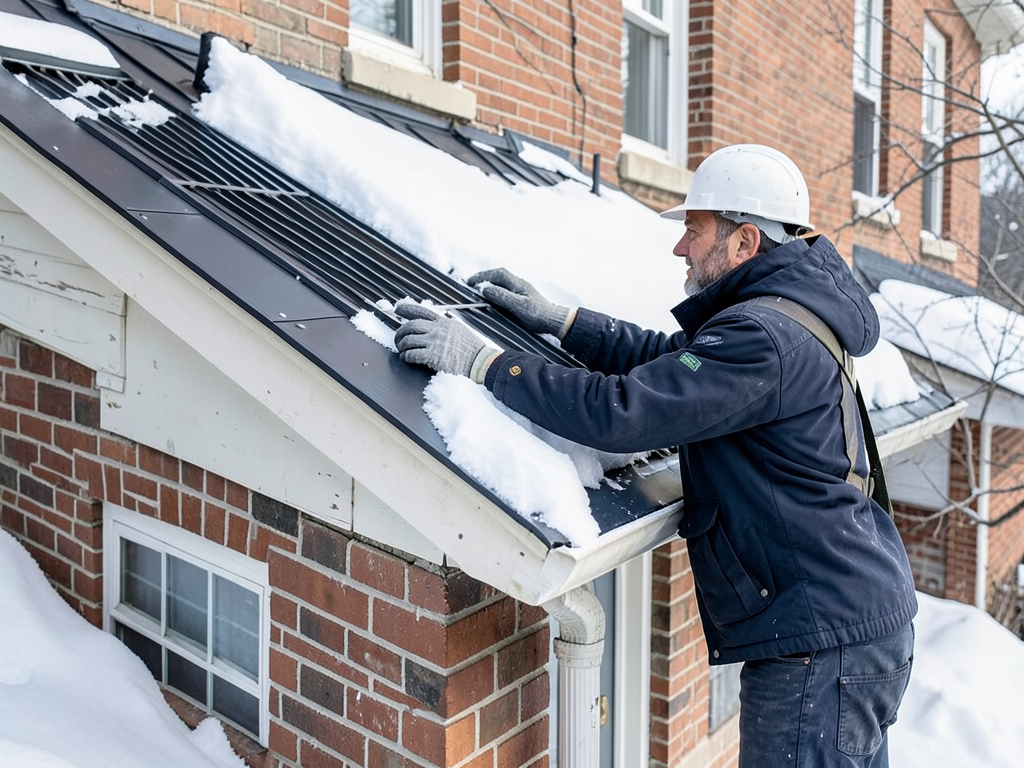
How to Prevent Fine Snow from Blowing into Your Attic Through the Roof Vents
Fine snow blowing into your attic through roof vents is a frustrating problem for Detroit homeowners during harsh Michigan winters. This isn’t a leak in the traditional sense, but rather wind-driven snow finding its way through your ventilation system. The good news is that this issue has specific causes and proven solutions that can keep your attic dry and your home protected from the elements. Attic Ventilation Best Practices.
Understanding the Cause: Why Snow Is Entering Your Detroit Attic
Wind-driven snow infiltration occurs when high winds create pressure differentials that force snow particles through roof vents. In Detroit’s climate, where lake-effect snow from Lake Erie and Lake St. Clair can produce intense wind gusts, this becomes a common winter problem. Roofing Detroit.
The primary culprit is the Venturi effect, where wind passing over ridge vents creates a low-pressure zone that actually draws air—and snow—upward from the attic. During blizzard conditions, fine powdery snow can travel surprising distances through even small vent openings.
Common vent types vary in their susceptibility. Standard ridge vents without external baffles are most vulnerable, while slant-back vents and turbine vents with proper seals offer better protection. The problem often worsens when intake vents (soffit) are blocked by insulation or debris, creating negative pressure that pulls snow upward.
Detroit’s specific weather patterns amplify this issue. The city experiences an average of 43 inches of snow annually, with many storms bringing winds exceeding 30 mph. These conditions create perfect scenarios for snow infiltration, especially in homes with older or improperly installed ventilation systems.
Snow Infiltration vs. Attic Condensation: How to Tell the Difference
Before implementing solutions, it’s crucial to determine whether you’re dealing with actual snow infiltration or attic condensation. Many homeowners confuse these two problems, but the solutions differ significantly. What Royal Oak Homeowners Should Know Before Choosing a Roofing Contractor.
Snow infiltration typically appears as clumps or drifts of actual snow inside your attic, often near vents or in corners where wind eddies form. The snow will be cold to the touch and may melt if temperatures rise, leaving behind a wet spot.
Attic condensation, on the other hand, appears as frost on nails, roof sheathing, or rafters. This occurs when warm, moist air from your living space rises and meets cold attic surfaces. The frost will often melt during the day, creating water droplets that can mimic a leak.
A diagnostic test involves checking the snow immediately after a storm. If you find cold, powdery snow that wasn’t there before the wind picked up, you’re dealing with infiltration. If you find frost or water spots that develop gradually, condensation is likely the culprit.
The danger of ‘flash ramping’ in Michigan winters occurs when rapid temperature changes cause snow to melt quickly once inside the attic, potentially damaging insulation and creating conditions for mold growth. This makes prompt identification and correction essential.
Top-Rated Venting Solutions for High-Snow Climates
Several ventilation solutions specifically address snow infiltration in cold climates. The key is finding products designed to handle Michigan’s unique weather challenges. Finding a Reliable Shingle Replacement Service in Palmer Woods.
External baffle ridge vents represent the first line of defense. These vents feature a raised lip that blocks direct wind and snow entry while still allowing air circulation. Products like the Air Vent Ridge Vent with WeatherBlock technology or Lomanco’s ridge vent systems include internal weather filters that stop snow while maintaining airflow.
Snow-rated turbine vents offer another effective solution. Unlike standard turbines that can spin open during storms, snow-rated models feature locking mechanisms that seal the vent during high winds. This prevents both snow entry and heat loss while still providing ventilation during calmer periods.
Filter-mesh vents provide a more comprehensive solution by covering the entire vent opening with a fine mesh that stops snow particles while allowing air passage. These work particularly well in areas with frequent blowing snow but may require more frequent cleaning to prevent clogging.
The importance of matching intake (soffit) with exhaust cannot be overstated. According to the Michigan Residential Code R806.1, proper attic ventilation requires balanced airflow. When soffit vents are blocked, the negative pressure created can actually draw snow upward through ridge vents.
Net Free Area (NFA) requirements per Michigan Building Code specify that attics need 1 square foot of ventilation for every 150 square feet of attic space, or 1:300 when using a vapor barrier. Ensuring your system meets these requirements while incorporating snow-blocking features is essential for Detroit homes.
Professional Remediation and Prevention
While DIY solutions exist, professional remediation often provides the most reliable long-term protection against snow infiltration. A thorough attic inspection can identify specific vulnerabilities in your ventilation system.
Installing snow guards on your roof can prevent snow from sliding off in large sheets, which reduces the amount of wind-driven snow that can enter vents. These devices hold snow in place, allowing it to melt gradually rather than blowing around during storms.
Optimizing attic insulation R-values for Detroit codes is another critical step. The current Michigan code requires R-49 to R-60 in attics, depending on your specific location within the state. Proper insulation not only improves energy efficiency but also helps maintain consistent attic temperatures that reduce condensation risks.
When to call a Detroit roofing specialist becomes clear when DIY efforts fail or when you notice recurring problems. Signs that professional help is needed include persistent snow accumulation, visible damage to vent components, or concerns about proper ventilation balance. Metal Roofing for Ferndale Homes (Is it Actually Worth the Investment?).
Attic snow remediation requires careful handling to prevent further damage. Never use heat sources to melt snow already in your attic, as this can create water damage and promote mold growth. Instead, use a wet-dry vacuum to remove snow, then address the underlying ventilation issues.
Cross-ventilation optimization involves ensuring that air flows freely from intake to exhaust vents. This may require installing baffles to keep insulation away from soffit vents or adding additional ventilation in problem areas.
Cost-Benefit Analysis of Snow-Protection Vent Options
Choosing the right snow-protection solution involves weighing initial costs against long-term benefits. Here’s a comparison of common options available to Detroit homeowners:
| Vent Type | Initial Cost | Snow Protection Level | Maintenance Needs | Lifespan |
|---|---|---|---|---|
| Standard Ridge Vent | $200 – $400 | Low | Minimal | 15-20 years |
| External Baffle Ridge Vent | $350 – $600 | Medium-High | Annual cleaning | 20-25 years |
| Snow-Rated Turbine Vent | $150 – $300 each | High | Occasional lubrication | 10-15 years |
| Filter-Mesh Ridge Vent | $400 – $700 | Very High | Bi-annual cleaning | 15-20 years |
The investment in snow-rated ventilation often pays for itself through prevented damage and improved energy efficiency. Homes in Detroit’s snow-belt areas particularly benefit from the higher protection levels.
Maintenance Schedule for Snow-Protected Ventilation Systems
Regular maintenance ensures your snow-protection measures continue working effectively throughout Michigan’s harsh winters. Here’s a recommended maintenance schedule:
- Pre-Winter Inspection
Check all vents for damage, clean debris from openings, and ensure baffles are properly positioned. This should occur in October before heavy snowfall begins.
- Post-Storm Assessment
After significant snow events, inspect attic for any new infiltration and clear snow from around vent bases if accessible.
- Mid-Winter Deep Cleaning
Remove any accumulated debris from vent screens and check for ice dam formation that might affect ventilation.
- Spring Service
Thoroughly clean all vents, check for winter damage, and prepare system for summer operation. EPA Ventilation Guidelines.
Following this schedule helps identify potential problems before they cause significant damage and ensures your ventilation system operates at peak efficiency year-round.
Frequently Asked Questions
Can snow infiltration cause mold in my attic?
Yes, snow infiltration can lead to mold growth in your attic. When snow melts, it creates moisture that, combined with organic materials like wood and insulation, provides ideal conditions for mold development. This is particularly concerning in Detroit’s climate where freeze-thaw cycles are common.
How much does it cost to replace roof vents to prevent snow infiltration?
The cost varies significantly based on your home’s size and the type of vents chosen. Basic upgrades might cost $500-$1,000, while comprehensive snow-rated ventilation systems can range from $2,000-$5,000. The investment often pays for itself through prevented damage and energy savings.
Will improving my attic ventilation help with ice dams too?
Absolutely. Proper attic ventilation is one of the most effective ways to prevent ice dams, which are a common problem in Detroit during winter. Balanced ventilation keeps your roof deck cold, preventing the freeze-thaw cycle that creates ice dams.
How can I tell if my soffit vents are blocked?
Signs of blocked soffit vents include excessive heat in your attic during summer, ice dam formation in winter, and moisture problems year-round. You can check by looking into the soffit from outside or feeling for airflow near the eaves on a windy day.
Is it normal to have some snow in the attic during extreme storms?
While some infiltration might occur during extreme conditions, consistent snow entry is not normal and indicates a ventilation problem. Even during severe Michigan storms, properly installed snow-rated vents should prevent significant snow accumulation in your attic.
Protect Your Detroit Home from Winter Snow Infiltration
Snow infiltration through roof vents is more than just a nuisance—it’s a sign that your home’s ventilation system needs attention. In Detroit’s challenging climate, where lake-effect snow and high winds are common, proper ventilation protection is essential for maintaining a dry, healthy attic space.
The solutions range from simple upgrades like adding external baffles to comprehensive system replacements with snow-rated technology. The right choice depends on your home’s specific needs, your budget, and the severity of your infiltration problems.
Don’t wait until the next storm to address snow infiltration issues. The cost of prevention is always less than the expense of repairing water damage, replacing insulation, or dealing with mold remediation. Plus, proper ventilation improves your home’s energy efficiency year-round, not just during winter storms.
For Detroit homeowners dealing with persistent snow infiltration, professional assessment can identify the most effective solutions for your specific situation. Whether you need simple vent upgrades or a complete ventilation system overhaul, addressing this issue now will protect your home for many Michigan winters to come.
Call (313) 604-2233 today to schedule your attic inspection and ventilation assessment. Our Detroit roofing specialists understand the unique challenges of Michigan winters and can recommend the most effective solutions to keep your attic snow-free and your home protected.
Don’t let another winter storm bring snow into your living space. Take action now to ensure your ventilation system is ready for whatever weather Detroit’s winter brings. Your home—and your peace of mind—are worth the investment.
{
“@context”: “https://schema.org”,
“@type”: “BlogPosting”,
“headline”: “How to Prevent Fine Snow from Blowing into Your Attic Through the Roof Vents”,
“description”: “Detroit homeowners struggle with snow infiltration through roof vents. Learn how to diagnose and prevent this Michigan winter problem with proven solutions.”,
“wordCount”: 1770,
“datePublished”: “2026-03-25T10:42:00.000Z”,
“dateModified”: “2026-03-25T10:42:00.000Z”,
“inLanguage”: “en-US”,
“mainEntityOfPage”: {
“@type”: “WebPage”,
“@id”: “https://peakroofingdetroit.com”
},
“publisher”: {
“@type”: “LocalBusiness”,
“name”: “Peak Roofing Detroit”,
“url”: “https://peakroofingdetroit.com”
},
“author”: {
“@type”: “Organization”,
“name”: “Peak Roofing Detroit”,
“url”: “https://peakroofingdetroit.com”
},
“image”: {
“@type”: “ImageObject”,
“url”: “https://peakroofingdetroit.com/wp-content/uploads/2026/03/how-to-prevent-fine-snow-from-blowing-into-your-at-1.png”
}
}
{
“@context”: “https://schema.org”,
“@type”: “RoofingContractor”,
“name”: “Peak Roofing Detroit”,
“url”: “https://peakroofingdetroit.com”,
“address”: {
“@type”: “PostalAddress”,
“addressLocality”: “Detroit”
},
“areaServed”: {
“@type”: “City”,
“name”: “Detroit”
}
}
{
“@context”: “https://schema.org”,
“@type”: “FAQPage”,
“mainEntity”: [
{
“@type”: “Question”,
“name”: “Can snow infiltration cause mold in my attic?”,
“acceptedAnswer”: {
“@type”: “Answer”,
“text”: “Yes, snow infiltration can lead to mold growth in your attic. When snow melts, it creates moisture that, combined with organic materials like wood and insulation, provides ideal conditions for mold development. This is particularly concerning in Detroit’s climate where freeze-thaw cycles are common.”
}
},
{
“@type”: “Question”,
“name”: “How much does it cost to replace roof vents to prevent snow infiltration?”,
“acceptedAnswer”: {
“@type”: “Answer”,
“text”: “The cost varies significantly based on your home’s size and the type of vents chosen. Basic upgrades might cost $500-$1,000, while comprehensive snow-rated ventilation systems can range from $2,000-$5,000. The investment often pays for itself through prevented damage and energy savings.”
}
},
{
“@type”: “Question”,
“name”: “Will improving my attic ventilation help with ice dams too?”,
“acceptedAnswer”: {
“@type”: “Answer”,
“text”: “Absolutely. Proper attic ventilation is one of the most effective ways to prevent ice dams, which are a common problem in Detroit during winter. Balanced ventilation keeps your roof deck cold, preventing the freeze-thaw cycle that creates ice dams.”
}
},
{
“@type”: “Question”,
“name”: “How can I tell if my soffit vents are blocked?”,
“acceptedAnswer”: {
“@type”: “Answer”,
“text”: “Signs of blocked soffit vents include excessive heat in your attic during summer, ice dam formation in winter, and moisture problems year-round. You can check by looking into the soffit from outside or feeling for airflow near the eaves on a windy day.”
}
}
]
}
{
“@context”: “https://schema.org”,
“@type”: “HowTo”,
“name”: “Snow Vent Maintenance Schedule”,
“step”: [
{
“@type”: “HowToStep”,
“position”: 1,
“name”: “Pre-Winter Inspection”,
“text”: “Check all vents for damage, clean debris from openings, and ensure baffles are properly positioned. This should occur in October before heavy snowfall begins.”
},
{
“@type”: “HowToStep”,
“position”: 2,
“name”: “Post-Storm Assessment”,
“text”: “After significant snow events, inspect attic for any new infiltration and clear snow from around vent bases if accessible.”
},
{
“@type”: “HowToStep”,
“position”: 3,
“name”: “Mid-Winter Deep Cleaning”,
“text”: “Remove any accumulated debris from vent screens and check for ice dam formation that might affect ventilation.”
},
{
“@type”: “HowToStep”,
“position”: 4,
“name”: “Spring Service”,
“text”: “Thoroughly clean all vents, check for winter damage, and prepare system for summer operation. EPA Ventilation Guidelines.”
}
],
“image”: “https://peakroofingdetroit.com/wp-content/uploads/2026/03/how-to-prevent-fine-snow-from-blowing-into-your-at-1.png”
}
{
“@context”: “https://schema.org”,
“@type”: “BreadcrumbList”,
“itemListElement”: [
{
“@type”: “ListItem”,
“position”: 1,
“name”: “Home”,
“item”: “https://peakroofingdetroit.com”
},
{
“@type”: “ListItem”,
“position”: 2,
“name”: “Blog”,
“item”: “https://peakroofingdetroit.com/blog”
},
{
“@type”: “ListItem”,
“position”: 3,
“name”: “How to Prevent Fine Snow from Blowing into Your Attic Through the Roof Vents”
}
]
}
{
“@context”: “https://schema.org”,
“@type”: “Service”,
“serviceType”: “Roofing”,
“provider”: {
“@type”: “LocalBusiness”,
“name”: “Peak Roofing Detroit”,
“url”: “https://peakroofingdetroit.com”
},
“areaServed”: {
“@type”: “City”,
“name”: “Detroit”
},
“description”: “Detroit homeowners struggle with snow infiltration through roof vents. Learn how to diagnose and prevent this Michigan winter problem with proven solutions.”
}