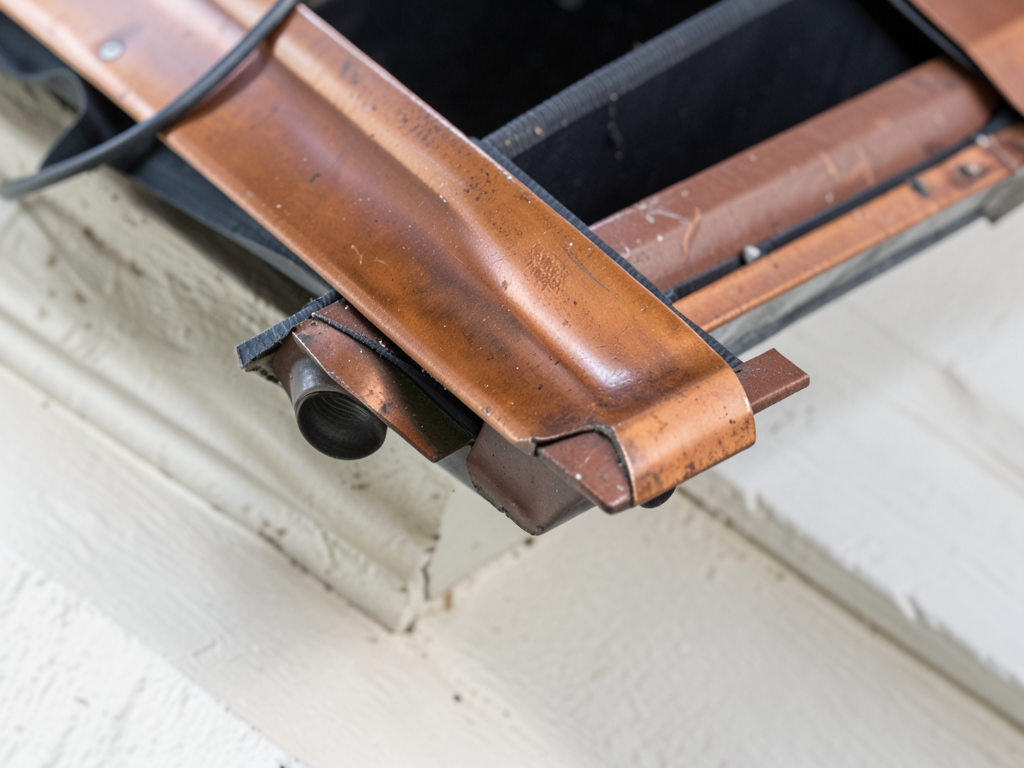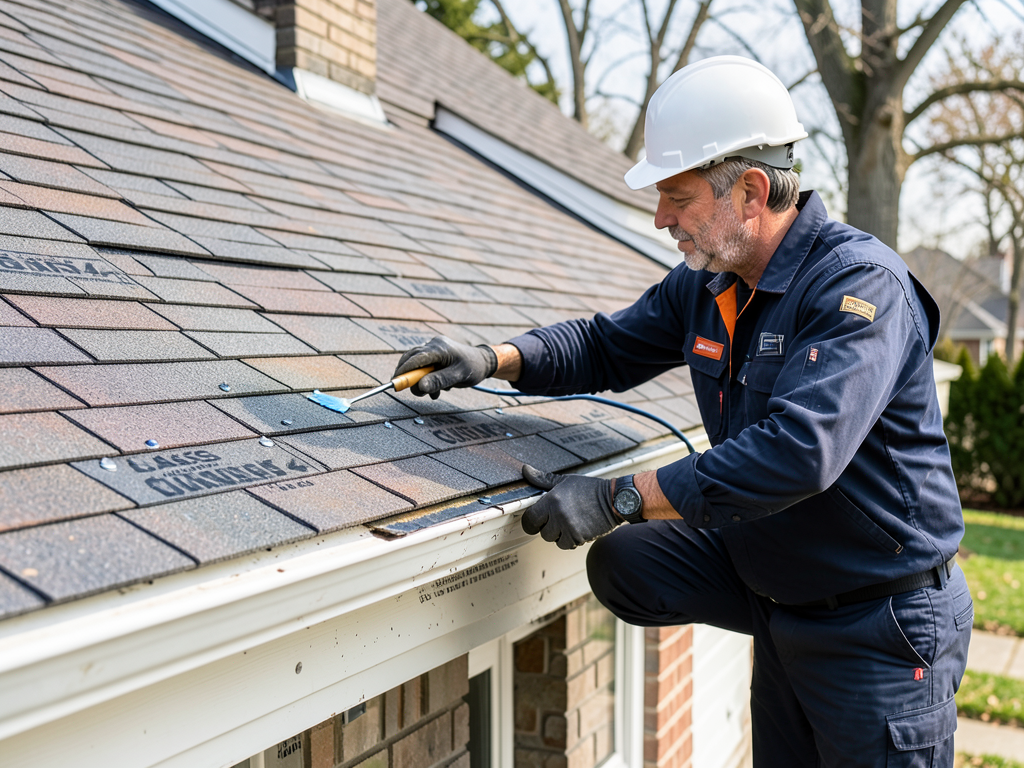
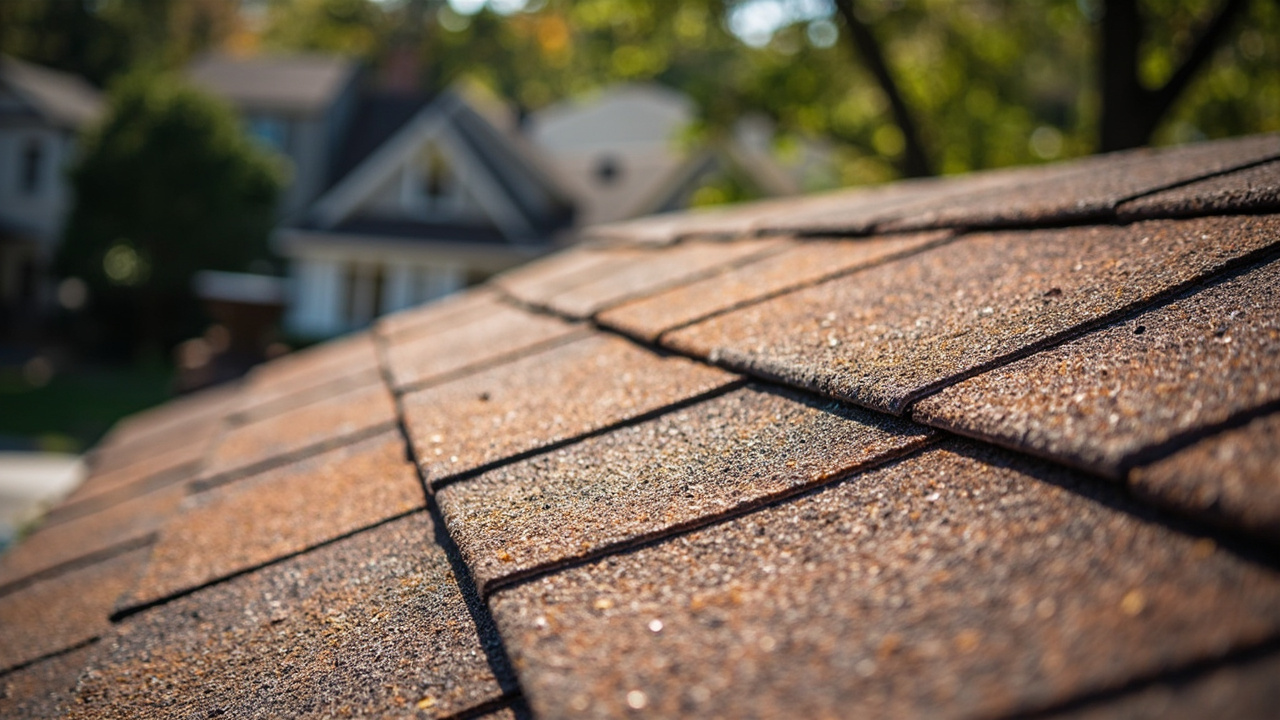
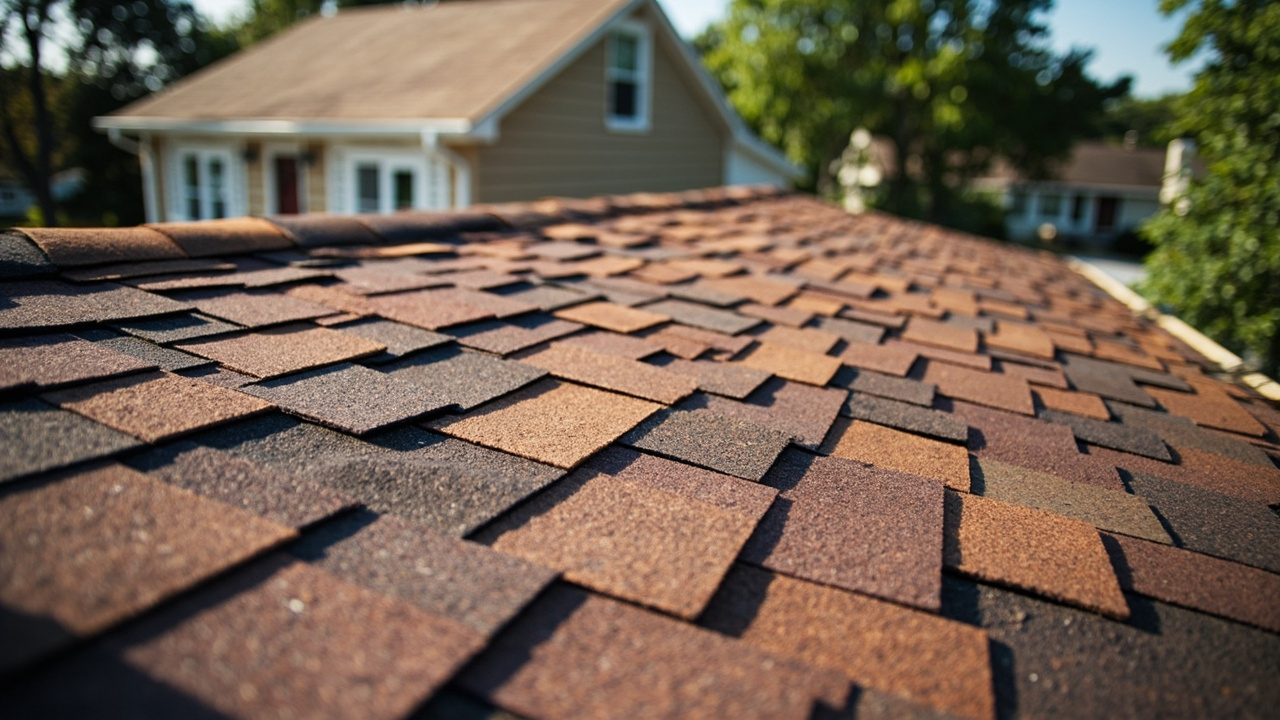
Detroit's position between Lake Huron and Lake Erie creates a weather pattern meteorologists call the "lake effect convergence zone." Warm, moist air from the lakes collides with cold fronts moving across Michigan, generating severe thunderstorms with hail between April and September. The National Oceanic and Atmospheric Administration ranks Wayne, Oakland, and Macomb counties in the top 20% of Michigan locations for annual hail frequency. These storms produce hail ranging from pea-size to golf ball diameter, with the larger sizes causing immediate roof damage that shows up as cracked shingles, dented metal flashing, and bruised ridge caps. Standard architectural shingles fail under one-inch hail, while Class 4 roofing materials maintain their integrity through two-inch impacts.
Detroit's building department does not require impact resistant roofing, but insurance underwriters increasingly factor hail risk into premium calculations for properties across southeast Michigan. Homeowners who upgrade to UL 2218 Class 4 shingles document the installation with their carrier and receive immediate premium reductions that compound annually. Local contractors who understand Michigan's seasonal installation requirements prevent the warranty issues that occur when crews install Class 4 products during temperature extremes. Peak Roofing Detroit maintains relationships with all major manufacturers and receives technical updates on product improvements, installation protocol changes, and warranty requirement modifications that affect your long-term roof performance.