menu

Benefits of Cool Roofs in Detroit – Cut Energy Costs and Extend Your Roof's Lifespan

Discover how reflective roofing systems reduce cooling bills by up to 30%, protect against Detroit's harsh freeze-thaw cycles, and add years to your roof's service life through proven thermal management technology.

Slider Image 1
Slider Image 2
Slider Image 3
Slider Image 4
Slider Image 5
Slider Image 7
Slider Image 8
Slider Image 9
Slider Image 10
Slider Image 11

Why Detroit Property Owners Are Making the Switch to Cool Roofing

Detroit summers hit hard. When temperatures climb into the 90s and humidity hovers near 70%, traditional asphalt shingles absorb massive amounts of solar radiation. Your attic becomes an oven. Your air conditioner runs nonstop. Your energy bills spike.

The advantages of cool roofing go beyond immediate comfort. Detroit's extreme temperature swings create a punishing cycle for conventional roofing materials. Winter freezes contract your roof. Summer heat expands it. This constant movement cracks sealants, loosens fasteners, and accelerates deterioration. You see the damage in curled shingles, granule loss, and premature replacement needs.

Cool roof pros extend to Detroit's aging housing stock. Many neighborhoods feature older homes with minimal attic insulation. These structures suffer the most from solar heat gain. Reflective roofing surfaces can reduce roof surface temperatures by 50 to 60 degrees compared to dark shingles. That temperature difference translates directly into lower attic temperatures and reduced strain on your HVAC system.

The benefits of reflective roofing show up on your utility statements. When your roof reflects rather than absorbs solar energy, your cooling system works less. You burn less electricity. During Detroit's hottest months, cool roofing system advantages can cut cooling costs by 20 to 30%. Over a roof's lifespan, those savings add up to thousands of dollars.

Detroit's urban heat island effect makes this issue worse. Concrete and asphalt trap heat. Temperatures in densely built areas run 5 to 10 degrees hotter than surrounding suburbs. Cool roof energy savings help offset this environmental reality while reducing your carbon footprint.

Why Detroit Property Owners Are Making the Switch to Cool Roofing
How Reflective Roofing Technology Works in Detroit's Climate

How Reflective Roofing Technology Works in Detroit's Climate

Cool roofing systems use high solar reflectance and thermal emittance to manage heat. Solar reflectance measures how much sunlight bounces off your roof instead of being absorbed. Thermal emittance measures how efficiently your roof releases absorbed heat. Together, these properties determine your roof's overall cooling performance.

Peak Roofing Detroit installs cool roofing products engineered specifically for Michigan's climate demands. These materials must handle Detroit's freeze-thaw cycles while maintaining their reflective properties through years of weather exposure. We use granule-coated shingles with reflective pigments, white thermoplastic polyolefin (TPO) membranes for flat roofs, and reflective metal roofing systems depending on your structure and budget.

The installation process matters as much as the materials. Proper ventilation design ensures cool roofing advantages work with your attic's thermal dynamics. We calculate ridge vent capacity, soffit intake ratios, and air movement patterns. This coordination prevents moisture buildup while maximizing temperature reduction.

Substrate preparation affects long-term performance. We inspect decking for water damage, repair compromised areas, and install ice and water shield along eaves and valleys. Detroit's winter ice dams demand this protection layer. Cool roofing reduces summer heat but cannot eliminate winter freeze risks without proper underlayment systems.

Color selection influences reflectance values. Light colors reflect more solar radiation than dark colors. A white TPO membrane reflects approximately 80% of sunlight. A light gray shingle reflects 30 to 40%. A black shingle reflects less than 10%. We measure these values using the Solar Reflectance Index, which combines reflectance and emittance into a single performance metric. Higher SRI numbers indicate better cooling performance.

Your Path to Lower Energy Bills and Better Roof Performance

Benefits of Cool Roofs in Detroit – Cut Energy Costs and Extend Your Roof's Lifespan
01

Roof Condition Assessment

We inspect your existing roof structure, evaluate decking condition, and measure attic ventilation capacity. This assessment determines whether your roof requires repairs before cool roofing installation. We check for moisture damage, inadequate ventilation, and structural issues that could compromise new material performance. You receive a detailed report outlining current conditions and recommended solutions tailored to Detroit's climate demands.
02

Material Selection and Design

We calculate solar reflectance requirements based on your roof pitch, orientation, and shading patterns. You choose from cool roofing products that match your architectural style and budget constraints. We specify underlayment systems, ventilation upgrades, and flashing details. This planning phase ensures your cool roof delivers maximum energy savings while meeting Michigan building codes and manufacturer installation standards for warranty compliance.
03

Installation and Performance Verification

Our crews install your cool roofing system using manufacturer-specified techniques. We verify proper fastener placement, sealant application, and ventilation function. After completion, we conduct thermal imaging to confirm heat reduction performance. You receive documentation of materials installed, SRI values achieved, and maintenance recommendations. We schedule follow-up inspections to track long-term performance and address any concerns as your roof adapts to Detroit's seasonal cycles.

Why Peak Roofing Detroit Delivers Superior Cool Roofing Results

Detroit's roofing demands differ from other regions. You need contractors who understand how Great Lakes humidity affects material selection. You need teams familiar with Michigan's residential building code requirements. You need installers who have worked through Detroit's architectural diversity, from Corktown bungalows to Grosse Pointe colonials.

Peak Roofing Detroit has installed cool roofing systems across every Detroit neighborhood. We know which products perform best on steep Victorian rooflines in Indian Village. We understand thermal management requirements for flat commercial roofs in the New Center district. This geographic experience translates into better material recommendations and fewer installation problems.

Local supplier relationships matter. We source materials from regional distributors who stock products designed for Michigan weather. When you need warranty service, you work with companies that maintain local representation. National chains often specify products optimized for Sun Belt climates. Those materials may fail prematurely in Detroit's freeze-thaw environment.

Our installation crews live in metro Detroit. They understand schedule disruptions caused by sudden weather changes. They navigate city permitting requirements efficiently. They respect your property and neighborhood. This local accountability ensures responsive service when you need adjustments or have questions about your roof's performance.

We stay current on energy efficiency incentives available to Detroit property owners. DTE Energy offers rebates for cool roofing installations that meet specific performance criteria. Michigan's Property Assessed Clean Energy program provides financing for energy improvements. We help you access these programs to offset installation costs and accelerate your return on investment through reduced energy consumption.

What to Expect from Your Cool Roofing Investment

Installation Timeline and Scheduling

Most residential cool roofing installations take three to five days depending on roof size and complexity. Commercial projects require longer timelines due to square footage and coordination requirements. We schedule work around Detroit weather patterns, avoiding installation during temperature extremes that affect material performance. Spring and fall offer ideal conditions. Summer installations proceed during cooler morning hours when possible. We provide specific timeline estimates after your roof assessment, accounting for material lead times and crew availability. Emergency situations receive priority scheduling.

Comprehensive Energy Analysis

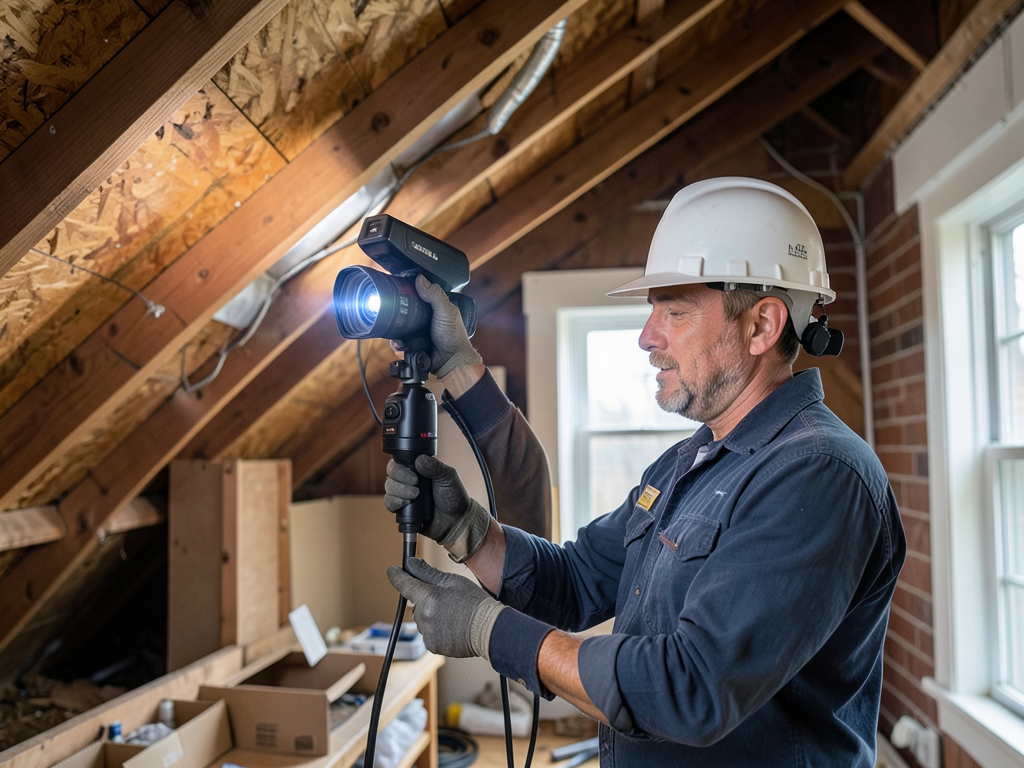
Your initial consultation includes thermal imaging of your existing roof and attic space. We measure current surface temperatures and identify heat transfer patterns. This baseline data lets us project energy savings from cool roofing installation. We analyze your utility bills to establish consumption patterns. You receive estimated cooling cost reductions based on your roof's square footage, orientation, and shading. We explain Solar Reflectance Index values for recommended products. This analysis helps you compare options and select materials that optimize your investment based on realistic performance expectations.

Proven Performance Results

Cool roofing installations deliver measurable temperature reductions immediately. Your attic temperature drops noticeably during the first summer. Your air conditioner runs shorter cycles. You feel the difference in upper floor comfort. Peak Roofing Detroit documents these improvements through post-installation thermal imaging. We track surface temperature differentials between your new cool roof and surrounding conventional roofs. Most clients report 15 to 25% cooling cost reductions in the first year. Long-term benefits include extended roof lifespan due to reduced thermal stress and slower material degradation from UV exposure.

Ongoing Maintenance and Support

Cool roofing materials maintain their reflective properties through regular cleaning and inspection. We recommend annual maintenance visits to remove debris, check flashing integrity, and verify ventilation function. Dirt accumulation reduces reflectance over time. Simple washing restores performance. We provide maintenance plans tailored to your roof type and environmental exposure. Detroit's urban environment deposits more particulates than suburban areas. Trees drop leaves and organic material that should be cleared seasonally. These services protect your investment and ensure continued energy savings throughout your roof's service life.

Frequently Asked Questions

You Have Questions,
We Have Answers

What are the benefits of a cool roof? +

Cool roofs reflect sunlight and absorb less heat than standard roofing materials. In Detroit, where summer temperatures climb into the 90s, cool roofs reduce attic temperatures by up to 50 degrees. This cuts air conditioning costs by 10 to 30 percent during peak months. Cool roofs also extend roof lifespan by reducing thermal stress and expansion cycles common in freeze-thaw climates. They lower urban heat island effects in dense neighborhoods like Midtown and Corktown. Metal, tiles, and reflective coatings all qualify as cool roofing options suitable for Detroit homes and commercial buildings.

What are the cons of a cool roof? +

Cool roofs perform best in hot climates, which makes them less beneficial during Detroit winters. They reflect heat year-round, so you lose potential passive solar warming when temperatures drop below freezing. This can increase heating costs from November through March. Cool roofs also cost 10 to 20 percent more upfront than traditional asphalt shingles. The reflective coatings require maintenance and may degrade faster in areas with heavy pollution or industrial fallout. Detroit homeowners must weigh summer cooling savings against higher winter heating bills to determine if cool roofs make financial sense.

What are the benefits of a cold roof? +

Cold roofs use ventilation design to maintain airflow between the roof deck and insulation layer. This prevents heat buildup and moisture accumulation in Detroit's humid summers. Cold roofs reduce ice dam formation during winter freeze-thaw cycles by keeping the roof deck at outdoor temperature. They extend shingle lifespan by minimizing thermal expansion stress. Cold roofs also prevent mold growth in attic spaces, which matters in older Detroit homes with less efficient vapor barriers. Proper ventilation through ridge vents and soffit vents keeps attics dry and improves overall energy efficiency year-round.

How long do cool roofs last? +

Cool roofs last 20 to 50 years depending on material choice. Metal cool roofs last 40 to 50 years in Detroit's climate with minimal maintenance. Cool roof coatings over existing materials last 10 to 20 years before requiring reapplication. Reflective asphalt shingles last 20 to 30 years, similar to standard shingles but with better thermal performance. Detroit's freeze-thaw cycles and occasional hailstorms affect lifespan, so proper installation matters. Regular inspections after ice dams or wind events help identify damage early. Quality materials and professional installation extend cool roof performance across decades.

How to keep a house cool in 100 degree weather? +

Close blinds on south and west windows during peak sun hours. Run ceiling fans counterclockwise to push cool air down. Use bathroom and kitchen exhaust fans to remove hot air after cooking or showering. Open windows at night when Detroit temperatures drop into the 60s or 70s to create cross-ventilation. Add reflective window film to reduce solar heat gain. Avoid using heat-generating appliances like ovens during the hottest part of the day. Ensure attic insulation meets R-49 standards and check that soffit and ridge vents allow proper airflow to prevent heat buildup.

Why are people getting rid of their solar panels? +

Homeowners remove solar panels due to roof replacement needs, outdated inverter technology, or relocation to new properties. Panels installed 15 to 20 years ago may use less efficient technology than current systems. Some Detroit residents face issues with leasing companies that complicate home sales. Panel removal becomes necessary when underlying roofs reach end of life and require replacement. Severe weather damage from hailstorms or falling branches also prompts removal. Financial challenges arise when buyout costs exceed remaining panel value. Detroit homeowners should evaluate removal costs against energy savings before making decisions.

What is the 33% rule in solar panels? +

The 33 percent rule suggests solar panels lose efficiency when more than one-third of their surface experiences shade during peak sun hours. Detroit homes with mature trees or nearby structures must carefully plan panel placement. Partial shading on even one panel can reduce entire array output due to series wiring. South-facing roofs with minimal shade between 9 AM and 3 PM produce optimal results. Microinverters or power optimizers help minimize shade impact by allowing each panel to operate independently. Detroit installers evaluate roof orientation and tree coverage before recommending panel placement.

What are the problems with cold roofs? +

Cold roofs fail when ventilation becomes blocked or insufficient. Inadequate soffit intake or ridge exhaust causes moisture accumulation and mold growth in Detroit attics. Improper insulation placement blocks airflow channels and defeats ventilation design. Cold roofs struggle in extremely cold climates where ventilation creates excessive heat loss, though Detroit's moderate winters make this less concerning. Ice dams still form if heat escapes through gaps in insulation or air sealing. Pest intrusion through vent openings requires proper screening. Regular inspection ensures ventilation baffles stay clear and airflow remains unobstructed throughout all seasons.

What is the cool roof Rebate Act? +

The Cool Roof Rebate Act provides federal tax incentives for installing reflective roofing materials on residential and commercial buildings. The legislation aims to reduce urban heat island effects and lower energy consumption nationwide. Qualifying cool roofs must meet specific solar reflectance and thermal emittance standards set by the Cool Roof Rating Council. Detroit property owners can claim credits for materials and installation costs. The rebate amount varies based on roof size and material type. Check with the IRS for current eligibility requirements and credit percentages. Local utility companies may offer additional rebates for energy-efficient roofing upgrades.

How much does a cool roof cost? +

Cool roof costs vary by material and building size. Reflective coatings add $0.75 to $1.50 per square foot over existing roofs. Cool asphalt shingles cost 10 to 15 percent more than standard shingles. Metal cool roofs represent the highest upfront investment but offer longest lifespan. Detroit contractors factor in tear-off, disposal, and installation complexity. Commercial flat roofs benefit most from reflective coatings due to large surface areas. Residential sloped roofs see better returns with cool shingles or metal. Energy savings offset higher costs over time, with payback periods ranging from 5 to 15 years.

How Detroit's Urban Heat and Seasonal Extremes Make Cool Roofing Essential

Detroit experiences temperature swings exceeding 100 degrees between winter lows and summer highs. This thermal cycling punishes conventional roofing materials. Asphalt shingles expand and contract repeatedly. Sealant bonds weaken. Fasteners work loose. Cool roofing advantages include reduced thermal movement because reflective surfaces experience less extreme temperature variation. When your roof surface stays 50 degrees cooler on summer afternoons, materials undergo less expansion stress. This protection becomes critical in neighborhoods like Southwest Detroit and Hamtramck, where older homes lack adequate attic insulation and suffer accelerated roof deterioration from thermal cycling.

Peak Roofing Detroit understands Michigan's residential building code requirements for ventilation ratios and ice dam protection. We maintain relationships with Detroit Building Department inspectors and stay current on code updates affecting roofing installations. This local expertise prevents permit delays and ensures your cool roofing system meets all regulatory requirements. Our familiarity with Detroit's architectural heritage means we recommend solutions appropriate for historic districts while delivering modern energy performance. When you choose local contractors for cool roofing installation, you work with teams accountable to your community and invested in long-term customer relationships.
Roofing Services in The Detroit Area

Our local headquarters are strategically located to efficiently serve all of Detroit and the surrounding areas. We invite you to view our service region and location on the map. As a trusted local contractor, we are never far from your neighborhood and are committed to providing quick, reliable, and convenient service wherever you are within the metropolitan area.

Address:
Peak Roofing Detroit, 19549 Gilmore St, Reseda, CA, 91335

Additional Services We Offer

Our news updates

Latest Articles & News from The Blogs

Choosing the Right Roof Color for a Brick Ranch in Warren Selecting the right roof color for your brick ranch…

Choosing the Right Roof Color for a Brick Ranch in Warren

Choosing the Right Roof Color for a Brick Ranch in Warren Selecting the right roof color for your brick ranch…

Why "Cheap" Roofing Quotes Often End Up Costing Detroiters Double in the Long Run

Why “Cheap” Roofing Quotes Often End Up Costing Detroiters Double in the Long Run Detroit homeowners searching for the lowest…

How the Humidity from Lake St. Clair Affects the Lifespan of Your Harrison Township Roof

How the Humidity from Lake St. Clair Affects the Lifespan of Your Harrison Township Roof \n\n The constant moisture and…

Contact Us

Call Peak Roofing Detroit at (313) 604-2233 for a free cool roofing assessment. We provide thermal imaging, energy savings projections, and detailed installation proposals. Our team answers your questions and helps you choose the right reflective roofing solution for your property and budget.