menu

Leaking Pipe Boot & Vents in Detroit – Expert Diagnosis and Permanent Repair Solutions

Peak Roofing Detroit specializes in identifying and fixing cracked plumbing vent boots, deteriorated rubber roof collars, and broken roof stack flashing before water damage spreads through your ceiling and walls.

Slider Image 1
Slider Image 2
Slider Image 3
Slider Image 4
Slider Image 5
Slider Image 7
Slider Image 8
Slider Image 9
Slider Image 10
Slider Image 11

Why Detroit Roofs Suffer Pipe Boot Failures at Higher Rates

You notice a brown water stain spreading across your ceiling near the bathroom. The leak appears after heavy rain or when snow melts. The culprit is almost always a failed pipe boot or vent flashing, not your actual roof shingles.

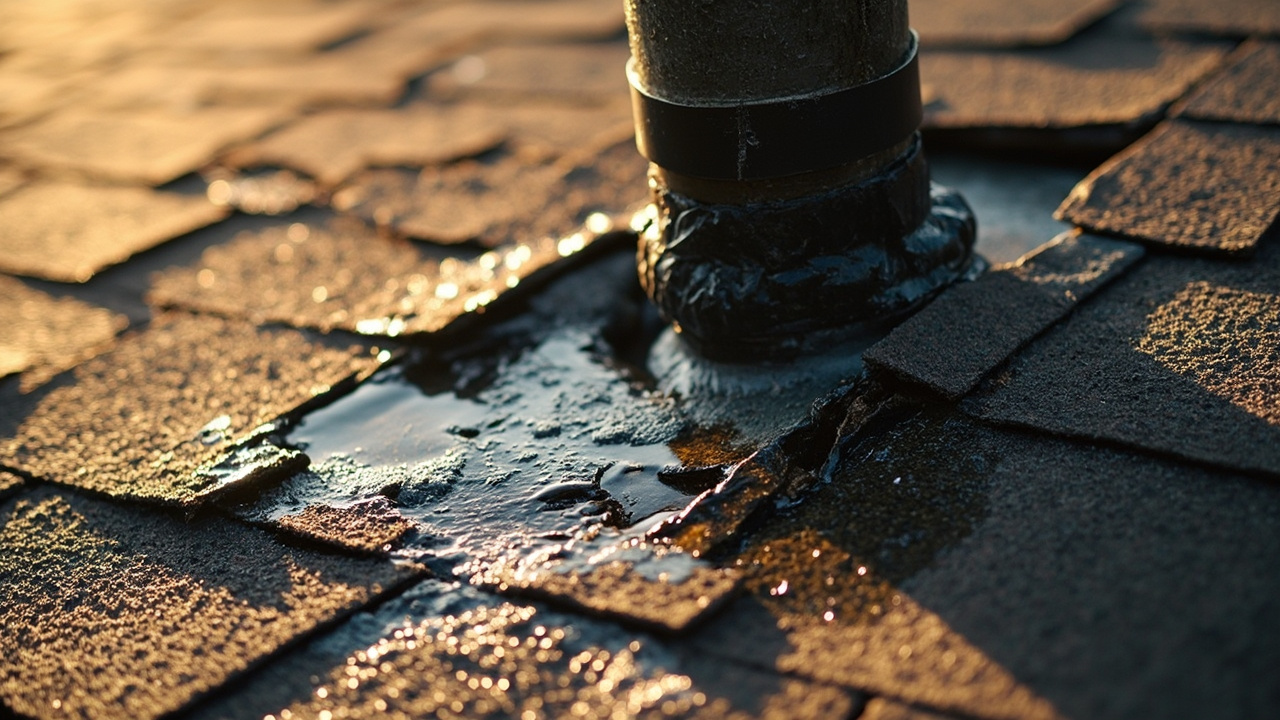
Detroit's freeze-thaw cycles destroy these components faster than in most other climates. When temperatures swing from 15 degrees in January to 85 degrees in July, the neoprene gasket around your plumbing vent expands and contracts hundreds of times each year. This constant movement creates microscopic cracks that eventually split wide open.

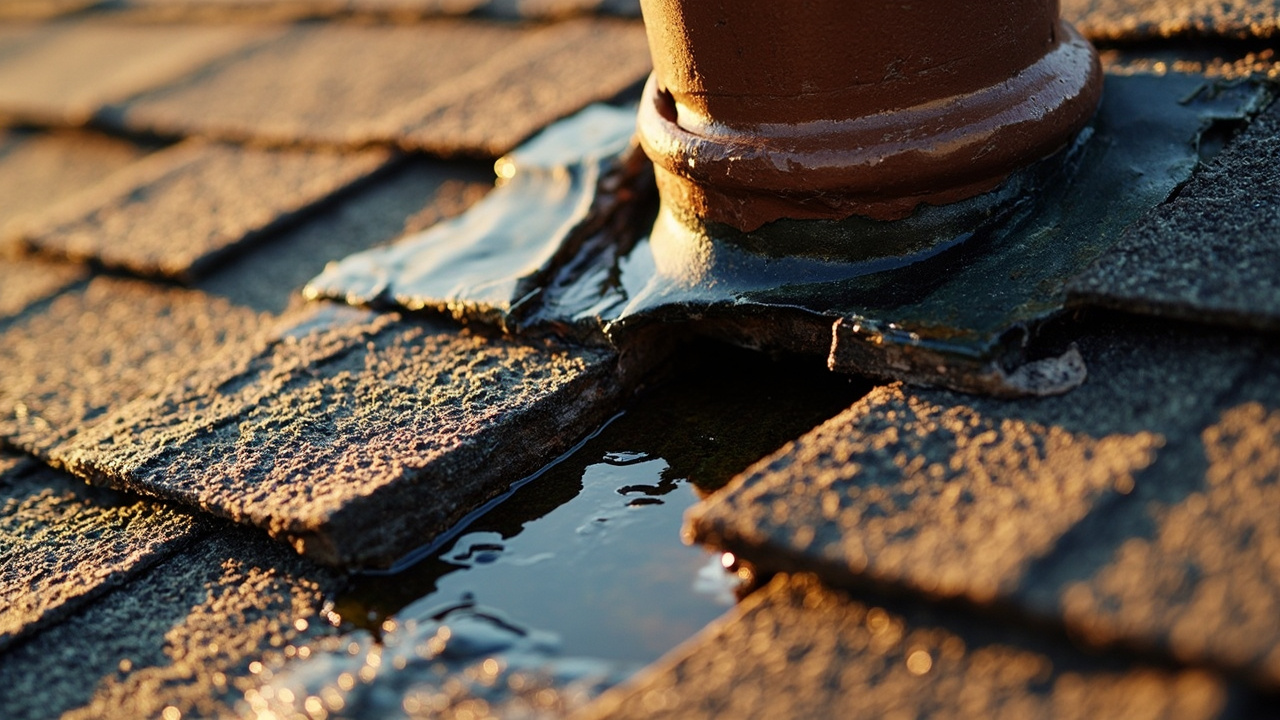
The rubber roof collar around your vent pipe becomes brittle after just 5-7 years of Detroit weather exposure. UV radiation from summer sun combined with sub-zero winter temperatures breaks down the material at the molecular level. What started as a flexible seal becomes a dry rotted neoprene gasket that crumbles when you touch it.

Most homeowners in neighborhoods like Indian Village and Palmer Woods deal with homes built between 1920 and 1960. These houses have galvanized steel vent pipes that corrode where they meet the flashing. The damaged pipe flashing seal allows water to flow directly into your attic insulation and down through your drywall.

The broken roof stack flashing problem gets worse during Detroit's heavy spring rains. Water pools around the deteriorated rubber roof collar and finds every gap in the cracked plumbing vent boot. One small failure point can dump gallons of water into your home during a single storm.

Why Detroit Roofs Suffer Pipe Boot Failures at Higher Rates
How We Fix Pipe Boot Leaks the Right Way

How We Fix Pipe Boot Leaks the Right Way

Peak Roofing Detroit does not slap caulk on a cracked plumbing vent boot and call it fixed. That approach fails within months because caulk cannot withstand Detroit's temperature extremes.

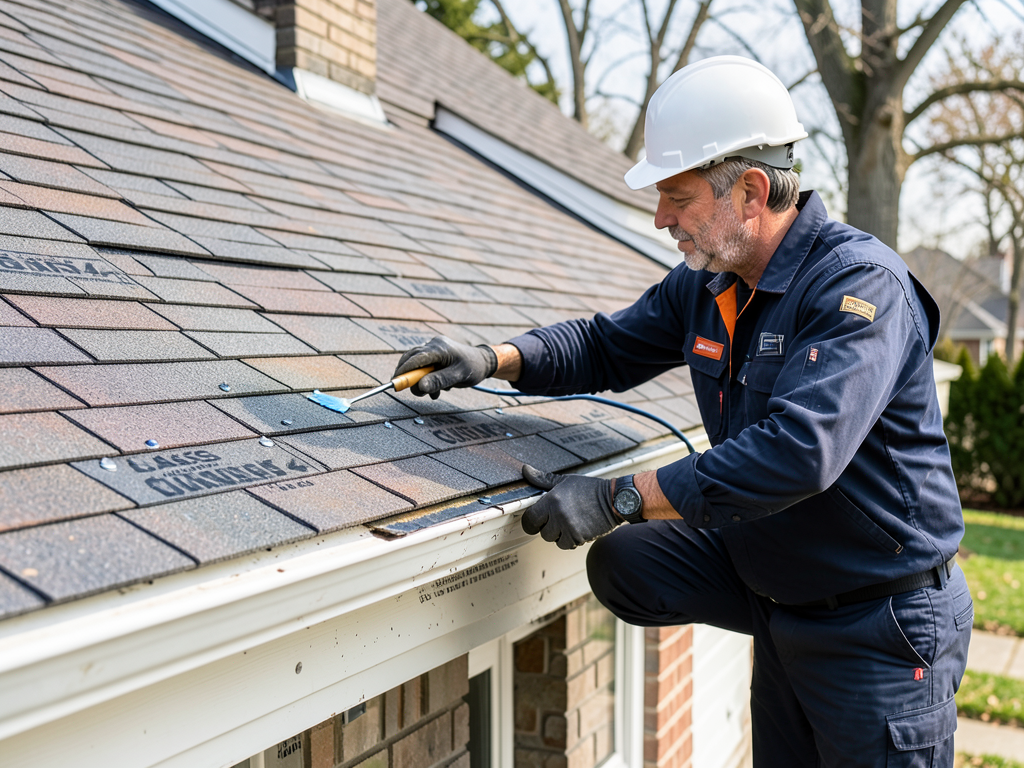
We remove the damaged flashing assembly completely. This means pulling back the surrounding shingles to expose the entire boot system. Most roofers skip this step because it takes more time, but it is the only way to inspect the pipe itself and the roof deck underneath.

The deteriorated rubber roof collar gets replaced with a high-grade EPDM or lead boot rated for Michigan climate conditions. We match the boot size precisely to your vent pipe diameter. A 3-inch pipe requires a 3-inch boot, not a universal fit product that leaves gaps.

We inspect the neoprene gasket seal where the boot meets the pipe. If your vent pipe shows corrosion or damage, we address that structural issue before installing new flashing. A new boot on a rusted pipe will leak within the first winter.

The damaged pipe flashing seal gets rebuilt using ice and water shield membrane under the new boot. This rubberized underlayment creates a secondary water barrier that standard felt paper cannot provide. We extend this protection 6 inches beyond the flashing on all sides.

The broken roof stack flashing repair includes reflashing the step shingle integration points. Water enters these side gaps more often than through the top seal. We weave the new flashing under the upslope shingles and over the downslope shingles to create a watershed that channels water away from the penetration.

Each installation gets tested with a controlled water flow before we leave your property.

What Happens During Your Pipe Boot Repair

Leaking Pipe Boot & Vents in Detroit – Expert Diagnosis and Permanent Repair Solutions
01

Attic and Roof Inspection

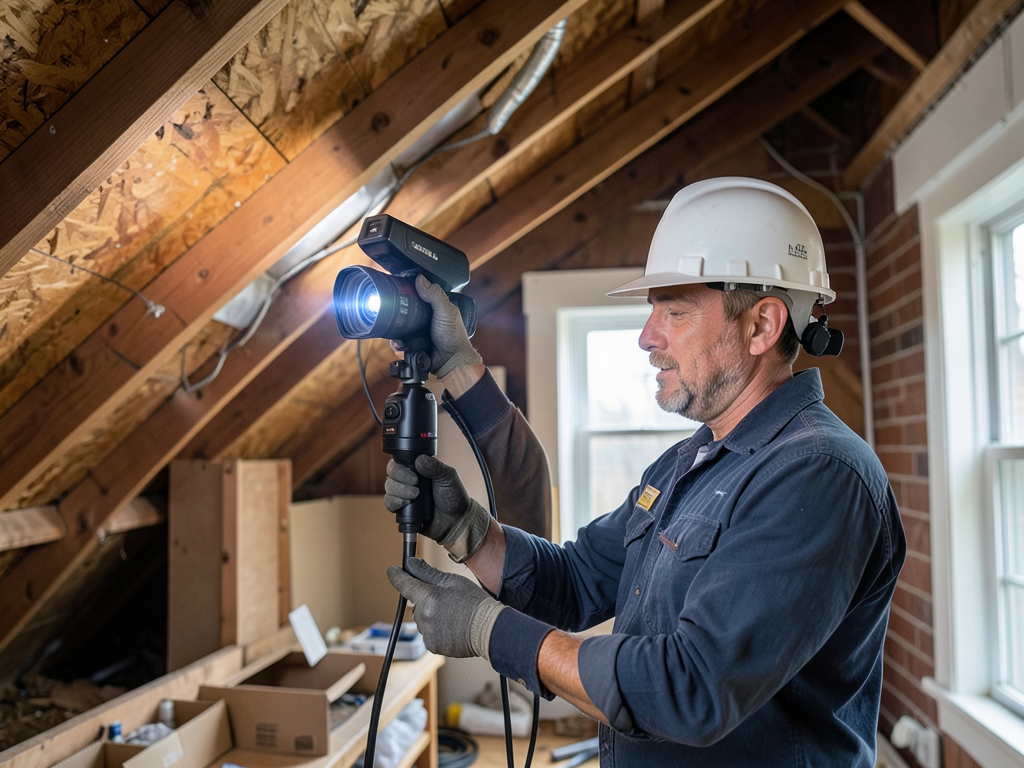
We start inside your attic to trace the water damage path. This reveals whether you have one failed boot or multiple problem areas. We photograph the wet insulation and roof deck staining to document the extent of damage. On the roof, we remove shingles around each vent to inspect the flashing base and check for wood rot. This diagnostic phase identifies hidden damage that a surface inspection misses.
02

Flashing Removal and Replacement

We carefully extract the old cracked plumbing vent boot without damaging surrounding shingles. Any rotted roof decking gets cut out and replaced with new plywood sheathing. We install ice and water shield around the pipe opening, then position the new EPDM boot with the neoprene gasket properly seated against the pipe. The base flashing gets secured with roofing nails placed in locations that will be covered by shingles.
03

Shingle Integration and Testing

We weave the flashing under the upslope shingles and install new shingles over the downslope flashing edge. Each shingle gets sealed with roofing cement to prevent wind uplift. We run water from a hose around the repaired boot for 10 minutes while checking the attic for any moisture penetration. You get photos of the completed repair and confirmation that the leak source has been eliminated.

Why Detroit Homeowners Trust Peak Roofing for Vent Leak Repairs

Peak Roofing Detroit has repaired pipe boot failures in every Detroit neighborhood from Woodbridge to East English Village. We understand how the city's building code requires secondary water barriers around roof penetrations, and we exceed that standard on every job.

Most national roofing chains send different crews each time. You get our experienced technicians who have diagnosed hundreds of cracked plumbing vent boot failures in Detroit's specific housing stock. We know the difference between a 1950s brick colonial roof assembly and a 1990s frame ranch, and we adjust our approach accordingly.

Detroit homes near the Detroit River and Rouge River face higher humidity levels that accelerate rubber deterioration. We account for these microclimate factors when selecting replacement materials. A boot that works in Livonia might fail prematurely in Rivertown due to moisture exposure differences.

We also understand Detroit's property insurance landscape. When a deteriorated rubber roof collar causes ceiling damage, we provide the documentation your insurance adjuster needs to process the claim correctly. Our repair scope separates roof work from interior restoration so you can coordinate with your insurance company efficiently.

The broken roof stack flashing repairs we complete in Detroit's historic districts comply with preservation guidelines. We match shingle profiles and flashing styles to maintain the architectural character of homes in areas like Boston-Edison and Palmer Park.

You call one number and reach our Detroit dispatch team. We schedule repairs around your availability and complete most pipe boot replacements in 3-4 hours. No delays waiting for parts because we stock the correct boot sizes and flashing materials for Detroit's common vent pipe configurations.

What You Can Expect From Your Pipe Boot Repair

Response Time and Scheduling

We schedule your roof inspection within 48 hours of your call. If water is actively leaking into your home, we provide emergency tarp service to stop further damage while we prepare for permanent repairs. Most pipe boot replacements happen within 5-7 days of your initial inspection. We work around your schedule and provide a 2-hour arrival window on repair day. Detroit weather can delay roofwork, but we communicate any schedule changes immediately and reschedule for the next available dry day.

Inspection and Assessment Process

Your inspection includes both attic and roof surface evaluation. We check every plumbing vent, bathroom fan vent, and furnace flue boot on your roof. You receive photos of each problem area with explanations of what failed and why. We identify whether you need one boot replacement or multiple repairs. The assessment includes checking your roof deck for water damage and measuring your vent pipe diameter to order the correct boot size. You get a written estimate that breaks down materials and labor separately.

Quality of Completed Repair

Your completed repair includes new EPDM or lead flashing with proper shingle integration. We replace any damaged roof deck and install ice and water shield around the penetration. The neoprene gasket seats flush against your vent pipe with no gaps. All exposed nail heads get sealed, and shingles blend with your existing roof color. We clean your work area and remove all old materials from your property. You get before and after photos showing the failed boot and the completed replacement for your records.

Warranty and Follow-Up

Peak Roofing Detroit warranties our workmanship on pipe boot installations. The EPDM boots we install carry manufacturer defect coverage. We provide care instructions explaining how to inspect your boots annually for signs of deterioration. If you notice any water staining after our repair, we return to investigate at no diagnostic charge. Most properly installed boots last 15-20 years in Detroit conditions. We also offer annual roof inspection services that check all your vent flashings and identify small problems before they cause water damage.

Frequently Asked Questions

You Have Questions,
We Have Answers

How much does it cost to replace a vent pipe boot? +

Replacement costs vary based on the boot material, roof accessibility, and whether you need a plumber or roofer. Rubber boots are the most affordable, while lead or high-grade EPDM options cost more. In Detroit, steep-pitch roofs common in older neighborhoods increase labor time. Winter work adds complexity due to frozen shingles and ice. Most homeowners pay between mid-range to higher-end pricing depending on these factors. If you spot water stains near your bathroom or kitchen vent stack, address it quickly. Delaying replacement allows moisture into your attic, causing mold and wood rot that multiplies repair costs.

How to seal a roof vent boot? +

Clean debris from around the vent pipe first. Remove old caulk or sealant completely using a putty knife. Apply roofing cement or a polyurethane sealant designed for Detroit's freeze-thaw cycles around the base where the boot meets the pipe. Press the boot flange down firmly against the shingles. Add a bead of sealant under the shingle edges that overlap the boot flange. Avoid silicone caulk since it fails in extreme cold. Check the rubber collar that wraps the pipe. If it shows cracks or gaps, sealing alone will not work. You need a full boot replacement to stop water intrusion properly.

How to fix a leaking vent pipe? +

First, identify where the leak originates. Check the rubber boot collar for cracks, splits, or gaps around the pipe. Inspect the metal flashing underneath for rust or separation from the roof deck. In Detroit, ice dams force water under compromised boots during winter. If the collar is damaged, replace the entire boot. Peel back surrounding shingles carefully, remove old roofing nails, and slide out the failed boot. Install the new boot by sliding it over the pipe, securing the flange under shingles, and nailing into place. Apply roofing cement to seal edges. Temporary fixes fail quickly in harsh weather.

How long does a vent pipe boot last? +

Rubber boots last 10 to 20 years depending on sun exposure, roof orientation, and material quality. South-facing roofs in Detroit degrade faster from UV damage. Heavy snow loads and ice buildup stress the rubber collar, accelerating cracking. EPDM boots outlast basic neoprene versions. Lead boots can last 50-plus years but cost significantly more. Check your boot annually after winter. Look for hardening, cracking, or visible gaps around the pipe. Once rubber becomes brittle, it fails rapidly. Proactive replacement before visible failure prevents water damage to insulation, framing, and interior ceilings. Schedule inspections after severe storms or heavy snowfall.

Will homeowners insurance cover a leaky roof? +

Most policies cover sudden, accidental damage but exclude wear and tear or neglect. If a tree falls and damages your roof boot, causing a leak, insurance typically covers it. However, if your boot deteriorated over years and you ignored maintenance, expect a denial. Detroit homes with older roofs face higher scrutiny. Insurers often require proof of regular maintenance. Document annual inspections with photos and receipts. If you notice a leak, file your claim immediately and mitigate further damage by tarping or temporarily sealing the area. Delays give insurers grounds to deny coverage for secondary water damage like mold or ceiling collapse.

What are signs of a bad roof boot? +

Water stains on your ceiling near plumbing vents signal boot failure. Check your attic for dampness or discoloration on rafters directly below the vent pipe. Visible cracks or splits in the rubber collar mean the boot cannot seal properly. Rust on metal flashing underneath indicates prolonged moisture exposure. In Detroit, ice dams push water under damaged boots, creating interior leaks that appear distant from the actual failure point. Musty odors near bathrooms or kitchens suggest hidden moisture. Peeling paint or bubbling drywall around vent areas confirms water intrusion. Inspect boots after heavy snow or ice storms when freeze-thaw cycles stress aged rubber.

How to fix a leaking boot? +

Remove shingles surrounding the damaged boot carefully to avoid tearing the underlayment. Pull out old roofing nails securing the boot flange. Slide the failed boot up and off the vent pipe. Clean any old sealant or debris from the pipe and roof deck. Slide the new boot over the pipe, ensuring the flange sits flat against the roof. Tuck the top edge under the shingle course above and nail the flange down. Apply roofing cement under shingle edges that overlap the boot. Seal around the pipe collar with polyurethane caulk rated for Detroit's temperature extremes. Temporary patches with caulk alone fail quickly.

Is it common for roof vents to leak? +

Roof vents leak when installation is poor, materials fail, or flashing deteriorates. Plumbing vent boots are common leak sources because the rubber collar cracks from UV exposure and temperature swings. Ridge vents and gable vents can leak if shingle overlap is insufficient or wind-driven rain enters gaps. In Detroit, ice dams force water under vent flashing during winter thaws. Attic ventilation vents without proper underlayment or damaged screens allow moisture inside. Most leaks occur at the transition point where the vent penetrates the roof deck. Regular inspections catch small gaps before they cause interior damage. Address compromised vents immediately to prevent rot.

What is the difference between a roof vent and a boot? +

A roof vent is any opening that allows air circulation in your attic, preventing heat and moisture buildup. Examples include ridge vents, soffit vents, and gable vents. A boot is the waterproof seal surrounding a pipe that penetrates your roof, typically for plumbing vents. The boot has a rubber collar that grips the pipe and a metal or rubber flange that integrates with your shingles. Detroit homes often have multiple plumbing vents requiring boots, especially older multi-story houses with bathrooms on upper floors. Vents move air. Boots seal pipes. Both are critical for preventing water intrusion and maintaining attic health in Michigan's harsh climate.

Does homeowners insurance cover water pipe repair? +

Homeowners insurance typically excludes water pipe repairs unless the damage results from a covered peril like freezing during a sudden cold snap. If your pipes burst due to age or corrosion, expect no coverage. However, if a storm damages your roof and that leads to pipe damage, insurance may cover it. Detroit's freeze-thaw cycles cause pipes to fail, but gradual deterioration is not covered. Service line endorsements cover underground water lines from the street to your home but rarely include interior plumbing. Review your policy declarations page and ask about optional coverage for pipe failures. Always maintain your plumbing to avoid coverage disputes.

How Detroit's Weather Cycles Destroy Pipe Boots Faster

Detroit experiences temperature swings of 100 degrees between winter and summer extremes. Your cracked plumbing vent boot and deteriorated rubber roof collar expand and contract with every temperature change. This constant movement creates stress fractures in the rubber that grow larger each season. The damaged pipe flashing seal gets worse when ice dams form around vents during January and February. Trapped water sits against the broken roof stack flashing and seeps through gaps that stay invisible during dry weather. Detroit's spring rain intensity also tests every weak point in your dry rotted neoprene gasket.

Peak Roofing Detroit operates exclusively in the greater Detroit metro area. We stock materials rated for Michigan climate extremes and understand how Wayne County building inspectors evaluate roof penetration repairs. Our crews have worked on Detroit's specific housing types from Corktown bungalows to Grosse Pointe colonials. When you hire a local Detroit roofing company, you get technicians who understand how your neighborhood's tree coverage affects debris accumulation around vents and why homes near the Detroit River need upgraded flashing systems. Local expertise matters when diagnosing why your specific pipe boot failed and how to prevent recurrence.
Roofing Services in The Detroit Area

Our local headquarters are strategically located to efficiently serve all of Detroit and the surrounding areas. We invite you to view our service region and location on the map. As a trusted local contractor, we are never far from your neighborhood and are committed to providing quick, reliable, and convenient service wherever you are within the metropolitan area.

Address:
Peak Roofing Detroit, 19549 Gilmore St, Reseda, CA, 91335

Additional Services We Offer

Our news updates

Latest Articles & News from The Blogs

Why Clay Tile Roofs in Grosse Pointe Park Need Specialized Maintenance\n\nClay tile roofs define the historic character of Grosse Pointe…

Why Clay Tile Roofs in Grosse Pointe Park Need Specialized Maintenance

Why Clay Tile Roofs in Grosse Pointe Park Need Specialized Maintenance\n\nClay tile roofs define the historic character of Grosse Pointe…

Is a Standing Seam Metal Roof the Right Choice for Your Grosse Pointe Farms Estate

Is a Standing Seam Metal Roof the Right Choice for Your Grosse Pointe Farms Estate Standing seam metal roofing offers…

Why Hazel Park Homeowners are Choosing Performance Shingles for Their First Houses

Why Hazel Park Homeowners are Choosing Performance Shingles for Their First Houses When Hazel Park first-time homeowners look up at…

Contact Us

Call Peak Roofing Detroit at (313) 604-2233 right now. We will inspect your roof within 48 hours and provide an honest assessment of what needs repair. Every day you wait allows more water into your home.