menu

Chimney Leak Emergency Repair in Detroit – 24/7 Response Within 90 Minutes

Water pouring into your home through your chimney right now? We dispatch emergency crews immediately across Detroit, stopping active leaks and preventing structural damage before it spreads to your ceiling, walls, and insulation.

Slider Image 1
Slider Image 2
Slider Image 3
Slider Image 4
Slider Image 5
Slider Image 7
Slider Image 8
Slider Image 9
Slider Image 10
Slider Image 11

Why Chimney Leaks in Detroit Turn Critical Fast

A leaking chimney in your Detroit home is not a wait-until-Monday problem. Water is entering your structure right now. Every hour you wait, that water is soaking deeper into your masonry, running down into your walls, saturating insulation, and creating conditions for mold growth.

Detroit's freeze-thaw cycles make chimney leaks especially destructive. When water penetrates compromised mortar joints or damaged flashing during a rainstorm, it does not just sit there. It migrates. In winter, that trapped moisture freezes, expands, and cracks the masonry wider. You end up with spalling brick, separated chimney crowns, and water damage that spreads from your attic down into living spaces.

Most urgent chimney leak repair calls we receive in Detroit start the same way. You see water staining on your ceiling near the fireplace. You notice dampness on the wall. You hear dripping inside the chimney chase during a storm. These are not minor cosmetic issues. They signal that your chimney system has failed, and water is actively destroying materials inside your home.

The most common failure points are deteriorated chimney flashing where the chimney meets the roof plane, cracked chimney crowns that let water pour straight down the flue, and compromised mortar joints in older brick chimneys common throughout Detroit's historic neighborhoods. An emergency leaking chimney fix addresses the immediate water intrusion first, then identifies the root cause before you experience ceiling collapse or electrical hazards from water reaching wiring.

If water is entering your home through your chimney right now, you need immediate chimney water leak services, not an appointment next week.

Why Chimney Leaks in Detroit Turn Critical Fast
How We Stop Active Chimney Leaks and Prevent Secondary Damage

How We Stop Active Chimney Leaks and Prevent Secondary Damage

When you call for 24/7 chimney leak repair, our emergency protocol focuses on three objectives: stop the active water intrusion, contain the damage, and identify the failure point.

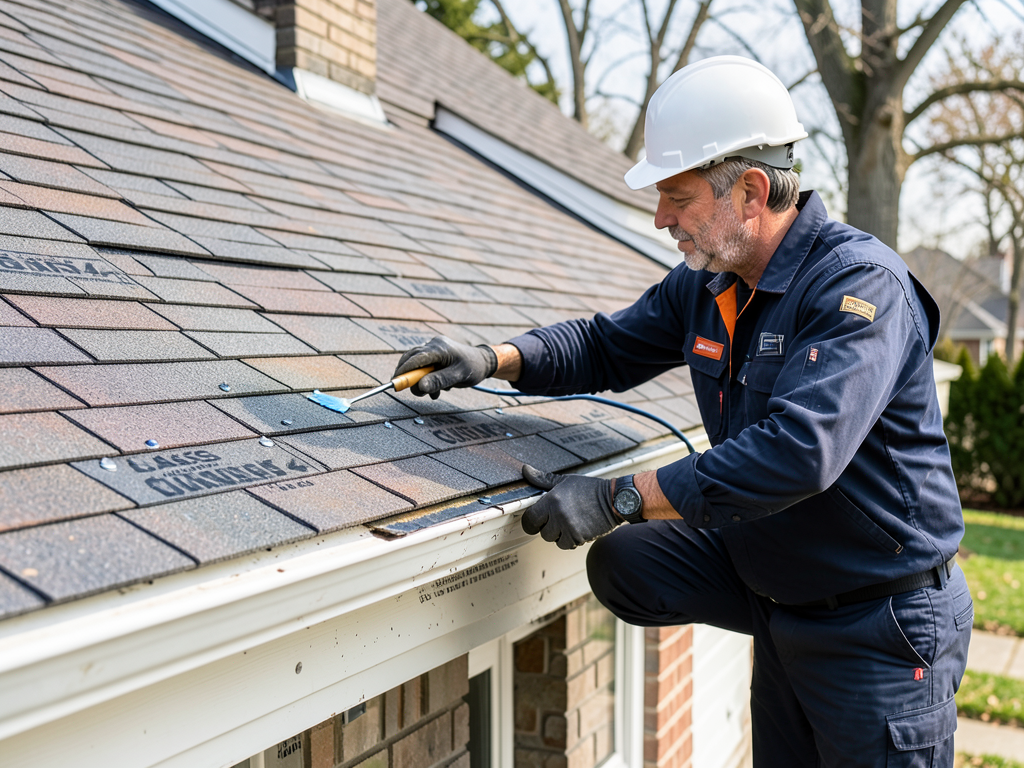
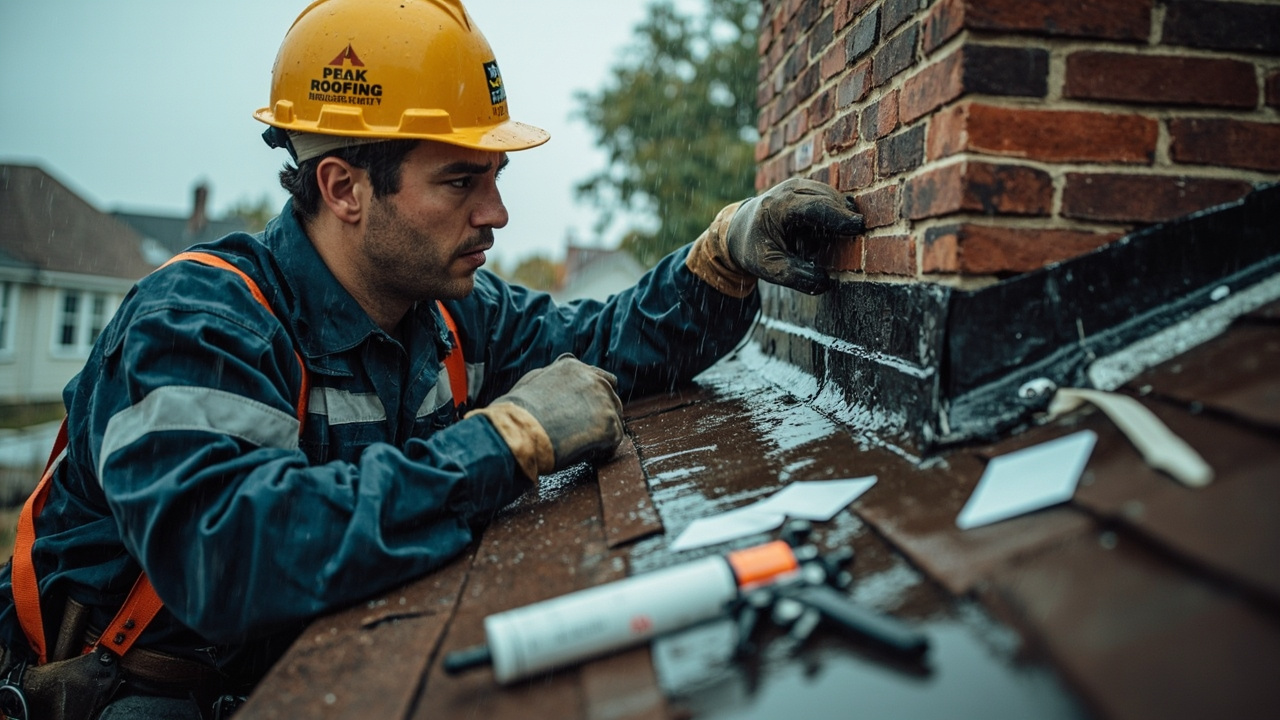
We arrive with tarping systems, temporary flashing patches, and emergency sealants designed for immediate water diversion. If your chimney crown is cracked and water is pouring down the flue, we apply a temporary waterproof membrane that stops the ingress while we assess the full extent of structural damage. If the issue is failed step flashing or counter-flashing where the chimney penetrates the roof, we install a temporary water diversion barrier that channels water away from the vulnerable junction.

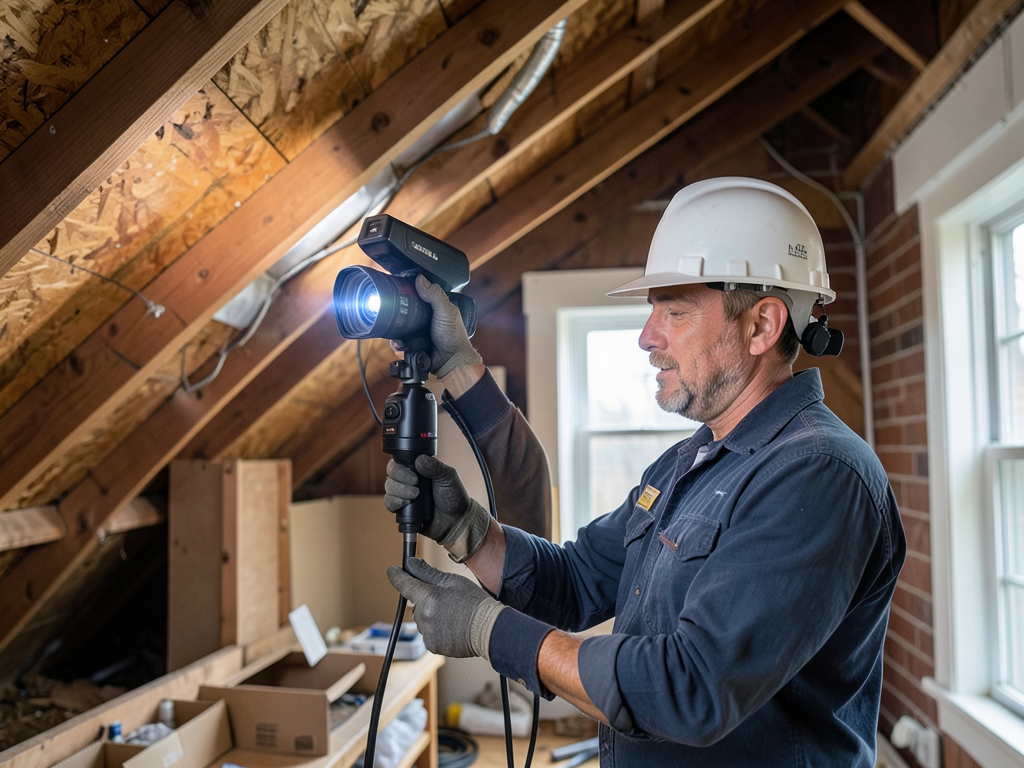
Our crews carry moisture meters and thermal imaging cameras to trace the water path inside your walls and attic. You might see a stain on your living room ceiling, but the actual water entry point could be eight feet higher where flashing separated from the chimney sidewall. We map the full damage zone to ensure we are not missing hidden saturation that will cause problems later.

Same day leaking chimney repair often involves removing sections of damaged flashing, cutting out deteriorated mortar, or installing temporary chase covers on prefab chimney systems. We use rubberized flashing membranes, high-temp silicone sealants rated for chimney applications, and mechanical fasteners that hold in high wind conditions.

Detroit's housing stock includes many older homes with multi-wythe brick chimneys and metal-lined flues. These require different approaches than modern prefab chimney systems. We match the repair method to your chimney construction, using compatible materials that will not cause differential expansion or thermal stress failures.

The emergency repair stops the water. The follow-up assessment tells you what permanent fix is required.

What Happens When You Call for Emergency Chimney Leak Repair

Chimney Leak Emergency Repair in Detroit – 24/7 Response Within 90 Minutes
01

Immediate Dispatch and Assessment

You call our emergency line, describe the leak location and severity, and we dispatch the nearest available crew. We gather critical information while you are on the phone: Is water actively dripping? Where is the visible damage? Is the leak interior or exterior? Our crew arrives with ladders, safety equipment, and emergency patching materials. The first priority is always stopping the water from entering your home.
02

Temporary Water Diversion

We install temporary barriers to stop the immediate water intrusion. This might involve tarping the chimney crown, sealing separated flashing joints, or applying emergency-grade sealants to cracked masonry. We use moisture meters to check hidden saturation in your attic, walls, and ceiling cavities. You see the leak stop. We document the damage zone for your insurance claim and explain what caused the failure.
03

Permanent Repair Planning

Once the emergency is stabilized, we provide a written assessment of the required permanent repairs. This includes chimney crown rebuilding, flashing replacement, masonry repointing, or chase cover installation. You get photos, measurements, and a detailed scope of work. We coordinate with your insurance adjuster if you are filing a claim. The temporary fix keeps you dry while we schedule the comprehensive repair that prevents recurrence.

Why Detroit Homeowners Call Us for Chimney Leak Emergencies

When water is pouring into your home through your chimney at 11 p.m. on a Saturday, you need a crew that answers the phone, shows up fast, and knows how to stop the damage immediately. We have been responding to emergency chimney leaks across Detroit for years. We know the construction methods used in homes throughout Corktown, Indian Village, Palmer Woods, and the newer subdivisions in the outer neighborhoods.

Detroit's older brick homes often have chimneys built with soft lime mortar that deteriorates faster than modern Portland cement-based mortar. When we respond to a leaking chimney in a 1920s bungalow, we bring materials and techniques appropriate for historic masonry. We do not slap modern sealants on old brickwork and call it fixed. We use compatible repair mortars, breathable waterproofing, and flashing methods that respect the original construction while providing modern weather protection.

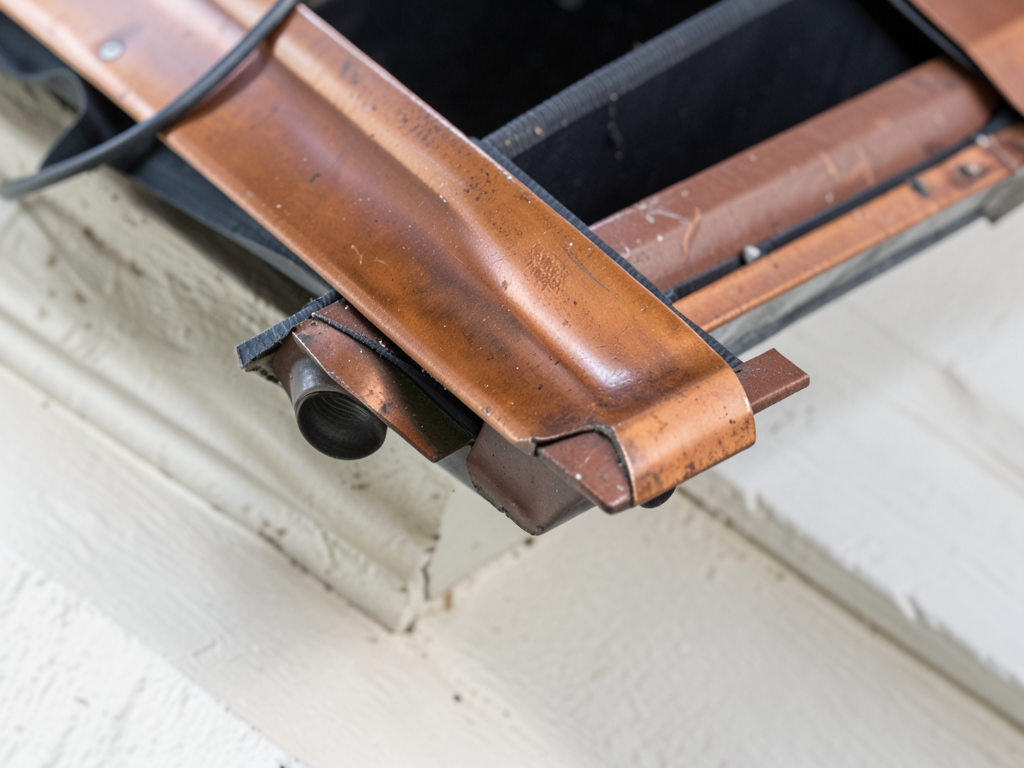
Our emergency response vehicles carry inventory specifically for chimney leak scenarios: copper and aluminum step flashing, rubberized flashing membranes, high-temp silicone, mortar repair compounds, chimney caps, and chase covers. We do not need to leave your home to get materials. We fix the problem on the first visit whenever physically possible.

We also understand Detroit's building department requirements for structural work. If your chimney leak has caused enough damage to require a building permit for repairs, we handle the paperwork and inspections. You get a code-compliant repair that protects your home value.

You are not hiring a generic handyman to caulk your chimney and hope for the best. You are hiring a roofing contractor with specific chimney repair expertise who will stop the leak correctly the first time.

What You Can Expect During Emergency Chimney Leak Repair

Response Time and Availability

We maintain emergency crews available 24 hours a day, seven days a week. When you call our emergency line, you speak with a dispatcher who logs your address, assesses the severity, and provides an estimated arrival time. Most emergency chimney leak calls in Detroit receive a crew within 90 minutes. During severe weather events when call volume is high, we prioritize active water intrusion over less urgent requests. You get real-time updates via text or phone if conditions cause delays. Our goal is always immediate response to stop ongoing damage.

Emergency Damage Assessment

The responding crew performs a complete visual inspection of your chimney exterior, roof flashing, chimney crown, and interior chase or flue. We use moisture detection equipment to identify hidden water saturation in your attic insulation, wall cavities, and ceiling drywall. You receive photos of the damaged components and a verbal explanation of what failed and why. We document everything for insurance purposes. If the leak has caused electrical hazards, structural instability, or other safety issues, we alert you immediately and recommend appropriate temporary measures until permanent repairs can be completed.

The Emergency Repair Result

The immediate outcome of our emergency service is a watertight chimney that will not leak during the next rainstorm. The temporary repairs we install are durable enough to last weeks or months if needed, giving you time to schedule permanent reconstruction without risking additional water damage. You receive a written assessment that outlines what permanent work is required, what components need replacement, and what your options are for long-term chimney waterproofing. The emergency fix stabilizes the situation. The permanent repair ensures it never happens again.

Follow-Up and Permanent Solutions

After the emergency is resolved, we schedule a follow-up appointment to complete permanent repairs. This might include rebuilding the chimney crown with proper overhang and drip edge, installing new step flashing and counter-flashing with the correct overlap and fastening schedule, repointing deteriorated mortar joints, or replacing a corroded chase cover on a prefab chimney system. We provide a detailed written estimate for the permanent work. If you are filing an insurance claim, we work directly with your adjuster and provide all necessary documentation. The permanent repair comes with documentation of materials used and work performed.

Frequently Asked Questions

You Have Questions,
We Have Answers

Who to call if your chimney is leaking? +

Call a licensed roofing contractor who specializes in chimney repairs immediately. Detroit's freeze-thaw cycles and heavy rainstorms make chimney leaks urgent. Water infiltration can damage your ceiling, walls, and chimney structure within hours. Look for a contractor offering 24/7 emergency response who can tarp or seal the leak temporarily, then diagnose the root cause. The issue often stems from damaged flashing, cracked crown, or deteriorated mortar joints. Do not wait. Active leaks worsen fast in Michigan weather. A qualified roofer will assess the damage, provide a repair plan, and help document everything for your insurance claim.

Will insurance cover a leak around a chimney? +

Yes, most homeowner policies cover sudden chimney leaks caused by storm damage, fallen trees, or wind-driven rain. However, coverage depends on the cause. Gradual deterioration from deferred maintenance is typically excluded. Detroit insurers scrutinize freeze-thaw damage closely. Document everything immediately. Take photos of water stains, ceiling damage, and the exterior chimney. Get a professional inspection report identifying the cause. If storm-related, your claim stands strong. If the adjuster cites neglect, a detailed contractor report showing sudden failure helps. File quickly. Delays hurt your case. Review your policy's wind and water damage clauses before calling your agent.

Is it normal for chimneys to leak during heavy rain? +

No, chimneys should not leak during heavy rain. If yours does, something is failing. Common culprits in Detroit include damaged chimney flashing where the chimney meets the roof, cracked chimney crown, missing or damaged chimney cap, or deteriorated mortar joints. Michigan's intense rain and snow cycles exploit even small gaps. Water entering through these vulnerable points damages insulation, framing, and ceilings. A properly maintained chimney with intact flashing, sealed crown, and functional cap sheds water completely. If you see dripping or stains during storms, you have a structural issue requiring immediate repair. Ignoring it invites mold, rot, and expensive interior damage.

What to do if your chimney is leaking? +

Act fast. Place buckets under active drips and move furniture or valuables away from the water. If safe, go outside and look for obvious damage like missing flashing or a cracked crown. Do not climb on the roof yourself. Call an emergency roofing contractor immediately. They can install a temporary tarp or apply emergency sealant to stop further water intrusion. Document everything with photos for insurance purposes. Turn off power to affected rooms if water contacts electrical fixtures. Detroit's weather can turn a small leak into structural damage within days. Professional assessment within 24 hours prevents costly secondary damage like mold growth or ceiling collapse.

How much does it cost to fix a leaky chimney? +

Chimney leak repairs in Detroit range widely based on the cause. Minor flashing repairs may cost a few hundred dollars. Crown sealing or cap replacement runs higher. Full flashing replacement or masonry reconstruction costs significantly more. Factors include accessibility, chimney height, extent of water damage, and whether interior repairs are needed. Emergency service calls during storms add urgency fees. Do not focus on cost when water is actively entering your home. Delaying repairs multiplies damage and expense. Get a detailed written estimate after the emergency is stabilized. Many contractors offer financing. Insurance may cover storm-related damage, reducing your out-of-pocket costs substantially.

Does flex seal work on chimneys? +

No. Flex Seal is a temporary patch at best and fails quickly on chimneys. Detroit's extreme temperature swings, freeze-thaw cycles, and UV exposure break down rubber sealants within months. Chimneys endure intense heat, moisture, and structural movement. Flex Seal cannot bond properly to porous masonry or metal flashing under these conditions. It also traps moisture inside, accelerating deterioration. Professional repairs use high-temperature masonry sealants, properly installed flashing, and code-compliant materials designed for chimney environments. Using DIY products on an active leak wastes time and money while the real damage spreads. Call a contractor. Proper repairs last years, not weeks.

How much would it cost to fix a chimney? +

Chimney repair costs vary widely based on the issue. Flashing replacement, crown repair, cap installation, tuckpointing, or full rebuilds each carry different price points. In Detroit, accessibility matters. A three-story chimney costs more than a single-story ranch repair. Extent of water damage to framing or interior finishes adds to the total. Masonry repairs requiring scaffolding increase labor costs. Emergency repairs during active leaks may include temporary tarping fees. Get multiple written estimates detailing the scope of work. Ask about warranties on labor and materials. Do not choose based on price alone. Cheap repairs fail fast, especially in Michigan's harsh climate. Quality work prevents repeat problems.

What not to say during a home insurance claim? +

Never say the damage has been present for a while or that you delayed reporting it. Do not speculate about causes or admit to deferred maintenance. Avoid phrases like "I think this has been leaking for months" or "I meant to fix that." Insurance adjusters look for reasons to deny claims based on gradual damage or neglect. Stick to facts. State when you discovered the leak, describe the weather event if applicable, and provide documentation. Do not exaggerate, but do not downplay either. Let your contractor's inspection report explain technical causes. Be honest but careful. Detroit insurers scrutinize freeze-thaw claims closely.

How serious is a chimney leak? +

Extremely serious. Chimney leaks allow water into your home's structure, damaging framing, insulation, ceilings, and walls. In Detroit, freeze-thaw cycles turn small leaks into major problems fast. Water trapped in masonry freezes, expands, and cracks the chimney further. Mold grows within 48 hours in damp insulation. Electrical systems near leaks pose fire and shock hazards. Prolonged moisture rots wooden roof framing and ceiling joists, requiring expensive structural repairs. A small stain today becomes a collapsed ceiling tomorrow. Chimney leaks also indicate failing flashing or masonry, which compromises your roof's weather barrier. Address leaks immediately. Delay turns a repair into a reconstruction project.

What are the first signs of a chimney fire? +

Loud cracking or popping sounds, dense smoke entering the home, intense hot smell, and flames visible at the chimney top signal an active chimney fire. You may also see sparks or glowing embers shooting from the cap. Interior signs include extreme heat radiating from the chimney wall or a low rumbling sound like a freight train. If you suspect a chimney fire, evacuate immediately and call 911. Do not attempt to extinguish it yourself. Chimney fires crack flue liners and masonry, creating pathways for future house fires. After firefighters clear the scene, get a professional inspection before using the fireplace again.

How Detroit's Freeze-Thaw Cycles Accelerate Chimney Leak Damage

Detroit experiences an average of 40 to 50 freeze-thaw cycles each winter. When water penetrates a compromised chimney crown, damaged flashing, or cracked mortar joint during a rainstorm, that moisture does not simply evaporate. It saturates the porous masonry. When temperatures drop below freezing, that trapped water expands by roughly nine percent as it turns to ice. This expansion forces cracks wider, separates mortar from brick, and causes spalling where the brick face pops off. A small leak in October becomes a structural emergency by February. Immediate chimney water leak services prevent this progressive deterioration by stopping water intrusion before freeze cycles begin the damage multiplication process.

Detroit's housing stock includes thousands of homes built between 1900 and 1950 with original masonry chimneys. These chimneys were built to different standards than modern construction, often using softer lime-based mortar and relying on design features like corbelled caps rather than poured concrete crowns. Repairing these chimneys correctly requires understanding historic construction methods and using compatible materials. A contractor unfamiliar with Detroit's older housing stock might apply modern polymer sealants to soft brick, trapping moisture and causing accelerated deterioration. Local expertise matters when your emergency involves a 100-year-old chimney that requires preservation-appropriate repair techniques.
Roofing Services in The Detroit Area

Our local headquarters are strategically located to efficiently serve all of Detroit and the surrounding areas. We invite you to view our service region and location on the map. As a trusted local contractor, we are never far from your neighborhood and are committed to providing quick, reliable, and convenient service wherever you are within the metropolitan area.

Address:
Peak Roofing Detroit, 19549 Gilmore St, Reseda, CA, 91335

Additional Services We Offer

Our news updates

Latest Articles & News from The Blogs

Why You See Dark Lines on Your LaSalle Gardens Ceiling (Is it a Leak or Ghosting?) Those dark streaks on…

Why You See Dark Lines on Your LaSalle Gardens Ceiling (Is it a Leak or Ghosting?)

Why You See Dark Lines on Your LaSalle Gardens Ceiling (Is it a Leak or Ghosting?) Those dark streaks on…

Restoring the Hidden Box Gutters on a Classic Virginia Park Four-Square

Restoring the Hidden Box Gutters on a Classic Virginia Park Four-Square Box gutters are the hidden lifelines of Detroit’s historic…

How a New Roof Affects Your Homeowners Insurance Premium in Clinton Township

How a New Roof Affects Your Homeowners Insurance Premium in Clinton Township A new roof in Clinton Township can immediately…

Contact Us

Water is damaging your home while you read this. Call (313) 604-2233 now for immediate emergency dispatch. Our crews are standing by 24/7 to stop your chimney leak and prevent further damage to your ceiling, walls, and structure.