menu

Emergency Flat Roof Patching in Detroit – 24/7 Dispatch with Crews On-Site in 60 Minutes

When your flat roof is leaking right now, you need immediate help. Peak Roofing Detroit deploys trained emergency flat roof patching crews around the clock to stop water damage before it destroys inventory, equipment, or your home's interior.

Slider Image 1
Slider Image 2
Slider Image 3
Slider Image 4
Slider Image 5
Slider Image 7
Slider Image 8
Slider Image 9
Slider Image 10
Slider Image 11

Why Flat Roof Leaks in Detroit Escalate Fast

You walk into your building and see water dripping from the ceiling. Your stomach drops. Flat roofs fail without warning, and Detroit's extreme freeze-thaw cycles make the problem worse. When temperatures swing from 15 degrees in January to 85 degrees in July, roofing membranes expand and contract. Seams split. Flashing pulls away from parapet walls. Ponding water from heavy spring rains finds every weak point.

The buildings most at risk are older commercial structures in Corktown, Eastern Market, and Midtown, where EPDM or modified bitumen roofs have aged past their service life. Residential flat roofs in Detroit's bungalow districts face the same threat. Once water breaches the membrane, it saturates insulation, rots roof decking, and spreads across ceilings. You have hours, not days, before mold takes hold or drywall collapses.

Emergency flat roof repair requires immediate action. An urgent flat roof leak repair stops the water intrusion, protects your property, and buys you time to plan a permanent fix. Same day flat roof repair is the difference between a contained problem and a total interior restoration project. Every minute counts when water is pouring into your space.

Peak Roofing Detroit operates a 24/7 flat roof patching service because we know Detroit weather does not wait. When you call, we dispatch a crew with tarps, patching materials, and diagnostic tools. We stop the leak first, then assess the damage.

Why Flat Roof Leaks in Detroit Escalate Fast
How We Execute Emergency Flat Roof Patching Under Pressure

How We Execute Emergency Flat Roof Patching Under Pressure

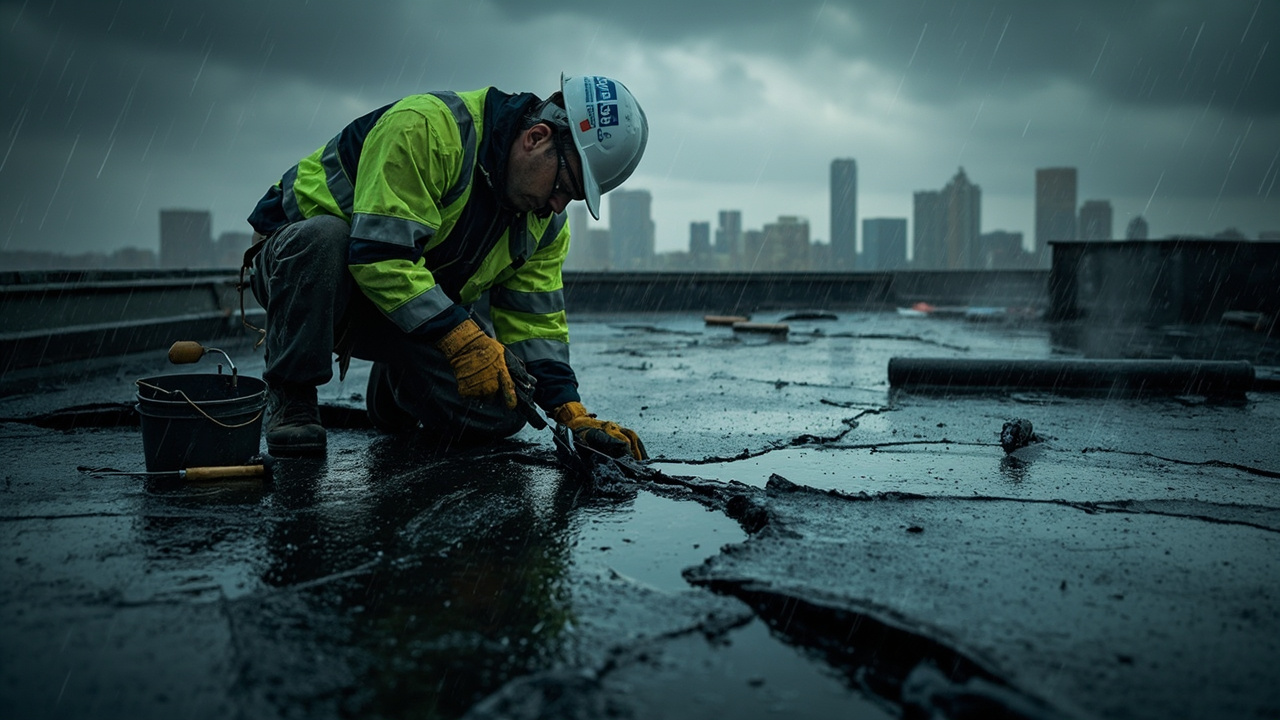
Emergency flat roof patching is not a temporary band-aid. It is a strategic intervention that stabilizes the roof system and prevents secondary damage. When we arrive, the first priority is water control. We identify the breach point by tracing water stains back to the source, checking seams, penetrations, and low spots where ponding occurs. Flat roofs leak in one place but show water damage in another, so we inspect the entire field.

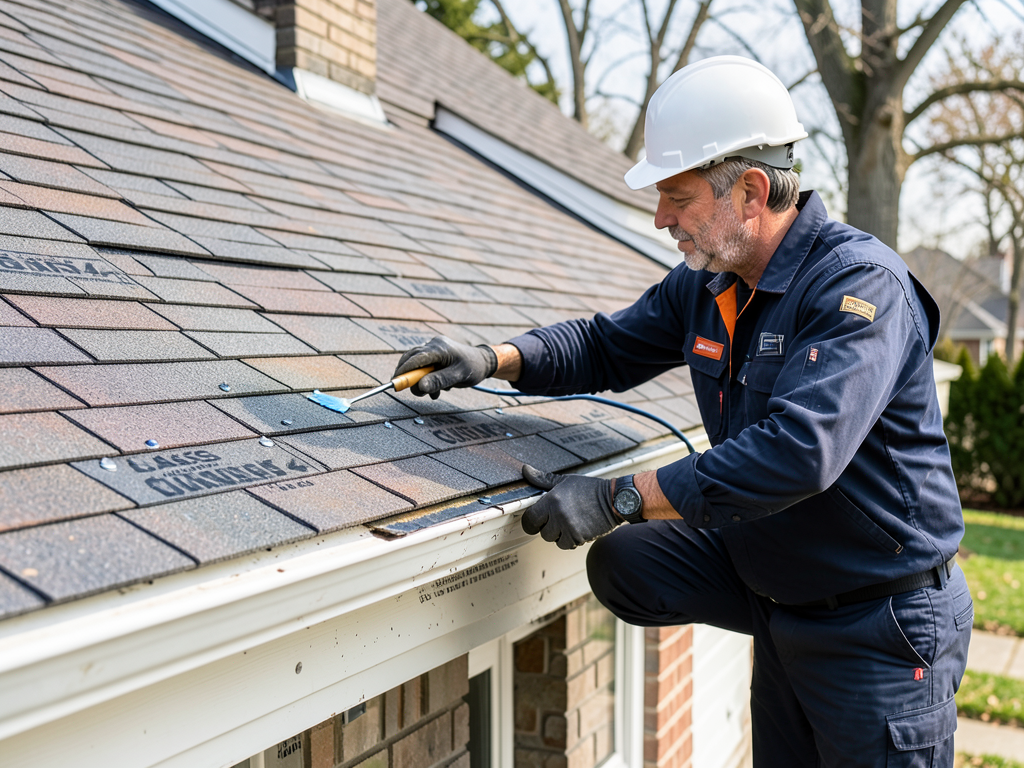
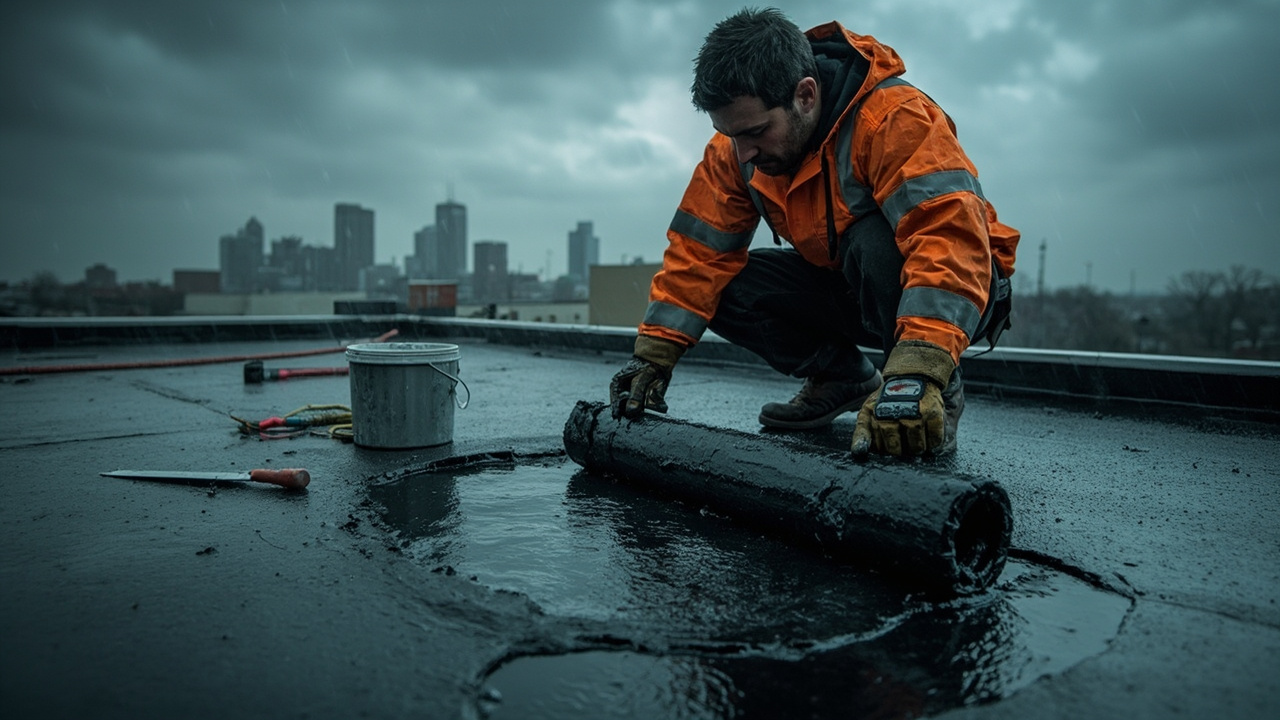
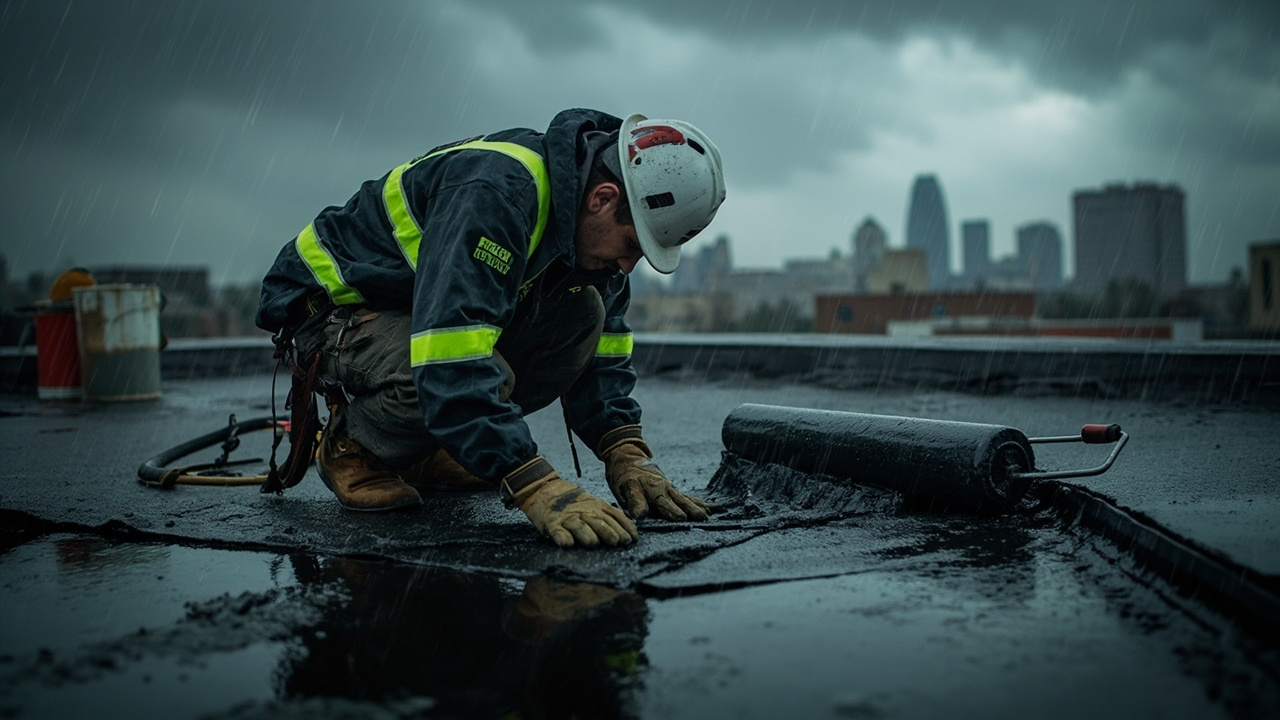
We deploy heavy-duty tarps anchored with sandbags or mechanical fasteners to create an immediate weather barrier. This stops rain from entering while we prepare the patch. For small punctures or seam failures, we use compatible patching compounds, EPDM tape, or torch-applied modified bitumen, depending on your roof type. We clean the area, remove moisture, and apply the patch with proper overlap and adhesion. For larger failures, we install temporary plywood over compromised decking and seal it with rubberized membranes.

Detroit's flat roofs are predominantly EPDM, TPO, or built-up roofing. Each system requires specific materials and techniques. EPDM repairs use peel-and-stick patches or liquid adhesive. TPO requires heat welding. Built-up roofing needs hot asphalt or cold-applied mastics. We carry all materials on our emergency trucks.

Immediate flat roof leak fix work includes clearing drains and scuppers. Blocked drainage creates ponding, which accelerates leaks. We remove debris, flush drains, and ensure water flows off the roof. This single step prevents future failures and extends the life of the emergency patch.

What Happens When You Call for Emergency Flat Roof Patching

Emergency Flat Roof Patching in Detroit – 24/7 Dispatch with Crews On-Site in 60 Minutes
01

Dispatch and Arrival

You call our emergency line and speak with a dispatcher who logs your address, describes the damage, and confirms safe roof access. We dispatch the nearest crew with a fully stocked truck. You receive an ETA, typically within 60 minutes for Detroit metro locations. Our crews carry ladders, safety harnesses, tarps, patching materials, and moisture meters. We arrive ready to work, day or night, regardless of weather conditions.
02

Leak Containment and Repair

We access the roof, locate the breach, and install tarps or emergency patches to stop water infiltration. We clear standing water, check for compromised decking, and apply the appropriate patch material for your roof type. We test the repair by inspecting from below and confirming no active leaks. If insulation is saturated, we document the damage for insurance purposes. Our goal is to stabilize the roof and protect your interior from further harm.
03

Assessment and Next Steps

Once the leak is stopped, we photograph the damage, measure the affected area, and provide a written assessment. We explain whether you need a permanent repair, a section replacement, or a full roof replacement. You receive a detailed estimate and timeline. We coordinate with your insurance adjuster if needed. The emergency patch keeps you dry while you decide on the long-term solution. We schedule follow-up inspections to ensure the patch holds.

Why Detroit Property Owners Trust Peak Roofing Detroit for Urgent Flat Roof Repairs

Detroit has more flat roofs per capita than most Midwest cities. Industrial buildings, warehouses, and commercial blocks dominate the landscape, and residential bungalows with flat or low-slope roofs fill neighborhoods like Brightmoor and Rosedale Park. These roofs take a beating from lake-effect snow, ice dams, and summer thunderstorms rolling off Lake St. Clair. When they fail, you need a contractor who understands Detroit's building stock and can respond immediately.

Peak Roofing Detroit has been patching flat roofs in this city for years. We know the common failure points on Detroit's older EPDM roofs and the typical lifespan of TPO membranes installed in the early 2000s. We understand how Detroit's clay soil shifts foundations, causing parapet walls to pull away from roof edges and create gaps where water enters. We have repaired roofs on century-old brick buildings in Downtown and modern steel structures in New Center.

Our emergency crews are local. We live in Detroit, we know the streets, and we get to you faster than regional contractors dispatching from the suburbs. We operate 24/7 because flat roof leaks do not happen during business hours. We answer the phone at 2 a.m. on Sunday and dispatch a crew without hesitation.

We also work with Detroit's building codes and inspection requirements. If your emergency repair requires a permit or inspection, we handle the paperwork. We document everything for insurance claims, providing photos, moisture readings, and detailed reports. You get a professional response that protects your property and your financial interests.

What to Expect When You Call Peak Roofing Detroit for Emergency Flat Roof Patching

Response Time and Availability

We operate 24 hours a day, 365 days a year. When you call, you speak with a live person who dispatches a crew immediately. Our average response time for Detroit metro addresses is 60 minutes. We prioritize commercial emergencies where inventory or equipment is at risk, but we respond to all calls with equal urgency. You will receive a call from the crew leader en route with an updated ETA. We do not make you wait until morning. We arrive when you need us, stop the leak, and secure your property before water causes more damage.

On-Site Assessment and Diagnosis

Our crew inspects the entire roof, not just the visible leak. We use moisture meters to detect hidden water in insulation and decking. We check seams, flashing, penetrations, drains, and parapet walls. We trace water stains to their source, which is often several feet away from where you see dripping. We explain what failed, why it failed, and what needs to happen next. You get a verbal report on-site and a written summary within 24 hours. We take photos and measurements for your records. You understand the full scope of the problem before we leave.

Quality of the Emergency Patch

Emergency patches are designed to last until you can schedule a permanent repair. We use professional-grade materials matched to your roof type. EPDM patches are fully adhered with lap sealant. TPO patches are heat-welded for watertight bonds. Built-up roof patches use hot asphalt or cold-applied mastics with reinforced fabric. We do not slap tar on the problem and call it fixed. Our patches hold through Detroit winters and summer storms. You can operate your building without fear of re-leaking. The patch buys you time to plan and budget for the right long-term solution.

Follow-Up and Permanent Repair Planning

After the emergency is stabilized, we schedule a follow-up inspection to assess the patch and discuss permanent repairs. We provide a detailed estimate for section replacement or full roof restoration, depending on the age and condition of your roof. We work with insurance adjusters to document the damage and support your claim. If you choose Peak Roofing Detroit for the permanent repair, we credit the emergency service fee toward the total project cost. We stay in communication and ensure you have a dry, functional roof throughout the process. You are not left wondering what comes next.

Frequently Asked Questions

You Have Questions,
We Have Answers

How to temporarily patch a flat roof? +

Clean the damaged area and remove all debris or standing water. Cut a piece of roofing fabric or mesh larger than the damaged section. Apply roofing cement around the leak, press the fabric into the wet cement, then coat the entire patch with another layer of roofing cement. Smooth it out and extend the cement 4-6 inches beyond the patch edges. This works as a temporary fix during Detroit's unpredictable weather, but you need professional repair before winter freeze-thaw cycles worsen the damage. Call a local roofer within 24-48 hours.

How to repair a flat roof without replacing it? +

You can repair a flat roof through targeted patching, seam reinforcement, or applying a roof coating system. For localized damage, contractors remove the compromised membrane section, inspect the substrate, and install a new membrane layer with proper adhesive and flashing. For widespread surface wear common in Detroit's harsh winters, elastomeric or silicone coatings restore waterproofing without full replacement. The key is catching damage early. Once water penetrates the insulation or decking, partial repairs fail and full replacement becomes necessary.

How to temporarily cover a flat roof? +

Use a heavy-duty waterproof tarp secured with sandbags or weights around all edges. Never nail or screw through healthy membrane, you will create new leak points. For larger areas, overlap multiple tarps by at least 12 inches and face the overlap downslope. In Detroit's wind conditions, especially during spring storms, secure tarps every 3-4 feet. This buys you 24-72 hours maximum. Standing water will pool under loose tarps and cause more damage. Get emergency roofing service scheduled immediately.

What is the best way to repair a leaking flat roof? +

Locate the exact leak source by checking seams, penetrations, and low spots where water pools. Remove wet insulation if accessible. Apply a two-part repair system with primer, fabric reinforcement, and topcoat sealant compatible with your existing membrane type (EPDM, TPO, or modified bitumen). In Detroit, moisture trapped under patches freezes and expands, causing future failures. Professional repairs include proper drainage assessment to prevent recurring leaks. For active leaks during rain, emergency patching with roofing cement stops water intrusion until permanent repair.

Does flex seal really work on roofs? +

Flex Seal works as a very short-term emergency patch on small punctures or cracks, but it fails quickly on flat roofs exposed to Detroit's temperature extremes. It does not bond well to dirty or wet surfaces, and standing water degrades the seal within weeks. It is not compatible with EPDM or TPO membranes and can void warranties. Use it only to stop active dripping until a professional arrives. For reliable flat roof repair, you need membrane-specific adhesives and proper surface prep that Flex Seal cannot provide.

How can I temporarily cover a hole in my roof? +

Cover the hole from inside with plywood or sheet metal screwed into surrounding rafters to stop immediate water entry. From the exterior, apply a double layer of roofing cement around the hole, press roofing fabric into it, then cover with more cement extending 6 inches past the damage. Place a weighted tarp over the patch if rain continues. In Detroit's humidity, interior moisture still enters through gaps, so this only buys you 24-48 hours. Schedule emergency repair immediately because holes allow insulation to absorb water and promote mold growth.

What is the average cost to repair a flat roof? +

Flat roof repairs in Detroit range from minor patches to extensive membrane replacement depending on damage scope. Small leak repairs and patching typically cost less than coating applications for surface restoration. Full membrane replacement for sections represents the higher end. Costs vary based on roof accessibility, membrane type (EPDM, TPO, modified bitumen), and extent of substrate damage from freeze-thaw cycles. Insurance may cover storm damage. Get multiple quotes and ask about warranty coverage. Avoid contractors who quote without roof inspection.

Is flat roof repair covered by insurance? +

Insurance covers flat roof repair if damage results from a covered peril like wind, hail, falling objects, or sudden events. Gradual wear, neglect, or maintenance failures are excluded. In Detroit, storm damage from high winds or ice damming qualifies for coverage. Document damage with photos immediately and file claims within your policy timeframe. Adjusters often undervalue flat roof claims, so get your own contractor estimate. Emergency tarping is usually covered to prevent additional damage. Review your policy deductible and depreciation clauses before filing.

Can I apply roof Maxx myself? +

Roof Maxx requires professional application because improper spray technique leads to uneven coverage and product waste. The soy-based treatment penetrates asphalt shingles to restore flexibility, but it does not work on flat roofing membranes like EPDM, TPO, or modified bitumen. Flat roofs use different materials that need membrane-specific treatments. DIY application on any roof voids the manufacturer's warranty and creates liability issues. If you have a flat roof in Detroit, focus on proper maintenance and professional coating systems designed for commercial membrane systems.

Is rubber or felt better for a flat roof? +

Rubber (EPDM) outperforms felt on flat roofs in Detroit's climate. EPDM handles freeze-thaw cycles better, lasts 20-30 years, and resists ponding water. Felt (organic or fiberglass) degrades faster in moisture and requires more frequent replacement. TPO and PVC (both rubber-based) offer superior durability and energy efficiency. Modified bitumen (rubberized felt hybrid) provides middle-ground performance. Your choice depends on budget and building use. Residential flat roofs benefit from EPDM's cost-effectiveness. Commercial buildings often choose TPO for reflectivity and longevity. Avoid standard felt for any flat application.

How Detroit's Freeze-Thaw Cycles Accelerate Flat Roof Failures

Detroit experiences an average of 40 freeze-thaw cycles per winter, one of the highest rates in the Midwest. Water infiltrates small cracks or seams in flat roof membranes, freezes overnight, expands, and widens the gap. The next day, it thaws and drips into your building. This cycle repeats all winter, turning a minor seam failure into a catastrophic leak by March. EPDM roofs over 15 years old are especially vulnerable because the rubber loses elasticity and cannot flex with temperature swings. Emergency flat roof patching stops the cycle and prevents ice dams from forming at roof edges.

Detroit's commercial and residential flat roofs are subject to city building codes that require specific drainage standards and fire ratings. When we perform emergency repairs, we ensure compliance with Detroit's regulations, so your patch does not create a code violation. We understand the permitting process for emergency work and can expedite inspections if required. Local contractors know the inspectors, the common issues, and how to navigate city requirements. You get a repair that passes scrutiny and protects your building legally and physically.
Roofing Services in The Detroit Area

Our local headquarters are strategically located to efficiently serve all of Detroit and the surrounding areas. We invite you to view our service region and location on the map. As a trusted local contractor, we are never far from your neighborhood and are committed to providing quick, reliable, and convenient service wherever you are within the metropolitan area.

Address:
Peak Roofing Detroit, 19549 Gilmore St, Reseda, CA, 91335

Additional Services We Offer

Our news updates

Latest Articles & News from The Blogs

How to Hire a Detroit Roofer Who Won’t Disappear Halfway Through the Job \n\n Detroit homeowners face a unique challenge…

How to Hire a Detroit Roofer Who Won't Disappear Halfway Through the Job

How to Hire a Detroit Roofer Who Won’t Disappear Halfway Through the Job \n\n Detroit homeowners face a unique challenge…

What Happens to Your Home Value if You Sell with an Old Roof in Detroit?

What Happens to Your Home Value if You Sell with an Old Roof in Detroit? Selling a house with an…

Best Roofing Styles to Match a Colonial Home in Grosse Pointe

Best Roofing Styles to Match a Colonial Home in Grosse Pointe Colonial homes in Grosse Pointe demand roofing that honors…

Contact Us

Your flat roof is leaking and every minute counts. Call Peak Roofing Detroit at (313) 604-2233 for immediate dispatch. Our emergency crews are standing by 24/7 to stop water damage and secure your property. Do not wait until morning. Call now.