
menu

Built-Up Roofing in Detroit – Protecting Business Continuity with Industrial-Grade Multi-Ply Systems

Peak Roofing Detroit delivers proven BUR roofing systems engineered for Detroit's freeze-thaw cycles and commercial demands, minimizing downtime and extending roof lifespan through precision installation and code-compliant construction.

Slider Image 1
Slider Image 2
Slider Image 3
Slider Image 4
Slider Image 5
Slider Image 7
Slider Image 8
Slider Image 9
Slider Image 10
Slider Image 11

Why Detroit Commercial Buildings Demand Built-Up Roofing Systems

Detroit's commercial real estate faces operational challenges most other markets do not. The combination of severe freeze-thaw cycling, heavy snow loads, and summer heat creates thermal expansion stress that destroys inferior roofing systems within years. A compromised roof means interrupted operations, lost inventory, liability exposure, and tenant dissatisfaction.

Built-up roofing systems solve this problem through redundancy. BUR roofing systems consist of alternating layers of bitumen and reinforcing fabric, creating a multi-ply membrane that distributes stress and resists puncture. This is not a consumer-grade solution. Tar and gravel roofing systems, the most common form of commercial built-up roofs, provide a ballasted surface that resists wind uplift and protects the waterproof membrane from UV degradation.

Detroit's industrial zones, from the New Center area to the Jefferson Avenue corridor, rely on asphalt built-up roofing to protect warehouses, manufacturing facilities, and distribution centers. These structures cannot tolerate leaks. Water infiltration damages equipment, ruins product, and triggers mold growth that violates OSHA standards.

The advantage of multi-ply roofing systems is measurable. Each layer adds redundancy. A puncture in the top ply does not mean immediate failure because three or four additional plies remain intact. This fail-safe design is why built-up roofing dominates commercial applications across the greater Detroit metro. If your building operates year-round and cannot afford downtime, you need a roof system engineered for durability, not cost cutting.

Why Detroit Commercial Buildings Demand Built-Up Roofing Systems
How Peak Roofing Detroit Engineers Built-Up Roofing for Maximum Lifespan

How Peak Roofing Detroit Engineers Built-Up Roofing for Maximum Lifespan

We do not install generic tar and gravel systems. Our approach begins with substrate evaluation. Detroit's older commercial buildings often feature deteriorated roof decks, inadequate drainage slopes, or compromised insulation layers. Installing a new BUR system over a failing substrate guarantees premature failure.

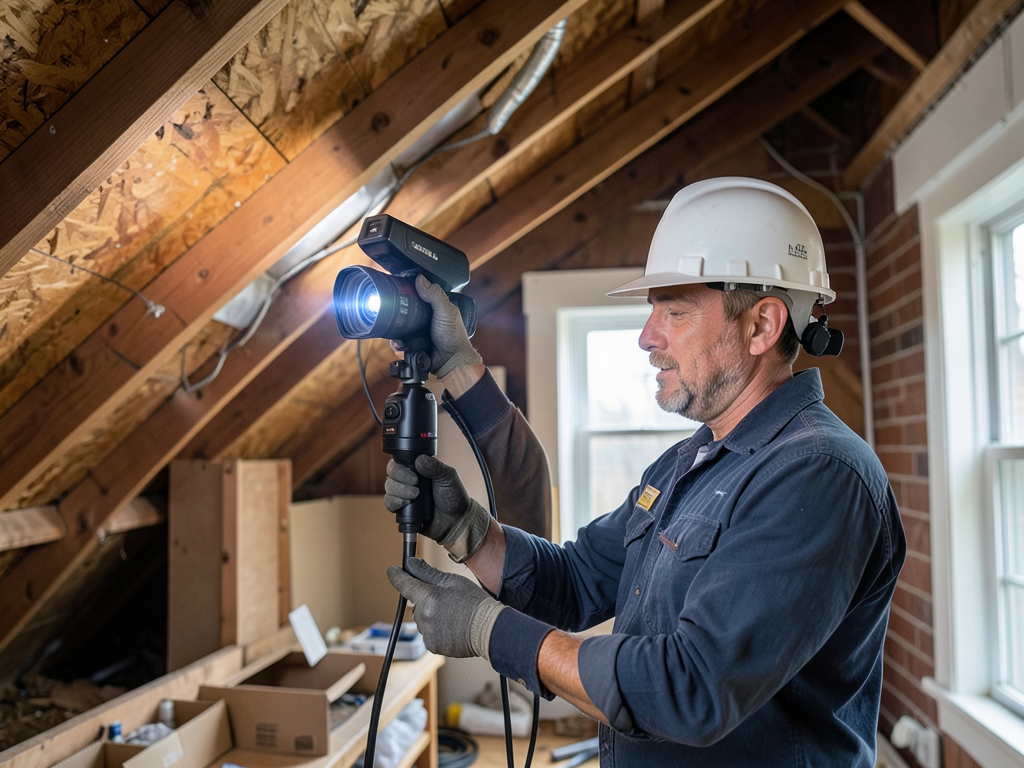
We conduct infrared moisture scanning to identify trapped water in the existing roof assembly. Wet insulation reduces R-value and accelerates deck rot. We remove compromised sections and install new rigid insulation boards with tapered crickets to eliminate ponding water. Proper drainage is non-negotiable in Detroit's climate.

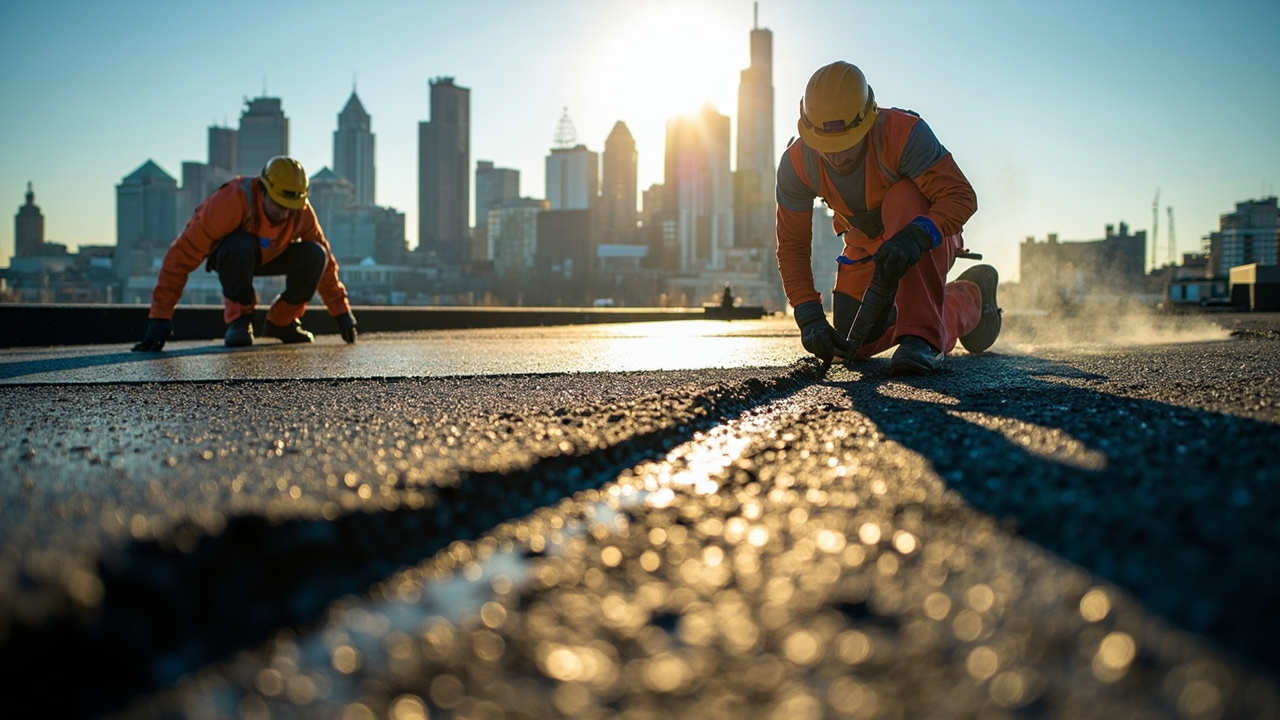
The membrane application follows strict protocol. We heat-apply multiple layers of Type IV asphalt between reinforcing plies of fiberglass or organic felt. Each ply is mopped in hot asphalt to create a monolithic waterproof barrier. The number of plies depends on your building's use, traffic loads, and warranty requirements. A standard three-ply system works for low-traffic applications. High-traffic rooftops with HVAC equipment require four or five plies for puncture resistance.

The flood coat and aggregate finish is where quality separates contractors. We apply a thick flood coat of asphalt and embed 400 pounds of gravel per square. This ballast layer protects the membrane from UV radiation and provides Class A fire rating. The aggregate also reflects heat, reducing your cooling costs during Detroit's summer months.

We coordinate installation to minimize business disruption. Odor control matters in occupied buildings. We schedule hot asphalt work during off-hours when possible and use ventilation barriers to isolate fumes from tenant spaces.

How We Deliver Built-Up Roofing for Detroit Commercial Properties

Built-Up Roofing in Detroit – Protecting Business Continuity with Industrial-Grade Multi-Ply Systems
01

Comprehensive Roof Assessment

We begin with a detailed roof inspection that includes core sampling to evaluate the existing deck, insulation, and membrane layers. Infrared thermography identifies moisture intrusion invisible to visual inspection. We measure drainage slopes and document penetrations, parapets, and flashing conditions. You receive a detailed report with photos and recommendations before any work begins. This diagnostic phase prevents cost overruns and ensures we address underlying structural issues that compromise roof performance.
02

Precision Multi-Ply Installation

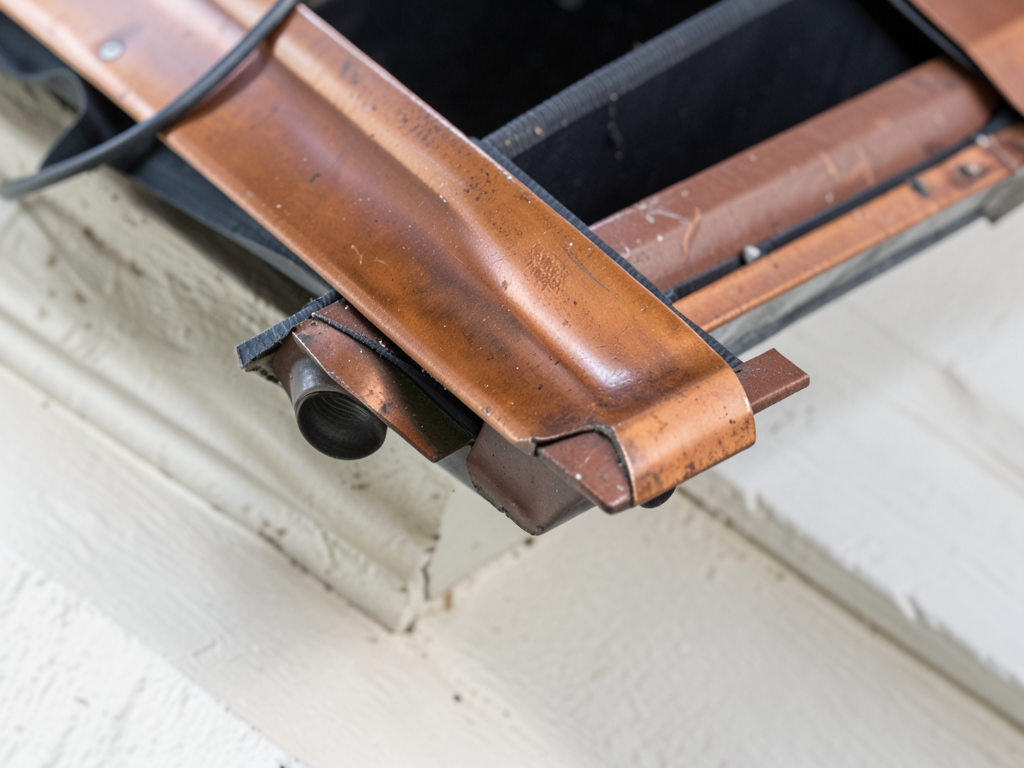
Our crews install each ply using hot-mopped asphalt at precise temperatures to ensure proper adhesion between layers. We stagger seams between plies to eliminate weak points. All penetrations receive custom-fabricated metal flashing installed before membrane application. Edge details, drains, and expansion joints follow NRCA guidelines. We work in sections to maintain weather protection if rain interrupts installation. Quality control inspections occur at each stage. You get a roof system engineered for Detroit's thermal cycling, not a generic installation.
03

Final Ballasting and Inspection

After the final membrane ply cures, we apply the flood coat and embed gravel aggregate while the asphalt remains tacky. This creates a mechanical bond that resists wind scour. We inspect all flashings, verify proper drainage, and conduct a final walk-through with your facility manager. You receive installation documentation, thermal images showing complete coverage, and maintenance guidelines. The roof is ready for equipment loads and foot traffic immediately. Our follow-up inspection at six months verifies performance through a full seasonal cycle.

Why Detroit Facility Managers Choose Peak Roofing Detroit

Commercial roofing is not a retail transaction. You need a contractor who understands Detroit's building codes, union labor requirements, and the operational constraints of occupied facilities. We have installed built-up roofing systems on industrial buildings throughout Wayne County, from auto supplier plants in Dearborn to cold storage facilities along I-94.

Detroit's architectural diversity presents unique challenges. The historic industrial buildings in Corktown and Eastern Market feature heavy timber decks that require specific fastening protocols. Modern tilt-up warehouses in Romulus need different insulation strategies than masonry buildings downtown. We adapt our installation methods to your building's construction, not the other way around.

We maintain relationships with local building inspectors and understand Detroit's permitting process. This matters when you need expedited approvals for emergency roof replacement. We also coordinate with your insurance carrier if storm damage triggered the replacement. Proper documentation and code compliance protect your claim settlement.

Our crews are experienced in occupied building protocols. We stage materials to avoid blocking loading docks, schedule noisy work during your off-hours, and maintain fall protection barriers that comply with MIOSHA regulations. If you operate a 24/7 facility, we work in phases to keep your operations running.

Detroit's commercial real estate market demands durability. Property owners and facility managers choose built-up roofing because the track record speaks for itself. Properly installed BUR systems in this region routinely exceed 25 years of service life. That longevity translates to lower lifecycle costs and fewer operational disruptions.

What to Expect When You Choose Built-Up Roofing

Project Timeline and Scheduling

Built-up roofing installation requires favorable weather conditions because asphalt application demands dry substrates and temperatures above 40 degrees. Detroit's weather window runs from late April through October for optimal results. A typical 20,000-square-foot commercial roof takes two to three weeks from tear-off to completion, depending on the number of plies and complexity of penetrations. We provide a detailed schedule before work begins and update you daily on progress. Emergency repairs can often be completed within 48 hours to restore weather protection and minimize business interruption.

Initial Site Evaluation Process

Our assessment goes beyond surface inspection. We access the roof deck from below when possible to check for structural damage, sagging, or rot. Core samples reveal the condition of insulation layers and whether moisture has compromised the assembly. We evaluate your HVAC equipment layout and plan membrane details around rooftop units, exhaust fans, and pipe penetrations. You receive a written scope of work that identifies all required repairs, recommended upgrades, and code compliance items. This eliminates surprises during installation. We also coordinate with your maintenance team to understand drainage issues, leak history, and any operational concerns.

Quality of Finished Installation

A properly installed built-up roof is immediately apparent. The gravel surface should be uniform with no exposed asphalt. Flashing details should be crisp, with metal counterflashing fully secured and lapped correctly. Drains should be clean and properly clamped to the membrane. You should see no ponding water 48 hours after rain. The roof should feel solid underfoot with no soft spots or spongy areas. We provide photo documentation of all critical details including membrane tie-ins, penetration flashings, and edge terminations. Your roof will meet or exceed Michigan Building Code requirements for wind uplift resistance and fire rating.

Maintenance and Service Plans

Built-up roofing requires minimal maintenance but benefits from annual inspections. We offer preventive maintenance agreements that include spring and fall inspections, drain cleaning, minor flashing repairs, and gravel redistribution. Early detection of small problems prevents expensive emergency repairs. We document roof conditions with photos and provide a written report after each visit. If storm damage occurs, we respond within 24 hours to assess damage and perform emergency repairs. Our maintenance records also support insurance claims and demonstrate proper care if warranty issues arise. Regular maintenance extends roof lifespan and protects your investment.

Frequently Asked Questions

You Have Questions,
We Have Answers

What does built-up roofing mean? +

Built-up roofing (BUR) is a multi-layer flat or low-slope roofing system constructed with alternating layers of bitumen (asphalt or coal tar) and reinforcing fabrics called felts. Contractors apply these layers hot, building up thickness and redundancy. The system finishes with a protective top layer, often gravel or a mineral cap sheet. BUR provides excellent waterproofing through its redundant layers, making it ideal for commercial properties in Detroit where freeze-thaw cycles and heavy snow loads demand durability. The layered construction creates a monolithic barrier that handles ponding water better than single-ply systems.

What is another name for built up roofing? +

Built-up roofing goes by several names in the commercial roofing industry. The most common alternative is BUR, the standard acronym. You will also hear it called tar and gravel roofing, especially when finished with an aggregate surface layer. Some contractors refer to it as a bituminous roof or asphalt built-up roof, depending on the specific bitumen used. In Detroit, older building owners might still call it a hot tar roof, referencing the traditional installation method. All these terms describe the same multi-layer, bitumen-based roofing system that has protected commercial buildings for over a century.

How long does built-up roofing last? +

A properly installed built-up roof typically lasts 20 to 30 years on commercial buildings in Detroit. Lifespan depends on installation quality, maintenance frequency, and exposure conditions. Buildings with good drainage and regular inspections often exceed 25 years. Detroit's harsh freeze-thaw cycles can accelerate wear if minor issues go unaddressed. The gravel surfacing protects the underlying bitumen from UV degradation, extending service life significantly. Ponding water, common on low-slope commercial roofs, reduces longevity if drainage is poor. Regular maintenance and prompt repairs when damage occurs maximize your investment and prevent premature replacement costs.

How is a built-up roof installed? +

Installation begins with preparing the roof deck and applying a base sheet. Contractors heat bitumen in a kettle to approximately 400 degrees, then mop it onto the base layer. They immediately embed reinforcing felt into the hot bitumen before it cools. This process repeats, alternating bitumen and felt layers until reaching the specified number of plies. The final flood coat receives a gravel surfacing or mineral cap sheet for UV protection. In Detroit, contractors must work carefully during temperature extremes, as cold weather affects bitumen viscosity and adhesion. Proper application requires experienced crews to maintain consistent temperatures and ensure full adhesion between layers.

How many layers is a built-up roof? +

Built-up roofs typically contain three to five layers, though the exact number varies based on building requirements and local code. Each system includes alternating layers of bitumen and reinforcing felt. A three-ply system has three felt layers with bitumen between each. Commercial buildings in Detroit often specify four-ply systems for enhanced durability against snow loads and thermal cycling. The base sheet, intermediate plies, and cap sheet each serve specific functions. More layers provide greater redundancy and longer service life but increase material costs and installation time. Your building's use, roof slope, and traffic exposure determine the optimal layer count.

Why do insurance companies not like flat roofs? +

Insurance companies view flat roofs as higher risk because water drainage is less reliable than on pitched roofs. Ponding water accelerates membrane deterioration and increases leak probability. Flat roofs also collect more debris, ice, and snow, creating maintenance issues that lead to claims. In Detroit, heavy snow accumulation on flat commercial roofs raises structural load concerns. Insurance underwriters factor in shorter average lifespans and higher claim frequencies when pricing policies. Built-up roofing with proper drainage design and regular maintenance mitigates these concerns. Document your maintenance records and drainage improvements to negotiate better commercial property insurance rates with underwriters.

What does built-up roofing look like? +

Built-up roofing typically presents a flat, gray surface covered with gravel or aggregate stones. The gravel layer protects underlying bitumen from UV damage and provides fire resistance. Some installations use a smooth mineral cap sheet instead, creating a lighter-colored, uniform appearance. You might see small puddles after rain, normal for low-slope systems. In Detroit, older built-up roofs often show darker patches where gravel has displaced or bitumen has surfaced. The gravel should be evenly distributed without bare spots. Well-maintained systems maintain consistent surfacing coverage. From ground level, built-up roofs appear as continuous, monolithic surfaces without visible seams or fasteners.

What are the three types of roofing? +

The three primary commercial roofing categories are built-up roofing (BUR), single-ply membrane systems, and modified bitumen. Built-up roofing uses multiple layers of bitumen and felt for redundancy. Single-ply membranes include TPO, EPDM, and PVC, installed as large sheets with seamed connections. Modified bitumen combines traditional built-up methods with polymer-enhanced bitumen sheets. Each type serves different commercial applications in Detroit. Built-up roofing excels on high-traffic roofs requiring durability. Single-ply systems offer lighter weight and faster installation. Modified bitumen provides middle-ground performance. Your building's structural capacity, budget, and maintenance capabilities determine which type best suits your facility.

Is a built-up roof the same as a membrane? +

Built-up roofing is not the same as a membrane system, though both create waterproof barriers. Built-up roofs construct the membrane on-site using multiple layers of bitumen and felt, creating a thick, monolithic assembly. Single-ply membranes arrive as pre-manufactured sheets that contractors seam together. Built-up roofing builds redundancy through layering, while membranes rely on material quality and seam integrity. In Detroit's commercial market, built-up roofing offers superior puncture resistance for high-traffic applications. Membrane systems install faster with less equipment. The built-up process creates a custom-fitted system without factory seams, reducing potential leak paths compared to seamed membrane installations.

Is $30,000 too much for a roof? +

Roof replacement costs vary dramatically based on size, system type, access difficulty, and existing conditions. For commercial built-up roofing in Detroit, costs depend on square footage, required layers, drainage improvements, and insulation upgrades. A complete tear-off and disposal add expenses. Code compliance requirements for commercial properties often mandate insulation and flashing upgrades beyond basic replacement. Detroit's commercial buildings frequently require structural reinforcement assessment before installation. Without knowing your building's specifics, no single figure applies. Request detailed proposals from qualified commercial roofing contractors. Compare scope, not just price. The lowest bid often excludes necessary work, leading to change orders and budget overruns.

Why Detroit's Freeze-Thaw Cycles Make Built-Up Roofing the Smart Choice

Detroit experiences an average of 45 freeze-thaw cycles per winter, creating expansion and contraction stress that tears apart single-ply membrane systems. Water trapped in roof substrates freezes, expands, and fractures inferior roof assemblies. Built-up roofing systems handle this stress through flexibility and redundancy. The multiple plies of asphalt and reinforcing fabric absorb movement without tearing. The thick flood coat of asphalt remains pliable even in subzero temperatures, preventing brittleness that causes cracking. This is why Detroit's oldest commercial buildings still function with original BUR systems installed in the 1960s and 1970s.

Detroit's commercial building stock includes structures built before modern energy codes. Upgrading to a properly insulated built-up roofing system reduces heating costs and brings older buildings into compliance with current standards. Local contractors understand the specific challenges of working on Detroit's industrial architecture, from the heavy timber decks common in pre-war warehouses to the structural steel decks in mid-century manufacturing plants. Choosing a Detroit-based roofing contractor means working with crews who understand local code requirements and have relationships with Wayne County building inspectors who expedite permits when you need emergency repairs.
Roofing Services in The Detroit Area

Our local headquarters are strategically located to efficiently serve all of Detroit and the surrounding areas. We invite you to view our service region and location on the map. As a trusted local contractor, we are never far from your neighborhood and are committed to providing quick, reliable, and convenient service wherever you are within the metropolitan area.

Address:
Peak Roofing Detroit, 19549 Gilmore St, Reseda, CA, 91335

Additional Services We Offer

Our news updates

Latest Articles & News from The Blogs

Why Clay Tile Roofs in Grosse Pointe Park Need Specialized Maintenance\n\nClay tile roofs define the historic character of Grosse Pointe…

Why Clay Tile Roofs in Grosse Pointe Park Need Specialized Maintenance

Why Clay Tile Roofs in Grosse Pointe Park Need Specialized Maintenance\n\nClay tile roofs define the historic character of Grosse Pointe…

Is a Standing Seam Metal Roof the Right Choice for Your Grosse Pointe Farms Estate

Is a Standing Seam Metal Roof the Right Choice for Your Grosse Pointe Farms Estate Standing seam metal roofing offers…

Why Hazel Park Homeowners are Choosing Performance Shingles for Their First Houses

Why Hazel Park Homeowners are Choosing Performance Shingles for Their First Houses When Hazel Park first-time homeowners look up at…

Contact Us

Your commercial property demands a roof system engineered for Detroit's climate and your operational requirements. Call Peak Roofing Detroit at (313) 604-2233 for a comprehensive roof assessment. We will evaluate your existing system, explain your options, and provide a detailed proposal with no obligation.