menu

Commercial Roofing Contractors in Detroit – Industrial-Grade Solutions That Keep Your Operations Running

Peak Roofing Detroit delivers commercial roofing contractors equipped to handle large-scale installations, repairs, and maintenance across Detroit's industrial corridors, minimizing downtime and protecting your bottom line with code-compliant systems built for Michigan's demanding climate.

Slider Image 1
Slider Image 2
Slider Image 3
Slider Image 4
Slider Image 5
Slider Image 7
Slider Image 8
Slider Image 9
Slider Image 10
Slider Image 11

Detroit's Commercial Buildings Face Unique Roofing Challenges

Your facility cannot afford extended closures due to roof failures. Detroit's freeze-thaw cycles create expansion and contraction that stress membrane seams and flashing on flat commercial roofs. Snow loads exceed residential standards, and ice dams form at parapet walls when drainage systems fail. The city's industrial zones, from the I-94 corridor to the Dearborn manufacturing district, house aging commercial structures with outdated roofing systems that lack proper insulation and vapor barriers.

Commercial roofing companies understand that a roof failure impacts your entire operation. Water intrusion damages inventory, halts production lines, and creates liability issues. Michigan's commercial building codes require R-30 insulation minimums and specific fire ratings for different occupancy types. Many older Detroit warehouses and retail centers operate with roofs installed before these requirements took effect.

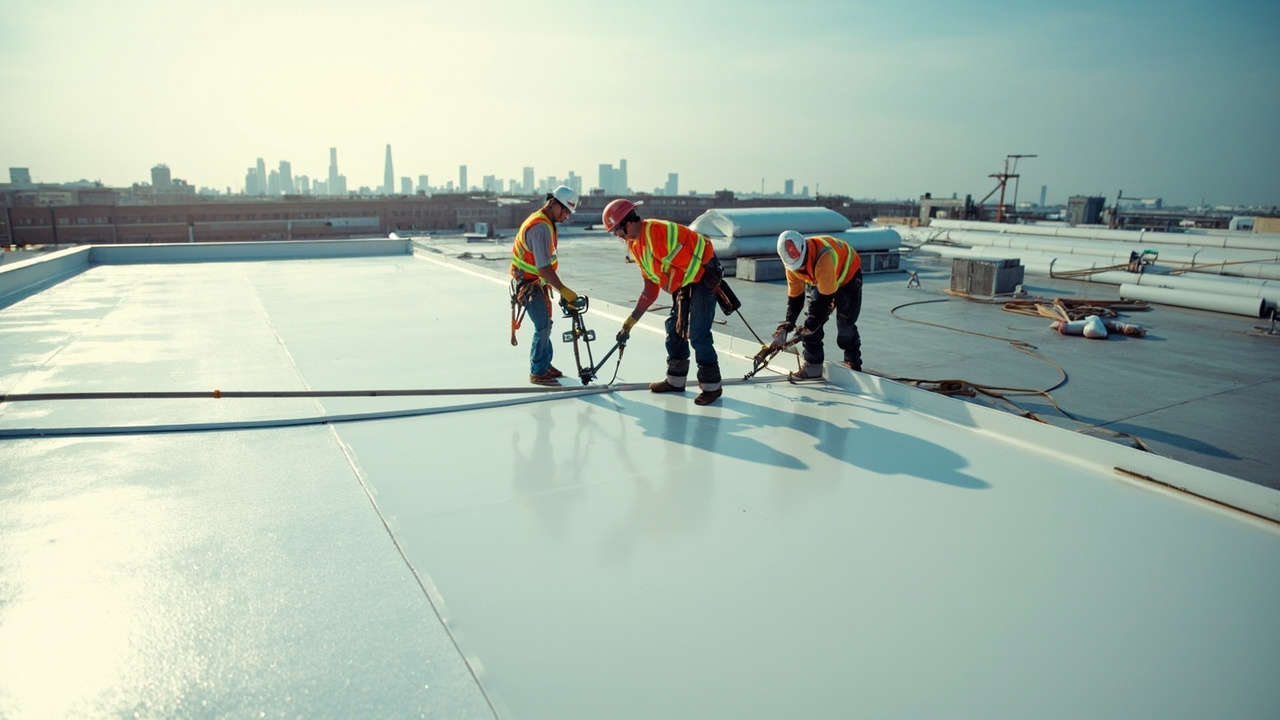
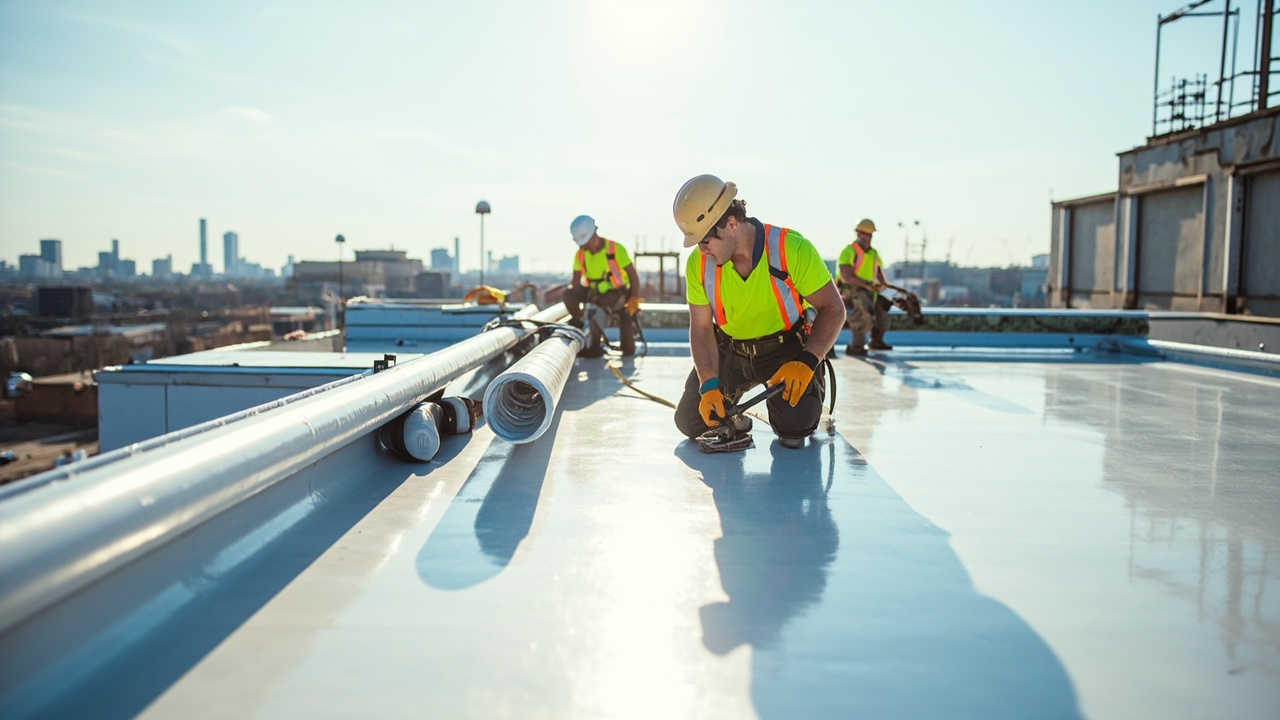
Industrial roofing contractors deal with complications residential roofers never encounter. You have HVAC units, exhaust vents, skylights, and heavy equipment creating multiple penetration points. Each penetration represents a potential leak source. Detroit's commercial roof installers must coordinate with facility managers to minimize disruption, often working overnight or in phases to keep businesses operational. Commercial roofing firms need specialized equipment like crane-mounted material lifts and hot-air welding tools for TPO and PVC membrane installation. A commercial project is not a scaled-up residential job. It requires different materials, different liability coverage, and different expertise.

Detroit's Commercial Buildings Face Unique Roofing Challenges
How Commercial Roofing Contractors Approach Large-Scale Projects

How Commercial Roofing Contractors Approach Large-Scale Projects

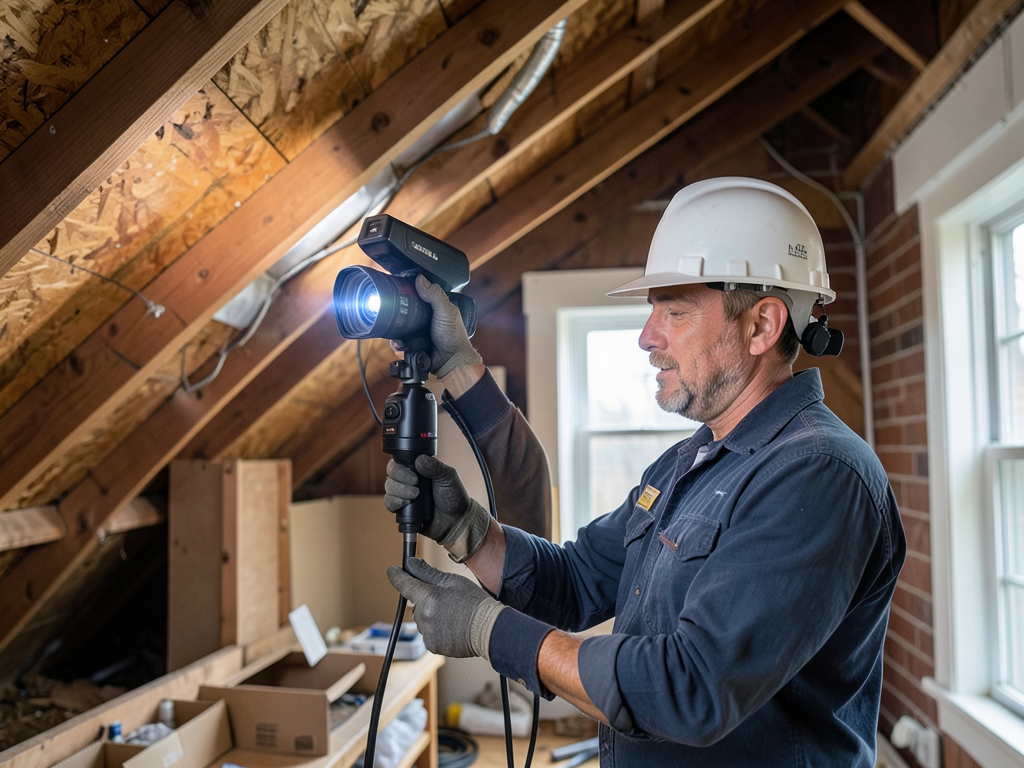
Commercial roofers start with a comprehensive roof assessment using infrared scanning to detect moisture intrusion invisible to visual inspection. This technology identifies saturated insulation before it causes structural damage. We map drainage patterns, measure membrane thickness, and evaluate parapet wall conditions. Detroit's flat commercial roofs require precise slope calculations to prevent ponding water, which degrades membranes and creates leak points.

Material selection depends on your building's use and budget constraints. TPO membranes offer heat-welded seams that create watertight bonds stronger than the membrane itself. EPDM rubber roofing provides flexibility in freeze-thaw conditions but requires careful seam tape application. Modified bitumen systems work well for high-traffic roofs where maintenance crews access HVAC equipment regularly. Metal roofing panels suit industrial facilities needing long-span coverage without seams.

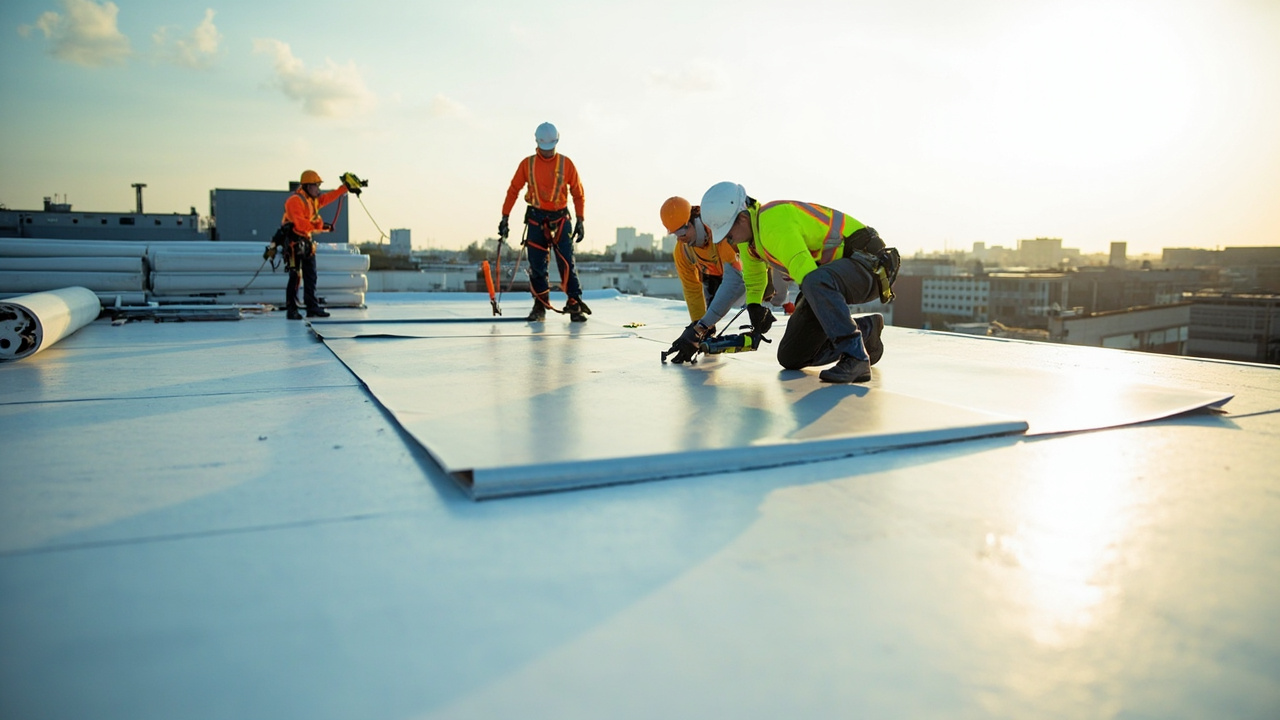
Installation requires coordination you will not find with residential crews. We stage materials to avoid overloading structural supports. Tear-offs generate debris that must be contained and removed without disrupting your operations. Commercial roof installers work with your facility managers to establish safety protocols, restrict access zones, and schedule noisy work during off-hours. We pull permits, coordinate inspections, and ensure compliance with Detroit's commercial building codes and Michigan's energy code requirements.

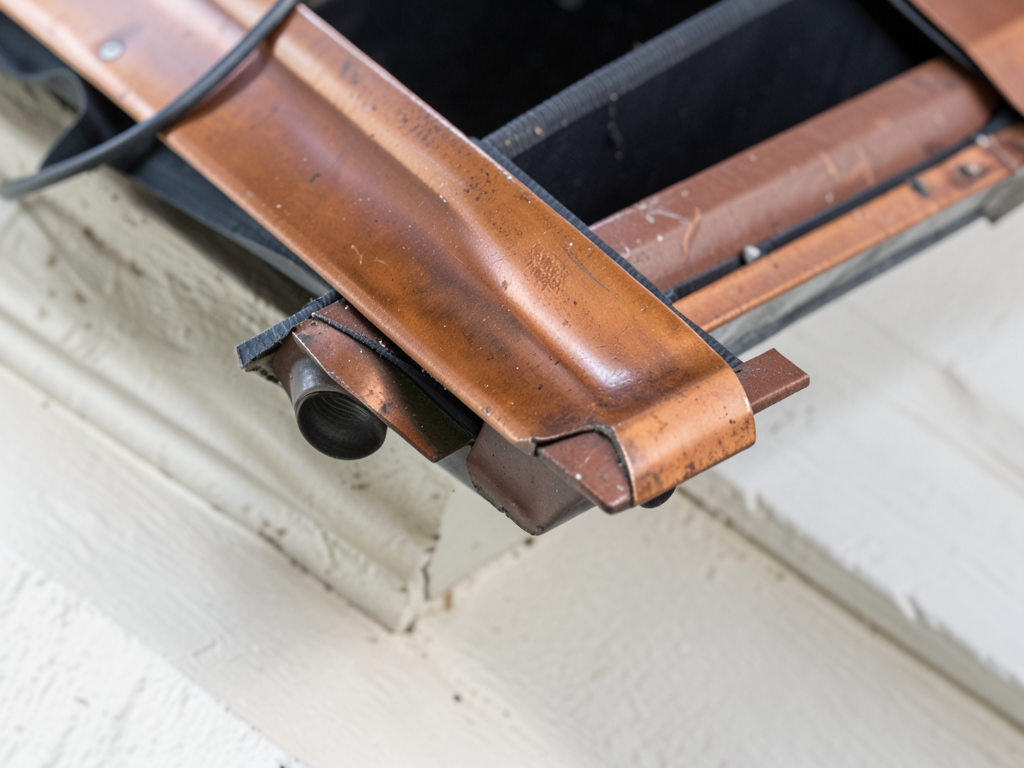
Flashing details matter more on commercial buildings. We install two-piece counterflashing systems at parapet walls, use prefabricated pipe boots for vent penetrations, and create crickets behind large HVAC units to direct water flow. These details prevent the failures that cause emergency leak calls.

What Happens During Your Commercial Roof Project

Commercial Roofing Contractors in Detroit – Industrial-Grade Solutions That Keep Your Operations Running
01

Site Assessment and Planning

We conduct a complete roof inspection using core samples to evaluate existing insulation and deck condition. Our team measures your building's square footage, documents all penetrations, and photographs current damage. You receive a detailed report outlining necessary repairs, code compliance requirements, and material options. We develop a project timeline that aligns with your operational schedule, identifying phases that can proceed without business interruption.
02

Material Staging and Installation

Materials arrive staged to match installation phases, preventing unnecessary roof loading. Our crews establish safety perimeters and protection for landscaping and entry areas. Installation proceeds according to manufacturer specifications and Detroit building code requirements. We perform daily cleanup to remove debris and maintain safe access around your facility. Quality control checks happen at each phase, with documentation provided for your records and future maintenance planning.
03

Final Inspection and Documentation

We conduct a complete walkthrough identifying any areas requiring attention before final approval. You receive as-built drawings showing all penetrations, drainage paths, and material specifications. We coordinate final inspections with Detroit's building department to secure your certificate of occupancy or compliance approval. Your maintenance team gets a care guide outlining inspection schedules and minor repairs they can handle in-house to extend roof life.

Why Detroit Businesses Choose Peak Roofing for Commercial Projects

Commercial roofing companies must carry higher liability limits and workers compensation coverage than residential contractors. Our policies protect your business from claims related to our work. We maintain relationships with commercial property insurers who trust our documentation and installation standards. When you file claims for roof damage, our detailed reports support your case.

Detroit's commercial zones span from the Renaissance Center downtown to the industrial parks in Southwest Detroit. We understand the differences between historic buildings with bow truss roof systems and modern tilt-up warehouses with bar joist construction. Each structure type requires different attachment methods and load considerations. Industrial roofing contractors who primarily work on new construction often lack experience with the retrofit challenges older Detroit buildings present.

Our crews hold OSHA 30-hour certifications required for commercial job sites. We submit daily safety reports and maintain fall protection systems that comply with Michigan OSHA requirements. You avoid liability issues that arise when contractors cut corners on safety protocols. Commercial roof installers need specialized training for hot-work permits when using torch-applied membranes or operating equipment near flammable materials.

We coordinate with your other trades. If your HVAC contractor needs to install new rooftop units, we work together to ensure proper curb installation and flashing integration. When your facility adds solar panels, we verify structural capacity and create penetration details that maintain your roof warranty. Commercial roofing firms that operate as true general contractors understand these coordination requirements prevent problems that cost you time and money.

What You Can Expect From Your Commercial Roofing Project

Project Timeline and Scheduling

Commercial projects range from three days for small retail buildings to several weeks for large industrial facilities. Weather impacts flat roof installation more than pitched roofs because membranes require specific temperature ranges for proper adhesion. We monitor forecasts and adjust schedules to avoid installing materials in conditions that compromise performance. Most commercial roofers work extended hours or weekends to minimize impact on your operations. You receive weekly progress updates and advance notice before phases that affect building access or utilities. Projects requiring crane access need street closure permits from Detroit, which we secure as part of our project management.

Initial Evaluation and Specifications

Our assessment includes structural load calculations to verify your building can support new roofing materials without reinforcement. We pull core samples to check for asbestos in older buildings, which requires special handling under Michigan environmental regulations. You receive a written specification outlining material grades, installation methods, and code compliance measures. This document becomes part of your building records for future property transactions or insurance underwriting. Commercial roof installers provide multiple options at different price points, explaining the lifespan and maintenance implications of each choice. We identify whether your existing roof can accept a recover or requires complete tear-off based on Detroit's two-layer maximum rule.

Quality and Performance Standards

Commercial roofing systems installed to manufacturer specifications qualify for extended material warranties covering membrane defects. Installation warranties cover workmanship issues like improper flashing or inadequate fastener patterns. Your roof receives a final water test or electronic leak detection scan before project completion. We provide maintenance protocols outlining quarterly inspections and minor repairs that prevent small issues from becoming major failures. Detroit's commercial buildings benefit from planned maintenance contracts that include biannual inspections, drain cleaning, and emergency repair response. Proper maintenance extends roof life by identifying problems during their early stages when repairs cost less than full replacements.

Ongoing Support and Maintenance

We maintain service records for every commercial client, tracking repair history and maintenance activities. This documentation helps you budget for future capital improvements and supports insurance claims. Emergency leak response gets priority scheduling because we understand business interruption costs exceed repair costs. Our maintenance plans include spring and fall inspections timed around Detroit's seasonal weather changes. We check membrane condition, clear drains before heavy rain seasons, and verify flashing integrity before winter freeze-thaw cycles begin. Commercial roofing firms that offer maintenance programs help you avoid emergency situations that disrupt operations and create liability issues with employees or customers.

Frequently Asked Questions

You Have Questions,
We Have Answers

Why Detroit's Industrial Climate Demands Specialized Commercial Roofing Contractors

Detroit experiences temperature swings exceeding 100 degrees between summer highs and winter lows. This expansion and contraction cycle stresses commercial roofing membranes more than climates with moderate temperatures. The city's location on the Detroit River creates high humidity that promotes condensation inside buildings with inadequate vapor barriers. Industrial facilities generate internal moisture from manufacturing processes, creating conditions where improper insulation leads to structural rot. Commercial roofing companies serving Detroit must understand these climate-specific challenges and specify systems that handle thermal movement and moisture control. Many national contractors use specifications developed for different climates that fail prematurely in Michigan's conditions.

Detroit's Building Safety Engineering and Environmental Department enforces commercial building codes specific to the city's needs. Industrial roofing contractors working in Detroit need familiarity with local permit requirements and inspection procedures that differ from surrounding municipalities. The city's commercial districts include historic buildings requiring preservation board approval for exterior modifications. We maintain relationships with local inspectors and understand Detroit's interpretation of Michigan's building code amendments. Commercial roof installers from outside the region often encounter delays because they lack this local knowledge, extending your project timeline and potentially violating lease requirements or loan covenants tied to project completion dates.
Roofing Services in The Detroit Area

Our local headquarters are strategically located to efficiently serve all of Detroit and the surrounding areas. We invite you to view our service region and location on the map. As a trusted local contractor, we are never far from your neighborhood and are committed to providing quick, reliable, and convenient service wherever you are within the metropolitan area.

Address:
Peak Roofing Detroit, 19549 Gilmore St, Reseda, CA, 91335

Additional Services We Offer

Our news updates

Latest Articles & News from The Blogs

Why Clay Tile Roofs in Grosse Pointe Park Need Specialized Maintenance\n\nClay tile roofs define the historic character of Grosse Pointe…

Why Clay Tile Roofs in Grosse Pointe Park Need Specialized Maintenance

Why Clay Tile Roofs in Grosse Pointe Park Need Specialized Maintenance\n\nClay tile roofs define the historic character of Grosse Pointe…

Is a Standing Seam Metal Roof the Right Choice for Your Grosse Pointe Farms Estate

Is a Standing Seam Metal Roof the Right Choice for Your Grosse Pointe Farms Estate Standing seam metal roofing offers…

Why Hazel Park Homeowners are Choosing Performance Shingles for Their First Houses

Why Hazel Park Homeowners are Choosing Performance Shingles for Their First Houses When Hazel Park first-time homeowners look up at…

Contact Us

Call Peak Roofing Detroit at (313) 604-2233 for a comprehensive commercial roof assessment. We provide detailed specifications, project timelines, and pricing within 48 hours. Our commercial roofing contractors handle projects from small retail buildings to large industrial facilities across Detroit.