menu

Flat Roofing Services in Detroit – Built to Survive Freeze-Thaw Cycles and Industrial Wear

Peak Roofing Detroit delivers flat roofing services engineered for Detroit's brutal winters, thermal expansion, and ponding water risks. We install and restore low slope roofing systems that protect commercial properties, industrial facilities, and multi-family buildings across Wayne County.

Slider Image 1
Slider Image 2
Slider Image 3
Slider Image 4
Slider Image 5
Slider Image 7
Slider Image 8
Slider Image 9
Slider Image 10
Slider Image 11

Why Flat Roofs Fail Faster in Detroit's Climate

Detroit's freeze-thaw cycles destroy flat roofs faster than almost any other climate condition. Water pools on low slope roofing systems during fall and spring rains. When temperatures drop below freezing at night, that water expands and cracks membrane seams, splits flashings, and tears through aged materials. By morning, you have ice dams. By spring, you have leaks.

The temperature swings from January to July create constant thermal expansion and contraction. Flat roofing materials expand in summer heat and contract in winter cold. This movement weakens fasteners, opens seams, and creates stress points at parapet walls and penetrations. Most flat roof contractors do not account for this movement during installation. The result is premature failure.

Detroit's industrial zones add another layer of stress. Chemical exhaust, particulate buildup, and HVAC condensation accelerate membrane degradation. Factories in River Rouge and manufacturing facilities along Eight Mile Road experience roof wear patterns that do not exist in other parts of the state. Ponding water sits for days after storms because drains clog with debris. That standing water saturates insulation, rots wood decking, and breeds mold in ceiling cavities.

Flat roofing companies that use generic installation methods for Detroit buildings set you up for expensive repairs within five years. You need flat roof specialists who understand local building codes, snow load requirements, and drainage design for Michigan weather. Flat roofing solutions must be engineered for this specific environment or they will fail.

Why Flat Roofs Fail Faster in Detroit's Climate
How We Install and Restore Flat Roofing Systems

How We Install and Restore Flat Roofing Systems

We start every flat roofing project with a drainage analysis. Water must move off your roof within 48 hours to prevent structural damage. We map slope angles, identify ponding zones, and calculate drain capacity based on Detroit's average rainfall data. If your existing drainage system cannot handle a two-inch rain event, we redesign it before installing new membranes.

Membrane selection depends on your building use and exposure. TPO membranes work well for warehouses and light industrial buildings because they reflect heat and resist punctures. EPDM rubber membranes perform better on buildings with heavy foot traffic or rooftop HVAC units. Modified bitumen systems provide the best adhesion for buildings near the Detroit River where wind uplift is a constant threat. We do not install PVC membranes in areas with high chemical exposure because plasticizers break down under industrial exhaust.

Insulation thickness must meet Michigan's R-30 energy code minimum, but we recommend R-38 for commercial buildings in Detroit. The added thickness reduces thermal bridging through metal decking and cuts heating costs by 15 to 20 percent. We install insulation in two layers with staggered seams to eliminate thermal gaps. Fastener patterns follow wind zone maps for Wayne County, with increased density at roof edges and corners where wind pressure peaks.

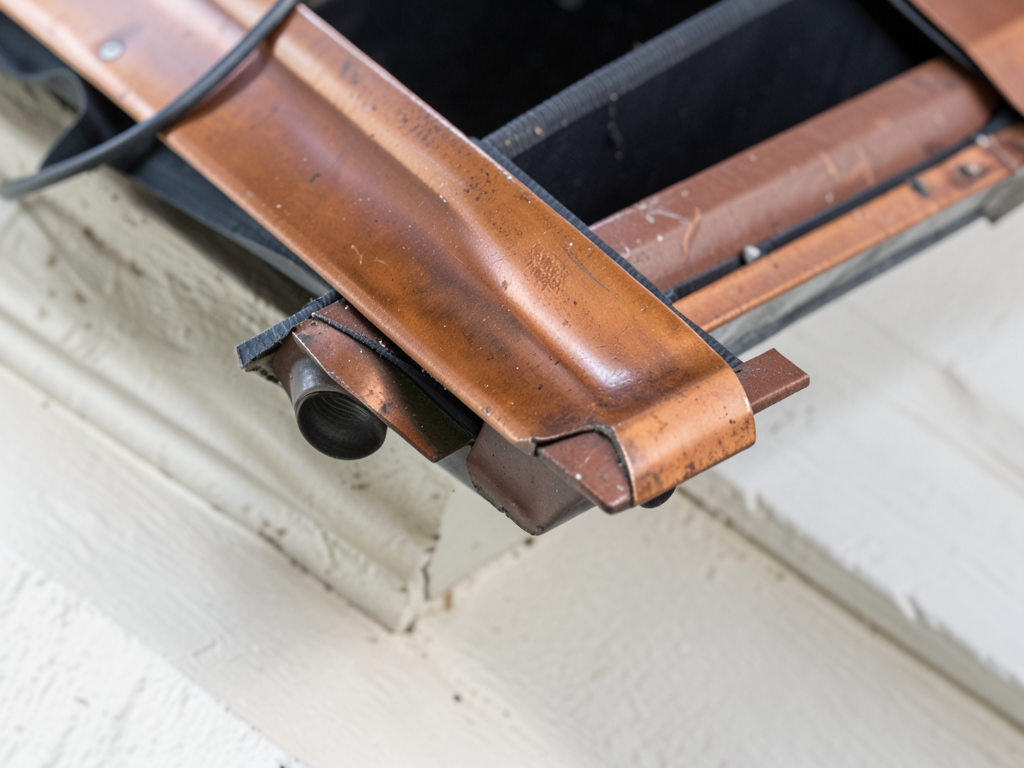
Flashing details make or break flat roof performance. We use pre-formed metal flashings at parapet walls, not field-bent aluminum that cracks at the fold line. Pipe penetrations get two-piece boot systems with compression rings. Expansion joints get custom metal covers that allow for three inches of movement in each direction. These details cost more upfront but eliminate 90 percent of future leak points.

What Happens During Your Flat Roof Installation

Flat Roofing Services in Detroit – Built to Survive Freeze-Thaw Cycles and Industrial Wear
01

Pre-Installation Roof Survey

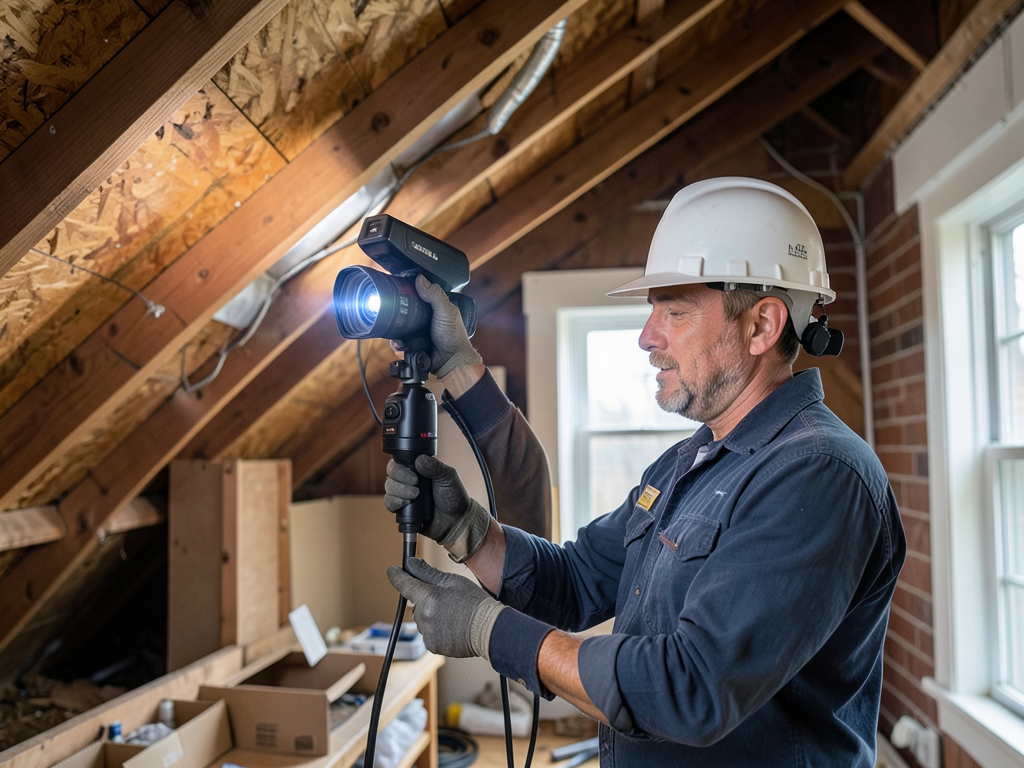
We conduct a structural assessment before any tear-off begins. Our team inspects the existing roof deck for soft spots, checks parapet walls for stability, and photographs all penetrations. We pull core samples to verify insulation condition and test for moisture trapped in the substrate. This survey identifies hidden problems that would compromise your new roof system and allows us to order the correct materials before the crew arrives.
02

Controlled Tear-Off and Deck Prep

We section the roof into workable zones and tear off only what we can weatherproof in one day. Damaged decking gets replaced with 5/8-inch DensDeck or plywood depending on structural requirements. We vacuum debris continuously to prevent material from entering HVAC intakes or blocking drains. All vertical surfaces get cleaned and primed before flashing installation. This controlled approach keeps your building protected and minimizes business disruption.
03

Final Inspection and Testing

After membrane installation, we flood-test all drains and low points to verify water flow. Seams get probed with an electronic leak detector to confirm proper adhesion. We photograph every flashing detail and document fastener patterns for your warranty records. You receive a roof plan showing all penetrations, drain locations, and access points. This documentation proves code compliance and provides a reference for future maintenance or repairs.

Why Detroit Property Owners Choose Peak Roofing Detroit

We have installed and repaired flat roofing systems across Detroit for over 15 years. Our crews know how to work around active manufacturing operations in Hamtramck and Highland Park without disrupting production schedules. We understand Detroit's commercial building codes and have worked with the city's building department on hundreds of permit applications. That familiarity speeds up approval times and prevents installation delays.

Detroit's architecture requires specialized knowledge. The historic Cass Corridor buildings have parapet walls with embedded steel that cannot be drilled without creating rust bleed. The mid-century industrial buildings in New Center have tapered insulation systems that must be matched exactly during restoration. We have solved drainage problems on buildings where three previous flat roof contractors failed because we understand how these structures were built and how they move.

We stock materials locally and can respond to emergency leak calls within four hours. When a membrane tears during a windstorm or a drain backs up during heavy rain, waiting three days for a crew from another city means water damage multiplies. Our warehouse on the east side carries TPO, EPDM, and modified bitumen in common sizes. We have flashing metal, fasteners, and sealants ready for immediate deployment. That inventory investment keeps your building dry and your operations running.

Most flat roofing companies subcontract their work to rotating crews who lack accountability. We employ our installers directly and train them on proper techniques for Detroit's climate. You work with the same project manager from estimate through final inspection. That consistency eliminates communication gaps and ensures the work matches your expectations.

What You Get with Our Flat Roofing Services

Project Timeline and Coordination

Most commercial flat roof installations take three to seven days depending on building size and weather. We provide a detailed schedule before work begins and update you daily on progress. For occupied buildings, we coordinate material deliveries to avoid blocking loading docks and schedule noisy work outside business hours when possible. Emergency repairs get priority response, with temporary patches applied within hours and permanent fixes completed within 48 hours. We monitor weather forecasts continuously and adjust schedules to avoid rain events that could compromise open decking.

Comprehensive Roof Assessment Process

Your flat roof evaluation includes infrared scanning to detect trapped moisture, core sampling to verify insulation R-value, and structural load calculations to confirm your deck can support new materials. We test existing membranes for brittleness and check all flashings for separation or corrosion. You receive a written report with photos showing problem areas, recommended repairs, and material options with performance comparisons. For restoration projects, we provide cost analysis comparing repair versus replacement so you can make an informed decision based on remaining roof life.

Installation Quality and Performance Standards

Every flat roofing system we install meets or exceeds Michigan's commercial building code requirements for insulation, fire rating, and wind resistance. Seams get overlapped a minimum of three inches and heat-welded at 900 degrees for TPO or fully adhered with approved adhesives for EPDM. Fasteners are installed at engineered spacing based on your building's wind zone classification. All work is inspected by a third-party quality control specialist before final sign-off. You receive documentation proving code compliance and manufacturer specifications were followed exactly.

Maintenance Programs and Long-Term Support

Flat roofs require regular maintenance to reach their full service life. We offer scheduled inspection programs that include drain cleaning, seam checking, and minor repairs twice per year. These visits catch small problems before they become expensive leaks. You receive a maintenance log documenting all work performed and photos showing roof condition over time. This documentation protects your warranty and provides valuable records for property sales or refinancing. Emergency service remains available 24 hours for active leaks or storm damage requiring immediate attention.

Frequently Asked Questions

You Have Questions,
We Have Answers

How much does it cost to have a flat roof done? +

Flat roof replacement costs vary based on square footage, material type, existing damage, and roof access. Modified bitumen and EPDM rubber are common in Detroit due to freeze-thaw durability. A typical commercial flat roof runs $4 to $12 per square foot installed, while residential flat roofs cost less. Factors like insulation upgrades, drainage improvements, and substrate repairs add to the total. Detroit's harsh winters require quality materials and proper installation to prevent ice damming and membrane cracking. Get three written estimates from licensed contractors who inspect your roof in person. Avoid quotes without a site visit.

How to tell if a roofer is lying? +

Watch for vague damage descriptions without photos or detailed explanations. A honest roofer documents issues with images and explains the problem in plain terms. Be skeptical of scare tactics like "your roof will collapse" or pressure to sign immediately. Check references and verify their business license. In Detroit, contractors must carry liability insurance and workers compensation. Ask for proof. A legitimate roofer provides written estimates with material specifications, not handshake deals. If they demand large upfront deposits or only accept cash, walk away. Trust your instincts. Transparent communication and documentation separate pros from scammers.

What does a new flat roof cost? +

New flat roof costs depend on material choice, roof size, and structural condition. TPO and EPDM rubber membranes offer good value for Detroit's climate, resisting temperature swings and UV damage. Modified bitumen provides excellent durability for commercial buildings. Expect to pay $4,000 to $15,000 for a residential flat roof, while commercial projects scale based on square footage. Tear-off and disposal, insulation, drainage upgrades, and flashing work affect final cost. Detroit building codes may require specific R-values for insulation. Quality installation matters more than the cheapest bid. Poor workmanship leads to leaks, ponding water, and premature failure.

How much does it cost to roof a 20x20 garage? +

Roofing a 20x20 garage (400 square feet) costs $1,600 to $4,800 for flat roof installation, depending on material and existing condition. EPDM rubber and rolled roofing are budget options. Modified bitumen offers better longevity. If you need substrate repairs or improved drainage, costs increase. Detroit's freeze-thaw cycles demand proper installation to prevent membrane cracking. Detached garages often have minimal insulation, which you should upgrade during replacement. Get a written estimate that includes tear-off, disposal, materials, labor, and any structural repairs. Avoid contractors who quote over the phone without inspecting your garage. Proper flashing and edge details prevent water intrusion.

What is the cheapest option for a flat roof? +

Rolled roofing is the most budget option for flat roofs, costing $1 to $3 per square foot installed. It works for sheds, garages, or temporary structures but lasts only 5 to 8 years. EPDM rubber membrane offers better value long-term, with 15 to 25 year lifespans at moderate cost. Avoid choosing materials solely on price. Detroit's harsh winters destroy cheap installations quickly. Poor drainage causes ponding water, which degrades any membrane. Factor in installation quality, not just material cost. A properly installed mid-grade roof outlasts a poorly installed cheap roof every time. Short-term savings lead to expensive repairs.

How much will it cost to roof a 3 bedroom flat? +

A 3-bedroom flat typically covers 1,200 to 1,800 square feet. Flat roof replacement costs $4,800 to $21,600, depending on material, existing damage, and access difficulty. EPDM rubber and TPO are common choices in Detroit for residential flat roofs. If your flat shares walls with neighbors (row house style), costs may decrease due to reduced perimeter flashing. Insulation upgrades, drainage improvements, and substrate repairs add to the total. Detroit building codes require specific insulation R-values. Get three written estimates from licensed contractors. Avoid the lowest bid without verifying references. Quality installation prevents leaks and extends roof life significantly.

What is the 2 year rule for contractors? +

The 2-year rule refers to the statute of limitations for filing contractor-related lawsuits in some states. In Michigan, you have 6 years to file breach of contract claims for construction defects. This protects homeowners from shoddy workmanship. Document everything with photos, contracts, and communication records. If your Detroit flat roof shows defects like leaks or improper flashing within this window, you can pursue legal remedies. Review your contract for warranty terms separate from legal deadlines. Some roofing warranties cover materials for 10 to 20 years but workmanship for only 2 to 5 years. Know your rights before signing.

What should you not say to a contractor? +

Never say you have insurance covering the work before getting an independent assessment. This signals you will accept inflated estimates. Avoid mentioning large budgets or that you are in a rush. Do not badmouth previous contractors excessively, it makes you seem difficult. Never agree to pay the entire amount upfront. Standard practice requires a deposit (10 to 30 percent) with the balance due upon completion. Do not ask contractors to work without permits in Detroit. This voids insurance coverage and violates city codes. Avoid saying you will pay cash to get a discount. Legitimate contractors report income and pay taxes.

What are the red flags for roofing contractors? +

Red flags include no physical business address, only a cell phone number, or pressure to sign immediately. Avoid contractors who demand large upfront payments or only accept cash. Watch for vague contracts without material specifications, timelines, or warranty terms. In Detroit, verify the contractor carries liability insurance and workers compensation. Ask for proof. Be skeptical of door-to-door solicitors after storms offering inspections. Legitimate roofers do not need to chase work. Check online reviews on multiple platforms. If they cannot provide local references or photos of completed Detroit projects, walk away. Trust your gut.

What time of year is the cheapest to replace a roof? +

Late fall and winter offer the lowest roof replacement costs in Detroit due to reduced demand. Contractors provide discounts from November through February to keep crews working. However, cold temperatures complicate flat roof membrane installation. Some materials require minimum temperatures for proper adhesion. Spring and fall provide ideal installation conditions with moderate weather. Summer brings peak demand and higher prices but predictable weather. For flat roofs, avoid winter installations unless using cold-weather adhesives or mechanical fastening systems. Plan ahead. Schedule your project in late summer or early fall to secure good pricing while ensuring proper installation conditions.

How Detroit's Industrial Legacy Affects Flat Roofing Performance

Detroit's manufacturing heritage means most commercial buildings sit in areas with elevated particulate pollution and chemical exposure. Factories along Jefferson Avenue and industrial parks near Metro Airport release compounds that accelerate membrane degradation. Soot and metal dust collect on flat roofing surfaces and hold moisture against the membrane, creating conditions for premature aging. Buildings within two miles of steel plants or chemical facilities experience roof wear rates 30 to 40 percent faster than similar buildings in suburban areas. Flat roof specialists must select materials with enhanced chemical resistance and design maintenance schedules that account for this accelerated aging.

Peak Roofing Detroit maintains relationships with the city's building department and understands Wayne County's permit requirements for commercial roofing projects. We know which inspectors prefer specific documentation formats and how to expedite approvals for urgent repairs. Our familiarity with Detroit's historic preservation guidelines helps us navigate projects in Midtown and Corktown where building facades require special consideration. When you hire flat roofing companies without local experience, you risk permit delays, failed inspections, and rework that costs time and money. Our local expertise keeps projects on schedule and eliminates compliance surprises.
Roofing Services in The Detroit Area

Our local headquarters are strategically located to efficiently serve all of Detroit and the surrounding areas. We invite you to view our service region and location on the map. As a trusted local contractor, we are never far from your neighborhood and are committed to providing quick, reliable, and convenient service wherever you are within the metropolitan area.

Address:
Peak Roofing Detroit, 19549 Gilmore St, Reseda, CA, 91335

Additional Services We Offer

Our news updates

Latest Articles & News from The Blogs

Why Clay Tile Roofs in Grosse Pointe Park Need Specialized Maintenance\n\nClay tile roofs define the historic character of Grosse Pointe…

Why Clay Tile Roofs in Grosse Pointe Park Need Specialized Maintenance

Why Clay Tile Roofs in Grosse Pointe Park Need Specialized Maintenance\n\nClay tile roofs define the historic character of Grosse Pointe…

Is a Standing Seam Metal Roof the Right Choice for Your Grosse Pointe Farms Estate

Is a Standing Seam Metal Roof the Right Choice for Your Grosse Pointe Farms Estate Standing seam metal roofing offers…

Why Hazel Park Homeowners are Choosing Performance Shingles for Their First Houses

Why Hazel Park Homeowners are Choosing Performance Shingles for Their First Houses When Hazel Park first-time homeowners look up at…

Contact Us

Stop water damage before it destroys your building's interior. Call Peak Roofing Detroit at (313) 604-2233 for a comprehensive flat roof assessment. We provide detailed estimates with material options, timeline projections, and financing plans. Emergency leak service available now.