
Why Your Roof is Leaking Around the Dormer Windows of Your Novi Home
If you’re seeing water stains on your ceiling near dormer windows, you’re dealing with one of the most common leak points in Novi homes. The combination of Michigan’s freeze-thaw cycles and the roof-to-wall intersection at dormers creates a perfect storm for water intrusion. Within the first 100 words, here’s what you need to know: Dormer leaks typically come from failed step flashing, ice dam buildup, or deteriorated sealants at the roof-wall junction. These issues worsen during Novi’s heavy snow seasons and spring thaws. Professional inspection and repair using ice and water shield underlayment and proper flashing techniques can stop the leak permanently. Michigan Residential Code.
Common Signs of Dormer Leaks in Michigan Homes
Water intrusion around dormers shows up in several ways. You might notice brown ceiling stains directly below the dormer, peeling paint on interior walls, or damp spots that appear after snow melts. In severe cases, you’ll smell musty odors from trapped moisture in the attic space.
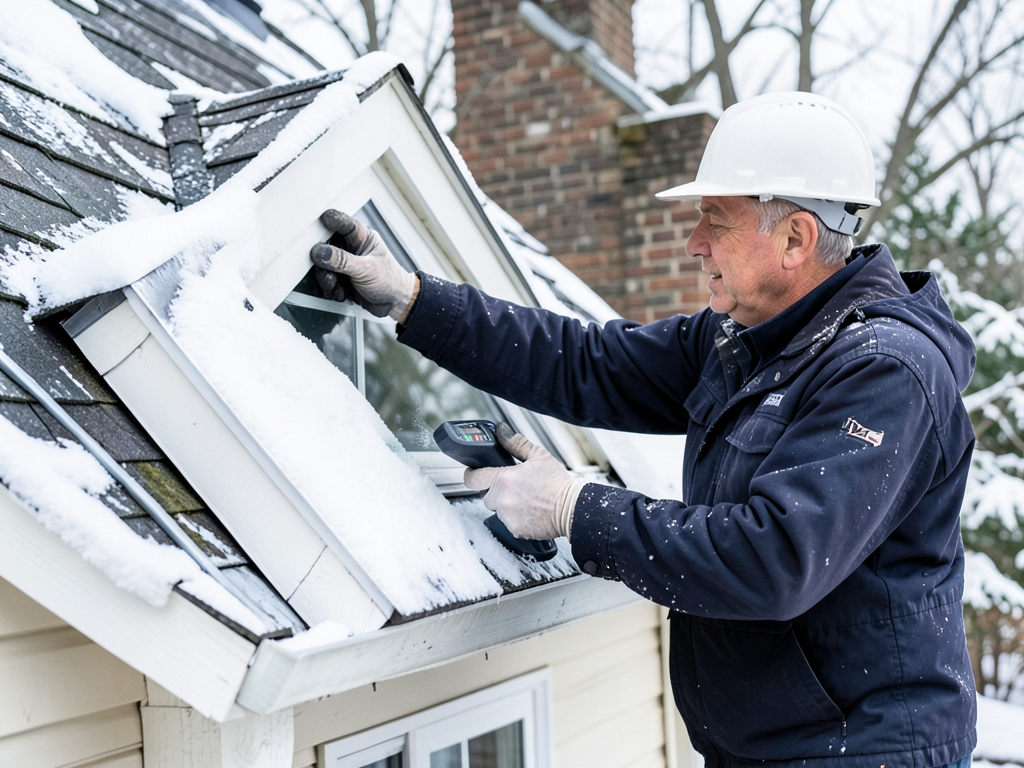
shows a typical ceiling stain pattern that indicates a dormer leak source. The key diagnostic sign is that the stain appears directly below the dormer rather than spread across a larger area, which would suggest a different leak source.
Why Novi Dormers Fail: The Role of Michigan Weather
Novi’s climate creates unique challenges for dormer flashing. The area experiences freeze-thaw cycles that can exceed 40 cycles per winter season, according to Michigan State University climate data. When snow melts during the day and refreezes at night, ice dams form at the dormer’s base where the roof meets the vertical wall. This ice buildup forces water under shingles and past compromised flashing. The Oakland County Building Code requires ice and water shield extending at least 24 inches past the interior wall line in these critical areas, but many older Novi homes were built before this requirement existed. Michigan State University climate data.
Step Flashing vs. Counter Flashing: Identifying the Problem
Understanding the difference between these two flashing types helps diagnose the leak source. Step flashing consists of individual L-shaped pieces woven between shingle courses along the roof slope. Counter flashing is embedded into the dormer’s sidewall and overlaps the step flashing to create a waterproof channel.
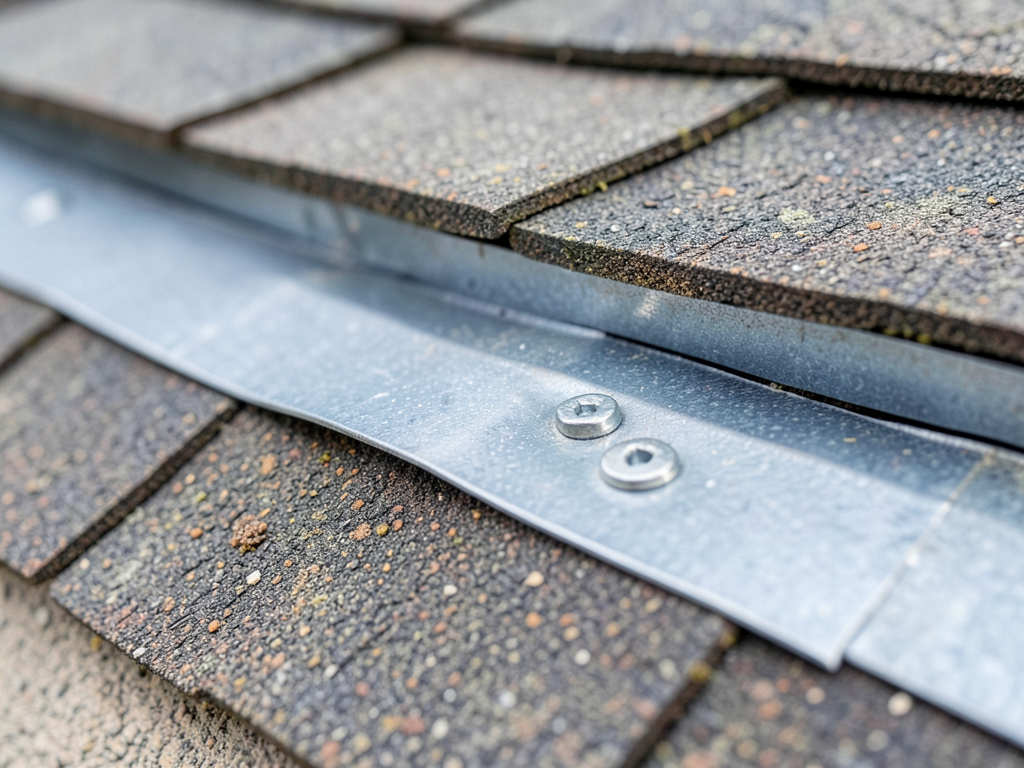
illustrates how these two components work together. The most common failure occurs when step flashing deteriorates from thermal expansion or when counter flashing pulls away from the wall due to settling or poor initial installation.
The Diagnostic Process: Finding Your Dormer Leak
Our technicians use a systematic approach to locate dormer leaks. First, we inspect the interior ceiling for water stains and trace them back to their highest point. Next, we examine the exterior for missing or damaged shingles, deteriorated caulk, or rusted flashing. During winter, we look for ice dam formation patterns. The final diagnostic step involves checking the attic space with a moisture meter to identify active leaks that may not yet show on interior surfaces. This methodical process eliminates guesswork and ensures we address the actual source rather than just treating symptoms.
Common Dormer Flashing Materials and Their Lifespan
The flashing material significantly impacts longevity in Novi’s climate. Aluminum flashing, common in homes built before 2010, typically lasts 15-20 years before corrosion becomes visible. Galvanized steel offers better durability but still succumbs to rust in Michigan’s salty winter road conditions. Copper flashing, while more expensive upfront, can last 50+ years and develops a protective patina that actually improves its weather resistance. The Michigan Residential Code Section R903.4 requires corrosion-resistant flashing materials at all roof-to-wall intersections, including dormers.
Ice and Water Shield: Your Dormer’s Best Defense
Ice and water shield is a self-adhering membrane that provides superior protection compared to traditional felt paper. In Novi’s climate, we install this shield in a two-layer system at dormers: the first layer runs from the roof edge to at least 24 inches past the interior wall line, and the second layer overlaps by 6 inches. This creates a waterproof barrier that remains flexible in freezing temperatures and seals around nails that penetrate during shingle installation. The shield’s rubberized asphalt composition prevents the cracking that occurs with standard underlayment during Michigan’s extreme temperature swings.
Professional Dormer Repair Process
Repairing a dormer leak requires precision and attention to detail. Our five-step process begins with complete removal of damaged shingles and flashing to expose the underlying structure. We then inspect the roof deck for rot or damage, replacing any compromised wood. The next step involves installing new ice and water shield according to manufacturer specifications and local code requirements. We then install new step flashing, weaving each piece between shingle courses to ensure proper water shedding. Finally, we reinstall matching shingles and seal all joints with polyurethane caulk designed for roofing applications. This comprehensive approach addresses both the visible damage and the underlying causes. Metal Roofing for Ferndale Homes (Is it Actually Worth the Investment?).
Cost Factors for Dormer Leak Repairs in Novi
Several variables affect dormer repair costs in the Novi area. The extent of water damage to interior ceilings and walls adds to the total expense. The dormer’s height and roof pitch impact labor time and safety requirements. Material choices between aluminum, galvanized steel, or copper flashing create price variations of 200-400%. The presence of ice dams may require additional snow removal services. Most Novi homeowners find that addressing dormer leaks promptly prevents more costly structural repairs later, as prolonged water exposure can compromise roof rafters and wall studs. What Royal Oak Homeowners Should Know Before Choosing a Roofing Contractor.
Prevention Strategies for Novi Homeowners
Preventing dormer leaks starts with proper attic insulation and ventilation. The Oakland County Energy Code requires minimum R-49 insulation in attics to prevent heat loss that causes snow melting. Adequate soffit and ridge ventilation maintains consistent roof temperatures, reducing ice dam formation. We recommend annual inspections of dormer flashing, especially after severe weather events. Installing heat cables along dormer valleys can prevent ice dam formation in problem areas. These preventive measures cost significantly less than emergency repairs and extend the life of your roofing system. Spray Foam Roofing.
When to Call a Professional
While some homeowners attempt DIY dormer repairs, certain situations demand professional expertise. If you notice active water dripping, see daylight through roof boards in the attic, or observe multiple failing flashings across your roof, it’s time to call a professional. The Michigan Department of Licensing and Regulatory Affairs requires roofing contractors to maintain proper insurance and licensing, protecting homeowners from liability and ensuring work meets code requirements. Professional repairs also come with warranties that protect your investment for years to come. Roofing Detroit.
Frequently Asked Questions
How long does dormer flashing repair typically take?
Most dormer flashing repairs in Novi can be completed in one to two days, depending on weather conditions and the extent of the damage. Simple flashing replacement might take 4-6 hours, while repairs involving structural damage could extend to two days.
Can I just seal the leak with caulk instead of replacing the flashing?
Caulk provides only a temporary fix and will fail again as it deteriorates under UV exposure and temperature changes. Proper repair requires removing and replacing the flashing system to address the root cause of the leak.
Will my homeowner’s insurance cover dormer leak repairs?
Insurance typically covers sudden damage from events like storms but not gradual deterioration from age or poor maintenance. Check your policy details, as some insurers offer endorsements for roof leak coverage.
How can I tell if my dormer leak is active or just old damage?
An active leak will show moisture readings on a professional moisture meter, while old damage appears as dry, discolored wood. During rain or snow melt, active leaks may drip or show fresh water stains.
What’s the difference between step flashing and counter flashing?
Step flashing consists of individual pieces woven between shingles along the roof slope, while counter flashing is embedded into the dormer’s sidewall and overlaps the step flashing to create a waterproof channel.
Take Action Before the Next Storm
Don’t wait for the next Michigan storm to turn a small dormer leak into a major repair. Call (313) 604-2233 today to schedule your professional inspection. Our team understands Novi’s unique weather challenges and can provide lasting solutions that protect your home for years to come. Whether you need emergency repairs or preventive maintenance, we’re ready to help. Pick up the phone and call (313) 604-2233 before water damage spreads further into your home’s structure.
{
“@context”: “https://schema.org”,
“@type”: “BlogPosting”,
“headline”: “Why Your Roof is Leaking Around the Dormer Windows of Your Novi Home”,
“description”: “Dormer leaks in Novi homes often stem from ice damming and poor flashing. Learn the causes, signs, and professional repair solutions from Peak Roofing Detroit.”,
“wordCount”: 1422,
“datePublished”: “2026-04-07T11:27:00.000Z”,
“dateModified”: “2026-04-07T11:27:00.000Z”,
“inLanguage”: “en-US”,
“mainEntityOfPage”: {
“@type”: “WebPage”,
“@id”: “https://peakroofingdetroit.com”
},
“publisher”: {
“@type”: “LocalBusiness”,
“name”: “Peak Roofing Detroit”,
“url”: “https://peakroofingdetroit.com”
},
“author”: {
“@type”: “Organization”,
“name”: “Peak Roofing Detroit”,
“url”: “https://peakroofingdetroit.com”
},
“image”: {
“@type”: “ImageObject”,
“url”: “https://peakroofingdetroit.com/wp-content/uploads/2026/03/why-your-roof-is-leaking-around-the-dormer-windows-1.png”
}
}
{
“@context”: “https://schema.org”,
“@type”: “RoofingContractor”,
“name”: “Peak Roofing Detroit”,
“url”: “https://peakroofingdetroit.com”,
“address”: {
“@type”: “PostalAddress”,
“addressLocality”: “Detroit”
},
“areaServed”: {
“@type”: “City”,
“name”: “Detroit”
}
}
{
“@context”: “https://schema.org”,
“@type”: “FAQPage”,
“mainEntity”: [
{
“@type”: “Question”,
“name”: “How long does dormer flashing repair typically take?”,
“acceptedAnswer”: {
“@type”: “Answer”,
“text”: “Most dormer flashing repairs in Novi can be completed in one to two days, depending on weather conditions and the extent of the damage. Simple flashing replacement might take 4-6 hours, while repairs involving structural damage could extend to two days.”
}
},
{
“@type”: “Question”,
“name”: “Can I just seal the leak with caulk instead of replacing the flashing?”,
“acceptedAnswer”: {
“@type”: “Answer”,
“text”: “Caulk provides only a temporary fix and will fail again as it deteriorates under UV exposure and temperature changes. Proper repair requires removing and replacing the flashing system to address the root cause of the leak.”
}
},
{
“@type”: “Question”,
“name”: “Will my homeowner’s insurance cover dormer leak repairs?”,
“acceptedAnswer”: {
“@type”: “Answer”,
“text”: “Insurance typically covers sudden damage from events like storms but not gradual deterioration from age or poor maintenance. Check your policy details, as some insurers offer endorsements for roof leak coverage.”
}
},
{
“@type”: “Question”,
“name”: “How can I tell if my dormer leak is active or just old damage?”,
“acceptedAnswer”: {
“@type”: “Answer”,
“text”: “An active leak will show moisture readings on a professional moisture meter, while old damage appears as dry, discolored wood. During rain or snow melt, active leaks may drip or show fresh water stains.”
}
},
{
“@type”: “Question”,
“name”: “What’s the difference between step flashing and counter flashing?”,
“acceptedAnswer”: {
“@type”: “Answer”,
“text”: “Step flashing consists of individual pieces woven between shingles along the roof slope, while counter flashing is embedded into the dormer’s sidewall and overlaps the step flashing to create a waterproof channel.”
}
}
]
}
{
“@context”: “https://schema.org”,
“@type”: “BreadcrumbList”,
“itemListElement”: [
{
“@type”: “ListItem”,
“position”: 1,
“name”: “Home”,
“item”: “https://peakroofingdetroit.com”
},
{
“@type”: “ListItem”,
“position”: 2,
“name”: “Blog”,
“item”: “https://peakroofingdetroit.com/blog”
},
{
“@type”: “ListItem”,
“position”: 3,
“name”: “Why Your Roof is Leaking Around the Dormer Windows of Your Novi Home”
}
]
}
{
“@context”: “https://schema.org”,
“@type”: “Service”,
“serviceType”: “Roofing”,
“provider”: {
“@type”: “LocalBusiness”,
“name”: “Peak Roofing Detroit”,
“url”: “https://peakroofingdetroit.com”
},
“areaServed”: {
“@type”: “City”,
“name”: “Detroit”
},
“description”: “Dormer leaks in Novi homes often stem from ice damming and poor flashing. Learn the causes, signs, and professional repair solutions from Peak Roofing Detroit.”
}