
Solving Attic Ventilation Challenges in Detroit Cape Cod Homes
If you live in a Cape Cod style home in Berkley, you already know the upper floor can feel like a sauna in summer and an icebox in winter. The problem isn’t your heating system or your windows. It’s the complex attic space created by the home’s signature sloped ceilings and knee walls. These architectural features create ventilation bottlenecks that trap heat and moisture, leading to uncomfortable living conditions and potential structural damage. The good news? With proper knee wall ventilation designed specifically for Michigan’s climate, you can transform those upstairs bedrooms into comfortable, energy-efficient spaces year-round. Michigan Residential Code.
Why Cape Cod Houses Face Unique Ventilation Problems
Cape Cod homes built in Detroit’s older suburbs like Berkley face ventilation challenges that simple roof vents cannot solve. The 1.5-story design creates what building scientists call a “conditioned attic” where the living space extends into what would normally be an unconditioned attic. This means the sloped ceilings of your upstairs bedrooms are actually the underside of your roof deck, creating a confined space where heat and moisture get trapped. Roofing Detroit.
The problem intensifies in Michigan’s climate. During summer, the sun beats down on your roof, and without proper airflow, temperatures in these confined attic spaces can soar to 150°F or higher. In winter, the same spaces become cold pockets where warm air from your living areas meets the freezing roof deck, creating perfect conditions for ice dam formation. The knee walls that give these homes their charming character actually block natural airflow, creating dead zones where condensation forms and mold can grow.
The Anatomy of a Cape Cod Attic: Knee Walls, Slants, and Peaks
Understanding your home’s structure is the first step to solving ventilation problems. A typical Berkley Cape Cod has several key components that affect airflow:
- Knee walls: Short vertical walls that extend from the floor to the roof slope, creating the upstairs rooms
- Rafter bays: The triangular spaces between roof rafters where insulation and airflow should occur
- Soffit vents: Intake vents at the roof’s edge that bring in cool air
- Ridge vents: Exhaust vents at the roof peak that allow hot air to escape
- Top plates: The horizontal framing members where walls meet the roof
The critical issue in Cape Cod homes is the “knee wall bypass.” Without proper ventilation channels, conditioned air from your living space escapes into the attic through gaps around the top plates. This air carries moisture that condenses on cold roof surfaces, leading to rot, mold, and ice dams. Meanwhile, the lack of airflow means hot air cannot escape in summer, creating pressure that forces cooled air back down into your living spaces.
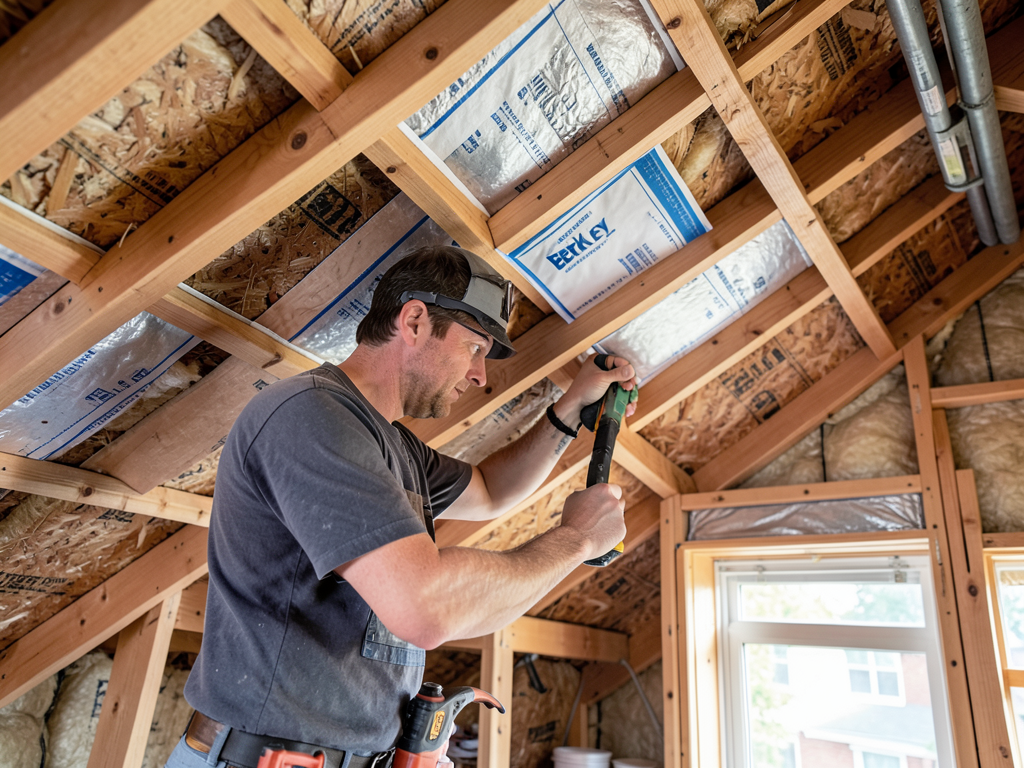
Diagram showing airflow paths in a Cape Cod attic with proper knee wall ventilation, highlighting intake vents, baffles, and exhaust systems.
3 Proven Ventilation Strategies for Michigan Climates
Solving Cape Cod ventilation requires a systematic approach that addresses Michigan’s specific challenges. Here are three strategies that work in Berkley’s climate:
1. The Baffle and Soffit System
The foundation of any good ventilation system starts with maintaining clear airflow paths. Rafter baffles, also called insulation wind baffles, are plastic or foam channels installed between rafters. They keep insulation from blocking the gap between your soffit vents and the attic space above. In Michigan, where snow loads can be heavy, these baffles must extend from the soffit all the way to the top plate to ensure airflow isn’t blocked by ice or snow buildup.. Read more about Why Ridge Vents Might Not Be Enough for Your Heavily Wooded Beverly Hills Lot.
The Michigan Residential Code requires a minimum of one square foot of net free ventilating area (NFVA) for every 150 square feet of attic floor space. For Cape Cod homes, this means calculating the total area of all rafter bays and ensuring your intake and exhaust systems can move enough air. A typical Berkley Cape Cod might need 40-60 square inches of net free area per linear foot of ridge, depending on the roof pitch and total attic volume.
2. The Hot Roof Alternative
For some Cape Cod homes, especially those with complex rooflines or where traditional venting is impractical, a “hot roof” or unvented attic system might be the answer. This approach uses closed-cell spray foam insulation applied directly to the underside of the roof deck, creating an airtight barrier that eliminates the need for ventilation. Spray Foam Roofing.
This method is particularly effective in older Berkley homes where adding traditional vents would compromise the historic character. The spray foam provides both insulation and an air barrier, preventing the stack effect that causes heat loss in winter and heat gain in summer. However, this approach must be designed by a professional familiar with Michigan’s building codes and climate requirements. Getting Your Historic Roof Restored in Indian Village the Right Way.
3. The Power Vent Solution
When natural convection isn’t enough to move air through the complex spaces of a Cape Cod attic, powered ventilation can provide the extra push needed. Solar-powered attic fans or thermostatically controlled electric vents can significantly improve airflow, especially during Michigan’s humid summers when stagnant air can lead to condensation problems.
The key is balancing powered vents with adequate intake ventilation. Installing a powerful exhaust fan without enough soffit vents can actually create negative pressure that pulls conditioned air from your living spaces, increasing energy costs and potentially bringing in moisture-laden air from outside.
Preventing Ice Dams: The Detroit Homeowner’s Priority
Ice dams are the arch-nemesis of Cape Cod homeowners in Southeast Michigan. These ridges of ice form when heat escaping from your living space melts snow on the roof, which then refreezes at the colder eaves. The result is water backing up under your shingles, causing leaks and damage to walls and ceilings. What Royal Oak Homeowners Should Know Before Choosing a Roofing Contractor.
The solution starts with proper air sealing. Every penetration in your ceiling plane is a potential leak point. This includes electrical boxes, plumbing vents, and the top plates where knee walls meet the roof. Using spray foam or caulk to seal these gaps can reduce heat loss by up to 30%. In Michigan, where winter temperatures regularly drop below freezing, this air sealing is not optional it’s essential for preventing ice dams.
Additionally, proper insulation is critical. The Michigan Residential Code specifies R-49 to R-60 insulation in attics, but in Cape Cod homes, you need to ensure this insulation doesn’t block the airflow channels. This is where the baffle system becomes crucial. Without it, even the best insulation can contribute to ice dam formation by trapping heat against the roof deck.
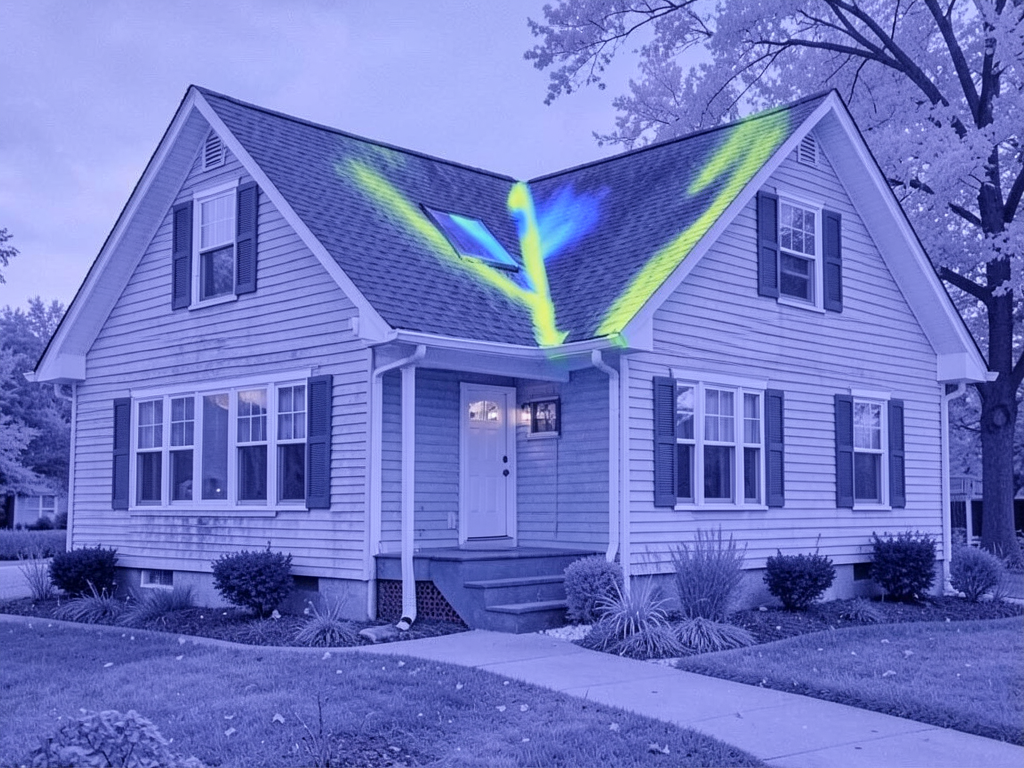
Photo showing ice dam formation on a Cape Cod roof in winter, with close-up of water infiltration damage to interior walls.
Professional Installation vs. DIY: What You Need to Know
While adding a few vents might seem like a weekend project, Cape Cod ventilation is more complex than it appears. The interconnected nature of the systems means that one mistake can compromise the entire solution. For instance, adding too much exhaust ventilation without balancing intake can create negative pressure that pulls conditioned air from your living spaces, increasing energy costs and potentially bringing in moisture-laden air from outside.
Professional installation ensures compliance with Michigan building codes and manufacturer warranties. A qualified contractor will perform a blower door test to identify air leaks, use thermal imaging to spot heat loss patterns, and calculate the exact ventilation requirements for your specific home. They’ll also ensure proper integration with your existing roofing system, which is crucial for maintaining your warranty. Metal Roofing for Ferndale Homes (Is it Actually Worth the Investment?).
The cost difference between DIY and professional installation often pays for itself through energy savings and prevented damage. A professional job includes proper permits, code compliance documentation, and often extended warranties on both materials and workmanship. Given Michigan’s harsh climate, this protection is worth the investment.
Schedule a Ventilation Audit for Your Detroit Home
Every Cape Cod home in Berkley has unique ventilation needs based on its age, construction, and orientation. A professional ventilation audit can identify specific problems and recommend targeted solutions. During an audit, technicians use specialized tools like infrared cameras to detect heat loss patterns, moisture meters to check for hidden water damage, and airflow meters to measure ventilation effectiveness.
Look for contractors who understand Michigan’s specific challenges, including the freeze-thaw cycles that can damage poorly designed ventilation systems and the high humidity levels that can lead to condensation problems. Ask about their experience with historic homes in Berkley and whether they’re familiar with local building codes and permit requirements.
The best time to address ventilation issues is before they cause damage. If you’re experiencing temperature imbalances, noticing ice dams in winter, or seeing signs of moisture in your upstairs rooms, don’t wait for the problem to worsen. Michigan’s climate will only make existing ventilation issues more severe over time.
Technician performing a ventilation audit on a Cape Cod home in Berkley, using thermal imaging to detect heat loss and airflow issues.
Frequently Asked Questions
How much does it cost to properly ventilate a Cape Cod attic in Michigan?
Costs vary based on your home’s specific needs, but most Berkley homeowners can expect to invest between $3,000 and $8,000 for a complete ventilation system. This includes baffles, proper sealing, adequate vents, and professional installation. The investment typically pays for itself within 3-5 years through energy savings and prevented damage.
Can I add ventilation to my Cape Cod without changing the exterior appearance?
Yes, many ventilation improvements can be made from inside the attic space. Ridge vents can be installed under existing shingles, and soffit vents can be added in existing eaves. For historic homes in Berkley, contractors can often match existing materials and minimize visible changes while still meeting ventilation requirements.
How long does a ventilation retrofit take?
Most Cape Cod ventilation projects in Berkley can be completed in 2-3 days. This includes the initial assessment, installation of baffles and vents, air sealing, and final testing. Weather-dependent work like roof vent installation might extend the timeline slightly, but most projects cause minimal disruption to your daily life.
Will better ventilation lower my energy bills?
Absolutely. Proper ventilation can reduce heating and cooling costs by 15-25% in Cape Cod homes. By preventing heat buildup in summer and maintaining consistent temperatures in winter, your HVAC system doesn’t have to work as hard. Many Berkley homeowners see their first-year energy savings cover a significant portion of the installation cost.
Do I need permits for ventilation work in Berkley?
Yes, most ventilation improvements require permits from the Berkley building department. A professional contractor will handle the permitting process and ensure all work meets Michigan Residential Code requirements. This protects you from potential issues when selling your home and ensures the work meets current safety standards. EPA ventilation standards.
Call (313) 604-2233 today to schedule your ventilation audit. Don’t let another Michigan summer make your upstairs unbearable or another winter create ice dams that damage your home. Our team understands the unique challenges of Cape Cod homes in Berkley and can design a ventilation system that works with your home’s architecture while meeting all Michigan building codes. Pick up the phone and call (313) 604-2233 before the next storm hits your Berkley home.
{
“@context”: “https://schema.org”,
“@type”: “BlogPosting”,
“headline”: “Why Your Cape Cod Style Home in Berkley Needs Specialized Knee Wall Ventilation”,
“description”: “Detroit Cape Cod homes face unique ventilation challenges. Learn how proper knee wall ventilation prevents ice dams and improves comfort in your Berkley home.”,
“wordCount”: 1884,
“datePublished”: “2026-05-11T07:04:00.000Z”,
“dateModified”: “2026-05-11T07:04:00.000Z”,
“inLanguage”: “en-US”,
“mainEntityOfPage”: {
“@type”: “WebPage”,
“@id”: “https://peakroofingdetroit.com”
},
“publisher”: {
“@type”: “LocalBusiness”,
“name”: “Peak Roofing Detroit”,
“url”: “https://peakroofingdetroit.com”
},
“author”: {
“@type”: “Organization”,
“name”: “Peak Roofing Detroit”,
“url”: “https://peakroofingdetroit.com”
},
“image”: {
“@type”: “ImageObject”,
“url”: “https://peakroofingdetroit.com/wp-content/uploads/2026/03/why-your-cape-cod-style-home-in-berkley-needs-spec-1.png”
}
}
{
“@context”: “https://schema.org”,
“@type”: “RoofingContractor”,
“name”: “Peak Roofing Detroit”,
“url”: “https://peakroofingdetroit.com”,
“address”: {
“@type”: “PostalAddress”,
“addressLocality”: “Detroit”
},
“areaServed”: {
“@type”: “City”,
“name”: “Detroit”
}
}
{
“@context”: “https://schema.org”,
“@type”: “FAQPage”,
“mainEntity”: [
{
“@type”: “Question”,
“name”: “How much does it cost to properly ventilate a Cape Cod attic in Michigan?”,
“acceptedAnswer”: {
“@type”: “Answer”,
“text”: “Costs vary based on your home’s specific needs, but most Berkley homeowners can expect to invest between $3,000 and $8,000 for a complete ventilation system. This includes baffles, proper sealing, adequate vents, and professional installation. The investment typically pays for itself within 3-5 years through energy savings and prevented damage.”
}
},
{
“@type”: “Question”,
“name”: “Can I add ventilation to my Cape Cod without changing the exterior appearance?”,
“acceptedAnswer”: {
“@type”: “Answer”,
“text”: “Yes, many ventilation improvements can be made from inside the attic space. Ridge vents can be installed under existing shingles, and soffit vents can be added in existing eaves. For historic homes in Berkley, contractors can often match existing materials and minimize visible changes while still meeting ventilation requirements.”
}
},
{
“@type”: “Question”,
“name”: “How long does a ventilation retrofit take?”,
“acceptedAnswer”: {
“@type”: “Answer”,
“text”: “Most Cape Cod ventilation projects in Berkley can be completed in 2-3 days. This includes the initial assessment, installation of baffles and vents, air sealing, and final testing. Weather-dependent work like roof vent installation might extend the timeline slightly, but most projects cause minimal disruption to your daily life.”
}
},
{
“@type”: “Question”,
“name”: “Will better ventilation lower my energy bills?”,
“acceptedAnswer”: {
“@type”: “Answer”,
“text”: “Absolutely. Proper ventilation can reduce heating and cooling costs by 15-25% in Cape Cod homes. By preventing heat buildup in summer and maintaining consistent temperatures in winter, your HVAC system doesn’t have to work as hard. Many Berkley homeowners see their first-year energy savings cover a significant portion of the installation cost.”
}
},
{
“@type”: “Question”,
“name”: “Do I need permits for ventilation work in Berkley?”,
“acceptedAnswer”: {
“@type”: “Answer”,
“text”: “Yes, most ventilation improvements require permits from the Berkley building department. A professional contractor will handle the permitting process and ensure all work meets Michigan Residential Code requirements. This protects you from potential issues when selling your home and ensures the work meets current safety standards. EPA ventilation standards.”
}
}
]
}
{
“@context”: “https://schema.org”,
“@type”: “BreadcrumbList”,
“itemListElement”: [
{
“@type”: “ListItem”,
“position”: 1,
“name”: “Home”,
“item”: “https://peakroofingdetroit.com”
},
{
“@type”: “ListItem”,
“position”: 2,
“name”: “Blog”,
“item”: “https://peakroofingdetroit.com/blog”
},
{
“@type”: “ListItem”,
“position”: 3,
“name”: “Why Your Cape Cod Style Home in Berkley Needs Specialized Knee Wall Ventilation”
}
]
}
{
“@context”: “https://schema.org”,
“@type”: “Service”,
“serviceType”: “Roofing”,
“provider”: {
“@type”: “LocalBusiness”,
“name”: “Peak Roofing Detroit”,
“url”: “https://peakroofingdetroit.com”
},
“areaServed”: {
“@type”: “City”,
“name”: “Detroit”
},
“description”: “Detroit Cape Cod homes face unique ventilation challenges. Learn how proper knee wall ventilation prevents ice dams and improves comfort in your Berkley home.”
}